
What Does TL Mean on a Tire? Tubeless Tires Explained
As an Amazon Associate I earn from qualifying purchases.
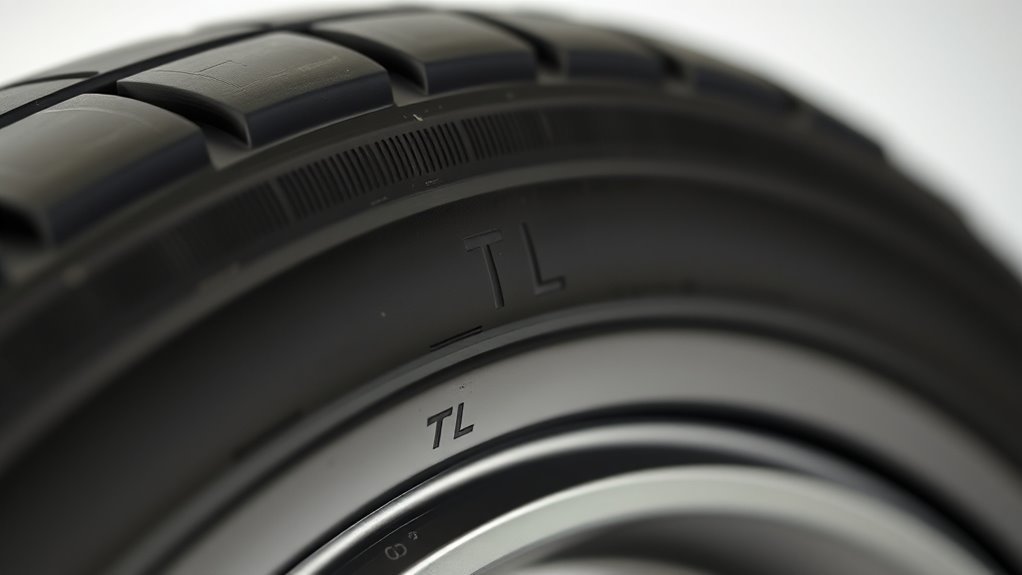
TL on a tire means tubeless. The tire is designed to hold air without an inner tube, which means fewer sudden blowouts, lower rolling resistance, and the ability to run lower pressures for better traction and comfort. A tight bead-to-rim seal and internal liner keep air in, while sealant can slow or plug small punctures. Not all spoked rims are tubeless-compatible, so match your tire to the right rim and follow proper mounting practices before heading out.
What Does “TL” Mean on a Tire? (Short Answer and Why It Matters)
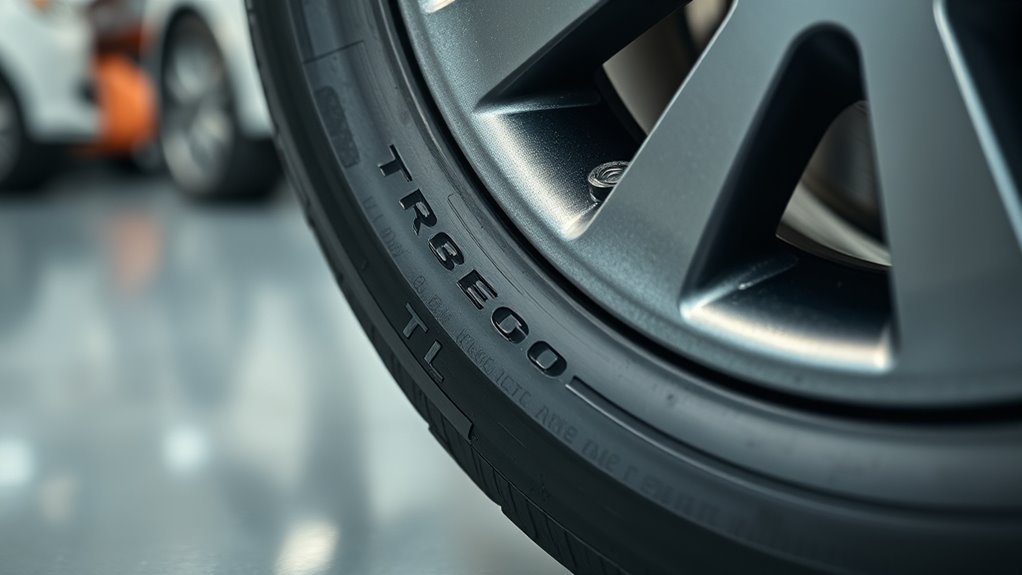
TL means “Tubeless.” The tire holds air between the bead and rim with no inner tube. In practical terms, that means slower air loss after a puncture, better traction and stability off-road, and a construction built for heavier-duty use.
Rim compatibility is critical. Only rims with the right bead seat and profile will seal and hold pressure reliably. Before buying, confirm the rim is tubeless-ready or plan to use a certified conversion kit. A mismatched rim reduces safety, causes rapid deflation, and cancels out the handling advantages tubeless tires offer.
How Do Tubeless (TL) Tires Seal Without an Inner Tube?
Tubeless tires form an airtight chamber against a compatible rim. An inner liner bonded to the tire creates the primary air barrier. The bead-to-rim interface adds a mechanical seal, and liquid sealant handles minor punctures, slowing air loss rather than letting it escape all at once.
Proper rim profile is essential. A mismatched bead seat compromises the seal and creates a safety risk. Inspect bead seating regularly and replenish sealant at the intervals your manufacturer recommends.
| Component | Function | Benefit |
|---|---|---|
| Inner liner | Airtight membrane | Baseline air retention |
| Bead/rim | Mechanical seal | Stable seating |
| Sealant | Puncture plug | Slow leak, mobility |
Tubeless (TL) vs Tube (TT): Performance and Safety
The main advantage of tubeless over tube-type tires is the ability to run lower pressures. Lower pressure improves the contact patch and grip on uneven terrain, which translates to better traction and comfort on rough surfaces. It also reduces the risk of sudden blowouts.
When a TL tire gets punctured, it deflates slowly. A tube-type tire can fail abruptly. That difference matters at speed.
Tubeless safety still depends on rim compatibility and proper sealing. Keep bead seating, rim tape, and sealant in good condition. Fitting a tube inside a TL tire on an incompatible rim will reduce most of the tubeless benefits.
[Products Worth Considering]

The AstroAI MC3 offers versatile, high‑pressure and high‑volume inflation with dual metal motors and OmniVent heat dissipation, delivering up to 160 PSI and 350 L/min. It runs on 110 V AC, 12 V DC, or a built‑in rechargeable battery, providing up to 20 minutes of continuous use. Integrated storage and a digital HD screen make it convenient for car, bike, and outdoor inflation needs.

The VIAIR 400P EF is a 12V portable air compressor designed for off‑road trucks and SUVs, delivering fast, high‑performance inflation for up to 35‑inch tires. Its upgraded head improves heat dissipation and reduces noise, while a 5‑in‑1 hose and dual‑compartment bag add convenience. Versatile power options and a stable I‑Beam sand tray make it ideal for rugged terrain and heavy‑duty use.

The VIAIR 300P delivers reliable tire inflation for trucks, SUVs, and jeeps with up to 150 PSI pressure and a 33% duty cycle, ensuring quick recovery from flats on and off road. Its 12‑volt operation and 2.30 CFM free flow make it ideal for emergency roadside use, while the deluxe dual‑compartment carry bag adds convenience and portability. Easy to connect to a vehicle battery and equipped with a 5‑in‑1 gauge, it provides accurate pressure monitoring and hassle‑free operation.
Can You Mount a TL Tire on Spoked or Tube-Type Rims?
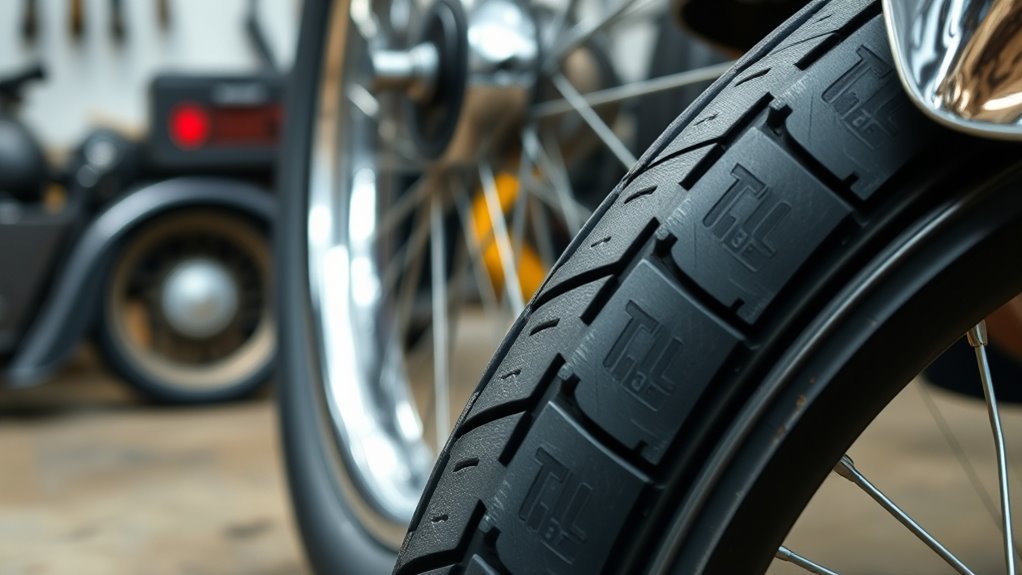
You can fit a TL tire to a spoked rim, but only with an inner tube. Tubeless beads won’t seal on spoke assemblies that aren’t airtight.
Some spoked wheels are built to accept tubeless setups. Others aren’t. Check the rim’s specifications before mounting. For dual-sport bikes, designers often expect TL tires to be run with tubes on spoke rims. Certain high-performance radials have historically paired poorly with tubes, so verify tube size compatibility and watch for heat and movement issues.
Always follow manufacturer guidance for safe, reliable mounting.
What Makes a Rim Tubeless-Ready?
Not every rim works with a tubeless setup. A tubeless-ready rim has a specific bead seat profile that locks the tire bead in place and prevents air from escaping at the interface. The rim bed also needs to be airtight, either by design or with tubeless rim tape that seals over the spoke holes.
Standard spoked rims with open spoke holes won’t hold air without a tube unless they’ve been converted. A tubeless conversion kit typically includes rim tape, a valve stem, and sealant. Before converting, confirm your rim manufacturer approves the rim for tubeless use.
[Products Worth Considering]

This all-in-one inflator kit provides a 50‑foot hybrid air hose with dual foot chuck, universal gladhand, and air plugs, delivering reliable tire inflation for semi‑trucks up to 350 psi. The lightweight, kink‑resistant hose resists wear, chemicals and extreme temperatures, while the portable design makes storage and transport effortless for drivers and fleet managers.

This heavy‑duty tire inflator kit features a 50‑foot hybrid polymer hose and a universal glad‑hand attachment, allowing trucks to tap onboard air for quick tire inflation. The 30° dual air chuck reaches hard‑to‑reach valve stems, while weather‑resistant construction ensures reliable performance indoors and out. Ideal for fleet managers and truck drivers who need a portable, high‑pressure solution.
How to Read Tire Sidewall Markings That Show TL and Load/Speed
Tire sidewall markings follow a consistent format. “TL” confirms the tire is tubeless. The load index, a number like 91, shows the maximum weight the tire can carry. The speed symbol, a letter like V, indicates the top-rated speed. These two usually appear together, for example as “91V.”
The sidewall also shows the tire size (width/aspect ratio/rim diameter) and a DOT code with manufacturing details. Cross-reference the load and speed codes with the manufacturer’s charts to confirm the tire suits your vehicle. Note the aspect ratio for handling characteristics, check the DOT date for tire age, and maintain correct pressure to preserve rated capacity.
TL Punctures: How They Behave and Practical Repair Options
When a TL tyre is pierced, you’ll usually get a slow leak rather than an instant blowout. The inner airtight membrane and any sealant slow the air loss considerably. Small punctures up to about 6mm can often be fixed with a plug or patch. Always inspect the sidewall for damage, since sidewall punctures typically rule out a safe repair.
If a tire is actively leaking, reduce speed, maintain control, apply a temporary sealant or plug, and get the tyre professionally inspected as soon as possible.
Puncture Leak Behavior
Most punctures in a tubeless tire leak slowly. You’ll usually notice pressure loss, handling changes, or sidewall bulging before anything catastrophic happens. The internal liner and sealant maintain usable pressure long enough to reach a safe location.
For prevention, check tires regularly for embedded debris and monitor pressure often. Small leaks affect fuel economy and handling over time, so deal with them promptly when detected.
Repair Options Overview
Since tubeless tires deflate slowly, you often have time to reach safety before the tire is completely flat. Repair options depend on the puncture’s size and location.
Tread punctures under 6mm are generally repairable. Sidewall damage usually means the tire needs replacement. Use liquid sealant for small holes and slow leaks. A rubber plug kit handles larger tread punctures up to about 6mm. For sidewall damage, replacement is the only safe option.
- Use sealant for hairline holes and slow leaks. It’s a quick, temporary fix.
- Plug kits handle larger tread punctures up to about 6mm.
- Replace tires with sidewall damage. Repairs aren’t safe.
Emergency Repair Steps
Pull over to a safe, level spot and switch on the hazard lights. Listen for hissing, watch for pressure drop, or spray soapy water to locate the leak.
Gather your repair tools: a tire plug kit or approved tubeless sealant, a reamer, an insertion tool, gloves, and a pressure gauge. Remove the foreign object and recheck the puncture location.
For small holes, inject sealant per the kit’s instructions or insert a plug using the reamer and insertion tool. Trim any excess plug. Inflate to the recommended pressure and monitor for leaks.
If the damage is large or the bead or sidewall is compromised, don’t attempt a repair. Replace the tire or call roadside assistance.
Real-World TL Benefits for Drivers and Fleets (Fuel, Safety, Cost)
Tubeless tires offer three concrete advantages: slower air loss after punctures, lower rolling resistance, and sturdier construction for better traction and handling. Each one has a real-world payoff.
Slower deflation gives you time to react and pull over safely. Lower rolling resistance translates to measurable fuel efficiency gains over long routes. Sturdier sidewalls and better heat dissipation reduce blowout risk. For fleets, fewer failures mean less downtime and lower replacement costs.
- Longer air retention means safer, controlled pulls to the shoulder after a puncture.
- Lower rolling resistance converts to real fuel savings over routes.
- Improved construction and cooling reduce maintenance frequency and costly failures.
Choosing Between TL and Tube Tires for Your Vehicle Type
The right tire depends on how and where you drive. For heavy-duty or rough-terrain use, tubeless tires provide better traction and slower air loss. For port, terminal, or soft-surface work, tube-type tires (TT) are preferred for heat tolerance and comfort.
TL tires can work on tube-type rims with an inner tube, giving dual-sport riders some flexibility. Match your tire choice to the terrain, load, and available rims to get the best safety and performance.
| Use Case | Advantage | Note |
|---|---|---|
| Heavy duty | TL traction | Slower deflation |
| Port work | TT heat tolerance | Comfort |
| Dual-sport | TL on tube rims | Flexibility |
TL Maintenance Tips to Maximize Tire Lifespan
Keeping tubeless tires properly maintained means better wear, safer handling, and fewer unexpected failures. A few consistent habits go a long way.
Check tire pressure weekly and before long trips to prevent underinflation and uneven wear. Monitor tread depth using wear indicators and replace tires before they fall below safe limits. Rotate at your vehicle’s recommended intervals to equalize wear across all positions. Clean sidewalls after off-road or salty conditions to remove debris that degrades rubber. Store spare TL tires in cool, dry storage, away from sunlight and heat sources.
- Weekly pressure check, visual tread inspection, quick sidewall wipe
- Rotate per manual, log dates and mileage
- Store upright in cool, dry space
Frequently Asked Questions
What Does TL Mean on a Tire?
TL means tubeless. No inner tube is required. The benefits include lighter weight and slower deflation after punctures, but you still need to monitor pressure and maintain the tire regularly for the seal to hold.
What Is the TL Code on a Tire?
TL is the tubeless designation on a tire sidewall. It tells you the tire is designed to hold air without an inner tube. Tubeless tires lose air more slowly after a puncture, but they still need regular pressure checks and sealant upkeep to perform reliably.
Does TL Mean Tubeless?
Yes. TL means tubeless. On a compatible rim, a TL tire delivers slower air loss and easier puncture management. Keep up with maintenance to preserve sealing performance and pressure stability.
What Is the Difference Between TT and TL Tyres?
TT tires are tube-type and require an inner tube. TL tires are tubeless and seal directly against the rim. The differences show up in puncture behavior, performance characteristics, and rim compatibility.
Conclusion
Spot “TL” on a sidewall and you know the tire is tubeless. It seals air against the rim without a tube, which means fewer blowouts, quicker puncture fixes, and often better fuel economy. Think of it as trading a leaky bucket for a sealed bottle.
You still need the right rims, sealant for peace of mind, and regular checks. For daily driving or fleet work, TL tires usually save money and reduce headaches. Choose based on rim type, load, and your comfort with basic repairs.

Related Articles
How to Find Tire Width From the Sidewall Numbers
Jot down the first three digits on your tire sidewall to reveal its width, and discover what the rest of the code is hiding.
Read More
How Does Tire Sizing Work? Decoding Every Number & Letter
Know what those tire numbers and letters really mean, and you’ll avoid costly fitment mistakes—until one crucial code changes everything.
Read More
How Does a Tire Gauge Work: Complete Guide, Tips & Expert Advice
Tire gauges reveal your PSI by sealing onto the valve stem, but the real accuracy tricks and expert tips might surprise you.
Read More