
Disadvantages of Low-Profile Tires on a RAV4: What to Know
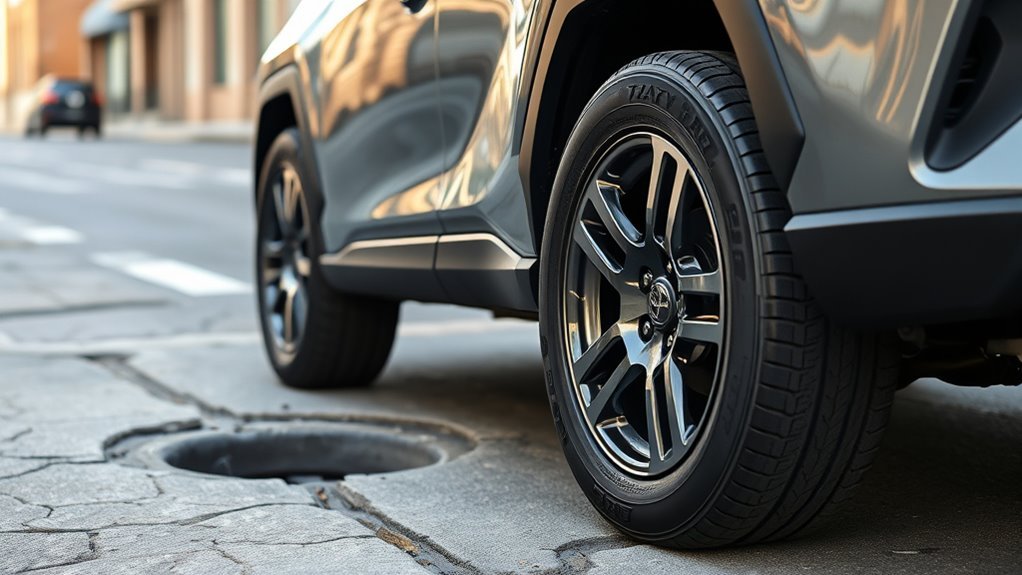
Low-profile tires can make a Toyota RAV4 look sharper and feel a little more responsive, but they are not the best choice for every driver. The main trade-offs are ride comfort, pothole protection, road noise, replacement cost, and reduced usefulness on rough roads or trails.
Quick Answer
Low-profile tires on a RAV4 can improve steering feel and give the SUV a sportier look, but they usually reduce sidewall cushioning. That can mean a firmer ride, more impact harshness, higher pothole and wheel-damage risk, and weaker comfort on rough roads.
Key Takeaways
- Low-profile tires have shorter sidewalls, so they absorb less impact than taller-sidewall tires.
- They can sharpen steering response, but comfort, noise, and pothole protection often suffer.
- Factory 17-, 18-, and 19-inch RAV4 wheels are different from an aggressive aftermarket plus-size setup.
- Before changing tire size, match the door-jamb placard, load rating, speed rating, overall diameter, and wheel clearance.
- For most daily-driven RAV4s, an OEM-size touring, all-season, winter, or mild all-terrain tire is usually the more practical choice.
Understanding Low-Profile Tires and Their Impact on RAV4
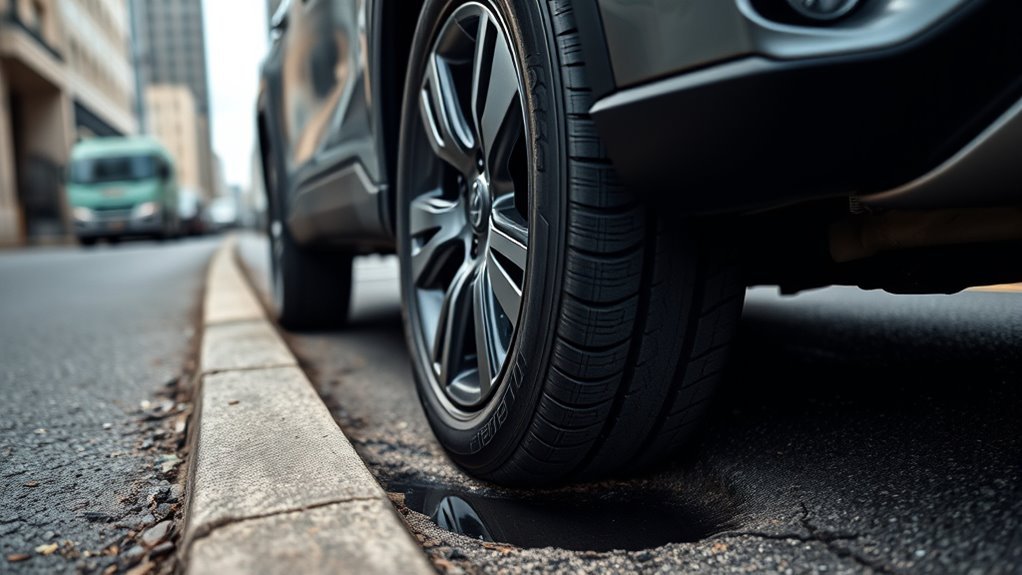
A low-profile tire has a shorter sidewall compared with its width. In the tire size 235/55R19, for example, the “55” means the sidewall height is 55% of the tire’s width. A lower number usually means less rubber between the wheel and the road.
That shorter sidewall can make steering feel more direct because the tire flexes less during cornering. This is why larger wheels and lower-profile tires are common on sportier trims and appearance packages. Tire Rack explains that plus sizing pairs larger wheels with wider, lower-profile tires while keeping the overall tire diameter close to the original size.
On a RAV4, though, the trade-off matters more than it would on a dedicated sports car. The RAV4 is designed as a compact SUV for commuting, family use, bad weather, cargo, and light adventure driving. Shorter tire sidewalls can make it feel less comfortable and less forgiving on the roads where many RAV4 owners actually drive.
Note: A factory 19-inch RAV4 wheel is not automatically a bad setup. The bigger concern is an aggressive aftermarket wheel-and-tire change that reduces sidewall height too much, adds weight, changes overall diameter, or uses the wrong load rating.
[Products Worth Considering]

Universal magnetic jack pad with aluminum grooved design to protect vehicle pinch welds during lifting. Durable nylon pad inserts are upgraded and secured with screws to resist damage and keep in place. Designed to fit most single vehicle pinpoint welds for safer, stable jacking when changing tires, repairs, or performing oil changes.

Protect your Tesla during lifting with durable rubber jack pads designed to cushion pressure and help safeguard the battery and chassis. The non-slip, plug-and-play puck set fits Tesla Model 3/Y/X/S for safe, secure jacking. Each pack includes a portable storage case for cleaner trunk organization.

This oesee 8-piece wheel care kit helps you clean, scrub, and dry wheels safely with purpose-built brushes and towels. The scratch-free microfiber wheel brush lifts brake dust and grime, while the stiff pro-grip tire brush removes tire browning and embedded dirt. A twist loop microfiber drying towel and an applicator help achieve a streak-free finish and cleaner, more even product application.
Factory RAV4 Wheels vs. Aftermarket Low-Profile Upgrades
Toyota has offered several wheel sizes across recent RAV4 trims, including 17-inch, 18-inch, and 19-inch wheels. The 2024 Toyota RAV4 brochure lists 17-inch wheels on LE/XLE-style trims, 18-inch wheels on several hybrid and off-road-focused trims, and 19-inch wheels on trims such as Limited, XLE Premium, Adventure, and Prime XSE. It also lists Falken WILDPEAK all-terrain tires for TRD Off-Road and Woodland Edition models.
That matters because there are two very different situations:
- OEM-style setup: A Toyota-approved wheel and tire size that matches the vehicle’s intended diameter, load rating, clearance, and driving systems.
- Aftermarket plus-size setup: A larger wheel with a shorter sidewall tire, which may look better but can reduce comfort and increase damage risk if not chosen carefully.
If you want a sportier look, staying close to an OEM RAV4 size is usually safer than chasing the largest wheel that fits in the wheel well.
How Low-Profile Tires Affect Ride Quality
The most noticeable downside of low-profile tires on a RAV4 is a firmer ride. A taller sidewall acts like a cushion. It flexes over small bumps, pavement seams, gravel, and pothole edges. A shorter sidewall has less room to flex, so more impact reaches the cabin.
Impact on Comfort Levels
If your RAV4 is your daily commuter or family vehicle, comfort should carry a lot of weight in the decision. Low-profile tires can make small road imperfections feel sharper through the steering wheel, seat, and floor. On rough city streets, that can turn a relaxed SUV into something that feels busy and stiff.
This does not mean every low-profile tire is uncomfortable. Tire model, tread design, wheel weight, suspension condition, and inflation pressure all matter. But compared with a taller-sidewall tire in the correct OEM size, a lower-profile setup usually gives up some cushioning.
Sensitivity to Road Imperfections
Low-profile tires make a RAV4 more sensitive to:
- Potholes and broken pavement
- Expansion joints on bridges and highways
- Sharp driveway entrances
- Gravel roads and washboard surfaces
- Curbs and parking-lot impacts
That sensitivity is one reason many SUV owners prefer 17- or 18-inch wheels with more tire sidewall, especially in areas with rough roads, snow, or construction zones.
Effect on Driving Experience
The driving feel becomes more immediate, but not always better. You may notice quicker turn-in and less sidewall squirm, especially on smooth pavement. At the same time, the RAV4 may feel less calm on imperfect roads. For most owners, the real question is not “Do low-profile tires handle better?” but “Is the handling improvement worth the comfort loss?”
Increased Risk of Wheel Damage on Rough Roads
Low-profile tires leave the wheel closer to the road. When the tire hits a pothole, curb, or sharp edge, there is less sidewall to absorb the impact before the force reaches the rim.
Warning: Do not install a lower-profile tire unless the size, load index, speed rating, wheel width, wheel offset, and overall tire diameter are correct for your RAV4. Use the tire placard on the driver-side door jamb, the owner’s manual, or a qualified tire shop as the final authority.
Vulnerability to Potholes
Pothole damage can include a sidewall bubble, tire cut, bent rim, cracked wheel, vibration, alignment change, or suspension damage. Consumer Reports notes that low-profile performance tires are more prone to pothole damage because their short, stiff sidewalls cannot flex around a pothole edge as well as taller, softer sidewalls.
Watch for these warning signs after a hard hit:
- A bulge or “egg” in the tire sidewall
- Steering-wheel vibration
- The RAV4 pulling to one side
- A dented or cracked rim
- Sudden tire-pressure loss
- New humming, thumping, or rubbing noises
If any of these appear, stop driving as soon as it is safe and have the tire and wheel inspected.
Impact on Tire Longevity
Low-profile tires do not automatically wear out faster just because the sidewall is shorter. Tread life depends on the tire compound, treadwear rating, alignment, rotation schedule, inflation pressure, driving style, and road conditions.
However, many low-profile options are performance-oriented tires, and those may prioritize grip over long tread life. Also, the chance of sidewall or wheel damage can raise long-term ownership cost, especially if you drive in an area with potholes or rough pavement.
Do Low-Profile Tires Make Handling Too Stiff?
They can. Low-profile tires reduce sidewall flex, which can make steering feel sharper. But on a RAV4, too little sidewall can make the SUV feel harsh rather than sporty.
Handling stiffness becomes a problem when:
- The wheel is much larger than the factory size
- The tire sidewall is too short for local road conditions
- The tire is overinflated
- The wheel-and-tire package is heavier than stock
- The suspension is already worn
A balanced setup should improve response without making the RAV4 unpleasant on normal roads. For many owners, that balance is easier to achieve with an OEM-size tire on a 17-, 18-, or factory-style 19-inch wheel than with an aggressive oversized wheel package.
Increased Road Noise From Low-Profile Tires: What to Expect
Low-profile tires may increase perceived road noise, but the exact change depends on the tire model. Tread pattern, rubber compound, tire category, road surface, wheel weight, and vehicle insulation all affect how loud the cabin feels.
A lower-profile tire can transmit more vibration because it has less sidewall to absorb texture from the road. Wider performance tires can also create more noise than a quiet touring tire. But a premium low-profile touring tire may still be quieter than a cheap standard-profile tire with an aggressive tread.
Pro Tip: If quiet driving matters, compare tire test results and owner reviews for road noise before buying. Tire category often matters as much as tire profile.
Is the Cost of Low-Profile Tires Justified?
Low-profile tires and larger wheels often cost more than basic OEM-size replacement tires. The tire itself may be more expensive, and the wheel can be more vulnerable to damage. If the setup requires new wheels, TPMS service, mounting, balancing, alignment, or road-hazard coverage, the total cost rises quickly.
Initial Investment Considerations
Before buying, compare the full cost, not just the tire price:
- Four tires in the new size
- Wheels, if changing wheel diameter
- Mounting and balancing
- TPMS parts or service
- Alignment check
- Road-hazard coverage
- Future replacement cost for the same size
A low-profile setup may be worth it if you value appearance and sharper steering on smooth roads. It is harder to justify if your main priorities are comfort, durability, snow traction, or low maintenance cost.
Long-Term Value Analysis
Long-term value depends on where and how you drive. A RAV4 that mostly sees smooth highways and city streets can tolerate a moderate factory-style 19-inch setup better than a RAV4 used on gravel roads, broken pavement, winter potholes, or trailheads.
If you plan to sell the vehicle later, keep in mind that extreme wheel-and-tire changes may not appeal to every buyer. A clean OEM-style setup is usually easier to explain and easier to replace.
How Do Low-Profile Tires Affect Off-Road Capability?
Low-profile tires are usually a poor match for serious off-road use. The shorter sidewall gives you less cushion over rocks, roots, ruts, and gravel. It also leaves the wheel more exposed to impact damage.
For a RAV4 used on dirt roads, campsites, snow, or light trails, a taller-sidewall all-season, all-weather, winter, or mild all-terrain tire usually makes more sense. Toyota’s own TRD Off-Road and Woodland Edition approach supports this idea: those trims use 18-inch wheels with all-terrain tires rather than oversized street-style wheels.
[Products Worth Considering]

These universal tire valve stem caps help protect your valve core from dust, debris, moisture, and corrosion, supporting more stable tire pressure. The aluminum alloy design resists long-term wear, while the sealing construction helps help prevent air leakage. They twist on easily for quick installation and help safeguard driving safety across cars, SUVs, trucks, and motorcycles.
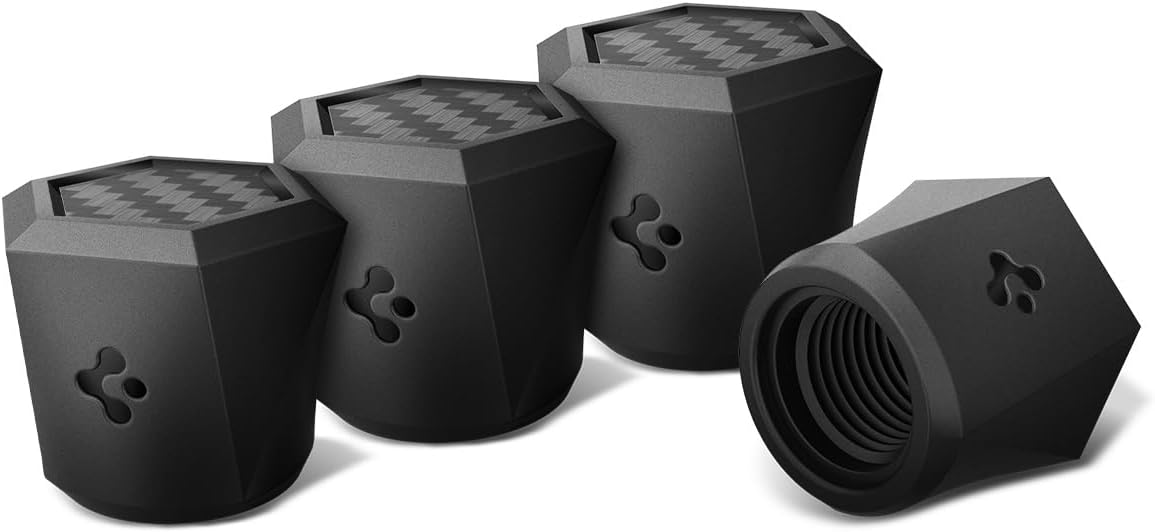
Spigen magnetic tire valve caps attach securely to metal surfaces so you never have to search for lost caps. Designed for Schrader valve stems, they install quickly, help protect against air leakage and corrosion, and feature a light magnet that won’t interfere with TPMS signals.
Balancing Aesthetic Appeal and Practicality in Tire Choice
Low-profile tires can look great on a RAV4. Larger wheels fill the wheel wells, and the shorter sidewall gives the SUV a cleaner, sportier stance. But tire choice should match the job your RAV4 actually does.
Use this simple comparison before deciding:
| Priority | Better Choice | Why |
|---|---|---|
| Comfort and quietness | OEM-size touring tire | More sidewall cushion and comfort-focused tread design |
| Sporty appearance | Factory-style 18- or 19-inch setup | Improves the look without going too extreme |
| Rough roads and potholes | 17- or 18-inch wheel with taller sidewall | Better rim protection and impact absorption |
| Light trails or gravel | Mild all-terrain tire | More durable tread and better unpaved-road confidence |
| Winter driving | Dedicated winter tire in an approved size | Cold-weather compound matters more than sporty sidewall style |
Evaluating Your Driving Style: Are Low-Profile Tires Right for You?
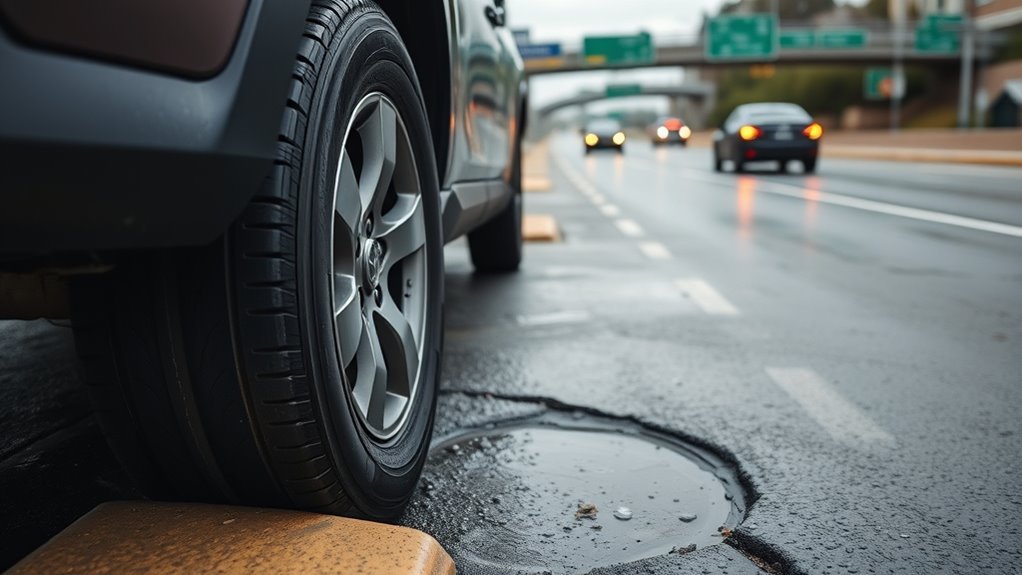
Low-profile tires may be right for your RAV4 if you mostly drive on smooth pavement, care about a sportier look, and are comfortable paying more attention to potholes and tire pressure. They are less ideal if your roads are rough, your area has harsh winters, or you use your RAV4 for camping, gravel, or long family trips where comfort matters.
Ask these questions before switching:
- Do I drive on pothole-heavy roads?
- Do I need winter, gravel, or light-trail capability?
- Am I willing to accept a firmer ride?
- Can I replace one damaged tire quickly in this size?
- Does the tire match the RAV4’s load rating and speed rating?
- Will the wheel offset and tire size clear the suspension and fenders?
- Will the overall tire diameter stay close enough to avoid speedometer and driver-assist issues?
Fitment and Maintenance Checklist Before You Buy
The safest tire upgrade is one that keeps the RAV4’s systems working as intended. NHTSA’s tire safety guidance says the tire placard and owner’s manual identify the recommended tire size, inflation pressure, and load limits for the vehicle.
Before installing lower-profile tires, confirm:
- Tire size: The overall diameter should stay close to the approved size.
- Load index: The tire must support the RAV4’s required load.
- Speed rating: Use a rating appropriate for the vehicle and driving conditions.
- Wheel width and offset: The wheel must fit the tire and clear suspension/brake parts.
- TPMS compatibility: Tire pressure monitoring sensors must be installed and functioning.
- AWD matching: Tires should match in size, type, and wear level to avoid drivetrain stress.
- Inflation pressure: Use the recommended cold tire pressure, not the number printed as the tire’s maximum pressure.
After installation, rotate the tires on schedule, check pressure when the tires are cold, inspect sidewalls after hard impacts, and have the alignment checked if the RAV4 starts pulling, vibrating, or wearing tires unevenly.
Alternatives to Low-Profile Tires for a Versatile RAV4
If low-profile tires do not match your driving needs, you still have several good options:
| Tire Type | Best For | Key Benefit |
|---|---|---|
| Touring all-season tires | Daily commuting and family use | Quiet ride, comfort, and long tread life |
| All-weather tires | Drivers who see rain, cold, and occasional snow | Year-round practicality with better winter confidence than many basic all-seasons |
| Mild all-terrain tires | Gravel roads, campsites, and light trails | Stronger tread and more rugged appearance |
| Dedicated winter tires | Snow, ice, and freezing temperatures | Cold-weather grip and braking performance |
| OEM-size replacement tires | Most RAV4 owners | Best balance of fit, comfort, cost, and availability |
Frequently Asked Questions
What is the main problem with low-profile tires on a RAV4?
The main problem is reduced sidewall cushioning. That can make the ride firmer, increase impact harshness, and leave the wheel more exposed to pothole or curb damage.
Is there any advantage to low-profile tires?
Yes. Low-profile tires can improve steering response and give the RAV4 a sportier appearance. They work best on smooth roads and when the size is properly matched to the vehicle.
Do low-profile tires make a RAV4 louder?
They can, but it depends on the tire. Shorter sidewalls may transmit more vibration, while tread design and tire category affect road noise. A quiet touring tire may still be more comfortable than an aggressive performance tire.
Are factory 19-inch RAV4 wheels considered low profile?
They are lower profile than many 17-inch RAV4 setups, but they are still factory-engineered when installed as original equipment. The bigger risk is an aftermarket setup that goes beyond approved sizing or uses the wrong load rating, offset, or diameter.
Are low-profile tires good for off-road driving?
Usually no. A taller sidewall is better for gravel, ruts, rocks, and rough roads because it gives the tire more room to flex and helps protect the wheel from impact damage.
What should I check before installing low-profile tires on a RAV4?
Check the driver-side door-jamb tire placard, owner’s manual, overall tire diameter, load index, speed rating, wheel width, wheel offset, brake clearance, TPMS compatibility, and AWD tire matching. A tire shop should confirm fitment before installation.
Conclusion
Low-profile tires can give your RAV4 a sharper look and more responsive steering, but the downsides are real. Expect less sidewall cushion, a firmer ride, more pothole sensitivity, and potentially higher replacement or repair costs.
For a daily-driven RAV4, the smartest choice is usually an approved OEM-size tire that matches your roads and climate. Choose low-profile tires only if the fitment is correct and you are comfortable trading some comfort and durability for style and steering feel.
Sources
- Toyota 2024 RAV4 eBrochure — supports RAV4 factory wheel sizes and TRD/Woodland all-terrain tire context.
- NHTSA TireWise — supports tire safety, tire selection, tire maintenance, and federal tire-safety context.
- NHTSA Tire Safety Brochure — supports tire placard, recommended pressure, load limits, inspection, and road-hazard guidance.
- Tire Rack: What Are Plus Size Wheels & Tires? — supports plus sizing, steering response, diameter matching, and pothole-risk trade-offs.
- Consumer Reports Pothole Survival Guide — supports pothole damage signs and low-profile tire vulnerability.
- NHTSA Tire Pressure Maintenance Statistical Investigation — supports the importance of proper inflation for handling, stopping distance, tire life, and tire failure prevention.

Related Articles

Toyota RAV4 TPMS Reset: Easy Steps That Work
Unlock the secrets to resetting your Toyota RAV4's TPMS effortlessly—discover the essential steps to ensure your tires are always safe.
Read More
Toyota RAV4 Tire Rotation: DIY Steps & Pattern
Take control of your Toyota RAV4's tire maintenance with our simple DIY rotation guide—discover the best steps for optimal performance and longevity!
Read More
Mix Tire Brands on a Toyota RAV4? Expert Guide
Keeping your RAV4 safe? Learn when mixing tire brands risks traction, ABS/TCS and AWD damage — and what exact matches you must insist on.
Read More