
Tire Types Comparison: Summer vs. All-Season vs. Winter for RAV4
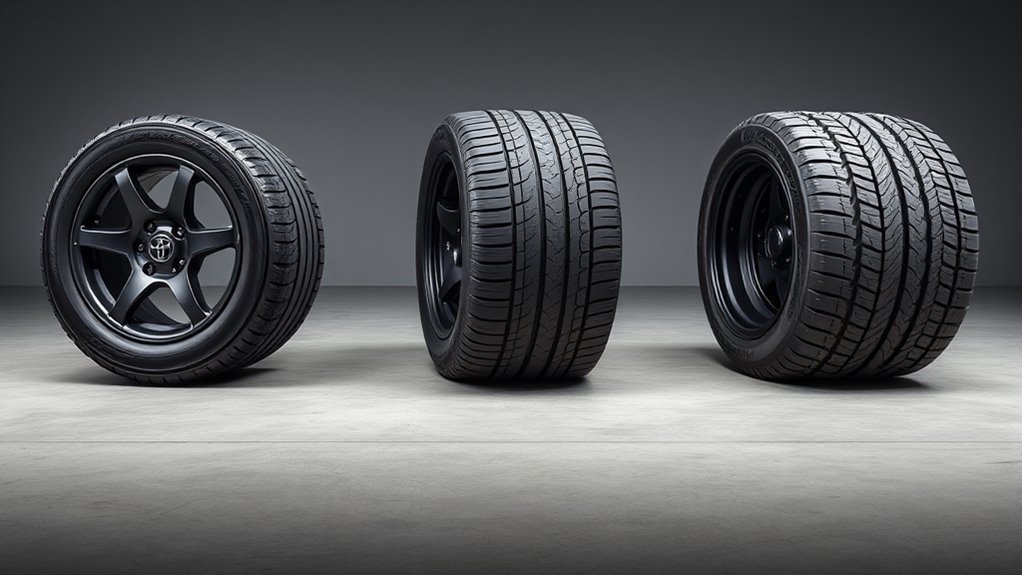
Choosing the right tires for your Toyota RAV4 comes down to three things: your local weather, your driving style, and the tire size and load rating listed for your specific vehicle. Summer tires, winter tires, all-season tires, and all-weather tires can all work on a RAV4, but they are not equally good in every climate. Use this guide to match the tire type to the roads you actually drive.
Quick Answer
For most RAV4 drivers in mild climates, quality all-season or all-weather tires are the easiest year-round choice. Choose dedicated winter tires if you regularly drive below 45°F on snow, slush, or ice. Choose summer tires only if you drive in warm conditions and want sharper dry and wet-road handling.
Key Takeaways
- Check your RAV4’s door-jamb tire placard first. Match the size, load index, and speed rating before comparing brands.
- Winter tires are best for frequent snow and ice. Use a matched set of four for predictable braking and handling.
- All-weather tires with the 3PMSF symbol can be a strong one-set option for occasional winter driving.
- AWD RAV4 models need closely matched tires. Avoid mixing tire sizes, tread patterns, or very different tread depths.
- Maintenance matters as much as the tire choice. Check pressure, tread depth, alignment, and rotation intervals regularly.
Understanding the Importance of Tire Selection for Your RAV4
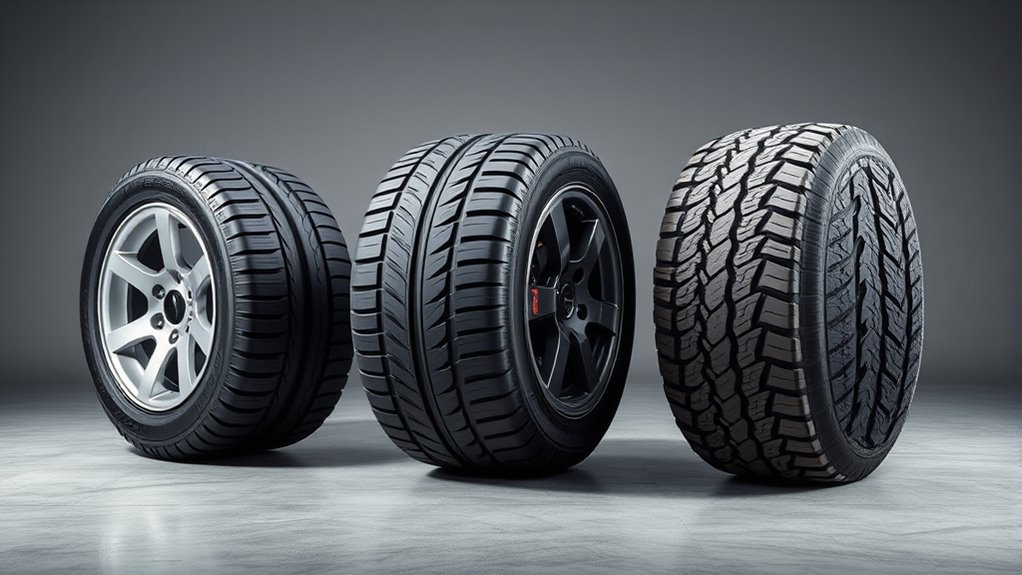
Your RAV4’s tires affect braking distance, steering response, fuel economy, ride comfort, road noise, and traction in bad weather. The best tire is not always the most expensive tire; it is the tire that fits your RAV4 correctly and matches the conditions you drive in most often.
Before choosing a tire category, confirm the tire size on the driver-side door placard or in your owner’s manual. RAV4 tire sizes vary by year, trim, wheel package, and hybrid or gas model. Also match or exceed the original load index and use a suitable speed rating. If you are changing wheel size, towing, carrying heavy cargo, or using winter wheels, ask a qualified tire shop to verify the fitment.
Warning: Do not choose tires by size alone. A tire that fits the wheel may still have the wrong load rating, speed rating, overall diameter, or winter-use rating for your RAV4. Always check the placard, owner’s manual, or a qualified tire professional before mounting a different size.
[Products Worth Considering]

These universal tire valve stem caps help protect your valve core from dust, debris, moisture, and corrosion, supporting more stable tire pressure. The aluminum alloy design resists long-term wear, while the sealing construction helps help prevent air leakage. They twist on easily for quick installation and help safeguard driving safety across cars, SUVs, trucks, and motorcycles.

Upgrade your tires with a set of four aluminum valve stem covers designed to protect the valve from wear and help keep out moisture and debris. The hermetically sealed, screw-in caps are corrosion resistant and provide an attractive, long-lasting anodized finish. Suitable for many vehicle types and installs quickly for everyday convenience.

Upgrade your Toyota tire setup with these corrosion-resistant, leak-proof valve stem caps designed to help protect the valve core from water, snow, and road grime. The caps feature a snug rubber seal and durable copper alloy construction to resist rust and oxidation while maintaining stable tire pressure. Ideal for replacing worn original caps and keeping your wheels looking clean and stylish.
Best RAV4 Tire Type by Driving Condition
| Tire Type | Best For | Tradeoff |
| All-season | Mild climates, commuting, rain, dry pavement, occasional light snow | Not ideal for frequent snow, ice, or extreme summer performance |
| All-weather / 3PMSF | Drivers who want one set for rain, dry roads, and occasional winter conditions | Still not as specialized as dedicated winter tires on frequent ice or deep snow |
| Winter | Cold climates, regular snow, slush, ice, and mountain driving | Wear faster and feel softer in warm weather; should be swapped seasonally |
| Summer | Warm climates, sharp handling, strong dry and wet-road grip | Poor choice for cold weather, snow, or ice |
The Benefits of Summer Tires for RAV4 Performance
Summer tires can make a RAV4 feel more precise in warm weather. They typically use rubber compounds and tread designs focused on dry and wet pavement grip, steering response, and braking performance. If you live in a warm region and do not drive in freezing temperatures, a touring or performance-focused summer tire can give the RAV4 a firmer, more connected feel.
The main downside is seasonal limitation. Summer tires are not built for snow or ice, and their grip can drop in cold weather. They also may have shorter tread life than comfort-focused touring all-season tires, depending on the model. For most daily-driven RAV4s, summer tires make the most sense when warm-weather handling matters more than year-round convenience.
Note: If your RAV4 sees cold mornings, mountain roads, or winter trips, do not rely on summer tires year-round. Use a proper winter set or choose an all-season/all-weather tire that fits your climate.
Why Winter Tires Matter in Cold Weather Conditions
Winter tires are made for cold pavement, slush, snow, and ice. Their rubber compounds stay more flexible in low temperatures, and their tread blocks use deeper grooves and many small cuts called sipes to create biting edges. Michelin explains that winter tires are designed to stay flexible below 45°F, while all-season and summer tires can harden and lose grip in cold conditions.
Enhanced Traction on Ice and Snow
A RAV4 with all-wheel drive can help you accelerate, but AWD does not create extra tire grip when you need to stop or turn. Winter tires improve the contact between the tire and the road surface, which is why they matter most during braking, cornering, and downhill control.
If you use snow tires on a RAV4, choose tires of the same size, construction, and load capacity as the original tires, and install them on all four wheels. Mixing two winter tires with two non-winter tires can make the vehicle less predictable during emergency maneuvers.
Improved Braking Distance
Winter tires can shorten stopping distances in snowy conditions, but the exact improvement depends on the tire model, tread depth, road surface, temperature, vehicle load, and driver input. In one Tire Rack snow test from 30 mph, the winter-tire-equipped vehicle stopped in about 59 feet, while the all-season tire vehicle needed about 30 additional feet. That kind of gap can be the difference between stopping safely and sliding into trouble.
Pro Tip: Plan your winter tire change before the first storm. A good rule is to schedule installation when daily temperatures regularly stay near or below 45°F, then switch back once warmer weather is consistent.
All-Season Tires: A Versatile Choice for Year-Round Driving
All-season tires are the default choice for many RAV4 owners because they balance ride comfort, tread life, wet-road traction, and light snow capability. They are practical for commuting, family use, road trips, and mild climates where snow is occasional rather than constant.
That convenience has limits. Standard all-season tires are not dedicated snow tires. If your area gets heavy snow, icy hills, mountain passes, or long stretches of below-freezing weather, dedicated winter tires are safer and more capable.
Performance Across Seasons
All-season tires usually have tread patterns that combine dry-road stability, wet-road channels, and moderate siping. They are designed to work across a broad temperature range, but they do not match summer tires for warm-weather grip or winter tires for snow and ice.
All-weather tires are a useful middle ground. Many carry the Three-Peak Mountain Snowflake (3PMSF) symbol, meaning they meet an industry severe-snow traction standard. For example, the Michelin CrossClimate2 is marketed as an all-season tire with 3PMSF winter certification and is positioned for dry, wet, and occasional winter conditions. If you face frequent ice or deep snow, however, dedicated winter tires are still the better choice.
Maintenance and Longevity
All-season and all-weather tires can last a long time when maintained correctly, but treadwear varies widely by tire model, alignment, pressure, driving style, and road surface. To keep your tires in good shape:
- Check tire pressure regularly: Use a gauge when the tires are cold. TPMS is helpful, but it is not a replacement for manual pressure checks.
- Inspect tread depth: Replace tires at 2/32 inch at the latest, and consider replacing earlier if wet or winter traction feels weak.
- Rotate on schedule: Toyota’s RAV4 maintenance guide calls for regular 5,000-mile/six-month maintenance intervals, with tire rotation listed throughout the maintenance chart.
- Watch for damage: Bulges, exposed cords, deep cuts, cracks, or uneven wear need prompt professional inspection.
Essential Criteria for Selecting Tires for Your RAV4
Start with fitment, then choose the tire category. A good RAV4 tire should match the vehicle first and your climate second.
- Tire size: Check the driver-side door placard, not just an online chart. Size can vary by model year and trim.
- Load index: Choose a tire that meets or exceeds the original load rating. This matters if you carry passengers, cargo, bikes, roof boxes, or trailer tongue weight.
- Speed rating: Use a rating appropriate for the vehicle and driving conditions. A lower rating can change handling and speed capability.
- Season rating: Look for M+S for basic mud-and-snow marking, and 3PMSF for severe-snow-rated all-weather or winter tires.
- Ride priorities: Touring tires usually favor comfort and tread life; performance tires favor grip and steering response; all-terrain tires favor dirt-road durability but may add noise.
- Warranty and cost per mile: A cheaper tire is not always cheaper if it wears faster, rides poorly, or needs replacement sooner.
Warning: On AWD RAV4 models, avoid mixing tires with different sizes, brands, tread patterns, or very different tread depths. Mismatched rolling diameter can affect handling and may strain drivetrain components. When one tire is damaged, ask a tire professional whether replacement, pair replacement, or tread shaving is appropriate.
Comparing Tread Patterns: How They Impact Your RAV4’s Performance
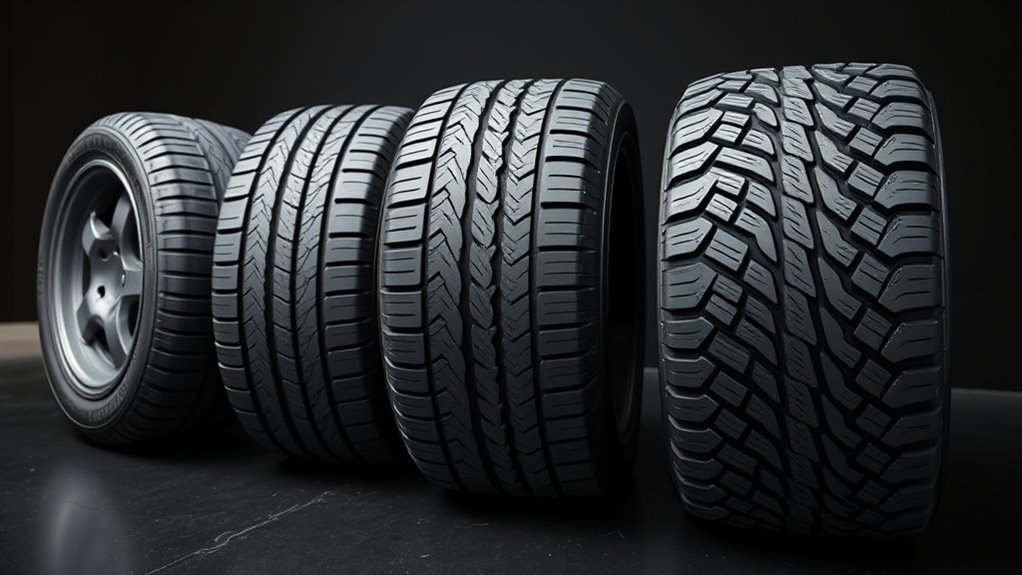
Tread pattern changes how a tire moves water, grips snow, handles corners, and creates road noise. Here is how the main patterns affect a RAV4:
- Touring all-season tread: Good for quiet commuting, wet roads, and long tread life. Best for most everyday RAV4 drivers in mild climates.
- All-weather directional tread: Often uses V-shaped channels and heavier siping for rain and snow. Good for drivers who want one set of tires with stronger winter capability.
- Winter tread: Deeper grooves and dense sipes help grip snow and ice. Best for cold climates, but noisier and softer in warm weather.
- Summer tread: Larger tread blocks and fewer sipes can improve warm-weather steering response and grip. Not suitable for snow or ice.
- All-terrain tread: Useful for gravel, dirt roads, campsites, and light trails. Expect more noise and sometimes lower fuel economy than a touring tire.
The safest RAV4 tire is not the most aggressive tread. It is the tread that fits your climate, your road surface, and your vehicle’s required size and load rating.
Maintenance Tips for Longevity and Optimal Tire Performance
Even the best RAV4 tires will underperform if they are underinflated, misaligned, worn out, or rotated late. Build these checks into your routine:
- Check cold tire pressure monthly and before long trips. Use the pressure on the vehicle placard, not the maximum pressure printed on the tire sidewall.
- Inspect tread depth monthly. Tires should be replaced when tread reaches 2/32 inch, but wet and winter performance can fade before that point.
- Rotate regularly. Follow your RAV4 maintenance schedule. Many RAV4 schedules call for service every 5,000 miles or six months.
- Check alignment if wear is uneven. Feathering, cupping, or one-side wear can point to alignment, suspension, or pressure problems.
- Do not ignore vibration. A shake at highway speed may mean a balance issue, damaged tire, bent wheel, or uneven wear.
Also inspect the spare tire if your RAV4 has one. A spare with low pressure or old rubber may not help when you need it most.
Budget-Friendly Tire Options: Quality Without Breaking the Bank
Budget-friendly does not mean choosing the cheapest tire on the shelf. A better approach is to compare the full value: treadwear warranty, wet traction, winter rating, road noise, comfort, and expected mileage.
Brands such as Hankook, Kumho, General, Cooper, Falken, and Toyo often offer strong value depending on the specific model and size. Premium options from Michelin, Bridgestone, Continental, Goodyear, and Pirelli may cost more upfront but can be worth it if they deliver better wet braking, quieter ride quality, or longer tread life.
For the best value, shop by tire category first. A well-reviewed touring all-season tire may be better for commuting than a performance tire you do not need. In snowy areas, a separate winter set can also save wear on your main tires and give you better cold-weather safety.
Community Insights: RAV4 Owners Share Tire Experiences
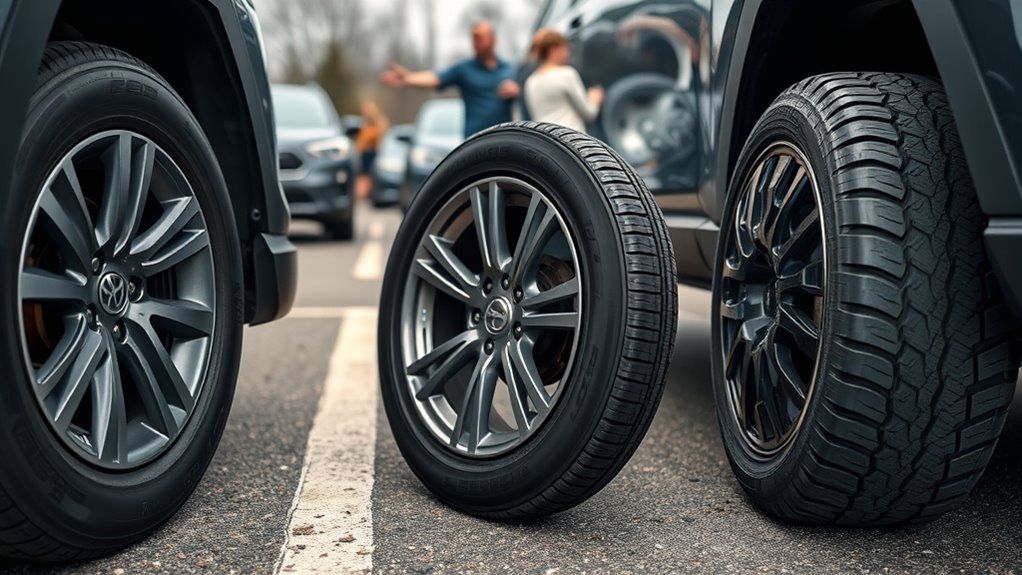
RAV4 owners often compare tires based on real-world priorities: wet braking, winter confidence, ride comfort, road noise, tread life, and price. A driver in a warm city may be happiest with a quiet touring all-season tire. A driver in the upper Midwest, Canada, or mountain regions may prefer dedicated winter tires. A driver who wants one set for mixed weather may research all-weather tires with the 3PMSF symbol, such as Michelin CrossClimate2-style options.
For harsher winter roads, winter tire lines such as Bridgestone Blizzak, Michelin X-Ice, Continental VikingContact, Nokian Hakkapeliitta, and similar models are worth comparing in your exact RAV4 size. For mild climates, look at touring all-season tires with strong wet-braking reviews and a treadwear warranty that fits your mileage.
The most important community lesson is consistency: use a matched set, keep pressures correct, rotate on schedule, and replace tires before they become unsafe.
Frequently Asked Questions
Can you put snow tires on a RAV4?
Yes. A Toyota RAV4 can use snow or winter tires when they match the original tire size, construction, and load capacity requirements. For best safety and handling, install winter tires on all four wheels, not just the front or rear axle.
What type of tire is best for a Toyota RAV4?
The best tire type depends on your climate. All-season tires are best for mild year-round driving, all-weather tires are better for occasional snow, winter tires are best for frequent snow and ice, and summer tires are best for warm-weather handling.
Are all-season tires enough for RAV4 winter driving?
They can be enough for mild winters and occasional light snow. If you regularly drive on icy roads, packed snow, steep hills, or mountain passes, dedicated winter tires are the safer choice. All-weather tires with the 3PMSF symbol can be a useful middle ground.
Do all four tires need to match on an AWD RAV4?
Yes, they should be very closely matched. Use the same tire size, brand/model or equivalent tread design, and similar tread depth whenever possible. Mismatched tires can affect handling and may strain AWD components.
How do I know what tire size my RAV4 needs?
Check the driver-side door-jamb tire placard or your owner’s manual. RAV4 tire sizes vary by year, trim, and wheel package, so the placard on your vehicle is more reliable than guessing from another RAV4.
How often should RAV4 tires be rotated?
Follow your model year’s maintenance guide. Many RAV4 schedules call for service every 5,000 miles or six months, and tire rotation is listed throughout the maintenance chart. More frequent checks may be needed if you drive on rough roads or notice uneven wear.
Conclusion
The right tire for your RAV4 is the one that fits your exact vehicle and matches your climate. For mild daily driving, a quality all-season tire is usually enough. For occasional snow with one set of tires, consider an all-weather tire with the 3PMSF symbol. For frequent snow, ice, or mountain roads, use dedicated winter tires. For warm-weather handling, summer tires can sharpen the drive, but they are not for cold conditions.
Before buying, confirm your tire size, load index, speed rating, and pressure requirements. Keep all four tires matched on AWD models, rotate them on schedule, and check tread and pressure often. That simple routine will do more for safety, comfort, and tire life than brand choice alone.
Sources
- Toyota 2025 RAV4 Warranty & Maintenance Guide — RAV4 maintenance intervals and tire rotation schedule.
- U.S. Tire Manufacturers Association: Tire Care Essentials — tire pressure, tread depth, TPMS, and rotation basics.
- Michelin: Winter Tires vs. Snow Tires Explained — cold-weather tire compounds, 45°F guidance, and 3PMSF explanation.
- Tire Rack: All-Season vs. Winter Tire Test — snow acceleration, braking, and cornering comparison.
- Michelin CrossClimate2 — all-weather/3PMSF tire example and occasional winter-use guidance.
- Tire Rack: Matching Tires on AWD and 4WD Vehicles — why tire size, tread design, and tread depth should match closely.

Related Articles

Toyota RAV4 TPMS Reset: Easy Steps That Work
Unlock the secrets to resetting your Toyota RAV4's TPMS effortlessly—discover the essential steps to ensure your tires are always safe.
Read More
Toyota RAV4 Tire Rotation: DIY Steps & Pattern
Take control of your Toyota RAV4's tire maintenance with our simple DIY rotation guide—discover the best steps for optimal performance and longevity!
Read More
Mix Tire Brands on a Toyota RAV4? Expert Guide
Keeping your RAV4 safe? Learn when mixing tire brands risks traction, ABS/TCS and AWD damage — and what exact matches you must insist on.
Read More