
What Does 111H Mean on a Tire? Load, Speed & Rating Guide
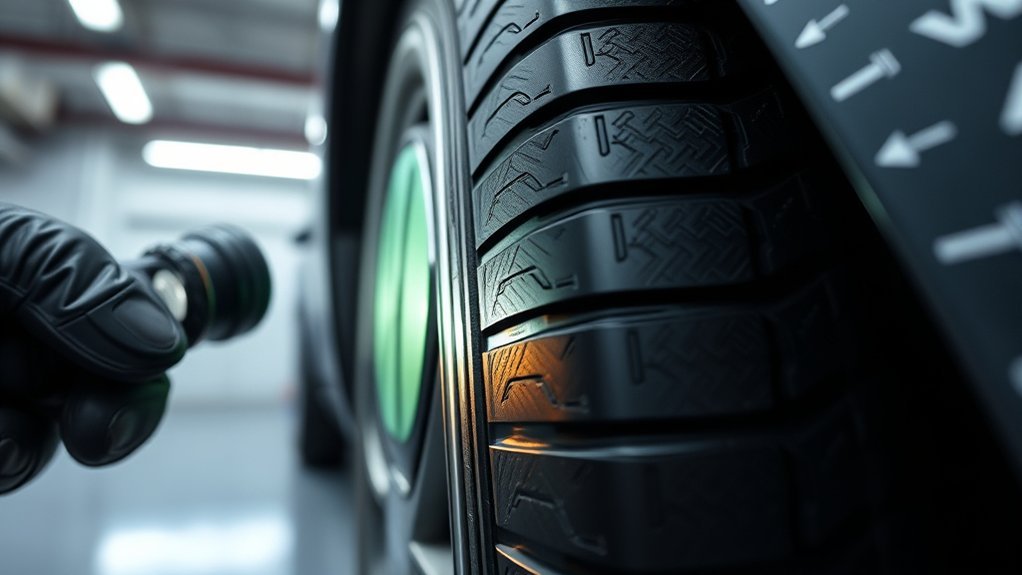
A tire marked 111H is showing you two important limits in one short code. The number 111 is the tire’s load index, and the letter H is the tire’s speed rating. Together, they help you confirm whether a tire can safely support your vehicle’s weight and match the speed capability the vehicle maker expects.
Quick Answer
A 111H tire has a load index of 111, which equals 2,403 pounds (1,090 kg) per tire when properly inflated, and an H speed rating, which equals 130 mph (210 km/h). Always match or exceed the rating listed on your vehicle’s tire placard or owner’s manual.
Key Takeaways
- 111 is the load index, meaning the tire can carry up to 2,403 pounds (1,090 kg) when used at the correct pressure.
- H is the speed rating, meaning the tire is rated up to 130 mph (210 km/h) under proper load, inflation, and tire condition.
- You usually find 111H on the tire sidewall after the tire size, such as after the wheel diameter.
- Do not choose a lower load index or speed rating unless your vehicle manufacturer or a tire professional confirms it is safe.
- The best replacement tire is one that matches your tire size, load index, speed rating, load range, and vehicle placard requirements.
What Does 111H Mean on a Tire?
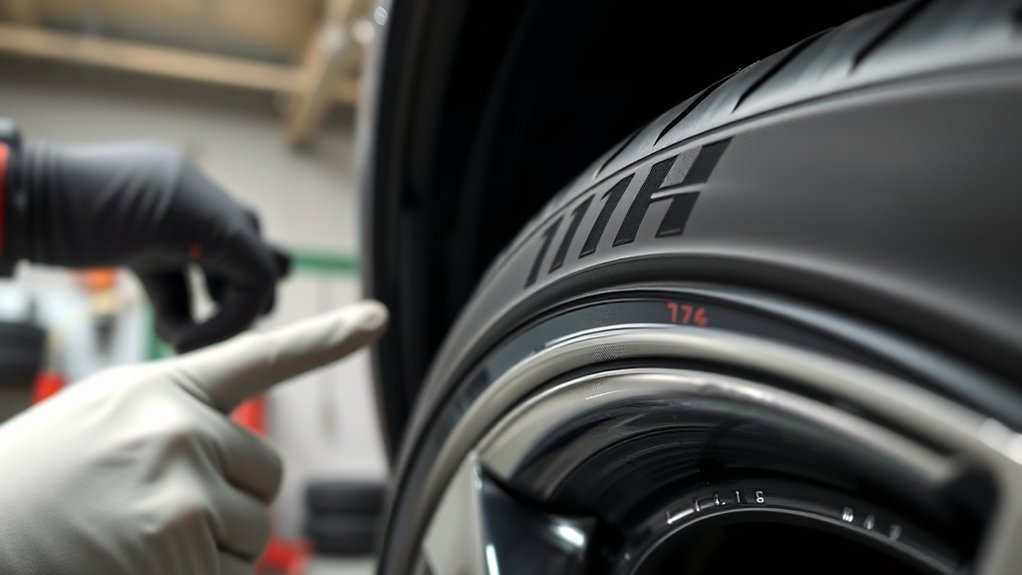
111H is a service description on the tire sidewall. You read it in two parts:
- 111 is the load index. It tells you the maximum weight one tire can carry when it is properly inflated.
- H is the speed rating. It tells you the maximum speed capability of the tire under controlled rating conditions.
For a tire marked 111H, the load index means each tire can carry up to 2,403 pounds (1,090 kg). The H speed rating means the tire is rated up to 130 mph (210 km/h). These numbers do not replace your owner’s manual, tire placard, or correct tire pressure. They only tell you what the tire is rated to handle.
111H at a Glance
| Code Part | Meaning |
| 111 | Load index: 2,403 pounds (1,090 kg) per tire when properly inflated. |
| H | Speed rating: up to 130 mph (210 km/h) under proper rating conditions. |
| Best Use | Common on many SUVs, crossovers, and heavier passenger-vehicle tire sizes, depending on the exact tire size and vehicle requirement. |
A tire marked 111H can be a good fit for some SUVs, crossovers, minivans, and light-duty applications, but the marking alone is not enough. You still need to match the tire size, load index, speed rating, load range, and inflation pressure listed on your vehicle’s placard.
[Products Worth Considering]
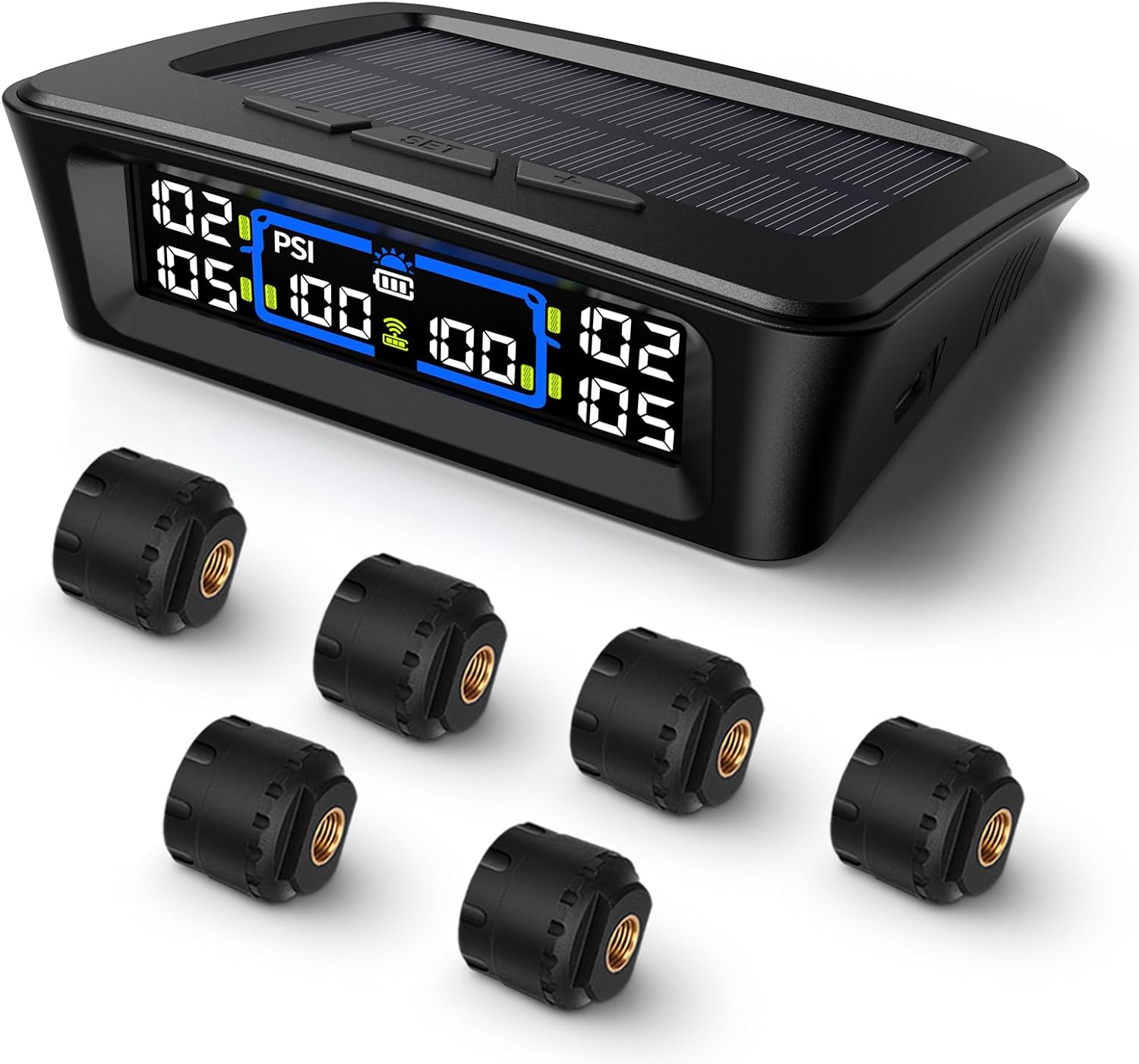
The Tymate TM12 RV TPMS delivers real-time tire pressure and temperature monitoring with a stable 433Hz display for safer long-distance driving. It supports simultaneous monitoring across vehicle and trailer zones, includes six alarm modes for pressure, temperature, leakage, battery, and signal loss, and features easy DIY installation with auto calibration. Power is supplied via USB-C charging or solar recharging, with a wide 0–144 PSI range and up to 50 ft signal coverage for RVs and towable trailers.

Steelman white tire marking crayons provide high-contrast, semi-permanent marks for repairing and inspecting tires and equipment. They write on wet or dry, smooth or coarse surfaces including rubber, metal, glass, and wood, making them ideal for puncture location and damage outlining. The lead- and zinc-free crayons resist weather and fading yet wipe away when you no longer need the marks.

Measure tire tread depth quickly and accurately with this LUMITECO dial gauge that reads in 1/32" increments up to 14/32". The color-coded green/yellow/red zones make it easy to judge tire wear and know when replacement is needed. A rugged, compact design with a protective pouch helps keep the gauge ready for use on cars, trucks, motorcycles, and more.
Where Is the 111H Marking Located?
You’ll usually find the 111H marking on the tire’s sidewall, near the tire size. It often appears at the end of the main tire-size line. For example, a tire may show a size followed by 111H, where 111 is the load index and H is the speed rating.
To locate it quickly, check these areas on the sidewall:
- The main tire-size code.
- The numbers and letters immediately after the rim diameter.
- The two- or three-digit load index number.
- The speed rating letter after the load index.
You may also see other sidewall information, such as the DOT tire identification number, tire pressure information, load range, XL marking, M+S marking, or 3PMSF winter symbol. Those markings matter, but they are separate from the 111H service description. Understanding the load rating helps you compare tires without guessing.
Pro Tip: Check the tire placard on the driver-side door jamb before you shop. It usually lists the factory tire size, recommended cold tire pressure, and load/speed information your replacement tires should match.
What Does Load Index 111 Mean?
A load index of 111 means each tire can support up to 2,403 pounds (1,090 kg) when it is used at the correct inflation pressure. Load index is not a guess. It is a code that matches a load table used by tire makers and sellers.
This rating matters because your tires carry the vehicle, passengers, cargo, and any tongue weight from a trailer. If you choose a tire with a lower load index than your vehicle requires, you can increase heat buildup, sidewall stress, uneven wear, and blowout risk.
For a quick estimate, four 111-rated tires have a combined maximum rating of 9,612 pounds. Still, you should not rely only on that total. Your vehicle’s GVWR tells you the maximum loaded vehicle weight, while each GAWR tells you the maximum allowed weight on each axle. Tires must be suitable for the axle loads, not just the total vehicle weight.
Note: The load number assumes the tire is correctly inflated. A tire with the right load index can still be unsafe if it is underinflated, overloaded, damaged, or installed on the wrong vehicle.
If the tire is P-metric, LT-metric, XL, or a different load range, do not compare the load index alone. P-metric tires used on some truck, SUV, or trailer-like load applications may need special load calculations. When in doubt, follow the vehicle placard or ask a qualified tire professional.
What Does the H Speed Rating Mean?
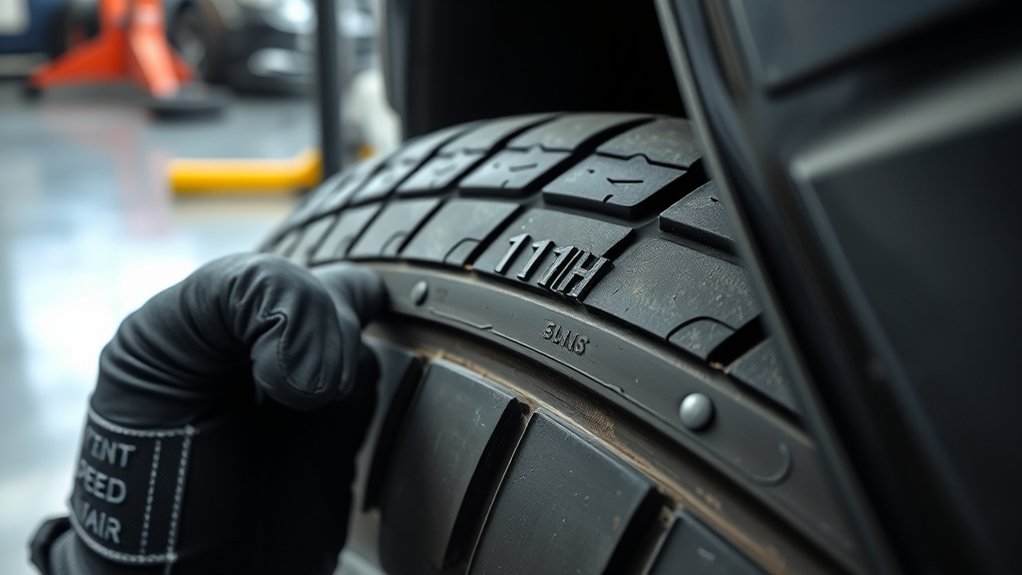
The H speed rating means the tire is rated for speeds up to 130 mph (210 km/h) under proper load, inflation, and condition. In everyday driving, it mostly tells you that the tire was designed for a certain level of heat resistance, stability, and highway performance.
An H-rated tire can offer a good balance of ride comfort, steering response, and highway capability. You will often see H ratings on sedans, minivans, crossovers, and some SUV tires. This rating is also common on many all-season tires that are meant for daily use.
- Maximum rating: 130 mph (210 km/h).
- Common use: passenger cars, crossovers, and some SUV tire sizes.
- Main benefit: stable road feel and heat resistance at highway speeds.
- Main caution: it does not mean you should drive at that speed.
Warning: A speed rating is not permission to exceed posted speed limits. It also does not override road conditions, tire wear, tire age, vehicle load, inflation pressure, or the vehicle manufacturer’s limits.
Can You Use a Different Tire Rating?
You can sometimes use a different tire rating, but you should not treat load index and speed rating as interchangeable. The safest replacement is usually a tire that matches or exceeds the tire size, load index, and speed rating listed on your vehicle placard or in the owner’s manual.
A higher load index may be acceptable if the tire also matches the required size, wheel fitment, load range, and inflation guidance. A higher speed rating may also be acceptable, but it can change ride feel, tread life, cost, and comfort. A lower load index or lower speed rating is riskier and should only be used if the vehicle manufacturer or a tire professional confirms it is suitable.
Mixing tires with different load indexes, speed ratings, tread patterns, sizes, or wear levels can affect handling, braking, traction control, and stability control. This is especially important on all-wheel-drive and four-wheel-drive vehicles. For balanced control, keep all four tires matched unless your vehicle was designed for a staggered setup.
[Products Worth Considering]

The Trivd Frol 1/2" air impact wrench delivers high performance torque up to 1500 ft-lbs with a twin hammer impact mechanism for strong, balanced blows. It features an ergonomic grip, compact lightweight design, and quick-stop control with 3 forward speeds up to 8000 RPM plus a reverse speed. Built for demanding automotive repair and tire shop work, the rear exhaust helps keep debris away from the surface.

Protect tire valves from water, dust, and sand to help prevent leaks and support safe driving. These universal stem caps install quickly by hand and feature durable aluminum alloy construction with an inner sealing ring for better air retention. Compatible with cars, SUVs, trucks, motorcycles, and bicycles for everyday convenience.
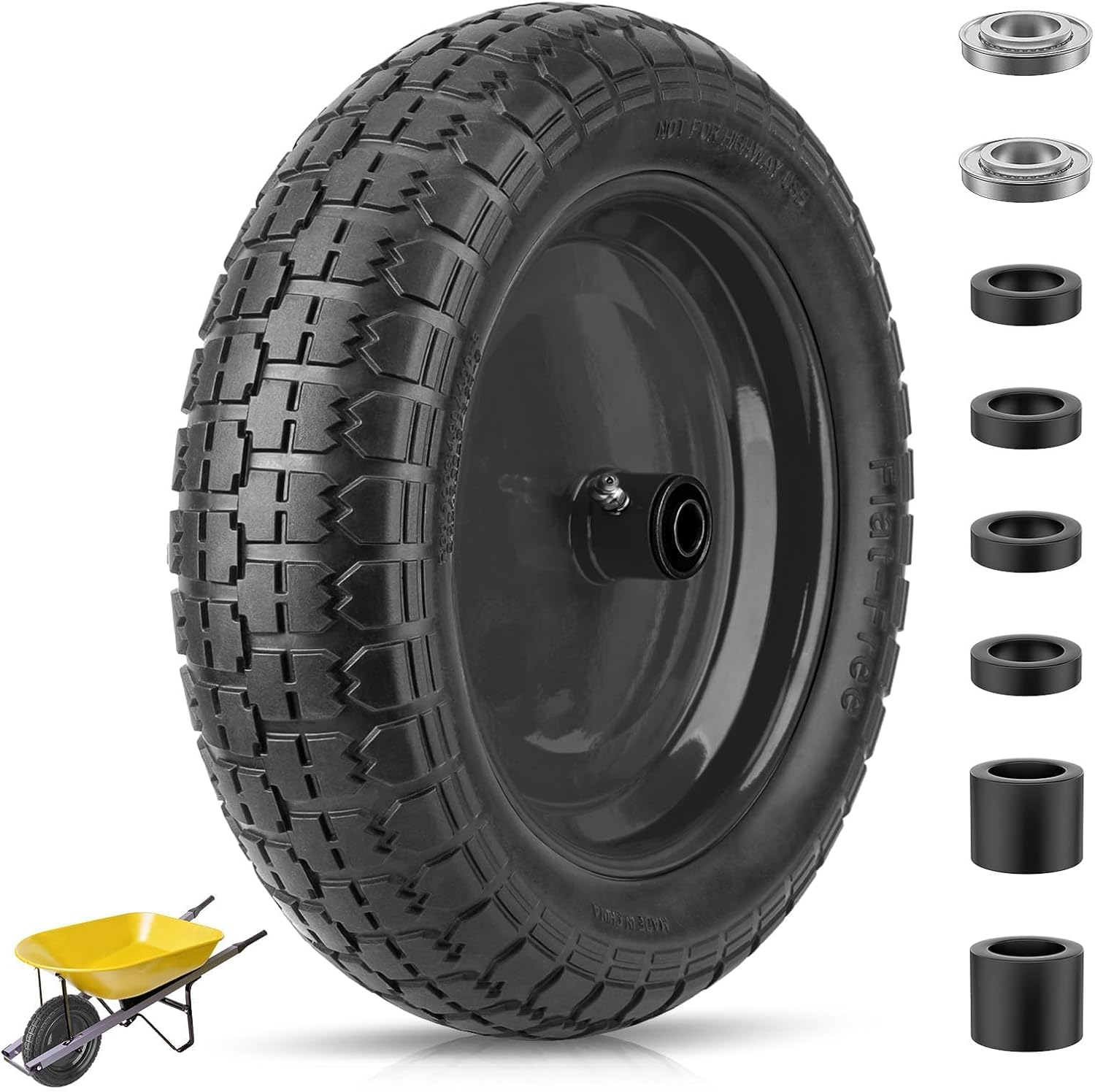
This flat-free TICONN wheelbarrow tire features durable polyurethane foam construction that never needs inflation, helping prevent punctures and reducing maintenance on rough outdoor terrain. With a 300 lb max load capacity and stable steel rim design, it supports safer transport for yard work and hauling tasks. An adapter kit with ball bearings and nylon spacers is included for easier fit and customization across common wheelbarrow and cart axle setups.
How to Choose the Right 111H Tire
To choose the right 111H tire, start with the vehicle’s tire placard and owner’s manual. Then compare every replacement tire against the required tire size, load index, speed rating, load range, and inflation pressure. Do not buy a tire based on the 111H code alone.
Use this simple checklist before you buy:
- Match the tire size. The tire size must match the vehicle’s approved size, such as width, aspect ratio, construction, and rim diameter.
- Confirm the load index. A 111 load index is rated for 2,403 pounds per tire, but your vehicle may require a different number.
- Confirm the speed rating. H is rated for 130 mph, but your vehicle may require H, V, T, S, or another rating.
- Check the load range. Standard Load, XL, and LT tires are not always interchangeable.
- Keep the set consistent. Use the same size, rating, and tire model on all four positions unless your vehicle specifies otherwise.
- Check the tire date and condition. Avoid old, damaged, cracked, or unevenly worn tires, even if the code looks correct.
Choosing the right tire is not only about the sidewall code. Tread design, wet braking, snow rating, road noise, comfort, warranty, and rolling resistance can also affect how the tire feels on your vehicle. That is why the importance of tire selection goes beyond one number and one letter.
Load Index Fit
When choosing a 111H tire, start with load capacity. A 111 load index means each tire can support up to 2,403 pounds (1,090 kg) when properly inflated. That rating must meet or exceed your vehicle’s required tire load rating.
Do not simply pick the highest number you see. The tire must also fit the wheel, match the approved size, and work with your suspension, braking system, and tire-pressure guidance. If the tire load index falls short, the tire is not right for your vehicle, even if the price is good or the tread looks new.
Speed Rating Needs
If your vehicle requires a 111H tire, the H speed rating tells you the tire is built for up to 130 mph (210 km/h) under proper rating conditions. You do not need a higher speed rating just because it sounds better. Higher speed ratings can improve steering response in some tire lines, but they may also cost more, ride firmer, or wear faster.
Choose the rating your vehicle maker recommends. If your owner’s manual allows more than one speed rating, match the tire to your climate, driving style, and road conditions.
Vehicle Compatibility Check
Before you buy a 111H tire, confirm that your vehicle allows both the 111 load index and the H speed rating. You can usually find this information in three places:
- The tire placard on the driver-side door jamb.
- The owner’s manual.
- The tire maker’s fitment guide or a professional tire shop database.
If your current tire says 111H but your placard lists a different rating, do not assume the current tire is correct. Previous owners, shops, or seasonal tire changes may have installed a different rating. The placard and owner’s manual are the better starting points.
What If Your Current Tire Is Not 111H?
If your current tire has a different code, compare it with the vehicle placard before replacing it. A tire marked 111T, 111S, or 109H may look close, but each code changes either the load rating or the speed rating.
- Same load, lower speed: A 111T tire has the same load index as 111H but a lower speed rating.
- Lower load, same speed: A 109H tire has the same H speed rating but a lower load index.
- Higher rating: A tire with a higher load index or speed rating may be acceptable only if the size and fitment also match.
The safest move is to match the original equipment requirement or use a tire maker’s verified fitment tool. If you tow, carry heavy cargo, drive an EV, or use an SUV with all-wheel drive, be extra careful. These vehicles can place higher load, torque, and wear demands on tires.
Frequently Asked Questions
Which is better, T or H speed rating?
H is the higher speed rating. H is rated up to 130 mph, while T is rated up to 118 mph. That does not make H automatically better for every vehicle. Use the rating listed on your tire placard or owner’s manual. A T-rated tire may be correct if your vehicle manufacturer allows it.
What is the difference between 111H and 111T tires?
111H and 111T tires have the same load index, so both are rated for 2,403 pounds per tire when properly inflated. The difference is speed rating. H is rated up to 130 mph, while T is rated up to 118 mph. Choose the rating your vehicle requires.
What does load index 111 mean on tires?
Load index 111 means one tire can carry up to 2,403 pounds (1,090 kg) when properly inflated. You still need to check your vehicle’s placard, GVWR, GAWR, tire size, and recommended cold tire pressure before choosing it as a replacement.
Which is better, S or H speed rating?
H is the higher speed rating. H is rated up to 130 mph, while S is rated up to 112 mph. But “better” depends on what your vehicle requires. Do not downgrade from H to S unless your vehicle manufacturer or tire professional confirms it is safe.
Can I replace 111H tires with a higher rating?
Usually, you can use a higher load index or speed rating if the tire size, wheel fitment, load range, and vehicle requirements still match. However, higher-rated tires may ride differently, cost more, or wear differently. Check the owner’s manual or ask a tire professional before changing specs.
Does 111H mean the tire is good for towing?
Not by itself. A 111H tire has a strong load rating, but towing also depends on tire size, load range, inflation pressure, axle ratings, trailer tongue weight, and the vehicle’s towing limits. Check your owner’s manual before towing.
Conclusion
111H tells you two key tire specs: 111 is the load index, rated for 2,403 pounds (1,090 kg) per tire, and H is the speed rating, rated for 130 mph (210 km/h). Those ratings are helpful, but they are only part of the fitment check. Before you buy, match the tire size, load index, speed rating, load range, and pressure guidance to your vehicle placard and owner’s manual. When the numbers match, you get safer handling, better stability, and a tire that fits the job it was designed to do.
Sources
- Goodyear Tire Load Index Chart — supports how load index values translate to tire weight capacity.
- NHTSA Tire Safety Brochure — supports general tire safety, sidewall reading, and maintenance guidance.
- 49 CFR § 574.5 Tire Identification Requirements — supports DOT tire identification and regulated sidewall information.
- Tire Rack Speed Rating Guide — supports speed-rating definitions and replacement guidance.
- Michelin Tire Load Index and Speed Rating Guide — supports tire load index and speed rating explanations.
[Products Worth Considering]

This manual duck head tire changer kit makes tire installation and removal simpler by letting you embed the duck head into the tire with applied pressure. The integrated design and durable steel construction help reduce friction and improve efficiency and safety during use. Suitable for 16–21 inch wheels, it’s convenient for cars, trucks, SUVs, and ATV tires, with 24-hour after-sales support.
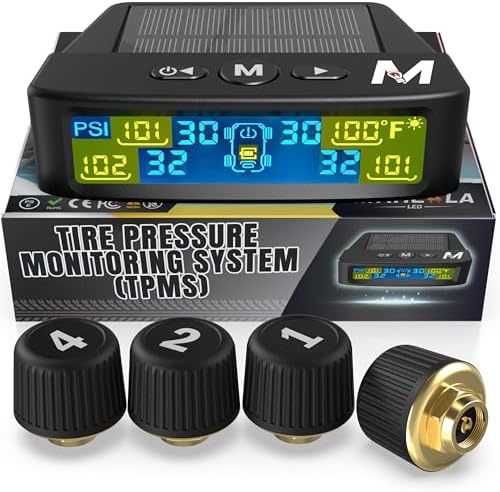
Marcala’s TPMS set of four sensors helps you monitor tire pressure and temperature in real time while driving, with updates every second. The bright color LCD uses auto-dimming for easy viewing, powered by dual solar and USB charging, and offers six alarm modes. Built for trailers, RVs, campers, trucks, and towing setups, the sensors support monitoring 1-4 wheels up to 98 PSI with IP67 waterproof protection.

Monitor tire tread wear with a smart, color-coded depth gauge that shows clear condition ranges at a glance. The bar is range marked for fast, easy readings, helping you maintain safer traction and performance. Each gauge is portable with a pocket clip, and the set includes 20 units for daily use and sharing.

Related Articles

Best SUV Tires 2026: Top Picks for Comfort, Traction, and Long Tread Life
You rely on your SUV for daily driving, towing, and weekend trips, so tire choice directly affects your safety, comfort, and long‑term costs. This…
Read More
Best Tires for 2500HD Duramax 2026: Heavy-Duty Tires for Towing and Work Trucks
You depend on your 2500HD Duramax to tow heavy loads and handle demanding worksite conditions, so tire choice is not optional. The right tires…
Read More
Best Mastercraft Tires 2026: Reliable Tire Picks for Trucks, SUVs, and Daily Drivers
You need tires that match how you drive, where you live, and what your vehicle carries. This guide highlights Mastercraft models that stand out…
Read More