
How to Tire Yourself Out to Sleep: Evening Routines That Work
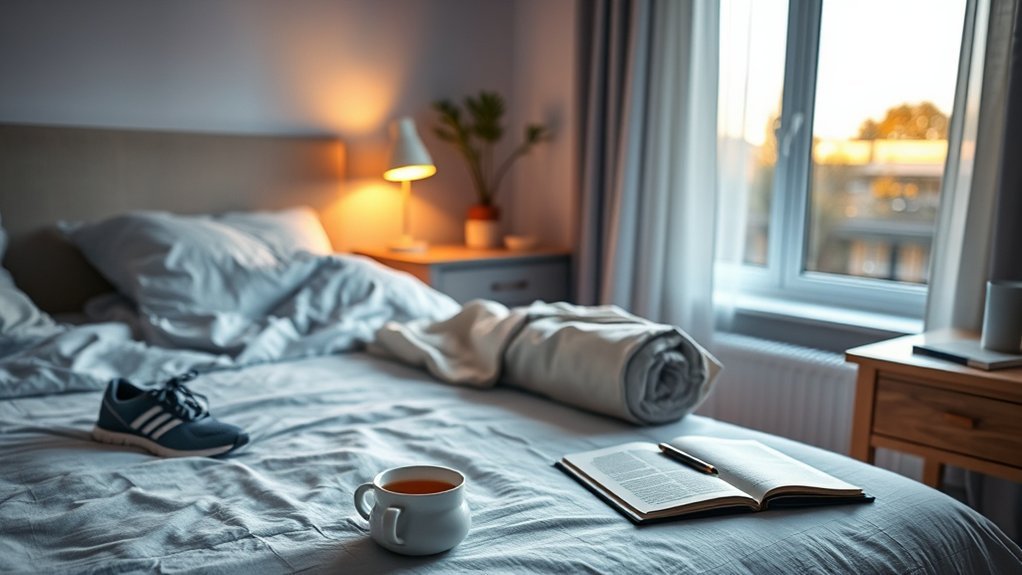
If you want to make yourself tired enough to sleep, do not try to exhaust yourself at the last minute. Build healthy sleep pressure during the day, keep a steady wake time, and use a calm routine before bed. These steps cannot force sleep on command, but they can make it easier for your brain and body to settle naturally.
Quick Answer
To feel sleepy at bedtime, wake at the same time each day, get daylight and physical activity, avoid late naps and caffeine, and spend 30 to 60 minutes winding down. Keep the bedroom cool, dark, and quiet. If you stay awake and frustrated, leave the bed briefly and return when sleepy.
Key Takeaways
- A consistent wake time usually matters more than trying to force an early bedtime.
- Daylight, regular movement, and avoiding long or late naps help build sleep pressure.
- Use the final 30 to 60 minutes for dim light, low stimulation, and a repeatable routine.
- Keep the bed linked with sleep. If you cannot sleep and feel frustrated, get up for a quiet activity.
- Seek medical help when poor sleep affects daily life, lasts for months, or comes with loud snoring, breathing pauses, or severe daytime sleepiness.
At a Glance
| Time Required | 30 to 60 minutes before bed, plus consistent daytime habits |
| Difficulty | Easy, but consistency may take practice |
| Tools Needed | Optional notebook, printed book, dim lamp, eye mask, or earplugs |
| Cost | Free to low cost |
Warning: Do not use alcohol, extra doses of sedating medicine, or unverified supplements to knock yourself out. Alcohol often fragments sleep, and sleep products can interact with medicines or health conditions. Ask a healthcare professional before using a sleep aid.
Set a Consistent Bedtime Routine
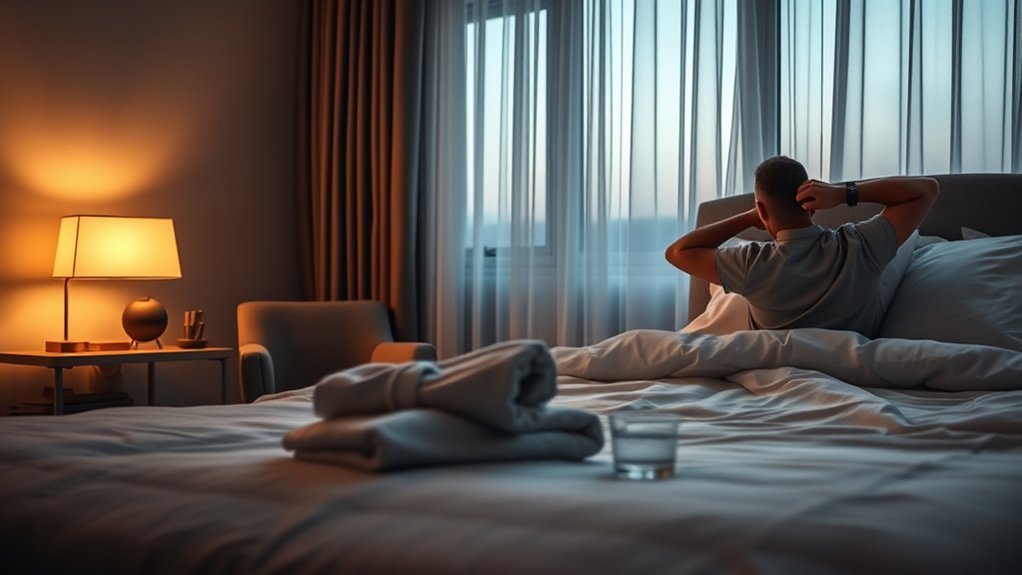
A consistent schedule helps your body anticipate sleep. Start with a wake time you can keep every day, including weekends. The National Heart, Lung, and Blood Institute recommends keeping weekday and weekend schedules close together because large shifts can disrupt your sleep-wake rhythm.
Do not go to bed simply because the clock says you should. Go when you feel sleepy, while still protecting enough time for a full night of rest. If you are changing your schedule, move bedtime and wake time gradually instead of making a dramatic one-night change.
Your routine does not need to be elaborate. Repeat the same short sequence, such as washing up, dimming the lights, writing tomorrow’s tasks, and reading. Repetition turns these actions into cues that the day is ending.
Pro Tip: Protect your wake time first. Sleeping late after a bad night may reduce the sleep pressure you need the following evening.
[Products Worth Considering]

These lavender steam eye masks provide a warm, self-heated compress to relieve eye fatigue, dryness, and puffiness while helping reduce the look of dark circles. The mask releases fine moist steam for a relaxing 20 to 30 minute eye spa experience that can be used at home, in the office, or while traveling. Soft, elastic ear hooks help it fit comfortably for naps, sleep, or screen-time breaks.

NOVEHA self-heating steam eye masks deliver gentle, soothing warmth without needing a microwave—just open and wear for convenient hot compress comfort. The air-activated, unscented design helps relax tired eyes from screen time, reading, travel, and nighttime routines. Crafted with skin-friendly, lint-free non-woven cotton fabric, these disposable warm masks provide a calming, spa-like experience wherever you go.

Mighty Patch for Tired Eyes helps visibly awaken and de-puff under eyes with soothing hydrogel comfort. Infused with niacinamide, tri-hyaluronic acid, panthenol, and allantoin, the patches cool the eye area and refresh the look of tired eyes. Contoured to fit and designed not to slip, they’re worn for 30+ minutes or until clear for a quick morning pick-me-up.
Build a 30-Minute Wind-Down Routine
Give yourself 30 to 60 minutes to move from an active day into a quieter state. The goal is not to complete a perfect checklist. You are reducing stimulation and giving your body predictable signals.
Do not chase exhaustion at bedtime. Build sleep pressure during the day, then make the evening calm enough for sleep to appear.
- Dim bright overhead lights and silence nonessential notifications.
- Complete hygiene tasks and prepare anything you need for the morning.
- Choose one low-stimulation activity, such as reading, gentle stretching, or quiet music.
- Finish with slow breathing or a brief written brain dump.
Keep the routine realistic on busy nights. A simple ten-minute version is better than abandoning it because you cannot complete every step.
Put Away Electronics Early
Phones, games, work messages, and fast-moving videos can keep your brain alert. Bright light in the hour before bed may also signal wakefulness. NHLBI advises using the hour before sleep for quiet time and avoiding bright artificial light from televisions and computer screens.
You do not need to fear every screen. Focus on the parts that affect you most: brightness, emotional content, endless scrolling, and work-related stress. Lower the brightness, use a warmer display setting, and set a firm stopping point. A printed book, audio program with the screen off, or quiet hobby is usually less stimulating.
Keep the phone out of reach if you repeatedly check it in bed. Use a basic alarm clock when possible, or place the phone across the room with notifications silenced.
Use Daytime Habits That Build Sleep Pressure
Feeling sleepy at night starts earlier than bedtime. Sleep pressure grows the longer you are awake, while daylight and activity help anchor your body clock.
- Get morning or daytime light: Spend time outside when possible, especially after waking. Daylight helps reinforce the difference between daytime and nighttime.
- Move regularly: Walking, cycling, strength training, and other physical activity can support sleep. If vigorous late exercise leaves you alert, finish it earlier.
- Watch naps: If naps make it harder to sleep at night, skip them or keep them early and brief.
- Time caffeine carefully: Caffeine can affect some people for many hours. Avoid it late in the day, and move your cutoff earlier if sleep remains difficult.
- Avoid using alcohol as a sleep tool: It may make you drowsy at first but can lead to lighter, more disrupted sleep later.
Do not intentionally deprive yourself of sleep, overexercise, or stay awake all night to “reset” your body. Those tactics can impair attention, mood, and safety.
Clear Your Mind Before Sleep
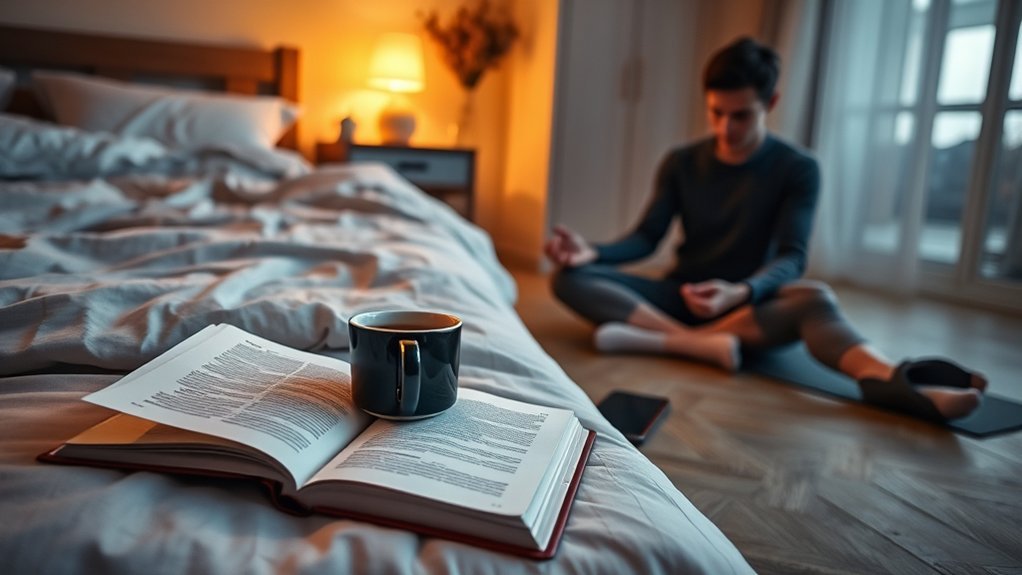
If unfinished tasks keep replaying, put them somewhere outside your head. A notebook can hold reminders, worries, and decisions until morning. The purpose is not to solve every problem at night. It is to give your mind permission to pause.
Brain Dump Before Bed
Spend about five minutes writing whatever is occupying your attention. Use short phrases instead of polished sentences. Include tasks, concerns, ideas, and anything you are afraid you will forget.
- Write without editing or organizing.
- Mark anything truly urgent for tomorrow.
- Choose one next action for each important item.
- Close the notebook when the timer ends.
Keep this activity out of bed when possible. That helps preserve the bed as a cue for sleep rather than planning and problem-solving.
Write Tomorrow’s To-Do
A short plan for tomorrow can reduce the urge to rehearse tasks mentally. Pick three priorities and note the first step for each one. Avoid creating a long list that makes the next day feel overwhelming.
Once the plan is written, remind yourself that nighttime is not the time to act on it. You have captured the task, and you can return to it after waking.
Release Worries Gently
If worry is the main problem, set aside a brief “worry period” earlier in the evening. Write what is bothering you, what you can control, and what must wait. Then use a neutral calming practice, such as paced breathing or progressive muscle relaxation.
Persistent nighttime anxiety may need more than sleep-hygiene tips. A healthcare professional can help identify anxiety, depression, pain, medication effects, or another condition that is interfering with sleep.
Take a Warm Bath or Shower
A comfortably warm bath or shower can become a useful wind-down cue. A 2019 systematic review and meta-analysis found that warm bathing scheduled about one to two hours before bed was associated with shorter sleep-onset time and better self-rated sleep in the studies reviewed. The evidence base was limited, so treat this as an option rather than a guaranteed remedy.
Aim for warm, not scalding, water. Ten to twenty minutes is enough for many people. Stop if you feel dizzy, overheated, weak, or uncomfortable. People with conditions affected by heat or blood-pressure changes should ask a clinician whether hot bathing is appropriate.
Essential oils are optional and are not required for the temperature effect. Avoid putting concentrated oils directly on your skin, and do not use scents that trigger headaches, allergies, or breathing symptoms.
Stretch, Breathe, and Relax
Gentle stretching can reduce the feeling of physical tension without turning bedtime into another workout. Move slowly through comfortable ranges and stop if a stretch causes pain, numbness, or dizziness.
- Roll your shoulders and gently turn your neck.
- Stretch your calves, hips, or back without bouncing.
- Breathe in comfortably and make the exhale slightly longer.
- Repeat for several cycles without forcing a breath hold.
Relaxation techniques can be part of a broader sleep plan, but they do not work instantly for everyone. If counting breaths makes you more alert, try progressive muscle relaxation, quiet music, or guided imagery instead.
Turn Your Bedroom Into a Sleep Oasis
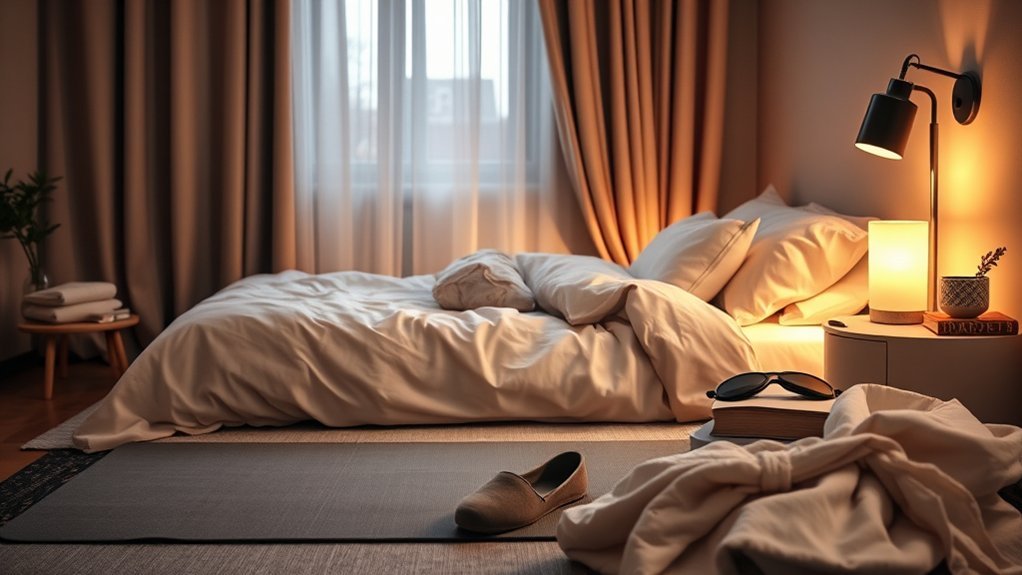
A supportive sleep environment is cool, dark, quiet, and comfortable. You do not need one universal thermostat setting. Choose a temperature that prevents sweating or shivering, then adjust bedding, airflow, and sleepwear to suit your needs.
[Products Worth Considering]

Dr. Scholl’s self-heating foot mask warms gently to relax and soothe tired, achy feet for immediate relief. The booties infuse Epsom salt and menthol for deep comfort, while shea butter and essential oils help moisturize and revitalize your skin. Designed for easy, mess-free use, it’s a convenient self-care step after a long day.

Fran Wilson Nourish My Eyes eye pads are a convenient at-home spa treatment designed to soothe tired eyes, reduce puffiness, and help diminish the look of dark circles. Infused with a cucumber, green tea, and mulberry extract blend, they provide targeted hydration and a cooling, refreshing under-eye experience. Simply apply for 5–15 minutes to help restore a more bright, refreshed appearance.

Activ Life LED bike wheel lights add bright white illumination to your ride while improving visibility from every angle. The 2-pack features a constant glow or dynamic flash mode for safer night cycling, with a quick tool-free setup that fits standard bike wheels. Made for durable, weather-ready performance, these spoke lights are a stylish safety upgrade for riders of all ages.
Cool, Dark, Quiet
- Reduce light: Use blackout curtains, an eye mask, or dim hallway lighting.
- Reduce disruptive sound: Try earplugs, a fan, or steady background noise at a safe volume.
- Control temperature: Use breathable bedding and ventilation to stay comfortable.
- Remove visual clutter: Keep work, laundry, and unfinished projects out of your main line of sight when possible.
If a partner, child, pet, pain condition, or neighborhood noise repeatedly disrupts sleep, address that specific cause instead of assuming your routine is failing.
Reserve Bed for Sleep
Using the bed mainly for sleep and intimacy helps strengthen the connection between bed and drowsiness. The American Academy of Sleep Medicine behavioral guideline includes stimulus control as part of evidence-based insomnia care.
Do work, scrolling, problem-solving, and long periods of wakeful reading elsewhere when practical. Go to bed when sleepy rather than spending hours trying to force sleep.
Choose a Light Snack or Herbal Tea
If hunger keeps you awake, choose a small, familiar snack that is easy for you to digest. Yogurt, fruit, toast, or a small bowl of cereal may be reasonable options. Avoid a large, spicy, greasy, or very sugary meal close to bedtime if it causes reflux, discomfort, or alertness.
A caffeine-free warm drink can feel soothing, but herbal tea should not be presented as a proven insomnia treatment. The National Center for Complementary and Integrative Health reports that evidence for chamomile and valerian is inconclusive or inconsistent. Valerian can interact with alcohol or sedating medicines, and chamomile may trigger allergies or interact with some drugs.
Limit fluids if frequent nighttime bathroom trips disturb your sleep. Anyone who is pregnant, breastfeeding, managing a health condition, or taking medicine should check with a healthcare professional before using concentrated herbal products.
End With Reading or Meditation
Finish with one activity that is calm enough to repeat every night. Read a few pages of a low-stimulation book, listen to quiet audio, pray, meditate, or practice progressive muscle relaxation. Keep the light dim and avoid content that makes you excited, angry, or eager to continue.
Meditation is not a test of whether you can empty your mind. Notice thoughts, let them pass, and return attention to your breath or body. Three to ten minutes is enough to begin. Stop and choose another activity if meditation increases distress.
The best final cue is the one you can maintain. Consistency matters more than choosing the “perfect” technique.
What to Do If You Still Cannot Sleep
Lying in bed while watching the clock can increase frustration. If you feel clearly awake and tense, get out of bed and move to a safe, dimly lit place. Do something quiet, such as reading a dull book or listening to calm audio. Return to bed when sleepiness returns.
Do not keep checking the time. Repeat the process if needed. This stimulus-control approach is a component of cognitive behavioral therapy for insomnia, or CBT-I. If you have mobility limitations, a high fall risk, or take sedating medicine, adapt this advice with a clinician so getting up at night remains safe.
Note: Sleep hygiene supports healthy sleep, but it may not resolve chronic insomnia by itself. CBT-I is the recommended first-line treatment for long-term insomnia.
How to Fix Your Sleep Schedule Safely
Use a gradual plan instead of trying to stay awake until you collapse.
- Set one wake time: Get up at that time every day, even after a poor night.
- Use morning light: Open the curtains and spend time outside when possible.
- Shift slowly: Move bedtime and wake time by 15 to 30 minutes every few days.
- Avoid late naps: They can reduce the sleep pressure needed at bedtime.
- Keep evenings dim and predictable: Repeat the same wind-down sequence.
Shift work, jet lag, delayed sleep-wake phase disorder, and some medical conditions may require a different plan. A sleep clinician can help time light exposure, melatonin, or other treatment safely when a simple routine is not enough.
When to Talk to a Healthcare Professional
Contact a healthcare professional when poor sleep affects work, driving, mood, school, or daily functioning. NHLBI defines chronic insomnia as difficulty sleeping at least three nights a week for three months or longer. A one- to two-week sleep diary can help a clinician see your schedule and symptoms.
Get evaluated sooner if you have loud snoring with breathing pauses, gasping, severe daytime sleepiness, restless or uncomfortable legs, unusual movements during sleep, persistent pain, depression, or medicine-related sleep problems. Do not drive or operate machinery when you are dangerously sleepy.
For chronic insomnia, CBT-I is usually recommended as the first treatment option. It combines sleep education, stimulus control, carefully managed time in bed, relaxation, and strategies for unhelpful thoughts about sleep.
Frequently Asked Questions
What is the 3-3-3 rule for sleep?
There is no single clinically established 3-3-3 sleep rule. Different websites use the name for different routines. Treat it as a memory aid, not a medical standard. Evidence-based basics are a consistent schedule, less late caffeine and alcohol, a calm wind-down, and a sleep-friendly room.
How do I tire myself out so I can sleep?
Build sleep pressure safely with a consistent wake time, daylight, and regular daytime activity. Avoid late naps and stimulants. Do not overexercise, stay awake all night, or use alcohol to force drowsiness. At bedtime, lower stimulation and go to bed when you feel sleepy.
What is the 3-2-1 bedtime rule?
The 3-2-1 rule is a popular mnemonic, not a validated treatment protocol. It usually means stopping large meals three hours before bed, demanding work or vigorous exercise two hours before, and screens one hour before. Adjust the timing to your digestion, caffeine sensitivity, schedule, and response.
How can I make myself tired to fix my sleep schedule?
Keep one wake time, use morning daylight, stay active during the day, and move your schedule gradually. Avoid sleeping late to compensate and limit late naps. Do not try to reset your schedule through an all-nighter, especially when you must drive or do safety-sensitive work.
What should I do if I wake up during the night?
Keep lights low and avoid checking messages or the clock. If you remain awake and frustrated, leave the bed for a quiet activity and return when sleepy. Frequent awakenings, gasping, pain, or severe daytime sleepiness should be discussed with a healthcare professional.
Are herbal teas proven to treat insomnia?
No herbal tea has strong, consistent evidence as a treatment for chronic insomnia. A caffeine-free drink may feel relaxing, but chamomile can cause allergic reactions and valerian may interact with alcohol or sedating medicines. Ask a healthcare professional about concentrated herbal products.
Conclusion
You do not need to wrestle yourself into exhaustion. Create a day that builds healthy sleep pressure, then make the final hour quieter and more predictable. Keep a steady wake time, reduce late stimulation, and use the bed mainly for sleep. When these steps are not enough, treat ongoing insomnia as a health issue rather than a personal failure and ask about CBT-I or a sleep evaluation.
Sources
- National Heart, Lung, and Blood Institute: Healthy Sleep Habits — schedule, light, caffeine, meals, activity, and bedroom guidance
- National Heart, Lung, and Blood Institute: Insomnia Treatment — CBT-I and healthy sleep habits
- National Heart, Lung, and Blood Institute: Insomnia Diagnosis — chronic-insomnia criteria and sleep diaries
- American Academy of Sleep Medicine Clinical Practice Guideline — CBT-I and stimulus-control recommendations
- Sleep Medicine Reviews: Warm Bath or Shower Meta-Analysis — timing and evidence for passive body heating before bed
- National Center for Complementary and Integrative Health — evidence and safety for herbs and complementary sleep approaches
[Products Worth Considering]

This IOPE Expert PDRN Caffeine Shot Serum delivers an energizing “espresso shot” to visibly depuff, smooth, and rejuvenate tired-looking skin. Powered by BIO-PDRN and caffeine, it helps support the moisture barrier while reducing the appearance of puffiness and rough texture. The fast-absorbing formula hydrates for a refreshed, balanced glow without heavy or sticky residue.

Upgrade your radio reception with a short car and truck antenna designed for improved AM and FM performance while reducing static. Built with premium copper hardware and billet aluminum for a durable, stylish upgrade, it’s made to resist scratching and fading. Installation is quick with a simple screw-in design and included adapters to help fit compatible vehicles.

Slip the Powerbuilt tire step over your vehicle’s tire to reach roof racks, engine bays, truck boxes, and more without overreaching. Its adjustable, universal design fits tires with a cross tread width up to 13 inches, including car, truck, RV, and semi tires. The non-slip cheesegrater surface and anti-slip tape provide secure grip while the open design lets mud and debris pass through. Fold-flat storage with rubber bumpers helps keep your tire and the step protected between uses.

Related Articles

AWD Tire Rotation Pattern: How Often and How to Do It
W**ondering the right AWD tire rotation pattern and timing? Discover the simple method, ideal schedule, and mistakes to avoid before your tires wear unevenly.
Read More
Wheel Damage: Types, Repair Options, and Costs
Many wheel damages look minor, but some hide costly safety risks—learn which repairs are worth it and when replacement is smarter.
Read More
Tire Balancing Weights: Types, Cost, and Why You Need Them
Precisely chosen tire balancing weights reduce vibration and wear, but which type fits your wheels and what it really costs may surprise you.
Read More