
How Tall Is a 285 55R20 Tire? Exact Height, Width & Dimensions
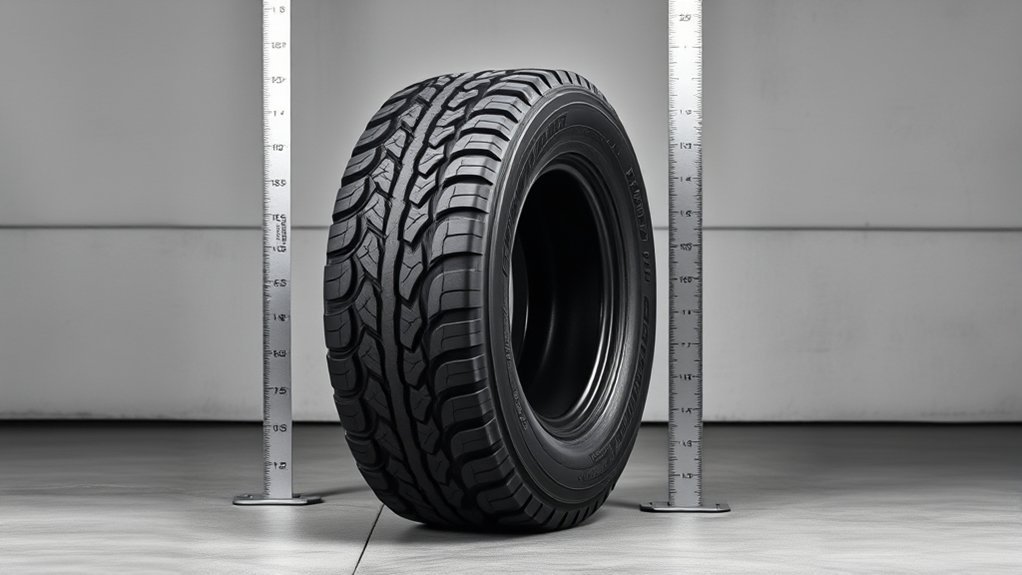
A 285/55R20 tire is about 32.34 inches tall overall, about 11.22 inches wide, and built for a 20-inch wheel. Its sidewall height is about 6.17 inches, its radius is about 16.17 inches, and its circumference is about 101.61 inches. This size is common on trucks and SUVs, but you should always confirm clearance, load rating, rim width, and the tire size listed in your owner’s manual or door placard before switching.
Quick Answer
A 285/55R20 tire measures about 32.34 inches tall, 11.22 inches wide, and 101.61 inches around. The sidewall is about 6.17 inches tall because the 55 aspect ratio means the sidewall equals 55% of the 285 mm section width.
Key Takeaways
- A 285/55R20 tire is about 32.34 inches tall, or about 821.5 mm in overall diameter.
- The 285 means the tire is 285 mm wide, which equals about 11.22 inches.
- The sidewall height is about 156.75 mm, or about 6.17 inches.
- The 20 means the tire fits a 20-inch wheel.
- Replacement sizes should stay close to the original vehicle tire diameter, load rating, and approved rim width.
What Does 285/55R20 Mean?
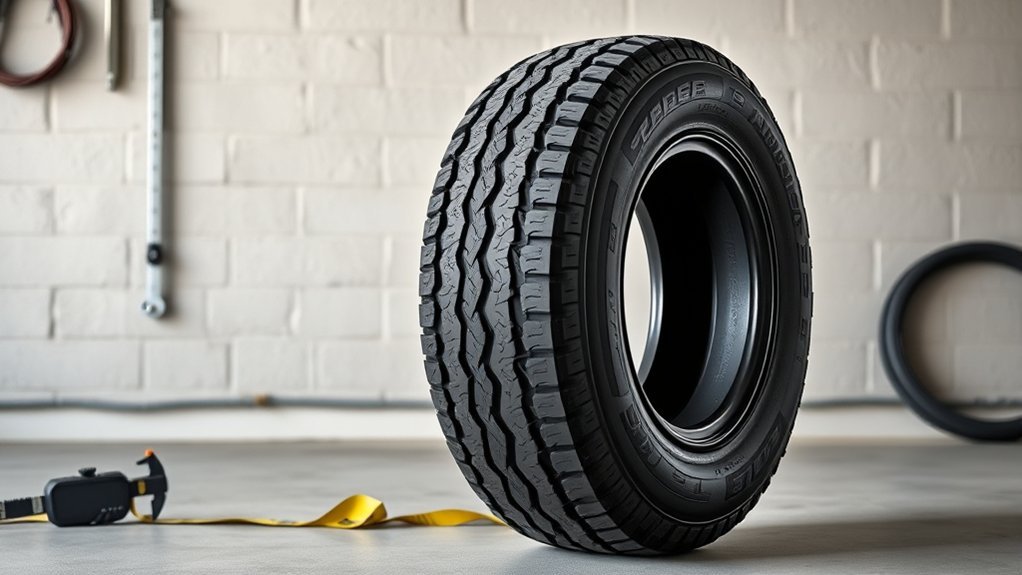
A 285/55R20 tire size tells you the tire’s width, sidewall ratio, construction, and wheel diameter. The 285 is the section width in millimeters. The 55 is the aspect ratio, which means the sidewall height equals 55% of the tire width. The R means radial construction. The 20 means the tire mounts on a 20-inch rim.
Using the standard tire-size calculation, the sidewall height is 285 × 0.55 = 156.75 mm. Convert that to inches and you get about 6.17 inches. Add two sidewalls to the 20-inch wheel diameter, and the full tire diameter is about 32.34 inches.
| Part of Size Code | Meaning | 285/55R20 Value |
|---|---|---|
| 285 | Section width | 285 mm, about 11.22 inches |
| 55 | Aspect ratio | Sidewall is 55% of width |
| R | Construction | Radial |
| 20 | Wheel diameter | 20-inch rim |
[Products Worth Considering]

RVMATE dual-axle RV tire covers help shield your tires from sunlight, snow, rust, and dirt to keep them in better condition in harsh weather. Made with heavy-duty waterproof, UV-resistant 420D Oxford fabric, they provide strong shading and help reduce wear. They install easily by placing the cover on the wheel and fastening the rope for a stable fit.

Keep RV, trailer, or truck dual-axle tires protected with waterproof, UV-resistant covers that help guard against sunlight, snow, rust, and dirt. The dual tire covers are easy to install with a rope/bungee fastener for a stable fit that won’t easily slip. Designed for 27–30 inch diameter wheels, they help maintain tire condition through harsh weather.
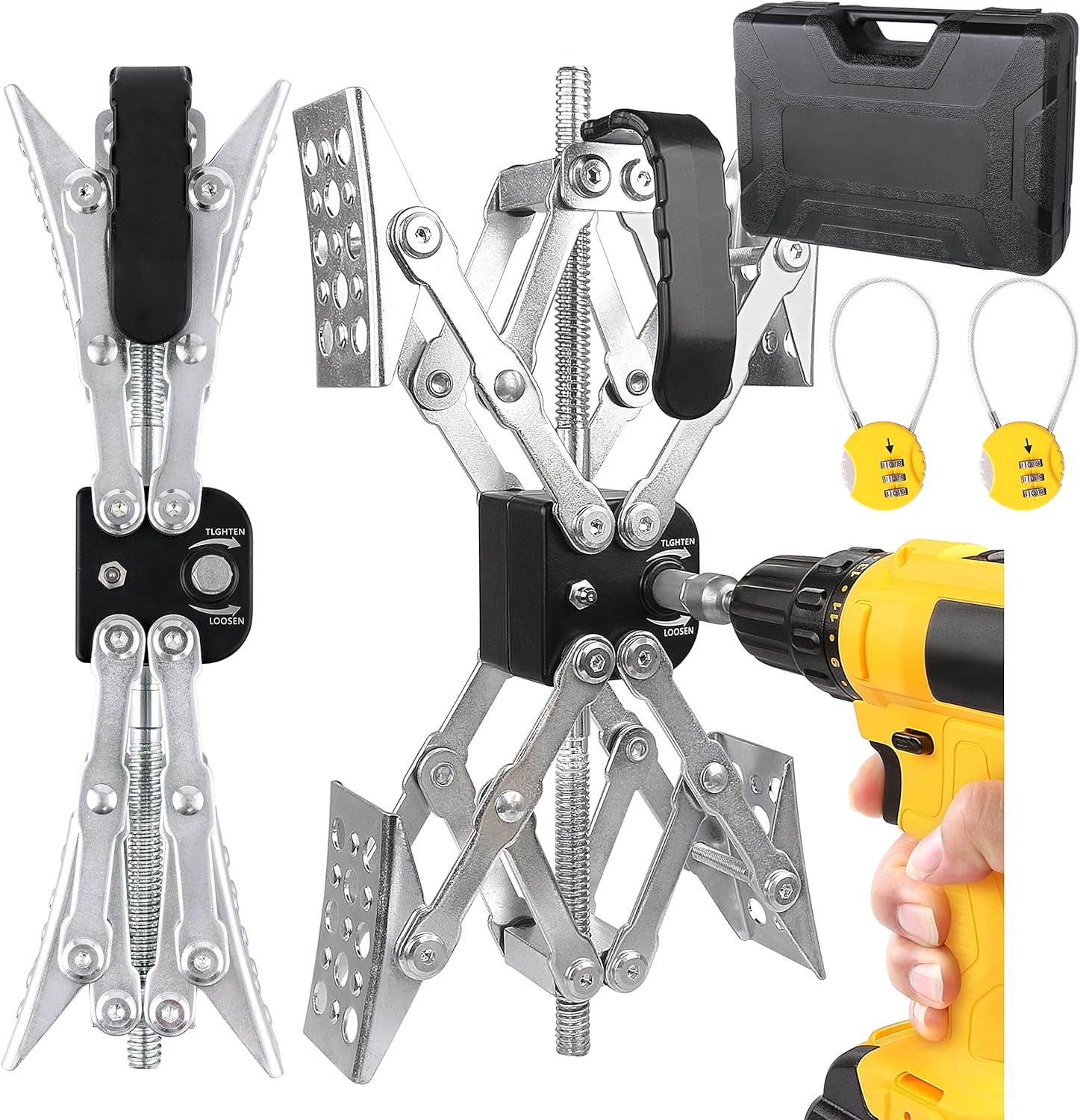
Lock the Maxchock X-style wheel stabilizers between tandem tires to reduce sway and keep your RV travel trailer secure while camping. The adjustable design fits a wide range of wheel gaps, and included hardware lets you install quickly with a power drill. Built from heavy-gauge steel with zinc plating, the chocks include locks and an organizer case for safer, more convenient use.
How Tall Is a 285/55R20 Tire?
A 285/55R20 tire is about 32.34 inches tall, or about 821.5 mm in overall diameter. In real-world use, the measured height can vary slightly by tire brand, tread design, inflation pressure, load, and rim width. Still, 32.34 inches is the correct calculated reference size.
Calculated size: 285/55R20 = 32.34 inches tall, 16.17 inches in radius, and 101.61 inches in circumference.
The formula is simple: multiply the section width by the aspect ratio, convert the sidewall to inches, double it, and add the 20-inch wheel diameter. That gives you the full outside height of the tire when mounted and inflated.
How Wide Is a 285/55R20 Tire?
A 285/55R20 tire is 285 mm wide, which equals about 11.22 inches. This is the section width, not always the exact tread width. Section width measures the tire at its widest sidewall-to-sidewall point when mounted on a specified rim width.
The width affects steering feel, clearance, road contact, and how the tire sits on the wheel. A 285 mm tire is wider than a 275 mm tire by 10 mm, or about 0.39 inch. That small difference can still matter if your vehicle has tight fender, control-arm, or liner clearance.
Note: Section width can change slightly by brand and rim width. Always check the exact tire manufacturer’s spec sheet before buying.
285/55R20 Sidewall, Radius, And Circumference
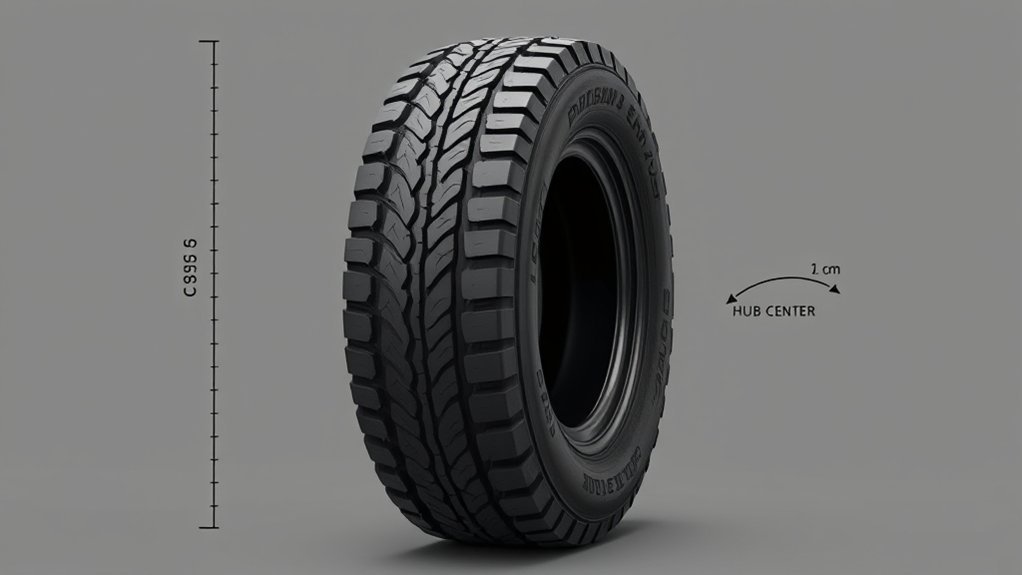
The most useful 285/55R20 measurements are sidewall height, radius, overall diameter, and circumference. These numbers help you compare replacement sizes, estimate speedometer change, and check whether a tire is likely to rub.
Sidewall Height
A 285/55R20 tire has a sidewall height of about 156.75 mm, or about 6.17 inches. The 55 aspect ratio means the sidewall is 55% of the 285 mm section width.
| Measurement | Metric | Inches |
|---|---|---|
| Section width | 285 mm | 11.22 in |
| Sidewall height | 156.75 mm | 6.17 in |
| Overall diameter | 821.5 mm | 32.34 in |
| Radius | 410.75 mm | 16.17 in |
| Circumference | 2580.8 mm | 101.61 in |
Radius And Circumference
The radius of a 285/55R20 tire is about 16.17 inches. The circumference is about 101.61 inches, so each full rotation moves the vehicle a little over 8.46 feet. That number matters because your speedometer and odometer estimate speed and distance from wheel rotation.
If you move to a taller tire, each rotation covers more distance. Your speedometer may read slightly lower than your real road speed. If you move to a shorter tire, your speedometer may read slightly higher. Small changes usually stay manageable, but large changes can affect gearing, braking feel, driver-assist systems, and shift behavior.
What Vehicles Fit 285/55R20 Tires?
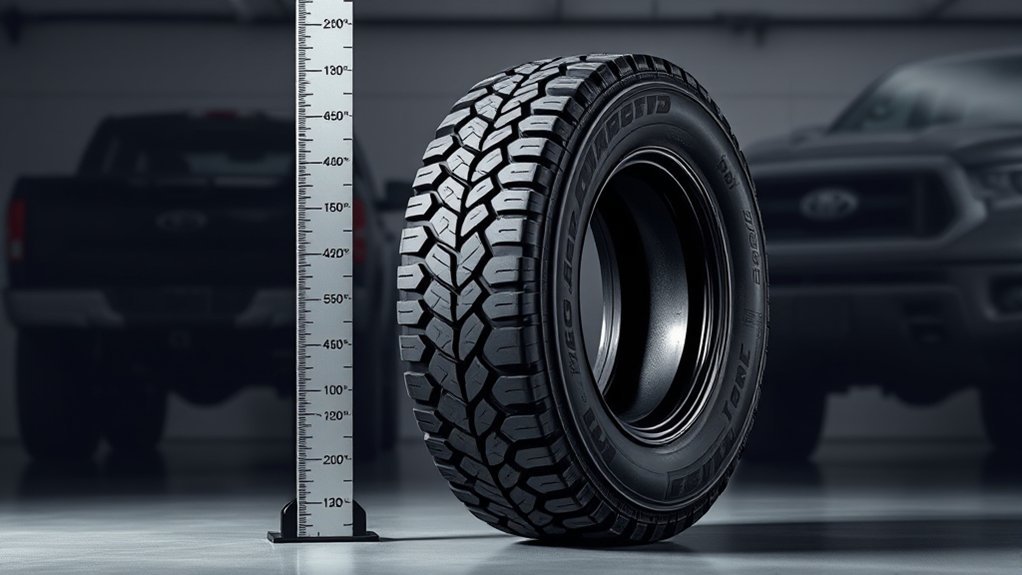
You may see 285/55R20 tires on full-size trucks, large SUVs, and some lifted or leveled setups. Examples can include certain Ford F-150, Chevrolet Silverado, GMC Sierra, Chevrolet Tahoe, GMC Yukon, Toyota Tundra, Toyota Sequoia, and Toyota 4Runner setups. Fitment depends on the exact trim, wheel width, offset, suspension height, brake package, and intended load.
[Products Worth Considering]

Secure your trailer or RV tires with a scissor-style wheel chock stabilizer that applies opposing force to help prevent wheel shift. It fits tight wheel gaps from 3.5 inches up to 12 inches and works for travel trailers, campers, fifth wheels, toy haulers, and heavy-duty trucks. The surface uses new electrophoretic technology to help prevent rust for reliable travel use.

Camco’s RV wheel chocks with an attached rope help keep your travel trailer securely in place for safer unhitching or parking. This 2-pack is compatible with wheels up to 26-inch diameter and features durable UV-resistant construction for reliable outdoor performance. The rope enables quick, safe removal so you can prepare for your next trip with less hassle.
Truck And SUV Fitment
This size works best on vehicles that can handle a tire about 32.34 inches tall and 11.22 inches wide. It can add footprint and visual stance compared with narrower or shorter stock sizes. It may also improve ground clearance slightly if it is taller than your original tire.
Do not assume it fits just because another owner runs the same size. Different wheel offsets, aftermarket wheels, leveling kits, worn suspension parts, or mud-terrain tread shoulders can change clearance.
Warning: Before installing 285/55R20 tires, check the tire size on your vehicle’s Tire and Loading Information Label, confirm the load rating, and test clearance at full steering lock and suspension compression.
Wheel Size Compatibility
A 285/55R20 tire is made for a 20-inch wheel. Many 285/55R20 tires list an approved rim-width range around 8.0 to 10.0 inches, but you should verify the exact range for the tire model you plan to buy. The approved rim width can vary by tire construction and manufacturer data.
- Wheel diameter: 20 inches only.
- Common rim-width range: often around 8.0–10.0 inches, depending on tire specs.
- Offset: affects inner suspension clearance and outer fender clearance.
- Brake clearance: must be checked with the actual wheel and tire setup.
Clearance And Load Checks
Check more than height and width before switching to 285/55R20 tires. You also need the correct load index, speed rating, wheel width, inflation pressure, and vehicle clearance. The safest starting point is your owner’s manual or the Tire and Loading Information Label on the driver’s side door area.
For load and pressure, use the vehicle manufacturer’s recommended cold tire inflation pressure, not the maximum pressure printed on the tire sidewall. Cold pressure means the vehicle has been parked long enough for the tires to cool, usually before driving or after several hours of rest.
Pro Tip: If you are replacing the factory tire size, compare diameter difference, load rating, wheel width, and offset before you buy. A tire shop can also test-fit one front tire to check rubbing.
Best Replacement Sizes for 285/55R20 Tires
The best replacement sizes for 285/55R20 stay close to the original tire diameter while matching your vehicle’s load rating and wheel requirements. A common planning guideline is to stay within about 3% of the original overall diameter, but the final choice should still match your vehicle manufacturer’s recommendations.
| Size | Approx. Diameter | Difference vs. 285/55R20 | Best Use |
|---|---|---|---|
| 275/55R20 | 31.91 in | -1.34% | Slightly shorter and narrower |
| 295/55R20 | 32.78 in | +1.34% | Slightly taller and wider |
| 265/60R20 | 32.52 in | +0.55% | Similar height, narrower width |
| 275/60R20 | 32.99 in | +2.01% | Near-33-inch option |
| 305/50R20 | 32.01 in | -1.03% | Wider stance with similar height |
If you want a true 33-inch tire, a 275/60R20 gets close at about 32.99 inches, while a 295/55R20 is about 32.78 inches. A labeled 33×12.50R20 may be closer to a true 33-inch tire, but it is wider and usually needs more clearance.
Frequently Asked Questions
Is a 285/55R20 a 33-inch tire?
No. A 285/55R20 tire is about 32.34 inches tall, so it is close to 33 inches but not a true 33-inch tire. If you want a closer 33-inch option on a 20-inch wheel, compare sizes like 275/60R20 or a listed 33×12.50R20, then check clearance.
Is a 285 tire the same as a 33-inch tire?
No. The number 285 describes tire width in millimeters, not height. Overall diameter depends on both width and aspect ratio. For example, a 285/55R20 is about 32.34 inches tall, while a 285/60R20 would be taller.
How much bigger is a 285/55R20 than a 275/55R20?
A 285/55R20 is about 0.43 inch taller and about 0.39 inch wider than a 275/55R20. The diameter difference is about 1.34%, so the speedometer change is usually small, but you should still confirm fitment and load rating.
Are 285 tires taller than 275 tires?
Usually, yes, when the aspect ratio and wheel diameter are the same. A 285/55R20 is about 32.34 inches tall, while a 275/55R20 is about 31.91 inches tall. The 285 is also about 10 mm wider.
Will 285/55R20 tires affect my speedometer?
They can if they are taller or shorter than your original tires. A taller tire travels farther per revolution, so your speedometer may read slightly low. A shorter tire can make it read slightly high. Compare the new diameter with your stock tire size before switching.
What rim width works with 285/55R20 tires?
Many 285/55R20 tires are approved for rims around 8.0 to 10.0 inches wide, but the exact approved range depends on the tire model. Check the tire manufacturer’s spec sheet before mounting the tire.
Conclusion
A 285/55R20 tire is about 32.34 inches tall, about 11.22 inches wide, and about 101.61 inches in circumference. Its sidewall is about 6.17 inches, and it fits a 20-inch wheel. If you’re comparing replacements, use the overall diameter, rim width, load rating, and vehicle placard as your main checks. A small size change can affect clearance, speedometer accuracy, gearing, and ride feel.
Sources
- NHTSA TireWise — supports tire-size, placard, pressure, tread, and maintenance safety guidance.
- 49 CFR § 571.110 — supports tire selection, rims, load limits, placard, and inflation-label requirements.
- 49 CFR § 571.139 — supports federal requirements for new pneumatic radial tires for light vehicles.
- The Tire and Rim Association — supports the role of tire and rim standards and current standards publications.

Related Articles
How Much Does Tire Retreading Cost?
Whether you’re pricing passenger or truck tires, tire retreading costs vary widely, and the real reasons behind the savings may surprise you.
Read More
Firestone Tire Installation Cost: Full Price Guide
Compare Firestone tire installation costs and discover what hidden fees could change your final bill.
Read More
Tire Rack vs Costco: Which Is Better for Tires?
Pick the better tire deal between Tire Rack and Costco before hidden differences change your choice.
Read More