
How Tall Is a 235 85R16 Tire? Exact Height, Width & Dimensions
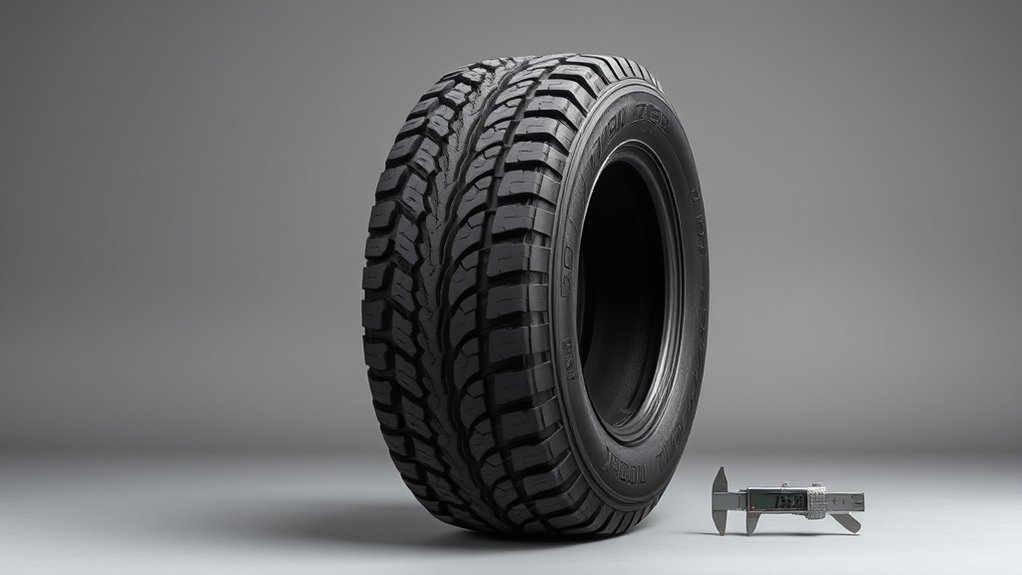
A 235/85R16 tire is about 31.7 inches tall, about 9.3 inches wide, and made for a 16-inch wheel. The sidewall is roughly 7.9 inches tall because the 85 aspect ratio means the sidewall height is 85% of the 235 mm section width. Use these numbers as a sizing baseline, then confirm the exact tire model, load rating, rim width, and vehicle placard before buying.
Quick Answer
A 235/85R16 tire is about 31.7 inches tall, 9.3 inches wide, and has a sidewall height of about 7.9 inches. Its circumference is about 99.6 inches, and it turns roughly 636 revolutions per mile. Actual mounted size can vary by brand, tread design, rim width, inflation, and load.
Key Takeaways
- A 235/85R16 tire is about 31.7 inches tall, or roughly 806 mm in overall diameter.
- The 235 number is the nominal section width, which equals about 9.25 inches.
- The 85 aspect ratio gives a sidewall height of about 199.75 mm, or 7.86 inches.
- Most 235/85R16 tires fit a 16-inch wheel and are commonly used on light trucks, heavy-duty pickups, vans, trailers, and some older 4×4 SUVs.
- The closest common alternatives include 235/80R16, 245/75R16, 265/75R16, and 31×9.50R16, but you must compare load rating and clearance before switching.
What Does 235/85R16 Mean?
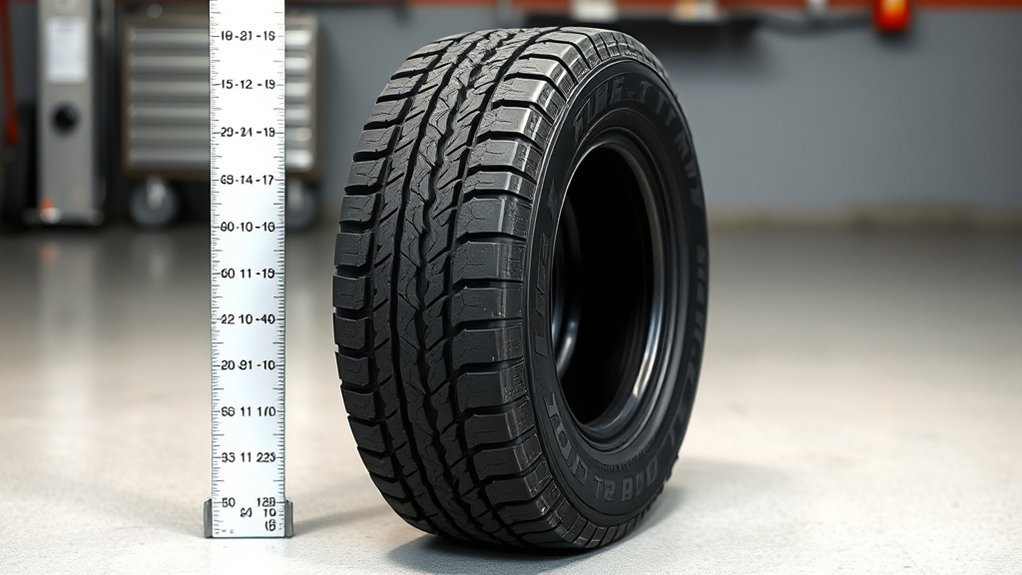
A 235/85R16 tire code gives you four important pieces of sizing information. The 235 means the tire has a nominal section width of 235 millimeters, measured from sidewall to sidewall. The 85 is the aspect ratio, so the sidewall height is 85% of that section width. The R means radial construction, and the 16 means the tire mounts on a 16-inch wheel.
The tire code does not guarantee full vehicle compatibility by itself. You still need to check your owner’s manual, door-jamb Tire and Loading Information Label, load index, speed rating, wheel width, brake clearance, and suspension clearance. The tire size tells you the dimensions; the vehicle specs tell you whether those dimensions are safe for your setup.
[Products Worth Considering]
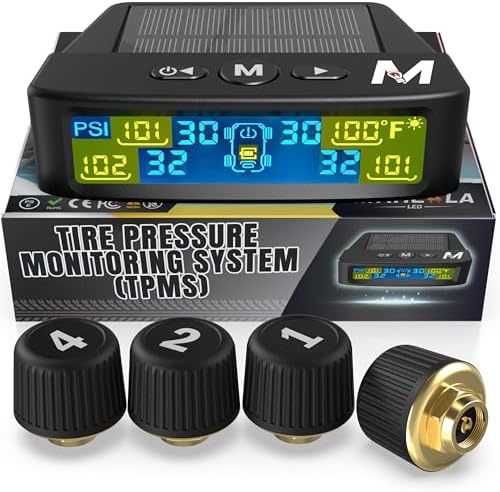
Marcala’s TPMS set of four sensors helps you monitor tire pressure and temperature in real time while driving, with updates every second. The bright color LCD uses auto-dimming for easy viewing, powered by dual solar and USB charging, and offers six alarm modes. Built for trailers, RVs, campers, trucks, and towing setups, the sensors support monitoring 1-4 wheels up to 98 PSI with IP67 waterproof protection.

Mount your spare tire directly to the inside wall of an enclosed trailer or garage to save space and keep your tire secure. This wall-mount spare tire carrier is designed for universal trailer tire fit and includes a fixed plate and chute for convenient screw replacement. Nylon insert hex lock nuts help prevent the tire from falling off, and wing hardware enables faster load and unload during maintenance.

Keep your tires properly inflated with this analog VONDIOR tire pressure gauge, designed for fast, easy readings without batteries. The swiveling, two-axis hose and large glow dial help you measure at any tire angle with instant visibility. Built with a protective rubber shield, it supports durable, low-maintenance use for cars and trucks.
235/85R16 Specs at a Glance
| Metric Size | 235/85R16 |
| Overall Diameter | About 31.7 inches / 806 mm |
| Section Width | 235 mm / about 9.25 inches |
| Sidewall Height | About 7.86 inches / 199.75 mm |
| Wheel Diameter | 16 inches |
| Circumference | About 99.6 inches |
| Revolutions Per Mile | About 636 revs/mile |
| Common Approved Rim Width | Often 6.0 to 7.5 inches, depending on the tire model |
These are nominal sizing figures. A tire manufacturer may list slightly different mounted measurements because tread depth, casing shape, load range, rim width, and measuring method all affect the final number.
235/85R16 Tire Height in Inches and Millimeters
A 235/85R16 tire has an overall diameter of about 31.7 inches, or about 806 mm. That diameter comes from the 16-inch wheel plus two sidewalls. Since each sidewall is about 7.86 inches tall, the full tire stands just under 32 inches.
Overall Diameter
The overall diameter tells you the tire’s outside height from the ground-facing tread to the opposite tread surface. For a 235/85R16, that number is about 31.7 inches. This measurement affects wheel-well clearance, axle gearing, speedometer accuracy, odometer readings, and the amount of ground clearance under the vehicle.
If you are replacing a smaller tire with a 235/85R16, measure more than static clearance. Check steering lock, suspension compression, brake clearance, mud flap clearance, and the spare tire location. A tire can appear to fit while parked but rub when the suspension moves or the steering turns.
Sidewall Height
The sidewall height is about 199.75 mm, or 7.86 inches. You get that number by multiplying 235 mm by 0.85. The taller sidewall can help absorb bumps and protect wheels on rough roads, but it can also change steering feel compared with a shorter sidewall tire.
Sidewall height also affects the tire’s loaded radius. The loaded radius is the distance from the wheel center to the ground when the tire carries vehicle weight. It is always less than half of the unloaded overall diameter because the tire compresses under load.
235/85R16 Tire Width and Sidewall Size
The 235 number is the tire’s nominal section width, not the tread width. Section width measures the tire from sidewall to sidewall. Tread width is usually narrower and varies by tire design, especially between highway, all-terrain, mud-terrain, and commercial tread patterns.
Tire Width in Inches
A 235 mm section width equals about 9.25 inches. Many sizing charts round this to 9.3 inches. That narrow, tall shape is one reason the 235/85R16 is popular for trucks, vans, trailers, and some older 4x4s that need height without an extremely wide tire.
Width matters for more than appearance. It affects wheel fitment, steering clearance, fender clearance, snow and mud behavior, and how the tire sits on the wheel. A wider replacement may rub even if its height is close to the original size.
Sidewall Height Calculation
Use this simple formula to calculate sidewall height:
235 mm × 0.85 = 199.75 mm
Then convert millimeters to inches:
199.75 ÷ 25.4 = 7.86 inches
That 7.86-inch sidewall appears on both the top and bottom of the wheel, so it gets counted twice when you calculate overall tire diameter.
Metric to Imperial Conversion
To convert a 235/85R16 into approximate inch sizing, start with the sidewall height and add the wheel diameter:
Overall diameter = 16 + 7.86 + 7.86 = 31.72 inches
This is why you will often see 235/85R16 listed as about 31.7×9.3R16. That inch-size comparison is useful when you compare it with flotation-style tire sizes such as 31×9.50R16.
235/85R16 Diameter and Circumference
For a 235/85R16 tire, the overall diameter is about 31.7 inches, the circumference is about 99.6 inches, and the tire makes about 636 revolutions per mile. These figures are important because they influence speedometer and odometer readings.
If your original tire was shorter, switching to a taller 235/85R16 can make your speedometer read slightly slower than your actual road speed. If your original tire was taller, the opposite can happen. The larger the diameter change, the more you should consider speedometer recalibration, especially on vehicles used for towing or heavy loads.
Note: Tire makers publish exact specs for each tire model. Always check the manufacturer’s data sheet when exact diameter, approved rim width, load index, or revolutions per mile matters.
235/85R16 vs. Similar Tire Sizes
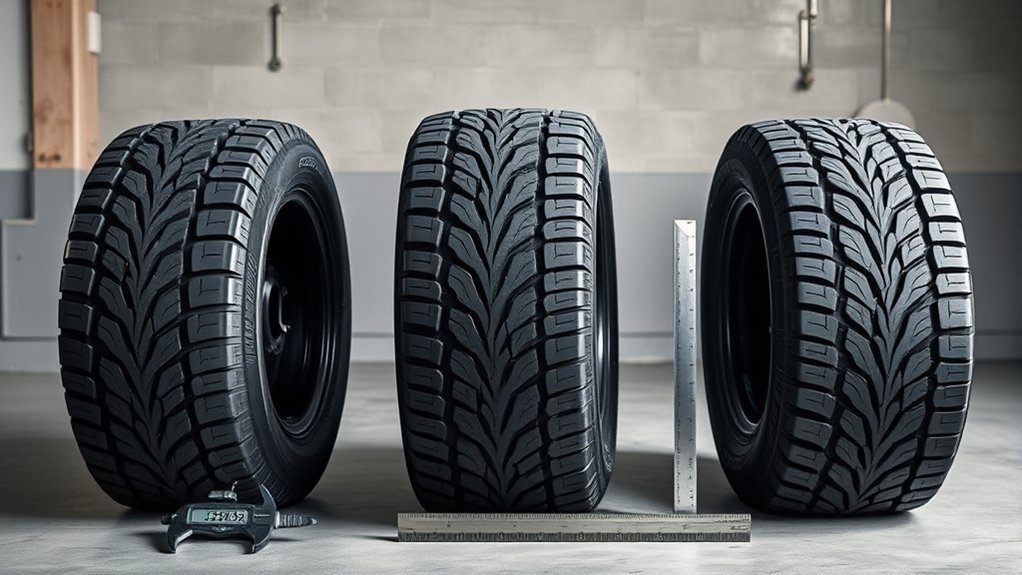
The 235/85R16 is a tall and narrow 16-inch tire. Some nearby sizes are shorter, wider, or both. Use the table below as a quick comparison, but do not switch sizes without checking load rating, wheel width, clearance, and your vehicle’s approved tire sizes.
| Size | Approx. Diameter | Approx. Width | Difference vs. 235/85R16 |
|---|---|---|---|
| 235/85R16 | 31.7 in | 9.3 in | Baseline |
| 235/80R16 | 30.8 in | 9.3 in | About 0.9 in shorter |
| 245/75R16 | 30.5 in | 9.6 in | Shorter and slightly wider |
| 265/75R16 | 31.6 in | 10.4 in | Nearly same height, much wider |
| 31×9.50R16 | About 31.0 in | About 9.5 in | Slightly shorter, similar width |
A 265/75R16 is one of the closest common height matches, but it is much wider than a 235/85R16. That extra width can affect fender clearance, steering clearance, fuel economy, and road feel. A 235/80R16 keeps the same nominal width but drops overall height by nearly an inch.
What Vehicles Fit 235/85R16 Tires?
A 235/85R16 tire is most common on vehicles that can use a tall, narrow light-truck tire. You may see this size on some heavy-duty pickups, work vans, older 4×4 SUVs, utility trailers, and overland builds. Some examples can include Ford Super Duty trucks, Chevrolet and GMC 2500/3500 trucks, Dodge/Ram 2500/3500 trucks, Toyota Land Cruiser models, and commercial vans, depending on model year, trim, wheel size, and load requirements.
Do not rely on a vehicle name alone. The same model can use different factory tire sizes across years, trims, payload packages, and wheel options. The safest starting point is the Tire and Loading Information Label on the driver’s door area or the owner’s manual.
Warning: Do not install 235/85R16 tires just because the diameter seems close. Match the vehicle’s required load capacity, speed rating, rim width, inflation pressure, and clearance. If you are unsure, ask a qualified tire professional before mounting.
[Products Worth Considering]

Measure tire tread depth quickly and accurately with this LUMITECO dial gauge that reads in 1/32" increments up to 14/32". The color-coded green/yellow/red zones make it easy to judge tire wear and know when replacement is needed. A rugged, compact design with a protective pouch helps keep the gauge ready for use on cars, trucks, motorcycles, and more.

These M14x1.5 closed-end chrome lug nuts are a one-piece replacement designed for secure fitment on compatible GM, Ford, and select Chrysler/Dodge models. Featuring a 60-degree conical seat and anti-rust chrome plating, they help resist corrosion and maintain a bright look for everyday driving. Built for long-term durability, they include OEM-style part references and are backed by 12 months of support.
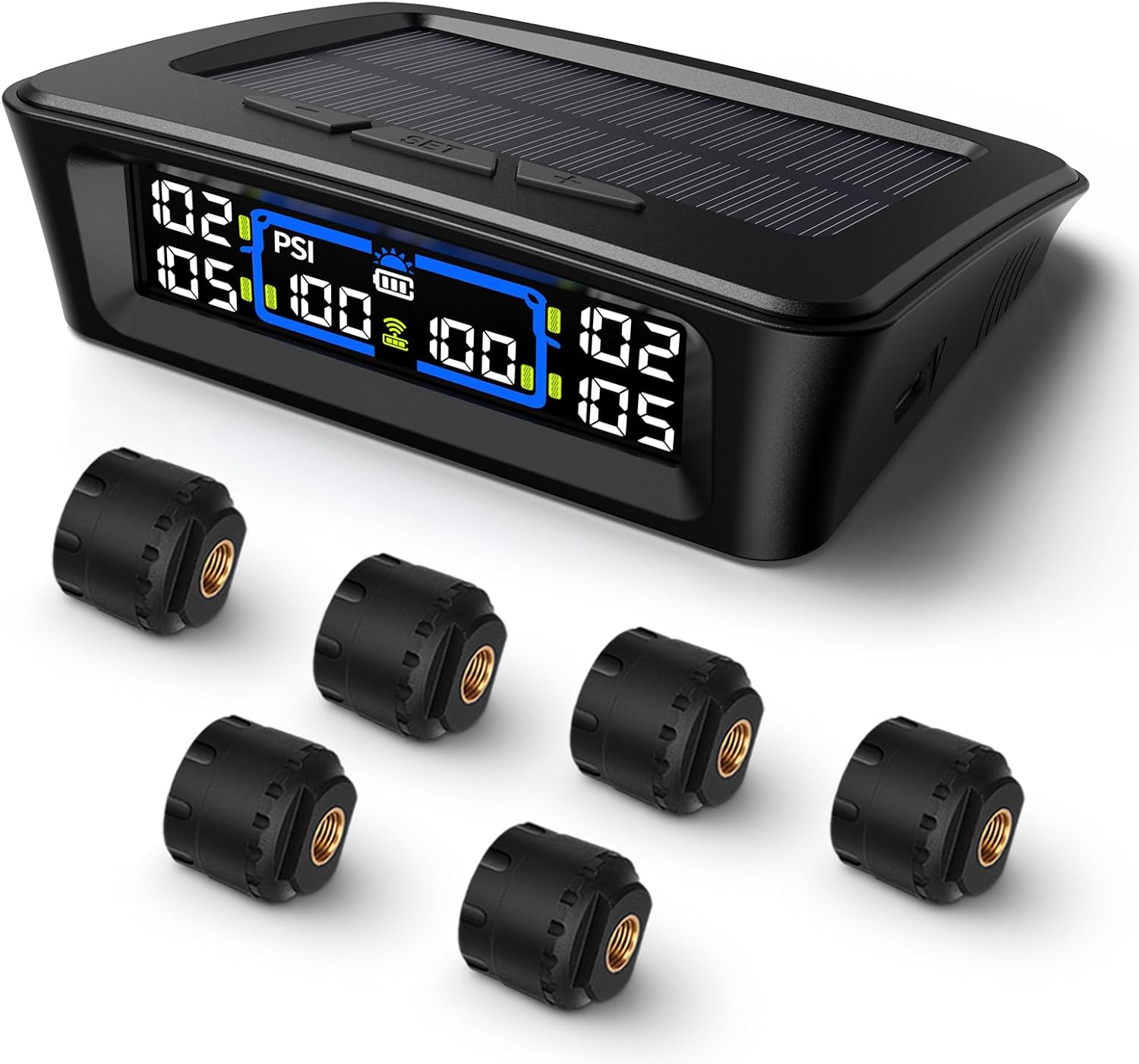
The Tymate TM12 RV TPMS delivers real-time tire pressure and temperature monitoring with a stable 433Hz display for safer long-distance driving. It supports simultaneous monitoring across vehicle and trailer zones, includes six alarm modes for pressure, temperature, leakage, battery, and signal loss, and features easy DIY installation with auto calibration. Power is supplied via USB-C charging or solar recharging, with a wide 0–144 PSI range and up to 50 ft signal coverage for RVs and towable trailers.
How Wheel Width Affects 235/85R16 Fitment
Wheel width affects how a 235/85R16 tire seats, flexes, and wears. Many 235/85R16 tires are approved for wheels around 6.0 to 7.5 inches wide, but the exact range depends on the tire model. A 7-inch wheel is a common middle-ground fit, while the tire maker’s spec sheet should be your final reference.
A wheel that is too narrow can pinch the casing and change tread shape. A wheel that is too wide can spread the sidewalls, expose the rim more easily, and affect bead seating. Both problems can reduce predictable handling and increase uneven wear.
How Tire Pressure Changes 235/85R16 Size
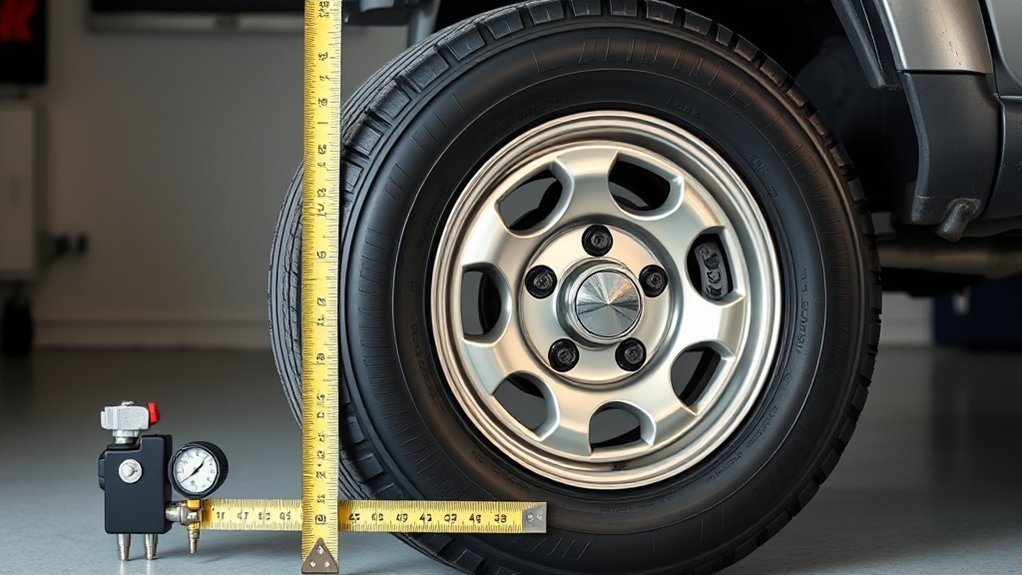
Tire pressure changes how a 235/85R16 tire behaves under load. Low pressure lets the sidewall flex more, which can lower the loaded height and widen the footprint. High pressure can reduce sidewall flex, but too much pressure can hurt ride quality, traction, and tread wear.
| Tire Pressure | Likely Effect |
|---|---|
| Too low | More sidewall flex, lower loaded height, wider footprint, extra heat, and higher wear risk |
| Vehicle-recommended pressure | Best baseline for safety, load support, handling, and tread life |
| Too high | Stiffer ride, smaller contact patch, possible center wear, and reduced grip on some surfaces |
Check pressure when the tires are cold. Use the vehicle’s Tire and Loading Information Label or owner’s manual for the correct pressure, not the maximum pressure stamped on the tire sidewall. The tire sidewall number is a maximum rating for the tire, not the daily pressure recommendation for every vehicle.
Best Replacement Options for 235/85R16 Tires
If you are replacing a 235/85R16 with the same size, your main job is matching load index, load range, speed rating, tire type, and intended use. A highway rib tire, all-terrain tire, mud-terrain tire, and trailer tire can all behave differently even when the size code matches.
If you are changing sizes, the closest practical options depend on what you want to preserve. A 235/80R16 keeps width similar but drops height. A 265/75R16 keeps height close but adds width. A 245/75R16 is shorter and slightly wider. A 31×9.50R16 is close in width but often shorter.
Pro Tip: When comparing replacement sizes, keep the diameter change as small as possible unless you are prepared to check rubbing, gearing, braking, towing behavior, and speedometer accuracy.
Safe Fitment Checklist Before You Buy
Before you buy 235/85R16 tires, check these items:
- Vehicle placard: Confirm whether 235/85R16 is an approved size or a suitable alternative for your vehicle.
- Load index and load range: Match or exceed the vehicle’s required load capacity. This matters most for towing, hauling, vans, and heavy-duty trucks.
- Speed rating: Use a tire with a speed rating that matches your vehicle use and legal road speeds.
- Wheel width: Confirm the wheel falls within the tire manufacturer’s approved rim-width range.
- Clearance: Check fenders, suspension parts, brake parts, mud flaps, body mounts, and spare tire storage.
- Pressure: Use the vehicle’s recommended cold inflation pressure unless a tire professional gives you a load-based adjustment.
- Drivetrain: Avoid mixing different overall diameters on AWD and 4WD systems unless the vehicle maker allows it.
Frequently Asked Questions
What’s the difference between a 235/85R16 and a 245/75R16?
A 235/85R16 is taller and narrower. It is about 31.7 inches tall and 9.3 inches wide. A 245/75R16 is about 30.5 inches tall and 9.6 inches wide. The 235/85R16 gives more height and sidewall, while the 245/75R16 gives a slightly wider footprint but less overall diameter.
How much taller is a 235/85R16 than a 235/80R16?
A 235/85R16 is about 0.9 inches taller than a 235/80R16. The 235/85R16 is about 31.7 inches tall, while the 235/80R16 is about 30.8 inches tall. That difference can affect clearance, gearing, speedometer readings, and spare tire fitment.
What’s the difference between a 235/85R16 and a 265/75R16?
A 235/85R16 and 265/75R16 are close in height, but the 265/75R16 is much wider. The 235/85R16 is about 31.7 inches tall and 9.3 inches wide. The 265/75R16 is about 31.6 inches tall and 10.4 inches wide. The 265 may need more fender and steering clearance.
What is the difference between 235/85R16 and 7.50R16?
A 235/85R16 is a metric radial size with a 235 mm nominal section width and an 85 aspect ratio. A 7.50R16 is an older-style size that is usually narrower and may measure differently by tire type. Do not assume they are interchangeable without checking diameter, load rating, rim width, and vehicle clearance.
Is 235/85R16 the same as a 32-inch tire?
It is close, but not exactly. A 235/85R16 is usually listed at about 31.7 inches tall, so many people describe it as a near-32-inch tire. The exact measured height can vary by brand, tread depth, rim width, inflation pressure, and load.
Can I replace 245/75R16 with 235/85R16?
Sometimes, but you need to check more than diameter. A 235/85R16 is about 1.2 inches taller and slightly narrower than a 245/75R16. That can change speedometer accuracy, gearing, clearance, and towing feel. Confirm the load rating, rim width, and vehicle approval before switching.
Conclusion
A 235/85R16 tire is about 31.7 inches tall, about 9.3 inches wide, and has a sidewall height of about 7.9 inches. It is a tall, narrow tire size that often works well for trucks, vans, trailers, and older 4x4s when the vehicle is built for that load and clearance.
Use the size math as your starting point, not your final answer. Check the vehicle placard, owner’s manual, load index, speed rating, wheel width, and real-world clearance before you mount a set. That extra step protects handling, safety, towing stability, and tire life.
Sources
- TireSize.com 235/85R16 size data — supports nominal diameter, width, circumference, revolutions per mile, and general rim-width range.
- Tire Industry Association: Reading a Tire Sidewall — explains section width, aspect ratio, radial construction, and wheel diameter markings.
- NHTSA TireWise — supports tire-pressure, tire-size, tire placard, and general tire safety guidance.
- Bridgestone: How to Read and Determine Tire Size — supports sidewall code interpretation and tire-size terminology.
[Products Worth Considering]

Secure your vehicle during transport with this 4-pack of heavy-duty tire tie down straps designed for trailers and hauling. The ratchet system with flat hooks and D-rings helps you tension the straps quickly, while the wheel-friendly design protects tires. With high break strength and corrosion-resistant hardware, these straps provide reliable, confidence-inspiring tie-down security for cars, trucks, and UTVs.

Secure a full-size spare on your trailer with this powder-coated steel spare tire mount bracket. It fits most 4-, 5-, and 6-lug wheel bolt patterns and mounts to trailer tongues up to 4 in wide and 5 in tall. Built for reliable carry with a max 150 lb load rating and includes zinc-plated hardware for straightforward installation.

The SAFELIFE dial tire tread depth gauge measures tread depth in 1/32 inch increments with clear, easy-to-read 2-inch dial face. Color zones using a traffic light system help you quickly judge whether tread is low, marginal, or ample for safer driving. Built with a durable zinc cast body and a metal detect probe for precise, comfortable use across cars, motorcycles, trucks, and buses.

Related Articles
305 Tire Size Explained: How Big Is It?
I explain how big a 305 tire really is—and why the exact fit can surprise you.
Read More
Tire Ply Rating Explained: What the Numbers Mean
Tire ply ratings reveal more than numbers, hinting at strength, load capacity, and hidden tradeoffs you’ll want to understand before choosing.
Read More
2 Ply Vs 4 Ply Tires: What’s the Real Difference?
I’ll explain the real difference between 2-ply and 4-ply tires, and the choice may surprise you depending on where you drive.
Read More