
Butyl Rubber Tube: Properties, Uses & Selection Guide
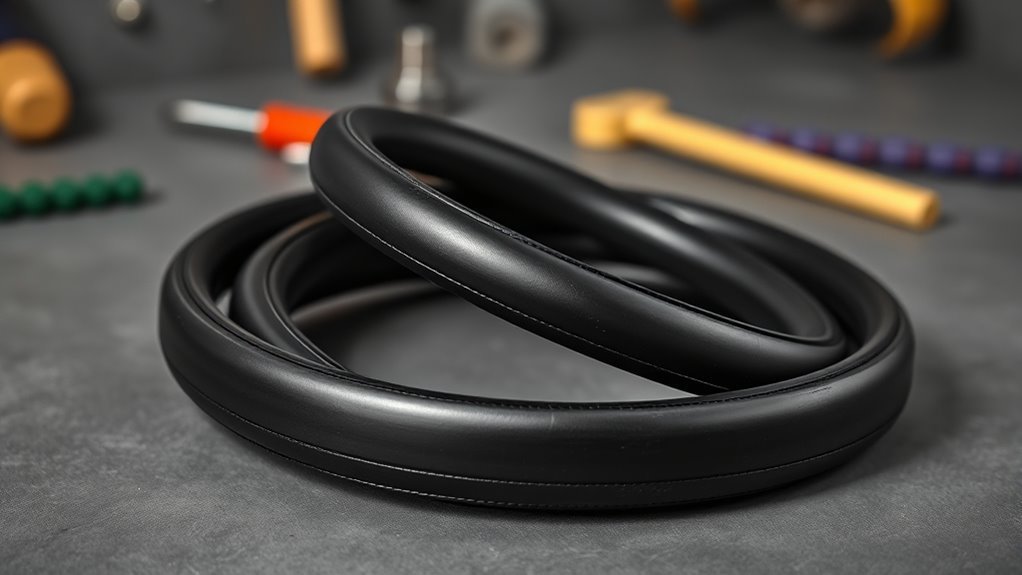
A butyl rubber tube is a synthetic elastomeric tube made mainly from polyisobutylene with ~2% isoprene, produced by low-temperature cationic polymerization, extrusion and vulcanization; it gives you extremely low gas permeability, wide temperature stability (≈−40°C to +140°C), strong ozone/UV and chemical resistance, and retained flexibility for sealing and barrier roles. It’s used in tubeless tire liners, pharmaceutical closures, and corrosive fluid systems; keep following for specifics on selection, installation, and recycling.
Who Should Read This Post? (Intent & Quick Takeaways)
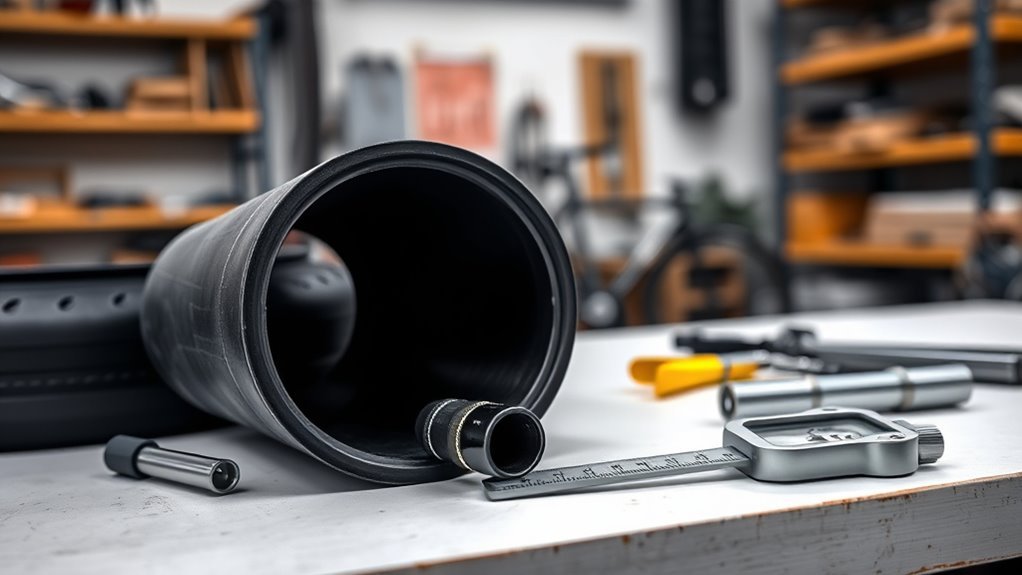
Who needs this post? You do if you evaluate sealing materials, specify tubing for gas- or moisture-sensitive systems, or assess components for automotive, medical, or construction projects. You’ll get clear application examples: tire inner liners, pharmaceutical stoppers, and airtight seals in HVAC and lab equipment. You’ll learn the key properties—exceptional gas impermeability, chemical and UV resistance, thermal stability—that determine suitability. Use this to compare performance metrics, failure modes, and maintenance intervals. Designers and procurement specialists will find data to justify choices; R&D teams will see where industry innovations leverage butyl’s durability and flex fatigue resistance. This is a concise technical primer to guide specification, testing priorities, and selection decisions without manufacturing process details.
[Products Worth Considering]

This tire repair kit provides fast emergency puncture repair without removing the tire from the rim, helping you get back on the road quickly. Its screw plug system is designed for punctures in both tread and sidewall and includes a complete patch plug tool set with essential accessories. A portable storage bag makes it easy to carry for cars, trucks, SUVs, motorcycles, and heavy-duty applications.

This tire repair patch tool kit helps you quickly seal small punctures using upgraded mushroom plugs and a built-in roller system that presses for even penetration. The tungsten buffing wheel and HSS twist drill bits prepare the damaged surface for stronger adhesion, while the crown-angle friendly plugs are designed to keep water and debris out. Ideal for puncture repairs on many vehicle types, from cars and trucks to bikes and scooters.

Wykodra tire plugs provide quick vulcanizing repairs for tubeless tires, helping you seal punctures and get back on the road. The industrial-strength rubber creates a long-lasting, leak-resistant bond and is designed for emergency fixes without removing the tire. Choose between two standard plug sizes with color-matched options for small to larger damage across many vehicles and off-road uses.
What Is a Butyl Rubber Tube and How It’s Made
You’ll learn that a butyl rubber tube is primarily polyisobutylene with minor isoprene content to enable crosslinking, giving it exceptional gas impermeability and chemical resistance. The material is synthesized via low-temperature cationic vinyl polymerization, then formed by extrusion into tube profiles. Finally, the extruded tube is vulcanized to establish the rubber network and final mechanical and thermal properties.
Composition And Chemistry
Although often lumped with general elastomers, a butyl rubber tube is a synthetic copolymer made of roughly 98% isobutylene and about 2% isoprene, engineered for low gas permeability and high flexibility. In polymer chemistry terms, that composition yields a high-density main chain with sparse unsaturation from isoprene, which preserves impermeability while enabling crosslinking sites. You’ll find the isobutylene backbone provides chemical and UV resistance plus thermal stability; the minor isoprene fraction supplies localized double bonds for subsequent vulcanization, increasing durability and elasticity. The resulting material balances chain mobility and tight packing, minimizing gas diffusion coefficients. When you select a butyl rubber tube, you’re choosing a material whose molecular architecture prioritizes barrier performance and environmental resistance for airtight and watertight sealing applications.
Cationic Polymerization Process
The cationic polymerization of isobutylene with a small fraction of isoprene is carried out at very low temperatures (around −100°C) using Friedel–Crafts type catalysts, producing long-chain copolymers with sparse unsaturation; this controlled, ion-mediated mechanism yields high-molecular-weight butyl rubber with the chain mobility and tight packing that give the tube its elasticity and low gas permeability. You’ll see polymerization mechanisms optimized for fast chain growth and minimal side reactions, preserving backbone integrity while incorporating targeted double bonds from isoprene. Catalyst selection governs initiation rate, molecular weight distribution, and microstructure; acid strength and solvent choice are critical variables. The process delivers tunable copolymers whose inherent impermeability and limited unsaturation enable later crosslinking and application-specific property adjustments. For an overview of modern low-temperature cationic methods, see an industry review on butyl synthesis. Advances in butyl rubber synthesis via cationic polymerization.
Extrusion And Vulcanization
Begin by preparing a homogenous butyl rubber compound—primarily isobutylene with a controlled fraction of isoprene, curatives (typically sulfur and accelerators), fillers, and processing oils. You’ll maintain low-temperature polymerization control inherited from cationic synthesis; after compounding, you employ extrusion techniques to shape tubes, heating the blend just enough to flow and forcing it through calibrated dies to achieve specific diameters and wall thicknesses. You then cool and cut lengths to tolerance. Next, you apply vulcanization methods to cross-link chains: controlled sulfur curing at specified temperature/time profiles yields targeted network density, enhancing elasticity, tensile strength, and impermeability. Process control of extrusion techniques and vulcanization methods guarantees consistent gas- and moisture-impermeable tubing for tires, sealants, and industrial uses.
Physical and Chemical Properties of Butyl Rubber Tubes
You’ll evaluate the chemical resistance profile of butyl rubber tubes, noting strong resistance to acids, alkalis, and many solvents that suits harsh industrial and medical uses. Then you’ll assess thermal and weather stability, including flexibility from −40°C to +140°C and resistance to ozone, UV, and weathering. Finally, you’ll examine mechanical and elastic properties—gas impermeability, tensile behavior, and elastic recovery—that determine sealing and pneumatic performance.
Chemical Resistance Profile
When exposed to acids, alkalis, ozone, moisture, UV, and weathering, butyl rubber tubes maintain structural integrity and seal performance, so you can rely on them in harsh industrial and outdoor settings. In chemical applications, they resist a wide range of corrosive agents, outperforming many elastomers in longevity and sealing reliability; this performance comparison highlights butyl’s low reactivity and minimal swell in common process fluids. Its low gas permeability preserves pneumatic and vacuum functions, while retained flexibility reduces stress-induced failure under cyclic loading. Moisture resistance guarantees airtight seals in wet environments. Resistance to UV and ozone prevents surface embrittlement that compromises sealing. Use butyl where chemical exposure, gas retention, and sustained seal integrity are primary requirements; validate compatibility for specific solvents and concentrated reagents.
Thermal And Weather Stability
Having established butyl rubber’s chemical resilience, it’s equally important to examine how its thermal and weather stability preserves performance over time. You’ll find butyl rubber tubes retain consistent thermal performance from -40°C to +140°C, ensuring dimensional and functional integrity across wide service temperatures. Their low gas permeability and resistance to oxidation slow degradation mechanisms that ordinarily compromise seals and membranes. In outdoor and industrial settings you’ll rely on pronounced weather resilience: sustained exposure to UV, ozone, and severe weather produces minimal embrittlement or surface cracking. Long-term aging studies and field data show functional lifetimes often exceeding 60 years in roofing applications when the correct product form and installation are used. Combined chemical resistance and environmental stability make butyl rubber tubes a dependable choice where airtightness and prolonged exposure resistance are required.
Mechanical And Elastic Properties
Performance clarity defines the mechanical and elastic properties of butyl rubber tubes: they combine low gas permeability with sustained flexibility and elasticity from -40°C to +140°C, ensuring airtight seals under thermal stress. You’ll find low compression set and high energy absorption yield superior vibration damping and shock absorption, minimizing stress strain concentrations at interfaces. The polymer’s fatigue resistance supports repeated flexing in dynamic seals and tire inner liners, extending service life under cyclic loading. Chemical resilience against acids, alkalines, ozone and UV prevents surface embrittlement that would degrade elastic response. In design you can rely on predictable modulus and hysteresis behavior, enabling precise sealing force calculations and finite-element stress strain modeling for long-term performance in harsh industrial and outdoor environments.
Advantages and Limitations for Tube Applications
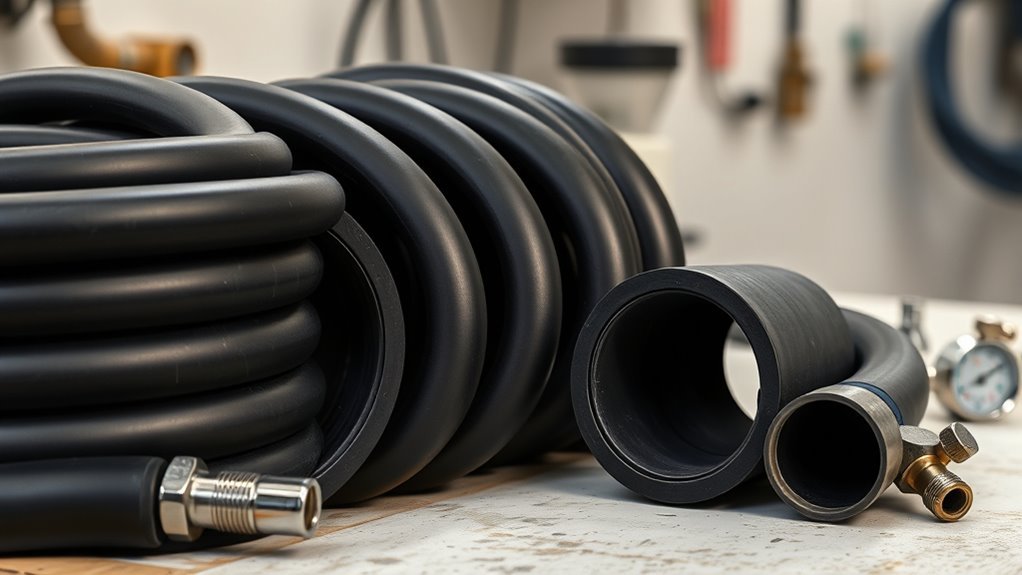
Although butyl rubber tubes excel at gas impermeability and chemical resistance, they also present specific limitations you’ll need to address in tube applications. You’ll benefit from outstanding airtightness, ozone and oxygen resistance, and flexible performance from -40°C to +140°C, making them ideal where retention and durability matter. However, manufacturing challenges—such as air trapping and blistering—require controlled mixing, degassing, and curing protocols to maintain defect-free walls and consistent permeability. Be aware of chemical limitations: poor flame resistance and vulnerability to petroleum oils and certain solvents restrict use in high-temperature or hydrocarbon-rich environments. In practice you’ll choose butyl when barrier properties and thermal flexibility outweigh the need for hydrocarbon or flame performance, and when production controls mitigate fabrication defects.
Choosing the Right Butyl Rubber Tube
Which tube design best meets your sealing and pressure needs depends on a few measurable factors. You’ll prioritize gas impermeability and resistance to chemicals, UV and ozone when specifying material. Use size selection to match inner diameter, wall thickness (1–20mm), and tolerances to pressure and fit. Verify application compatibility for temperature range and low-temperature flexibility.
- Inner diameter vs. mating part: guarantee airtight fit and minimal leakage.
- Wall thickness: balance burst resistance and flexibility for your pressure profile.
- Chemical and UV exposure: pick formulations rated for resistance and longevity.
- Operating temperature: confirm performance at expected cold and hot extremes.
Document test criteria (leak rate, burst pressure, aging) and validate with prototype testing before production.
[Products Worth Considering]
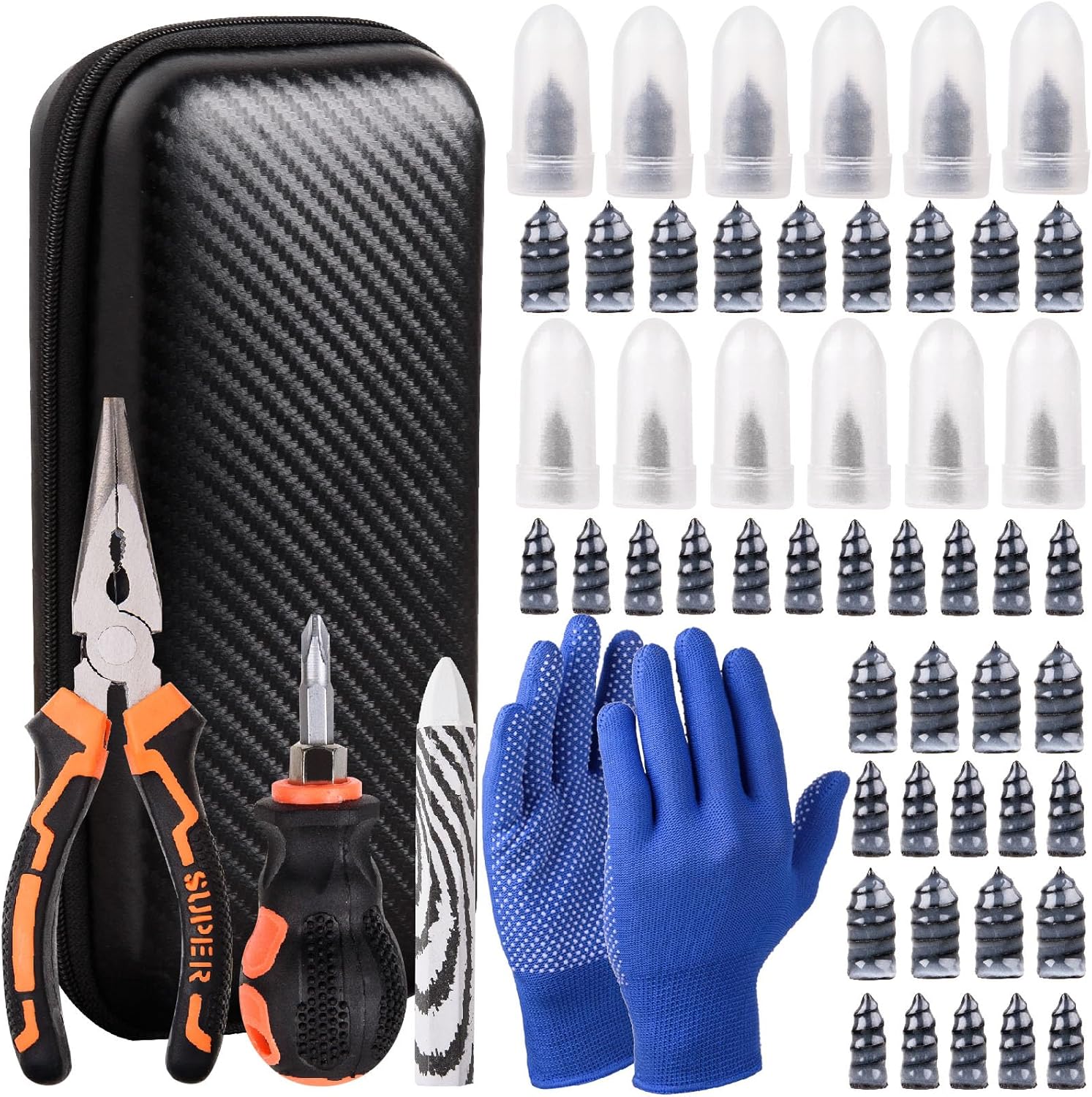
This tire sidewall puncture repair kit fixes flats fast without removing the tire, helping you get back on the road in minutes. It includes self-tapping repair nails, essential tools, gloves, and a portable storage bag for convenient roadside use. Designed for tubeless tires, it helps create a tight, leak-resistant seal for cars, motorcycles, trucks, SUVs, and ATVs.
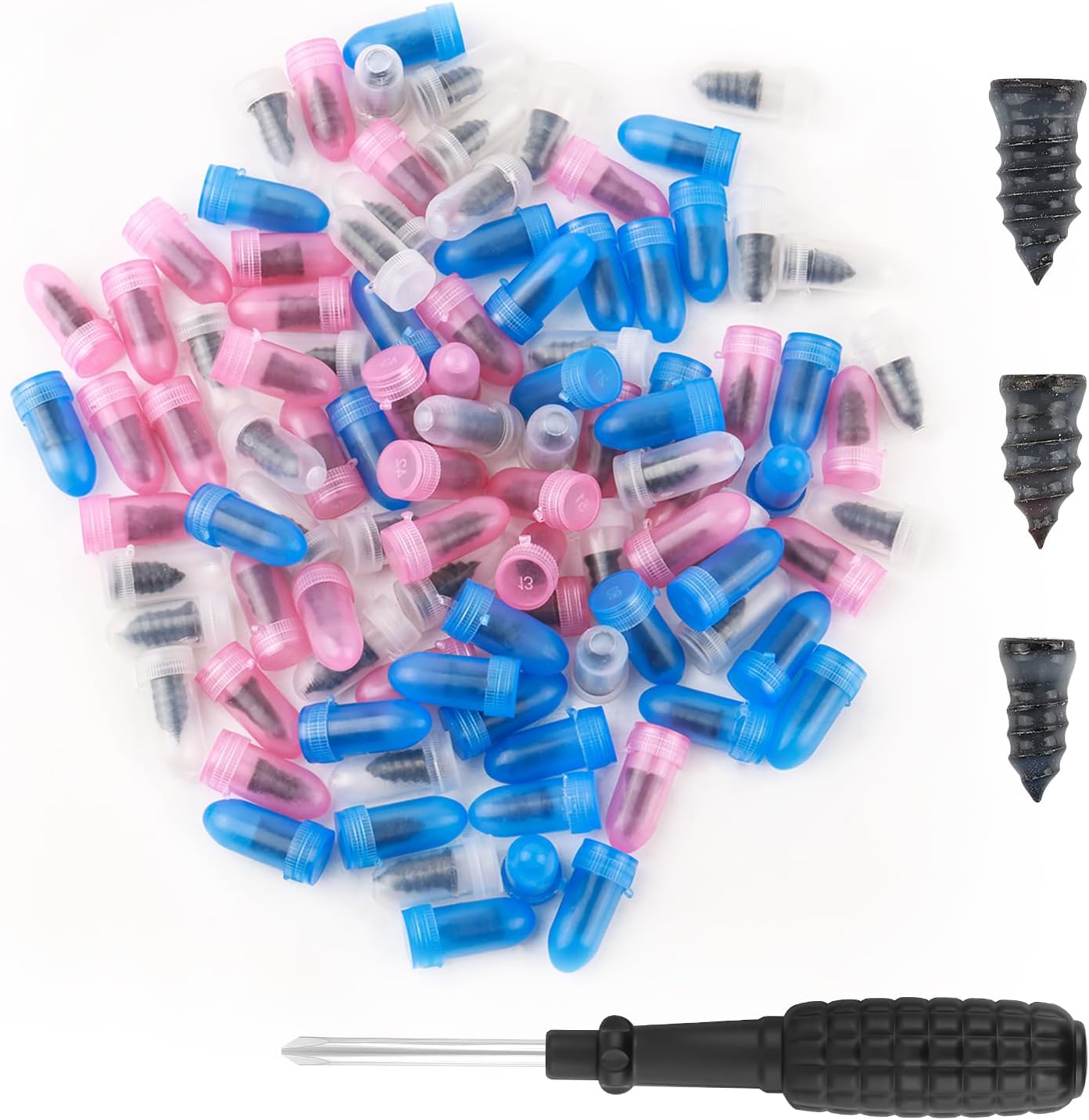
This 100-piece tire repair screw plug kit provides a fast, self-service solution for punctures on the road. Choose the correct plug size, insert it into the break, and screw it in to help seal the puncture and temporarily restore tire pressure. Thickened threads and rubber-wrapped plugs improve bite and sealing while remaining compact and easy to carry.
Common Uses for Butyl Rubber Tubes (Tires, Seals, Industrial)
Butyl rubber tubes serve critical roles across tires, seals, and industrial systems because they combine exceptional gas impermeability, chemical resistance, and low-temperature flexibility. You’ll find them as inner liners in tubeless tires where their low gas permeability directly supports tire performance, reducing pressure loss and improving durability under cyclic stress. In sealing applications, you’ll use butyl tubes to form airtight, moisture-resistant barriers for vials, pharmaceutical closures, and building waterproofing; their chemical stability preserves sterility and prevents ingress. For industrial sealing and insulating, butyl tubes provide reliable barriers against corrosive fluids, gases, and environmental contaminants, extending equipment life. Their predictable mechanical behavior and compatibility with bonding and extrusion processes make them a practical choice when you need durable, maintenance-minimizing seals in demanding environments.
Care, Installation, and Lifespan Tips
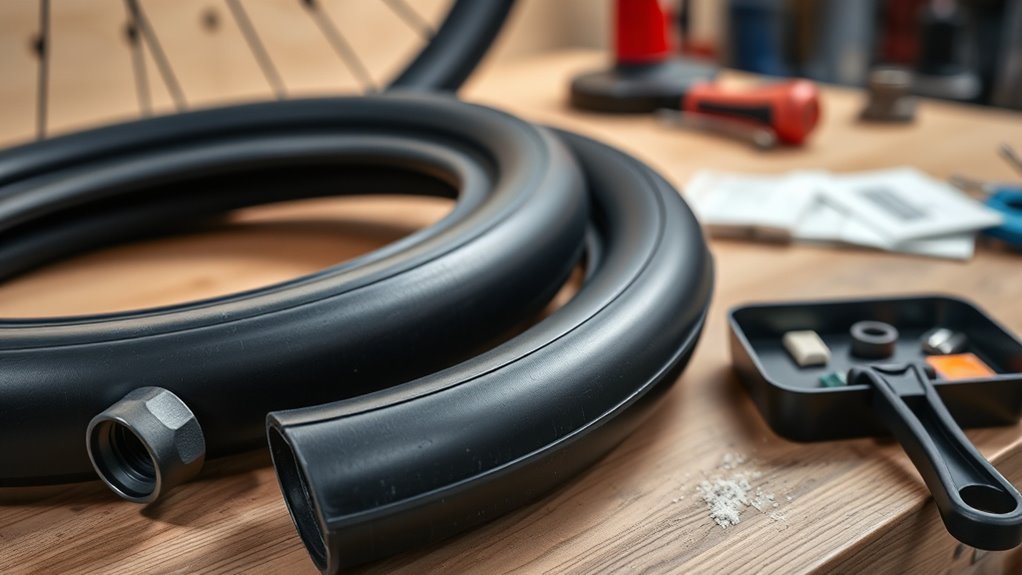
When you install and maintain butyl rubber tubes, follow a few straightforward practices to maximize service life and safety: Inspect regularly for cuts, swelling, or surface degradation; keep tubes clean and free of petroleum-based chemicals. Follow manufacturer pressure specs during installation to prevent air loss and guarantee proper seating. For storage, keep tubes cool, dry, and out of direct sunlight to limit UV and thermal aging. Replace at first signs of puncture or persistent leaks to avoid hazards.
- Perform routine visual, tactile checks and document findings as part of safety precautions.
- Use correct tools and fittings to avoid overstretching or pinching during installation.
- Apply systematic troubleshooting leaks: soapy-water test, pressure-hold check, localized repair if feasible.
- Schedule replacements within 5–10 years depending on exposure.
Recycling, Alternatives, and Environmental Considerations
After installation and routine checks, you should also consider end-of-life handling and material choices to reduce environmental impact. You’ll find butyl rubber tubes recyclable via specialized processes that reclaim polyisobutylene; using these recycling technologies lowers disposal burden. Urban sustainability initiatives target related streams — for example, municipal chewing-gum collection recovers gum-base polymers that are chemically related to polyisobutylene. Gumdrop Ltd is one example of a program that collects and repurposes gum base into new products. Alternative elastomers (natural rubber, other synthetics) suit cases prioritizing biodegradability or lower chemical footprints. Producers are shifting to cleaner manufacturing to address chemical pollution concerns. Vendors and services deploy collection bins and processing that feed reclaimed polyisobutylene back into products, supporting a circular economy. Evaluate end-use requirements, recyclability, and supplier practices when specifying tubing.
| Topic | Impact |
|---|---|
| Recycling technologies | Reduces waste |
| Alternatives | Lowers footprint |
Frequently Asked Questions
What Is Butyl Rubber Used For?
You use butyl rubber for sealing, gasketing, vibration damping, pharmaceutical stoppers, tire inner liners and waterproofing; Butyl applications exploit Butyl advantages like superior gas impermeability, chemical resistance, elasticity and long-term durability in demanding technical environments.
How Long Does Butyl Rubber Last?
You might doubt long lifespans, but you’ll see durability: butyl rubber typically lasts 30–60+ years depending on durability factors like temperature range, impermeability, manufacturing, and environmental impact; proper handling prevents premature failures.
What Is a Butyl Rubber Tube?
You’re getting a flexible synthetic tube made from isobutylene/isoprene; it offers superior butyl rubber properties—gas impermeability, chemical and UV resistance, broad temperature flexibility—and serves varied butyl rubber applications like tires, seals, gaskets, dampers.
Conclusion
You’ve seen how butyl rubber tubing blends impermeability, chemical resistance, and elasticity—like a sealed balloon stretched over a metal pipe, holding air while resisting oil and ozone. You’ll pick it when gas retention, vibration damping, or long-term sealing matters, but you’ll avoid it where high-temperature flexibility or easy recycling are priorities. Install and maintain it to preserve service life, and compare alternatives when weight, cost, or environmental impact coincide with your project constraints.

Related Articles
What Does THE P Stand For on a Tire? Full Meaning Explained
I’ll explain what the “P” on a tire really means and why it could change how you choose your next set.
Read More
How to Use a Tubeless Tire Repair Kit: Complete Field Guide
Learn how to fix tubeless tire punctures fast with the right kit, because one small mistake can leave you stranded on the trail.
Read More
How to Tell a Tire’s Diameter: Easy Guide to Reading Tire Size
Want to decode tire sidewall numbers and find the right diameter, but wonder what those hidden digits really mean?
Read More