
How to Seal a Tire: Repair Methods From Plugs to Sealants
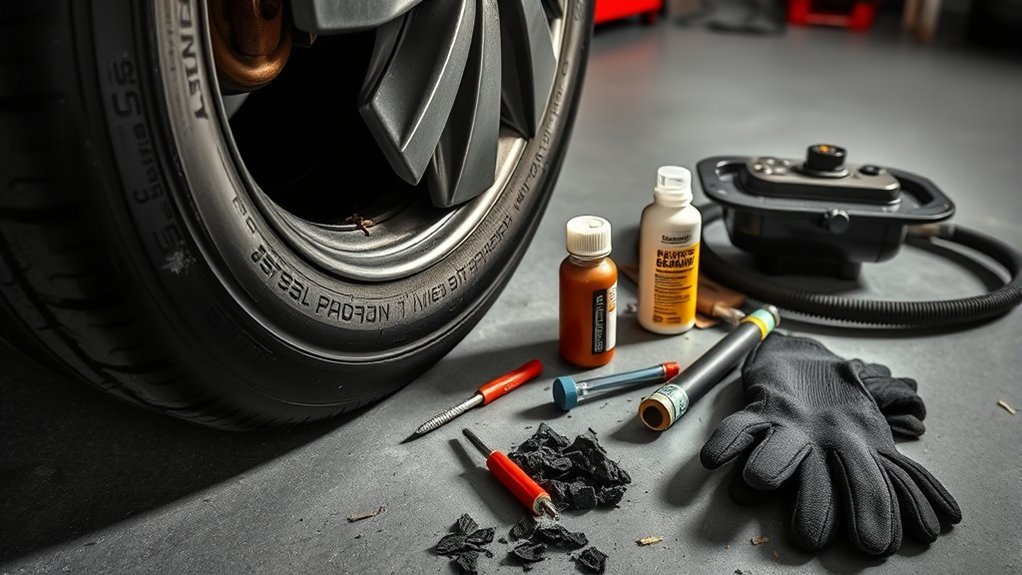
A tire leak can feel like a simple plug-and-go problem, but the safest repair depends on where the damage is, how large it is, and whether the tire has hidden internal damage. For a highway passenger or light-truck tire, a quick outside plug or sealant can help in an emergency, but the proper long-term fix is usually a demounted plug-patch combination repair performed after inspection.
Quick Answer
The safest way to seal a repairable tire puncture is a combination repair: a rubber stem fills the puncture channel, and an inside patch seals the inner liner. A plug or sealant may help you reach a shop, but it should not be treated as a permanent highway repair.
Key Takeaways
- A proper permanent repair uses both a plug or stem and an interior patch after the tire is removed from the wheel.
- Most passenger and light-truck tire puncture repairs are limited to the tread area and to punctures no larger than 1/4 inch or 6 mm.
- Plug-only, patch-only, and sealant-only fixes are temporary or incomplete for normal highway use.
- Do not repair sidewall damage, shoulder damage, overlapping repairs, exposed cords, run-flat damage, or tires worn to unsafe tread depth.
- Have a trained tire service professional inspect the tire from the inside before trusting any repair for long-term driving.
At a Glance
| Time Required | Temporary roadside plug or inflator: usually minutes. Proper professional repair: depends on shop workload and inspection findings. |
| Difficulty | Temporary roadside repair: moderate. Permanent repair: professional service recommended. |
| Tools Needed | For roadside mobility: pressure gauge, temporary plug kit or inflator, soapy water, and tire inflator. For permanent repair: tire machine, inspection tools, buffing tools, repair stem, patch, cement, and leak-test equipment. |
| Cost | Roadside kits are usually low-cost emergency tools. Professional repair cost varies by tire type, shop policy, and whether replacement is required. |
Warning: Do not keep driving on a tire that is losing pressure, has a bulge, shows cords, or was driven flat. Internal damage may not be visible from the outside, and an improper repair can lead to sudden tire failure.
What Is the Safest Way to Seal a Tire?
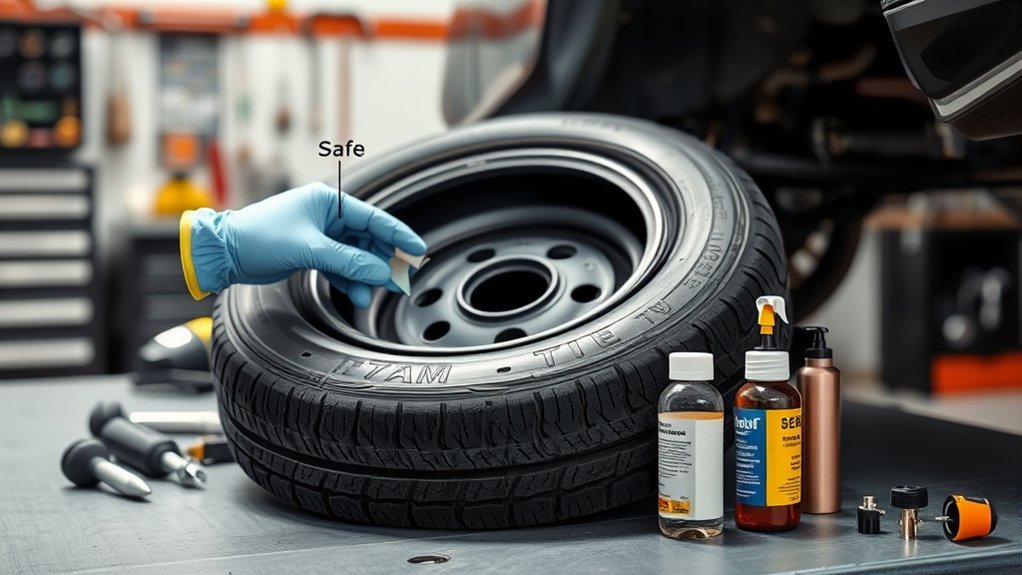
The safest way to seal a repairable tire puncture is with a combination repair. This repair uses a rubber stem or plug to fill the puncture channel and an interior patch to seal the tire’s inner liner. The tire must come off the wheel first, so the technician can inspect the inside for liner damage, cord damage, sidewall damage, heat damage, or signs that the tire was driven underinflated.
That process follows the same core guidance used by the U.S. Tire Manufacturers Association: repairs should be considered only when the damage is in the tread area and the puncture injury is no larger than 1/4 inch or 6 mm. The repair also should not overlap an older repair or extend into the shoulder or sidewall.
A patch alone covers the inside surface, but it does not fill the path made by the nail, screw, or other object. A plug alone can fill part of the hole from the outside, but it does not seal the inner liner. You need both jobs done together if you want a repair that protects the casing from air loss and moisture entry.
A roadside spare tire kit, inflator, or temporary plug kit can help you leave traffic and reach service, but it should not replace a demounted professional inspection.
A tire repair is not just about stopping air loss. It must also seal the inner liner, fill the puncture path, and confirm that the tire has no hidden internal damage.
[Products Worth Considering]

This tire repair patch tool kit helps you quickly seal small punctures using upgraded mushroom plugs and a built-in roller system that presses for even penetration. The tungsten buffing wheel and HSS twist drill bits prepare the damaged surface for stronger adhesion, while the crown-angle friendly plugs are designed to keep water and debris out. Ideal for puncture repairs on many vehicle types, from cars and trucks to bikes and scooters.

This tire repair kit provides fast emergency puncture repair without removing the tire from the rim, helping you get back on the road quickly. Its screw plug system is designed for punctures in both tread and sidewall and includes a complete patch plug tool set with essential accessories. A portable storage bag makes it easy to carry for cars, trucks, SUVs, motorcycles, and heavy-duty applications.

This compact capsule-style tire repair kit helps you quickly fix punctures and plug flats with minimal effort. The rugged stainless steel shell protects the contents for reliable roadside use, while the simple plug assembly makes repairs fast and tool-free. Suitable for motorcycles, cars, ATVs, UTVs, and even mountain bikes.
When Is a Tire Plug Only Temporary?
A tire plug is temporary when it is installed from the outside without removing the tire from the wheel. That kind of plug can slow or stop air loss long enough to get you to a safer place or a service center, but it does not prove the inside of the tire is safe.
Use a plug-only repair only as a short-term mobility fix for a small tread puncture. Do not use it for sidewall damage, shoulder damage, large holes, cuts, exposed cords, or a tire that was driven flat. After you install a temporary plug, inflate the tire to the vehicle placard pressure, check it with soapy water, and drive cautiously to a tire shop.
Some mushroom plugs may seal better than simple rope plugs in certain tubeless emergency situations, but they still do not replace a proper internal inspection for normal highway service.
Note: If a tire loses pressure again after a plug, do not keep topping it off and driving. Repeated air loss means the repair is not reliable or the tire has another leak.
Why Do Patch-Only and Plug-Only Tire Repairs Fail?
Patch-only and plug-only repairs fail because each method solves only part of the problem. A patch seals the inside surface but leaves the injury path open from the tread. A plug fills the path from the outside but does not seal the inner liner. Either gap can let air or moisture reach the tire structure.
| Repair problem | What can happen |
|---|---|
| Open puncture channel | Air can leak through the tread injury. |
| Unsealed inner liner | The tire may lose pressure under heat, flexing, or load. |
| Moisture entry | Steel belts and internal materials can corrode or weaken. |
| Hidden run-flat damage | Cord fatigue or sidewall damage can remain unseen from outside. |
| Overlapping repairs | The tire structure may not support another safe repair. |
Heat resistance, tread design, and tire quality still matter, but they do not make an incomplete repair safe. Even tires marketed for heat control or durability, such as models discussed in RAV4 tire guides, still need the puncture channel and inner liner repaired correctly.
What Makes a Tire Repair Permanent?
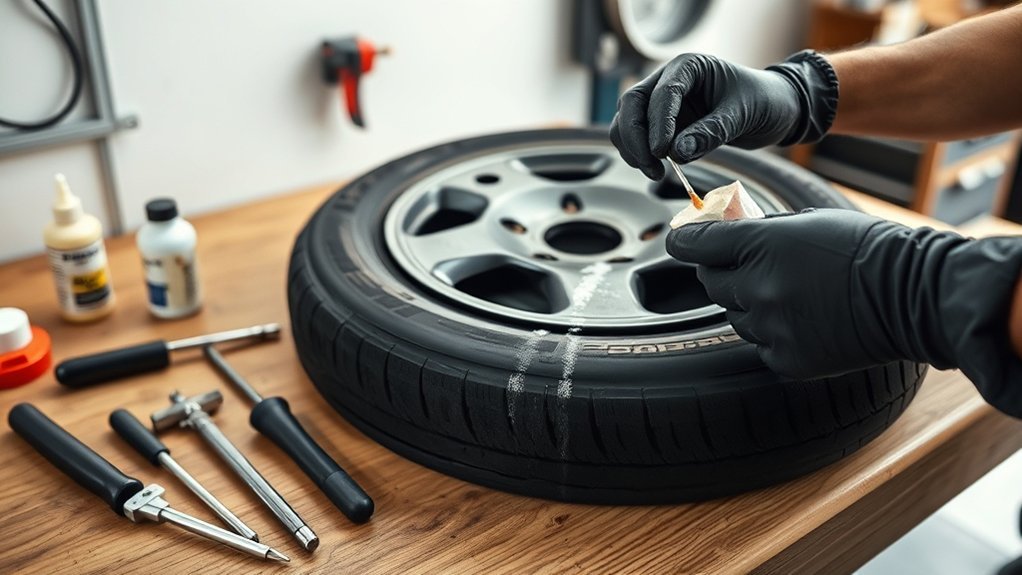
A tire repair becomes permanent only when it restores the air seal and blocks the full injury path. For most repairable passenger and light-truck tread punctures, that means a one-piece combination repair or an approved two-piece repair that uses a stem and patch together.
The tire service professional should locate the leak, mark the injury, fully deflate the tire, remove it from the wheel, inspect the inside and outside, prepare the puncture area, install the repair unit, remount the tire, inflate it to the correct pressure, and check for leaks. The Tire Industry Association explains that a proper repair must remove damaged material, fill the void with rubber, and seal the inner liner.
Safe Repair Process
- Move to a safe location. Pull away from traffic and avoid driving on a severely underinflated tire.
- Find the leak. Use soapy water if needed, then mark the puncture location.
- Check the repair area. The injury must be in the tread area, not the shoulder or sidewall.
- Measure the injury. For passenger and light-truck tires, a puncture larger than 1/4 inch or 6 mm is normally not repairable.
- Demount the tire. A permanent repair requires internal inspection before repair.
- Install the repair unit. The stem fills the channel, and the patch seals the inner liner.
- Leak-test and reinflate. Inflate to the vehicle placard pressure, not the maximum number molded on the tire sidewall.
- Monitor the tire. Recheck pressure and watch for vibration, bulges, or renewed air loss.
Pro Tip: After any repair, check tire pressure again the next day and after your next longer drive. A safe repair should hold pressure without repeated top-offs.
Sidewall patch products made for off-road, ATV, or UTV use should not be treated as permanent highway tire repairs. A sidewall tire patch kit for off-road use may have a place in trail emergencies, but passenger-car sidewall damage still calls for replacement.
Which Tire Damage Should Not Be Repaired?
You should not repair tire damage when the structure is already compromised or when the injury falls outside the accepted repair area. In those cases, replacement is safer than trying to save the tire.
- Sidewall punctures, cuts, or bubbles: The sidewall flexes heavily and cannot be restored safely with a normal patch or plug.
- Shoulder or belt-edge damage: Damage near the tread edge may extend into the shoulder area and should be treated as non-repairable.
- Punctures larger than 1/4 inch or 6 mm: Oversized injuries exceed common passenger and light-truck repair limits.
- Overlapping repairs: If a new repair would overlap an older one, the tire should be taken out of service.
- Existing improper repairs: A tire with an old outside-only plug or other nonstandard repair may need to be scrapped.
- Exposed cords or inner-liner damage: Visible structural damage means the tire cannot be trusted.
- Run-flat damage: A run-flat tire driven with little or no pressure may have hidden internal damage.
- Unsafe tread depth: Tires worn to the treadwear indicators or 2/32 inch of remaining tread should be replaced, not repaired.
High treadwear ratings can help you compare expected wear, but they do not make a damaged tire repairable. Location, size, internal condition, age, and manufacturer policy matter more than the treadwear number when deciding whether to repair or replace.
[Products Worth Considering]

Wykodra tire plugs provide quick vulcanizing repairs for tubeless tires, helping you seal punctures and get back on the road. The industrial-strength rubber creates a long-lasting, leak-resistant bond and is designed for emergency fixes without removing the tire. Choose between two standard plug sizes with color-matched options for small to larger damage across many vehicles and off-road uses.
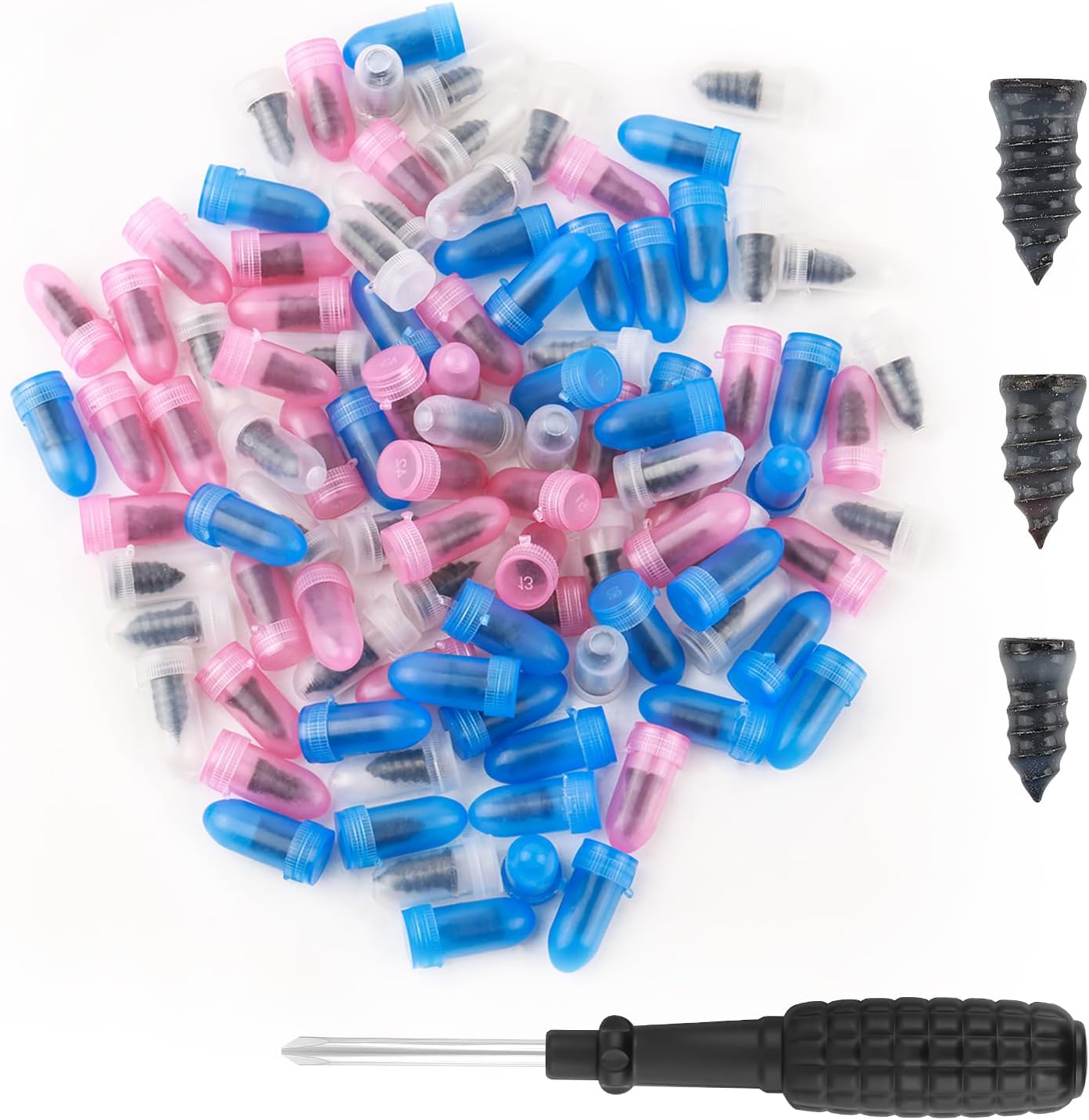
This 100-piece tire repair screw plug kit provides a fast, self-service solution for punctures on the road. Choose the correct plug size, insert it into the break, and screw it in to help seal the puncture and temporarily restore tire pressure. Thickened threads and rubber-wrapped plugs improve bite and sealing while remaining compact and easy to carry.
What About Sealants, Run-Flat Tires, and Special Tire Types?
Tire sealant, emergency inflators, and tire mobility kits are designed to help you regain temporary mobility. They are not the same as a demounted plug-patch repair. Sealant can also make inspection and cleanup harder, so tell the tire shop if you used it.
Run-flat tires, foam-lined tires, self-seal tires, speed-rated tires, and some commercial or specialty tires may have manufacturer-specific repair rules. The Goodyear Product Service Bulletin on puncture repair notes that manufacturer repair policy can affect whether a speed rating is retained after repair. When the tire type is special, follow the tire manufacturer’s repair policy, not a generic plug-kit instruction sheet.
How to Check a Tire After It Has Been Sealed
After a temporary or professional repair, watch the tire closely. Check pressure with a gauge when the tire is cold, then compare it with the vehicle placard pressure on the driver-side door jamb or owner’s manual. Do not use the sidewall maximum pressure as your normal inflation target.
Spray soapy water around the repair area, valve stem, bead, and any suspicious spots. Bubbles mean air is still escaping. You should also stop driving and get the tire inspected again if you notice vibration, pulling, thumping, bulging, exposed cords, repeated pressure loss, or a repair near the shoulder.
Frequently Asked Questions
Is tire sealant better than a plug?
No. Tire sealant and outside plugs are both temporary roadside options. Sealant can help with very small punctures, and a plug may slow air loss in a tread puncture, but neither one replaces a demounted plug-patch repair for normal long-term highway use.
How do you make homemade tire sealant?
Do not make homemade tire sealant for a highway tire. Dish soap, cornstarch, latex, rubber cement, and similar mixtures are not approved tire repairs. They can hide the real injury, create cleanup problems, and delay the internal inspection needed to decide whether the tire is safe.
How do you seal a tire plug?
For a temporary roadside plug, follow the plug-kit instructions, clean the puncture with the reamer, insert the plug, trim it if directed, reinflate the tire, and check for leaks with soapy water. Treat it as a short-term fix and have the tire demounted and inspected as soon as possible.
Is there a permanent tire sealant?
For standard passenger and light-truck highway tires, you should not treat pour-in sealant as the normal permanent repair. Some specialty tires may use manufacturer-approved self-seal technology, but a punctured tire still needs inspection and must follow the tire manufacturer’s repair policy.
Can you drive long distance on a plugged tire?
Do not plan a long trip on an outside-only plug. Use it only to reach a safe location or tire service center. For long-distance driving, the tire should be inspected from the inside and repaired with an approved plug-patch combination if it meets repair limits.
Can a sidewall puncture be sealed safely?
No, a sidewall puncture on a highway passenger or light-truck tire should not be repaired. The sidewall flexes too much, and a patch or plug cannot restore its original strength. Replace the tire instead.
Conclusion
The safest way to seal a tire is not the quickest outside fix. For a repairable tread puncture, choose a demounted plug-patch combination repair that fills the puncture channel and seals the inner liner. Use plugs, sealants, and inflators only as temporary mobility tools. If the puncture is too large, too close to the shoulder, in the sidewall, or paired with hidden internal damage, replace the tire.
Sources
- U.S. Tire Manufacturers Association: Tire Repair Basics — backs plug-patch repair, demounting, and 1/4-inch repair limit.
- USTMA: Puncture Repair Procedures for Passenger and Light Truck Tires — backs tread-area limits, non-overlapping repairs, and no outside-in repair.
- Tire Industry Association: Tire Repair — backs why plug-only, patch-only, and sealant-only repairs are not long-term solutions.
- NHTSA Tire Safety Brochure — backs plug-and-patch repair, sidewall cautions, and demounting for inspection.
- Cooper Tire: Proper Tire Puncture Repair — backs professional repair, no on-wheel repair, and no sidewall repair.
- Goodyear Product Service Bulletin PSB #2022-11 — backs manufacturer repair policy considerations for speed-rated and specialty tires.

Related Articles
AWD Tire Rotation Pattern: How Often and How to Do It
W**ondering the right AWD tire rotation pattern and timing? Discover the simple method, ideal schedule, and mistakes to avoid before your tires wear unevenly.
Read More
Wheel Damage: Types, Repair Options, and Costs
Many wheel damages look minor, but some hide costly safety risks—learn which repairs are worth it and when replacement is smarter.
Read More
Tire Balancing Weights: Types, Cost, and Why You Need Them
Precisely chosen tire balancing weights reduce vibration and wear, but which type fits your wheels and what it really costs may surprise you.
Read More