
Can a Bad Tire Make Your Car Shake? Causes & How to Diagnose
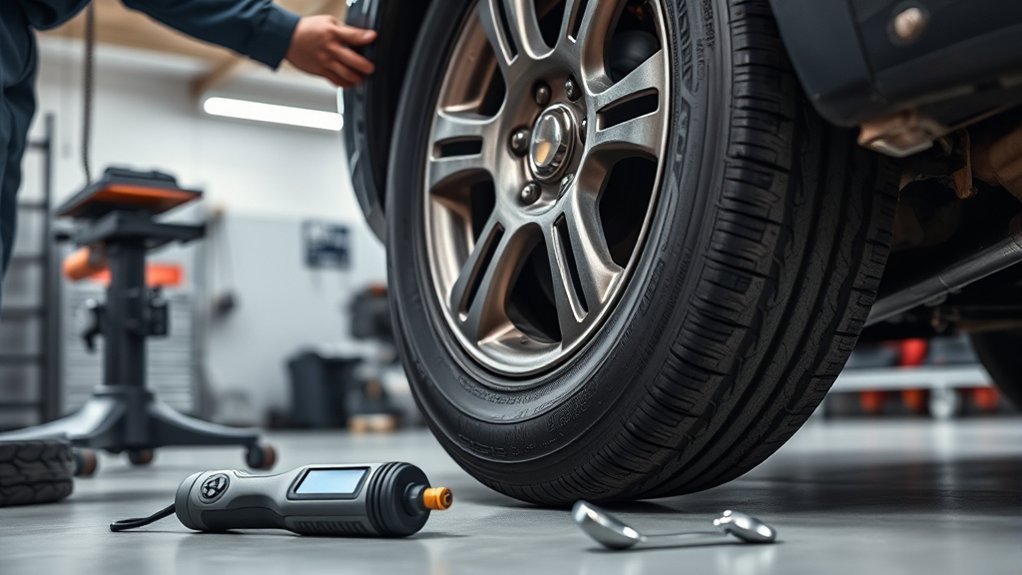
Yes—a bad tire can make your car shake, especially at 50–70 mph. Uneven wear, low pressure, bulges, cracks, flat spots, or an out-of-round tire can create vibration in the steering wheel, seat, or floor. Loose lug nuts, bent wheels, and poor alignment can also mimic tire problems. Check tread depth, sidewalls, and balance first, then inspect rotation history and tire age if the shake doesn’t disappear. The next clues can narrow it down fast.
Key Takeaways
- Yes, a bad tire can make your car shake, especially at 50–70 mph.
- Uneven wear, bulges, cracks, or tread separation can cause vibration and instability.
- Shaking in the steering wheel, seat, or floor often points to tire or wheel problems.
- Check tire pressure, tread depth, and visible damage; underinflation and overinflation can worsen shaking.
- If the tire has exposed cords, severe wear, or a wobble at low speed, replace it immediately.
Can a Bad Tire Make Your Car Shake?
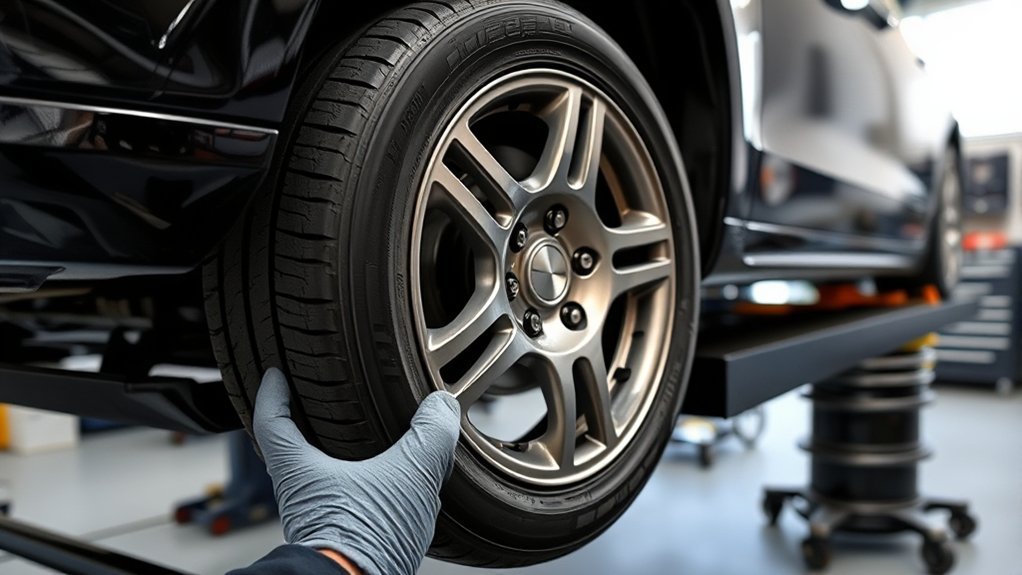
Yes—a bad tire can absolutely make your car shake, especially if the tread is uneven, the tire is out of balance, or the casing is damaged with bulges or cracks. You’ll usually feel this in the steering wheel, seat, or floor, often around 50–70 mph, when tire balance issues become more obvious. Bad tires can also create excess road noise and a vibration that grows worse as you drive. If you inspect the tire, look for exposed cords, scalloped wear, or sidewall damage; those signs mean the tire may be unsafe. Don’t ignore alignment problems, because they can accelerate wear and make the shake return after a rotation. Regular inspections, rotation, and alignment help you keep control and avoid unnecessary repairs. If the car shakes at low speeds, treat it as urgent: that can point to severe tire failure or a bent wheel, and you should get professional help right away. Additionally, selecting quiet tires can significantly enhance your driving experience by minimizing vibrations and noise.
What Tire Problems Cause Shaking?
Several tire problems can make your car shake, and the cause often shows up in the way the tire wears or deforms. If your tires have uneven wear, you may feel vibrations that get worse around 50 to 70 mph. A damaged tire with cracks, bulges, or exposed wires can also shake the car because the structure isn’t sound anymore. Out-of-round tires create a wobbling feel, while severe tread separation can make the vehicle feel unstable and demand immediate replacement. Even loose lug nuts can let the wheel shift enough to send vibrations through the steering wheel, so don’t ignore that signal. You should inspect the tires regularly for abnormal wear, cuts, bubbles, and correct inflation. A careful tire inspection helps you catch problems early, protect your freedom on the road, and avoid a blowout that could leave you stranded or hurt. Additionally, understanding tire maintenance tips can help prolong the life of your tires and improve overall vehicle performance.
How Can You Tell If It’s a Tire or Wheel Balance Issue?
How can you tell whether the shake comes from a tire problem or a wheel balance issue? Start with speed. If your car vibrates most at 50–70 mph, you’re likely dealing with a tire balance issue. If the shake changes with acceleration or appears at a very specific speed, suspect a tire-related fault instead of a simple wheel imbalance. Next, inspect the tread. Uneven wear, cupping, or flat spots point toward the tire itself, not just the weights on the rim. Check your maintenance history too; regular tire rotation every 5,000 to 7,500 miles helps prevent imbalance and the vibration that comes with it. For a sharper diagnosis, ask for a road force balancer test. It can reveal out-of-round tires and hidden structural inconsistencies that standard balancing may miss. Additionally, consider the UTQG rating as a factor in assessing tire durability and performance. With these checks, you can separate the cause, act decisively, and reclaim a smoother, more free-driving ride.
What Are the Signs of a Damaged Tire?
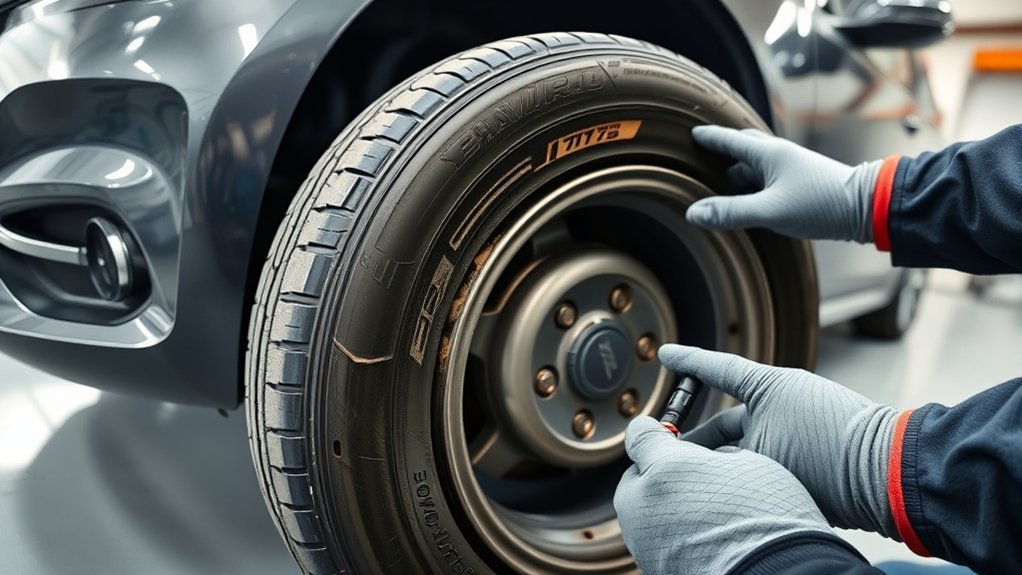
You can spot a damaged tire by checking for visible defects like bulges, cracks, bald spots, or exposed cords. You may also notice vibration through the steering wheel or seat, which often points to tire damage, imbalance, or uneven wear. Rhythmic thudding, clicking, or other abnormal tire noise needs immediate inspection because it can signal structural failure or debris in the tread. Additionally, maintaining proper tire pressure is crucial for preventing premature wear and ensuring optimal performance.
Visible Tire Damage
Cracks, bulges, exposed steel cords, and sidewall cuts are clear signs of tire damage that can quickly turn into a safety hazard. When you inspect for visible tire damage, treat these defects as immediate red flags. Don’t wait for a breakdown; replace the tire now.
- Look for cracks from age or weathering.
- Check for bulges, cuts, or punctures on the sidewall.
- Watch for uneven tread wear, including cupping or bald spots.
- Spot exposed steel cords; they mean the tire’s structure is failing.
Use the penny test with Lincoln’s head down to gauge tread depth, but remember that tread alone can’t save a damaged tire. If the tire’s over 6–10 years old or shows sidewall damage, retire it and keep your ride free, stable, and safe.
Vibration And Noise
If a tire’s gone bad, vibration and noise are often the first clues: increased road buzz, steering wheel shake, or a rhythmic clicking or thudding sound can point to wear, imbalance, trapped debris, or a puncture that needs immediate inspection. When your Car is Shaking, don’t ignore it; these tires cause vibration and noise that can spread through the cabin and make handling feel loose. Listen for changes at speed, then check for nails, stones, or sidewall bulges. Uneven tread wear can make tires wear unevenly, and bald spots or exposed cords mean replacement now, not later. Use the penny test to confirm at least 2/32 inch of tread. If the noise grows or pressure drops, stop driving and inspect the tire before a blowout claims your freedom.
How Does Tread Wear Cause Vibration?
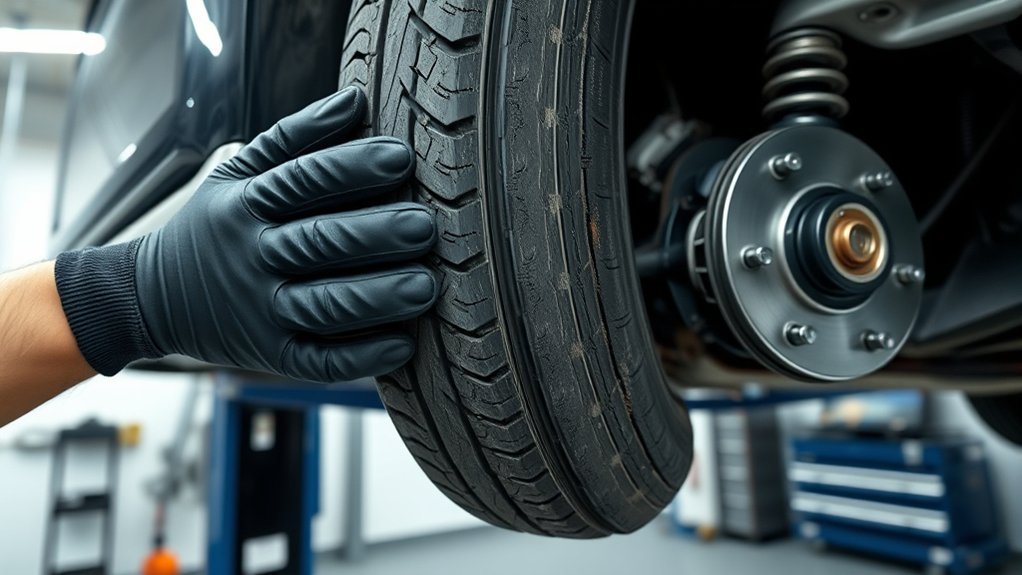
Tread wear can make a car vibrate because uneven patterns like cupping, flat spots, or bald spots prevent the tire from rolling smoothly and staying balanced. When one section of the tread carries more load than another, the tire starts to hop, and you feel vibrations in the steering wheel or chassis. As tread depth drops below 2/32 inch, grip falls off, and wet roads can amplify shaking through hydroplaning. You can diagnose it by checking each tire for irregular wear and comparing all four:
- Look for cupping or scalloping.
- Find flat spots from hard braking or sitting.
- Inspect for bald spots that break road contact.
- Measure tread depth and rotate tires every 5,000 to 7,500 miles.
If you catch uneven wear early, you can restore stability, reduce shake, and keep your drive freer, safer, and more precise. Additionally, maintaining proper tire pressure adjustments can help mitigate vibrations caused by uneven tread wear.
Can Tire Pressure Make Your Car Wobble?
Yes—low tire pressure can absolutely make your car wobble or shake, especially at higher speeds. When your tire pressure drops, the tire flexes more, builds heat, and rolls with extra resistance. That changes how the tread meets the road, which can trigger uneven tire wear and a noticeable wobble. Even a 1 PSI difference can affect handling, so small losses matter.
You can diagnose this fast: check all four tires with a reliable gauge when they’re cold, and compare each reading to the door placard. If one tire is low, inflate it to spec and test-drive the car. Under-inflation often reduces vehicle stability first, then turns into vibration, poor fuel economy, and shorter tire life. Keep in mind that using all-season tires can help maintain stability across different conditions.
Don’t guess. Monthly tire pressure checks keep you in control, improve safety, and help you drive smoother and freer.
Could Bent Wheels, Loose Lugs, or Alignment Be the Problem?
Sometimes the problem isn’t tire pressure at all—it’s the wheel or suspension geometry. A bent wheel can trigger vibrations at 30 to 50 mph because it breaks smooth rotation and unsettles stability. Check for 4 item signs:
- Wobbling at low speeds.
- Vibrations during acceleration.
- Pulling to one side.
- Uneven tire wear.
Loose lug nuts can also create a shaking sensation, and they’re a safety risk because the wheel may shift or detach. Improper wheel alignment often shows up as highway-speed vibrations and uneven wear, so your car stops tracking straight and starts resisting you.
Loose lug nuts can cause shaking and danger, while bad alignment leads to highway vibrations and uneven tire wear.
If you’ve rotated tires and still feel the shake, inspect wheel condition, lug torque, and alignment history. Aim for rotation and alignment checks every 5,000 to 7,500 miles. You don’t have to accept a car that wanders or shudders; diagnose the geometry, correct it, and regain control. Additionally, selecting all-season tires can enhance stability and traction, reducing the likelihood of these issues.
What Should You Check During a Tire Inspection?
Start with the basics: check tire pressure monthly and keep it within the manufacturer’s recommended range, because underinflation and overinflation both can cause uneven wear and shaking. During your inspection, measure tread depth with the penny test; if Lincoln’s head shows too much, you’re losing grip and stability. Scan each tire for cracks, bulges, cuts, or exposed wires, since those signs point to structural damage and unsafe operation. Then look closely at tire wear patterns: cupping, feathering, or flat spots often signal alignment problems or improper inflation, and they can create vibration at speed. Rotate your tires every 5,000 to 7,500 miles to help distribute load evenly and reduce shaking. Keep notes from each inspection so you can track changes over time. If one tire looks different from the others, treat it as a diagnostic clue, not a cosmetic issue. Clear, disciplined checks protect your freedom to drive confidently.
When Should You Replace Bad Tires?
You should replace bad tires as soon as they show structural damage, unsafe wear, or age-related degradation. Don’t wait for a failure; tire replacement protects control and reduces shake. If your tires wear down below 2/32 inch, they’re done. Cracks, bulges, or exposed steel cords mean immediate action. Age matters too: after 6-10 years, rubber hardens and weakens even if tread looks acceptable. Uneven wear on the front tires often points to the common causes you can correct, but damaged carcasses still need replacement.
- Check tread depth with a gauge.
- Inspect sidewalls for cuts, splits, or bulges.
- Note vibration or noise that persists at speed.
- Replace any tire with unsafe wear or age.
When you spot these signs, don’t negotiate with risk. Swap the bad tire or the full set if matching condition matters. You’ll restore stability, sharpen steering, and keep your vehicle responsive. Additionally, consider the tire’s treadwear warranty to ensure you’re getting a product that lasts and performs well.
Why Does Your Car Shake at Different Speeds?
If your car shakes at 15–20 mph, you’re likely dealing with a low-speed wobble from a badly bent wheel or a tire that’s starting to separate. At 30–50 mph and above, highway speed vibrations usually point to tire balance problems, though out-of-round tires and bent wheels can also trigger them. If the shake changes when you brake or hits the front end hard, you should also inspect the brakes and suspension for wear or looseness. Regular tire maintenance, such as checking tire balance, can help prevent these issues from developing.
Low-Speed Wobble
A low-speed wobble, often felt around 15 to 20 mph, usually points to a tire or wheel problem that needs immediate attention. You’re likely dealing with irregular tire wear, bent wheels, or tire separation, and those faults can create vibrations you can feel through the steering wheel. Check these first:
- Inspect for cupping, flat spots, and other tire wear.
- Verify wheel alignment; misalignment keeps tires from tracking smoothly.
- Check lug nuts for proper torque.
- Rotate and inspect tires regularly to catch damage early.
If the shake starts at low speed, don’t ignore it. You can reclaim control by diagnosing the tire and wheel system now, before a minor defect turns into a safety risk on the road.
Highway Speed Vibrations
When your car starts shaking more at highway speeds, especially around 50 to 70 mph, tire balance is one of the first things to check. At these highway speeds, an imbalance can make the tires and wheels rotate unevenly, creating a vibration you’ll often feel in the steering wheel. If the shake grows with speed, inspect for uneven tire wear, since poor alignment or skipped rotation can make the problem worse. You can diagnose it by watching where the vibration appears and when it starts: a balance issue usually shows up in a narrow speed range, while a severe wobble at 15 to 20 mph points to a damaged tire or bent wheel. Regular tire inspections, balance checks, and alignment keep you in control and reduce risk.
Brake And Suspension Issues
If tire balance checks don’t explain the shake, look next at the brake and suspension system. Brake-related vibrations usually show up when you slow down, often from warped rotors or uneven pads. Worn suspension parts, like shocks, struts, tie rods, or ball joints, can let the car wander and shake over bumps or while turning. You’ll also want to rule out tire balance issues and bent wheels, especially if the vibration appears at 30-50 mph. Use this quick diagnostic list:
- Brake pulsation when stopping
- Shake over bumps or corners
- Steering wheel play or clunking
- Uneven tire wear, then get proper alignment
Inspect each component methodically. When you fix the real fault, you reclaim smoother control, safer braking, and a freer drive.
Frequently Asked Questions
Can One Bad Tire Make Your Car Shake?
Yes—one bad tire can make your car shake. You’ll often feel it through the steering wheel or seat when tire condition is poor, tread wear is uneven, or balancing problems exist. You should inspect for bulges, cracks, flat spots, and check alignment issues if the shake changes with speed. Don’t ignore it: a single compromised tire can destabilize handling, so you need to diagnose it fast and reclaim control.
How to Tell if Tires Are Causing Vibration?
You can tell tires cause vibration by checking for balance issues, tread wear, and alignment problems during a tire inspection. If the shake starts around 50–70 mph, inspect for bulges, cracks, cupping, or flat spots. Feel for steering wheel wobble, and measure pressure and tread depth. Swap tires front to rear; if the vibration moves, you’ve likely found the problem and can act fast.
Can Bad Tires Cause Wheel Wobble?
Yes, bad tires can cause wheel wobble. If you drive with uneven tire wear, alignment issues, or balancing problems, you’ll feel the steering wheel shake, especially after rough road conditions. For example, a worn front tire with a bulge may wobble at 45 mph and pull your car off line. You can inspect tread, check lug nut torque, and balance or replace the tire to restore control.
Why Is My Car so Shaky All of a Sudden?
Your car’s shaking usually points to tire problems, road conditions, alignment issues, or suspension problems. You should inspect tire maintenance first: check for uneven wear, low pressure, bulges, or a bent wheel. If the shake starts at higher speeds, you may have imbalance. If it happens over bumps, suspect suspension problems. Don’t ignore loose lug nuts. Get a professional diagnosis soon so you can drive safely and confidently.
Conclusion
If your car shakes, don’t ignore the tires first. A separated belt, uneven wear, or a bent wheel can make the steering wheel vibrate, especially at highway speeds. For example, if you feel a shake at 55 mph that gets worse on corners, you might be dealing with a bad tire or balance issue. Check tread, sidewalls, lug torque, and wheel runout. If the tire’s damaged, replace it before it turns into a safety risk.

Related Articles
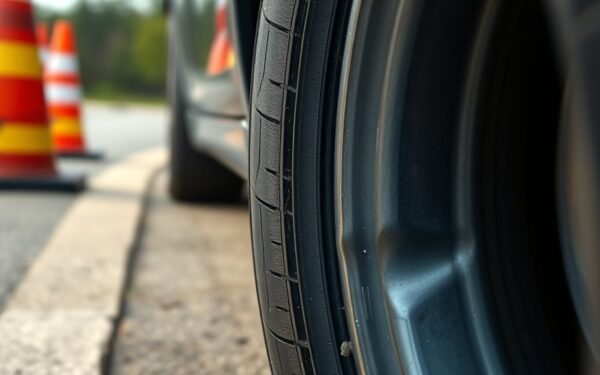
What Does a Bubble in a Tire Mean? Risks & What to Do Now
Noticing a tire bubble could mean hidden damage and a dangerous blowout—discover what it means, why it happens, and what to do next.
Read More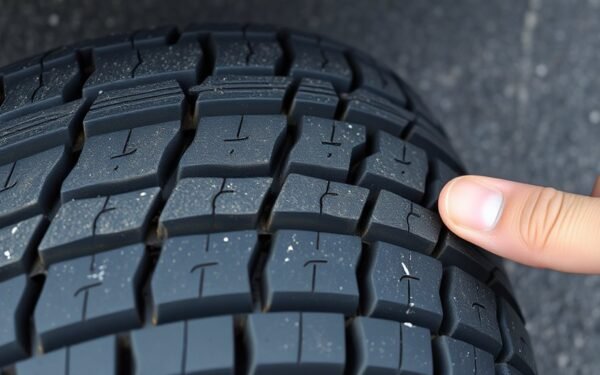
What Does a Bald Tire Look Like? Signs & When to Replace
Wondering what a bald tire looks like before it becomes dangerous? Spot the warning signs and know exactly when to replace it.
Read More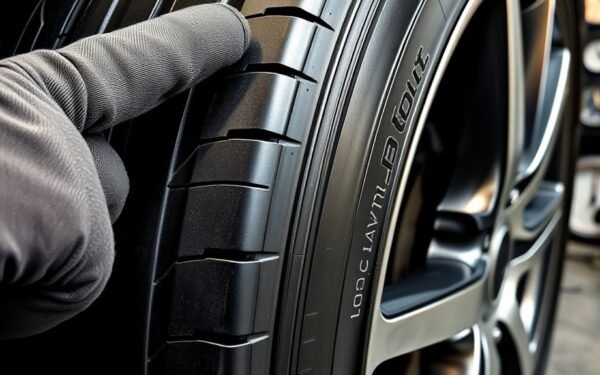
What Does 95V Mean on a Tire? Load, Speed & Rating Guide
Decoding 95V reveals tire load and speed limits, but what do those numbers really mean for your vehicle and safety?
Read More