
What Is Tire Recapping? Process, Benefits & Safety Facts
Quick Answer
Tire recapping means removing worn tread from a sound tire casing and bonding new tread to it through a professional retreading process. Retread tires can be safe and cost-effective when the casing passes inspection, the tire is matched to the right load and use, and the retreader follows applicable safety and labeling rules.
Key Takeaways
- Tire recapping replaces worn tread on a usable casing; it does not repair a badly damaged tire.
- The process includes casing inspection, buffing, repair if allowed, tread application, curing, and final inspection.
- Retreads are best known for commercial fleets, buses, trailers, delivery vehicles, and some specialty uses.
- A quality retread depends on the casing, the retreader, the tread design, the load rating, and ongoing maintenance.
- Do not confuse retreading with regrooving, which cuts new grooves into existing tread and is regulated separately.
At a Glance
| Best For | Commercial trucks, trailers, buses, delivery fleets, and managed tire programs |
| Difficulty | Professional only; not a driveway repair |
| Key Checks | Casing condition, DOT/TIN markings, load rating, tread design, repair history, and retreader documentation |
| Cost | Usually less than a comparable new commercial tire, but pricing varies by size, casing, tread, repair needs, and warranty |
What Are Retread Tires?
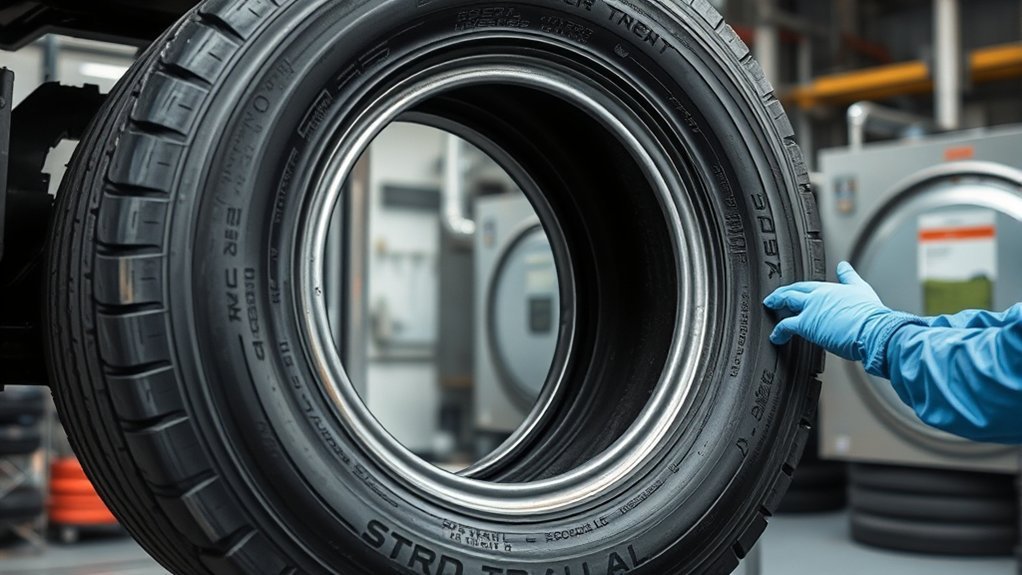
Retread tires are tires that receive new tread on a casing that has already been used but still passes inspection. In U.S. federal wording, a casing is a used tire to which additional tread may be attached, and a retreaded tire is made by attaching tread to that casing under a controlled process.
That difference matters. A retread is not just a patched tire. The old tread is removed, the casing is inspected, the surface is prepared, and new tread rubber is bonded to the tire. If the casing is damaged beyond accepted repair limits, it should be rejected instead of retreaded.
For commercial fleets, retreading can lower tire spend because the casing is one of the most valuable parts of the tire. For the environment, it can reduce waste by keeping usable casings in service longer. The tradeoff is simple: the retread is only as good as the casing, the process, and the maintenance after installation.
Warning: Tire recapping is not a home repair. A tire must be inspected and retreaded by a qualified retreader with the right equipment. Do not try to glue, heat, or bond tread onto a tire yourself.
[Products Worth Considering]

Monitor tire tread wear with a smart, color-coded depth gauge that shows clear condition ranges at a glance. The bar is range marked for fast, easy readings, helping you maintain safer traction and performance. Each gauge is portable with a pocket clip, and the set includes 20 units for daily use and sharing.

Accurately measure tire tread depth with a calibrated gauge marked from 0 to 1 inch in 1/32 inch increments. The color-coded bar helps you quickly identify tread condition ranges, supporting safe driving for trucks, motorcycles, automobiles, and passenger vehicles.

Milton S-921 pencil tire pressure gauge helps you maintain optimal tire pressure for passenger cars with accurate readings in PSI and kPa. It features a built-in deflator valve for convenient pressure adjustments, plus a single chuck head and nylon indicator bar for easy use on the go. Built from durable plated brass and designed for reliable performance, it’s a practical road trip and cold-weather maintenance tool.
How Retread Tires Work
The retreading process is built around one question: is the casing still strong enough to deserve new tread? A reputable retreader checks that before spending time and material on the tire.
Step 1: Casing Inspection
The casing is inspected for cuts, exposed cord, belt damage, sidewall damage, previous repair quality, impact damage, age concerns, and irregular wear. Some retreaders also use non-destructive inspection tools to find hidden separations or internal damage that a visual check may miss.
For passenger-car retreads in the United States, Federal Motor Vehicle Safety Standard No. 117 sets performance, labeling, and certification requirements. It also limits retreaded tires from carrying a higher load rating or inflation pressure than the original casing allowed.
Step 2: Buffing and Surface Prep
After the casing passes inspection, the worn tread is buffed away to create a clean, even surface. Buffing also helps reveal damage that may not have been visible at first. If allowed repairs are needed, they should be completed before the new tread is applied.
Step 3: New Tread Application
The retreader applies new tread rubber using either a pre-cure or mold-cure method. The right method depends on the tire type, casing, tread design, production system, and intended use.
Step 4: Curing
During curing, heat and pressure bond the new tread to the casing. This step is what turns the prepared casing and new tread into a finished retread tire.
Step 5: Final Inspection
After curing, the retread is inspected again. The retreader checks the tread bond, surface condition, labeling, and any defects that could affect service. A retread should not leave the shop unless it is suitable for its rated load, inflation pressure, and intended application.
A retread tire is not automatically good or bad. Its safety depends on the casing, the retreader, the inspection process, and how the tire is used after installation.
Pre-Cure vs Mold-Cure Retreading
The two most common retreading methods are pre-cure and mold-cure. Both start with inspection and buffing, but they apply and cure the new tread differently.
| Method | How It Works | Best Fit |
|---|---|---|
| Pre-cure | A prepared tread strip is applied to the buffed casing, then cured to bond it in place. | Versatile fleet use, multiple tread patterns, and many commercial applications. |
| Mold-cure | Raw rubber is applied to the casing and cured in a mold that forms the tread pattern. | Applications where a molded tread appearance or specific design is preferred. |
Pre-cure retreads may show a visible seam where the tread strip joins. Mold-cure retreads more closely resemble new tire manufacturing, but they need molds for the specific size and design. Neither method is automatically better for every tire. The casing, the retreader’s standards, and the application matter more than the label alone.
Retread Tires vs Regrooved Tires
Retreading and regrooving are not the same thing. A retread gets new tread bonded to a casing. A regrooved tire has a tread pattern renewed by cutting into existing tread rubber. U.S. rules for regrooved tires are separate from retread rules.
Note: Only tires designed and marked as regroovable should be regrooved. Do not assume a retreaded tire can also be regrooved unless the tire, retreader, and applicable rules allow it.
How Retreads Cut Tire Costs
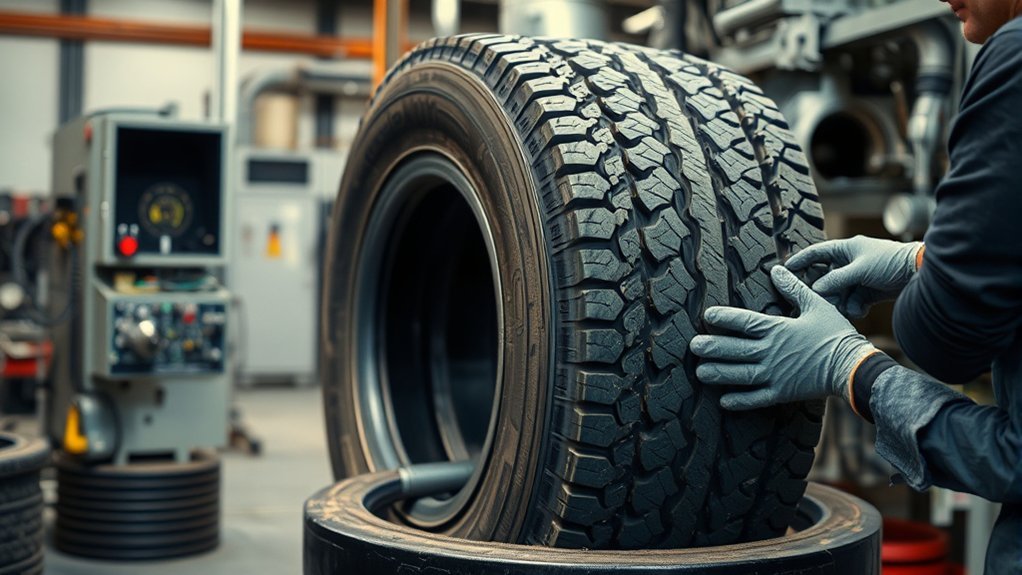
Retreads can reduce tire costs because they reuse a casing instead of replacing the entire tire. For fleets that track casings carefully, one quality casing may support more than one tread life if it remains structurally sound and is not damaged by overload, underinflation, impact, or poor alignment.
Actual savings depend on several factors:
- The size and type of tire
- The casing brand, age, and condition
- Whether casing repairs are needed
- The tread design and compound selected
- The retreader’s warranty and inspection process
- The fleet’s inflation, alignment, rotation, and load-control habits
For a single consumer vehicle, retreads may not be easy to find or worth pursuing. For commercial trucks, buses, trailers, and delivery fleets, retreading can make more sense because those operators manage casing history and tire cost per mile.
Pro Tip: If you run a fleet, track every casing by position, mileage, pressure history, repairs, and removal reason. Good casing records make retreading safer, easier to price, and easier to compare against new-tire cost per mile.
Are Retread Tires Safe?
Retread tires can be safe when they are professionally built, properly marked, matched to the right application, and maintained correctly. They are not safe when the casing is weak, the tire is overloaded, the inflation pressure is wrong, or the retread is used outside its intended service.
For passenger-car retreads in the United States, 49 CFR § 571.117 requires retreaded pneumatic passenger car tires to meet safety criteria similar to those for new pneumatic passenger car tires. It also requires certification and labeling with the DOT symbol in the required location.
For all tires, maintenance still matters. NHTSA’s TireWise guidance explains that poor tire maintenance, including not enough air and failing to rotate tires, can lead to a flat tire, blowout, or tread coming off. That applies whether the tire is new or retreaded.
What to Check Before Using a Retread
- DOT/TIN information: Make sure the tire has required markings and can be identified for safety and recall purposes.
- Load and speed suitability: Do not use a retread beyond its rating or the original casing’s limits.
- Casing condition: Reject tires with exposed cord, sidewall damage, belt damage, severe weather cracking, or unknown serious repair history.
- Application fit: Match the tread design to highway, regional, urban, trailer, drive, or winter service as needed.
- Retreader reputation: Choose a shop that documents inspection, repair limits, curing process, and warranty terms.
Environmental Benefits and Limits
Retreading can be better for resource use because it keeps a usable casing in service instead of discarding the whole tire after the first tread wears out. That can reduce raw material demand and scrap tire volume, especially in high-mileage commercial use.
Still, retreading is not a magic fix. A tire with a damaged casing should not be retreaded just to avoid waste. Safety comes first. If a casing fails inspection, recycling or proper disposal is the better path.
| Benefit | Why It Matters |
|---|---|
| Casing reuse | The tire’s main structure stays in service longer if it remains sound. |
| Lower material demand | Less new material is needed than making a full replacement tire. |
| Less scrap pressure | Fewer usable casings are discarded early. |
| Cost control | Fleets can reduce tire cost per mile when casing care is strong. |
[Products Worth Considering]

Measure tire tread depth quickly and accurately with this LUMITECO dial gauge that reads in 1/32" increments up to 14/32". The color-coded green/yellow/red zones make it easy to judge tire wear and know when replacement is needed. A rugged, compact design with a protective pouch helps keep the gauge ready for use on cars, trucks, motorcycles, and more.

ETENWOLF T300 is a calibrated digital tire pressure gauge for accurate readings from 3 to 200 PSI across light and heavy-duty vehicles. It includes thermal compensation for reliable performance in extreme cold or heat, with an auto shut-off to extend battery life and an LED for easier reading. The sturdy design supports rugged everyday use, making it ideal for pickups, RVs, and industrial applications.

The SAFELIFE dial tire tread depth gauge measures tread depth in 1/32 inch increments with clear, easy-to-read 2-inch dial face. Color zones using a traffic light system help you quickly judge whether tread is low, marginal, or ample for safer driving. Built with a durable zinc cast body and a metal detect probe for precise, comfortable use across cars, motorcycles, trucks, and buses.
Best Uses for Retread Tires
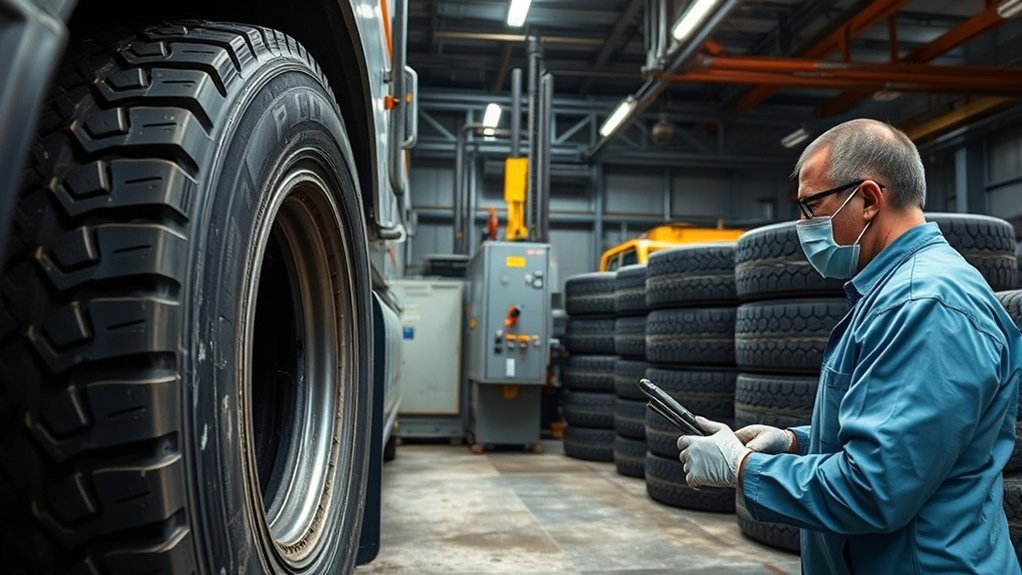
Retread tires work best where the tire program is managed, the vehicle use is predictable, and inspections are routine. That is why retreading is most common in commercial and fleet settings.
- Long-haul and regional trucking: Fleets can manage casings, tread choices, and tire position carefully.
- Trailers: Trailer tires often fit retread programs well when loads, inflation, and casing condition are controlled.
- Buses and delivery vehicles: Predictable routes and regular maintenance make inspection easier.
- Construction and vocational fleets: Retreads may work when the tread design matches the jobsite, load, and speed conditions.
- Specialty fleet uses: Some industrial, aviation-related, and closed-course uses rely on strict inspection and service limits.
For everyday passenger vehicles, availability is more limited. Many drivers simply buy new tires because passenger-car retread options are less common, and the price difference may not justify the added research.
How to Choose Quality Retread Tires
To choose quality retread tires, start with the retreader, not the tread pattern. A good-looking tread on a weak casing is still a bad tire.
| Check | What to Ask | Why It Matters |
|---|---|---|
| Casing history | Do you know the casing age, brand, previous repairs, and removal reason? | A clean history lowers risk. |
| Inspection process | How do you inspect for hidden damage? | Hidden casing damage can cause failure later. |
| Markings | Are the required DOT/TIN and retreader markings present? | Identification supports compliance and recall tracking under 49 CFR Part 574. |
| Application | Is this retread approved for the axle position, load, speed, and route? | A mismatched tire wears faster and may be unsafe. |
| Warranty | What is covered, and what maintenance records are required? | Clear terms prevent disputes and encourage better tire care. |
When Not to Use Retread Tires
Retreads are not the right choice for every tire or every vehicle. Avoid a retread when the tire’s history is unknown, the casing has structural damage, the sidewall is cracked or cut, the load rating is wrong, or the retreader cannot provide basic documentation.
You should also be cautious with high-speed, high-heat, or severe-duty use unless the retread is specifically built and approved for that service. When in doubt, ask a qualified tire professional to inspect the tire and match it to the vehicle’s load, speed, axle position, and route.
How to Maintain Retread Tires
A retread tire needs the same disciplined maintenance as a new tire, and sometimes more careful recordkeeping because the casing is being used for another tread life.
- Check cold inflation pressure at least monthly: Use the vehicle placard, fleet spec, or tire program guidance, not the maximum pressure molded on the sidewall.
- Inspect tread and sidewalls: Look for cuts, bulges, exposed cord, separations, irregular wear, and embedded objects.
- Watch tread depth: NHTSA says tires are not safe and should be replaced when the tread is worn down to 2/32 inch.
- Control loads: Do not exceed the vehicle, axle, wheel, or tire load rating.
- Keep alignment and balance in check: Poor alignment can destroy a casing that might otherwise have been retreadable again.
- Remove problem tires early: A tire that shows separation, vibration, exposed cord, or casing damage should be taken out of service and inspected.
Frequently Asked Questions
How long do recap tires last?
Recap tires can last a full service cycle when the casing is sound, the retread is built correctly, and the tire is maintained well. Lifespan depends on load, route, speed, inflation pressure, alignment, tread design, casing age, and driving conditions. Avoid any fixed mileage promise unless it comes from the retreader’s warranty or fleet data.
How much does it cost to recap a tire?
The cost to recap a tire varies by tire size, casing condition, tread pattern, repair needs, retreader, region, and warranty. Commercial retreads are often cheaper than buying a comparable new tire, but the only accurate price is a quote based on the actual casing and service needs.
How can you tell if a tire has been recapped?
You may see a tread seam on some pre-cure retreads, different tread texture from the sidewall, retreader markings, or DOT/TIN information showing the retread source. If you are unsure, have a tire professional inspect it. Do not rely only on appearance, because some mold-cure retreads can look similar to new tires.
Are recap tires legal?
Retread tires can be legal when they meet the rules for their tire type and use. In the United States, retreaded passenger-car tires are covered by FMVSS No. 117. Buyers should also check state, fleet, axle-position, and vehicle-use rules before installing retreads.
Can passenger cars use retread tires?
Passenger-car retreads exist under federal standards, but they are much less common than commercial truck retreads. For most everyday drivers, new tires are easier to find, compare, warranty, and service. If you consider passenger-car retreads, buy only from a qualified retreader and verify the tire’s markings, rating, and documentation.
What is the difference between retreading and regrooving?
Retreading bonds new tread onto a used casing. Regrooving cuts a new or renewed groove pattern into existing tread rubber. Only tires designed and marked for regrooving should be regrooved, and the rules for regrooved tires are separate from retread rules.
Conclusion
Tire recapping can be a smart way to extend the life of a sound casing, lower fleet tire costs, and reduce waste. The key word is sound. A retread is only worth using when the casing passes inspection, the retreader follows proper standards, and the finished tire is matched to the right load, speed, axle position, and service conditions.
If you are managing commercial tires, retreading can be part of a strong cost-per-mile plan. If you are buying for a passenger vehicle, compare availability, documentation, warranty, and safety requirements carefully before choosing a retread over a new tire.
Sources
- 49 CFR § 571.117, Standard No. 117; Retreaded Pneumatic Tires — performance, labeling, certification, and casing requirements for retreaded passenger-car tires.
- 49 CFR Part 574, Tire Identification and Recordkeeping — tire identification requirements for manufacturers, retreaders, and retreaded tire brand owners.
- 49 CFR Part 569, Regrooved Tires — definitions and requirements for regrooved and regroovable tires.
- NHTSA TireWise — tire pressure, tread depth, rotation, maintenance, blowout guidance, and tire-related crash safety context.
[Products Worth Considering]

ETENWOLF’s tire pressure gauge helps you quickly and accurately check tire PSI across cars, trucks, motorcycles, bikes, and more. It’s manually calibrated to ANSI B40.1 Grade A for reliable readings, includes a large glow dial for easy nighttime viewing, and features a 360-degree swivel chuck for use at any valve angle. The gauge also works consistently in extreme hot or cold weather.
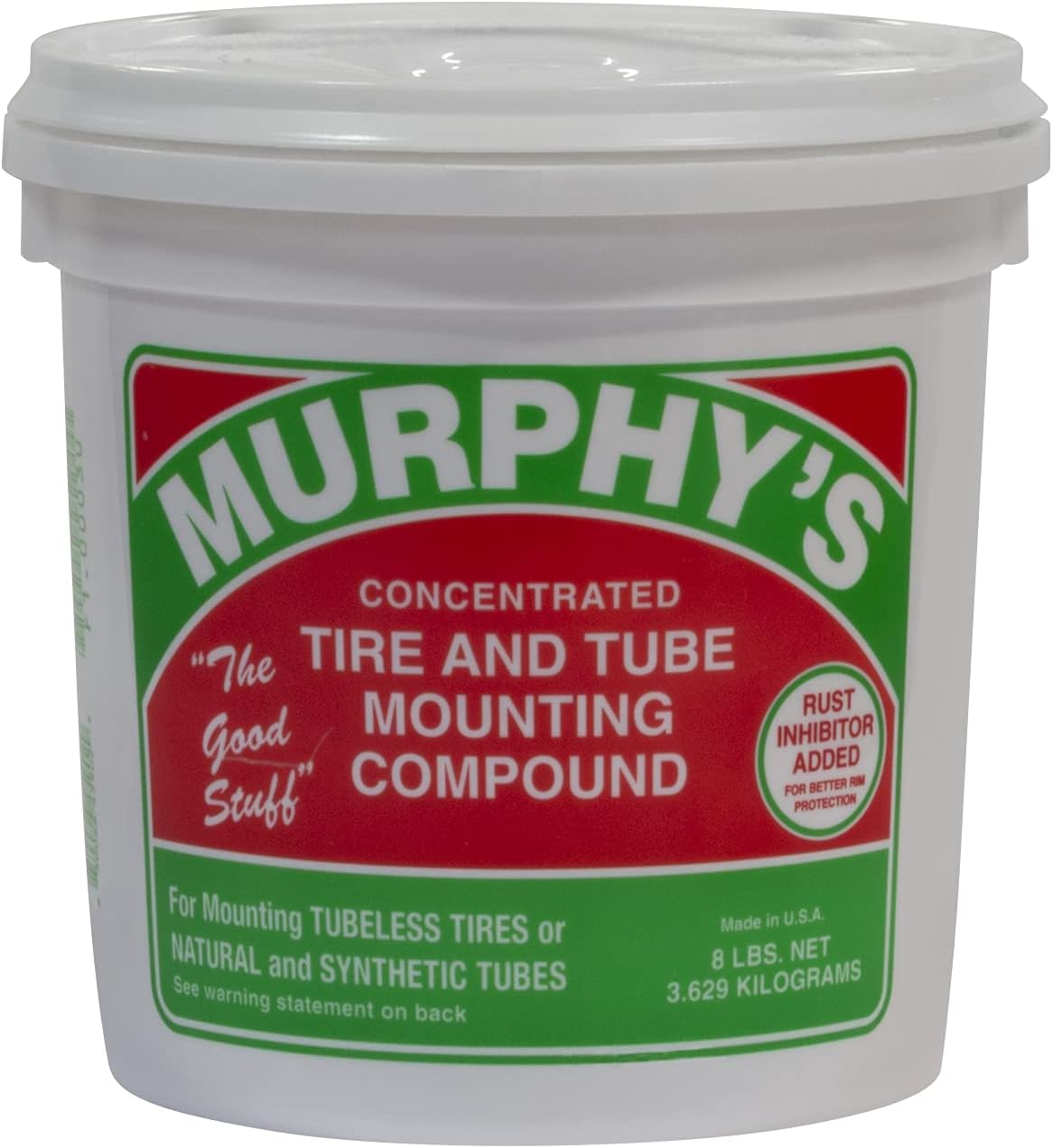
A concentrated tire and tube mounting compound designed to help simplify mounting rubber tires and tubes on passenger, semi truck, construction, and OTR applications. Its ultra-thick formula packs beads effectively and includes rust inhibitors to help protect against corrosion during use.

LiQuiTube Premium Heavy Duty Tire Sealant provides permanent flat tire protection to help maintain proper air pressure while sealing punctures and leaks. It seals bead, rim, and porosity weathering leaks and helps prevent flats in heavy ply industrial tires. Designed for versatile use on trailers and off-road equipment, it can be installed in tubeless tires and also inside tubes.

Related Articles
AWD Tire Rotation Pattern: How Often and How to Do It
W**ondering the right AWD tire rotation pattern and timing? Discover the simple method, ideal schedule, and mistakes to avoid before your tires wear unevenly.
Read More
Wheel Damage: Types, Repair Options, and Costs
Many wheel damages look minor, but some hide costly safety risks—learn which repairs are worth it and when replacement is smarter.
Read More
Tire Balancing Weights: Types, Cost, and Why You Need Them
Precisely chosen tire balancing weights reduce vibration and wear, but which type fits your wheels and what it really costs may surprise you.
Read More