
Can a Nail in a Tire Be Repaired? When It’s Safe vs. Replace
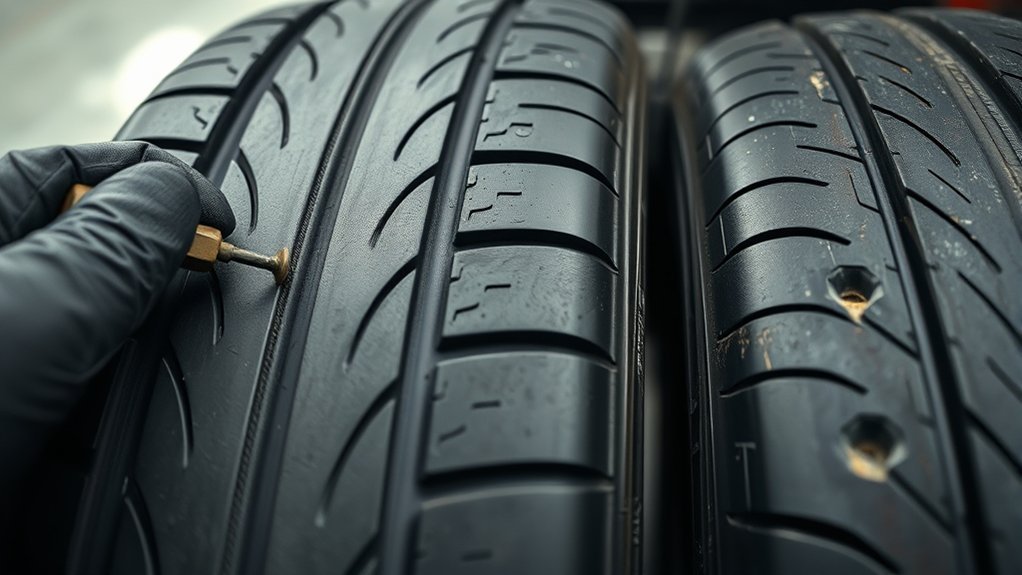
Finding a nail in your tire is stressful, but it does not always mean you need a new tire. The safe answer depends on where the nail entered, how large the puncture is, whether the tire lost pressure, and what the inside of the tire looks like after inspection.
Quick Answer
You can often repair a nail in a tire if the puncture is in the tread area, no larger than 1/4 inch or 6 mm, and the tire has no internal damage. Sidewall, shoulder, large, overlapping, or low-tread punctures usually mean the tire should be replaced.
Key Takeaways
- A nail puncture is usually repairable only when it is in the tread area and no larger than 1/4 inch or 6 mm.
- A tire with sidewall or shoulder damage, exposed cords, a bulge, severe air loss, or very low tread should be replaced.
- Do not pull the nail out on the roadside. It may be slowing the leak until you reach a safe repair location.
- A proper permanent repair requires removing the tire from the wheel, inspecting the inside, filling the injury, and sealing the inner liner with a patch.
- A plug-only repair or tire sealant can be useful in an emergency, but it should not be treated as a permanent repair.
At a Glance
| Time Required | 5–10 minutes to inspect; 20–45 minutes for a shop repair in many cases |
| Difficulty | Inspection is easy; permanent repair should be done by a trained tire technician |
| Tools Needed | Tire pressure gauge, soapy water or leak-detecting spray, flashlight, spare tire or inflator for emergencies |
| Cost | Often about $20–$75 for a professional plug-patch repair, depending on location, tire type, and shop pricing |
Warning: Do not drive on a tire that is flat, rapidly losing air, bulging, showing cords, damaged on the sidewall, or triggering repeated low-pressure warnings. Install the spare or call roadside assistance instead.
Can a Nail in a Tire Be Repaired?
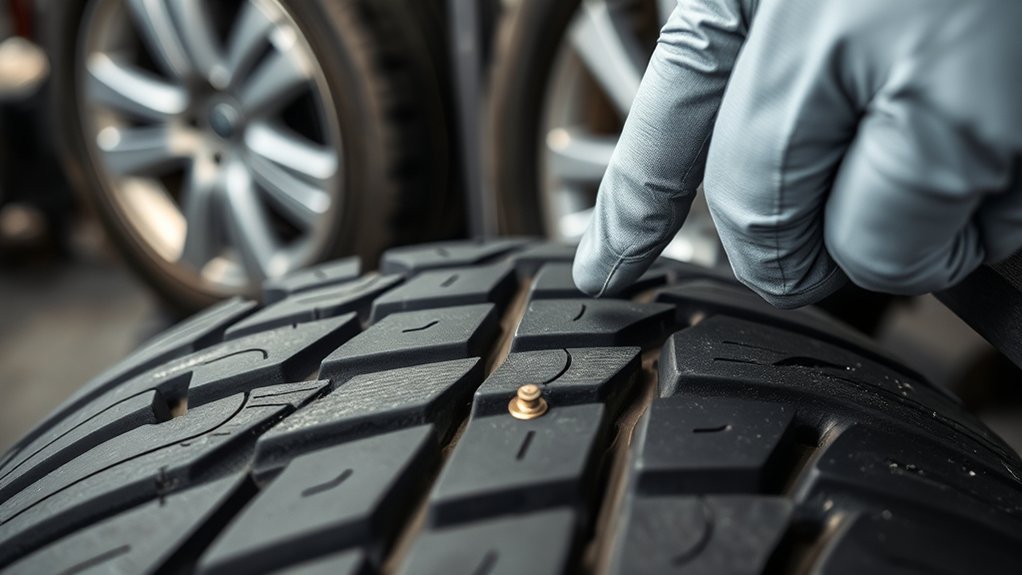
Yes, a nail in a tire can often be repaired if the puncture is in the tread area and no larger than 1/4 inch or 6 mm. That limit matches the tire repair guidance from the U.S. Tire Manufacturers Association, which says repairs should be limited to the tread area and should be done only after the tire is removed from the wheel and inspected.
The outside of the tire does not tell the whole story. A nail can damage the inner liner, sidewall, or belt package in a way you cannot see while the tire is still mounted. That is why a permanent repair should be done by a trained tire technician, not by simply pushing a plug into the tire from the outside.
A tire is usually a good repair candidate when all of these are true:
- The nail is in the tread area, not the shoulder or sidewall.
- The puncture is 1/4 inch or smaller.
- The tire was not driven flat or severely underinflated.
- The puncture does not overlap another repair.
- The tread is above the wear bars and above 2/32 inch.
- The tire has no bulges, exposed cords, cracking, or major age-related damage.
Note: Run-flat, foam-lined, self-sealing, racing, commercial, or specialty tires may have stricter repair rules. Check the tire manufacturer’s repair policy before assuming the tire can be fixed.
[Products Worth Considering]

This tire repair kit provides fast emergency puncture repair without removing the tire from the rim, helping you get back on the road quickly. Its screw plug system is designed for punctures in both tread and sidewall and includes a complete patch plug tool set with essential accessories. A portable storage bag makes it easy to carry for cars, trucks, SUVs, motorcycles, and heavy-duty applications.

This tire repair patch tool kit helps you quickly seal small punctures using upgraded mushroom plugs and a built-in roller system that presses for even penetration. The tungsten buffing wheel and HSS twist drill bits prepare the damaged surface for stronger adhesion, while the crown-angle friendly plugs are designed to keep water and debris out. Ideal for puncture repairs on many vehicle types, from cars and trucks to bikes and scooters.
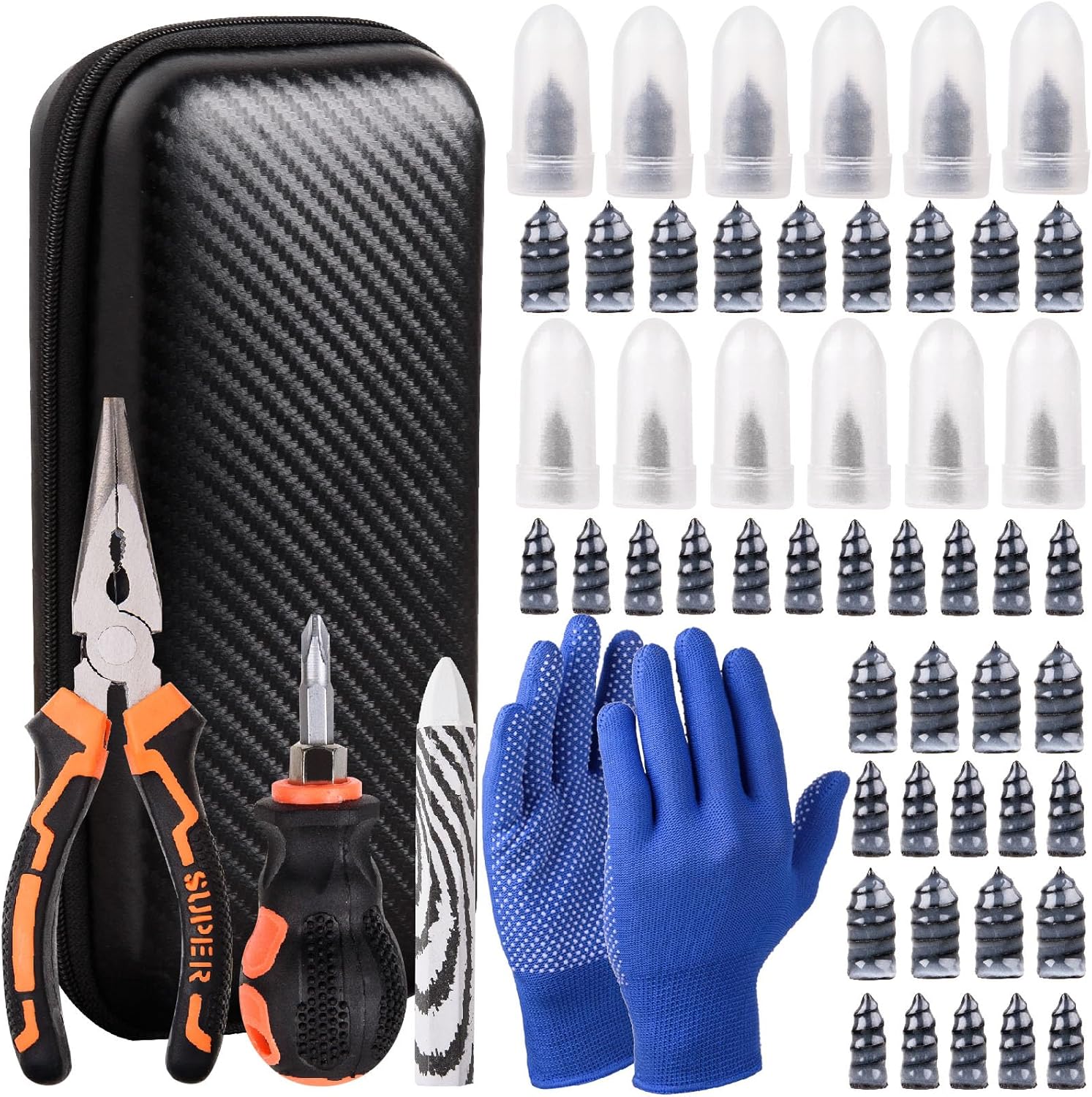
This tire sidewall puncture repair kit fixes flats fast without removing the tire, helping you get back on the road in minutes. It includes self-tapping repair nails, essential tools, gloves, and a portable storage bag for convenient roadside use. Designed for tubeless tires, it helps create a tight, leak-resistant seal for cars, motorcycles, trucks, SUVs, and ATVs.
What to Do First When You See a Nail in Your Tire
If the tire is still holding air, slow down and handle it calmly. Your goal is to avoid turning a slow leak into a fast leak or damaging the tire by driving on low pressure.
- Do not pull the nail out. The nail may be partly sealing the hole.
- Check tire pressure. Use a gauge if you have one, and compare the reading with the pressure on the driver-side door placard or owner’s manual.
- Look for obvious danger signs. Stop driving if you see a bulge, sidewall damage, visible cords, or a tire that is going flat.
- Listen and look for air loss. Hissing, bubbling, or a fast pressure drop means you should use the spare or call for help.
- Drive only a short distance if the tire is stable. Keep speed low, avoid highways, avoid heavy loads, and go directly to a tire shop.
Is It Safe to Drive on a Nail?
It may be safe to drive a short distance with a nail in your tire only if the tire is not flat, not rapidly losing air, and not damaged on the sidewall. Even then, treat the tire as temporary. Go straight to a repair shop or a safe place where the tire can be inspected.
Do not keep driving for days just because the tire still looks normal. A small puncture can leak slowly at first, then worsen when the nail shifts. Low pressure also builds heat, damages the sidewall, and can turn a repairable tread puncture into an unsafe tire.
Pro Tip: Check the tire pressure when the tire is cold, then recheck it after a few hours. A drop of several PSI means the leak needs immediate attention.
How to Find the Tire Puncture Fast
Start with a close visual inspection of the tread. Use bright light and slowly roll the vehicle forward or backward so you can see the full tire surface. Look for a nail head, screw head, shiny metal, or a dark spot where air or dirt has collected.
If you cannot see the leak, spray soapy water over the tread, around the valve stem, and near the bead area where the tire meets the wheel. Steady bubbling usually marks the leak. Mark the spot with chalk or tape so the technician can find it quickly.
Do not rely on the outside inspection alone. A tire can look repairable from the outside but still have internal damage from being driven underinflated.
Repair or Replace? Quick Decision Table
| Condition | Best Action |
| Small nail in the center tread, tire holds air, no internal damage | Professional plug-patch repair is often possible |
| Puncture larger than 1/4 inch or 6 mm | Replace the tire |
| Sidewall or shoulder puncture | Replace the tire |
| Overlapping repairs or damage directly across from another injury | Replace the tire |
| Tread at wear bars or 2/32 inch | Replace the tire |
| Bulge, visible cords, cracking, or damage from driving flat | Replace the tire |
When to Replace a Tire After a Nail
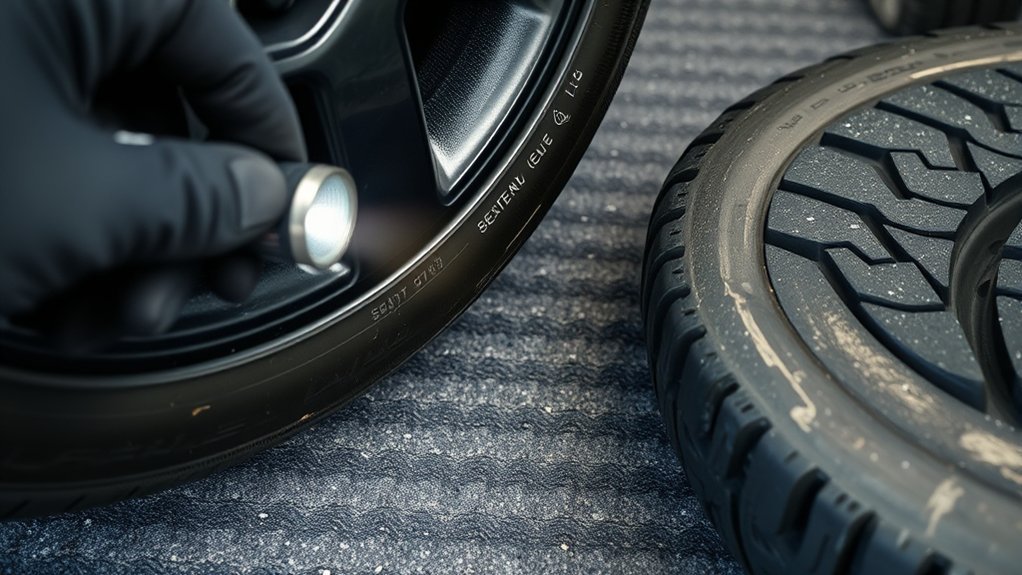
You should replace the tire if the nail damaged the sidewall or shoulder, if the hole is too large, if the injury overlaps another repair, or if the tire is already worn out. The Tire Industry Association says puncture repairs are limited to the center tread area, and tires worn to the treadwear indicators or 2/32 inch remaining tread depth should not be repaired.
Sidewall or Shoulder Damage
Sidewall and shoulder damage usually means replacement. These areas flex heavily as the tire rolls, and a patch or plug cannot restore the tire’s original strength. If the puncture sits at the outer edge of the tread, angles into the shoulder, or reaches the sidewall, do not treat it as a normal nail repair.
Large or Overlapping Punctures
A puncture larger than 1/4 inch or 6 mm is outside normal passenger and light-truck tire repair limits. Overlapping repairs are also unsafe because the repair zones can weaken the casing and may not seal correctly. If a tire already has multiple punctures close together, replacement is the safer choice.
Tread Wear and Age
Tread depth matters as much as puncture location. According to NHTSA tire safety guidance, tires should be replaced when the tread is worn to 2/32 inch. Use the penny test or, better, a tread depth gauge.
Age matters too. NHTSA notes that some vehicle and tire manufacturers recommend replacing tires that are six to 10 years old, regardless of treadwear. Bridgestone recommends professional inspection after five years and replacement at 10 years from the manufacture date, even if the tire appears usable. Always check the DOT date code and the tire manufacturer’s guidance.
Plug vs. Patch: Which Tire Repair Is Safer?
The safest permanent repair is a combination repair that fills the puncture injury and seals the inner liner. Many people call this a plug-patch or patch-plug repair. A plug by itself is inserted from the outside and does not allow a technician to inspect the inside of the tire. A patch by itself seals the inner liner but does not fully fill the injury channel.
The Michelin tire repair guidance says a tire should be removed from the wheel before repair and that repairs should be of the combined plug-and-inside-patch type. That is the standard to ask for when you visit a shop.
A plug-only repair may get you out of a roadside emergency, but a proper permanent repair requires internal inspection and a combined repair that seals the tire from the inside.
Can You Fix a Nail in a Tire Yourself?
You can use a DIY tire plug kit as a temporary emergency repair only when the puncture is in the tread and the tire is otherwise safe to drive. It should not be your permanent fix. A DIY plug does not show you whether the tire has internal damage, and it does not seal the inner liner the way a professional repair does.
Do not attempt a DIY repair if the puncture is on the shoulder or sidewall, the tire is flat, the hole is large, the tire has been driven underinflated, or you see cords, cracking, or a bulge. In those cases, install the spare or call roadside assistance.
[Products Worth Considering]

Wykodra tire plugs provide quick vulcanizing repairs for tubeless tires, helping you seal punctures and get back on the road. The industrial-strength rubber creates a long-lasting, leak-resistant bond and is designed for emergency fixes without removing the tire. Choose between two standard plug sizes with color-matched options for small to larger damage across many vehicles and off-road uses.

This AUTOWN flat tire repair kit is designed for quick, reliable puncture repairs using a plug kit and spiral probe tool to simplify installation. Built for durability and safe handling, it offers strong adhesion and flexibility to help maintain tire air tightness. With a portable storage case and a multi-vehicle approach, it’s suitable for cars, motorcycles, ATVs, tractors, lawn mowers, RVs, jeeps, and trucks.
How a Tire Shop Fixes a Nail Hole
A good tire shop does more than pull the nail and plug the hole. The technician confirms that the tire is repairable, removes it from the wheel, inspects the inside, prepares the puncture area, installs the proper repair, then reinflates and balances the tire.
Inspecting the Puncture
The technician checks the puncture’s location, size, angle, and distance from the shoulder. They also inspect the inner liner for wrinkling, abrasion, exposed cords, rubber dust, or heat damage from low-pressure driving. If the inside of the tire is damaged, the tire should be replaced even if the nail hole looks small from the outside.
Plug-Patch Repair Method
For a repairable tread puncture, the shop cleans and prepares the injury, fills the puncture channel with rubber, and seals the inner liner with a patch. A one-piece combination repair unit is commonly used because it fills the hole and seals the inside of the tire at the same time.
Balancing and Inflation
After the repair, the shop inflates the tire to the vehicle manufacturer’s recommended pressure, checks for leaks, remounts the tire, and balances the wheel. Balancing helps prevent vibration, uneven wear, and steering shake after the repair.
Why Sidewall Tire Damage Can’t Be Repaired
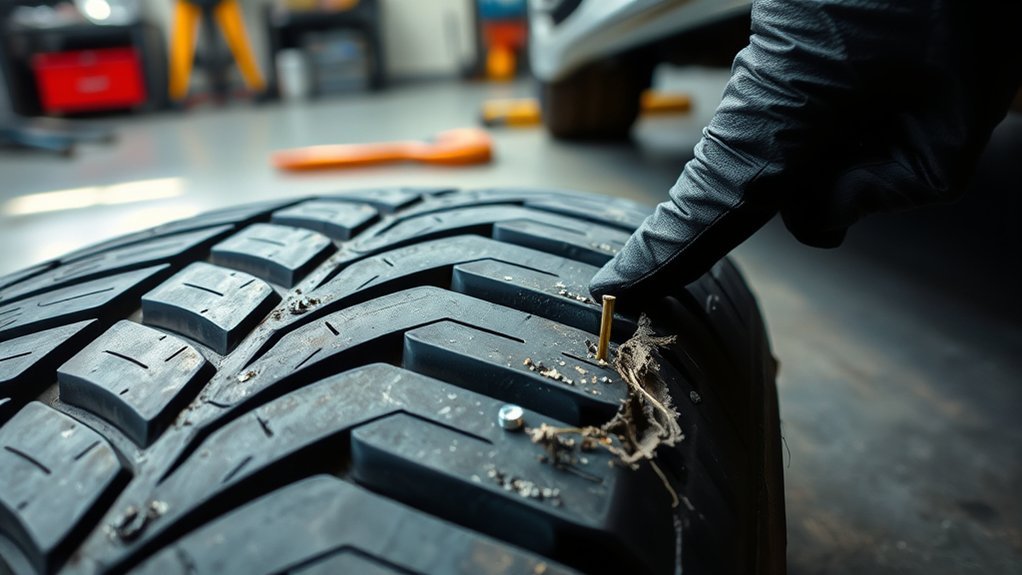
Sidewall tire damage cannot be safely repaired because the sidewall flexes constantly and carries major structural load. A patch or plug in that area cannot restore the original strength of the casing. Even a small-looking sidewall puncture can grow, separate, or fail suddenly under heat, speed, and vehicle weight.
If a nail, screw, cut, or bulge appears on the sidewall, replace the tire. Do not rely on a sidewall patch kit for normal passenger-car road use.
How Much Does a Tire Repair Cost?
A professional nail puncture repair often costs about $20 to $75, depending on your location, tire type, and shop pricing. A simple outside plug may cost less, but it should be treated as temporary. A proper repair takes more labor because the tire must be removed, inspected, repaired from the inside, reinstalled, inflated, and balanced.
Replacement costs vary much more widely. Tire size, brand, speed rating, load rating, and whether you need one tire or a matching pair can all change the price. Do not choose a repair only because it is cheaper. If the tire is outside repair limits, replacement is the safe option.
How to Prevent Another Tire Puncture
You cannot avoid every nail or screw on the road, but good tire care lowers the chance of being stranded and helps you catch damage earlier.
- Check tire pressure at least once a month when the tires are cold.
- Inspect the tread after driving through construction zones, gravel, alleys, or debris-covered shoulders.
- Rotate tires according to your owner’s manual, often around every 5,000 to 8,000 miles if rotation is recommended.
- Keep the vehicle aligned and balanced to prevent uneven wear.
- Do not overload the vehicle beyond the tire and vehicle load ratings.
- Replace tires with low tread, cracks, bulges, exposed cords, or age-related damage.
What to Watch After a Tire Repair
After a repaired tire goes back on the vehicle, check the pressure again the next day and again after a few normal drives. Look for slow pressure loss, new vibration, pulling, or a repair area that starts leaking. If the tire loses air after a repair, return to the shop and have it inspected again.
A correctly repaired tread puncture can often stay in service for the remaining usable life of the tire, but only if the tire was within repair limits and the repair was done properly.
Frequently Asked Questions
How much should it cost to fix a nail in a tire?
A professional plug-patch repair often costs about $20 to $75, depending on the shop, tire type, and local labor rates. A cheaper plug-only repair may be temporary and should not replace a proper internal inspection and repair.
Can I still drive with a nail in my tire?
You can drive a short distance only if the tire is holding air, the damage is not on the sidewall, and there are no danger signs such as a bulge, visible cords, or rapid pressure loss. Drive slowly to a repair shop. If the tire is flat or leaking quickly, use the spare or call for help.
Should I pull the nail out of my tire?
No, not on the roadside. The nail may be slowing the leak. Pulling it out can cause faster air loss and leave you stranded. Let a tire technician remove it during inspection, or remove it only as part of a safe temporary repair when you are prepared to inflate and handle the tire properly.
Can I fix a nail in my tire myself?
You can use a DIY plug kit as a temporary emergency fix for a small tread puncture, but it should not be considered a permanent repair. A proper repair requires removing the tire from the wheel, inspecting the inside, filling the injury, and sealing the inner liner.
Is it better to patch or plug a nail in a tire?
A combined plug-patch repair is the safest permanent option for a repairable tread puncture. A plug alone does not inspect or seal the inside of the tire, and a patch alone does not fully fill the puncture channel.
When is a nail puncture not repairable?
A nail puncture is usually not repairable if it is in the sidewall or shoulder, larger than 1/4 inch or 6 mm, overlapping another repair, caused internal damage, or happened on a tire worn to 2/32 inch or the treadwear indicators.
How long does a properly repaired tire last?
If the puncture was within repair limits and the tire was repaired correctly, the tire can often remain in service for its remaining usable tread life. Keep checking pressure and replace the tire if it leaks again, vibrates, wears unevenly, or shows age or structural damage.
Conclusion
You can usually repair a nail in your tire when the puncture is small, centered in the tread, and the tire passes an internal inspection. The safest repair is a professional plug-patch combination, not a plug-only roadside fix. If the nail damaged the sidewall or shoulder, caused a large hole, overlaps another repair, or the tire is worn or structurally damaged, replacement is the safer choice.
Sources
- U.S. Tire Manufacturers Association — Tire Repair Basics — repairable tread-area limits, 1/4-inch puncture limit, and proper repair procedure.
- Tire Industry Association — Tire Repair — plug-only warnings, sidewall/shoulder limits, overlapping repairs, and 2/32-inch tread guidance.
- NHTSA TireWise — Tire Safety — tire pressure, tread depth, tire aging, rotation, and tire maintenance guidance.
- Michelin — Can My Tire Be Repaired? — combined plug-and-inside-patch repair and sidewall damage guidance.
- Bridgestone — Tire Replacement Guidance — tread depth, wear bars, tire aging, and replacement timing.

Related Articles
How Long Can a Car Sit on a Flat Tire? Risks Explained
Sitting too long on a flat tire can quietly cause costly damage—discover when repair ends and replacement begins.
Read More
Tire Boot Removal: When and How to Remove It Safely
Never force off a tire boot yourself—learn when removal is legal, what it costs, and how to avoid bigger trouble.
Read More
Squeaky Tires When Turning: Causes and How to Fix Them
How can you tell if squeaky tires when turning mean a simple fix or a bigger problem hiding beneath the noise?
Read More