
How Tall Is a 265 Tire? Exact Height, Width & Dimensions
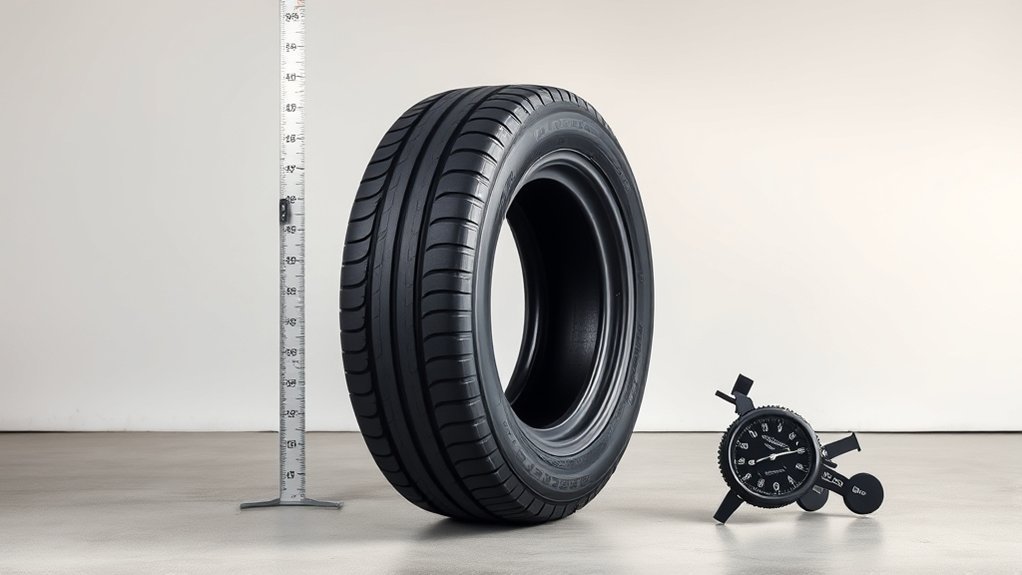
A 265 tire is 265 millimeters wide, but that number by itself does not tell you the tire’s full height. To know how big the tire really is, you need the complete sidewall code, such as 265/70R17. In that common size, the tire is about 10.4 inches wide, about 31.6 inches tall, and close to a 32-inch tire.
Quick Answer
A 265 tire is 265 mm wide, or about 10.4 inches. Its height depends on the full size code. A common 265/70R17 tire is about 31.6 inches tall, has a 7.3-inch sidewall, and is often rounded to a near-32-inch tire.
Key Takeaways
- The 265 in a tire size means the tire is about 265 mm wide, not 265 inches tall.
- A common 265/70R17 tire is about 31.6 inches tall, so it is close to a 32-inch tire but not a true 33-inch tire.
- The sidewall on a 265/70R17 is about 185.5 mm, or about 7.3 inches.
- You cannot compare 255, 265, and 275 tires by width alone; you must compare the full size, including aspect ratio and wheel diameter.
- Before changing to 265 tires, check wheel width, fender clearance, load index, speed rating, speedometer accuracy, and the vehicle tire placard.
What Does a 265 Tire Mean?
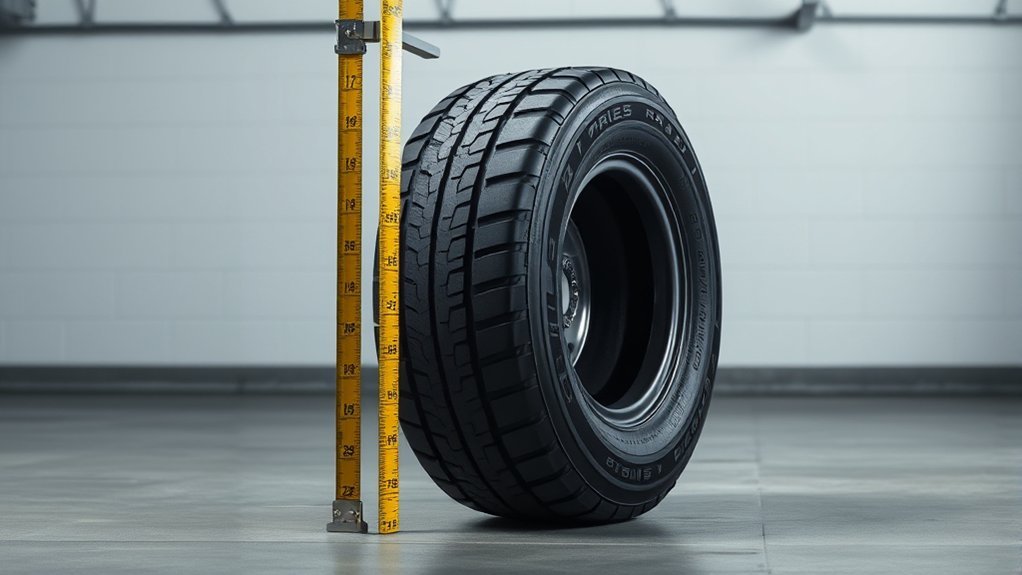
A 265 tire means the tire’s section width is about 265 millimeters from sidewall to sidewall when mounted on its approved rim width and inflated properly. That converts to about 10.43 inches.
In a full tire size such as 265/70R17, each part of the code matters. The Tire Industry Association explains that the first number is section width, the second number is aspect ratio, the letter shows construction type, and the final number is rim diameter. Bridgestone explains the same tire-size sequence for shoppers comparing sizes.
- 265 = section width in millimeters
- 70 = sidewall height is 70% of the tire width
- R = radial construction
- 17 = wheel diameter in inches
Note: A tire labeled 265 is not automatically 31.6 inches tall. A 265/60R18, 265/65R17, 265/70R17, and 265/75R17 are all 265 mm wide, but they have different overall diameters.
How Tall Is a 265 Tire?
A 265 tire’s height depends on its aspect ratio and wheel diameter. For the common 265/70R17 size, the overall height is about 31.6 inches, or about 803 mm. That puts it just under a true 32-inch tire.
Here is the basic math for a 265/70R17 tire:
- Sidewall height: 265 mm × 0.70 = 185.5 mm
- Sidewall in inches: 185.5 ÷ 25.4 = 7.30 inches
- Overall diameter: 7.30 × 2 + 17 = 31.6 inches
- Approximate revolutions per mile: about 638
A 265/70R17 tire is close to a 32-inch tire, but it is not a true 33-inch tire.
How to Calculate Any 265 Tire Size
Use this formula when you want to calculate the height of any metric tire size:
Tire Height Formula
- Sidewall height in mm = section width × aspect ratio
- Sidewall height in inches = sidewall height in mm ÷ 25.4
- Overall tire diameter = wheel diameter + two sidewalls
That means two tires can both start with 265 and still be different heights. The width is the same, but the aspect ratio and rim diameter change the total diameter.
Common 265 Tire Sizes in Inches
These examples show why the full tire size matters. All of the sizes below are about 10.4 inches wide, but they are not all the same height.
| Tire Size | Approx. Width | Approx. Sidewall | Approx. Diameter |
| 265/60R18 | 10.4 in | 6.3 in | 30.5 in |
| 265/65R17 | 10.4 in | 6.8 in | 30.6 in |
| 265/70R17 | 10.4 in | 7.3 in | 31.6 in |
| 265/75R17 | 10.4 in | 7.8 in | 32.6 in |
Use these numbers as calculated estimates. Actual mounted tire dimensions can vary slightly by brand, tread design, load range, wheel width, inflation pressure, and how the manufacturer measures the tire.
What Are a 265 Tire’s Width and Sidewall?
A 265 tire is about 10.43 inches wide. The sidewall height, however, changes with the aspect ratio. A 265/60 tire has a shorter sidewall than a 265/70 tire, even though both are the same section width.
For a 265/70R17, the sidewall height is about 7.3 inches. That taller sidewall can help absorb bumps and improve off-road comfort, but it may also feel less sharp in steering response than a lower-profile tire.
Pro Tip: When comparing tire sizes, focus on overall diameter, section width, load index, and wheel fitment together. Width alone does not tell you whether the tire will fit your vehicle.
Is a 265 Tire a 32-Inch or 33-Inch Tire?
A 265/70R17 is often rounded to a 32-inch tire because it measures about 31.6 inches tall. It is close enough for casual sizing talk, but it is not a true 32.0-inch tire.
A 265 tire is usually not a true 33-inch tire unless the full size has a taller aspect ratio or larger wheel combination that brings the calculated diameter close to 33 inches. For example, a 265/75R17 is about 32.6 inches tall, which is closer to 33 than a 265/70R17, but still slightly under 33 inches by calculation.
How Does a 265 Tire Compare With 255 and 275 Sizes?
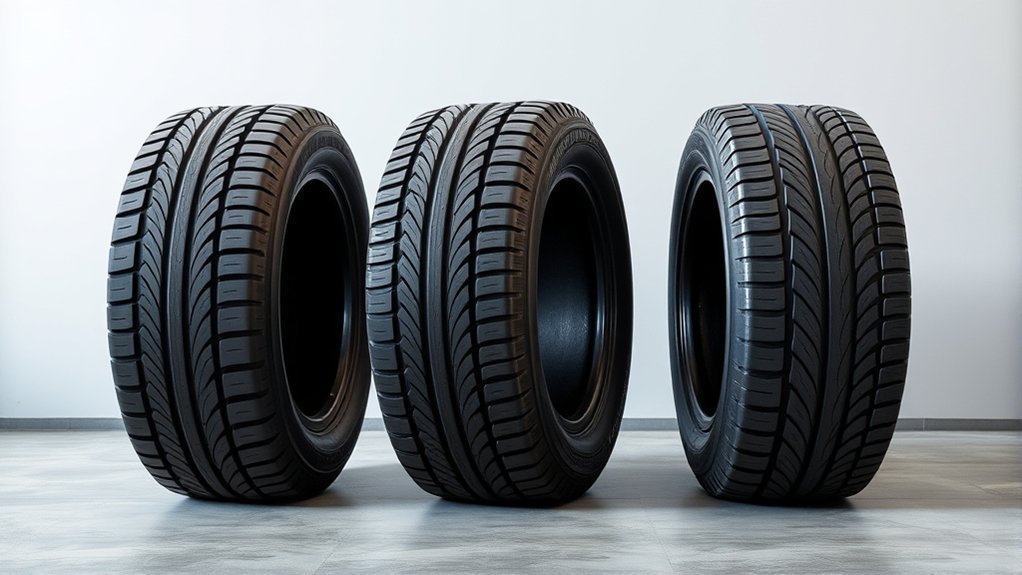
A 265 tire sits between a 255 and a 275 in section width, but the comparison only works when the rest of the size is the same. A fair example is 255/70R17 vs. 265/70R17 vs. 275/70R17.
| Size | Approx. Width | Approx. Sidewall | Approx. Diameter | Compared With 265/70R17 |
| 255/70R17 | 10.0 in | 7.0 in | 31.1 in | Narrower and slightly shorter |
| 265/70R17 | 10.4 in | 7.3 in | 31.6 in | Middle size |
| 275/70R17 | 10.8 in | 7.6 in | 32.2 in | Wider and slightly taller |
Moving from 255/70R17 to 265/70R17 adds about 0.4 inch of width and about 0.55 inch of total diameter. Since ground clearance changes by half the diameter difference, the clearance gain is about 0.28 inch in that example, not a full half inch.
What Changes When You Switch to 265 Tires?
Switching to 265 tires can change more than the stance of your vehicle. The real effect depends on your original tire size, the new tire’s diameter, tread type, weight, load range, and wheel fitment.
- Ground clearance: You gain half of the diameter increase. If the new tire is 1 inch taller, clearance rises about 0.5 inch.
- Speedometer accuracy: If the 265 tire is taller than the original tire, your actual speed may be higher than the speedometer shows unless the system is recalibrated.
- Fuel economy: A wider, heavier, or more aggressive tire can increase rolling resistance and may reduce fuel economy, but the exact change depends on the vehicle and tire.
- Handling: A taller sidewall can feel more comfortable over bumps but less crisp during quick steering inputs.
- Clearance: Wider or taller 265 tires may rub the fender liner, suspension, mud flaps, or bumper at full steering lock or full suspension compression.
- Load and speed rating: Replacement tires should meet the vehicle manufacturer’s required load index and speed rating.
Warning: Do not choose 265 tires by appearance alone. The NHTSA advises checking the owner’s manual or Tire and Loading Information Label for the correct tire size. If you are changing size, confirm fitment with a qualified tire professional.
Fitment Checklist Before Buying 265 Tires
Before you move to a 265 tire, check these points:
- Full tire size: Compare the complete code, not just the 265 width.
- Wheel width: Make sure your wheel falls within the tire manufacturer’s approved rim-width range.
- Load index: Match or exceed the vehicle manufacturer’s required load rating.
- Speed rating: Match the vehicle’s required speed rating unless the manufacturer allows otherwise.
- Fender and suspension clearance: Check at full steering lock and through suspension travel.
- Spare tire compatibility: A much different spare diameter can matter on some drivetrains.
- Speedometer and odometer: Larger or smaller tires can affect speed and mileage readings.
- Cold tire pressure: Use the pressure listed by the vehicle manufacturer unless a tire professional provides a verified adjustment for the new setup.
The U.S. Tire Manufacturers Association recommends choosing replacement tires that match the vehicle or tire manufacturer’s size, load index, and speed rating guidance.
Frequently Asked Questions
How wide is a 265 tire in inches?
A 265 tire is about 10.43 inches wide. The calculation is 265 ÷ 25.4 = 10.43. This is the section width, not the tread width or overall tire height.
Is a 265/70R17 a 32-inch tire?
Yes, in casual terms, a 265/70R17 is often called a 32-inch tire. Its calculated diameter is about 31.6 inches, so it is just under a true 32 inches.
Is a 265 a 33-inch tire?
Usually, no. A common 265/70R17 is about 31.6 inches tall. Some taller 265 sizes, such as 265/75R17, are closer to 33 inches, but the full tire size must be checked.
Is a 285 tire taller than a 265 tire?
A 285 tire is wider than a 265 tire, but it is not always taller. If the aspect ratio and wheel diameter are the same, then the 285 will be taller. If those numbers are different, the 265 could be similar in height or even taller.
Which tire is taller, a 33 or a 285?
A tire labeled 33 is usually intended to be about 33 inches tall. A 285 tire only tells you width in millimeters, so you need the full size. For example, a 285/70R17 is about 32.7 inches tall, which is close to 33 inches.
Will 265 tires fit my vehicle?
They might, but you need to check the full size, wheel width, clearance, load index, speed rating, and the vehicle’s tire placard. A 265 tire can fit one vehicle perfectly and rub on another, even when both use the same wheel diameter.
Conclusion
A 265 tire gives you a width of about 10.4 inches, but the full size code decides the real height. In the common 265/70R17 size, you get a tire that is about 31.6 inches tall, with a sidewall around 7.3 inches. That makes it a practical near-32-inch option for many trucks and SUVs, as long as the tire matches your vehicle’s fitment, load, and clearance needs.
Sources
- Tire Industry Association — Reading a Tire Sidewall — supports section width, aspect ratio, radial construction, rim diameter, load index, and speed symbol definitions.
- Bridgestone — Tire Sizes, Measurements & Wheel Diameter — supports tire-size code explanations for width, aspect ratio, construction, and wheel diameter.
- NHTSA TireWise — Tire Safety Ratings and Awareness — supports checking the owner’s manual or Tire and Loading Information Label for correct tire size and pressure.
- U.S. Tire Manufacturers Association — Replacing Tires — supports matching replacement tire size, load index, and speed rating to manufacturer guidance.

Related Articles
How Many Inches Is a 265 Tire? Size Conversion Guide
Perfect for quick tire-size conversions, this guide reveals how many inches a 265 tire measures and why the exact fit may surprise you.
Read More
How Big Is a 305 Tire? Full Size Breakdown & Dimensions
Uncover the true size of a 305 tire, from width to diameter, and see which fitment details could change everything.
Read More
How Big Is a 265 70 R17 Tire? Full Size Breakdown & Dimensions
Struggling to picture a 265/70R17 tire? Discover its exact size, fit, and how it compares to similar options before you decide.
Read More