
How Long Does A Tire Repair Take? Time Guide & What Affects It

A tire repair usually takes 15 to 60 minutes. If you only need a simple puncture patch, expect about 15 to 30 minutes; a spare tire swap can take 10 to 15 minutes. More severe damage, a plug-patch combo, or a full professional inspection can push the job to 30 to 60 minutes. Shop workload, tire type, and repair method all affect timing, and the details below show why.
Key Takeaways
- Most tire repairs take 15 to 60 minutes, depending on damage and repair method.
- Simple puncture patches usually take 15 to 30 minutes, while plug fixes can take about 15 minutes.
- Spare tire installation is faster, typically taking 10 to 15 minutes.
- Serious damage, combo repairs, or professional service can take 30 to 60 minutes.
- Repair time also depends on damage severity, shop workload, tools available, and tire type.
How Long Does Tire Repair Take?
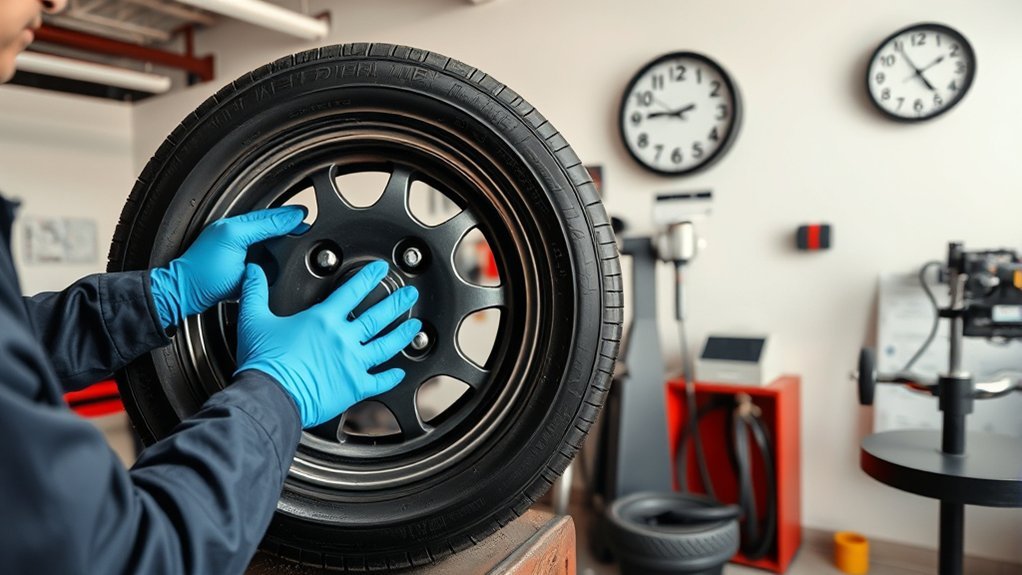
How long does tire repair take? In most cases, tire repair takes 15 to 60 minutes, and your time guide depends on the damage and the method used. If you’re patching a puncture, you can often expect 15 to 30 minutes. A professional repair for more significant damage may take 30 to 60 minutes, while a flat tire handled with a spare can be swapped in 10 to 15 minutes. For a minor puncture, a tire plug or sealant can work as a temporary fix in about 10 to 20 minutes.
Several factors affecting repair time matter. Your tire condition can speed up or slow down inspection and service. Technician experience also changes the pace, since a skilled technician works faster and more accurately. Shop workload can add delays, too. When you need tire repair, you want a clear, practical estimate so you can keep moving without unnecessary waiting. Additionally, using a tire plug kit can significantly expedite the repair process for minor leaks.
Tire Repair Time by Fix Type
Tire repair time varies by fix type, and the method you choose has a direct impact on how long you’ll wait. If you need to patch a tire, a standard puncture repair usually takes 15 to 30 minutes. Installing a spare tire is faster, often 10 to 15 minutes, so you can get moving while you plan a safe repair. Tire sealant can handle minor flat tires in about 10 to 20 minutes, but it’s only a temporary fix. For more serious damage, professional repairs at repair shops may take 30 minutes to 1 hour, especially when the job requires careful inspection. Combination repairs, which use a plug and patch, typically take 30 to 40 minutes and give you a stronger seal than a plug alone. The right choice depends on damage severity, but you can always prioritize safe repair and keep your mobility intact. Additionally, having a reliable spare tire kit can make these repairs quicker and more efficient.
Factors That Affect Tire Repair Time
Your tire repair time mostly depends on damage severity: a small puncture can take 15 to 30 minutes, while larger failures often need 30 minutes to an hour or more. Your wait can also increase if the shop’s workload is high, since more customers slow the repair queue. You’ll usually get faster service when the shop has the right tools on hand, including patch kits and air compressors. Additionally, tire selection can impact how quickly repairs are made, as certain tires may require specialized tools or techniques.
Tire Damage Severity
Damage severity is one of the biggest factors in tire repair time. Minor tire damage, such as small punctures in the tread area, usually keeps repair time to 15-30 minutes. You can move faster when the issue sits in the center tread because repair methods stay simple. But sidewall damage changes the equation; safety concerns often push repair duration toward replacement instead of repair.
- Punctures in the tread area are quickest.
- Sidewall damage needs deeper inspection.
- Wear, complex issues, and multiple repairs add time.
- Overlapping damage may make repair impossible.
When you assess tire damage early, you protect your freedom to drive with confidence and avoid wasted service time.
Shop Workload & Tools
Once you’ve ruled out major tire damage, the shop’s workload and equipment become the next biggest timing factors. High shop workload raises repair times because customer volumes stack up, especially during seasonal fluctuations and bad weather. To cut delays, choose off-peak hours when the bay isn’t crowded.
| Factor | Effect |
|---|---|
| shop workload | Longer waits |
| essential repair tools | Faster service |
| off-peak hours | Shorter queues |
When the shop stocks patch kits and air compressors, and experienced technicians are on duty, you get efficient repairs with less downtime. If tools are missing, or the staff is stretched thin, you’ll wait longer for diagnosis, patching, inflation, and final checks. For the quickest turnaround, call ahead, ask about availability, and book when demand is light.
Patch, Plug, or Replace?
Should you patch, plug, or replace a tire? Choose based on the puncture, damage, and tread location.
- Patch: If the puncture sits in the tread area and stays at least ½ inch from the edge, you can remove the tire, inspect it, and seal it properly. Expect 15 to 30 minutes.
- Plug: If you need speed, a plug can go in about 15 minutes, but it’s a temporary repair, not a permanent fix.
- Patch-plug: For the most secure repair, combine both methods. You’ll usually spend 30 to 40 minutes for a stronger seal.
- Replace: If the sidewall has damage, don’t repair it—replace the tire.
Your choice shapes time and safety. A skilled technician can finish faster, but complex damage or shop load can stretch the visit past an hour. Additionally, consider your tire’s UTQG rating as it can provide insight into durability and wear characteristics.
What Happens During a Pro Repair

A pro tire repair starts with a quick assessment and puncture location check, usually taking 5 to 10 minutes. In professional tire repair, you then remove the tire from the rim so the technician can assess the tire’s condition, inspect the damaged area, and clean it for proper preparation. That step often adds 10 to 20 minutes. Next comes the repair application: a patch or plug, or both, is installed to seal the puncture securely. Depending on the method and access, this can take 15 to 40 minutes. After the repair, tire balancing and reinstallation restore safe performance and can add another 10 to 15 minutes. Your total time usually lands between 30 minutes and 1 hour. Technician experience and tire condition shape the overall service time, but a careful process gives you a durable fix and the freedom to drive without doubt. Additionally, using a temporary seal can prevent immediate air loss, allowing for safer driving until a permanent solution is implemented.
Quick Fixes for a Flat Tire
If you need to get back on the road fast, there are a few quick fixes for a flat tire. You can choose repair methods that match the damage and reclaim control fast.
- Tire sealant: For minor punctures, you can inject tire sealant in about 10–20 minutes. It’s a rapid stopgap that can restore usable pressure and support tire safety.
- Tire plug: A tire plug handles small tread punctures in roughly 15–30 minutes. You don’t remove the tire from the rim, so the installation time stays low.
- Spare tire: Swapping in a spare usually takes 10–15 minutes. That makes it one of the fastest tire repairs when you need mobility now.
- Patch-plug combo: This patch-plug combo takes about 30–40 minutes, but it gives a stronger seal for minor punctures. Using a tire repair plug kit can enhance the effectiveness of this method.
Act quickly, because simple tire repairs often finish in under 30 minutes and keep you moving with confidence.
When Tire Repair Isn’t Safe
Certain tire damage isn’t safe to repair because it can weaken the tire’s structure and lead to failure. If your damaged tire has a sidewall puncture, skip tire repair; the sidewall supports load, so structural integrity is already compromised. Use this quick check:
| Damage location | Repairable? | Action |
|---|---|---|
| Sidewall | No | Replace tire |
| Puncture near tread edge | No | Seek professional assistance |
| Overlapping repairs | No | Replace tire |
Punctures must sit at least ½ inch from the tread edge to stay repairable. A patch alone isn’t a permanent repair; it doesn’t seal the leak fully unless paired with a plug. If repairs overlap, the tire’s safety drops fast. Driving on a punctured tire can trigger rapid deflation, so don’t gamble with unsafe rubber. Get professional assistance right away, and protect your freedom to keep moving with confidence. Remember, using a GlueTread Tire Repair Kit can help in some situations, but it’s not a substitute for a proper tire replacement when facing serious damage.
How to Speed Up Tire Repair
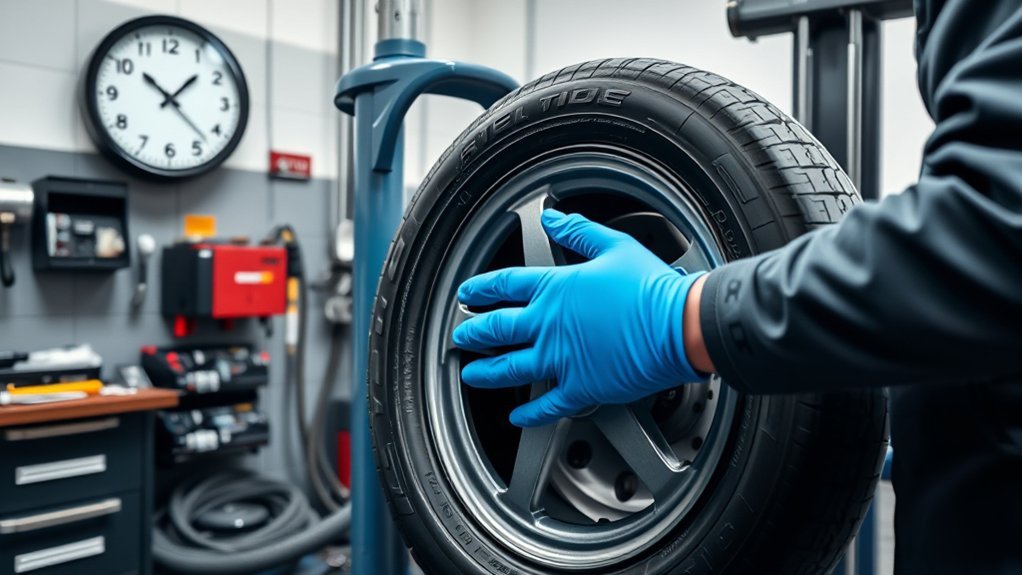
- Carry a tire patch kit and air compressor for minor punctures.
- Use DIY fixes only when the damage is small and the sidewall is intact.
- Ask for a plug-patch combination; it’s safer and often faster than repeat visits.
- Confirm parts, labor, and timing before you arrive so the shop can start immediately.
Preparation gives you control, reduces friction, and keeps you moving. Additionally, consider investing in a tubeless tire repair kit as it provides a cost-effective solution for quick roadside fixes.
Frequently Asked Questions
How Long Can I Drive on a Patched up Tire?
You can usually drive up to 25,000 miles on a patched up tire if the repair methods were correct and the damage was minor. For tire safety, check tire pressure often, watch tread wear, and inspect patch longevity after road hazards. Good maintenance tips include carrying emergency kits and replacing the tire after six to ten years. Patch durability depends on driving distance, load, and ongoing leaks, so stay alert.
Can I Drive 2 Hours With a Nail in My Tire?
No—you shouldn’t treat it like a harmless pebble in your shoe. For tire safety, two hours with a nail raises driving risks, even if you try temporary solutions. Do a pressure check, then make a damage assessment before nail removal. You may need repair options or professional help instead of guessing. Use emergency tips like slowing down and stopping if pressure drops, because long term effects can turn a small puncture dangerous.
Can I Drive 2 Miles With a Flat Tire?
No—you shouldn’t drive 2 miles with a flat tire. Your safety concerns are real: zero tire pressure can ruin the tire, cut vehicle stability, and expose you to road hazards. If you must move, use emergency tips: keep speed under 20 mph, avoid sharp turns, and use temporary fixes only long enough to reach help. Check tire maintenance records, then choose the safest repair options available.
Can I Drive 200 Miles With Fix a Flat?
No, you shouldn’t drive 200 miles with Fix a Flat. It’s a temporary solution, not a repair, and it can’t guarantee tire safety over that driving distance. You should check tire pressure, watch for air loss, and inspect road conditions often. Use it only to reach help, keep it in your emergency kit, and treat it as part of vehicle maintenance. Have a tech verify patch longevity immediately.
Conclusion
In the end, you can think of tire repair as a quick pit stop, not a long delay. A simple plug or patch may take minutes, while a full inspection or replacement can stretch longer. Watch for sidewall damage, repeated leaks, or low tread, because those problems can make repair unsafe. If you keep your tire in good shape and act fast, you’ll get back on the road sooner, with confidence under you.

Related Articles
Can You Drive With a Screw in Your Tire? What Experts Recommend
A screw in your tire may seem minor, but experts warn the right move depends on where it is, how much air remains, and what happens next.
Read More
Why Does My Tire Pressure Keep Going Down? Causes & Fixes
Hunting down why your tire pressure keeps dropping? Discover the hidden causes and fixes before the problem leaves you stranded.
Read More
What Is NOT Proper Tire Maintenance? Common Mistakes to Avoid
Lack of proper tire care can quietly wreck safety and performance, but are you making these common mistakes without realizing it?
Read More