
Does Tire Brand Matter? What the Data Says About Performance

Yes—tire brand matters because major brands often invest more in compound design, tread engineering, braking, wet grip, and tread life. But you should care even more about the specific model, since performance can vary widely within the same brand. Test data looks at stopping distance, hydroplaning resistance, traction, and wear to compare real-world safety and value. OEM fitment and tire matching also affect handling, and the details get more revealing from there.
Key Takeaways
- Tire brand matters because top brands often deliver better grip, braking, wet handling, and tread life.
- Performance differences are model-specific, so compare individual tire ratings, not brand reputation alone.
- Consumer testing shows wide gaps among 129 tire models from 30 brands in safety and durability scores.
- OEM tires match vehicle specifications, while non-OEM tires may change ride, grip, rolling resistance, or handling.
- Mismatched tires can reduce stability and traction, so quality, consistency, and proper maintenance improve safety.
Do Tire Brands Really Matter?

Yes—tire brands can matter a lot, because testing consistently shows measurable differences in grip, tread life, braking, and wet-road handling across manufacturers. You’ll see these differences in real performance metrics, not marketing claims. Strong tire brands like Michelin and Bridgestone often spend more on compound chemistry, casing design, and tread engineering, so you get better braking, stronger hydroplaning resistance, and longer service life. But you shouldn’t treat every model within a brand as equal; one lineup can outperform another by a wide margin. That means you need model-specific ratings and reviews to judge value accurately. You should also avoid mixing tire brands on the same vehicle, because inconsistent tread patterns can reduce stability and blur handling response. If you want control, safety, and lower long-term costs, choose tires with proven data and consistent quality. Smart selection gives you more freedom on the road, not less. Additionally, certain tire brands provide advanced tread designs that enhance hydroplaning resistance, contributing to overall safety in wet conditions.
How Tire Tests Work
You can judge tire performance by measuring grip, handling, braking, hydroplaning resistance, and rolling resistance across standardized test conditions. You’ll also see braking and traction tests on surfaces like ice and wet pavement, which quantify stopping distance and control under load. For tread life, testers track mileage over time to estimate longevity and convert those results into comparative scores. Additionally, tire treadwear warranties can provide insight into expected durability and performance over time.
Key Tire Performance Metrics
Tire testing is a data-driven comparison of measurable traits, not a subjective impression of road feel. You evaluate performance through grip, tread life, braking distance, handling, and hydroplaning resistance, so you can compare brands on evidence, not hype. Consumer Reports tests 129 tire models from 30 brands across all-season and winter categories, with snow traction and ice stopping abilities measured directly. You’ll see braking on ice at a skating rink and rolling resistance checks that estimate fuel-economy impact. Mileage runs on road courses then project longevity and preserve consistency across trials. The result is an Overall Score that converts many variables into a single, usable metric. That framework lets you judge which brands deliver real capability and which merely market it.
Braking And Traction Tests
Braking and traction tests translate tire performance into measurable data, starting with ice braking runs at local skating rinks to capture stopping distance under severe low-friction conditions. You can then compare performance metrics across wet and dry pavement, where grip changes reveal how each model behaves when conditions shift. Consumer Reports also measures hydroplaning resistance, so you see which tires keep control during heavy rainfall.
- Ice stopping distance
- Wet grip response
- Dry-road traction
- Hydroplaning resistance
These braking tests cover 129 tire models from 18 brands, giving you a broad, data-driven view of safety and handling. The result is practical freedom: you choose tires from evidence, not hype, and keep more control over how your vehicle responds when the road turns hostile.
Tread Life And Longevity
Tread life testing turns durability into measurable mileage by running tires on a controlled road course and comparing wear across brands and models. You get hard data, not marketing claims.
| Measure | What It Shows | Why It Matters |
|---|---|---|
| Mileage | Tread life | Predicts replacement timing |
| Rolling resistance | Energy loss | Affects longevity and fuel use |
| Brand average | Benchmark | Separates best brands |
Consumer Reports has tested 129 models from 18 brands, building benchmarks that expose real gaps in durability. Under normal use, some Michelin tires reach 40-50k miles, while others fall short. You can use these results to compare tread life, judge rolling resistance, and choose tires that free you from premature replacements. Extensive mileage tests help you select with precision and keep control of your costs.
Why Tire Model Matters More
Even within reputable brands, tire model selection can matter far more than brand name alone, because performance differences across models can be substantial. You should treat tire models as distinct engineering packages, not interchangeable labels. Consumer Reports tested 129 tire models from 18 brands, and the results showed wide spread in grip, tread life, braking, and hydroplaning resistance. Those performance metrics shape how freely you can drive with control.
- Prioritize the metric you need most.
- Compare model-level ratings, not brand ads.
- Match the tire to your climate and roads.
- Check how the model affects handling and stability.
A winter model can outperform an all-season option in snow, while an ultra-high-performance design may trade longevity for sharper response. When you choose at the model level, you reclaim precision, reduce risk, and align the tire with your actual driving environment. This is especially true for tire performance metrics, which can vary significantly even among similar models.
How OEM Tires Differ
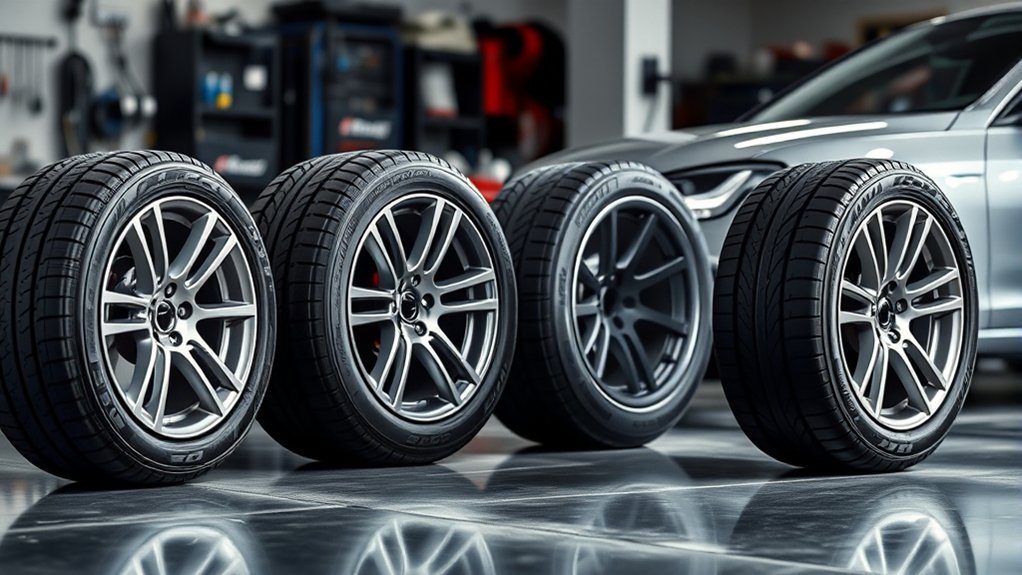
When you buy OEM tires, you’re getting a design that matches your vehicle’s specified load index, speed rating, handling balance, and ride targets. If you switch to non-OEM tires, you can optimize for traits like lower rolling resistance or sharper response, but you may change the way the vehicle performs. Because OEM tires often use different compounds and tread patterns, you should verify that any replacement still meets the manufacturer’s safety and fitment guidelines. Choosing the right tires can significantly impact tread life and performance, influencing your overall driving experience.
OEM Tire Specs
OEM tires are selected by automakers to match a vehicle’s specific design, weight, size, and performance targets, so they deliver the handling, ride quality, and safety characteristics the manufacturer engineered into the car. You get a calibrated baseline, not a generic fitment. OEM tires preserve the vehicle’s intended performance attributes through exact compound, load, and speed ratings.
- They align with chassis tuning.
- They support the required load capacity.
- They meet the specified size and clearance.
- They satisfy safety and compliance standards.
When you keep OEM tires, you maintain consistency in grip, steering response, and comfort. That consistency helps you preserve the driving experience the automaker validated. If you want freedom from guesswork, OEM specs give you a precise reference point.
Non-OEM Tradeoffs
After you understand the OEM baseline, non-OEM replacement tires introduce a different set of tradeoffs. You can tune non-oem replacement tires for efficiency or grip, but you may shift ride comfort and noise. OEM tires | Match original specs | Stable baseline
—|—|—
Grip-focused | Sharper handling | Less comfort
Efficiency-focused | Lower rolling resistance | Reduced traction
Touring-focused | Softer ride | Slower response
Mixed-use | Balanced performance characteristics | Compromise
That table shows the decision space: every gain changes another variable. Your vehicle’s original equipment specs still matter because laws in many regions require compliance for safety and performance. If you want freedom without guesswork, consult a trained tire professional before you switch. They can verify fitment, preserve safety, and keep your performance characteristics aligned with your goals.
When Mismatched Tires Cause Problems
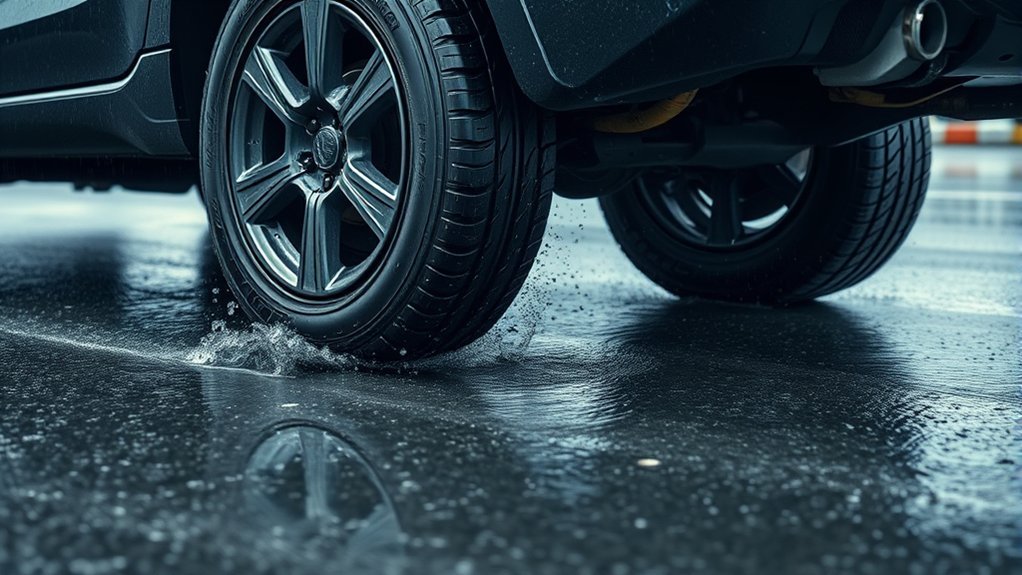
Mismatched tires can undermine handling, traction, and overall safety because different brands or tread patterns may respond differently under braking, cornering, or emergency maneuvers. When you run mismatched tires, you weaken safety and performance, especially if one axle carries different compounds or seasonal designs. That variance can produce pull, delayed response, and unstable grip. In many regions, regulations require tires to match the manufacturer’s specifications, so compliance matters too.
Mismatched tires can reduce handling, traction, and safety, creating unstable grip and unpredictable response.
- Different tread patterns can brake unevenly.
- Mixed brands can steer with inconsistent feedback.
- All-season and winter combinations can create unpredictable balance.
- Same-axle tires should match for stable traction.
If you notice mismatched tires, consult a trained tire professional. They can verify fitment, confirm legal compliance, and help you restore control without surrendering autonomy to avoidable risk. Additionally, tire selection criteria are essential to ensure optimal performance and safety on the road.
Which Tire Features Improve Safety?
Which tire features most directly improve safety? You should prioritize advanced tread patterns, strong wet grip, and hydroplaning resistance. These features help your tires channel water away, maintain contact on slick pavement, and shorten braking distances in rain or light ice. If you drive hard through corners, performance tires can add responsiveness and stability, which improves control during sharp turns. That matters because safer handling gives you more room to move freely and confidently on the road. Additionally, consider all-season tires as they offer balanced performance across various conditions, enhancing your safety on the road.
You also need consistent maintenance. Check air pressure regularly and rotate tires on schedule; otherwise, uneven wear can degrade traction and handling. Consumer Reports data shows that tires with better traction ratings and longer tread life often earn higher safety scores, so brand quality isn’t just marketing—it can reflect measurable performance. When you choose tires, read the test data, not the slogan, and select the set that best protects your control, your passengers, and your mobility.
How to Judge Tire Value
To judge tire value, compare purchase price with measurable performance, safety, and lifespan rather than brand name alone. You should quantify what you get for your money: grip, braking, tread wear, and expected mileage. A set of premium tires may cost $640-$887, but that price can buy 40,000-50,000 miles of use and fewer replacements. Cheaper tires can look liberating at checkout, yet they often raise total cost through faster wear and weaker control.
- Measure wet and dry grip.
- Check braking distances.
- Compare tread-life warranties.
- Divide price by projected miles.
Consumer Reports data shows big gaps between brands, so the best tires aren’t always the cheapest. If a $200 premium improves safety and durability, that’s real value. You’re not paying for status; you’re buying better odds, more control, and longer freedom on the road. Good tires should earn their cost. Additionally, investing in reliable wet and dry traction can significantly enhance your driving experience and safety.
Frequently Asked Questions
What Is the 3% Tire Rule?
The 3% tire rule means you should keep a replacement tire’s overall diameter within 3% of the original size. You’ll protect tire performance, preserve tread wear patterns, and avoid speedometer errors, poor handling, and ABS or traction-control problems. If you mix sizes or types, you risk instability and uneven wear. You should verify specs first, then consult a tire professional to keep your vehicle safe and responsive.
Are There Any Tire Brands to Avoid?
Yes—you should be cautious with brands that lack solid test data or consistent ratings. You don’t need to avoid every budget tire, but you should scrutinize any brand with weak braking, short tread life, or poor wet grip. For tire safety, prioritize verified performance over brand reputation. Check independent tests and model-specific reviews, because one bad tire line can sit inside a respectable brand, and one good bargain line can still outperform.
What Is the Most Reliable Tire Brand?
Michelin’s usually your most reliable tire brand, especially if you want tire longevity and strong performance ratings. You might think brand names overpromise, but independent tests and owner data keep putting Michelin ahead for wear, braking, and all-around consistency. Continental and Bridgestone also score highly, yet Michelin’s long mileage and broad safety margins make it the safest default. Choose the specific model, though, because that’s where real-world reliability gets decided.
Does It Matter if All Tires Are a Different Brand?
Yes, it does. If you run different tire brands, you can get uneven tire performance because each brand uses different tread designs, rubber compounds, and construction. That hurts brand reliability across the set, especially in braking, cornering, and wet grip. You should match tires on each axle, and ideally all four, to keep handling predictable, wear balanced, and safety margins intact. Check local rules and consult a tire pro if you’re unsure.
Conclusion
When you shop for tires, brand matters less than the specific model, test data, and fitment. Think of it like buying shoes: a premium label won’t help if the sole doesn’t match the road. In independent testing, some midpriced tires stop shorter and grip better than flagship models. You should compare wet braking, tread life, and rolling resistance, then match the tire to your car and driving conditions. That’s where value and safety actually meet.

Related Articles
What Does 116T Mean on a Tire? Load, Speed & Rating Guide
Compare what 116T really means for load and speed, and why the right tire rating could change everything you thought you knew.
Read More
What Does 99H Mean on a Tire? Load, Speed & Rating Guide
Get the real meaning behind 99H tire ratings—load, speed, and why it matters—before you choose the wrong replacement.
Read More
What Does 94V Mean on a Tire? Load, Speed & Rating Guide
Uncover what 94V really means on a tire and why its load and speed ratings could change your next replacement choice.
Read More