
How Wide Is a 305 Tire? Exact Width & Fitment Guide
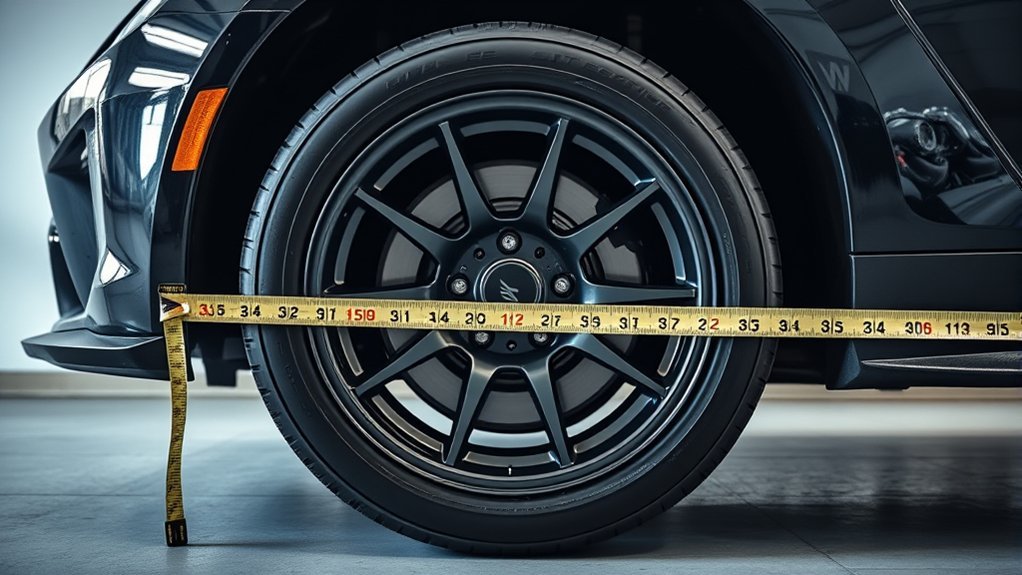
A 305 tire is about 12 inches wide, or 305 mm, though the exact section width can vary a bit by brand and model. If you’re sizing one for your vehicle, check the full tire code, wheel width, and available clearance. Most 305 tires fit best on 10 to 10.5-inch wheels, with about 8.5 inches as the minimum. Offset, suspension travel, and pressure also affect fitment, and there’s more to compare beyond size alone.
Key Takeaways
- A 305 tire is about 305 mm wide, or roughly 12 inches, depending on the brand and model.
- Typical 305 tire fitment works best on 10 to 10.5-inch-wide wheels.
- The minimum recommended wheel width is usually about 8.5 to 9 inches.
- Size markings like 305/70R18 show width, sidewall ratio, radial construction, and 18-inch wheel fitment.
- Vehicle clearance, offset, suspension travel, and fender space determine whether a 305 tire will rub.
How Wide Is a 305 Tire?
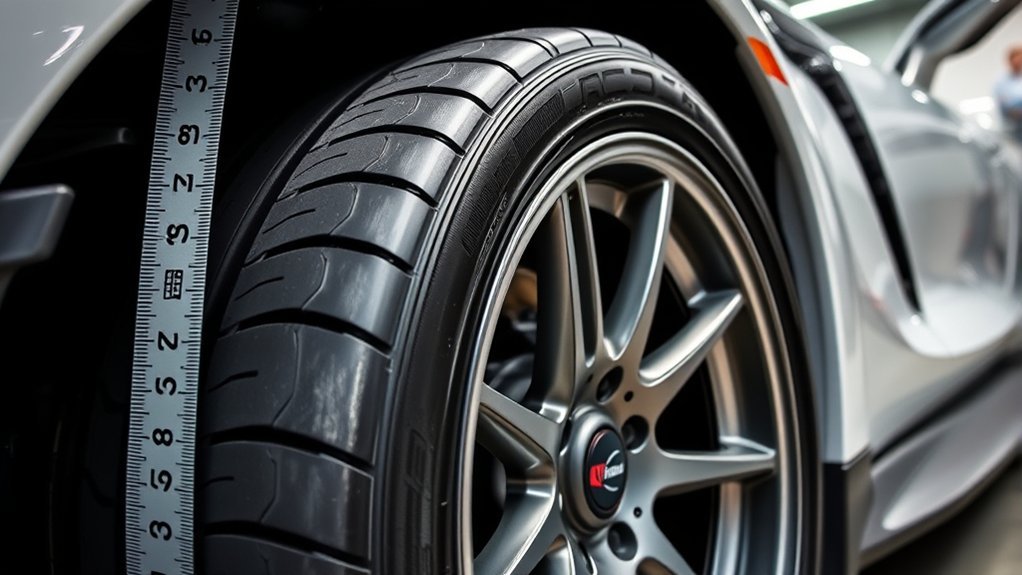
A 305 tire is about 12 inches wide, or 305 mm, when measured sidewall to sidewall. That tire width gives you a broad footprint for trucks and SUVs, improving load support and road contact. If you see a size like 305/70R18, the 305 is the width in millimeters, not the rim diameter. You can use that width to compare fitment quickly, but you still need to confirm the exact tire model. Different brands may vary slightly in section width, so check the manufacturer’s specs before you buy. For rims, you’ll usually want 8.5 to 10.5 inches of wheel width for proper seating and performance. This helps you avoid pinched sidewalls or stretched fitment. In practical terms, you’re choosing a tire width that balances stability, traction, and compatibility, so you can move with confidence and keep control of your build. Additionally, considering load ratings can help ensure that your chosen tire meets your vehicle’s demands.
What Does 305/70R18 Mean in Inches?
A 305/70R18 tire breaks down to about 12 inches wide, with a 70% aspect ratio that gives you a sidewall height of roughly 8.4 inches. The “R” tells you it uses radial construction, and the “18” means it fits an 18-inch wheel. When you check fitment, you should also account for its overall diameter of about 34.8 inches, especially on trucks and SUVs. Additionally, considering the tread profile of all-season tires can help ensure optimal performance in various driving conditions.
Tire Size Breakdown
When you break down 305/70R18, the 305 is the tire’s width in millimeters, which works out to about 12 inches wide. In this tire size breakdown, the 70 tells you the sidewall measures 70% of that width, so you get roughly 8.4 inches of sidewall height. The R means radial construction, the standard you’ll see on most modern vehicles. The 18 shows the tire fits an 18-inch wheel rim. Together, these numbers give you an overall diameter of about 34.8 inches, which matters when you’re checking clearances, gearing, and lift compatibility. If you want freedom from guesswork, use the full code to match the tire to your setup with confidence.
Inch Conversion Details
To convert 305/70R18 into inches, start with the 305, which gives you a tire width of about 12 inches. The 70 means the sidewall measures 70% of that width, so you get roughly 8.4 inches of sidewall height. The full tire’s diameter comes out to about 34.8 inches, or 885 mm, giving you a clear imperial reference point. The R tells you it uses radial construction, the standard in modern tire design. The 18 shows the wheel rim size in inches, so you’re working with one of the most common inch tire sizes for larger vehicles. When you translate metric markings into inches, you gain the freedom to compare options fast and make informed tire choices.
Fitment Considerations
A 305/70R18 tire measures about 12 inches wide, with an 8.4-inch sidewall and an overall diameter of roughly 34.8 inches, so fitment depends on more than just the label. You need to verify wheel width, suspension clearance, and fender space before you commit. The width of the tire demands compatible 18-inch rims, and the radial construction supports stable road use. Because the diameter is large, it can change gearing, speedometer accuracy, and articulation under load. For trucks and SUVs, these fitment considerations matter if you want grip without rubbing or binding. Measure your available space, compare it to the tire’s dimensions, and choose a setup that lets you drive freely, confidently, and without avoidable compromise.
305 Tire Width by Common Size
A 305 tire measures about 305 mm wide, which converts to roughly 12 inches at its widest point. In a common size like 305/70R18, you’ll also see an 8.4-inch sidewall and an overall diameter near 34.8 inches. For fitment, you should match it to wheels about 8.5 to 11 inches wide and verify clearance on your vehicle. It’s important to consider tread and grip when selecting tires for optimal performance in various conditions.
Metric Width In Inches
How wide is a 305 tire in inches? You’re looking at about 12.0 inches wide, since 305 millimeters converts to roughly 12.0 inches. That metric width gives you a clear baseline when you compare tire sizes and plan your setup without guesswork.
- 305 mm = about 12.0 inches wide
- 305/70R18 sidewall height = about 8.4 inches
- Actual dimensions can vary slightly by brand
This conversion helps you read tire labels with precision and choose confidently. A 305 tire gives you substantial footprint and traction, which supports trucks and SUVs built for demanding use. Still, check the exact model you want, because small manufacturer differences can shift real measurements.
Fitment By Wheel Size
With a width of about 12 inches, a 305 tire fits best on wider wheels, and the common 305/70R18 size is typically matched to an 18-inch rim. You’ll get the best results on a 10- to 12-inch wheel width, where the sidewalls support the tread without pinching or overstretching. The 70% aspect ratio gives you roughly 8.4 inches of sidewall and an overall tire height near 34.8 inches, so wheel diameter matters for final stance and clearance. Check your vehicle specs before you mount it, because a 305 may need trimming, lift, or offset changes to clear suspension and bodywork. When you match fitment correctly, you free the tire to work as designed, delivering stable handling, better contact patch control, and predictable performance on and off-road.
Which Wheels Fit a 305 Tire?
For a 305 tire, you’ll generally want a wheel that’s 10 to 12 inches wide for the best fit and performance. That range lets you mount the tire securely while preserving sidewall control, steering response, and load support. If you’re asking which wheels fit a 305 tire, start with rim width, then verify tire and vehicle specs before you commit.
- 10–12 inches: ideal wheel width range
- About 8.5 inches: minimum acceptable width, but it can reduce stability
- Tire profile: aspect ratio changes overall height and clearance
Because a 305 tire measures about 12 inches wide, it suits wider wheels better than narrow ones. A 305/70R18, for example, also carries a taller sidewall, so you need to account for diameter, not just width. Check the manufacturer’s fitment data for your exact tire model. That keeps your setup safe, precise, and ready for open-road freedom without guesswork. Additionally, proper tire selection can enhance overall traction and improve your vehicle’s handling characteristics.
Best Wheel Width for a 305 Tire
The best wheel width for a 305 tire is usually 10 to 12 inches, with 10.5 inches often being the sweet spot for trucks and SUVs. That setup supports the tire’s roughly 12-inch section width without distorting the carcass. If you go too narrow, you’ll add sidewall flex; too wide, and you can promote uneven tread wear. For the best wheel width for a 305 tire, follow the maker’s spec and keep your geometry honest. Additionally, selecting the right tire can enhance your vehicle’s driving experience significantly.
| Wheel Width | Fitment Effect | Use Case |
|---|---|---|
| 10.0 in | Slightly snug | Street/truck |
| 10.5 in | Balanced | Best all-around |
| 11.0 in | Wider stance | Performance |
| 12.0 in | Maximum width | Aggressive fit |
| 13.5 in | Too wide | Avoid |
If you want clean handling and tire life, 10.5 inches is the practical 5 inches? No—measure twice, mount once, and let the tire work freely.
Will a 305 Tire Rub on Your Vehicle?
A 305 tire measures about 12 inches wide, so whether it rubs on your vehicle depends on wheel-well space, suspension travel, and wheel offset. You need to compare your vehicle’s maximum tire width spec with this tire width before you buy. On a stock suspension, rubbing can show up during hard turns or when the suspension compresses over bumps.
- Check clearance at full steering lock.
- Inspect inner and outer fender space.
- Verify offset and wheel width together.
If your setup leaves tight margins, a wider wheel can move the tire into a better position and reduce contact with suspension parts or the fender. You can also add a lift kit or wheel spacers when the vehicle wasn’t built for this tire width. Additionally, consider the tire fitment guidelines to ensure compatibility with your vehicle’s specifications. Measure carefully, then match the setup to the freedom you want without sacrificing safe, precise clearance.
How 305 Tires Fit Trucks and SUVs
305 tires typically measure about 12 inches wide, so they’re a strong fit for larger trucks and SUVs that need extra stability, traction, and a more aggressive stance. When you choose this 305 tire width, you should match it to an 8.5- to 10.5-inch wheel for proper bead seating and predictable handling. That range helps you keep the tire planted under load, whether you’re towing, climbing, or driving rough trails. The wider footprint also gives you more grip on dirt, mud, and gravel, which is why these tires show up often on off-road builds. You’ll still need to check lift height and fender clearance before installation, since compression and steering can cause rubbing if space is tight. When everything lines up, you get better control, a bolder look, and the freedom to move through demanding terrain with confidence. Additionally, selecting the right tires enhances on-road manners and off-road capability for an optimal driving experience.
305 Tire Vs. 295 and 315 Sizes
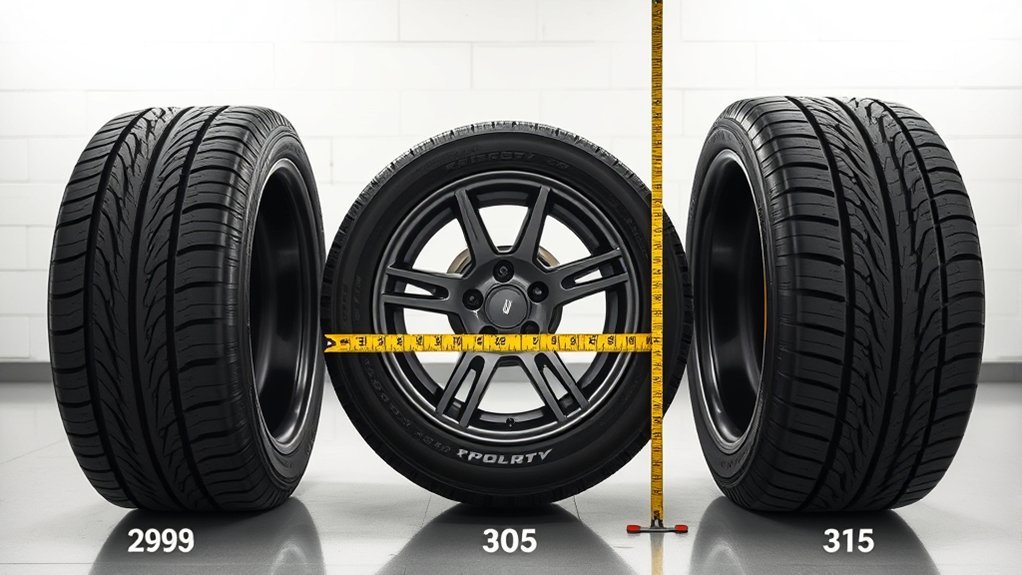
Compared with a 295 tire, a 305 tire gives you a slightly wider footprint at about 12 inches versus roughly 11.6 inches, while a 315 pushes that width to around 12.4 inches for even more contact patch and traction. If you want more grip without going extreme, the 305 sits in a useful middle zone. You’ll notice the width gain over a 295, but you won’t add as much bulk as a 315, which can demand more space and more attention to fitment.
- 295: narrower, easier fit on smaller wheels
- 305: minimum 9-inch wheel width, balanced width
- 315: widest option, best traction, highest clearance demand
Your choice should match your wheel, suspension, and wheel well room. A 305/70R18 also shows how aspect ratio affects overall diameter, so check size, width, and clearance before you commit. Additionally, considering off-road traction can help you select the best tire for varying conditions.
Does Tire Pressure Change 305 Tire Width?
Yes—tire pressure can change how a 305 tire sits on the wheel and how it performs on the road. A 305 tire is about 12 inches wide, but your setup can shift that slightly. When you run more tire pressure, the sidewalls stiffen and the tread can spread a bit wider. Drop the pressure too far, and the tire may bulge, which narrows the contact patch and dulls handling.
| Tire pressure | Effect on 305 tire |
|---|---|
| Higher | Slightly wider profile, stiffer response |
| Recommended | Best balance of width, grip, and safety |
| Lower | Bulging sidewalls, smaller contact patch |
You should keep tire pressure at the manufacturer’s spec to protect performance and safety. Rim width also matters: a wider wheel can present a wider profile once inflated. For the best road feel and control, trust the spec, not guesswork, and keep your setup working for you.
Frequently Asked Questions
How Much Wider Is a 305 Tire Than a 275?
A 305 tire is about 1.2 inches wider than a 275, so your Tire Comparison shows a noticeable increase in section width. You’ll gain a larger contact patch, which can improve traction and stance, but you’ll also need to check rim width and wheel well clearance. If you’re upgrading, verify fitment carefully, because the extra width can affect handling and cause rubbing if your setup doesn’t leave enough room.
What Does a 305 Tire Equal To?
A 305 tire equals about 12.0 inches wide, or 305 mm across its tread. It’s like a broad bridge under your vehicle, giving you more footprint and grip. You’ll often see it on trucks and SUVs, where Tire Compatibility matters for rim width, clearance, and load needs. If you’re converting sizes, a 305/70R18 also gives you about 34.8 inches of overall diameter and an 8.4-inch sidewall.
Is a 33 Inch Tire the Same as a 305?
No, you can’t treat a 33-inch tire as the same as a 305. In Tire Sizing, 305 means about 305 mm wide, or roughly 12 inches, while 33 inches usually describes overall diameter. You’ll see 33×12.50 or 33×10.50 options, and they’re not identical to 305. Check the exact specs, because brand, aspect ratio, and fitment change what you actually get on your vehicle.
How Wide Is a 305 50 15 Tire?
A 305/50R15 tire is about 12 inches wide, or 305 mm. Its Tire Specifications also show a 50% aspect ratio, so you get a sidewall height near 6 inches. You’ll mount it on a 15-inch wheel, and it usually fits best on 10- to 12-inch rims. Check your wheel well and clearance carefully, because this tire’s width and diameter can affect fitment, steering response, and gearing.
Conclusion
A 305 tire is typically about 12.0 inches wide, but your actual fit depends on wheel width, offset, and vehicle clearance. If you’re choosing between a 305 and a 315, measure carefully before you buy. For example, if you fit 305/70R18s on a truck with too little backspacing, you could get rubbing on turns and feel stuck. Check specs first, and you’ll avoid costly mistakes and keep your setup safe.

Related Articles
How Wide Is a 295 Tire? Exact Width & Fitment Guide
Mysterious fitment details reveal how wide a 295 tire really is, but the real clearance surprises may change your setup entirely.
Read More
How Tall Is a 285 70 17 Tire? Exact Height, Width & Dimensions
Need the exact dimensions of a 285/70R17 tire? Discover the surprising height, width, and fit details before you choose.
Read More
What Does BSW Mean on a Tire? Load, Speed & Rating Guide
Plain black sidewalls can hide important tire ratings—discover what BSW means and how load, speed, and size affect your next tire choice.
Read More