
How to Dispose of Old Tires Properly in the US
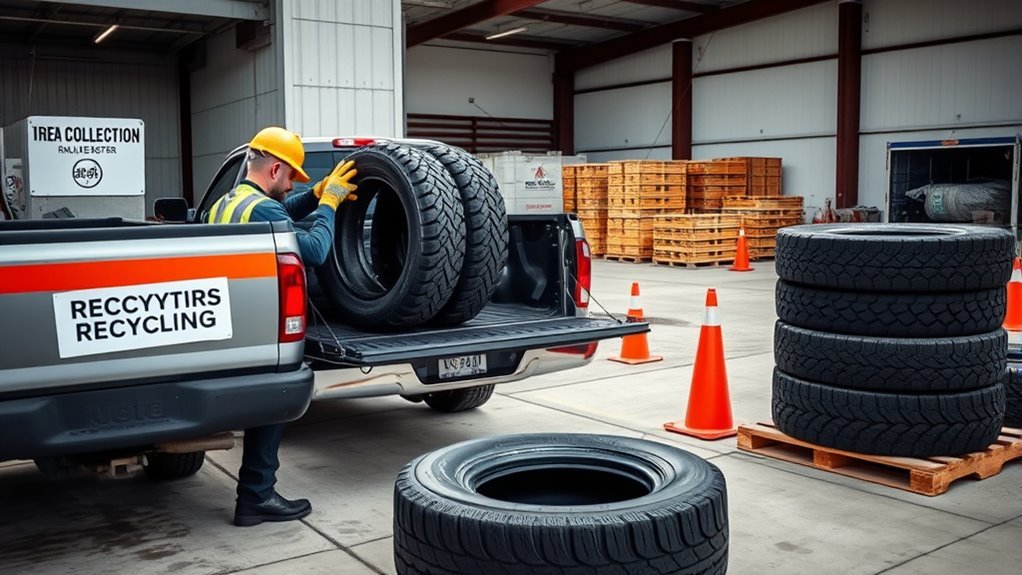
Old tires should never be tossed into a regular trash bin, left on the curb without approval, or dumped outdoors. The safe route is to inspect the tire first, decide whether it can be professionally repaired or must be retired, and then take it to a tire retailer, transfer station, recycling center, community collection event, or registered scrap-tire hauler that follows local rules.
Quick Answer
Dispose of old tires by taking them to a tire shop, municipal transfer station, recycling center, collection event, or registered scrap-tire hauler. Replace tires with tread at or below 2/32 inch, sidewall damage, bulges, exposed cords, or unsafe repairs. Always confirm fees, limits, and whether rims are accepted before drop-off.
Key Takeaways
- A tire with tread worn to 2/32 inch, sidewall damage, exposed belts, cracking, bulges, or an unsafe puncture should be replaced, not repaired.
- Most drivers can use tire retailers, auto shops, local recycling centers, transfer stations, bulky-waste events, or junk-removal services for tire disposal.
- Fees vary by location, tire size, whether the tire is on a rim, and whether you are buying replacement tires.
- Never dump tires outdoors; tires can collect water, breed mosquitoes, leach pollutants, and create hard-to-extinguish fire hazards.
- Businesses, large loads, and some state programs may require registered scrap-tire haulers and disposal paperwork.
At a Glance
| Time Required | 10–30 minutes to inspect and call ahead; longer if you need a scheduled collection event or hauler |
| Difficulty | Easy for household quantities; moderate for large loads or business disposal |
| Tools Needed | Tread-depth gauge or penny, gloves, phone, vehicle space, and proof of residency if required |
| Cost | Often free when replacing tires, but many locations charge a small per-tire fee; specialty tires may cost more |
How to Know If a Tire Needs Repair or Disposal

Before you dispose of a tire, decide whether it is truly finished or whether a qualified tire technician can repair it. Start with the tread. In the United States, DOT-regulated tires have treadwear indicators at the 2/32-inch tread depth level. If the tread is at or below that point, the tire should be replaced.
Next, inspect the full tire, including the sidewall, tread face, shoulder, bead area, and inner liner if the tire has been removed from the wheel. Look for cuts, cracks, exposed cords, bulges, separations, flat spots, uneven wear, punctures, or signs that the tire was driven while underinflated. A bulge, exposed belt, deep sidewall cut, or visible separation is a disposal signal, not a repair job.
Warning: Do not drive on a tire with a sidewall bulge, exposed cords, severe cracking, or tread separation. Install the spare, use roadside assistance, or have the vehicle towed to a tire shop.
[Products Worth Considering]

This tire repair kit provides fast emergency puncture repair without removing the tire from the rim, helping you get back on the road quickly. Its screw plug system is designed for punctures in both tread and sidewall and includes a complete patch plug tool set with essential accessories. A portable storage bag makes it easy to carry for cars, trucks, SUVs, motorcycles, and heavy-duty applications.

This tire repair patch tool kit helps you quickly seal small punctures using upgraded mushroom plugs and a built-in roller system that presses for even penetration. The tungsten buffing wheel and HSS twist drill bits prepare the damaged surface for stronger adhesion, while the crown-angle friendly plugs are designed to keep water and debris out. Ideal for puncture repairs on many vehicle types, from cars and trucks to bikes and scooters.

This VEVOR tire bead breaker uses a slide-hammer impact and wedge tip to separate tire beads from rims quickly and efficiently without damaging hub surfaces. The long handle and sturdy steel construction help reduce user strain while providing reliable, portable tire changing for cars, trucks, and more. Ideal for home mechanics and repair shops handling multiple vehicle tire sizes.
When a Puncture Can Usually Be Repaired
A puncture may be repairable when it is in the tread area, no larger than 1/4 inch or 6 mm, and the tire has no internal damage. The U.S. Tire Manufacturers Association says proper repair requires removing the tire from the rim, inspecting it inside and out, filling the puncture injury with a rubber stem or plug, and sealing the inner liner with a patch. A plug alone or patch alone is not considered an acceptable permanent repair.
When a Tire Should Be Disposed Of
Dispose of the tire instead of repairing it if any of the following apply:
- The tread is at or below 2/32 inch.
- The puncture is in the sidewall or shoulder area.
- The puncture is larger than 1/4 inch or 6 mm.
- The tire has a bulge, separation, exposed cords, or visible belt damage.
- The tire was driven flat or severely underinflated.
- The tire has an existing improper repair.
- The tire has multiple repairs too close together or overlapping.
- The tire is too old or weather-cracked to be safely used.
- A tire professional says it does not meet repair standards.
Pro Tip: Keep a photo of the damaged tire and your disposal receipt, especially if you manage tires for a business, rental property, farm, shop, or county program.
Prepare Tires Before Drop-Off
A little preparation can prevent a wasted trip. Call the facility first and ask exactly what they accept. Some sites take only passenger and light-truck tires. Others accept tires on rims, tractor tires, commercial truck tires, motorcycle tires, or small equipment tires only on certain days or for a higher fee.
Before loading tires, follow these steps:
- Count the tires and note their size or type.
- Ask whether rims must be removed.
- Ask whether there is a per-visit or per-household limit.
- Confirm the fee and accepted payment method.
- Ask whether proof of residency is required.
- Keep tires dry and covered while storing them before drop-off.
- Load tires securely so they cannot roll out or shift during transport.
Note: Rules change by state, county, and facility. A landfill, transfer station, or recycling center may reject tires if you arrive without calling first.
Where to Drop Off Tires for Disposal
The best tire-disposal option depends on whether you are replacing tires, clearing out old tires from home, or managing a larger load. Start with the simplest legal option in your area.
Tire Retailers and Auto Shops
If you are buying new tires, ask the retailer whether disposal is included in the installation fee. Many tire shops, dealerships, and auto service centers collect the old tires they remove and send them into a recycling or scrap-tire management stream. Some shops also accept extra tires for a separate fee, but not all do.
- Call before visiting to confirm acceptance, price, and quantity limits.
- Ask whether the shop accepts loose tires, tires on rims, or only tires removed during service.
- Request a receipt if you need proof of proper disposal.
- Do not leave tires outside a closed business; that may be treated as illegal dumping.
Transfer Stations and Recycling Centers
Municipal transfer stations, county solid-waste sites, and community recycling centers are common places to drop off worn-out tires. These facilities may charge a per-tire fee, limit the number of tires per visit, or accept tires only from local residents.
Ask these questions before you go:
- Do you accept passenger tires, truck tires, agricultural tires, or motorcycle tires?
- Are tires on rims accepted?
- Is there a limit per household or per day?
- What is the fee per tire?
- Do I need a utility bill, driver’s license, or proof of residency?
- Are tires recycled, processed, or sent to another approved facility?
Community Collection Events
Many counties and cities hold bulky-waste, cleanup, or tire-amnesty events. These can be free or lower-cost than regular drop-off, especially for residents with a few old tires. Check your county solid-waste department, city sanitation page, local extension office, or community calendar for upcoming collection dates.
Registered Scrap-Tire Haulers
If you have a large pile, commercial quantity, or recurring tire waste, a registered scrap-tire hauler may be required. A hauler can pick up tires, complete required paperwork, and take the load to an approved processor, recycler, or disposal facility. This is often the right option for tire shops, farms, property managers, cleanups, and businesses.
Junk-Removal Services
Junk-removal companies can be useful when you cannot transport tires yourself. Ask where the tires will go and whether the company uses an approved recycling or disposal facility. Avoid services that cannot explain the disposal route or provide a receipt.
Tire Disposal Costs: Free, Low-Cost and Paid Options
Tire disposal is sometimes free when you buy replacement tires, but many places charge a recycling or disposal fee. Cost depends on your location, tire size, quantity, whether the tire is mounted on a rim, and whether the tire is a passenger, commercial, agricultural, or specialty tire.
| Option | Typical Cost | Best For |
|---|---|---|
| New-tire retailer disposal | Often included or charged as a small fee | Tires removed during replacement |
| Municipal recycling center | Free to modest per-tire fee | Household quantities |
| Collection event | Often free or discounted | Residents who can wait for a scheduled date |
| Scrap-tire hauler | Quote-based | Large loads, businesses, cleanups, and recurring disposal |
| Junk-removal company | Higher convenience fee | No vehicle access or heavy lifting needs |
For the lowest cost, compare your local tire shop, county recycling center, and upcoming community collection events. If you are in North Carolina, the state’s scrap-tire program is supported through a scrap tire disposal tax on new tire sales, and counties may use state distributions or grants to support proper tire management.
Why Proper Tire Disposal Matters
Old tires are bulky, durable, and difficult to manage when they are dumped or stockpiled. The U.S. Environmental Protection Agency warns that used tires can collect stagnant rainwater, create mosquito habitat, leach pollutants into groundwater or stormwater, and become a serious fire hazard when stored improperly.
In 2023, USTMA estimated that 79% of U.S. end-of-life tire tonnage went to markets such as tire-derived fuel, ground rubber, civil engineering uses, exports, and other outlets, while 48 million tires were still land disposed.
That is why responsible disposal matters. Every tire that enters a legal recycling or processing stream is easier to track, reuse, process, or safely dispose of. Every tire dumped in a ditch, vacant lot, creek bed, or behind a building creates cleanup costs and public-health risks.
What Happens at a Tire Recycling Facility and Which Tires They Accept
At a recycling or processing facility, tires are usually inspected, sorted, and routed based on size, condition, and type. Passenger tires, light-truck tires, and some motorcycle tires are commonly accepted. Heavy-duty truck, off-road, aircraft, agricultural, foam-filled, and oversized tires may need special handling or a different facility.
Tire Sorting Processes
After drop-off, workers or equipment sort tires by size and type. Sorting helps each batch move through the correct processing stream and keeps unacceptable materials out of the equipment. A typical process may include:
- Visual inspection for contaminants, rims, dirt, or non-tire materials.
- Separation by tire size and type.
- Removal of rims or other metal parts if accepted by the facility.
- Shredding into smaller pieces for safer handling.
- Magnetic separation to remove steel.
- Further processing into chips, crumb rubber, or other reusable material.
Accepted Tire Types
Accepted tire types vary by facility. Call ahead if you have anything beyond standard passenger or light-truck tires. Some facilities will reject tires that are filled with mud, attached to rims, heavily contaminated, cut apart, oversized, or mixed with household trash.
Processed tire material may be used in ground rubber products, molded rubber goods, civil engineering applications, tire-derived fuel, asphalt modification, or other approved markets. Not every tire can be turned into the same product, which is why facility rules matter.
Safe Temporary Storage Before Disposal
If you cannot dispose of tires immediately, store them safely until drop-off. Keep them covered to reduce rainwater collection, place them away from open flames and other combustible materials, and avoid creating large piles. The EPA recommends limiting pile size, moving tires off site as soon as practical, and checking state requirements because some locations require permits for storing used tires above certain quantities.
Warning: Do not burn tires. Tire fires can produce heavy smoke, contaminated runoff, and hazardous cleanup conditions.
Reuse and Donation Ideas for Old Tires
If a tire is no longer safe for road use, it may still be useful for a non-road purpose if it is clean, intact, and accepted by the recipient. Always ask first. Schools, farms, gardens, animal sanctuaries, and community groups may have rules about what they can accept.
- Community gardens: clean tires may be used as planters where local rules allow.
- Farms and sanctuaries: some use tires for animal enrichment or equipment weights.
- Schools and art programs: tires may be used for supervised outdoor projects or installations.
- Landscaping projects: tires can sometimes be repurposed as borders or retaining features, depending on local codes.
- Playground use: only donate tires for play equipment where the organization confirms safety, installation, and local requirements.
Do not donate tires that are contaminated with oil, chemicals, pests, standing water, sharp wire, or exposed steel belts. If nobody can use them safely, recycle or dispose of them through an approved tire program.
[Products Worth Considering]
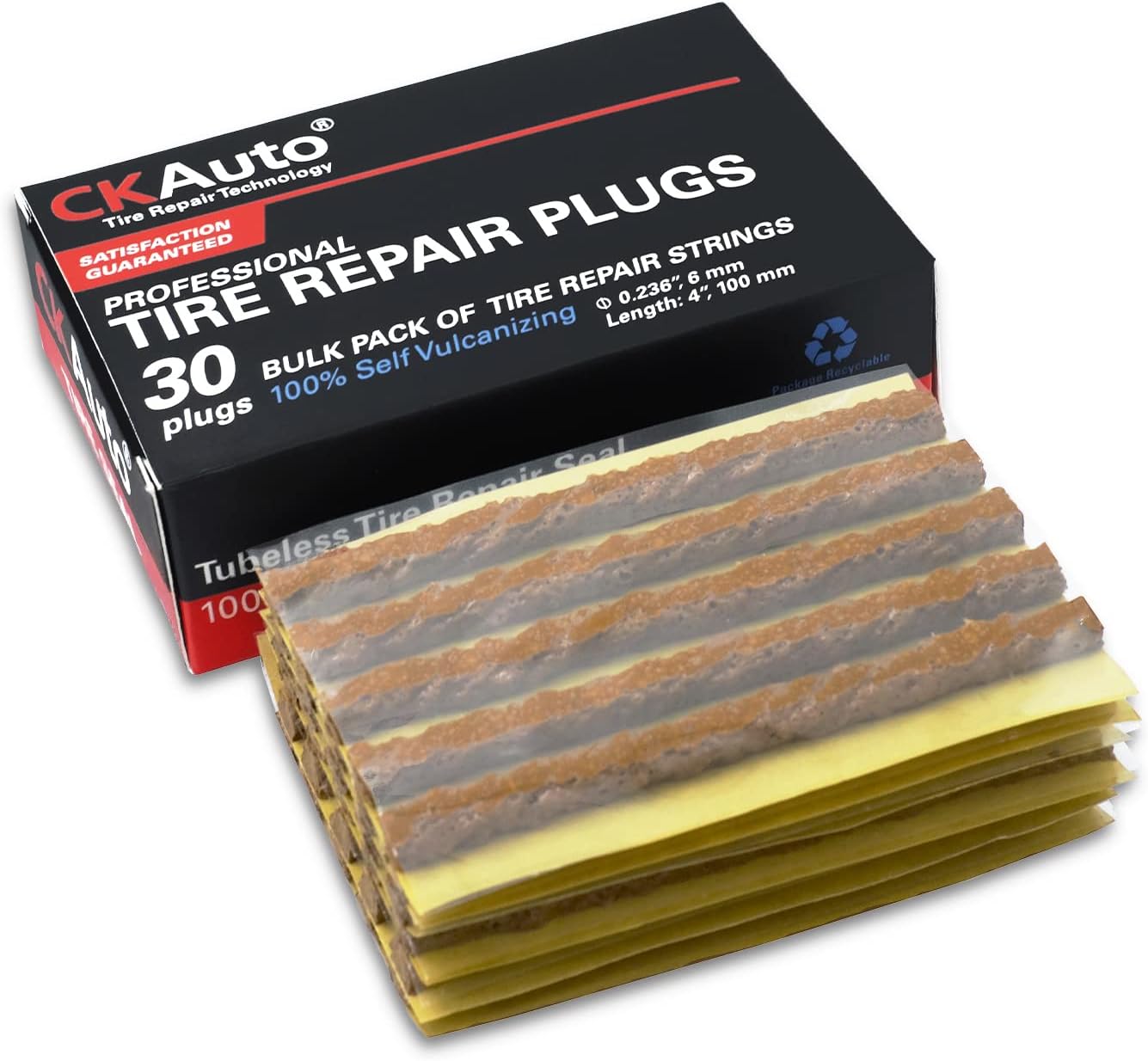
CKAuto tire repair strings provide a fast, reliable way to seal punctures in tubeless off-road tires without removing the tire from the rim. The rubber repair plugs are designed for quick roadside fixes and work across many vehicle types including cars, bikes, ATVs/UTVs, wheelbarrows, and mowers.
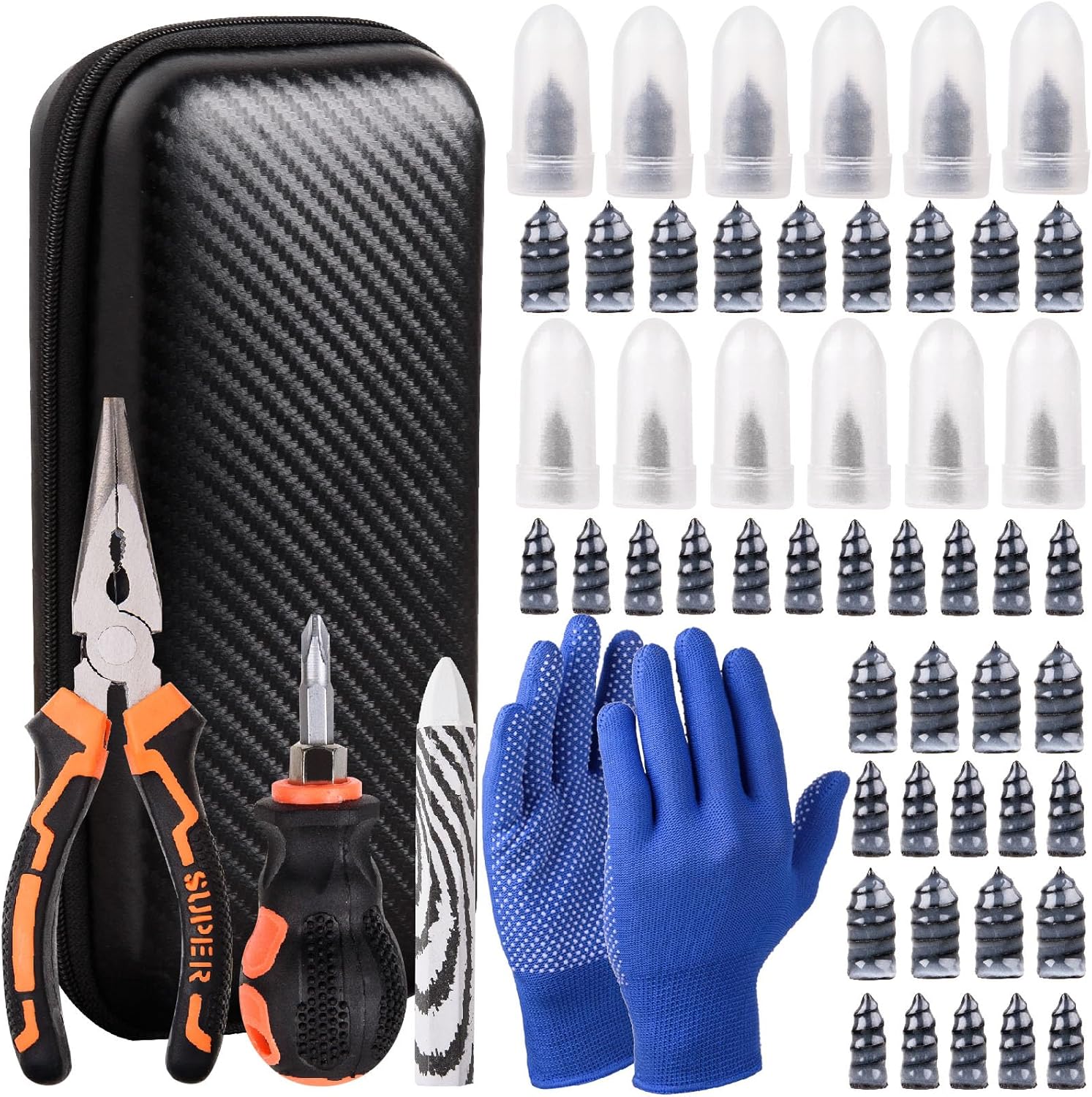
This tire sidewall puncture repair kit fixes flats fast without removing the tire, helping you get back on the road in minutes. It includes self-tapping repair nails, essential tools, gloves, and a portable storage bag for convenient roadside use. Designed for tubeless tires, it helps create a tight, leak-resistant seal for cars, motorcycles, trucks, SUVs, and ATVs.
How to Hire or Become a Registered Scrap Tire Hauler
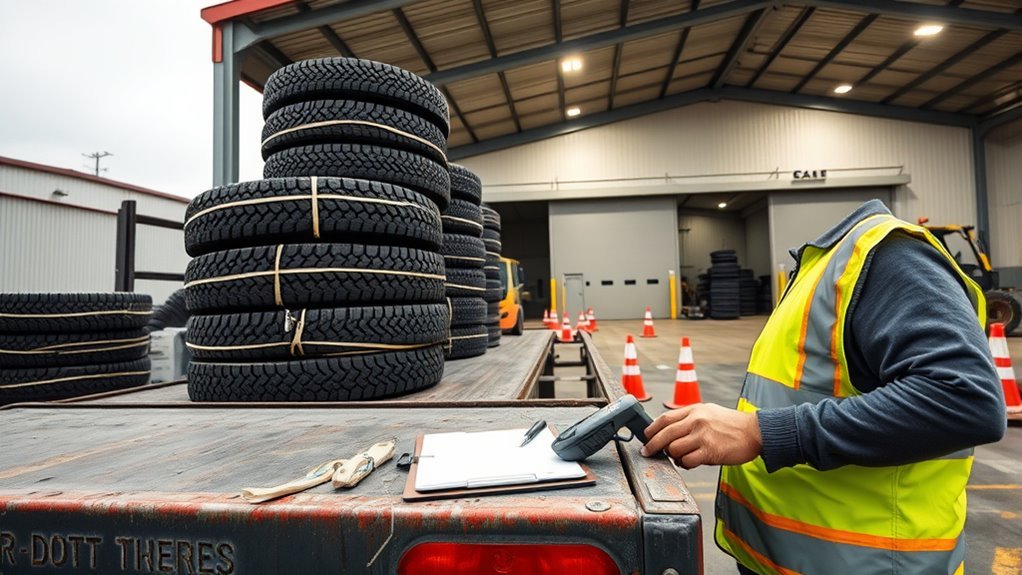
Scrap-tire hauling rules vary by state. In North Carolina, the Department of Environmental Quality says tire haulers must register with the Department and obtain a scrap tire hauling identification number before hauling scrap tires in the state. A licensed tire retailer that only hauls scrap tires received through its own replacement-tire sales is not required to register under that section.
Hiring a Hauler
Before hiring a scrap-tire hauler, ask for:
- The hauler’s current registration or identification number, if your state requires one.
- The name and location of the facility that will receive the tires.
- A written quote showing pickup, loading, and disposal fees.
- A receipt, manifest, certification form, or other proof of legal disposal.
- Confirmation that the hauler accepts your tire type and quantity.
In North Carolina, scrap-tire haulers and retailers disposing of scrap tires must complete a certification form for each load disposed at a scrap tire disposal or processing facility. Current registered haulers must also renew their hauling identification certificate every five years and update it if contact information or counties of operation change.
Becoming a Hauler
If you plan to haul scrap tires as a business or as part of recurring cleanup work, check your state environmental agency’s requirements before collecting tires. In North Carolina, haulers can use the NCDEQ scrap tire forms page to access online registration and certification forms.
How Counties Apply for Scrap Tire Grants
County-level tire programs often handle resident drop-off, cleanup, enforcement, and approved disposal. In North Carolina, the Department of Environmental Quality administers Scrap Tire Disposal Account grants for qualifying counties that incur overage costs for proper management of scrap-tire disposal programs.
NCDEQ states that eligible counties can apply during two open application periods each fiscal year: November–December and April–May. Counties should use the state’s online application, prepare the required tax distribution reports, document program costs, and keep copies for audit or compliance review.
- Review the current grant instructions on the NCDEQ scrap tires page.
- Download the required Department of Revenue scrap tire tax distribution reports.
- Prepare documentation for eligible program expenses and overage costs.
- Complete the online application during the open window.
- Verify all figures before submission.
- Retain copies of the application, reports, invoices, and award information.
How to Report Illegal Tire Dumping and Problem Disposal Sites
Illegal tire dumping should be reported quickly because dumped tires can attract pests, collect water, create fire risk, and invite more dumping. Start with your county or city solid-waste office, code enforcement department, or environmental health department. In North Carolina, counties are responsible for providing for disposal of scrap tires within their boundaries and should be contacted for scrap-tire complaints.
When reporting a site, provide as much detail as possible:
- Exact location, address, cross streets, or GPS coordinates.
- Photos or videos taken from a safe and legal location.
- Estimated number of tires.
- Tire type, if obvious, such as passenger, truck, or tractor tires.
- Date and time you discovered the dump.
- Vehicle description or license plate only if you safely observed active dumping.
- Whether tires are near water, roads, schools, homes, or fire hazards.
Ask for a case number and follow-up timeline. If the site is large, repeated, or near sensitive areas, also contact your state environmental agency so the complaint is documented at the state level.
Common Tire Disposal Mistakes to Avoid
- Putting tires in regular trash: many trash haulers will not collect them, and local rules may prohibit it.
- Leaving tires at a shop after hours: this can be treated as dumping even if the shop normally accepts tires.
- Assuming every landfill accepts tires: many require special handling or refuse whole tires.
- Skipping paperwork for business loads: commercial and large loads may need receipts, manifests, or certification forms.
- Stockpiling tires outdoors: exposed tires collect water, attract pests, and increase fire risk.
- Using an unverified hauler: if tires are dumped later, you may still face questions about where they came from.
Frequently Asked Questions
How does the U.S. dispose of tires?
The U.S. manages end-of-life tires through retailers, tire processors, recycling centers, transfer stations, registered haulers, reuse markets, tire-derived fuel markets, civil engineering uses, ground rubber production, and disposal facilities. USTMA estimated that 79% of U.S. end-of-life tire tonnage went to markets in 2023, while some tires were still land disposed.
Where should you throw your worn-out tires?
Do not throw worn-out tires into regular trash unless your local waste program specifically allows it. Take them to a tire retailer, auto shop, county transfer station, recycling center, collection event, or registered scrap-tire hauler. Always call first to confirm fees, tire limits, and whether rims are accepted.
Can I put old tires on the curb?
Only put tires on the curb if your city or county has scheduled tire pickup or bulky-waste collection that accepts tires. Many curbside trash programs reject tires, and leaving them out without approval may lead to fines.
Can a punctured tire be repaired instead of recycled?
Sometimes. A puncture in the tread area may be repairable if it is no larger than 1/4 inch or 6 mm and there is no internal damage. Sidewall punctures, shoulder damage, bulges, exposed cords, driven-flat damage, and unsafe previous repairs usually mean the tire should be replaced and disposed of properly.
Do tire shops charge to dispose of old tires?
Many shops include disposal when you buy and install new tires, but others list it as a separate tire-disposal or recycling fee. If you bring extra tires that were not removed during service, expect the shop to charge a fee or decline them.
Are tires on rims accepted for recycling?
Some facilities accept tires on rims, while others require rims to be removed first. Call ahead before loading them. If rims are accepted, the facility may charge extra or direct the metal to a separate recycling stream.
What should I do if I find dumped tires?
Report the site to your county or city waste office, code enforcement department, or state environmental agency. Provide the location, photos, estimated number of tires, date found, and any safe observations about active dumping. Do not move large dumped piles yourself unless the property owner and local authorities approve.
Conclusion
Safe tire disposal starts with a simple decision: repair only what a qualified technician can repair safely, and retire tires that are worn, damaged, too old, or structurally unsafe. From there, use a legal disposal path: retailer, repair shop, transfer station, recycling center, community collection event, or registered scrap-tire hauler. Call ahead, confirm fees and rules, keep receipts, and report illegal dumping. Proper tire disposal protects your wallet, your vehicle, your community, and the environment.
Sources
- National Highway Traffic Safety Administration — treadwear indicators at the 2/32-inch tread depth level and safety context.
- U.S. Tire Manufacturers Association: Tire Repair Basics — puncture repair limits and proper repair method.
- U.S. Environmental Protection Agency: Used Tires Quick Start Guide — tire storage, mosquito, pollution, transport, and fire-risk guidance.
- U.S. Tire Manufacturers Association: 2023 End-of-Life Tire Management Report — U.S. end-of-life tire generation, disposition, and utilization estimates.
- North Carolina Department of Environmental Quality: Scrap Tires — North Carolina scrap-tire program, county responsibility, grants, hauler rules, and certification form requirements.
- North Carolina Department of Environmental Quality: Scrap Tire Haulers — registered hauler renewal and identification certificate information.

Related Articles

Tire Balancing Weights: Types, Cost, and Why You Need Them
Precisely chosen tire balancing weights reduce vibration and wear, but which type fits your wheels and what it really costs may surprise you.
Read More
Tire Repair Kits: What’s Inside and How to Use One
Get the essentials of tire repair kits, learn how each tool works, and discover the simple steps that can save your trip.
Read More
How to Get More Miles Out of Your Tires: 10 Proven Tips
Maximize tire life with 10 proven tips that save money and boost safety—discover the simple habits that can add many more miles.
Read More