
Why Tire Speed Rating Matters for Your Safety

Your tire’s speed rating is more than a letter on the sidewall. It tells you the speed capability the tire was tested to handle under proper load, inflation, and controlled conditions. Matching the rating your vehicle manufacturer recommends helps keep heat, grip, steering response, and braking behavior predictable.
Quick Answer
A tire speed rating matters because it reflects how well a tire can handle heat, load, and stress at speed. Use tires that match or exceed your vehicle’s recommended speed rating, keep all four tires as consistent as possible, and never treat the rating as permission to exceed posted speed limits.
Key Takeaways
- The speed rating is the letter in the tire’s service description, such as the V in 225/50R17 94V.
- Lower-rated or mismatched tires can increase heat buildup, reduce handling consistency, and raise the risk of tire damage under stress.
- If different speed ratings are installed, the vehicle’s speed capability is limited by the lowest-rated tire.
- A higher speed rating may improve steering feel and heat tolerance, but it can also affect ride comfort, noise, cost, and tread life.
- Proper inflation, tread depth, load limits, alignment, and rotation are still essential; a speed rating does not protect a neglected tire.
At a Glance
| Time Required | 2–5 minutes to check the sidewall and owner’s manual |
| Difficulty | Easy |
| Tools Needed | Owner’s manual, tire placard, flashlight, tire pressure gauge |
| Cost | Free, unless a tire inspection or replacement is needed |
What a Tire Speed Rating Is and the One Thing to Check Now
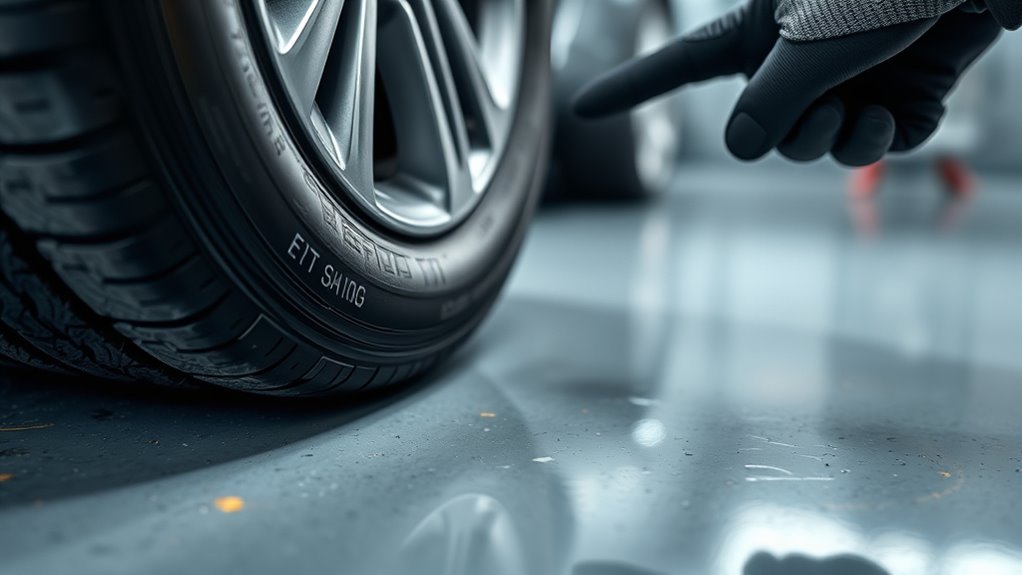
A tire speed rating is the letter in the tire’s service description that shows the tire’s tested speed capability when it is properly inflated, correctly loaded, undamaged, and used within its design limits. You’ll usually see it after the load index. For example, in 225/50R17 94V, 94 is the load index and V is the speed rating.
The one thing to check now is simple: confirm that every tire on your vehicle matches or exceeds the manufacturer’s recommended load index and speed rating. Look in your owner’s manual, on the tire information placard if it lists the full service description, or ask a qualified tire professional to verify the correct replacement specification.
Warning: A speed rating is not a safe-driving speed. It does not override speed limits, road conditions, tire age, tire damage, underinflation, overloading, or vehicle limits.
Here are common passenger-vehicle speed symbols you may see:
| Speed Symbol | Maximum Speed | Common Use |
|---|---|---|
| Q | 99 mph / 160 km/h | Some winter and specialty tires |
| R | 106 mph / 170 km/h | Light truck or specialty applications |
| S | 112 mph / 180 km/h | Standard touring tires |
| T | 118 mph / 190 km/h | Many passenger cars and crossovers |
| H | 130 mph / 210 km/h | Touring and performance touring tires |
| V | 149 mph / 240 km/h | Performance sedans and coupes |
| W | 168 mph / 270 km/h | High-performance tires |
| Y | 186 mph / 300 km/h | Ultra-high-performance tires |
Some high-performance tires also use ZR in the size designation with a W, Y, or (Y) speed symbol. If you see that marking, use the complete service description and vehicle manufacturer guidance instead of guessing from the letters alone.
Why Tire Speed Ratings Affect Safety: Heat, Handling, Failure Risk
Speed ratings matter because tires flex, heat up, and carry load as they roll. At higher speeds, the tire must manage more heat and stress. A tire with too low a rating for the vehicle may not provide the same safety margin for sustained speed, emergency maneuvers, or heavy loads.
Heat Buildup and Stability
Heat is one of the biggest enemies of tire structure. As a tire rolls, its sidewall and tread flex repeatedly. Underinflation, overloading, high ambient temperature, long highway runs, and excessive speed all increase heat. When heat rises beyond what the tire can handle, rubber compounds, belts, and internal materials can degrade faster.
- Higher speed-rated tires are built to tolerate greater heat and stress within their tested limits.
- Underinflated tires create extra flex, which increases heat buildup.
- Overloaded tires generate more internal stress and can fail even when the speed rating looks adequate.
- Old, damaged, or repaired tires may not perform like new tires with the same rating.
- Winter tires may carry lower speed ratings, so you must follow the tire and vehicle manufacturer’s limits.
The right speed rating helps preserve the tire’s designed heat tolerance, but maintenance is what keeps that rating meaningful in real driving.
Handling and Failure Risk
Speed ratings can also affect how the tire feels and responds. Tires with different ratings may use different compounds, belt packages, sidewall stiffness, or tread designs. That can change steering response, cornering grip, braking feel, and ride comfort.
| Factor | Why It Matters |
|---|---|
| Lower-than-recommended rating | May reduce the tire’s heat and stress margin for the vehicle. |
| Higher rating | May sharpen response, but can affect ride comfort, cost, noise, and tread life. |
| Mixed ratings | Can create uneven handling behavior and limits the vehicle to the lowest-rated tire. |
| Poor maintenance | Can undermine any speed rating through heat, wear, or structural damage. |
Where to Find Your Tire’s Speed Rating and Your Vehicle’s Recommended Rating
Start with the sidewall. The speed rating is usually the last letter in the service description after the load index. If the tire reads 215/55R17 94H, the speed rating is H. If the tire has an older or unusual marking, ask a tire professional to decode the full service description.
To find the recommended rating for your vehicle, check these places in order:
- Owner’s manual: This is often the clearest source for approved tire size, load index, speed rating, and replacement guidance.
- Driver’s-side doorjamb placard: This usually lists tire size, cold inflation pressure, and load information. Some vehicles also show the full service description.
- Original tire specification: The factory tire’s size, load index, and speed symbol can help identify the intended range, but always confirm with the manual or a professional.
- Qualified tire retailer or technician: Use this when the manual is missing, the car has optional wheel packages, or the current tires do not match the placard.
Note: Tire pressure should be set to the vehicle manufacturer’s recommended cold inflation pressure, not the maximum pressure molded on the tire sidewall.
How Mismatched Tire Speed Ratings Create Hazards
Mixing tire speed ratings is not recommended unless the vehicle or tire manufacturer allows it for a specific setup. For best safety and performance, use tires with the same size, construction, load index, speed rating, tread pattern, and performance category in all four positions whenever possible.
Different-Rated Tires Limit Speed
If tires with different speed ratings are installed, the vehicle’s speed capability is limited by the lowest-rated tire. For example, if three tires are V-rated and one tire is T-rated, you must treat the vehicle as limited by the T-rated tire. This matters even if you never plan to drive near the tire’s maximum rating, because different ratings may also signal different heat tolerance and handling behavior.
- Check the speed symbol on all four tires before long highway trips.
- Replace temporary mismatches as soon as practical.
- Keep like pairs on the same axle if a short-term mixed setup is unavoidable.
- Never install a lower rating than the vehicle requires without manufacturer-approved guidance.
- For AWD and 4WD vehicles, also confirm tread depth and overall diameter requirements.
Uneven Handling and Stability
Tires with different speed ratings can respond differently during cornering, braking, acceleration, and emergency lane changes. That inconsistency can make the vehicle feel unsettled, especially in wet weather, at highway speeds, or when electronic stability systems are trying to manage traction.
The safest choice is a matched set. If you can only replace two tires, follow the vehicle manufacturer’s guidance and ask the installer to consider tread depth, tire type, axle placement, and drivetrain requirements. The goal is not just matching the letter; it is keeping the vehicle balanced.
Increased Tread and Heat Wear
A lower-rated tire used beyond its design limits can build heat faster, wear unevenly, and become more vulnerable to internal damage. Mismatched tires can also create different slip, flex, and wear patterns from corner to corner. Over time, that can reduce traction and shorten tire life.
- Lower-rated tires may have less reserve for heat and stress.
- Uneven wear can reduce wet traction and braking consistency.
- One weak tire can limit the whole vehicle’s safe operating envelope.
- Mixed tires can feel acceptable in normal driving but become unpredictable in an emergency.
- Consistent tires make steering, braking, and stability systems work more predictably.
When You Can Safely Change or Upgrade a Tire Speed Rating
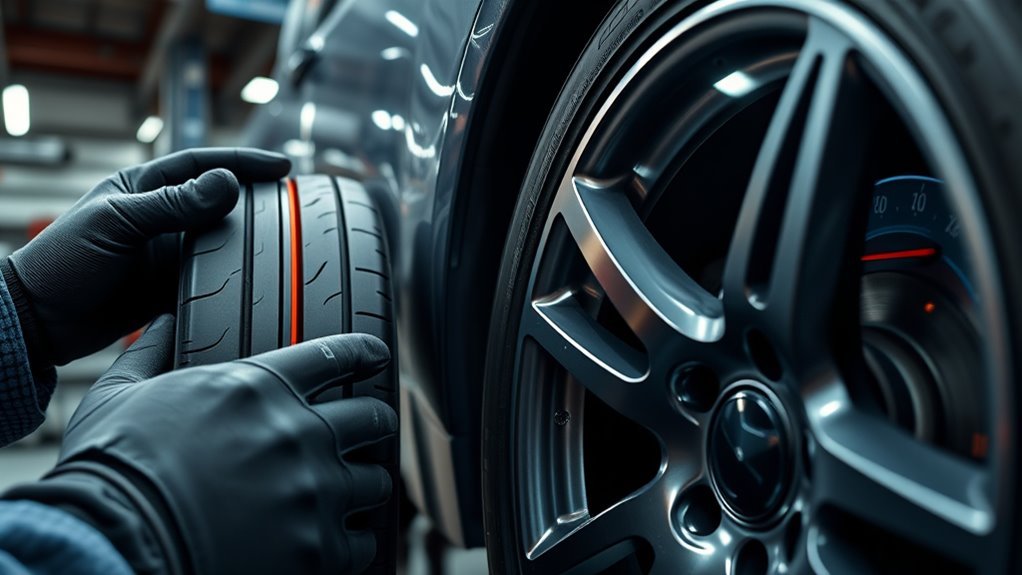
You can usually choose a tire with an equal or higher speed rating than the original equipment tire, as long as the tire also meets the correct size, load index, construction, and vehicle fitment requirements. However, upgrading is not always automatically better for your needs.
A higher speed-rated tire may offer sharper steering response, stronger heat tolerance, and a more performance-focused feel. It may also ride firmer, cost more, wear faster, or be less comfortable on rough roads. That is why the best tire is the one that fits your vehicle, climate, driving style, and manufacturer requirements.
Pro Tip: When comparing two tires in the same size, look at the whole service description: size, load index, speed rating, tire category, season rating, and warranty. The speed symbol alone does not tell the full story.
Be extra careful with these situations:
- Winter tires: Some winter tires carry lower speed ratings. Follow the tire’s speed limit and the vehicle manufacturer’s winter tire guidance.
- Performance vehicles: Do not downgrade unless the manufacturer approves it.
- Electric vehicles: Confirm load index, EV suitability, rolling resistance, and noise requirements, not just the speed rating.
- AWD and 4WD vehicles: Matching tread depth and diameter can be critical for drivetrain protection.
- Temporary spares: Compact spares have their own speed and distance limits printed on the tire or in the manual.
Quick Maintenance Checks to Keep Speed-Rated Tires Safe
A tire only performs to its rating when it is in good condition. The National Highway Traffic Safety Administration emphasizes tire pressure, load limits, road-hazard avoidance, and regular inspection as core tire-safety habits. Make these checks part of your monthly routine and before long trips.
- Check cold tire pressure: Use a reliable gauge when the tires have not been driven for at least three hours. Inflate to the vehicle placard pressure.
- Inspect tread depth: Replace tires at or before 2/32 inch of remaining tread, and consider earlier replacement if wet traction is poor.
- Look for sidewall damage: Bulges, cracks, exposed cords, cuts, knots, or bubbles need professional inspection immediately.
- Watch for uneven wear: Feathering, cupping, or one-edge wear can point to alignment, suspension, inflation, or balance problems.
- Rotate on schedule: Follow the vehicle manufacturer’s interval and pattern. Many drivers rotate around oil-change intervals, but the manual is the final guide.
- Respect load limits: Do not exceed the vehicle capacity weight or tire load rating, especially on road trips.
- Replace aged or questionable tires: Even with good tread, tires can age, crack, or lose performance. Follow your vehicle and tire manufacturer’s age guidance.
Warning: If a tire has a bulge, exposed cord, severe cracking, repeated pressure loss, or vibration after impact, do not rely on the speed rating. Have it inspected before driving at highway speed.
Common Mistakes Drivers Make With Speed Ratings
Most tire speed-rating problems come from small assumptions. The letter is easy to overlook, especially when the tire size looks correct. Avoid these mistakes:
- Buying by size only: Two tires can share the same size but have different load indexes, speed ratings, and performance categories.
- Downgrading for price: A cheaper tire with a lower rating may not meet the vehicle’s original requirement.
- Mixing one replacement tire: Replacing only one damaged tire with a different rating can upset the vehicle’s balance.
- Ignoring winter tire limits: Winter traction does not cancel the tire’s speed rating.
- Assuming higher always means safer: A higher rating does not fix poor inflation, worn tread, bad alignment, or the wrong load index.
Frequently Asked Questions
Why does tire speed rating matter?
Tire speed rating matters because it reflects the tire’s tested ability to handle heat, load, and stress at speed. Using the correct rating helps preserve predictable handling, braking, and stability. A lower-than-recommended rating can reduce the safety margin your vehicle was designed to have.
Can I use a higher speed rating than my car came with?
In many cases, yes, you can use a tire with an equal or higher speed rating if it also matches the correct size, load index, construction, and fitment requirements. However, a higher rating may change ride comfort, noise, cost, and tread life, so confirm the choice with your owner’s manual or a tire professional.
Can I use a lower speed rating?
Do not use a lower speed rating than the vehicle manufacturer recommends unless the manufacturer or a qualified tire professional confirms it is acceptable for a specific use, such as certain winter tire setups. If lower-rated tires are used, obey the tire’s lower speed limit and any vehicle guidance.
What happens if my tires have different speed ratings?
The vehicle’s speed capability is limited by the lowest-rated tire. Different ratings can also create uneven steering, braking, and cornering behavior. For best safety, use a matched set and keep like tires paired on the same axle if a temporary mismatch cannot be avoided.
Is the speed rating the same as the tire’s load rating?
No. The load index is the number that shows how much weight the tire is rated to carry. The speed rating is the letter that shows the tire’s tested speed capability. Replacement tires should meet or exceed both the recommended load index and speed rating.
Does tire pressure affect the speed rating?
Yes. A speed rating assumes the tire is properly inflated and correctly loaded. Underinflation creates extra flex and heat, which can damage the tire and reduce stability. Always use the vehicle manufacturer’s recommended cold tire pressure.
Conclusion
Think of your tires as the final connection between your vehicle and the road. The speed rating tells you what the tire was tested to handle, but it only works as intended when the tire is the right fit, properly inflated, correctly loaded, and in good condition.
Before your next long drive, check the speed symbol on all four tires, compare it with your vehicle’s recommended specification, and inspect pressure, tread, and sidewalls. Matching the correct speed rating protects heat tolerance, handling balance, and safety margins—keeping control where it belongs, in your hands.
Sources
- NHTSA TireWise — tire safety, maintenance, labeling, and consumer tire information.
- NHTSA Tire Safety Brochure — tire pressure, load limits, inspection, and tire-failure prevention guidance.
- 49 CFR § 570.9 Tires — U.S. federal tire inspection criteria including 2/32-inch tread depth and visible damage conditions.
- Goodyear Tire Speed Rating Guide — speed symbol chart and guidance on mixed speed ratings.
- Continental: Mixing Tires — manufacturer guidance on matching tire size, load index, speed rating, and construction.
- Michelin: Changing Tire Sizes and Specs — guidance on equal or higher speed ratings and performance trade-offs.

Related Articles
Why Put a Plastic Bottle on Your Tire? The Viral Trick Explained
Mysterious plastic bottle on your tire? Discover the viral trick’s surprising truth and what it really means before you assume it’s protecting your car.
Read More
What Happens When a Tire Blows Out at Highway Speed? Full Guide
Buckle up to discover what really happens when a tire blows out at highway speed, and why your next move could change everything.
Read More
What Does V Mean on a Tire? Load, Speed & Rating Guide
Need to know what “V” means on a tire and how load and speed ratings affect safety?
Read More
One Comment