
Tire Feathering on the Honda Accord: Causes and Fixes
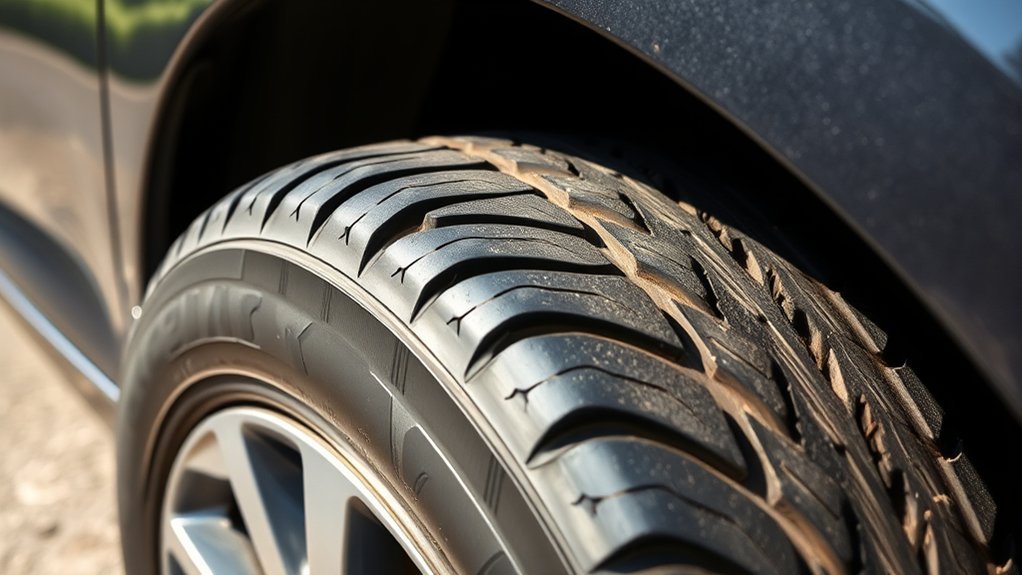
Tire feathering on your Honda Accord usually stems from misalignment, improper tire pressure, and lack of maintenance. Misalignment can cause uneven tread wear and affect handling. Keeping an eye on your air pressure and rotating your tires can help prevent these issues. Regular alignment checks are essential too. If you notice unusual tire wear or vibrations, it’s time to act. There’s more to explore about tire upgrades and professional solutions that can enhance your Accord’s performance.
What Causes Tire Feathering on the Honda Accord?
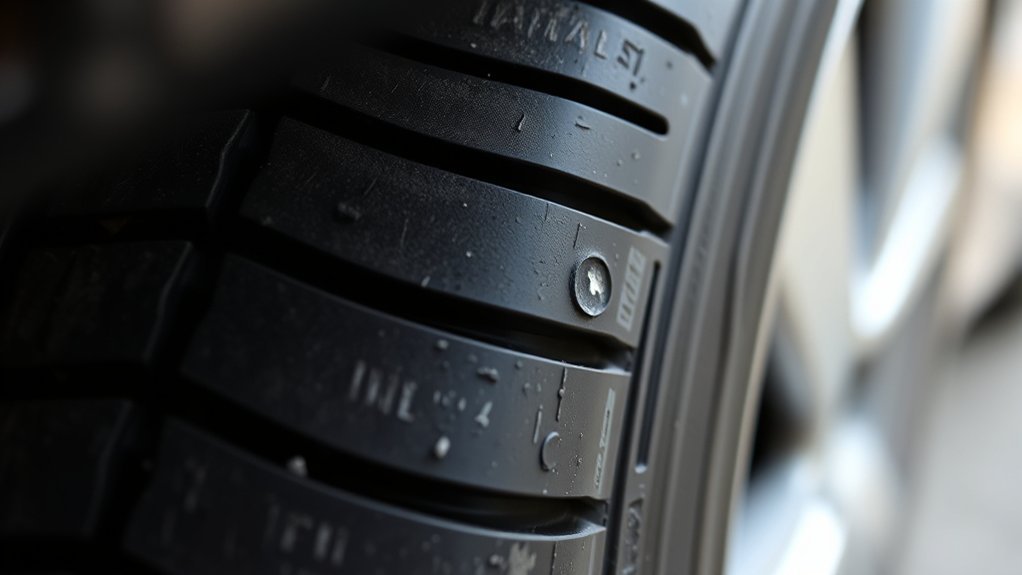
Tire feathering on your Honda Accord often stems from misalignment issues, especially toe misalignment, which disrupts even tire contact with the road. This misalignment leads to uneven tread wear, particularly noticeable when driving under varying road conditions. A negative camber angle, like -2.7 degrees, can worsen feathering if you don’t use a camber kit to correct it. Additionally, aggressive driving habits such as cornering hard or braking abruptly accelerate tread wear, contributing to feathering patterns. Insufficient tire rotation and maintenance only exacerbate the issue, especially with softer rubber compounds like those found in Yokohama S.Drive tires. Regularly checking and maintaining tire pressure is essential, as improper inflation can further distort tire shape and wear. To combat these issues, schedule routine inspections and alignment adjustments, especially after suspension modifications, ensuring your tires maintain ideal contact with the road for a smoother, safer driving experience. Regular rotations are also crucial for extending tire lifespan and preventing uneven wear.
[Products Worth Considering]

The JACO FlowPro Tire Inflator measures, inflates, and airs down tires up to 100 PSI with battery-free operation and ±2% accuracy after calibration. It features a glowing pressure dial for night visibility, a heavy-duty steel build with a hybrid hose, and a precision push-to-inflate thumb trigger. The patented Lightning Air Chuck locks on for a secure seal, and the kit includes quick-connect hardware for easy inline use with your air compressor.

This portable cordless tire inflator delivers up to 160 PSI with fast 17 L/min airflow to help you quickly top up tires and get back on the road. It features dual power mode, running on a 21V rechargeable battery or a 12V DC adapter for convenient roadside use. An automatic shut-off with digital pressure gauge helps prevent overinflation, and a built-in LED light improves visibility in low-light conditions.

EVOULTES heavy duty tire inflator with an integrated gauge delivers accurate pressure readings from 10–120 PSI, helping you inflate, deflate, and check tires in one tool. The 16.5-inch extended dual-head air chuck with swivel base reaches hard-to-access dual wheel valves on trucks and RVs. A brass trigger core and side-mounted air release valve make operation smooth, with standard 1/4" NPT threading and quick-connect compatibility for easy setup.
Top Causes of Tire Feathering and Uneven Wear
Tire feathering and uneven wear can stem from several key factors, including misalignment and suspension issues. Your driving habits, such as aggressive acceleration or cornering, also play a significant role in how your tires wear. Additionally, poor tire quality and inadequate maintenance practices can exacerbate these problems, leading to premature tire failure. Regular alignment checks can help identify and correct issues before they result in significant tire wear.
Misalignment and Suspension Issues
When your Honda Accord experiences misalignment, particularly toe misalignment, it can lead to significant tire feathering and uneven wear. This issue often arises after suspension upgrades, like installing the Eibach Pro Kit, which can negatively affect your camber angle. A -2.7 degree camber, if not managed with proper camber adjustments, exacerbates tire wear. Regular alignment checks are crucial, especially post-modification, to avoid excessive wear patterns. Additionally, worn suspension components, such as ball joints or shocks, can create an uneven workload on your tires, further promoting feathering. Maintaining proper tire pressure is also essential, as incorrect levels can lead to uneven contact with the road, worsening misalignment-related wear issues. Stay proactive to keep your tires in prime condition.
Driving Habits and Styles
Driving habits play an essential role in the wear patterns of your Honda Accord’s tires, particularly when it comes to feathering. Aggressive driving techniques, like hard cornering and sudden acceleration, greatly accelerate uneven wear. Maintaining proper tire pressure is vital; over-inflation causes center wear, while under-inflation results in edge wear, both exacerbating feathering. Regular tire rotation guarantees even wear across all tires, especially since front-wheel drive vehicles often place more load on front tires. Additionally, driving with misaligned wheels prevents flat contact with the road, leading to uneven patterns. If you’ve modified your suspension, verify camber angles are properly adjusted, as improper settings can increase tire wear, further contributing to the issue of feathering.
Tire Quality and Maintenance
Maintaining high-quality tires and adhering to proper maintenance practices are essential for preventing tire feathering and uneven wear on your Honda Accord. Key factors include tire selection and regular upkeep.
| Factor | Impact on Tire Wear | Maintenance Tips |
|---|---|---|
| Misalignment | Uneven contact | Check alignment regularly |
| Air Pressure | Edge/Center wear | Monitor pressure weekly |
| Tire Rotation | Uneven wear patterns | Rotate every 5,000 miles |
| Ball joints or shocks | uneven contact | — |
| Further promoting feathering | uneven contact | — |
| Hard cornering | uneven contact | — |
| Sudden acceleration | uneven contact | — |
| Greatly accelerate uneven wear | uneven contact | — |
Using high-quality tires, like Michelin, can reduce wear issues. Guarantee proper air pressure to avoid specific wear patterns. If you’ve made suspension modifications, be mindful of camber angles to prevent excessive feathering.
Diagnosing Alignment Issues: What to Look For?
When diagnosing alignment issues, start by observing common symptoms like uneven tire wear and unusual noises while driving. Regular tire rotation is essential to prevent further damage and guarantee even wear. If you notice significant feathering or other wear patterns, consider scheduling a professional alignment check to address the underlying problems. Additionally, regular alignment checks can help prevent excessive negative camber that leads to premature tire wear.
Common Symptoms to Observe
To effectively diagnose alignment issues in your Honda Accord, it’s essential to observe specific symptoms that can indicate underlying problems. Look for uneven tire wear, such as feathering, especially on the inner or outer edges, which often signals misalignment. Pay attention to any noise while driving and vibrations through the steering wheel, as these can also indicate alignment issues. Regularly check your tire pressure; incorrect levels can lead to uneven wear, with overinflation affecting the center and underinflation impacting the edges. Finally, inspect your tread patterns for bumpy or rough surfaces, as these can reveal early signs of misalignment before more severe damage occurs. Addressing these symptoms promptly can save you from costly repairs.
Importance of Tire Rotation
Regularly rotating your tires is essential not only for extending their lifespan but also for diagnosing alignment issues in your Honda Accord. By implementing a consistent rotation frequency—typically every 5,000 to 7,500 miles—you can guarantee even tread wear across all tires. This practice helps identify potential alignment problems early, as uneven tread patterns, like feathering, signal misalignment. After rotation, compare tread depths to spot discrepancies. Additionally, pay attention to changes in steering feel or vibrations; these can indicate alignment issues worsened by uneven tire wear. Utilizing a cross-rotation pattern effectively distributes wear, highlighting any alignment discrepancies that may need correction. Embracing these tire benefits will enhance both safety and performance.
Professional Alignment Checks
Misalignment issues can greatly impact your Honda Accord’s tire performance, making professional alignment checks vital. Technicians utilize advanced alignment technology to detect problems like excessive toe or camber angles, which can lead to uneven tire wear, including feathering. Pay attention to signs of uneven tread wear; inner, outer, or center wear can pinpoint specific alignment issues. If your Accord has a negative camber angle of -2.7 degrees from suspension modifications, it’s important to address this with proper adjustment techniques. Regular checks are recommended after any significant changes, such as new tires or heavy loads, to maintain peak performance. Employing adjustable camber arms can further enhance alignment options and improve driving stability, preventing persistent wear issues.
Why Regular Tire Maintenance Matters
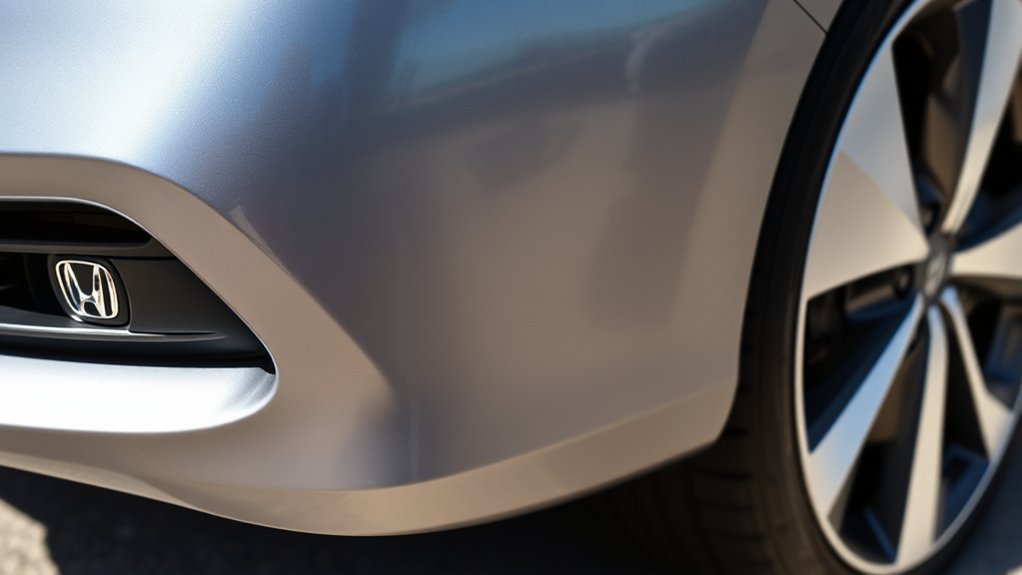
While you may not think about it often, regular tire maintenance is essential for your Honda Accord’s performance and safety. Keeping an eye on tire pressure is critical; proper inflation guarantees ideal contact with the road, preventing uneven wear patterns and enhancing tire longevity. Check the recommended pressure on your driver’s door sticker to maximize fuel efficiency. Additionally, tire rotation is necessary to promote even wear across all tires. Tread depth is another important aspect. Routine inspections can help you identify worn areas early, allowing you to address issues before they require costly replacements. Regular tire rotation is necessary, especially for front-wheel drive vehicles, as it promotes even wear across all tires. Additionally, monitoring alignment settings can prevent excessive tire wear due to misalignment, particularly after modifications or carrying heavy loads. By prioritizing these maintenance practices, you’ll not only extend the life of your tires but also promote a smoother, safer driving experience.
[Products Worth Considering]
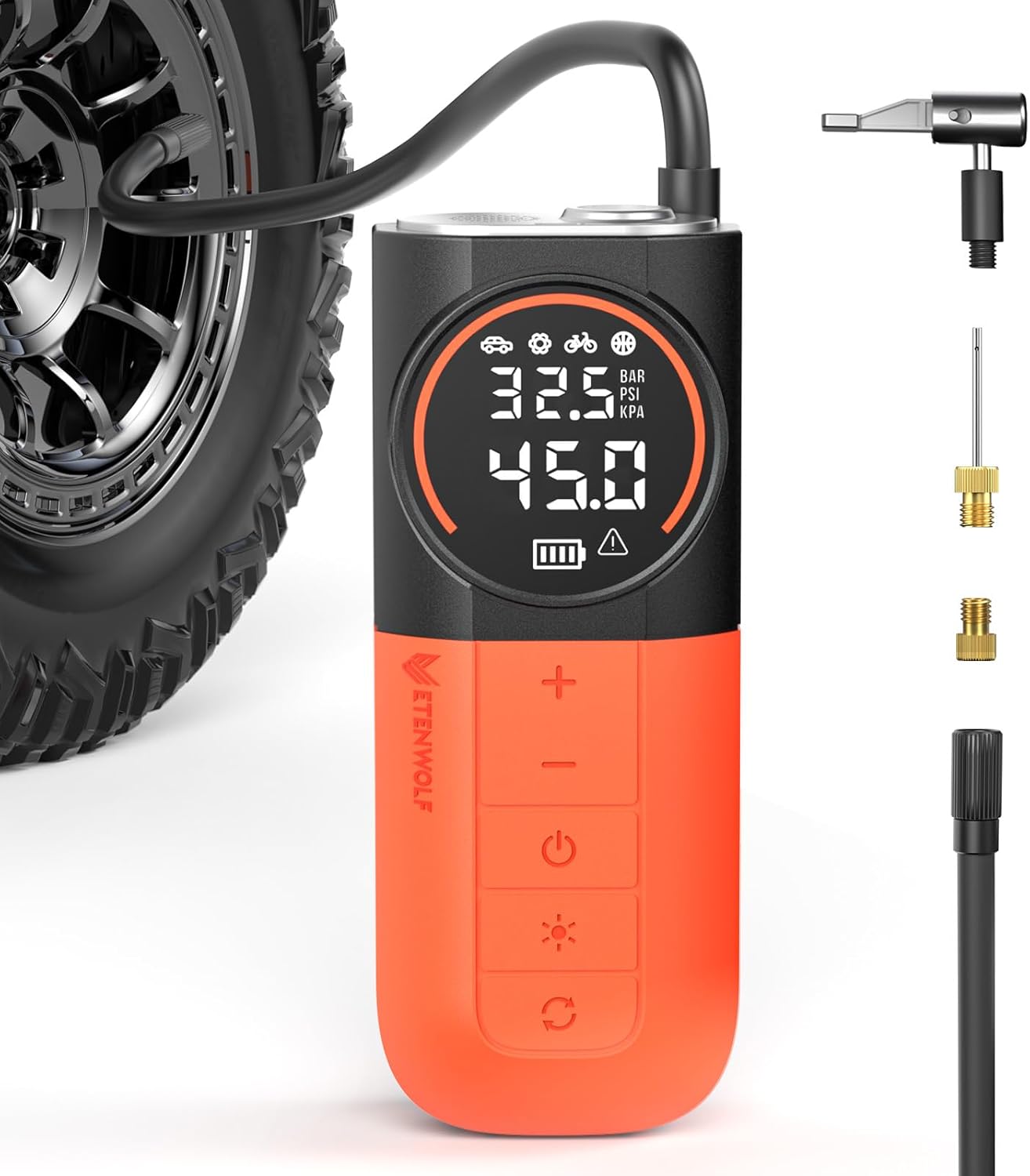
The ETENWOLF S1 cordless tire inflator delivers ultra-fast inflation with up to 160 PSI and a 20 L/min airflow for quicker tire top-offs. Its 5200mAh battery and cooling system support inflating many tires and sports balls on a single charge, while the digital pressure gauge and multi-unit display help you reach the right pressure accurately. With preset modes, pressure memory, an auto-stop feature, and an LED flashlight, it’s built for easy roadside and everyday use.

The AstroAI L7 Air Tire Inflator refills car tires quickly with up to 150PSI max pressure and a fast 1-minute inflation claim. It includes 5 preset modes for car, motorcycle, bicycle, balls, and manual use, along with an auto shutoff to help prevent overinflation. Designed for convenience, it features a digital gauge with unit switching, a top LED light with multiple modes, and USB-C/USB ports for backup power.
Tire Upgrade Options for Better Performance
When considering tire upgrade options for your Honda Accord, it’s vital to recognize how different tires can noticeably impact performance and handling. Opting for Michelin tires can greatly enhance tire performance, as many users report improved durability and reduced feathering compared to other brands like Yokohama. The unique tread patterns of Michelin tires provide better grip, particularly if you choose softer rubber compounds suitable for performance driving. Additionally, selecting tires with strong longevity will ensure that you get the most out of your investment.
To maximize the benefits of upgraded tires, consider installing adjustable camber arms to correct alignment issues, prolonging tire life and improving handling. Regular tire rotation and consistent monitoring of air pressure are also important maintenance practices. These steps guarantee that your new tires perform at their best while mitigating premature wear. By making informed choices, you’ll enjoy a more liberated driving experience, where enhanced performance and handling become a reality.
When to Seek Professional Help for Tire Issues
How can you tell if it’s time to seek professional help for tire issues? If you notice significant tire feathering or uneven wear patterns, it’s vital to consult an expert. A professional alignment check, especially after suspension modifications, can prevent rapid tire wear. If your steering wheel shakes or pulls to one side, this signals a need for a thorough inspection of alignment and suspension components. Regular tire rotations are essential; if you’ve skipped this, a technician can assess uneven wear and suggest corrective measures. Persistent tire wear despite proper maintenance indicates underlying issues, such as defective tires or worn suspension components. Additionally, monitoring tread depth is crucial to ensure safety and performance.
| Signs of Tire Issues | Recommended Action | Tools Needed |
|---|---|---|
| Uneven wear patterns | Tire inspection | Alignment tools |
| Steering wheel vibration | Professional alignment check | Alignment tools |
| Persistent tire wear | Consult a technician | Diagnostic tools |
Frequently Asked Questions
Can Tire Feathering Be Fixed?
Yes, tire feathering can be fixed. You’ll need to guarantee proper tire alignment and regularly check tread wear. Adjusting toe angles and maintaining correct air pressure will greatly reduce uneven wear and enhance performance.
Conclusion
In the world of automotive care, your tires are the foundation of safety and performance. Addressing tire feathering is like tending to a fragile garden; neglect can lead to a tangled mess. By understanding causes, diagnosing issues, and maintaining regular checks, you guarantee a smoother journey ahead. Just as a well-tended garden flourishes, your Honda Accord will thrive with the right tire care, ultimately steering you toward a safer, more efficient drive. Don’t let wear and tear derail your path.

Related Articles
How Tall Is a 305 70 R17 Tire? Exact Height, Width & Dimensions
Curious how tall a 305 70 R17 tire really is—and whether it fits your truck?
Read More
Can-Am Defender Tire Size Guide: Stock Specs & Upgrade Options
Just how big can you go on a Can-Am Defender before mods become necessary?
Read More
How Tall Is a 275 65 20 Tire? Exact Height, Width & Dimensions
Check the exact height, width, and hidden fitment effects of a 275/65R20 tire before you buy or upgrade.
Read More