
Outer-Edge Tire Wear: 7 Causes and Fixes
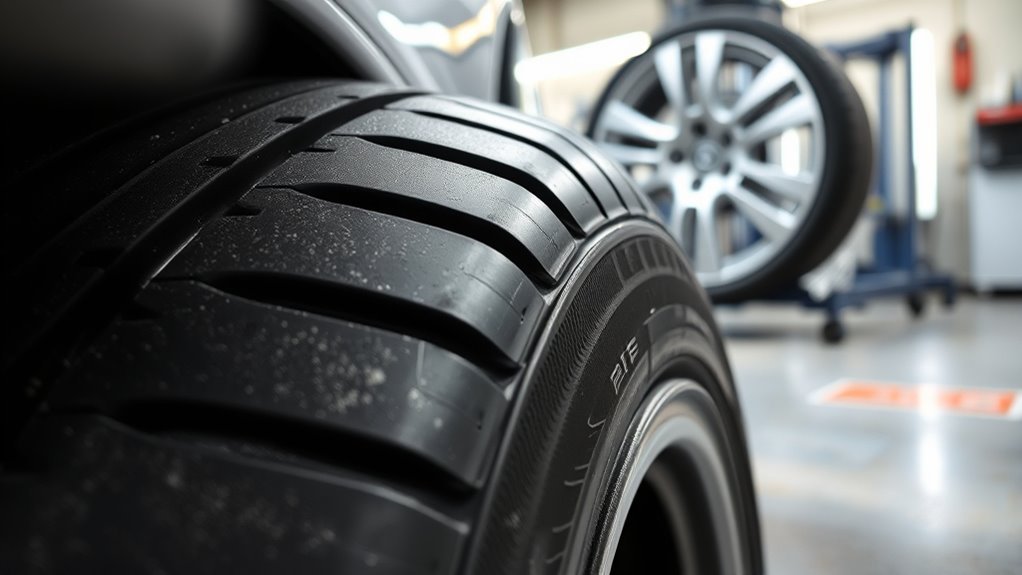
Outer-edge tire wear can look minor at first, but it often points to a problem that affects grip, steering, and tire life. If the outside shoulder wears faster than the center or inner tread, your tire may be carrying load unevenly or scrubbing sideways as you drive. This guide shows you how to spot the pattern, check likely causes at home, and know when to schedule professional service.
Quick Answer
Outer-edge tire wear usually comes from alignment problems, worn suspension parts, low tire pressure, or hard cornering. Check cold tire pressure, compare tread depth across the tire, and look for vibration, pulling, or loose steering. If the outside shoulder keeps wearing faster, schedule an alignment and suspension inspection.
Key Takeaways
- Outer-edge wear often points to alignment, suspension, or tire-pressure problems.
- Positive camber and incorrect toe can overload or scrub the outside shoulder.
- Low tire pressure can wear both outer shoulders faster than the center tread.
- Vibration, looseness, or pulling can signal worn bearings or suspension parts.
- A professional inspection helps prevent more tire damage and unsafe handling.
How to Spot Outer-Edge Tire Wear and Why It Matters
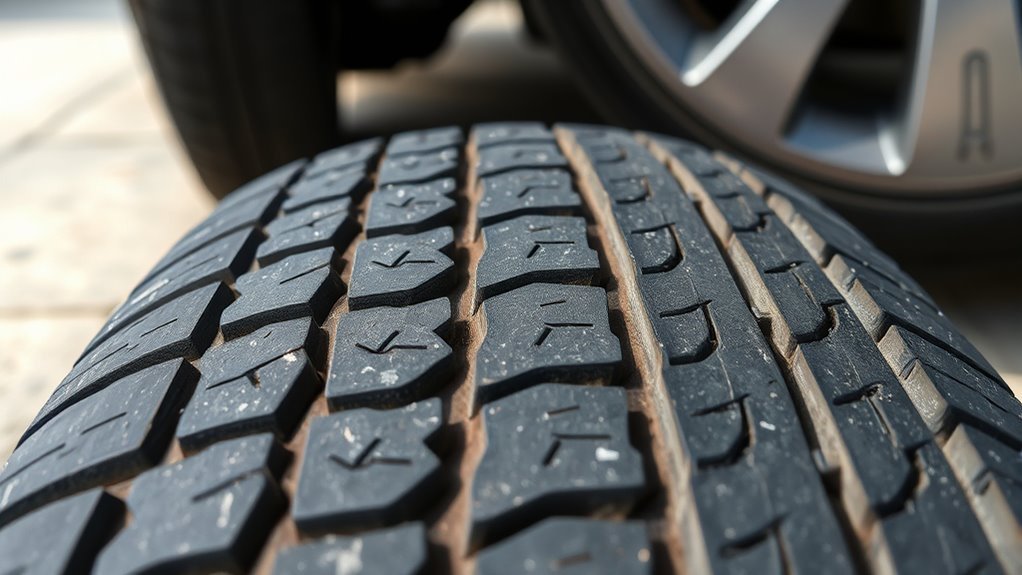
Spotting outer-edge tire wear means looking for faster tread loss along the outside shoulder of the tire. This pattern often signals improper wheel alignment, such as excessive positive camber or incorrect toe, which can place uneven load across the tread.
You may see a thinner tire tread on the outside edge than on the center or inner shoulder. That uneven contact can reduce grip, weaken steering response, and make the vehicle feel less stable.
Aggressive cornering and weak suspension parts can make the pattern worse. Underinflation can also load the outer shoulders, so keep tire pressure at the vehicle maker’s recommended cold pressure.
Warning: Do not ignore visible shoulder wear, exposed cords, bulges, or cracks because these signs can make a tire unsafe.
When you catch outer-edge wear early, you can plan an alignment correction and suspension inspection before the tire loses more tread. That helps restore predictable handling and extends tire life.
Quick Checks You Can Do at Home Before Service
Before you take the car in, run a few simple checks to narrow the likely cause. Start with tire pressure when the tires are cold, before driving or after the car has sat for several hours.
- Check pressure with a reliable gauge and match it to the tire placard on your vehicle.
- Measure tread depth at the outer shoulder, center, and inner shoulder.
- Look for cracks, cuts, bulges, or cords on the tread and sidewall.
- Note whether the car pulls, shakes, wanders, or feels loose while driving.
- Track whether the wear follows one tire after rotation or stays on one vehicle corner.
A steady tread deficit on the outer edge often points to alignment, suspension, or load issues. Clear notes help you ask for precise corrective service instead of a vague inspection.
[Products Worth Considering]

EVOULTES heavy duty tire inflator with an integrated gauge delivers accurate pressure readings from 10–120 PSI, helping you inflate, deflate, and check tires in one tool. The 16.5-inch extended dual-head air chuck with swivel base reaches hard-to-access dual wheel valves on trucks and RVs. A brass trigger core and side-mounted air release valve make operation smooth, with standard 1/4" NPT threading and quick-connect compatibility for easy setup.

This portable cordless tire inflator delivers up to 160 PSI with fast 17 L/min airflow to help you quickly top up tires and get back on the road. It features dual power mode, running on a 21V rechargeable battery or a 12V DC adapter for convenient roadside use. An automatic shut-off with digital pressure gauge helps prevent overinflation, and a built-in LED light improves visibility in low-light conditions.

The JACO FlowPro Tire Inflator measures, inflates, and airs down tires up to 100 PSI with battery-free operation and ±2% accuracy after calibration. It features a glowing pressure dial for night visibility, a heavy-duty steel build with a hybrid hose, and a precision push-to-inflate thumb trigger. The patented Lightning Air Chuck locks on for a secure seal, and the kit includes quick-connect hardware for easy inline use with your air compressor.
How Camber, Toe, and Caster Cause Outer-Edge Wear
If outer-edge loss remains after you correct tire pressure, check suspension geometry next. Three alignment angles matter most: camber, toe, and caster.
Camber describes the inward or outward tilt of the tire when viewed from the front of the vehicle. Excessive positive camber tilts the top of the tire outward, which can place more load on the outside shoulder.
Toe describes whether the tires point slightly inward or outward when viewed from above. Incorrect toe settings create lateral scrub, which wears the tread as the tire drags across the road instead of rolling straight.
Caster mainly affects steering stability and return-to-center feel. Poor caster settings or worn parts can change how the tire loads during turns, which may add to outer-shoulder wear.
Pro tip: Ask the shop for a before-and-after alignment printout so you can see which angles changed.
Keep tire pressure correct first, then use alignment readings to separate pressure problems from geometry problems. Schedule an alignment after curb hits, pothole impacts, steering pull, or repeated uneven wear.
Other Vehicle Problems That Can Look Like Alignment Wear
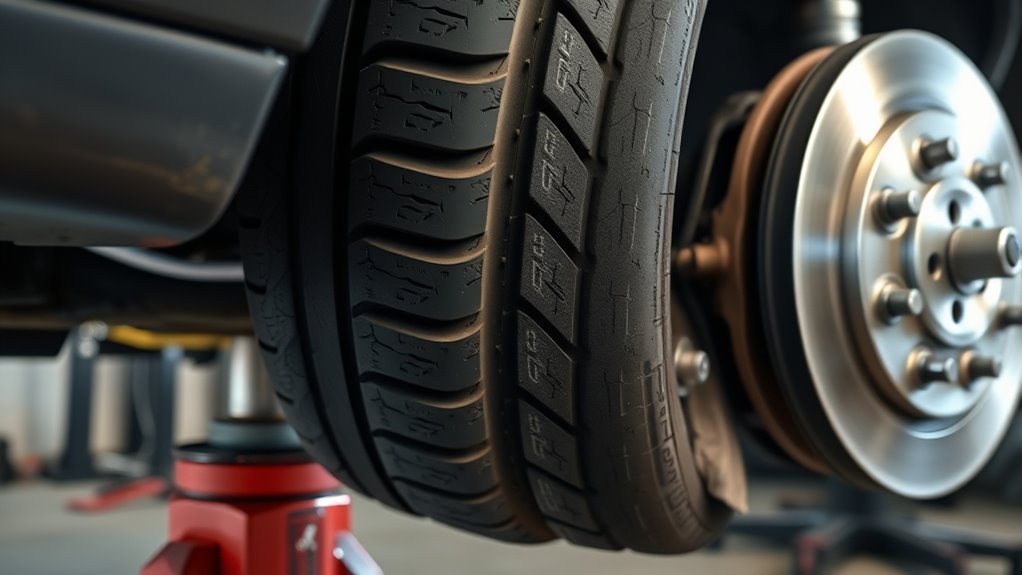
Alignment problems often cause outer-edge wear, but other faults can create a similar pattern. Check related systems before you assume alignment alone caused the damage.
- Inspect shocks, struts, bushings, ball joints, and control arms for looseness or wear.
- Check for wheel-bearing play if you feel wobble, humming, or vibration.
- Correct low tire pressure, which can wear both outer shoulders over time.
- Balance tires if vibration appears at certain speeds.
- Review driving habits, since hard cornering can chew the outer shoulder.
A careful diagnosis helps you avoid replacing parts that do not fix the root cause. Document what you find, then compare it with the technician’s inspection results.
[Products Worth Considering]
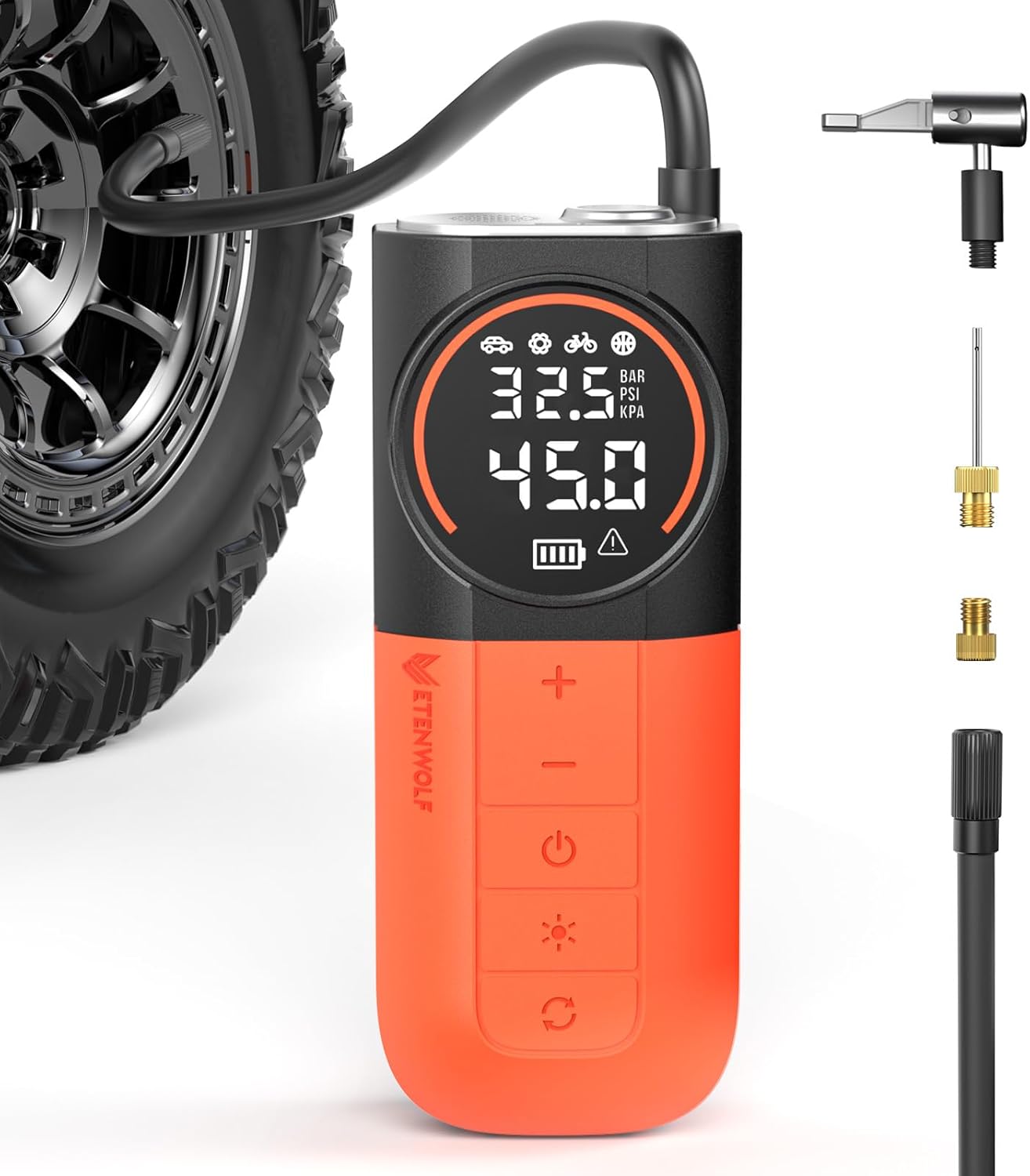
The ETENWOLF S1 cordless tire inflator delivers ultra-fast inflation with up to 160 PSI and a 20 L/min airflow for quicker tire top-offs. Its 5200mAh battery and cooling system support inflating many tires and sports balls on a single charge, while the digital pressure gauge and multi-unit display help you reach the right pressure accurately. With preset modes, pressure memory, an auto-stop feature, and an LED flashlight, it’s built for easy roadside and everyday use.

This portable cordless tire inflator delivers fast, efficient inflation for cars, motorcycles, bikes, and sports balls with a digital pressure gauge. Use the one-click PSI preset with auto shut-off for accurate, hands-free topping to your target pressure up to 150 PSI. It’s compact and rechargeable with a built-in emergency LED light plus valve adapters and accessories for quick, ready-to-go use.

WHEEL BEARING PULLER SET: This wheel bearing tool kit by Orion Motor Tech provides everything you need to let you quickly and easily remove and install your wheel bearings without hammering and front-end alignment, Please lubricate the rod to protect the threads
Professional Fixes and Tire Options
Once you rule out basic pressure and visual issues, move to professional corrective steps. A technician can measure camber, toe, caster, and thrust angle, then reset them to the vehicle’s specifications.
Ask the shop to inspect worn suspension components, including control arms, bushings, tie rods, shocks, struts, and ball joints. Replacing worn parts before alignment helps the new settings hold.
If the tire has deep shoulder wear, exposed belts, sidewall damage, or uneven tread that affects handling, replace it. A new alignment cannot make a damaged tire safe again.
When choosing replacement tires, match the size, load rating, and speed rating listed for your vehicle. Touring or performance tires with strong shoulder blocks may hold up better if your driving includes frequent turns, but correct alignment still matters most.
[Products Worth Considering]

All Season traction: Biting tread block edges designed to provide all-season traction in wet, dry and snowy conditions

Quantity: 8pcs 1/10 On Road tires (with Foam insert)
All Season traction: Biting tread block edges designed to provide all-season traction in wet, dry and snowy conditions
Maintenance Schedule and Prevention Tips
Preventing outer-edge tire wear starts with a simple routine. Check tire pressure often, inspect the shoulders, and rotate tires at the interval listed in your owner’s manual.
- Check cold tire pressure with a gauge and use the pressure shown on your vehicle placard.
- Inspect the tread shoulders during fuel stops, washes, or monthly maintenance.
- Rotate tires on the schedule recommended by your vehicle or tire maker.
- Schedule alignment checks after hard impacts, suspension work, or clear uneven wear.
- Repair worn steering or suspension parts before installing new tires.
These habits help you catch uneven wear before it ruins the tire. They also keep handling more predictable and reduce surprise repair costs.
When Outer-Edge Tire Wear Becomes Unsafe
Outer-edge wear becomes unsafe when the tread reaches the legal limit, the shoulder shows cords, or the tire has cracks, cuts, or bulges. You should also treat sudden vibration, thumping, or pulling as a warning sign.
Do not keep driving on a tire that looks damaged or feels unstable. Install the spare if needed, drive slowly, and have a qualified tire or repair shop inspect the tire.
Frequently Asked Questions
What Alignment Issue Causes Outer Tire Wear?
Excessive positive camber and incorrect toe can cause outer tire wear. Positive camber loads the outside shoulder, while bad toe settings scrub the tread as the tire rolls.
What Will Most Likely Cause a Tire to Wear Excessively on Both Outside Edges?
Low tire pressure often causes wear on both outside edges because the center of the tread carries less load. Positive camber, heavy loads, and hard cornering can make the pattern worse.
Can You Drive With Outer-Edge Tire Wear?
You may drive briefly if the wear is mild and the tire has enough tread, but you should inspect it soon. Avoid long trips or high speeds if you see cords, bulges, cracks, or rapid air loss.
Will an Alignment Fix Outer-Edge Tire Wear?
An alignment can stop new uneven wear if bad alignment caused the pattern. It cannot restore tread that has already worn away, so you may still need tire replacement.
Should You Replace One Tire or a Full Set?
That depends on tread depth, tire type, drivetrain, and vehicle maker guidance. All-wheel-drive vehicles often need closely matched tread depth, so ask a tire professional before replacing only one tire.
Safety Disclaimer: This article is for informational purposes only and does not replace inspection by a qualified tire, alignment, or automotive repair professional. Follow your vehicle owner’s manual and get professional help if you see damage, severe wear, vibration, pulling, or handling changes.
Conclusion
Outer-edge tire wear usually means your tire is not meeting the road evenly. Check pressure, inspect tread depth, and look for steering, suspension, or bearing symptoms before the damage spreads.
If the wear keeps returning, schedule an alignment and suspension inspection. Acting early protects your tires, improves handling, and helps you avoid larger repair bills.

Related Articles
Tire Balancing Weights: Types, Cost, and Why You Need Them
Precisely chosen tire balancing weights reduce vibration and wear, but which type fits your wheels and what it really costs may surprise you.
Read More
Tire Repair Kits: What’s Inside and How to Use One
Get the essentials of tire repair kits, learn how each tool works, and discover the simple steps that can save your trip.
Read More
How to Get More Miles Out of Your Tires: 10 Proven Tips
Maximize tire life with 10 proven tips that save money and boost safety—discover the simple habits that can add many more miles.
Read More