Honda Accord Tire Void Ratio and How It Affects Traction
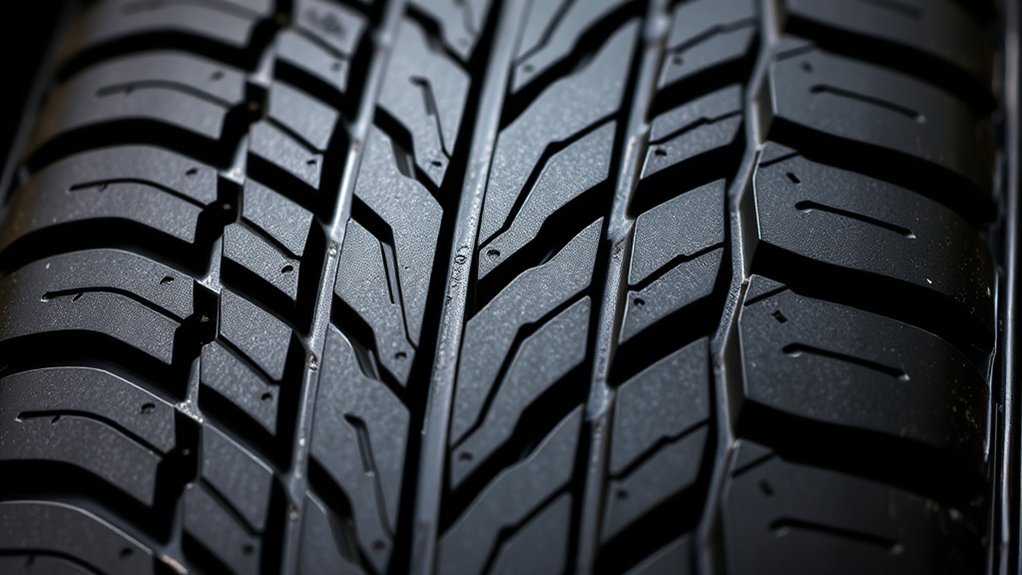
Understanding the tire void ratio in your Honda Accord is essential for maximizing traction. A higher void ratio improves water evacuation and grip in wet or snowy conditions, while a lower void ratio enhances stability and braking efficiency on dry roads. Choosing the right balance depends on your driving habits and climate. Regular maintenance and inspections can guarantee peak performance and safety. Explore how to select the best tires and maintain them for enhanced driving experience.
Understanding the Tire Void Ratio in Your Honda Accord
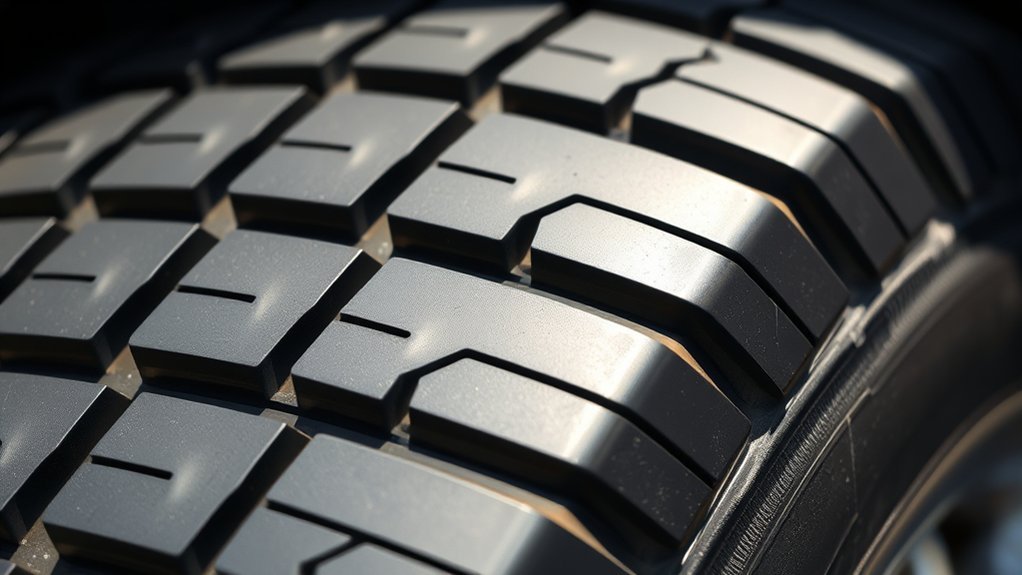
Understanding the tire void ratio in your Honda Accord is vital for optimizing performance and safety. The tire design greatly influences traction dynamics by balancing rubber contact with space for water evacuation. Typically, your Accord’s tires feature a moderate void ratio, which enhances performance across varying conditions, from wet roads to dry pavement. A higher void ratio aids in snow and mud traction, channeling debris away from the contact patch and minimizing hydroplaning risks. Conversely, a lower void ratio maximizes grip and stability on dry surfaces, improving cornering and braking efficiency. Regular inspection of tire voids is essential; debris accumulation or uneven wear can drastically affect driving safety. By understanding and monitoring this ratio, you empower yourself to make informed decisions about tire maintenance, ensuring your Honda Accord remains responsive and safe on all roads. Additionally, understanding the tread life and wear characteristics of your tires can help you select the best option for your driving conditions.
The Impact of Tire Void on Traction in Wet vs. Dry Conditions
Tire void ratios play a pivotal role in determining traction performance under varying road conditions. When you’re maneuvering wet surfaces, higher void ratios enhance grip by optimizing water evacuation, reducing hydroplaning risks. In contrast, on dry roads, a lower void ratio increases rubber contact, maximizing traction for superior cornering and braking.
- Improved water drainage
- Enhanced grip in rain
- Reduced hydroplaning risks
- Maximized dry traction
- Balanced performance in all seasons
All-season tires often strike a balance in void ratio, offering reliable traction across diverse climates. However, tires with high void ratios may wear faster on dry surfaces due to less rubber contact. Understanding the relationship between tire design and traction dynamics is essential for optimizing your Honda Accord’s performance, ensuring you maintain safety and handling in all driving conditions. Additionally, selecting tires with low rolling resistance can further enhance fuel efficiency while maintaining traction.
Why Matching Tire Void to Driving Needs Matters
When you choose tires for your Honda Accord, matching the void ratio to your driving environment can greatly enhance performance and safety. A higher void ratio is essential for wet and snowy conditions, channeling water away to improve grip. Conversely, a lower void ratio boosts traction on dry roads, aligning with your driving habits and local terrain.
| Driving Condition | Recommended Void Ratio | Expected Tire Longevity |
|---|---|---|
| Wet/Snowy | Higher | Moderate |
| Dry | Lower | Higher |
| Mixed | Balanced | Ideal |
| Off-Road | Variable | Variable |
| Urban | Moderate | Consistent |
Matching the void ratio to typical weather patterns impacts your Accord’s handling and safety. Regular assessments guarantee ideal performance, prevent uneven wear, and ultimately enhance tire longevity, tailored to your unique driving needs. Additionally, maintaining proper tire pressure can further improve traction and fuel efficiency.
Comparing High and Low Tire Void Ratios for Performance
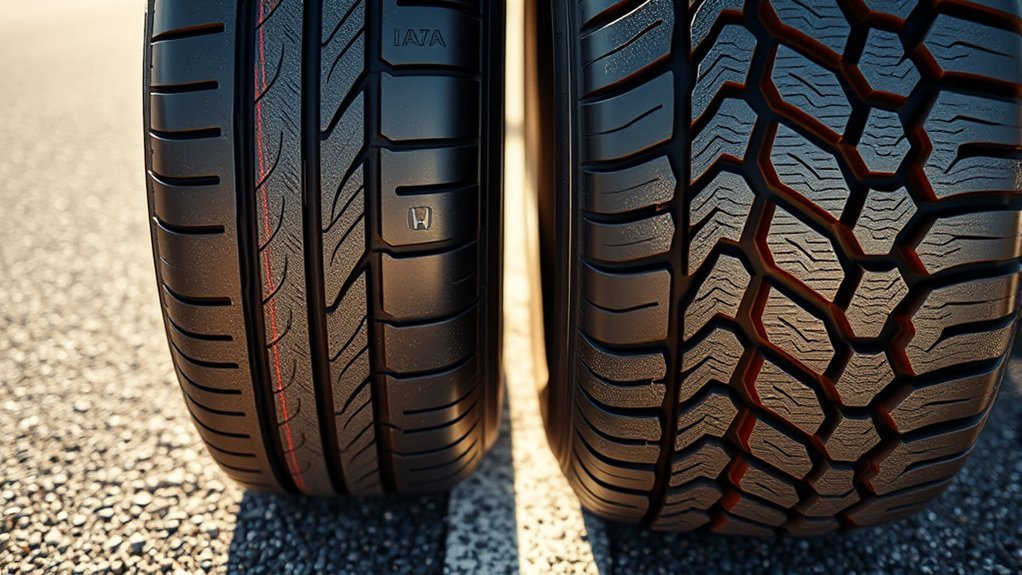
When you compare high and low tire void ratios for your Honda Accord, each offers distinct performance benefits. High void ratios excel in wet or snowy conditions by effectively channeling water, while low void ratios enhance grip on dry surfaces, essential for stability during cornering. Understanding these differences helps you choose the right tire based on your typical driving conditions. Additionally, considering tire performance characteristics can further guide your selection for optimal safety and handling.
High Void Ratio Benefits
While a high void ratio in Honda Accord tires offers distinct advantages, it’s essential to weigh these benefits against those provided by low void ratios. Here’s what a high void ratio brings to the table:
- Improved water evacuation, reducing hydroplaning risk
- Enhanced traction on loose surfaces like mud and snow
- Better handling on irregular terrains, ideal for off-road conditions
- Flexibility that adapts to various driving environments
- Increased tread wear on dry surfaces, influencing longevity
These factors can greatly elevate your driving experience, particularly in adverse weather. However, be mindful of how increased tire wear may affect overall performance and traction limits on dry roads. Balancing these aspects is key to optimizing your driving strategy.
Low Void Ratio Advantages
A low void ratio in Honda Accord tires greatly enhances performance on dry surfaces by maximizing rubber-to-road contact. This increased surface area improves traction types, allowing for superior cornering capabilities and enhanced handling during sharp turns. You’ll notice better stability, which translates to greater confidence behind the wheel. Additionally, tires designed with a low void ratio tend to exhibit reduced tread wear on dry roads, enhancing tire durability and potentially extending their lifespan. This means you can expect consistent performance over time. Furthermore, low void ratio tires offer superior braking efficiency, resulting in shorter stopping distances. While they may struggle with hydroplaning in wet conditions, their benefits in dry traction scenarios are undeniable.
How to Choose the Best Tires for Your Honda Accord
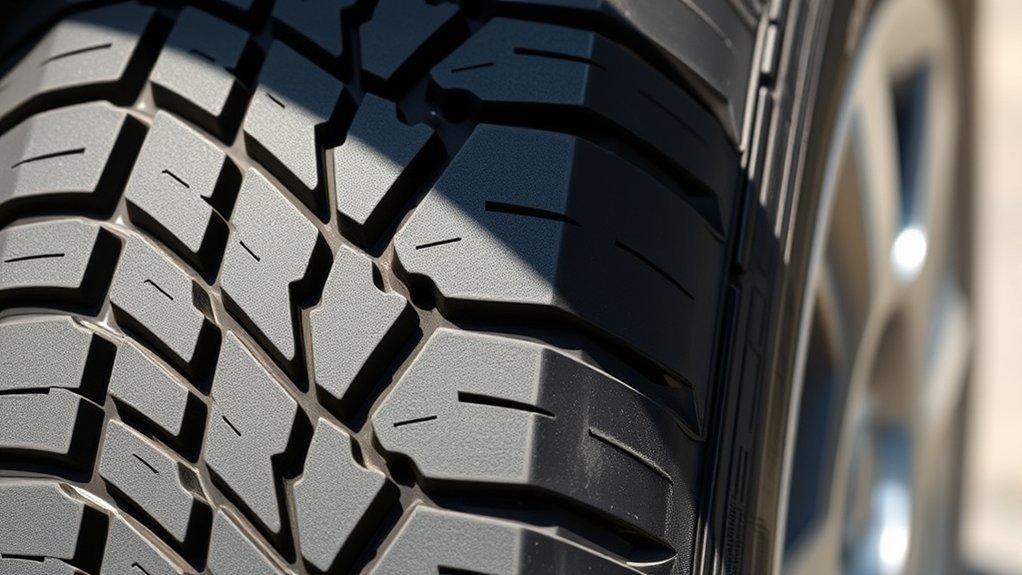
When selecting tires for your Honda Accord, start by comparing different tire types to match your driving style and conditions. Consider whether you need all-season tires for versatility or performance tires for enhanced handling. Evaluating your typical driving environment will help you choose the ideal void ratio to maximize traction and safety. Additionally, understanding the tread design of each tire type can significantly impact your vehicle’s grip on various surfaces.
Tire Types Comparison
Choosing the right tires for your Honda Accord involves understanding the unique characteristics of various tire types. Here’s a breakdown to guide your decision:
- All-Season Tires: Balanced void ratio for reliable performance year-round.
- Winter Tires: Higher void ratio to channel water and slush, enhancing traction in snowy conditions.
- Performance Tires: Lower void ratio for maximum rubber contact, offering stability on dry roads.
- Tire Durability Factors: Assess tread wear based on your driving habits; high void ratios may wear faster on dry surfaces.
- Seasonal Tire Considerations: Always factor in local climate patterns to guarantee peak performance.
Consider Driving Conditions
Understanding your typical driving conditions is essential for selecting the best tires for your Honda Accord. Your tire selection strategies should reflect whether you encounter wet, dry, or snowy roads. High void ratios are advantageous in regions with heavy rainfall or snow, as they enhance water evacuation and minimize hydroplaning risks. Conversely, if you mainly drive on dry, smooth surfaces, a tire with a low void ratio will enhance traction and stability during cornering and braking. All-season tires are often recommended, featuring a balanced void ratio to perform adequately across varying weather conditions. Consulting with tire professionals can further refine your choices, ensuring the specifications align with both your driving habits and seasonal considerations.
Maintenance Tips for Optimal Tire Performance
To guarantee your Honda Accord’s tires perform at their best, regular maintenance is essential. Neglecting tire care can lead to inadequate traction and safety issues. Here are key practices to guarantee peak performance:
- Check tire pressure regularly, adhering to the manufacturer’s specifications to maximize tread contact.
- Inspect for uneven wear patterns, which may indicate alignment or suspension problems affecting performance.
- Rotate your tires every 5,000 to 7,500 miles to promote even tread wear, guaranteeing the tread void ratio remains effective.
- Clear debris from tread voids frequently to prevent blockages that hinder water evacuation, especially in wet conditions.
- Replace tires when tread depth hits 2/32 inches or if traction decreases in rain or snow for safety. Additionally, maintaining recommended tire pressure levels ensures optimal handling and performance.
Frequently Asked Questions
What Is the 7 7 Rule for Snow Tires?
The 7 7 Rule for snow tires mandates at least 7/32 inch tread depth. This guarantees ideal tire composition and tread patterns, enhancing grip on snow and ice, essential for your vehicle’s safety and performance.
What Are Three Causes of Traction Loss?
Traction loss often stems from improper tire pressure, adverse road conditions, and the rubber composition of your tires. Each factor diminishes your grip, compromising your safety and freedom on the road when it matters most.
Conclusion
In summary, understanding your Honda Accord’s tire void ratio is essential for maximizing traction. Think of it like a sponge in water; a high void ratio absorbs more moisture, providing grip in wet conditions, while a low void ratio offers stability on dry roads. Choosing the right tires tailored to your driving needs can dramatically enhance performance. Remember, the right balance helps you navigate life’s twists and turns with confidence and control. Don’t overlook this important aspect of your vehicle’s performance.

Related Articles
Tire Sipes on Honda Accord Tires and Why They Matter
Discover how tire sipes on your Honda Accord enhance traction and safety, but are you aware of their impact on performance?
Read More
Silica Tire Compounds on the Honda Accord: What They Do
The innovative silica tire compounds in the Honda Accord enhance performance and fuel efficiency, but what else makes them a game-changer? Discover more inside.
Read More
Types of Tread Compounds in Honda Accord Tires
Step into the world of Honda Accord tires and discover how tread compounds can transform your driving experience in ways you never imagined.
Read More