
Why Honda Accord Tires Make Noise on the Highway

Tire noise in your Honda Accord on the highway mostly comes from tire tread design, type, and road conditions. Softer compounds and well-designed treads can reduce noise, while worn tires or coarser asphalt may amplify it. Proper tire pressure and regular maintenance play an essential role in minimizing sound. Switching to quieter brands like Michelin or Pirelli can make a significant difference. Keep exploring to discover more ways to enhance your driving comfort and reduce noise.
How to Reduce Tire Noise in Honda Accords

When you’re driving your Honda Accord, the last thing you want is an annoying tire noise distracting you from the road. To reduce that noise, start with tire maintenance. Keep your tires inflated to Honda’s recommended levels—33 PSI in the front and 32 PSI in the rear—to minimize road noise and enhance comfort. Consider switching to quieter tire brands like Michelin or Pirelli; they can markedly cut down on noise compared to original equipment tires. Regularly rotate your tires every 5,000 to 6,000 miles for even wear, which also helps reduce noise. Additionally, inspect and replace worn door seals and weatherstripping to prevent sound intrusion. If you really want to elevate your driving experience, installing sound-deadening materials like Dynamat can further enhance the quietness. By adjusting your driving habits and maintaining your tires, you’ll enjoy a more peaceful ride in your Accord. An important factor in tire noise is the tread design, which can significantly impact road noise levels.
Understanding the Sources of Tire Noise in Honda Accords
Tire noise in your Honda Accord can be frustrating, especially after taking steps to minimize it. The type of tire tread you choose plays an important role in the noise you experience. Many drivers report that original Goodyear Touring tires are particularly noisy, while alternatives like Michelin and Continental tend to offer a quieter ride. The road surface also matters—coarser asphalt can amplify noise levels, making your drive less enjoyable.
Additionally, poorly maintained components, such as worn door seals, can let more outside noise into the cabin, compounding the issue. Tire pressure shouldn’t be overlooked either; maintaining a cold PSI of 33 in the front and 32 in the rear is essential. Deviating from these recommendations can increase road noise considerably. Finally, if you notice noise shifting from rear to front tires after rotation, it may indicate uneven tire wear or brand-specific issues affecting your driving experience. Regular tire maintenance practices can significantly reduce tire noise and enhance your overall driving comfort.
How Tire Quality Influences Road Noise
Choosing the right tires can greatly reduce road noise in your Honda Accord. Tire quality, including compounds and tread patterns, plays an essential role in how much noise you hear on the highway. Softer tire compounds tend to absorb sound better than harder ones, making them a smart choice for a quieter ride. For instance, while original Goodyear Touring tires might be excessively noisy, alternatives like Michelin or Continental Pure Contact LS are celebrated for their noise-reducing capabilities.
Additionally, tread patterns can affect how tires interact with the road surface. A well-designed tread can minimize vibrations, further lowering noise levels. Don’t forget about tire pressure, either; keeping it at the recommended PSI can notably enhance your driving experience. Finally, regularly rotating your tires helps maintain even wear, which can also influence noise. By paying attention to these factors, you can enjoy a more peaceful drive in your Honda Accord. Moreover, investing in quiet tire options can significantly transform your driving experience, providing a smoother ride.
Common Tire Brands and Their Noise Profiles
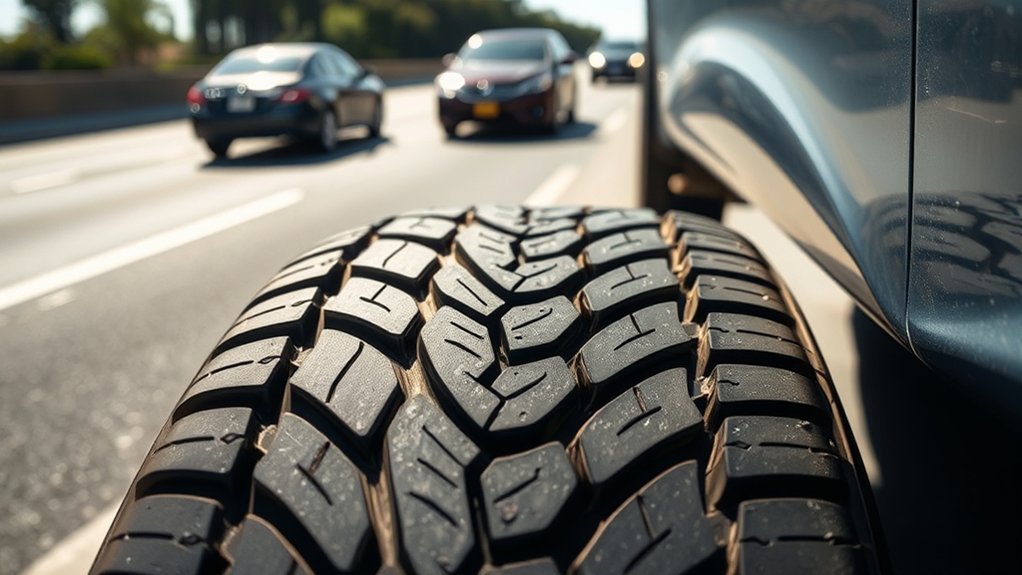
While exploring tire options for your Honda Accord, you’ll find that different brands exhibit distinct noise profiles that can greatly impact your driving experience. For instance, Bridgestone Potenza tires are often reported to produce howling sounds similar to aggressive off-road tires after about 14,000 miles, which can affect your noise perception. In contrast, Michelin tires are celebrated for their quiet performance and impressive durability, providing a serene ride that many owners appreciate. Goodyear Touring tires, however, can be excessively noisy, prompting some to switch to quieter alternatives like Continental Pure Contact LS. The latter is frequently praised for greatly reducing noise and enhancing comfort on the highway. Remember, your choice of tire brand plays a vital role in both tire durability and the overall soundscape of your driving experience, so choose wisely! Additionally, selecting tires with even tread wear can also contribute to a quieter ride and improved longevity.
The Impact of Tire Pressure on Noise Reduction
Maintaining the right tire pressure is essential for a smooth and quiet ride in your Honda Accord. Keeping your tires at the recommended PSI—33 in the front and 32 in the rear—can drastically improve noise reduction. Here’s how proper tire pressure helps:
- Optimal Contact: Proper inflation guarantees maximum tire contact with the road, reducing vibrations and noise.
- Even Wear: Correct pressure prevents uneven wear, which can contribute to extra road noise and discomfort.
- Simple Adjustments: Small changes in tire pressure can lead to noticeable differences in noise levels, enhancing your driving experience.
Additionally, proper tire inflation ensures ideal handling and stability, further contributing to a quieter ride.
Regularly checking and adjusting your tire pressure not only boosts ride quality but also minimizes the transmission of noise from the tires into the cabin. So, take a moment to verify your tires are properly inflated; it’s a simple yet effective way to enjoy a quieter, more comfortable ride.
How Do Tire Rotations Affect Noise Levels?
Regularly rotating your tires can greatly impact noise levels in your Honda Accord. By following the recommended rotation frequency of every 5,000 to 6,000 miles, you promote even tire wear, which can considerably reduce noise. Unevenly worn tires or misalignment often lead to increased road noise, so keeping your tires in check is essential for a quieter ride. Additionally, regular rotations can help maintain vehicle performance by ensuring that all tires wear evenly over time.
You might notice that after a rotation, noise can shift from the rear to the front, indicating the importance of tire condition over mere rotation. If you’re using specific brands known for being louder, like Bridgestone, regular rotations can help mitigate those noise issues. To track tire wear and pinpoint persistent noise problems, consider marking your tires before rotation. This simple step enhances the benefits of rotating your tires, ensuring a smoother, quieter driving experience.
Benefits of Noise-Reducing Tires for Honda Accords

Investing in noise-reducing tires for your Honda Accord can transform your driving experience, especially on long trips. These innovative tires leverage advanced tire technology to enhance comfort and minimize distractions. Here’s what you can expect:
- Significant noise reduction: Softer rubber compounds and unique tread patterns help diminish road noise, creating a quieter cabin environment.
- Improved ride quality: Enjoy a smoother drive, especially on highways, as these tires tackle the excessive noise from coarser road surfaces.
- Enhanced comfort: Brands like Michelin and Pirelli have demonstrated noticeable reductions in noise, leading to higher satisfaction among drivers and passengers. Additionally, choosing tires with low noise features can further enhance your driving experience.
Easy Ways to Soundproof Your Honda Accord
If you want to enjoy a quieter ride in your Honda Accord, there are several effective soundproofing methods to contemplate. First, consider installing soundproof materials like Dynamat in your cabin and trunk area. This can greatly block tire and road vibrations. Additionally, using tie-down hook hole plugs helps seal gaps that might let noise in, enhancing your cabin insulation.
Don’t forget to regularly check your weatherstripping and door seals; worn components can lead to excessive road noise. Opting for noise-reducing tires, such as Michelin or Pirelli, can also make a noticeable difference in driving comfort. Finally, applying undercoating to your vehicle’s underside dampens sound transmission from the road, giving you a much quieter experience on highways. By implementing these strategies, you can transform your Honda Accord into a serene space, liberating your drive from unwanted distractions. Additionally, regularly checking your tire pressure can help reduce road noise and improve handling.
Frequently Asked Questions
Why Do My Tires Make Noise on the Freeway?
Your tires make noise on the freeway due to tire wear and rough road conditions. Worn tread can amplify sound, while coarse surfaces enhance the noise you hear, impacting your driving experience.
Are Honda Accords Noisy?
Yes, Honda Accords can be noisy, like a restless wind rattling through trees. To curb that sound, focus on tire maintenance and consider noise reduction strategies—your drive can be smoother and more serene with the right adjustments.
How to Stop Roaring Noise From Tires?
To stop roaring noise from tires, focus on tire maintenance. Regularly check pressure, rotate tires, and consider quieter alternatives. Enhancing door seals and using sound-deadening materials can considerably contribute to effective noise reduction.
Conclusion
To enjoy a quieter ride in your Honda Accord, focus on tire quality, maintain proper pressure, and consider regular rotations. By investing in noise-reducing tires and exploring soundproofing options, you can notably diminish unwanted sounds. Remember, a smoother journey isn’t just about comfort; it’s about enhancing your driving experience. Prioritize these strategies, and you’ll transform how you perceive the open road, making every trip more enjoyable and serene.

Related Articles
What Causes Inner Tire Wear on a Honda Accord
Prevent inner tire wear on your Honda Accord by understanding its causes—discover the surprising factors that could be affecting your tires today.
Read More
Why Honda Accord Tires Wear Out on the Outside Edge
Discover the key reasons why Honda Accord tires wear out on the outside edge and learn how simple adjustments can extend their life.
Read More
Honda Accord Tire Cupping: What It Is and How to Stop It
Get the lowdown on Honda Accord tire cupping and uncover essential tips to prevent it before it impacts your safety on the road.
Read More