
What Is Run-Flat Tire Technology for a Toyota RAV4? Pros and Cons
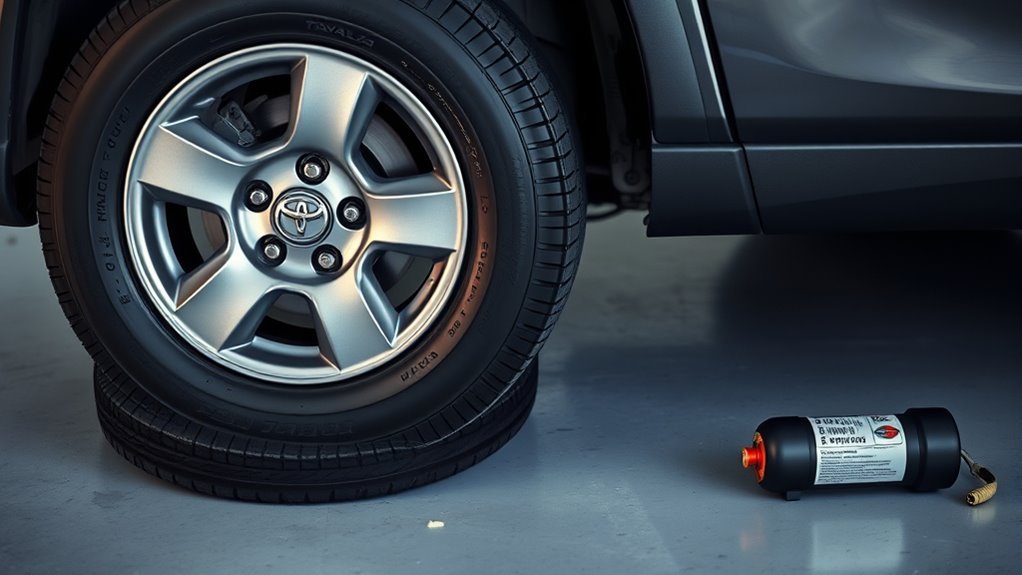
Run-flat tire technology for your Toyota RAV4 lets you drive up to 50 miles after a puncture, maintaining safety and control. These tires have reinforced sidewalls, but they come with drawbacks like a stiffer ride and limited repair options. They’re pricier and often require special ordering. Despite these cons, they eliminate the need for a spare tire, boosting fuel efficiency. Want to know more about how they stack up against standard tires and other options?
What Are Run-Flat Tires and How Do They Work?

Run-flat tires are a revolutionary development in tire technology, designed to keep you safe and in control even after a puncture. Their unique tire construction features reinforced sidewalls, allowing you to continue driving for up to 50 miles at a maximum speed of 50 mph after losing pressure. This innovation comes in two designs: self-supporting tires with ultra-stiff sidewalls and those equipped with a supporting ring system that incorporates a hardened rubber ring.
These safety features considerably reduce the risk of blowouts, enabling you to reach a safe location after a flat. To maximize their effectiveness, a tire pressure monitoring system (TPMS) is essential, alerting you to any loss of air pressure. While repairs typically require full replacement due to their special rubber compounds, the peace of mind run-flat tires provide is invaluable, especially for drivers seeking liberation from the stress of unexpected flats.
Drawbacks of Run-Flat Tires
While many drivers appreciate the safety benefits of run-flat tires, there are several drawbacks worth considering. First off, you’ll notice that run-flat tires come with a higher price tag—typically 25-50% more than standard options. This can strain your vehicle maintenance budget. Additionally, the stiffer sidewalls can lead to a harsher driving experience, increasing road noise and vibrations that might make your ride less enjoyable.
You should also be aware of limited repair options; most run-flat tires can’t be patched after a puncture, forcing you to replace them entirely. This not only raises long-term costs but also adds inconvenience. Moreover, their lifespan is often shorter, lasting 30,000 to 50,000 miles—10-30% less than conventional tires. Finally, you may face availability issues, as there are fewer sizes and styles, potentially requiring special orders. These factors all contribute to ongoing safety concerns you might want to weigh carefully.
Advantages of Run-Flat Tires for Your RAV4
When you choose run-flat tires for your Toyota RAV4, you’re investing in enhanced safety and convenience. These tires allow you to drive up to 50 miles at speeds of 50 mph after a puncture, greatly improving safety in emergencies. Their reinforced sidewalls provide structural support, helping you maintain control and reducing the risk of accidents from sudden tire failure.
Moreover, by eliminating the need for a spare tire, you save about 35-50 pounds, contributing to weight savings that can enhance your fuel efficiency by around 0.2-0.3 MPG. This reduction in weight also leads to better handling stability and predictable steering, allowing for 70-80% of normal performance even when deflated. The convenience of run-flat tires minimizes your need for roadside assistance, giving you peace of mind, especially in remote or high-traffic areas. Embrace this technology to experience both safety features and liberation on the road.
How Run-Flat Tires Compare to Standard Tires

Comparing run-flat tires to standard tires reveals several key differences that can greatly impact your driving experience. Run-flat tires allow you to drive up to 50 miles at 50 mph after a puncture, offering peace of mind that standard tires can’t match. However, this comes at a cost—run-flats can be 25-50% more expensive upfront. Regarding tire performance, run-flats typically provide a stiffer ride with increased road noise, while standard tires deliver a more comfortable experience due to their flexible sidewalls. Availability is another factor; standard tires come in various sizes and models, whereas run-flats may require special ordering, especially for specific vehicles like the Toyota RAV4. Additionally, run-flats often have a shorter lifespan, averaging 30,000-50,000 miles compared to standard tires. A thorough cost analysis is essential to determine whether the benefits of run-flats justify their higher initial expense.
Alternatives to Run-Flat Tires
If you’re exploring tire options for your Toyota RAV4, considering alternatives to run-flat tires can be beneficial. Traditional pneumatic tires offer a smoother ride and enhanced comfort, thanks to their flexible sidewalls. If versatility is what you seek, all-weather tires combine the benefits of summer and winter options without the hefty price tag of run-flats.
Emerging airless technologies, currently in development by companies like Michelin, promise to eliminate punctures entirely while maintaining comparable performance to standard tires. Additionally, using tire sealant products with standard tires can provide a quick fix for minor punctures, allowing you to keep moving without immediate replacement.
Finally, standard tires typically boast wider availability and a broader selection of sizes and tread patterns, making it easier for you to find the perfect fit for your RAV4. Exploring these alternatives can empower you to choose a solution that best meets your driving needs.
Frequently Asked Questions
Do I Have to Tell My Insurance if I Change From Run Flat Tyres?
Yes, you should inform your insurance about changing from run-flat tires. Tire safety impacts your vehicle’s risk assessment, and failing to report could lead to complications with claims or changes in coverage. Stay proactive!
How Long Will a Run-Flat Tire Last?
You’ll find run-flat tires last about 30,000 to 50,000 miles—ironic, considering their puncture resistance. Regular checks are essential; hidden damage can cut that lifespan short, leaving you less liberated than expected.
Conclusion
Choosing run-flat tires for your Toyota RAV4 is like equipping your vehicle with armor in a world of unpredictable roads. While they offer the security of mobility even after a puncture, they also come with trade-offs—stiffer rides and potential costs. Weighing these pros and cons allows you to navigate the journey ahead with confidence. Ultimately, your choice shapes not just your drive, but the peace of mind you carry along the way.

Related Articles

Upsizing Wheels on a Toyota RAV4: Pros, Cons, and Considerations
Boost your Toyota RAV4's performance with larger wheels, but discover the hidden trade-offs that could impact your ride before you decide.
Read More
Can I Change Tire Size on My Toyota RAV4? Rules and Recommendations
Are you considering changing the tire size on your Toyota RAV4? Discover the essential rules and recommendations before making a decision.
Read More
What to Do If the TPMS Light Comes On in Your RAV4
Understand the steps to take when the TPMS light illuminates in your RAV4, as overlooking it could lead to serious tire problems.
Read More