
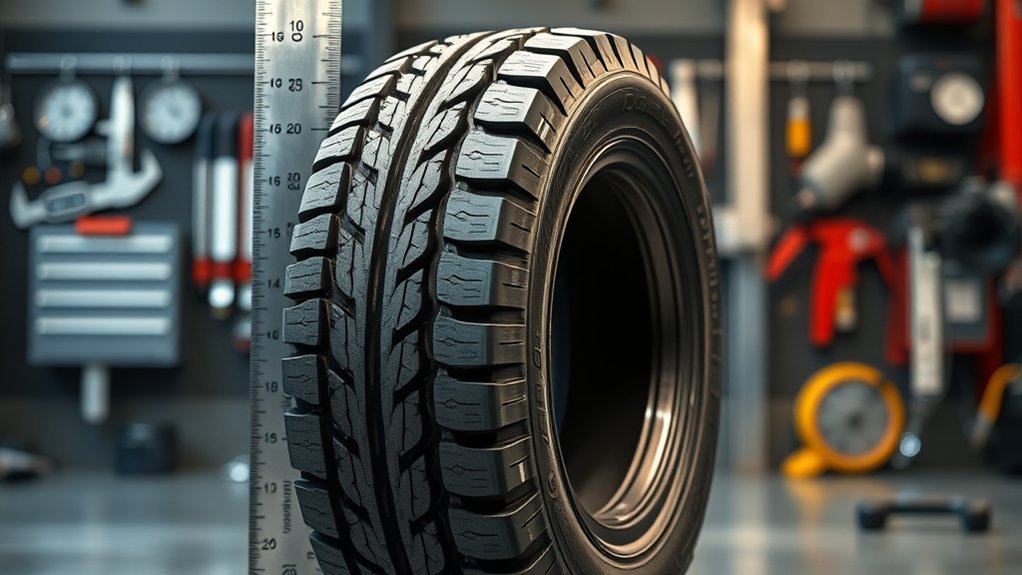
A 285 tire is about 11.2 inches wide because 285 millimeters converts to 11.22 inches. If the full size is 285/70R17, the tire is about 32.7 inches tall, with a sidewall close to 7.85 inches. That makes it close to a 33-inch tire, but not exactly the same size.
Quick Answer
A 285 tire is roughly 11.22 inches wide. In the common 285/70R17 size, it measures about 32.7 inches tall, 11.2 inches wide, and has a 7.85-inch sidewall. It is close to a 33-inch tire, but a true 33×12.50R17 is usually wider.
Key Takeaways
- A 285 tire is about 11.22 inches wide, based on its 285-millimeter section width.
- A 285/70R17 tire is about 32.7 inches tall, so most people treat it as a “near-33” tire.
- The sidewall height on a 285/70R17 is about 7.85 inches.
- A 33×12.50R17 is usually a little taller and much wider than a 285/70R17.
- Fitment depends on wheel width, offset, suspension clearance, load rating, and the vehicle’s original tire size.
What Does a 285 Tire Mean in Inches?
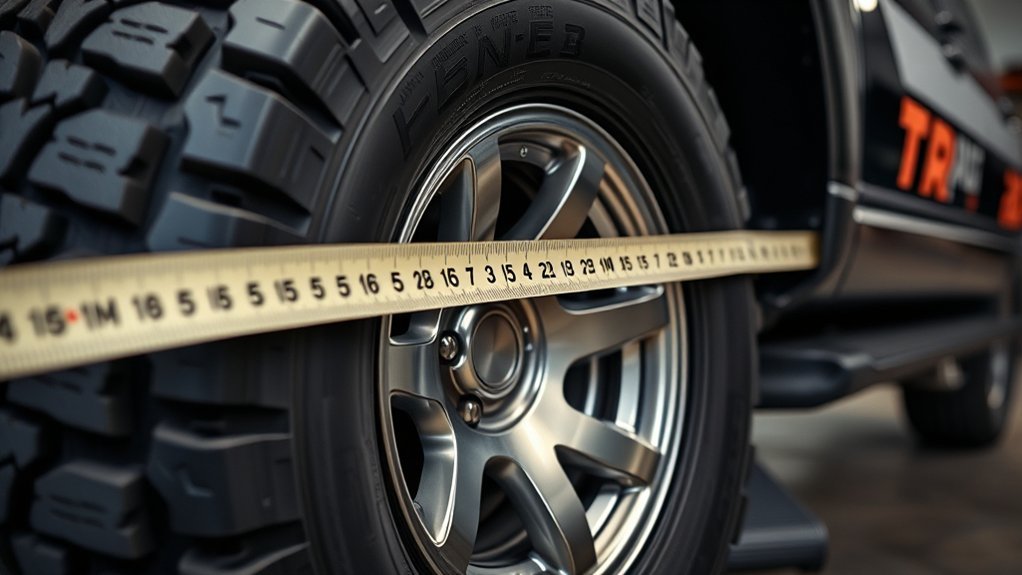
A 285 tire size means the tire has a nominal section width of 285 millimeters. To convert that to inches, divide by 25.4:
285 ÷ 25.4 = 11.22 inches
That 11.22-inch number is the tire’s approximate section width, not the full tire height. To know the height, you need the complete size code, such as 285/70R17.
In a size like 285/70R17, the tire markings mean:
- 285 = nominal section width in millimeters
- 70 = aspect ratio, meaning the sidewall height is 70% of the tire width
- R = radial construction
- 17 = wheel diameter in inches
Note: A tire’s listed size is a nominal size. Real-world mounted dimensions can vary slightly by brand, tread design, load range, and the wheel width used for measurement.
How Wide Is a 285 Tire?
A 285 tire is about 11.22 inches wide. That is the section width from sidewall to sidewall, not the tread width. Tread width is usually narrower and depends on the tire model.
| Measurement | Value |
|---|---|
| Metric width | 285 mm |
| Width in inches | 11.22 in |
| Rounded width | About 11.2 in |
285 Width in Inches
The easiest way to remember the conversion is simple: 285 millimeters is about 11.2 inches. This helps when comparing metric tire sizes to flotation sizes such as 33×12.50R17.
A 285 tire is not as wide as a 12.50-inch flotation tire. A 285/70R17 is about 11.2 inches wide, while a 33×12.50R17 is about 12.5 inches wide. That extra width can affect steering clearance, fender clearance, wheel width requirements, and road feel.
Millimeters to Inches
Use this formula for any metric tire width:
Section width in inches = section width in millimeters ÷ 25.4
For a 285 tire, that means:
- 285 ÷ 25.4 = 11.22 inches
- 275 ÷ 25.4 = 10.83 inches
- 295 ÷ 25.4 = 11.61 inches
How Tall Is a 285/70R17 Tire?
A 285/70R17 tire is about 32.7 inches tall. You get that number by calculating the sidewall height, doubling it, and adding the 17-inch wheel diameter.
285/70R17 Height Formula
Here is the full calculation:
- Sidewall height: 285 × 0.70 = 199.5 mm
- Sidewall in inches: 199.5 ÷ 25.4 = 7.85 in
- Overall diameter: 7.85 + 17 + 7.85 = 32.7 in
| 285/70R17 Spec | Approximate Size |
|---|---|
| Overall diameter | 32.7 in |
| Section width | 11.2 in |
| Sidewall height | 7.85 in |
| Wheel diameter | 17 in |
| Circumference | About 102.7 in |
Size Comparison Context
In real-world terms, a 285/70R17 is a practical “almost 33-inch” size. It is tall enough to improve ground clearance compared with many stock truck and SUV tires, but it is still slightly shorter and narrower than a common 33×12.50R17.
That smaller width can be useful if you want a cleaner fit, less rubbing risk, and less steering weight than a wider 12.50-inch tire. However, you still need to check your vehicle’s wheel wells, suspension, and wheel specs before mounting it.
Is a 285 Tire the Same as a 33-Inch Tire?
Not exactly. A 285/70R17 is close to a 33-inch tire, but it is not the same as a true 33×12.50R17. The 285/70R17 is about 32.7 inches tall and 11.2 inches wide. A 33×12.50R17 is about 33 inches tall and 12.5 inches wide.
A 285/70R17 is close to a 33-inch tire in height, but it is usually about 1.3 inches narrower than a 33×12.50R17.
The difference may look small on paper, but it matters for wheel width, fender clearance, rubbing, steering feel, and tire weight. A narrower 285 often fits more easily than a 12.50-inch-wide tire, especially on trucks or SUVs with stock or lightly modified suspension.
[Products Worth Considering]

Keep your tires properly inflated with this analog VONDIOR tire pressure gauge, designed for fast, easy readings without batteries. The swiveling, two-axis hose and large glow dial help you measure at any tire angle with instant visibility. Built with a protective rubber shield, it supports durable, low-maintenance use for cars and trucks.

Protect your spare wheel with a waterproof, dustproof tire cover made to resist sun and harsh weather. The elastic band design makes it easy to install and remove without tools, while reinforced stitching helps it keep its shape. Available in multiple sizes, it fits common RV, trailer, Jeep, SUV, and truck spare tires.

This professional wheel and rim cleaning brush set lifts brake dust, grime, and dirt with soft, scratch-free microfiber and synthetic wool fibers. The rim brush bends up to 360 degrees for easy access to hard-to-reach areas around spokes, lips, and faces. Ideal for thorough cleaning of car, truck, motorcycle, bicycle, RV, and more wheel and tire surfaces.
285 Tire Equivalents for 17-Inch Wheels
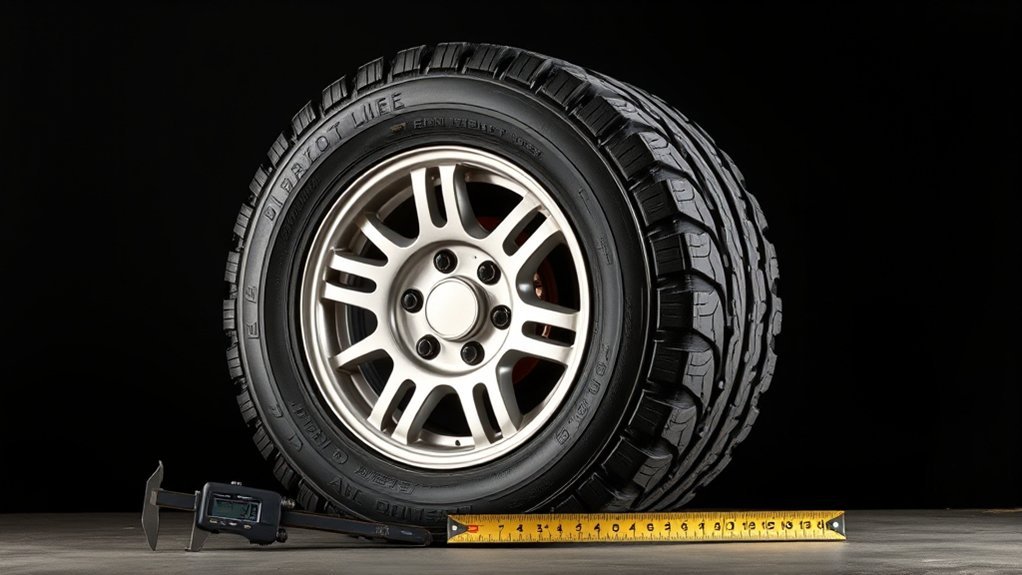
If you are shopping around a 285/70R17, compare both diameter and width. A size can be close in height but very different in width, which changes fitment.
| Tire Size | Approx. Diameter | Approx. Width | Best Use |
|---|---|---|---|
| 275/70R17 | 32.2 in | 10.8 in | Slightly smaller and narrower than 285/70R17 |
| 285/70R17 | 32.7 in | 11.2 in | Balanced near-33-inch metric size |
| 33×12.50R17 | 33.0 in | 12.5 in | Wider 33-inch flotation size |
| 295/70R17 | 33.3 in | 11.6 in | Taller and wider metric option |
| 285/75R17 | 33.8 in | 11.2 in | Taller 285-width option, if available and properly fitted |
Pro Tip: If your goal is “33-inch tires” without going very wide, 285/70R17 is usually easier to fit than 33×12.50R17. If your goal is a true 33-inch-plus metric tire, compare 295/70R17 or 285/75R17 carefully against your vehicle’s clearance.
[Products Worth Considering]

Protect tire valves from water, dust, and sand to help prevent leaks and support safe driving. These universal stem caps install quickly by hand and feature durable aluminum alloy construction with an inner sealing ring for better air retention. Compatible with cars, SUVs, trucks, motorcycles, and bicycles for everyday convenience.

This metal-free wheel and tire cleaning brush uses dense, fluffy synthetic wool to safely clean rims, spokes, fenders, and engine areas without worrying about damaging surfaces. Its flexible, comfortable design helps you reach detailed areas while maintaining durability, and the extra absorbent fibers work well with wheel spray cleaners for faster cleanup. Reusable and washable performance helps prevent grime and build-up for cleaner vehicles and easier maintenance at home.

ETENWOLF T300 is a calibrated digital tire pressure gauge for accurate readings from 3 to 200 PSI across light and heavy-duty vehicles. It includes thermal compensation for reliable performance in extreme cold or heat, with an auto shut-off to extend battery life and an LED for easier reading. The sturdy design supports rugged everyday use, making it ideal for pickups, RVs, and industrial applications.
How 285 Tires Affect Fitment and Speedometer
A 285 tire can change fitment, steering feel, braking distance, fuel economy, gearing, and speedometer accuracy. The effect depends on your original tire size, not just the new tire size.
Fitment and Clearance
Before installing 285 tires, check these areas:
- Wheel width: A 285/70R17 commonly fits wheels around 7.5 to 9 inches wide for many LT applications, but always confirm the tire manufacturer’s approved rim width.
- Offset and backspacing: A wider tire can rub the upper control arm, sway bar, frame, or fender liner if the wheel offset is not right.
- Steering lock: Check clearance when the wheel is turned fully left and fully right.
- Suspension compression: A tire that clears while parked can still rub when the suspension compresses.
- Load index and speed rating: Replacement tires should meet or exceed the vehicle manufacturer’s required ratings.
- Spare tire fit: A larger 285 may not fit in the factory spare location on every vehicle.
Warning: Do not choose a tire with a lower load index or lower load-carrying capacity than your vehicle requires. Check the driver-door tire placard, owner’s manual, and tire manufacturer specs before changing tire size.
Speedometer Impact
Your speedometer error depends on the difference between your old tire diameter and the new tire diameter. Use this formula:
Actual speed = indicated speed × new tire diameter ÷ old tire diameter
For example, if you switch from a 265/70R17 tire that is about 31.6 inches tall to a 285/70R17 that is about 32.7 inches tall, the new tire is about 3.5% larger. When your speedometer shows 60 mph, your actual speed is about 62 mph.
If you switch from 275/70R17 to 285/70R17, the difference is smaller because 275/70R17 is already about 32.2 inches tall. In that case, the change is about 1.6%.
Which 285 Size Is Right for You?
The right 285 size depends on what you want to improve and what your vehicle can safely fit. For many trucks and SUVs, 285/70R17 is popular because it gives a near-33-inch look without jumping to a very wide 12.50-inch tire.
Choose 285/70R17 if you want:
- A tire close to 33 inches tall
- A width around 11.2 inches
- A strong balance of clearance, stance, and daily drivability
- A size that may fit more easily than 33×12.50R17
Choose a wider or taller alternative only if you have the clearance, wheel width, gearing, and load rating to support it. If your vehicle is stock, check real-world fitment examples for your exact year, make, model, trim, wheel offset, and suspension setup.
[Products Worth Considering]

This VEVOR tire bead breaker uses a slide-hammer impact and wedge tip to separate tire beads from rims quickly and efficiently without damaging hub surfaces. The long handle and sturdy steel construction help reduce user strain while providing reliable, portable tire changing for cars, trucks, and more. Ideal for home mechanics and repair shops handling multiple vehicle tire sizes.

This digital tire pressure gauge with built-in inflator helps you accurately check and adjust tire pressure for safer driving and better fuel efficiency. It supports multiple units (PSI, KPA, BAR, KG/CM²) and reads within 1% for reliable results. The 3-in-1 design inflates, deflates, and measures, with a quick-connect air chuck and compatible hose setup for cars, trucks, SUVs, RVs, and motorcycles.

AZUNO’s digital tire inflator delivers stable, accurate pressure readings with a bright LCD and a 0.1 resolution display for confident inflation. It supports one-handed operation for inflating and quick deflating, and it’s built with rugged steel and brass components for reliable shop or garage use. With multi-unit pressure display and compatibility across cars, SUVs, motorcycles, and trucks, it’s a convenient accessory for everyday tire maintenance.
Frequently Asked Questions
Is a 285 tire the same as a 33?
A 285/70R17 is close to a 33-inch tire, but it is not exactly the same. It is about 32.7 inches tall and 11.2 inches wide. A 33×12.50R17 is about 33 inches tall and 12.5 inches wide, so it is usually wider than a 285/70R17.
What size is a 33-inch tire?
A common 33-inch tire size is 33×12.50R17. Some metric sizes are also close, such as 285/70R17 at about 32.7 inches and 295/70R17 at about 33.3 inches. Always compare diameter, width, wheel width range, and load rating before choosing a replacement.
Is a 285 taller than a 265 tire?
Not always. The number 285 only tells you the tire width. A 285/70R17 is taller than a 265/70R17 because both use the same aspect ratio and wheel diameter, but a 285 tire with a lower aspect ratio may not be taller than a 265 tire with a higher aspect ratio.
Can I put 285 tires on stock wheels?
Sometimes, but it depends on the tire’s approved rim width and your vehicle’s clearance. A 285/70R17 often needs a wheel in the 7.5- to 9-inch range for many LT tires, but the exact approved range comes from the tire manufacturer. Also check offset, backspacing, fender clearance, and steering clearance.
Will 285 tires make my speedometer wrong?
They can. If the 285 tire is taller than your original tire, your vehicle travels farther per wheel revolution, so the speedometer may read slower than your actual speed. The exact difference depends on your original tire diameter. Use: actual speed = indicated speed × new diameter ÷ old diameter.
Are 285/70R17 tires good for daily driving?
Yes, they can be good for daily driving when properly matched to the vehicle, wheel, load rating, and driving needs. Compared with smaller stock tires, they may add ground clearance and a stronger stance, but they can also add weight, reduce fuel economy, and change steering feel.
Conclusion
A 285 tire is about 11.2 inches wide. In the common 285/70R17 size, it is about 32.7 inches tall, with a 7.85-inch sidewall. That makes it close to a 33-inch tire, but not identical to a 33×12.50R17. Before buying, compare the full tire code, wheel width range, load index, speed rating, vehicle clearance, and speedometer change so the tire fits your vehicle as well as your goals.
Sources
- Michelin — Tire Markings Explained — backs up section width, aspect ratio, radial construction, rim diameter, load rating, and speed rating definitions.
- U.S. Tire Manufacturers Association — Replacing Tires — backs up using manufacturer-recommended tire size, load index, and speed rating.
- Tire Industry Association — Tire Replacement — backs up tire placard, load index, speed rating, and professional fitment guidance.
- NHTSA — TireWise Tire Safety — backs up tire safety, proper inflation, load limits, and tire ratings awareness.
- BFGoodrich — Tire Dimension Variation Note — backs up that published tire dimensions are average design values and can vary by measuring rim and tire model.
