
Troubleshooting TPMS Problems on a Toyota RAV4
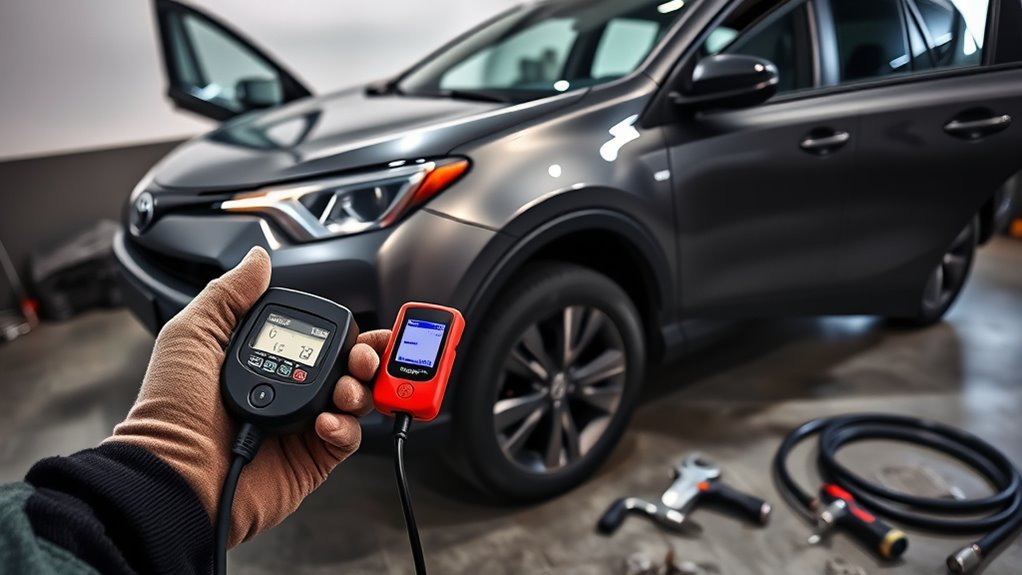
Troubleshooting TPMS problems on your Toyota RAV4 starts with checking tire pressures, including the spare, ensuring they’re all at 32 PSI. If the TPMS light stays on, inspect valve stems for damage or use a scan tool for diagnostics. Drive above 25 mph for a few minutes to reset the system. If issues persist, it may indicate sensor malfunctions or programming needs, so consider professional help. You’ll find additional insights to effectively manage your TPMS system ahead.
How to Fix Common TPMS Problems in the 2008 RAV4
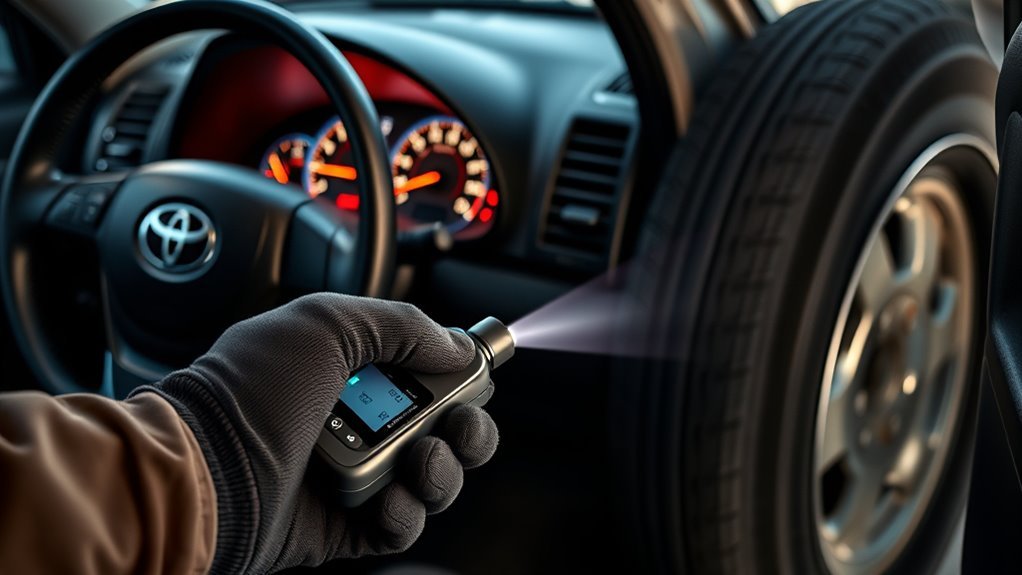
To tackle common TPMS problems in your 2008 RAV4, start by confirming all tires, including the spare, are inflated to the recommended pressure of 32 PSI. Low tire pressure can trigger the TPMS light, especially in cold weather. If the light remains on after inflating, it may indicate a malfunctioning tire pressure sensor or dead sensor batteries, which typically last about 8 years. In this case, consider sensor replacement.
Next, inspect the valve stems for damage or leaks, as these can cause persistent alerts and hinder accurate readings. Regular tire inspection is essential; checking pressure and scheduling professional assessments can help identify underlying issues before they escalate. After correcting tire pressure, drive at speeds above 25 mph for several minutes to reset the TPMS automatically. By following these steps, you’ll guarantee your TPMS functions correctly, enhancing your driving experience and safety.
Quick Fixes for TPMS Warnings
When dealing with TPMS warnings on your Toyota RAV4, start by manually checking tire pressures to confirm all tires, including the spare, are inflated to the recommended 32 PSI. Proper tire pressure is essential for accurate sensor readings. If your tires are correctly inflated, reset the TPMS system by driving at speeds over 25 mph for several minutes; this helps with sensor calibration.
Next, inspect for any damaged valve stems or sensors. Physical damage can prevent proper communication and trigger warning lights. If issues persist, consider using a TPMS scan tool, like the Autel MaxiTPMS, to read sensor outputs and diagnose any programming or communication problems.
Should the warning remain unresolved, visiting a certified Toyota service center guarantees that all sensors are correctly programmed and functioning. Taking these steps can restore peace of mind and keep your RAV4 in peak condition.
Understanding TPMS and Its Role in Tire Safety
Understanding the Tire Pressure Monitoring System (TPMS) is essential for ensuring your Toyota RAV4’s safety and performance. This technology alerts you when tire pressure drops below a certain threshold, enhancing your driving experience and peace of mind.
Key aspects of TPMS functionality include:
- Direct vs. Indirect Sensors: Direct sensors provide real-time pressure readings, while indirect systems rely on ABS data.
- Battery Life: TPMS sensors typically last around 8 years; keeping track of this can prevent sudden failures.
- Temperature Sensitivity: Extreme temperature fluctuations can trigger false alerts, so regular checks are vital.
When Should You Call in the Pros for TPMS Problems?
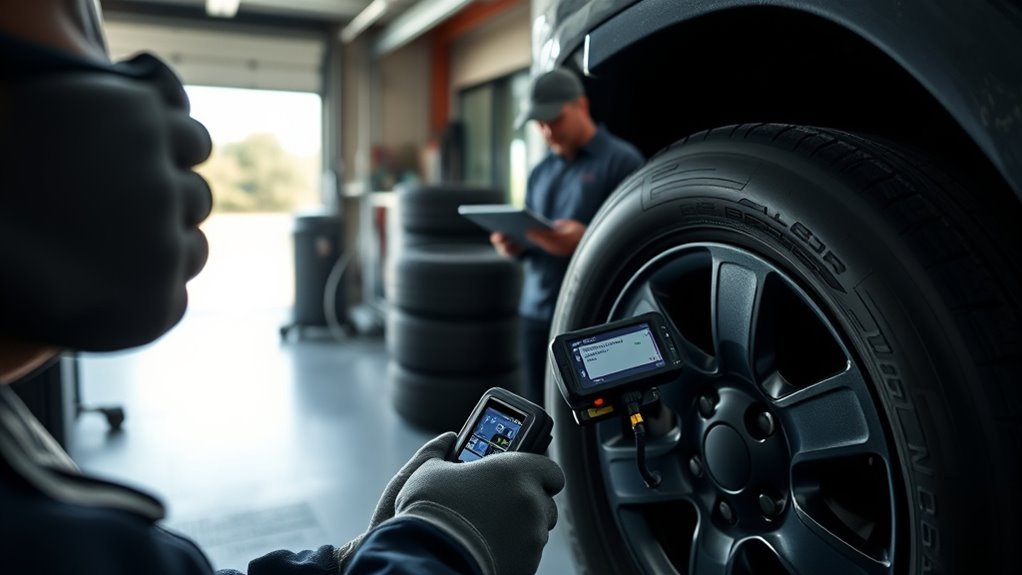
How do you know when it’s time to seek professional help for TPMS issues in your Toyota RAV4? If the TPMS light stays on after replacing sensors, it likely points to a programming issue that needs specialized tools. Persistent alerts, despite proper tire inflation, may indicate sensor malfunctions, requiring a technician’s expertise. Additionally, extreme weather can affect pressure readings, making it wise to consult a pro for verification.
| Scenario | Action Required | Professional Help Needed |
|---|---|---|
| Light stays on post-replacement | Check for programming issues | Yes |
| Alerts with proper inflation | Diagnose potential sensor malfunctions | Yes |
| Weather-related fluctuations | Assess sensor functionality | Yes |
| Sensor compatibility issues | Update programming and software | Yes |
Regular inspections, including TPMS diagnostics, can prevent minor issues from escalating, ensuring your vehicle’s safety.
Tips for Maintaining a Healthy TPMS System
Maintaining a healthy TPMS system in your Toyota RAV4 is essential for safe driving. By following these tips, you can guarantee effective tire pressure monitoring and extend the life of your TPMS sensors:
- Regularly check tire pressure, including the spare, aiming for around 32 PSI.
- Schedule professional inspections at certified service centers to catch sensor issues early.
- Replace TPMS sensors every 5-7 years to avoid signal failures.
Being proactive about tire maintenance not only fosters safety but also liberates you from unexpected alerts. Remember, temperature changes can impact tire pressure, so adjust accordingly. Routine tire rotations and alignments reduce stress on your TPMS sensors, enhancing their longevity. By prioritizing TPMS sensor maintenance, you empower yourself to drive confidently and safely.
Frequently Asked Questions
Where Is the TPMS Reset Button on a 2012 RAV4?
The TPMS reset button on your 2012 RAV4 is beneath the steering wheel near the driver’s side footwell. You’ll need to press it while the ignition’s in the “ON” position to reset the TPMS system.
Why Is My Tire Pressure Light on but My Tires Are Fine on My Toyota RAV4?
Your tire pressure light might be on due to faulty sensors, cold weather effects, or the need for a reset. Check all tires, including spares, to confirm none are under-inflated triggering the warning lights.
Conclusion
In summary, addressing TPMS issues on your RAV4 can seem intimidating, but it’s often a simple fix. Coincidentally, just as you check your tires regularly, staying vigilant about your TPMS guarantees your safety on the road. Whether it’s a reset or a sensor replacement, you can tackle most problems with ease. However, if complications arise, don’t hesitate to consult a professional. Remember, a well-maintained TPMS is essential for your driving safety and peace of mind.

Related Articles

Upsizing Wheels on a Toyota RAV4: Pros, Cons, and Considerations
Boost your Toyota RAV4's performance with larger wheels, but discover the hidden trade-offs that could impact your ride before you decide.
Read More
Can I Change Tire Size on My Toyota RAV4? Rules and Recommendations
Are you considering changing the tire size on your Toyota RAV4? Discover the essential rules and recommendations before making a decision.
Read More
What to Do If the TPMS Light Comes On in Your RAV4
Understand the steps to take when the TPMS light illuminates in your RAV4, as overlooking it could lead to serious tire problems.
Read More