Disclosure: As an Amazon Associate, we earn from qualifying purchases. If you click a product link on this page and make a purchase, we may receive a small commission at no extra cost to you.
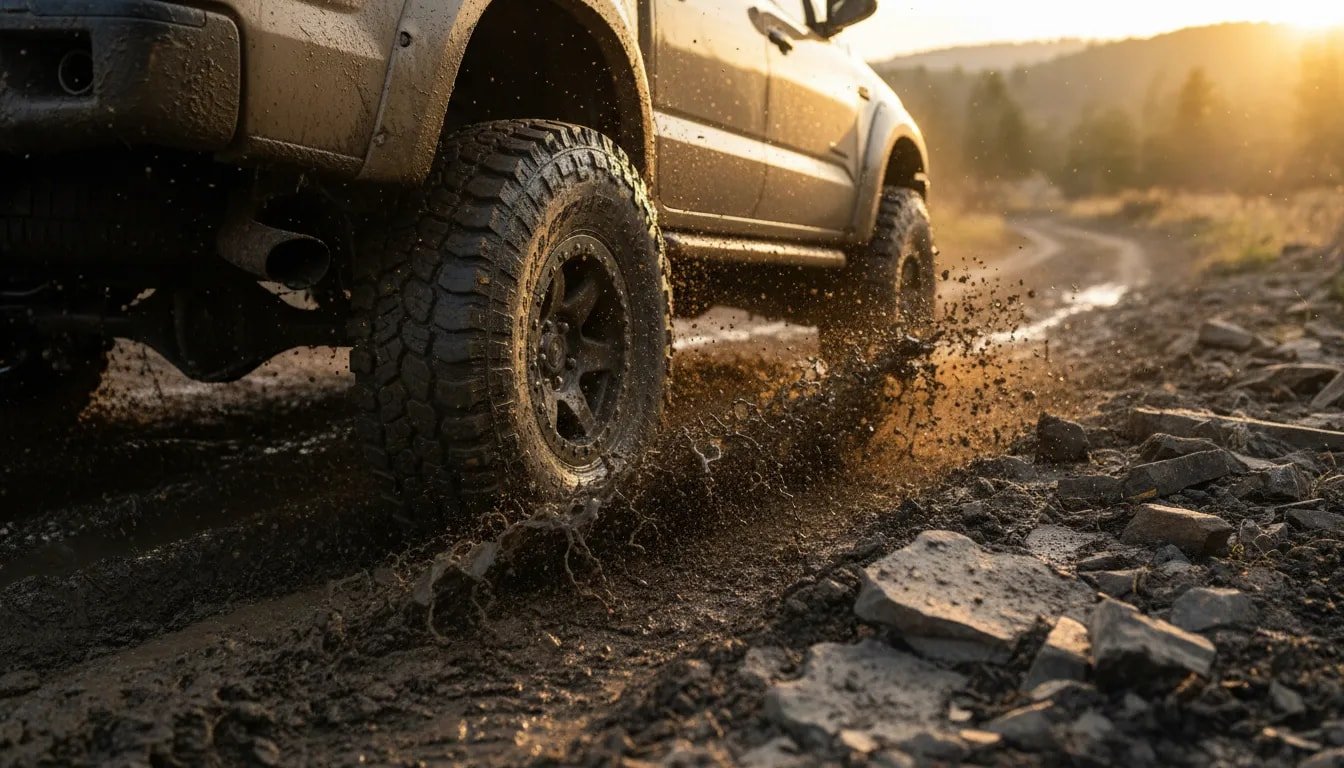
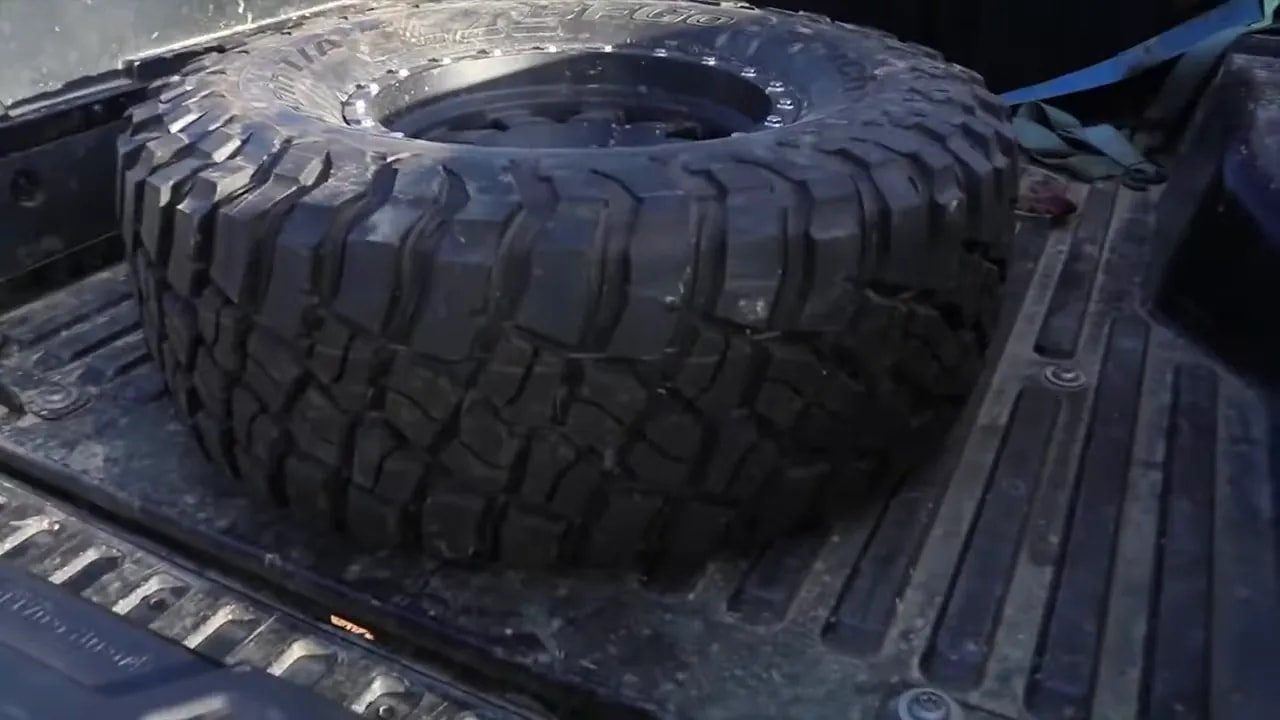
Choosing the best mud-terrain tires is a trade-off between off-road bite and on-road manners. The right set should help you dig through mud, resist trail damage, clear sticky tread blocks, and still feel manageable on the highway.
This guide highlights six strong mud-terrain tire choices for 2026, explains how to choose the right tire for your driving, and points out common mistakes that lead to poor wear, frustrating handling, or unnecessary road noise.
Quick Verdict
For serious deep mud and rock crawling, the BFGoodrich Mud-Terrain T/A KM3 is the strongest overall pick. For mixed off-road use with better long-distance manners, the Toyo Open Country M/T and Nitto Trail Grappler M/T are easier to live with every day.
- Best overall for extreme off-road: BFGoodrich Mud-Terrain T/A KM3
- Best for long-wear mixed off-road use: Toyo Open Country M/T
- Best highway-friendly mud tire: Nitto Trail Grappler M/T
- Best premium aggressive mud tire: Mickey Thompson Baja Boss M/T
- Best modern mud tire for road manners: Goodyear Wrangler Boulder MT
- Best tough all-around value pick: Cooper Discoverer STT Pro
🛞 What makes a mud-terrain tire “best”?
Not all M/T tires are optimized the same way. “Best” usually means the tire performs well where you need it most, with acceptable drawbacks. Compare these factors before choosing:
- Traction in mud: Large tread blocks, aggressive shoulder lugs, and open voids help reduce mud packing.
- Puncture and cut resistance: Strong sidewalls and reinforced construction help protect against rocks, roots, and trail debris.
- Self-cleaning tread: Void ratio, shoulder design, and groove shape help eject mud before the tire starts spinning.
- Wet traction: Siping and rubber compounds can help braking and cornering when the pavement is damp.
- Road noise and comfort: Mud tires are usually louder than all-terrain tires, but some designs are calmer than older M/T patterns.
- Longevity: Wear depends on compound, vehicle weight, rotation schedule, alignment, and how much pavement you drive.
- Weight: Heavier tires can reduce fuel economy, slow acceleration, and add steering effort.
🧭 Quick way to pick the right mud tire for your use
Use this simple decision guide before you buy:
- How often do you hit true deep mud?
- If it is frequent, prioritize maximum bite, self-cleaning tread, and sidewall strength.
- If it is occasional, choose a mud tire with better highway comfort and wet-road manners.
- What terrain is most common?
- Rocky trails: prioritize sidewall protection, puncture resistance, and tread durability.
- Sand and loose dirt: prioritize tread that grabs, floats, and clears quickly.
- Mixed commuting plus trails: prioritize smoother highway manners and predictable wet grip.
- How important is wet pavement grip?
- If you drive often in rain, choose a model with siping, wet-oriented compound design, and calmer road behavior.
- Do you need winter capability?
- M/T tires are usually not ideal for ice. If you need regular snow and ice traction, consider a dedicated winter tire or a severe-duty all-terrain tire designed for winter use.
- Can your vehicle handle the weight and size?
- Confirm tire size, load range, rim diameter, speed rating, and clearance before ordering. Oversized mud tires may rub at full steering lock or suspension compression.
📊 Quick comparison of the best mud-terrain tires
| Tire | Best For | Main Strength | Main Trade-Off | Amazon |
|---|---|---|---|---|
| BFGoodrich Mud-Terrain T/A KM3 | Extreme mud and rock crawling | Strong off-road bite and reinforced sidewall design | Not the quietest or best for slick winter roads | Check Price |
| Toyo Open Country M/T | Mixed off-road use and long trips | Durable build, open shoulders, and wet-grip siping | Heavy in many sizes | Check Price |
| Nitto Trail Grappler M/T | Drivers who split highway and trails | Good balance of mud bite and calmer road behavior | Some sizes and setups still add noticeable weight and hum | Check Price |
| Mickey Thompson Baja Boss M/T | Aggressive mud, sand, and rock use | Asymmetrical tread and strong sidewall traction features | Premium pricing and heavy construction in many sizes | Check Price |
| Goodyear Wrangler Boulder MT | Modern M/T traction with road-use focus | Large voids, aggressive shoulders, and reinforced construction | Still heavier and louder than most all-terrain tires | Check Price |
| Cooper Discoverer STT Pro | Tough all-around mud traction | Strong trail durability and aggressive tread design | More noise and firmness than highway tires | Check Price |
[Products Worth Considering]

This ALL-TOP auto-stop tire deflator valve kit lets you air down off-road tires quickly without watching pressure, automatically stopping when your preset PSI is reached. Each valve is individually calibrated for reliable performance with an acceptable +/- 2 PSI tolerance. The adjustable deflator range covers 10 to 30 PSI and includes four valves plus valve caps and a zipper pouch for easy setup on trucks, SUVs, RVs, UTVs, and powersports.
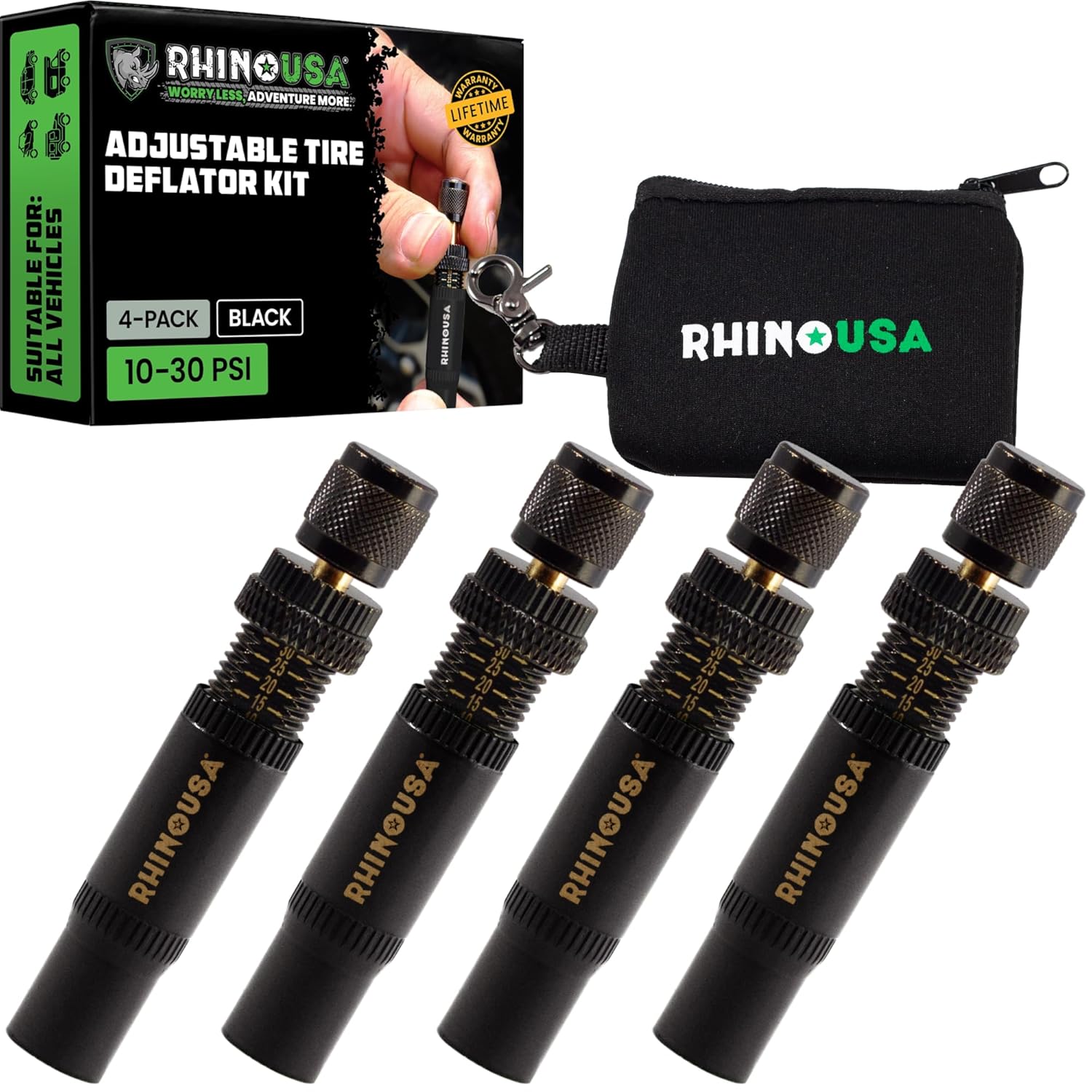
Use the Rhino USA adjustable tire deflators to air down all four tires at once by screwing one deflator onto each valve stem, letting you step away while the tires reach your preset pressure. Each deflator independently adjusts across a 10–30 PSI range with laser-etched indicators for quick setup and verification, making it ideal for beach, sand, and rocky off-road trails.

The Airmoto portable tire inflator quickly and accurately fills car, truck, SUV, motorcycle, and bicycle tires up to 120 PSI with auto shut-off when your target pressure is reached. Its large LCD, multi-unit pressure display, and digital gauge make it easy to dial in settings and verify readings, while the built-in LED flashlight helps in low light. The included polyurethane hard carrying case and storage mesh pocket keep the inflator and accessories protected and organized.
🏆 Six best mud-terrain tires to consider in 2026
Below are six strong choices, each with a different balance of traction, durability, noise, and on-road behavior. Before buying, confirm the exact size and load rating for your truck, Jeep, SUV, or 4×4.
[Products Worth Considering]

Upgrade your 2024-2026 Tesla Model 3 Highland with REEVAA all-weather mud flaps designed for seamless fit along the original body lines. The set of four delivers strong splash protection against mud, gravel, and road debris while using OEM-grade durable materials. Installation is non-destructive with original hole positions and snap-in clips, and the aerodynamic design helps minimize impact on efficiency.

Keep your tires properly inflated with this analog VONDIOR tire pressure gauge, designed for fast, easy readings without batteries. The swiveling, two-axis hose and large glow dial help you measure at any tire angle with instant visibility. Built with a protective rubber shield, it supports durable, low-maintenance use for cars and trucks.

This tire inflator with pressure gauge delivers long-lasting performance with a durable rubber-protected gauge and sturdy build. The longer hose and 360 swivel air chuck help you seal the valve securely and keep your hands free while measuring, inflating, or deflating. It’s battery-free for reliable use and provides ±2 PSI accuracy in the mid-range for most typical tires, with universal compatibility for 1/4 NPT compressor outputs.
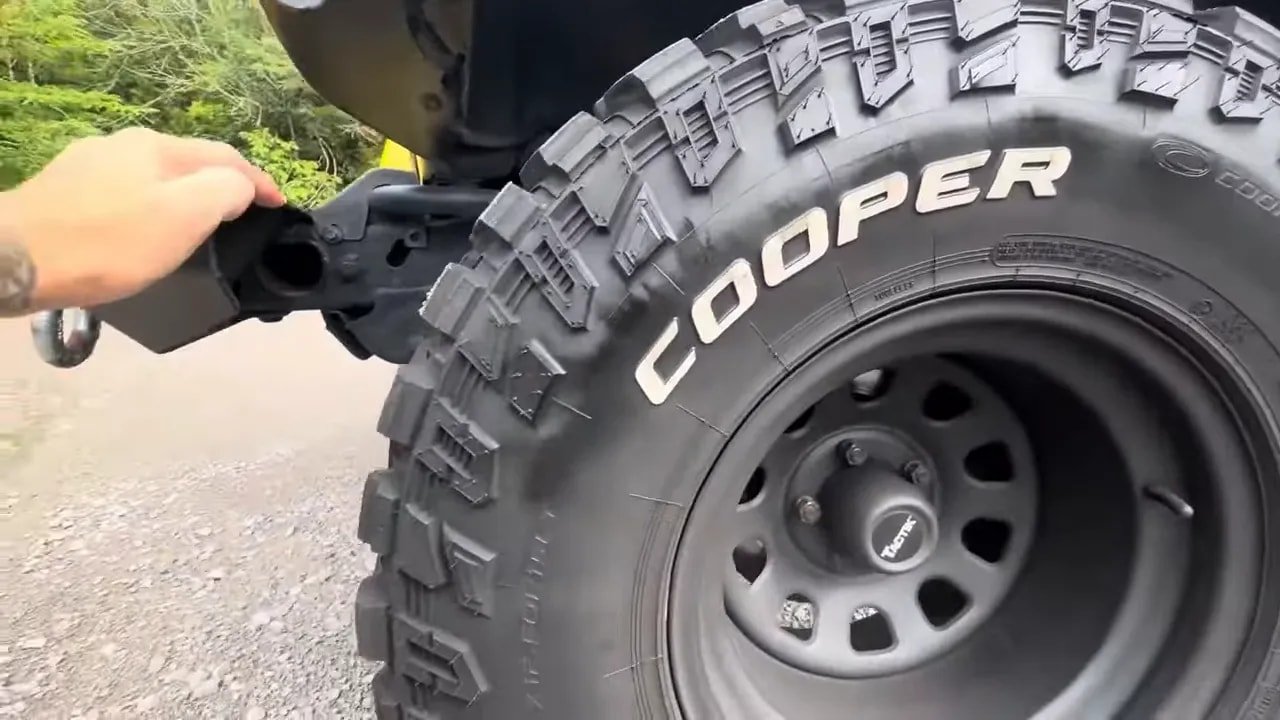
6) Cooper Discoverer STT Pro
Best for: Tough all-around mud traction with a focus on durability and trail protection.
- Sidewall protection: Reinforced construction and aggressive sidewall features help when trails include rocks, ruts, and roots.
- Traction and mud clearing: Large tread blocks, open voids, and shoulder design help maintain grip in sticky terrain.
- Road behavior: More livable than some old-school mud tires, but still louder and firmer than an all-terrain or highway tire.
- Wet road support: The compound and tread design aim to improve control on damp pavement, but braking still may not match a wet-focused tire.
Who should buy it: Choose the STT Pro if you want a dependable mud tire for trail work, hunting routes, farm roads, and weekend off-road use.
Who should skip it: Skip it if your driving is mostly highway commuting and you are sensitive to tread noise.
Watch-outs: Expect some highway noise versus highway-oriented tires, and be cautious on ice or very slick wet roads.
5) Goodyear Wrangler Boulder MT
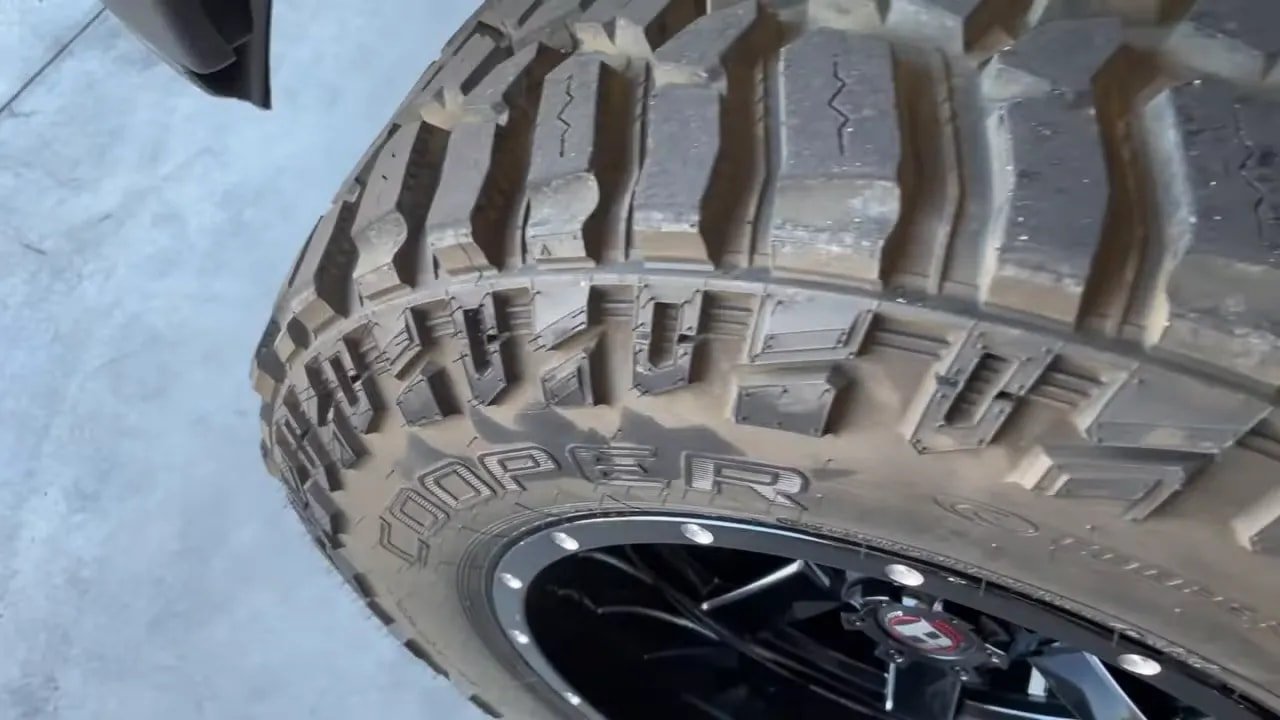
Best for: A newer mud-terrain option that aims for serious off-road bite with more controlled road manners.
- Reinforced toughness: Three-ply-style construction on supported sizes helps protect the tread and sidewall from trail damage.
- Aggressive mud tread: Deep grooves and open void space help the tire grab and clear mud.
- Sidewall lugging: Large sidewall features support traction when climbing out of ruts or crossing uneven terrain.
- Daily-use focus: It is built to feel more refined than many traditional mud-terrain tires, though it will not ride like a touring tire.
Who should buy it: Choose the Boulder MT if you want a modern mud tire for off-road weekends without giving up all highway comfort.
Who should skip it: Skip it if you need the lightest tire possible or want near-silent commuting.
Watch-outs: It is typically heavier than lighter all-terrain tires, which can affect fuel economy, acceleration, and steering feel. It is also not a dedicated winter-ice tire.
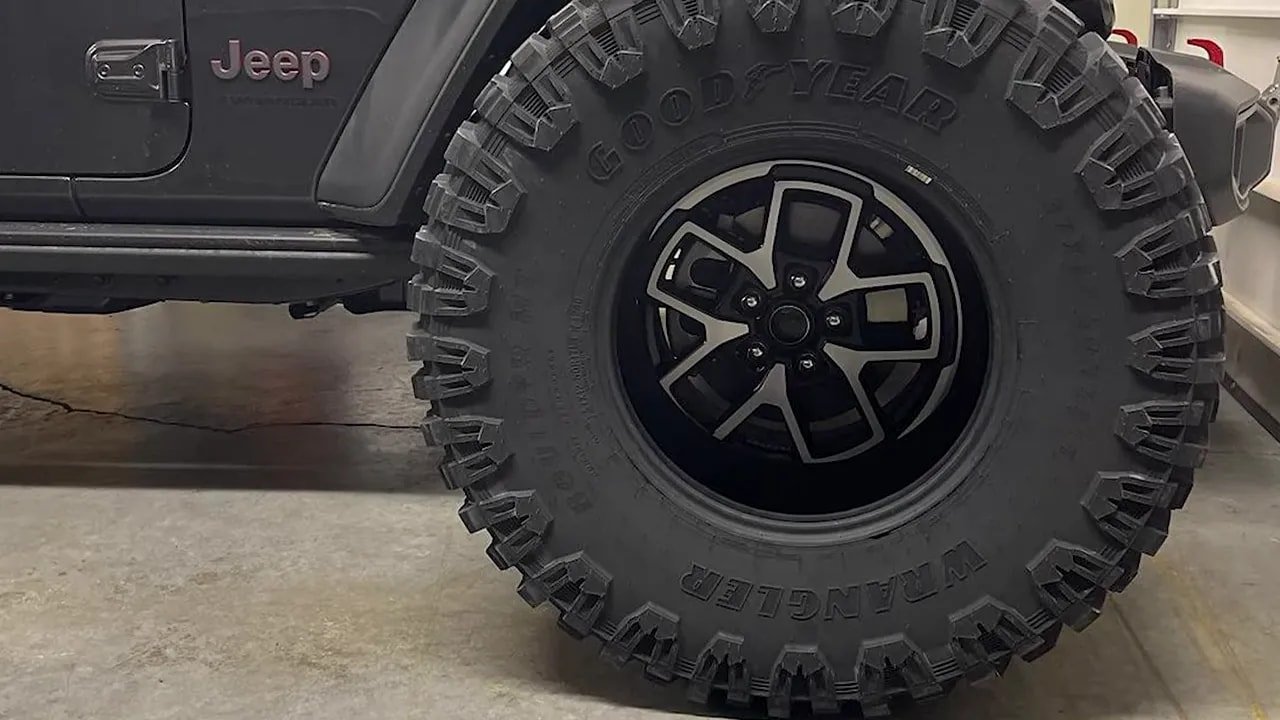
4) Nitto Trail Grappler M/T
Best for: Drivers who want mud bite but still care about highway smoothness and lower road noise.
- Balanced tread design: Large blocks and side lugs help dig into mud while clearing to reduce packing.
- Quieter highway focus: The tread block arrangement is designed to reduce noise compared with more extreme Nitto mud designs.
- Wet traction support: Siping in the tread blocks helps on damp roads, but it still needs more stopping room than a wet-focused highway tire.
- Durability: Many sizes use a 3-ply sidewall with high turn-up construction for added puncture resistance. Check the exact size because some 15-inch sizes may differ.
Who should buy it: Choose the Trail Grappler M/T if you want a strong trail tire that is easier to live with on long highway drives.
Who should skip it: Skip it if you want the most extreme mud paddle effect or the lightest possible setup.
Watch-outs: It can be heavy, and tread noise can build after many miles if alignment and rotation are not maintained.
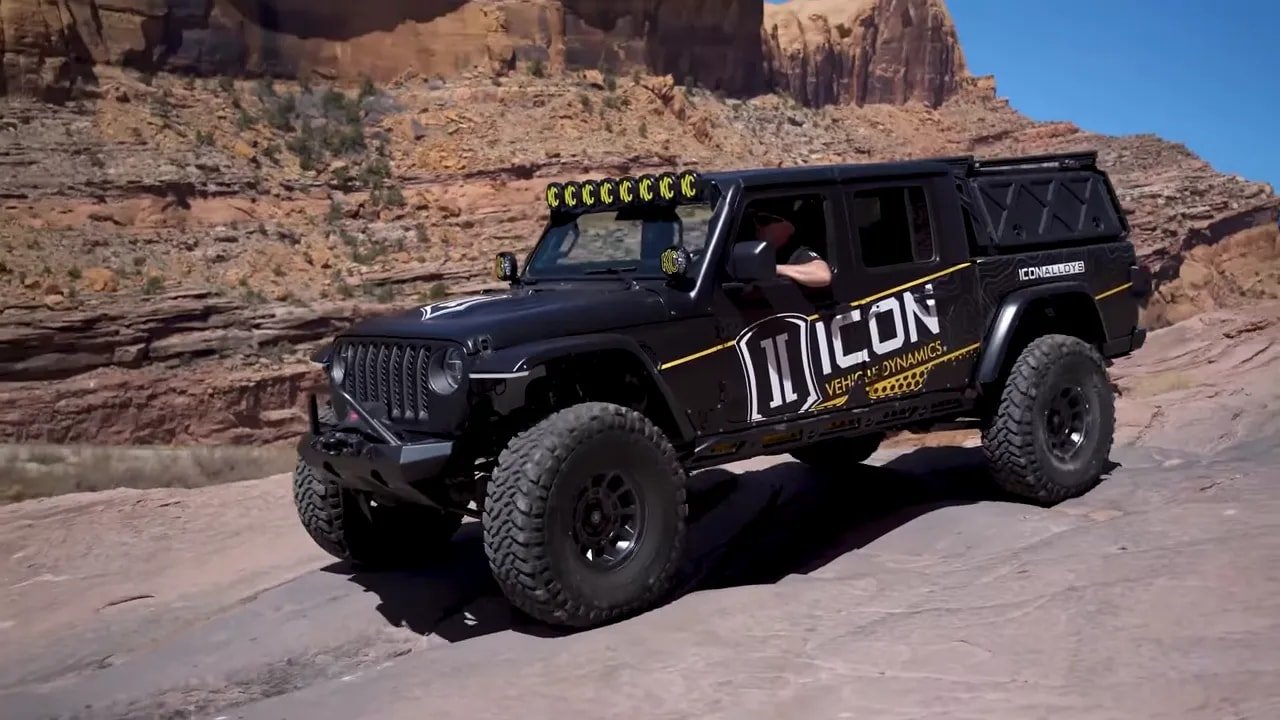
3) Mickey Thompson Baja Boss M/T
Best for: Aggressive performance across mud, sand, and rocks with a premium off-road build.
- Asymmetrical tread: Different tread zones help support off-road traction, on-road handling, and noise control.
- Extra sidewall bite: Large Sidebiters help add grip when the sidewall contacts mud, rocks, or rut walls.
- Stable construction: PowerPly XD 3-ply construction on applicable sizes supports puncture resistance, steering response, and stability.
- Wet and durability support: A silica-reinforced compound helps with wet handling, cut resistance, and tread life.
Who should buy it: Choose the Baja Boss M/T if you want a premium, aggressive mud tire for lifted trucks, Jeeps, and serious off-road builds.
Who should skip it: Skip it if price, tire weight, and road noise matter more than maximum off-road attitude.
Watch-outs: It is often expensive and heavy. Like most M/T tires, ice traction is limited, and careful rotation helps maximize tread life.
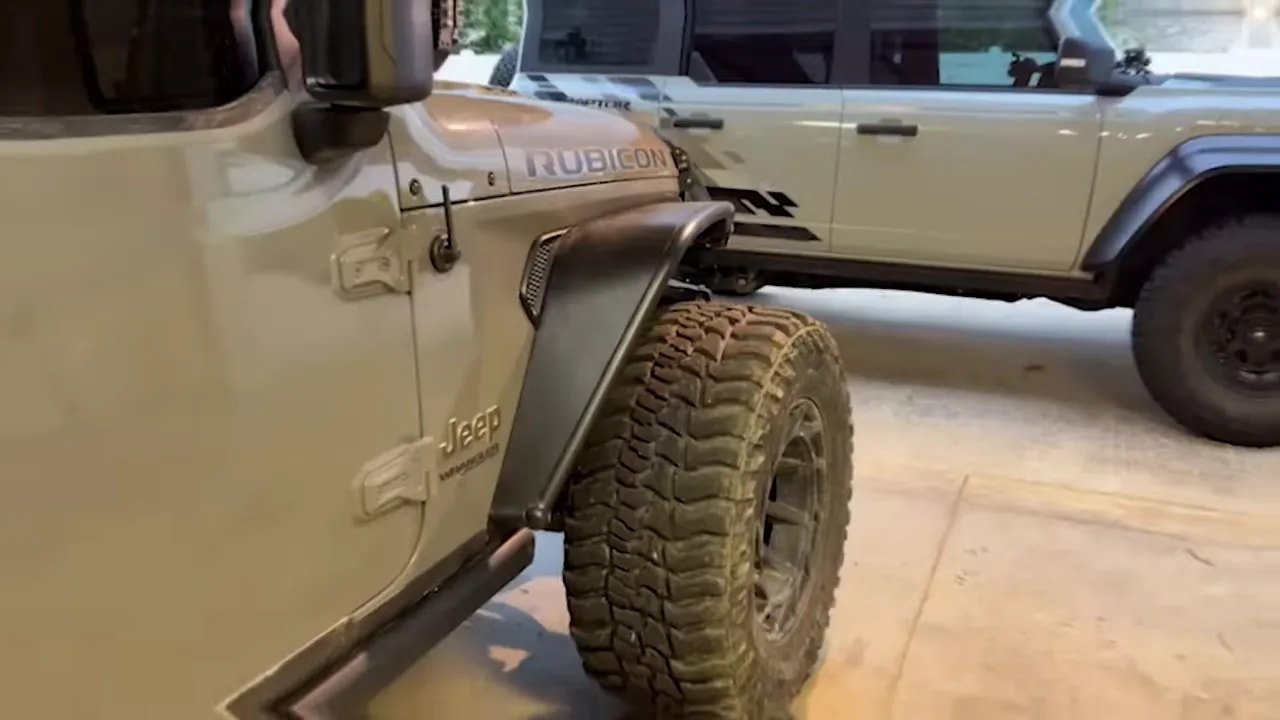
2) Toyo Open Country M/T
Best for: Durable mud-terrain performance with strong traction in mixed off-road conditions.
- Deep mud digging blocks: Hook-shaped tread blocks and open shoulders help clear mud quickly.
- Sidewall and shoulder traction: Over-the-shoulder tread helps add grip in deep mud, snow, and hard turns off-road.
- Durable build: Tough polyester construction helps with impact resistance and handling under heavier trail use.
- Solid highway manners: It tends to feel stable for a mud tire, though you should still expect a noticeable hum.
- Wet-road support: Deep siping in the tread blocks helps maintain grip on wet surfaces.
Who should buy it: Choose the Open Country M/T if you want a proven mud tire for trucks and SUVs that see both trails and longer road trips.
Who should skip it: Skip it if you want a lightweight tire or mostly drive in city traffic and rain.
Watch-outs: It is one of the heavier options in many sizes, which can reduce fuel economy. It is also not ideal for packed snow or ice compared with a true winter tire.
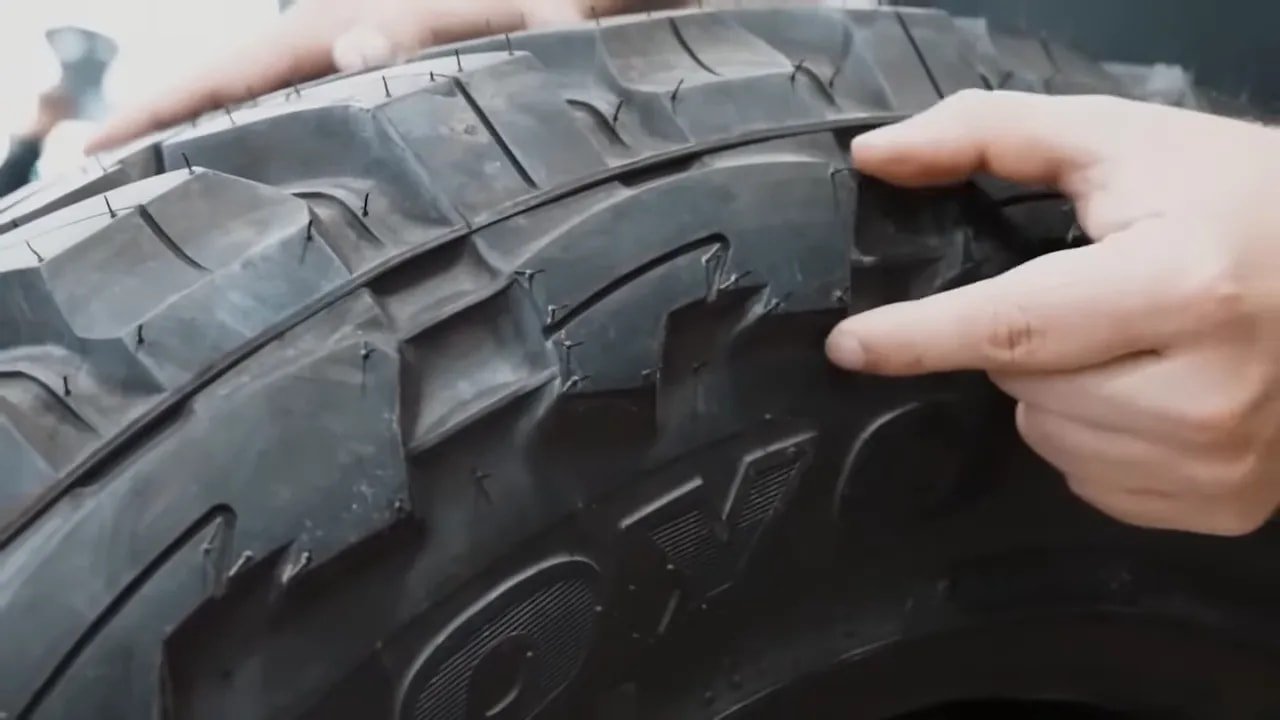
1) BFGoodrich Mud-Terrain T/A KM3
Best for: Maximum off-road traction and toughness for rock crawling, deep mud, and serious trail use.
- Terrain-attack tread: Large tread blocks are designed to bite from multiple angles in mud, rocks, and loose debris.
- Mud-release features: Mud-Phobic bars help release compacted mud from the shoulder area.
- Grip-focused rubber: Krawl-TEK compound helps maintain traction on rocks and other slick off-road surfaces.
- Sidewall protection: CoreGard Max technology helps protect the sidewall from splitting and puncture damage.
- Rock-crawling flexibility: The Linear Flex Zone helps the tire flex around obstacles when aired down properly.
Who should buy it: Choose the KM3 if your top priority is serious off-road traction, rock crawling, muddy trails, and sidewall toughness.
Who should skip it: Skip it if you mostly drive wet highways, icy roads, or long daily commutes where quiet ride and fuel economy matter most.
Watch-outs: It can be less impressive on wet pavement and icy roads than less aggressive tire types. Expect longer stopping distances in slick conditions versus all-season or winter tires.
🔧 How to get the most from mud tires
Even the best mud-terrain tires do not perform their best if the setup is wrong. Use these steps to protect tread life, traction, and safety.
Choose the correct size and load rating
- Match your vehicle’s recommended size, load index, speed rating, and wheel diameter.
- Verify clearance at full steering lock and during suspension compression.
- Check whether a larger size requires trimming, lift changes, wheel-offset changes, or speedometer recalibration.
- Do not choose a lower load rating than your vehicle requires.
Prioritize alignment and rotation
- Get an alignment after mounting new tires, especially if you changed tire size.
- Rotate on schedule. Aggressive tread designs can wear faster if rotated late or incorrectly.
- Keep tire pressure within the recommended range for your vehicle, tire size, load, and driving conditions.
- Inspect for cupping, feathering, or uneven shoulder wear before noise becomes permanent.
Use proper mud-driving technique
- Avoid constant spinning. Wheelspin can dig the vehicle deeper and damage tread blocks.
- Use lower gears, smooth throttle, proper driving lines, and traction aids when available.
- If you air down off-road, do it in a controlled way and reinflate before highway speeds.
- Use mud flaps if your setup throws debris toward body panels, trailers, or nearby vehicles.
Before You Buy Checklist
- Confirm tire size, rim diameter, load range, and speed rating.
- Check your vehicle’s door-jamb tire label and owner’s manual.
- Verify wheel-well clearance if you are upsizing.
- Expect more road noise than all-terrain or highway tires.
- Plan for regular rotation, alignment checks, and pressure monitoring.
- Use winter tires if you regularly drive on ice or freezing roads.
⚠️ Common mistakes when buying mud-terrain tires
- Expecting ice performance: M/T tires are not replacements for dedicated winter tires.
- Ignoring weight: Heavier tires can reduce acceleration and fuel economy. Factor this into your daily driving.
- Buying for looks only: Tread design, load rating, construction, and sidewall strength determine real-world performance.
- Skipping rotations: Many mud tires can wear unevenly without consistent rotation.
- Underestimating noise: Expect more noise than all-season tires, though some models are engineered to be calmer.
- Forgetting wet-road braking: Aggressive lugs can need more stopping distance on wet pavement than less aggressive tires.
📌 Best choice by driving style
- Most aggressive off-road traction: BFGoodrich Mud-Terrain T/A KM3
- Best balance of mud bite and long-wear potential: Toyo Open Country M/T
- Quieter highway feel without giving up real mud performance: Nitto Trail Grappler M/T
- Performance-focused mud tire with premium off-road design: Mickey Thompson Baja Boss M/T
- Durable, modern mud-terrain with improved road manners: Goodyear Wrangler Boulder MT
- Tough, dependable all-around mud traction: Cooper Discoverer STT Pro
[Products Worth Considering]

The ETENWOLF T600 digital tire pressure gauge delivers precise, manually calibrated readings to ANSI B40.7 Grade 2A standards with ±0.5% PSI accuracy. Its 360° rotating nozzle and display hold make it easy to check pressures from any angle, while a bleed button helps dial tires to the perfect level. With a 0–250 PSI range and support for PSI, BAR, and KPA, it’s a convenient tool for maintaining tire performance across many vehicles and seasons.

Replace worn or missing TPMS sensors with a pre-programmed 4-pack designed for compatible GM vehicles. These 315MHz sensors provide real-time tire pressure monitoring and alert you if pressure is too high, too low, or if a rapid air leak occurs. Most installations are ready with minimal relearn effort after mounting, helping improve safety and driving confidence.
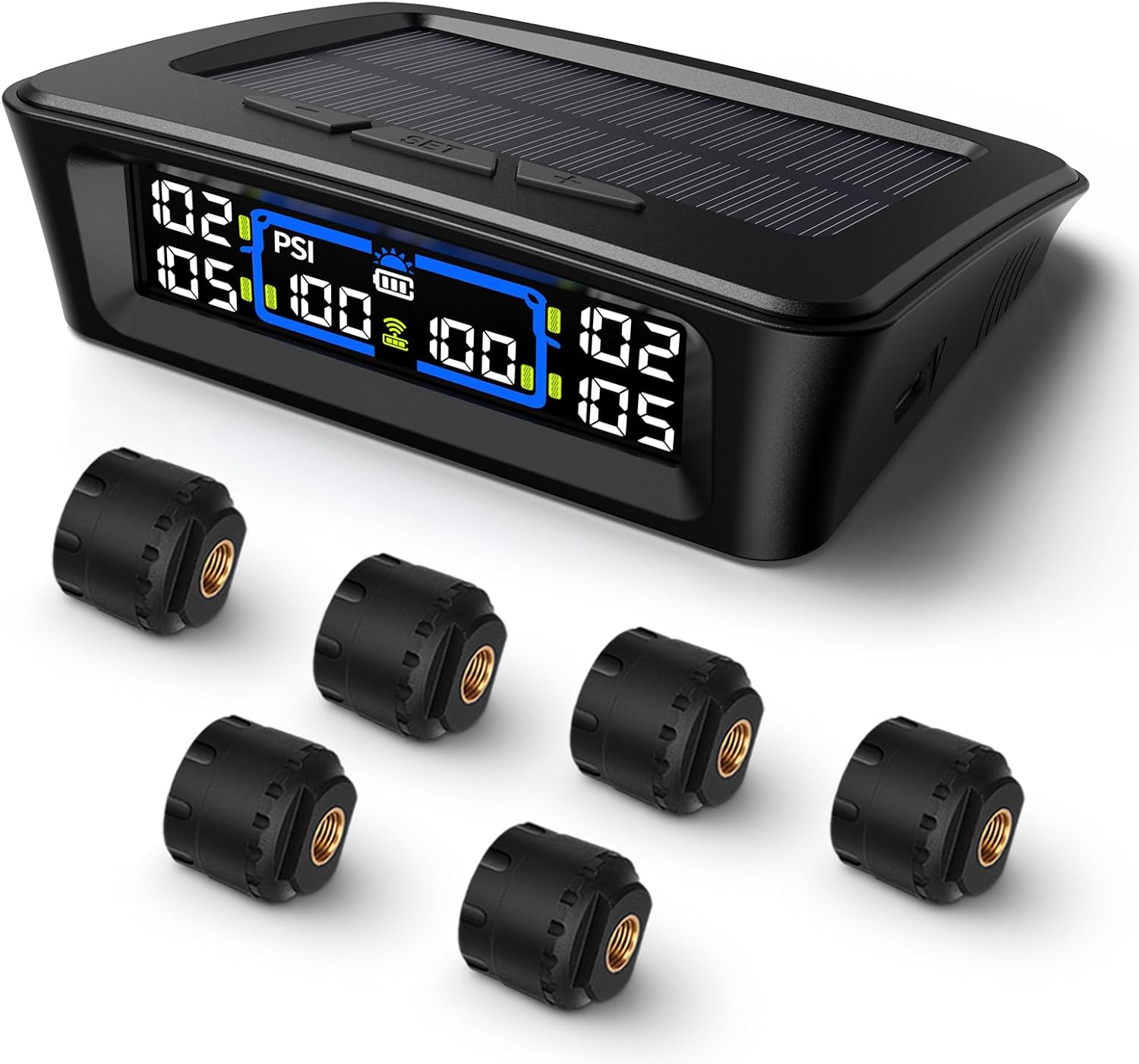
The Tymate TM12 RV TPMS delivers real-time tire pressure and temperature monitoring with a stable 433Hz display for safer long-distance driving. It supports simultaneous monitoring across vehicle and trailer zones, includes six alarm modes for pressure, temperature, leakage, battery, and signal loss, and features easy DIY installation with auto calibration. Power is supplied via USB-C charging or solar recharging, with a wide 0–144 PSI range and up to 50 ft signal coverage for RVs and towable trailers.
❓ FAQ about mud-terrain tires
Are mud-terrain tires good for daily driving?
How do mud-terrain tires perform in rain?
Can mud-terrain tires handle snow and ice?
Why do some mud tires wear faster?
Do mud tires affect fuel economy?
Should I air down for off-road?
Do mud-terrain tires come with treadwear warranties?
Which mud-terrain tire is best for mostly highway driving?
✅ Takeaway: the best mud tire is the one that matches your terrain
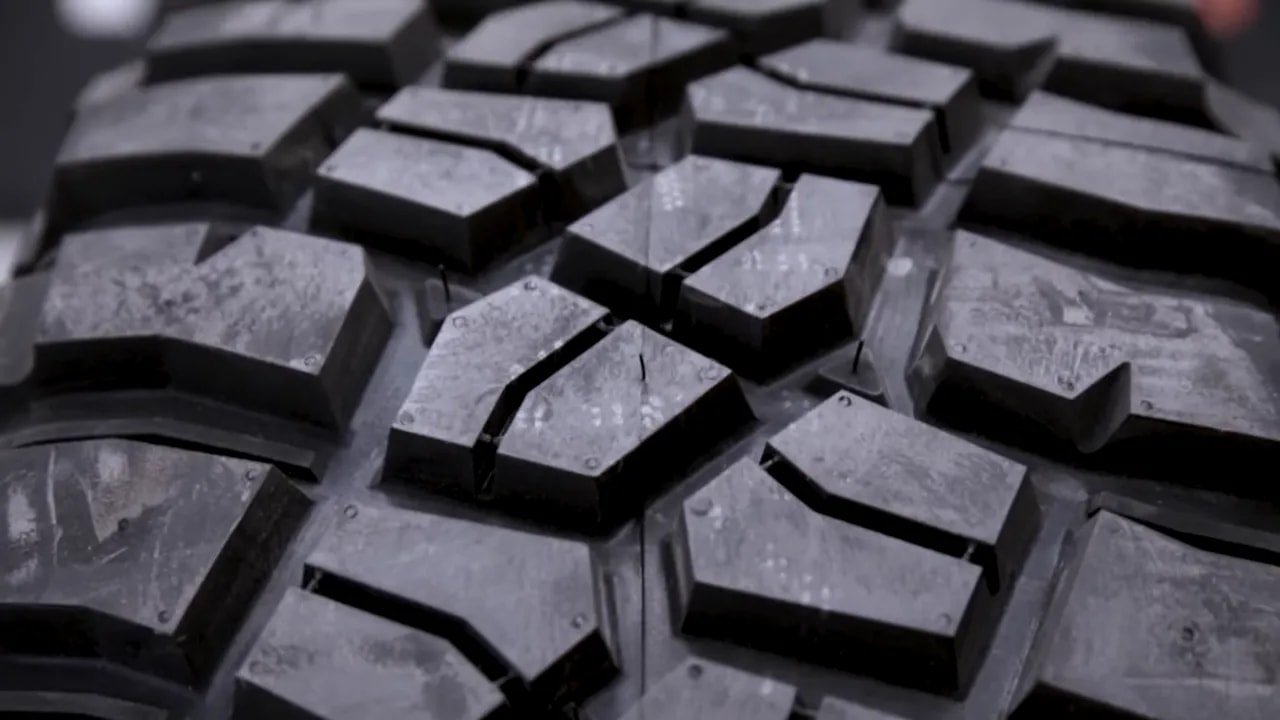
If your priority is deep mud and rock toughness, the BFGoodrich Mud-Terrain T/A KM3 stands out. For durable mixed off-road use and longer road trips, the Toyo Open Country M/T is a top contender. If you want more highway comfort with real mud capability, the Nitto Trail Grappler M/T is often the better everyday-friendly pick.
Final Recommendation
Choose the most aggressive tire only if your terrain demands it. For many trucks, Jeeps, and SUVs, the best mud-terrain tire is the one that gives you enough off-road bite without creating too much noise, weight, wet-road compromise, or treadwear frustration on the road.