
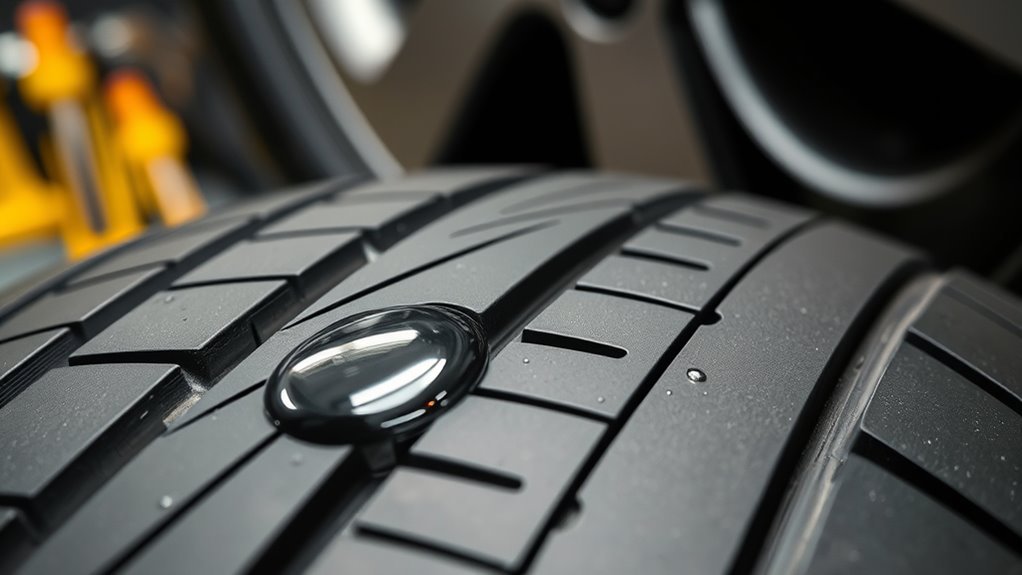
A small nail can turn a normal tire into a roadside problem fast. Self-sealing tires reduce that risk by using a sticky inner lining that closes many tread punctures before the tire loses much air. This guide explains how they work, where they help, where they fail, and what you should do after a puncture.
What’s in This Article
- What Is a Self-Sealing Tire?
- How Self-Sealing Tires Work
- Major Manufacturers and Models Available Today
- How to Choose and Care for Self-Sealing Tires
- Limits and Repair: Puncture Size, Sidewall Damage, and Drive-After-Seal Rules
- Benefits of Self-Sealing Tires: Safety, Convenience, and Maintenance
- Self-Sealing Tires vs. Run-Flat Tires
- When True Self-Healing Tires May Reach the Market
- Frequently Asked Questions
- Final Thoughts on Self-Sealing Tires
- References
Quick Answer
Self-sealing tires use a thick polymer lining inside the tread area. When a nail or screw makes a small tread puncture, the lining flows around the object or into the hole to slow air loss. They can help you keep control and drive to a service shop, but they don’t repair sidewall cuts or large punctures.
Key Takeaways
- Self-sealing tires work best on small punctures in the tread area.
- The sealant layer slows air loss, but it doesn’t make the tire permanently repaired.
- Sidewall cuts, shoulder damage, and large holes still require replacement or professional service.
- You should inspect the tire and check pressure after any puncture or pressure warning.
- Self-sealing tires cost more than standard tires but can reduce roadside stops.
What Is a Self-Sealing Tire?
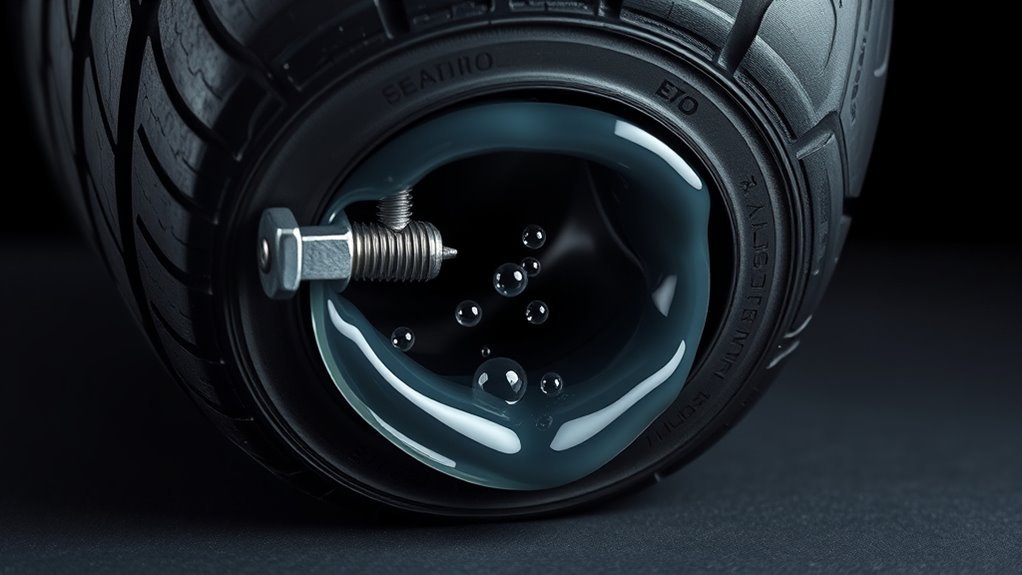
A self-sealing tire contains a rubbery polymer lining inside the tread area. The lining surrounds small punctures from common road debris, such as nails and screws, and helps limit air loss.
Most self-sealing systems target tread punctures up to about 1/4 inch, or 6 mm, across. Manufacturers such as Michelin, Continental, Pirelli, Goodyear, and Hankook use their own sealant materials and tire designs.
This design gives you more time to react after a minor puncture. It does not turn the tire into a permanent repair, so you still need a tire professional to inspect the damage.
How Self-Sealing Tires Work
A self-sealing tire uses a viscous sealant layer bonded to the inner liner below the tread. Tire pressure helps push the sealant into a puncture path when a sharp object breaks through the tread.
If the nail or screw stays in place, the sealant wraps around it and slows the leak. If the object comes out, the sealant can flow into the hole and help close the air path.
The system works best on small tread punctures. It does not work well on sidewall cuts, shoulder damage, blowouts, or holes larger than the tire maker allows.
Sealant Layer Mechanics
The sealant layer balances flow, grip, and durability. It must move enough to plug a small hole, but it must also stay bonded inside the tire during normal driving.
- Sealant flow helps fill small tread punctures.
- Layer thickness affects how much material can fill the hole.
- The sealant can surround a nail or screw while it remains in the tread.
- The system depends on the tread area, not the sidewall.
- The sealed tire still needs inspection after a puncture.
Puncture Sealing Process
When a sharp object enters the tread, air pressure pushes the sealant toward the leak path. The compound fills small gaps and helps reduce pressure loss.
Many manufacturers describe this protection as suitable for common nail and screw punctures. Exact limits vary by tire model, so you should check the tire maker’s service guide.
Do not assume the puncture has disappeared. The sealant limits air loss, but hidden belt, liner, or tread damage can still make the tire unsafe.
Limitations and Maintenance
Self-sealing tires reduce the chance of an immediate flat, but they have clear limits. They usually do not seal sidewall cuts, shoulder damage, or large punctures.
Warning: Treat any sidewall cut, bulge, or sudden pressure loss as a safety issue and stop driving as soon as you can do so safely.
- Inspect the tread and sidewalls after any puncture.
- Check tire pressure after a road hazard or warning light.
- Follow the tire maker’s drive-after-puncture guidance.
- Replace tires with severe, repeated, or non-repairable damage.
- Ask a qualified technician to confirm whether repair remains safe.
Major Manufacturers and Models Available Today
You can find self-sealing options from Michelin, Continental, Pirelli, Goodyear, and Hankook. Each brand uses its own sealant chemistry, construction, and repair guidance.
Well-known systems include Michelin Selfseal, Continental ContiSeal, Pirelli Seal Inside, Goodyear DuraSeal, and Hankook Sealguard. Availability depends on tire size, vehicle type, market, and original equipment fitment.
[Products Worth Considering]

The TYAMATE TM8 solar-powered wireless TPMS delivers real-time tire pressure and temperature monitoring with six alarm modes for safer driving. A vibrant color LCD display shows readings clearly while windshield mounting keeps it hands-free and easy to read. With a wide 0–87 PSI range, strong 433.92 MHz signal transmission, and quick sensor pairing, it’s ideal for RV, sedan, SUV, MPV, and truck use.
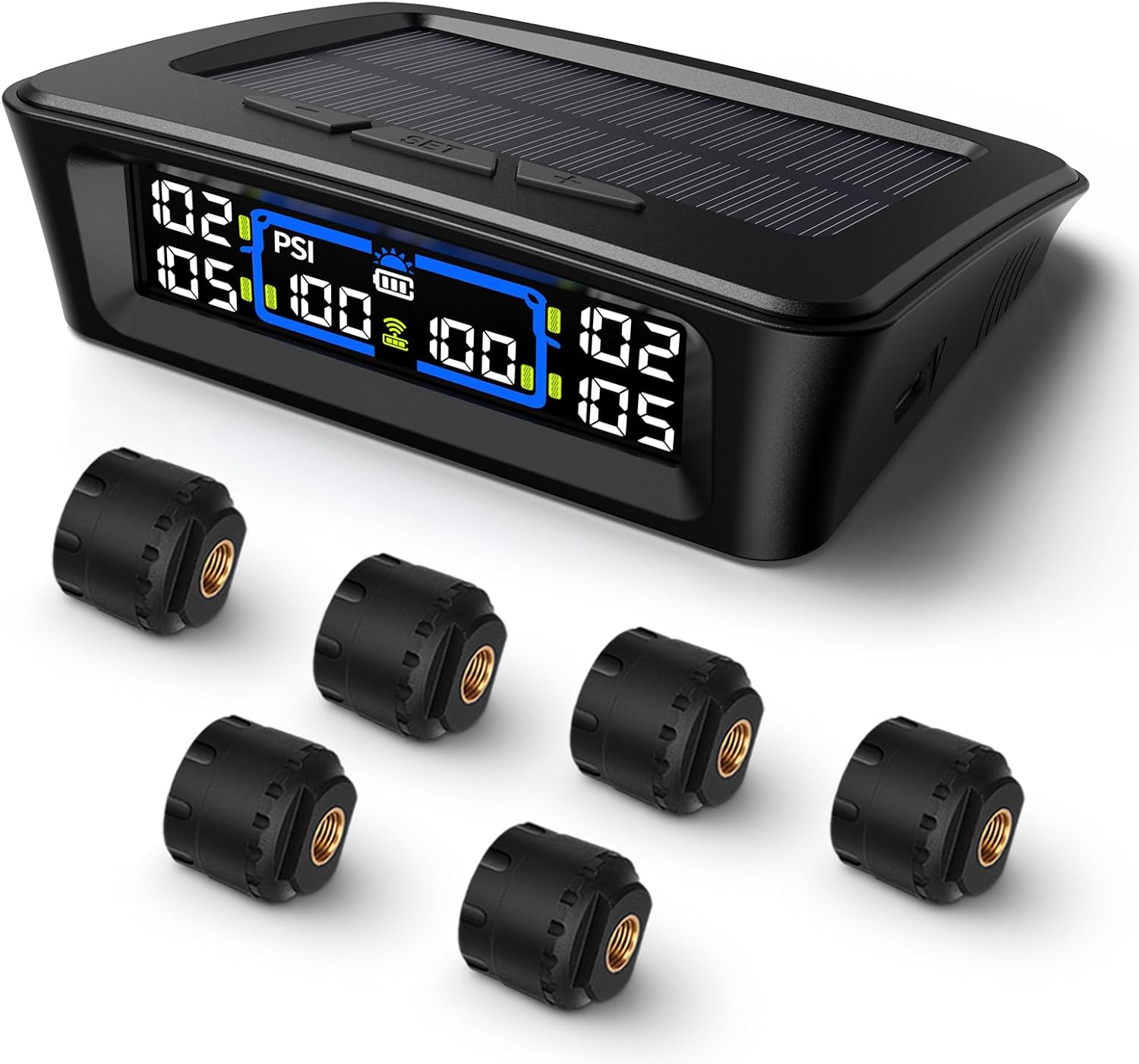
The Tymate TM12 RV TPMS delivers real-time tire pressure and temperature monitoring with a stable 433Hz display for safer long-distance driving. It supports simultaneous monitoring across vehicle and trailer zones, includes six alarm modes for pressure, temperature, leakage, battery, and signal loss, and features easy DIY installation with auto calibration. Power is supplied via USB-C charging or solar recharging, with a wide 0–144 PSI range and up to 50 ft signal coverage for RVs and towable trailers.

Steelman white tire marking crayons provide high-contrast, semi-permanent marks for repairing and inspecting tires and equipment. They write on wet or dry, smooth or coarse surfaces including rubber, metal, glass, and wood, making them ideal for puncture location and damage outlining. The lead- and zinc-free crayons resist weather and fading yet wipe away when you no longer need the marks.
Top Brands Available
Compare brands by fitment, puncture size limits, warranty terms, repair guidance, and price. A tire that seals small punctures well still must match your load rating, speed rating, and vehicle requirements.
- Michelin Selfseal: Designed to help seal small tread punctures with an inner sealant layer.
- Continental ContiSeal: Uses a sticky inner layer that can seal many tread punctures from nails and similar objects.
- Goodyear DuraSeal: Uses a sealant compound for commercial and selected tire applications.
- Pirelli Seal Inside: Helps maintain pressure after many small tread punctures.
- Hankook Sealguard: Adds a sealant layer to selected tire lines and sizes.
Popular Models Today
Self-sealing tire names often describe the sealant technology, not one single tire model. You may see the feature offered across selected touring, performance, commercial, or original equipment tires.
Before you buy, confirm that the exact size and load rating include the self-sealing version. Similar tire names can appear with and without the sealant feature.
How to Choose and Care for Self-Sealing Tires
When you choose self-sealing tires, start with the same basics you would use for any tire. Match the tire size, load index, speed rating, climate needs, and vehicle maker’s guidance.
Then compare the self-sealing feature. Check the stated puncture size limit, repair rules, warranty terms, and whether your local tire shop can service that model.
- Check the tire maker’s sealing claims and repair limits.
- Inspect tires weekly and after road hazards.
- Rotate and balance tires at the proper service interval.
- Check pressure when the tire pressure monitoring system (TPMS) warns you.
- Balance the higher purchase cost against fewer roadside stops.
Pro tip: Tell the tire shop that your tire is self-sealing before repair, because the inner sealant layer can change the repair process.
[Products Worth Considering]

Mosconly tire repair glue and nail kit delivers an elastic, waterproof bond for quick sidewall puncture repairs. The adhesive cures securely to help prevent peeling, flaking, and tearing, while the included nails support a strong, seamless repair. Designed for easy roadside use, it works on car, motorcycle, bike, and other tire types, with full curing within 24 hours.
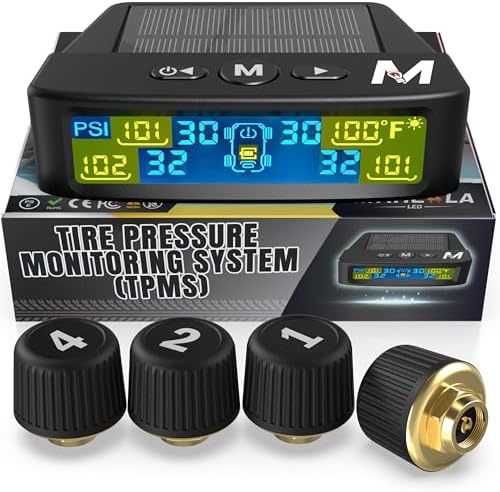
Marcala’s TPMS set of four sensors helps you monitor tire pressure and temperature in real time while driving, with updates every second. The bright color LCD uses auto-dimming for easy viewing, powered by dual solar and USB charging, and offers six alarm modes. Built for trailers, RVs, campers, trucks, and towing setups, the sensors support monitoring 1-4 wheels up to 98 PSI with IP67 waterproof protection.

Replace worn or malfunctioning GM TPMS sensors with this 433MHz pre-programmed sensor set designed for compatibility with many Chevrolet, Buick, GMC, and Cadillac models. It includes guidance for proper OBDII relearning/pairing after installation and supports reliable long-term operation with a high-performance CR2032 battery. Quality tested for durability and performance to help restore accurate tire pressure monitoring.
Limits and Repair: Puncture Size, Sidewall Damage, and Drive-After-Seal Rules
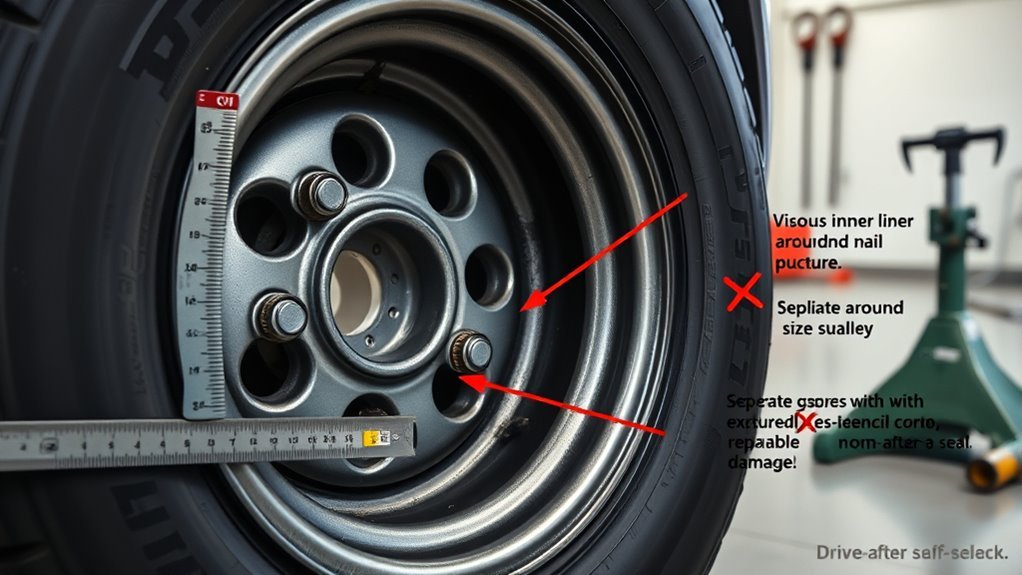
Self-sealing tires can help with many small tread punctures, but they don’t fix every tire injury. Sidewall cuts, shoulder punctures, impact breaks, and large holes can damage cords and make the tire unsafe.
After a puncture, check the pressure and look for visible damage. Then arrange a professional inspection, even if the tire still holds air.
A technician can confirm whether the puncture sits in a repairable tread zone. If repair qualifies, the shop may use an approved patch-and-plug method that matches the tire maker’s guidance.
Benefits of Self-Sealing Tires: Safety, Convenience, and Maintenance
The main benefit of self-sealing tires is continued mobility after many minor tread punctures. You may avoid a sudden flat, an unsafe roadside tire change, or a tow for a small nail hole.
They also help protect handling by slowing pressure loss. A tire that keeps more pressure gives you more predictable steering, braking, and load support.
- They seal many common tread punctures quickly.
- They reduce the chance of an unexpected roadside stop.
- They help maintain pressure long enough to reach service.
- They can reduce dependence on a spare tire for minor punctures.
- They still require regular inspection and pressure checks.
Self-Sealing Tires vs. Run-Flat Tires
Self-sealing tires and run-flat tires solve different problems. A self-sealing tire tries to keep air inside after a small tread puncture, while a run-flat tire supports the vehicle for a limited distance after major pressure loss.
Run-flat tires often use reinforced sidewalls and can feel firmer on some vehicles. Self-sealing tires usually feel closer to standard tires, but they may weigh more and cost more than similar non-sealing versions.
Note: Some vehicles need specific tire types to match their suspension, tire pressure monitoring system, or spare-tire setup.
[Products Worth Considering]

MetFun’s 40-piece tire repair screw plugs kit provides a fast DIY fix for tubeless punctures with two tubes of black tire sealant glue. The rubber repair screws are pre-coated and designed for a secure grip and double seal to help stop air leaks. With 2 screw sizes for small and larger punctures, it’s suitable for cars, motorcycles, trucks, tractors, lawnmowers, ATVs, and more—so you’re prepared for road trips and emergencies.

This tire repair screw plug kit includes 60 pieces in two sizes to help you fix punctures quickly on the road. Choose the right screw by puncture size, then drive it in with a screwdriver for an effective seal without needing a flaring tool. The coated screws help prevent leaks and are designed for convenient emergency use across cars, trucks, ATVs, motorcycles, and bicycles.
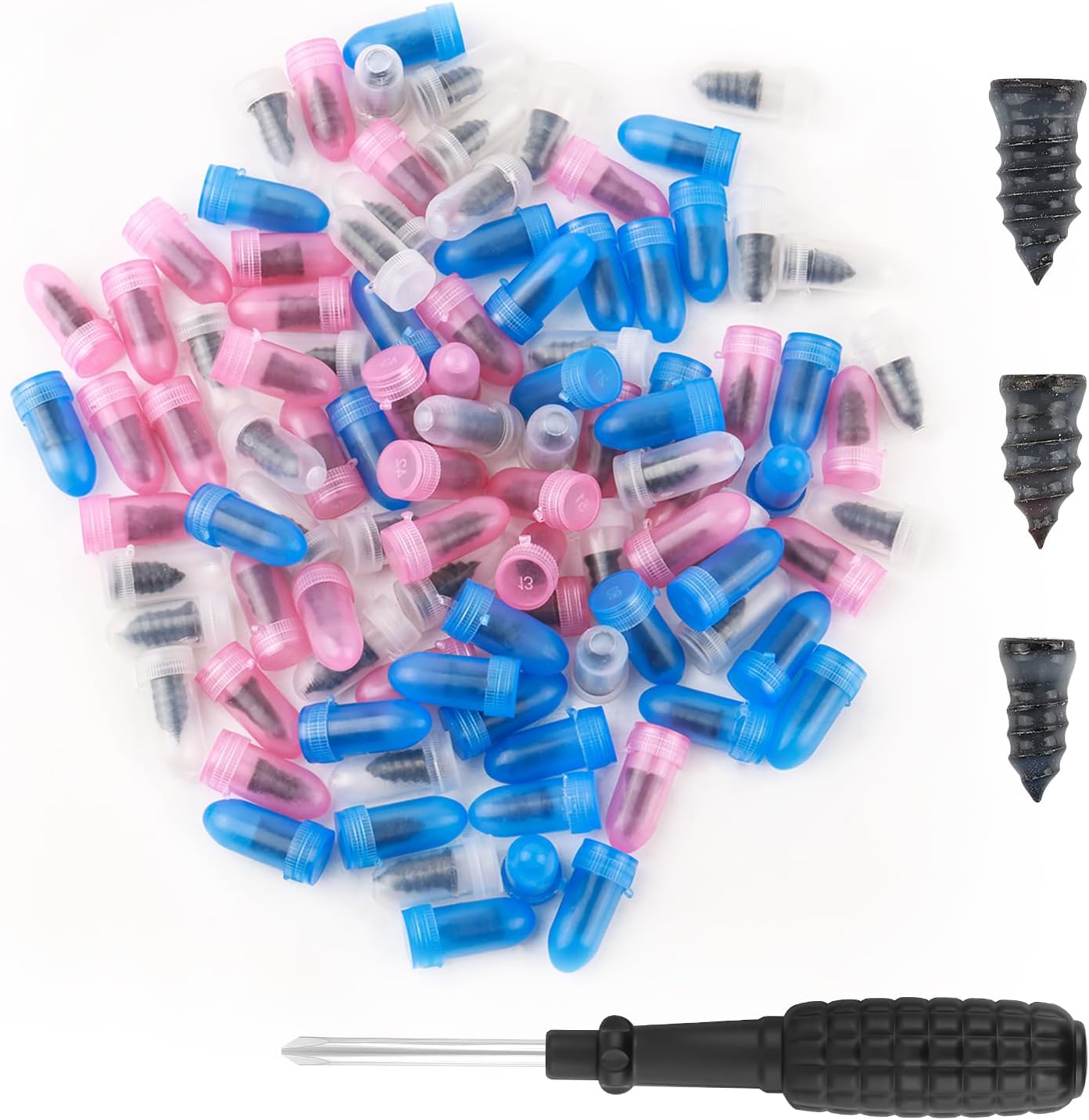
This 100-piece tire repair screw plug kit provides a fast, self-service solution for punctures on the road. Choose the correct plug size, insert it into the break, and screw it in to help seal the puncture and temporarily restore tire pressure. Thickened threads and rubber-wrapped plugs improve bite and sealing while remaining compact and easy to carry.
When True Self-Healing Tires May Reach the Market
True self-healing tires differ from today’s self-sealing tires. Instead of only filling a hole with sealant, a true self-healing material would restore damaged polymer bonds within the tire structure.
Researchers continue to study self-healing rubber and related materials, but mass-market tire use still faces major hurdles. Tire makers must prove long-term safety, heat resistance, wear life, repair behavior, and cost control before broad release.
You should treat bold claims about true self-healing tires with care. Look for field testing, safety certification, and clear manufacturer data before you rely on the technology.
Frequently Asked Questions
How does a self-sealing tire work?
A self-sealing tire uses a sticky inner layer below the tread. When a small object punctures the tread, the sealant flows around the object or into the hole to slow air loss.
Do self-sealing tires fix sidewall damage?
No. Self-sealing tires target the tread area and do not safely repair sidewall cuts, bulges, or shoulder damage. You should have that damage inspected right away.
Can you repair a self-sealing tire after a puncture?
Sometimes, but repair depends on the puncture location, size, tire condition, and manufacturer rules. A tire technician must inspect the inside of the tire before deciding whether repair is safe.
Are self-sealing tires better than standard tires?
They can suit drivers who want more protection from small tread punctures. Standard tires often cost less, so the better choice depends on your driving routes, budget, and tolerance for roadside delays.
Will a self-sealing tire pressure warning go away on its own?
Do not ignore a tire pressure warning. Check the tire pressure, inspect the tire, and schedule service if you find a puncture, damage, or repeated pressure loss.
Final Thoughts on Self-Sealing Tires
Self-sealing tires give you a useful safety buffer against many small tread punctures. They help you keep pressure longer, stay in control, and reach service without an immediate roadside stop.
Still, they don’t replace proper tire repair or routine care. Check pressure often, inspect damage early, and follow the tire maker’s limits after any puncture.
As tire materials improve, drivers may see stronger self-sealing and true self-healing designs. For now, the smartest move is to treat self-sealing technology as extra protection, not a free pass to ignore tire damage.
References
- MICHELIN Selfseal Technology — Michelin
- ContiSeal Technology — Continental Tires
- Seal Inside Technology — Pirelli
- DuraSeal Technology — Goodyear
- Tire Repair Guidelines — U.S. Tire Manufacturers Association

