LadFath Tire Inflator Gauge Review: 0-220 PSI Dial Pressure Gauge with Quick Coupler
Disclosure: As an Amazon Associate, we earn from qualifying purchases. If you click a link on this page and make a purchase, we may receive a small commission at no extra cost to you.
A compressor is only useful for tire care when the gauge and hose make pressure checks quick, readable, and controlled. The LadFath TG-3-6 Tire Inflator Gauge combines a mechanical 0-220 PSI dial, a rubber hose, and a 1/4-inch NPT air connection in one battery-free tool. It suits home garages and multi-vehicle households that already own an air compressor, but its broad pressure scale is less appealing when you need fine low-pressure adjustments. This review explains its verified specifications, setup requirements, practical strengths, and reasons you may want a more precise alternative.
TL;DR
Quick Verdict
Rating: 7.8/10, recommended with caveats
Best For: DIY drivers and home mechanics who already have an air compressor and prefer a battery-free analog gauge.
Bottom Line: The wide 0-220 PSI range, quick compressor connection, and mechanical design make routine inflation simple. The tradeoff is a broadly marked dial with no published calibration tolerance, so it is not the strongest choice for exact low-pressure tuning.
|
Feature |
Verdict |
|---|---|
|
Ease of Use |
Very good: The mechanical dial, hose, and compressor hookup keep operation straightforward. |
|
Pressure Range |
Wide: The listed 0-220 PSI span covers common passenger-vehicle pressures and higher-pressure applications. |
|
Fine Adjustment |
Average: The broad scale can make small changes harder to judge than a high-resolution digital gauge. |
|
Build and Hose |
Good for home use: Metal components and a rubber hose provide a more workshop-focused feel than a pocket gauge. |
|
Overall Value |
Good for the right setup: It makes sense when you already own a compatible compressor and do not need certified precision. |
LadFath TG-3-6 Tire Inflator Gauge

Mechanical tire inflator and deflator gauge with a listed 0-220 PSI range, rubber hose, quick compressor connection, and 1/4-inch NPT thread.
Best for Battery-free garage tire maintenance
View Product on Amazon →Key Specifications
| Specification | Detail |
|---|---|
| Brand | LadFath |
| Model | TG-3-6 |
| Product type | Mechanical tire inflator, deflator, and pressure gauge attachment |
| Pressure range | 0-220 PSI |
| Air connection | 1/4-inch NPT |
| Gauge design | Analog mechanical dial, no batteries required |
| Construction | Metal components with a heavy-duty rubber hose |
| Listed item weight | 9.9 ounces |
| Quantity | One inflator-gauge assembly |
| Best use | Home garage checks for compatible car, motorcycle, and bicycle tires |
| Important limitation | Requires a separate air compressor and a compatible fitting; no verified calibration tolerance was found. |
Before You Buy: This is an air-compressor attachment, not a standalone electric inflator. Confirm that your hose setup accepts a 1/4-inch NPT connection or that you have the correct adapter or plug.
What Is the LadFath TG-3-6?
The LadFath TG-3-6 combines three routine tire-care functions in one handheld assembly: reading pressure, adding air from a compressor, and releasing excess air. Its mechanical dial covers 0-220 PSI, so you can use one tool across several pressure ranges without changing batteries or selecting display modes.
The attached rubber hose helps you reach valve stems that are awkward for a rigid pencil-style gauge. A quick compressor connection also reduces the number of separate tools you need during a pressure check. The design is aimed at DIY users rather than drivers who need a portable inflator for roadside use.
This review does not treat the dial as a laboratory instrument. The available product information confirms the range and connection type, but it does not provide a published accuracy tolerance or calibration certificate for this model.
Who Should Buy It?
Best For
- Home mechanics who already own a shop or portable air compressor
- Multi-vehicle households that want one wide-range, battery-free gauge
- Drivers who prefer a hose and trigger-style inflator over a small handheld gauge
Skip If
- You need a cordless or 12-volt inflator that creates its own air pressure
- You need a verified professional calibration standard or fine digital resolution
- You mainly adjust low-pressure bicycle, lawn, or off-road tires in very small increments
Build Quality and Hose Design
The tool uses metal components and a heavy-duty rubber hose rather than a lightweight plastic-only body. That construction suits storage in a garage cabinet or compressor cart, where fittings and hoses may see repeated handling.
The flexible hose is more useful than a rigid chuck when a valve stem sits close to a wheel spoke or points inward. You can hold the dial at a readable angle while placing the chuck on the valve. The hose still needs sensible care, since tight kinks, heat, oil contamination, or being crushed under tools can shorten its service life.
Pressure Range and Dial Readability
A 0-220 PSI range gives the LadFath gauge more headroom than most passenger-car tires require. That extra range can be helpful when the same garage handles motorcycles, trailers, or other compatible tires with different pressure needs.
The drawback is scale density. A dial that spans 220 PSI must fit many values into a limited face area, so small changes around common car-tire pressures can be harder to judge than on a lower-range gauge. Buyers who routinely target half-PSI changes will get clearer feedback from a digital gauge with a stated resolution.
No batteries are needed, which removes concerns about dead cells, display timeout, or cold-weather battery performance. You can pick up the tool and read the needle immediately, provided the gauge has been stored without impact damage.
Compressor Fit and Compatibility
The listed 1/4-inch NPT thread is common in air-tool systems, but thread size does not guarantee that every compressor hose uses the same quick-connect profile. Industrial, automotive, and regional plug styles can differ even when the threaded port is 1/4 inch.
For cars and motorcycles, confirm that the chuck matches the tire’s valve stem and locks without leaking. Many bicycles use Schrader valves and can connect like a car tire. A bicycle with a Presta valve will normally need the correct adapter, and the broad dial may still be less convenient for precise low-pressure setup.
Pro Tip: Before the first tire check, connect the tool to your compressor and test the fittings with low line pressure. Listen for leaks, verify that the chuck holds securely, and compare one reading with a trusted gauge so you know how the dial behaves.
Inflation and Deflation Control
The integrated inflator design lets you add air while watching the needle, which is faster than removing a separate gauge after every short burst. The product is also listed as an inflator and deflator assembly, so you can release excess pressure without reaching for a separate valve tool.
Use short bursts near the target pressure. A compressor can add air quickly, and a long trigger pull may overshoot the vehicle’s recommended setting. Let the needle settle between adjustments, then check again with the chuck seated squarely on the valve.
How It Performs in Real Use
[Products Worth Considering]

Upgrade your tire inflating setup with this 12-inch hose adapter featuring a brass locking quick-connect chuck for secure, leak-proof attachment. The extended, flexible design helps reach hard-to-access valve stems, while the self-locking mechanism enables hands-free inflation with no pressure loss. It’s compatible with most portable air compressors and inflators, making it ideal for cars, trucks, motorcycles, and bicycles.
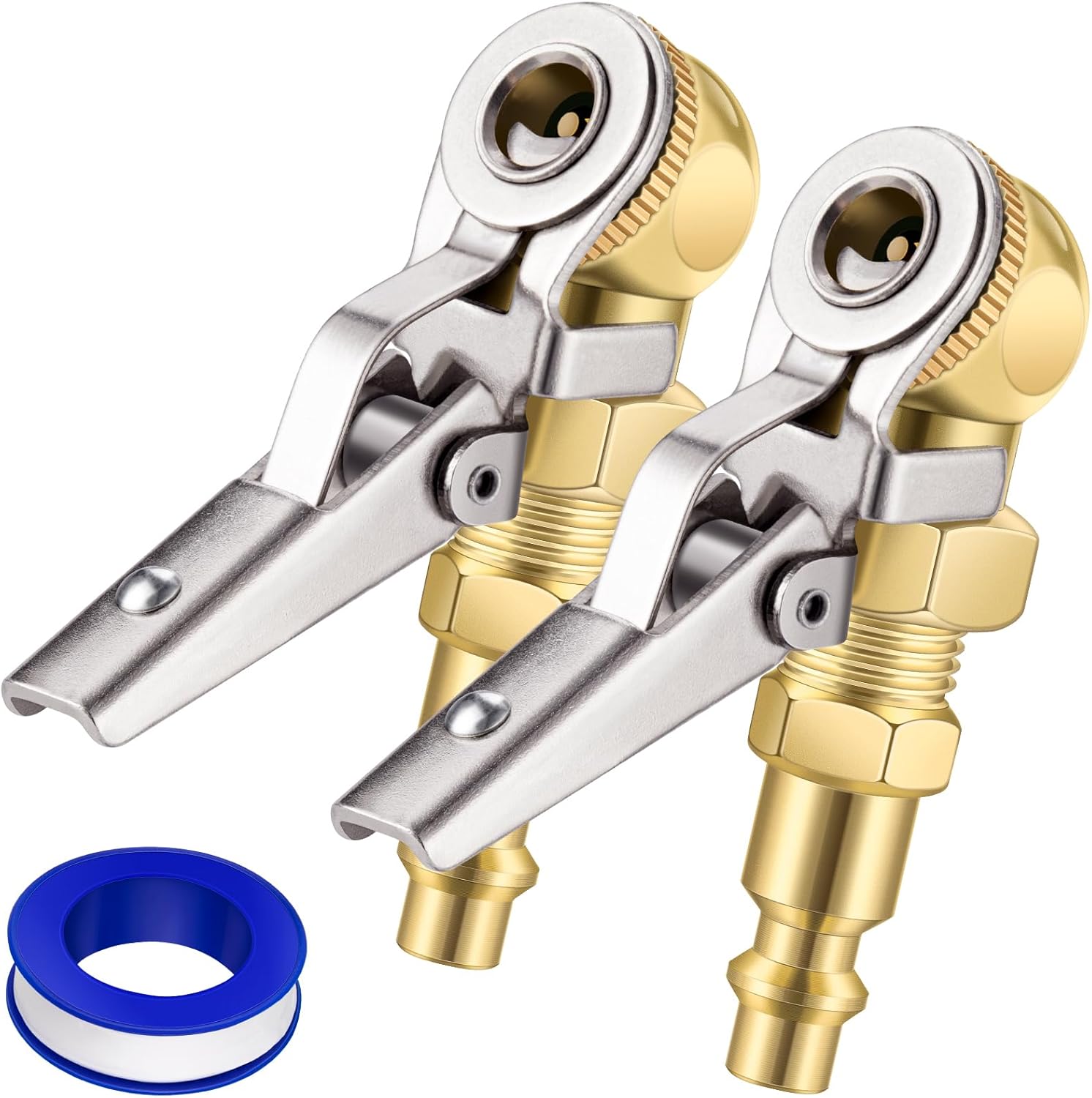
EVOULTES 2-pack closed ball tire chucks lock onto Schrader valves to help you inflate tires hands-free. The set includes both chucks with quick plug compatibility and a 2-way connection approach for easy setup to your air line or compressor. Durable metal construction supports reliable use for cars, trucks, RVs, bikes, and other Schrader-valve tires up to 250 PSI.
Routine Monthly Checks
For a garage-based monthly check, the battery-free dial is ready without setup menus or charging. You can move from tire to tire, add a small amount of air, and confirm the result with the same tool. The hose is especially helpful when the valve stem is not positioned for a straight-on handheld gauge.
Pre-Trip Inspections
Before a long drive, the wide range lets you check the vehicle tires and a compatible spare with one gauge. Because the tool needs a compressor, it works best during a planned inspection at home rather than as the only emergency tool kept in the trunk.
Motorcycle and Bicycle Maintenance
The hose can make motorcycle valve access easier when brake components or wheel spokes limit hand space. On bicycles, direct use depends on valve type, and precise low-pressure work exposes the main weakness of the broad 0-220 PSI scale.
Multi-Vehicle Garage Use
A single analog assembly is convenient when you maintain several vehicles and do not want separate batteries or electronic displays. The design is practical for general checks, but a professional shop may prefer a gauge with a published accuracy class, longer hose, replaceable chuck options, or documented calibration.
How to Use It Correctly
- Find the correct target pressure. Use the vehicle’s door-jamb placard or owner’s manual, not the maximum number molded on the tire sidewall.
- Check tires when cold. Measure before driving or after the vehicle has been parked long enough for tire temperature to settle.
- Inspect the connection. Confirm that the compressor plug, 1/4-inch NPT fitting, hose, and chuck are secure before applying pressure.
- Seat the chuck fully. A partial seal can leak air and make the needle fluctuate.
- Add air in short bursts. Pause near the target, let the needle settle, and bleed off small amounts if you overshoot.
- Recheck each tire. Front and rear recommended pressures may differ, so follow the placard for each axle.
Compatibility and Safety
Always use the vehicle manufacturer’s recommended cold tire pressure. The tire sidewall shows a maximum tire specification, not the correct everyday setting for a specific vehicle. Check the spare when applicable, and do not rely only on the dashboard tire-pressure warning because it may not alert you to a small pressure loss.
Do not use a damaged hose, cracked gauge body, bent needle, loose fitting, or chuck that will not seal. Keep your face and hands away from a visibly damaged tire during inflation. Stop and seek help from a tire professional if you see a bulge, exposed cord, deep cut, wheel damage, or repeated pressure loss.
Store the gauge indoors where it will not be crushed, dropped, or exposed to moisture for long periods. A hard impact can affect an analog mechanism even when the outer body still looks intact.
What People Say
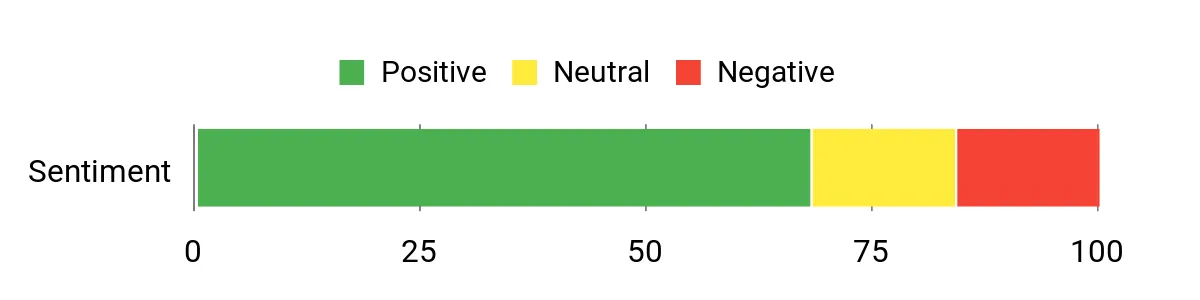
The existing sentiment summary for this article is neutral. The strongest buyer-facing positives are the simple mechanical operation, wide pressure range, flexible hose, and compressor-ready design. The recurring limitation is also clear: a broad analog scale is less convenient when you need tiny pressure changes or a documented accuracy figure.
Overall Sentiment: Neutral
Pros and Cons
Pros
- Wide 0-220 PSI range supports several compatible tire applications
- Mechanical dial works without batteries or charging
- Rubber hose improves access to awkward valve-stem positions
- 1/4-inch NPT connection fits many common compressor setups
- Inflation, pressure reading, and deflation are combined in one assembly
Cons
- Requires a separate air compressor and possibly a fitting adapter
- Broad dial scale is not ideal for precise low-pressure adjustments
- No verified calibration tolerance or certification was found for this model
Is It Worth the Price?
The LadFath TG-3-6 is best viewed as a value-focused garage accessory for someone who already owns the expensive part of the setup, the air compressor. Combining the gauge, hose, inflator control, and deflation function can reduce tool switching during routine checks.
It offers strong value for the price when simple mechanical operation and a wide range matter more than digital resolution. It is not the best fit when your work depends on a documented calibration standard, exact half-PSI changes, or portable inflation away from an air source.
How It Compares to Alternatives
The JACO FlowPro 2.0 Digital Tire Inflator Gauge is a better comparison for buyers who want a digital display, stated 0.10 PSI resolution, and a published accuracy specification. It still connects to a compressor and uses a 1/4-inch NPT-compatible system, but it relies on batteries and targets buyers who value finer readings.
The Milton 573A Pro Analog Inflator is a more shop-focused analog alternative with a liquid-filled 0-160 PSI gauge, a long hose, brass fittings, and a stated ANSI/ASME standard. The LadFath makes more sense when you want a simpler wide-range option for general home maintenance and can accept less verification around precision.
Why People Choose
You may choose the LadFath because it keeps tire maintenance mechanical and direct. The 0-220 PSI dial covers varied pressure needs, the hose improves valve access, and the 1/4-inch NPT connection integrates with many home compressor systems.
Its best advantage is convenience for general checks, not maximum precision. Buyers who understand that tradeoff get a practical inflator-gauge assembly without batteries, apps, or a separate handheld pressure gauge.
Frequently Asked Questions
Does the LadFath TG-3-6 work without an air compressor?
No. It is an inflator-gauge attachment that controls and measures air supplied by a separate compressor. It does not contain a motor, battery, or 12-volt pump.
Will the 1/4-inch NPT connection fit every compressor?
It fits many common air-tool setups, but quick-connect plug profiles can differ. Check your hose coupler and buy the correct 1/4-inch NPT plug or adapter when the profiles do not match.
Is the gauge accurate enough for normal car tires?
It is suitable for general routine checks when the needle is stable and the chuck seals correctly. Because no verified calibration tolerance was found, compare it with a trusted gauge before relying on it for precision work.
Can I use it on motorcycle and bicycle tires?
It can be used with compatible valve stems and pressure ranges. Bicycles with Presta valves normally need an adapter, and riders who make small low-pressure changes may prefer a lower-range gauge.
Can it release air when a tire is overfilled?
The model is listed as an inflator and deflator assembly. Use its release control in short steps, let the needle settle, and confirm the final cold pressure against the vehicle placard.
Where do I find the correct tire pressure?
Use the Tire and Loading Information label on the vehicle or the owner’s manual. Do not use the maximum pressure molded on the tire sidewall as the normal vehicle setting.
What causes inconsistent readings?
Warm tires, a leaking chuck, a loose fitting, a needle that has not settled, or damage from dropping the gauge can change the reading. Check cold tires, seat the chuck fully, and repeat the measurement.
Who should choose a different inflator gauge?
Choose another model when you need portable inflation without a compressor, certified shop accuracy, a backlit display, or fine low-pressure resolution. A digital or professional liquid-filled gauge will better match those priorities.
The Bottom Line
The LadFath TG-3-6 is a practical choice for DIY drivers who already own a compatible air compressor and want a wide-range, battery-free inflator gauge. Its hose, mechanical dial, and combined inflation and deflation controls make routine checks convenient, but buyers who need verified calibration or precise low-pressure adjustment should choose a more specialized gauge.
Ready to Buy?
Check the latest product details, fitting information, and price before you decide.

Related Articles
GOOLOO A6 Gear Tire Inflator Review: 160 PSI Cordless Portable Air Compressor
You want a compact, reliable way to keep your tires at the right pressure without dragging an air hose around or waiting for service.…
Read More
BLACK+DECKER BDINF20C Tire Inflator Review: 20V MAX Cordless and Corded Air Pump
You rely on a compact, reliable inflator when a tire goes low or an air mattress needs a quick top‑up, and the BLACK+DECKER BDINF20C…
Read More
150 PSI Cordless Tire Inflator Review: 5X Faster Portable Air Compressor with Digital Gauge
You do not want to be stuck with underinflated tires when safety, fuel economy, and tire life are on the line. A compact cordless…
Read More