
KOM Cycling Tubeless Tire Repair Kit Review: Road and Mountain Bike Puncture Fix Tool
Disclosure: As an Amazon Associate, we earn from qualifying purchases. If you click a link on this page and make a purchase, we may receive a small commission at no extra cost to you.
A tubeless puncture that sealant cannot close can turn a good ride into a long walk. The KOM Cycling Tubeless Tire Repair Kit gives you a compact reamer, insertion fork, and eight repair strips in a 25-gram CNC-machined aluminum body. It is a practical choice for road, gravel, and mountain bike riders who want a small field-repair tool, but it does not include a pump or CO2 inflator and it is not meant to solve major sidewall, bead, or casing damage. This review checks the verified red/original variant, explains how the tool works in real riding situations, and helps you decide what backup gear you should still carry.
Quick Verdict
Rating: 8.5/10, recommended with caveats
Best For: Tubeless road, gravel, and mountain bike riders who prioritize low weight and compact storage
Bottom Line: The 25-gram CNC-machined aluminum body is easy to carry and keeps the reamer, fork, and eight 1.5 mm strips together. Its main tradeoff is that the small strip format is best for common tread punctures, not major sidewall damage, and you still need a separate inflation source.
Key Specifications
|
Specification |
Detail |
|---|---|
|
Brand |
KOM Cycling |
|
Product type |
Tubeless bicycle tire plug tool |
|
Verified variant |
Red / Original, Amazon ASIN B07YQBMDNR |
|
Manufacturer SKU |
TRT-Red on KOM Cycling's current product page |
|
Weight |
25 grams |
|
Body material |
CNC-machined aluminum |
|
Manufacturer |
KOM Cycling LLC |
|
Included tools |
Tire reamer and insertion fork |
|
Repair strips |
Eight 1.5 mm bacon-style strips, stored inside the caps |
|
Strip storage |
Four strips in each threaded cap |
|
Compatibility |
Tubeless road, gravel, and mountain bike tires |
|
Performance context |
KOM says it works best with higher-volume, lower-pressure tubeless tires, while road tubeless use is also supported |
|
Best application |
Common tread punctures that are too large for sealant alone |
|
Inflation source |
Not included, carry a mini pump or CO2 inflator |
|
Warranty |
Current KOM Cycling policy lists a one-year limited warranty for defects in materials and workmanship |
|
Color options |
Multiple colors are offered; exact Amazon availability can vary |
What Is the KOM Cycling Tubeless Tire Repair Kit?

The KOM Cycling Tubeless Tire Repair Kit is a self-contained plug tool for tubeless bicycle tires. The verified Amazon link resolves to the red variant, while KOM lists the current red/original version under SKU TRT-Red. One threaded end holds the reamer, the other holds the insertion fork, and the hollow caps store four repair strips each. That layout keeps the sharp tools covered and prevents the small plugs from floating around your saddle bag.
KOM designed the tool for mountain, gravel, and road tubeless setups. The manufacturer notes that it performs best with higher-volume, lower-pressure tires, which makes it especially practical for mountain and gravel riding, although it can also be used on road tubeless punctures. The kit is intended for holes that sealant cannot close by itself, not for damaged beads, long casing cuts, or every sidewall tear.
Who Should Buy It?
Best For
- Mountain and gravel riders who want a 25-gram repair tool
- Road tubeless riders who need a compact backup for tread punctures
- Commuters and endurance riders who prefer a self-contained tool instead of loose plugs
Skip If
- You need a kit with a built-in CO2 inflator or valve-core tool
- You regularly damage sidewalls or need larger plug formats
- You ride with inner tubes rather than a tubeless tire system
Before You Buy: This is a plug tool, not a complete flat-repair system. You still need a mini pump or CO2 inflator, and a spare tube or tire boot remains the safer backup for damage that will not hold pressure after plugging.
[Products Worth Considering]

The Park Tool TL-1.2 tire lever set is narrow, strong, smooth, and versatile for easy tire removal and reliable work on bike tires. It includes a spoke hook design to help when multiple levers are needed. With Park Tool’s industry-standard reputation, this set is ideal for fast flat-fix repairs.
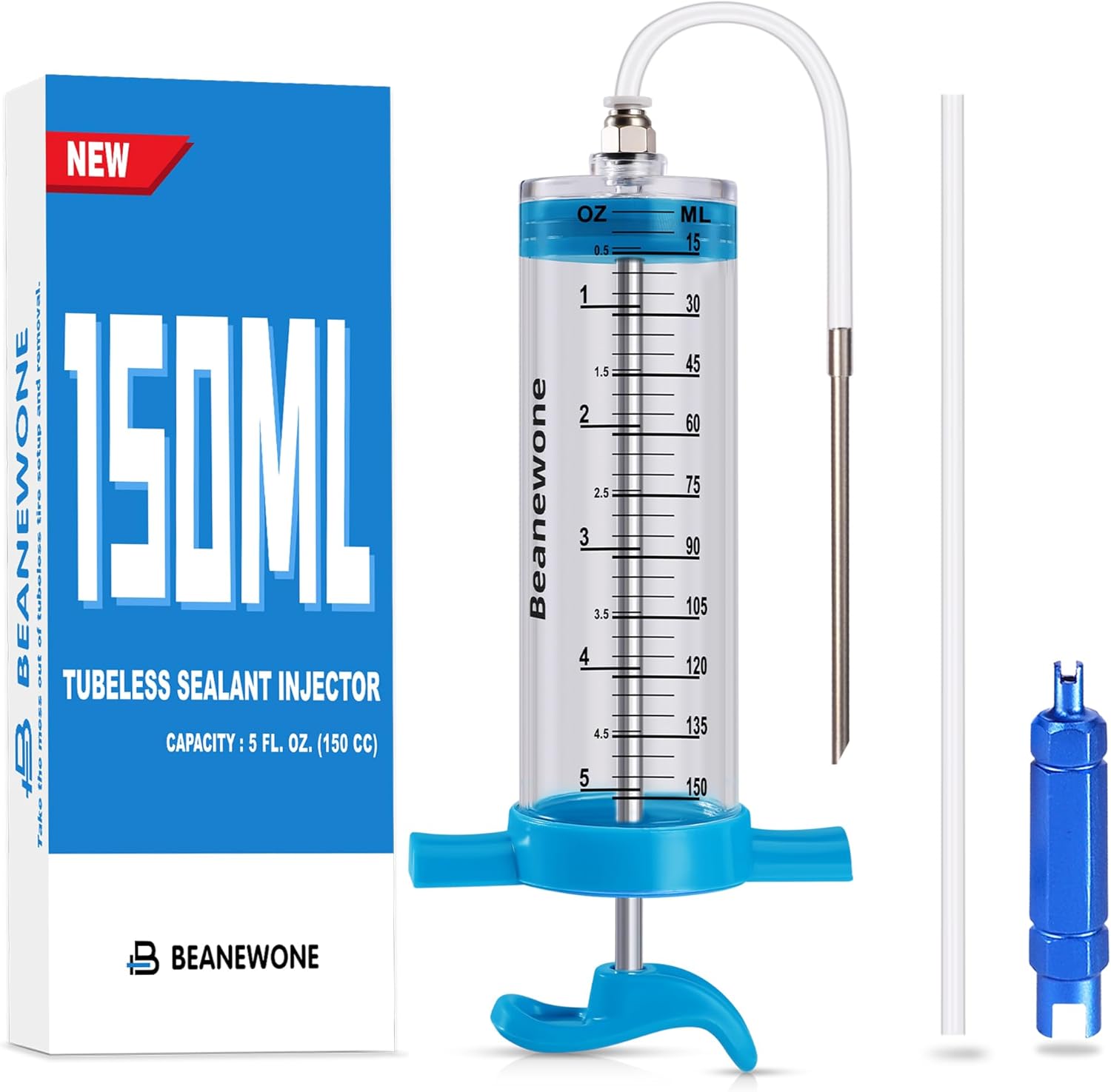
Make tubeless sealant installs faster and cleaner with this 150ml injector and clear measurement body. It connects and disconnects with a simple push-to-connector, then injects sealant directly into Schrader or Presta valve stems after removing the valve core. Includes a valve core remover tool to help you prepare and seal tires with less mess.

The GRAND PITSTOP tubeless tire gun puncture repair kit quickly seals tire injuries without removing the tire, making it an easy DIY solution for flats and punctures. The mushroom plug technology grips from inside to help prevent air loss, while the portable design suits cars and motorcycles, including long-distance travel. Ideal for roadside reliability and everyday maintenance when you want fast, dependable sealing performance.
Design and Build Quality
The CNC-machined aluminum body is the kit’s main advantage over basic plastic plug tools. It gives the reamer and fork a firm handle while protecting both sharp ends during storage. At 25 grams, it adds very little weight to a jersey pocket, saddle bag, frame bag, or race pack.
The threaded caps also organize the repair strips. KOM’s instructions state that each cap holds four strips, giving you eight in total. The design is simple, but it solves two common problems: protecting the tools from dirt and keeping the plugs easy to find when you are dealing with a leaking tire.
Repair Tools and Plug Size
Separate Reamer and Insertion Fork
The reamer cleans and prepares the puncture before you insert a strip. The separate fork then pushes the plug into the tire. This two-tool setup gives you more control than using one fork for both jobs, especially when dried sealant or debris is blocking the hole.
Eight 1.5 mm Repair Strips
The included 1.5 mm strips are sized for common road, gravel, and mountain bike punctures. Their smaller profile is useful when you do not want to enlarge a modest hole more than necessary. For a wider tread puncture, KOM says you can twist two or three strips together, but a long cut, torn casing, or damaged sidewall may still require a tube, boot, or tire replacement.
What Buyers Say
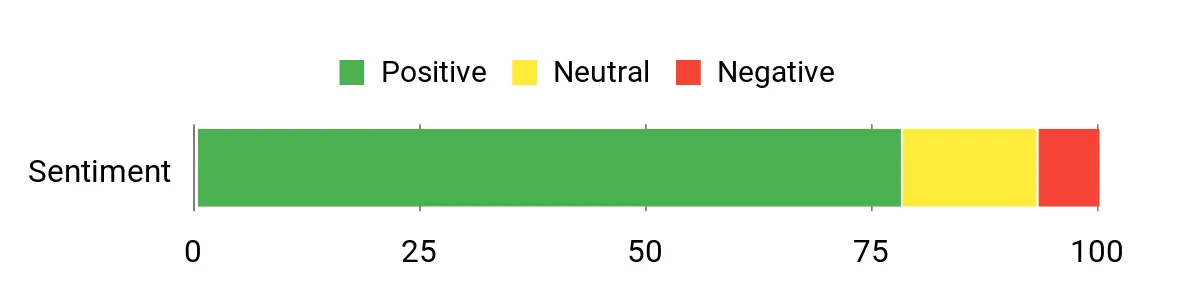
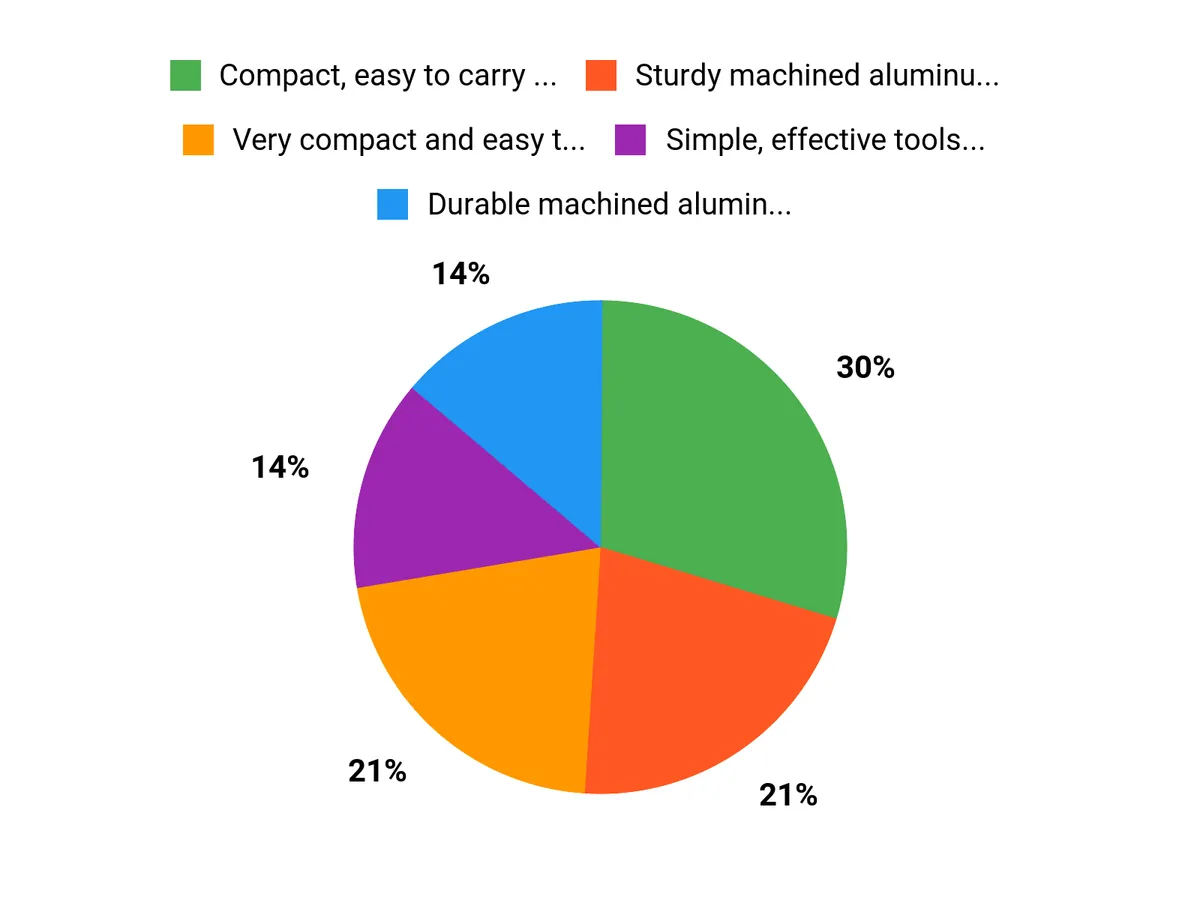
Current Amazon buyer feedback trends positive overall, especially around the compact aluminum body, low weight, and all-in-one storage. Treat that feedback as context rather than a guarantee, because puncture size, tire pressure, sealant condition, and casing damage affect whether a plug holds.
The most useful criticism is that the tool is only one part of a complete roadside setup. You must carry inflation equipment, the narrow strips may require doubling for a larger hole, and no plug kit can safely repair every type of tire damage.
Overall Sentiment: Positive
Pros and Cons
Pros
- Only 25 grams, so it is easy to carry on short or long rides
- CNC-machined aluminum body protects the sharp tools
- Separate reamer and fork make puncture preparation more controlled
- Includes eight 1.5 mm strips stored inside the caps
- Works with tubeless mountain, gravel, and road bike tires
Cons
- Does not include a pump, CO2 inflator, valve-core tool, or tire boot
- Small strips may need to be combined for wider punctures
- Cannot make severe sidewall, bead, or casing damage safe to ride
How It Performs in Real Use
Mountain Bike Trail Repairs
The tool is well suited to the higher-volume, lower-pressure tires common on mountain bikes. The aluminum body gives you a secure grip when reaming a puncture, and the strip storage keeps the plugs clean until you need them. A successful plug can let you reinflate and continue, but you should stop again if pressure drops or the tire develops a bulge.
Gravel and Endurance Rides
For gravel riding, the 25-gram weight and compact size are valuable because you can carry the kit without giving up much bag space. The eight strips also provide more than one repair attempt. Pair it with a mini pump, spare tube, tire boot, and enough sealant for longer or remote routes.
Road Tubeless Use
The kit can repair road tubeless punctures, but high pressure and lower tire volume leave less room for error. Insert the strip carefully, reinflate gradually, and confirm that the repair holds before riding. If the plug will not stay seated or pressure falls quickly, install a tube or arrange another way home.
Commuting and Race-Day Backup
The small body is easy to leave in a saddle bag for daily commuting or carry in a race pocket. It can save time when the damage is limited to a plug-sized tread hole. It is less complete than a repair tool with an integrated inflator, so your setup still needs a dependable way to add air.
How to Use It Correctly
- Move to a safe location. Get off the road or trail before working on the tire, then identify the puncture and remove obvious debris.
- Prepare the hole. Unthread the reamer cap and work the reamer into the puncture only enough to clear and shape the opening.
- Load a strip. Thread one 1.5 mm strip halfway through the fork so equal lengths extend from both sides. For a wider tread puncture, follow KOM’s guidance on combining strips.
- Insert the plug. Push the fork and strip into the puncture while leaving about 1 cm of material outside the tire.
- Withdraw the fork. Pull the tool out carefully so the strip stays in the tire.
- Reinflate and distribute sealant. Add air with your pump or CO2 inflator, rotate the wheel to move sealant around the plug, and check for bubbles or continued pressure loss.
- Inspect before continuing. Ride only if the tire holds pressure, the casing is stable, and there is no bead or sidewall damage.
For the manufacturer’s illustrated procedure, review the official KOM Cycling repair-tool instructions before your first roadside use.
Pro Tip: Load a strip into the fork at home once so you know how much force and hand control the process requires. Keep the unused strips sealed and avoid coating the fork with dirt or dried sealant.
Compatibility and Safety
This kit is for tubeless bicycle tires. It does not patch an inner tube, and it does not replace sealant, inflation equipment, or a backup plan. Keep the reamer and fork capped when stored, handle both tools away from your hands, and never work on the tire while standing in traffic or blocking a trail.
A plug is a field repair for a puncture in the tread area. After the ride, inspect the tire from the outside and, when practical, from the inside. Replace the tire or seek help from a qualified bicycle mechanic if you find exposed casing, a sidewall cut, bead damage, a growing bulge, repeated pressure loss, or damage near the rim.
Storage and Maintenance
Wipe sealant and debris from the reamer and fork before returning them to the aluminum body. Check that the threaded caps close fully, and replace used or dried-out strips before your next ride. Because the caps hold the plugs, opening the kit occasionally also helps you confirm that your repair supplies are still present.
Store the tool where you can reach it quickly, such as a saddle-bag pocket, jersey pocket, or dedicated tool roll.
Is It Worth the Price?
The value of the KOM kit comes from its focused design rather than an all-in-one feature list. You get a 25-gram CNC-machined aluminum body, separate reamer and fork, eight internally stored strips, and compatibility with tubeless road, gravel, and mountain bike tires.
It offers strong value for riders who will actually carry it and already own a mini pump or CO2 setup. It is not the best fit if you want one tool that also removes valve cores, inflates the tire, or gives you multiple plug diameters. Prices and seller bundles can change, so check the current listing before you decide.
There is also a warranty detail worth checking. Amazon's product details still show an older lifetime-warranty field, while KOM Cycling's current official warranty policy states a one-year limited warranty for defects in materials and workmanship under normal use. For current coverage, rely on the manufacturer's policy at the time you buy.
[Products Worth Considering]

Rhino USA’s 86-piece tire repair kit provides everything you need for quick, emergency flat repairs, including a reamer and plug insertion tool plus 60 reusable tire plugs. The heavy-duty, metal-handled design helps you fix punctures from nails and screws on tubeless tires for cars, trucks, motorcycles, ATVs, UTVs, and more. A high-visibility compact case stores easily for on-the-go use, with illustrated instructions to help you complete repairs with confidence.

This versatile 35-piece tire repair kit quickly fixes punctures in most tubeless tires without removing the tire from the rim. It features a durable hardened steel spiral rasp and insert tool for reliable plug insertion in roadside and garage use. The set includes string plugs, hex keys, and a storage blow mold case to keep tools organized for emergency flat repairs.
How It Compares to Alternatives
Compare the Dynaplug Racer Pro if you prefer dedicated insertion tubes and proprietary plugs. Stan's Original DART Tool uses a flexible repair material designed to react with sealant inside the tire. The Muc-Off Puncture Plug Repair Kit is closer to the KOM concept, but it uses a combined reamer/plug tool with thin, medium, and thick plugs.
The KOM tool makes the most sense when you want a very light aluminum body, separate reaming and insertion tools, and simple internal strip storage. Choose an alternative when plug format, faster deployment, or multiple plug thicknesses matters more than the KOM's two-tool layout.
Why Riders Choose It
You choose this kit when you want a repair tool small enough to stay with the bike. Its aluminum body, two dedicated tools, and eight stored strips cover common tubeless tread punctures. Pair it with inflation gear and a backup tube for damage the plug cannot handle.
Frequently Asked Questions
Does the KOM kit work on road, gravel, and mountain bike tires?
Yes, it is designed for tubeless mountain and road bike tires and is also suitable for gravel setups. KOM notes that the tool performs best with higher-volume, lower-pressure tires, so mountain and gravel applications are its strongest use cases.
Does it include a pump or CO2 inflator?
No. The original kit includes the reamer, insertion fork, and eight repair strips, but you must carry a separate mini pump or CO2 inflator to restore tire pressure after plugging the hole.
What size repair strips are included?
The kit includes eight 1.5 mm bacon-style strips. Four are stored in each cap, which keeps them with the tool and gives you several repair attempts before you need replacements.
Can it repair a large sidewall cut?
Not reliably. You can combine strips for a wider tread puncture, but a major sidewall tear, damaged bead, exposed casing, or long cut may require a tire boot and tube or a replacement tire.
Is a tubeless plug a permanent repair?
Treat it as a field repair until you inspect the tire after the ride. A stable tread plug may continue to hold, but repeated pressure loss, casing damage, or a bulge means you should stop riding and repair or replace the tire.
Can you buy replacement strips?
Yes, compatible replacement repair strips are available. Check their thickness and storage condition before loading them, and replace strips that have dried out, become dirty, or no longer feel tacky enough to seal.
What warranty does KOM Cycling provide?
KOM Cycling's current official policy lists a one-year limited warranty for defects in materials and workmanship under normal use. Amazon's product-details field may still show older warranty wording, so use KOM's current policy and keep your proof of purchase.
Should you still carry a spare tube?
Yes, especially on long, remote, or high-consequence rides. A plug handles many tread punctures, but a tube and tire boot provide a backup when the hole is too large, the sidewall is cut, or the tubeless system will not reseal.
The Bottom Line
The KOM Cycling Tubeless Tire Repair Kit is recommended with caveats for tubeless riders who want a durable, 25-gram aluminum tool with a separate reamer, fork, and eight compact strips. Buy it for common tread punctures and easy storage, but skip it if you need integrated inflation, multiple plug sizes, or a solution for severe sidewall, bead, or casing damage.
Ready to Buy?
Check the latest price, color availability, warranty details, and seller information before you decide.

Related Articles
5614 Pro Max 150 PSI Tire Inflator Review: Cordless Air Pump for Cars and Bikes
You want a compact, reliable way to keep your tires at the right pressure whether you are driving or cycling, and a cordless inflator…
Read More
AIRSURE 150 PSI Tire Inflator Review: 3X Faster Portable Air Compressor for Cars and Bikes
You want a compact pump that actually makes maintaining tire pressure easy and fast. The AIRSURE 150 PSI portable inflator aims to give you…
Read More
Vinid 150 PSI Tire Inflator Review: Pink Cordless Air Pump for Car, Bike, and Balls
You want a compact, reliable way to keep tires, bikes, and sports gear properly inflated without hunting for an outlet. The Vinid 150 PSI…
Read More