
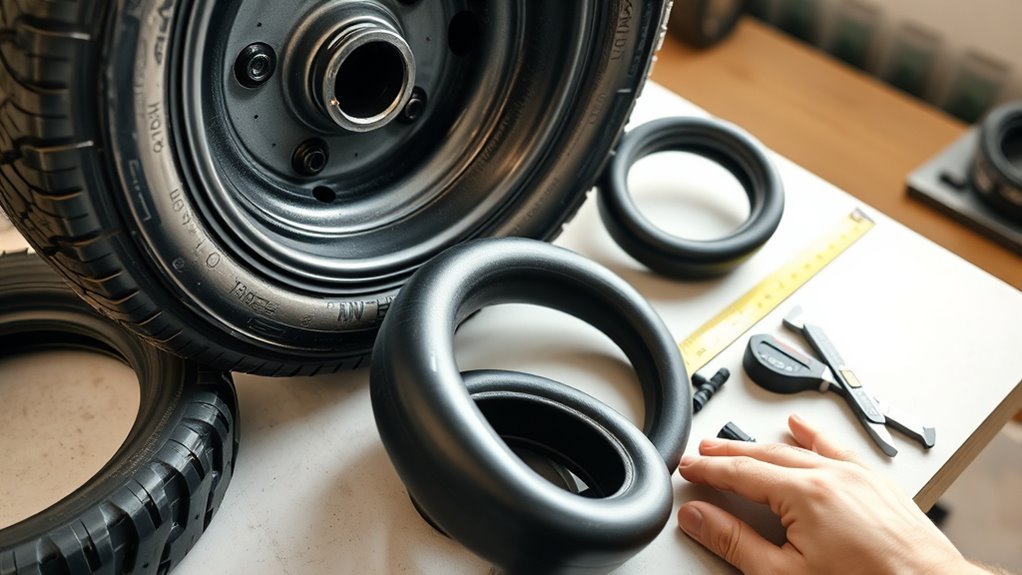
A wrong inner tube can leak, bulge, or fail before you finish mowing. You can avoid that by reading the tire sidewall, confirming the rim diameter, and choosing a tube that lists your tire size or a safe compatible range. This guide shows you how to match size, valve stem, material, and fit so your mower tire installs cleanly and holds air.
Quick Answer
Choose a lawn mower inner tube by matching the tube to the size stamped on your tire sidewall, such as 15×6.00-6 or 10×3.50-4. The last number shows the rim diameter, so it must match the tube. Use a valve stem that fits your rim hole and gives you enough room to inflate the tire without bending the stem.
Key Takeaways
- Match the inner tube to the tire size stamped on the sidewall.
- Confirm the rim diameter by checking the last number in the tire code.
- Choose a valve stem that fits the rim hole and has enough clearance.
- Slightly inflate the tube before installation to reduce folds and pinches.
- Keep pressure within the tire or mower maker’s recommended range.
Quick Guide: Choose the Right Inner Tube for Lawn Mower Tires
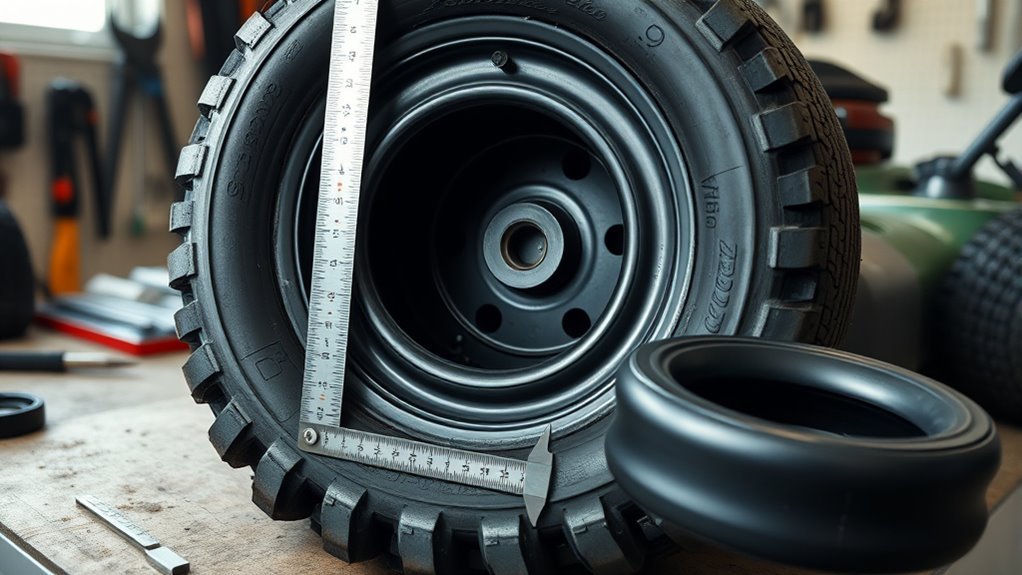
When selecting an inner tube for your lawn mower tire, start with the tire size stamped on the sidewall. A common example is 15×6.00-6. The tube should list that exact size or a compatible range that includes it.
Next, check valve compatibility. TR-13 is common on many mower and utility tires, but you should confirm that the stem fits your rim hole. A poor valve fit can cause leaks, rubbing, or stress during inflation.
If the exact tube size isn’t available, choose a tube only within the maker’s approved fit range. Don’t guess larger. A tube that bunches inside the tire can fold, pinch, or fail under load.
Maintain proper inflation based on the tire or mower maker’s pressure range. Many small mower tires fall near 10-15 psi, but you should follow the pressure marked on your tire when it differs.
Consider inner tube materials before you buy. Butyl tubes usually hold air well and resist aging. Natural rubber blends can feel more flexible during tight installs.
Use fitment tools or supplier compatibility charts to cross-reference sizes and valve types. This reduces trial-and-error purchases and helps your mower run with a correctly sized, compatible tube.
[Products Worth Considering]

This heavy-duty fat bike inner tube is built for secure fit on 20-inch wheels with 3.5 to 4.0 inch wide tires, including e-bikes and mountain bikes. It uses thick butyl rubber for improved durability, air tightness, and a smoother, more comfortable ride. A standard Schrader valve makes inflation easy and helps keep pressure stable for safer rides, with tire levers included for simpler installation.

Replace worn wheelbarrow, mower, or hand truck inner tubes with the TICONN 4.80/4.00-8 tube designed for 8-inch rims. Built from 100% natural rubber, it helps improve durability, impact absorption, and air retention while supporting self-sealing leak protection. The TR-13 straight valve stem makes it a straightforward fit for common yard equipment wheels.

These pre-assembled 15x6.00-6 front tire and wheel assemblies are designed for quick replacement on riding lawn mowers and lawn tractors. Built with natural rubber pneumatic tires and turf-friendly tread for solid traction and improved shock absorption. A thickened welded rim and 3/4" sintered iron bushing help provide stable, heavy-duty support for everyday mowing use.
Read Your Tire Sidewall: Decode 10×3.50-4 and Common Markings
You can find the right tube size only after you read the tire sidewall. In 10×3.50-4, 10 means the approximate overall tire height, 3.50 means the tire width, and 4 means the rim diameter. Those numbers tell you which inner tube size to buy.
Read tire sidewall markings from left to right. Look for number groups separated by an x or a hyphen. Ignore decorative letters unless the tube maker or tire maker uses them in a fitment chart.
Accurate reading helps prevent mismatches that can cause leaks, pinches, or blowouts. Choose an inner tube that equals the tire size or falls within the listed compatible range.
Confirm Rim Diameter, the Last Number on the Tire
Start by confirming the rim diameter. This is the final number in the tire code, such as the 6 in 15×6.00-6. That number tells you the wheel size the tire mounts to and the tube rim size you need.
If the sidewall markings have worn away, measure across the bead seat area of the wheel. Use calipers if you have them, or use a tape measure and record the measurement in inches. Many lawn mower tire rims fall between 4 and 12 inches, but you should verify your own wheel before buying.
Accurate rim diameter prevents mismatched tubes. A tube with the wrong rim size won’t sit correctly inside the tire. It may pull at the valve, fold near the bead, or fail when you inflate it.
Focus on tire compatibility factors before you order. Check rim size, bead profile, rim hole size, and valve placement. These checks reduce repeat repairs and keep your mower working with less downtime.
Match Inner Tube Size to Tire Size: Exact Fit vs. Size Ranges
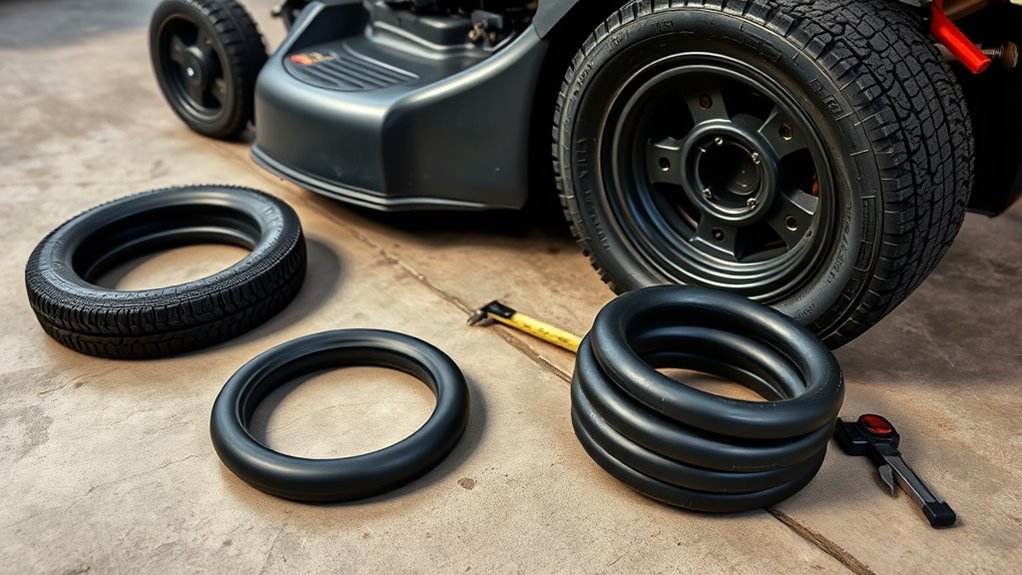
An exact tube-to-tire match gives you the safest and easiest fit. If your tire says 15×6.00-6, look for a tube that lists 15×6.00-6 or a compatible range that includes it. The rim diameter must match.
You can sometimes use a slightly smaller tube if the tube maker lists it for that tire range. Don’t force a smaller tube that stretches too tightly. It may thin out, stress the valve base, or fail during use.
Prefer exact tube-to-tire matches. Use a size range only when the tube maker lists your tire size as compatible.
Use these checks before final inflation:
- Verify that the rim diameter, the last number on the tire, matches the tube’s rim size.
- Confirm that the tube spreads evenly inside the tire without folds or pinches.
- Check the valve stem position before you seat the tire bead.
Accurate sizing prevents blowouts and reduces tire maintenance. Choose the closest approved fit so your equipment works without avoidable stops.
[Products Worth Considering]

Replace worn tires quickly with this universal 4.80/4.00-8 tire and inner tube set designed for wheelbarrows and outdoor utility carts. The ribbed tread helps reduce turf damage while the natural rubber construction supports longer service life. Compatible with 15.5-inch outer diameter, 4-inch width, and 8-inch rim diameter wheels, it uses a straight TR-13 valve stem for easy installation. For best results, inflate with a manual pump and do not exceed 25 PSI.

This Hycline 2-pack mountain bike tire set delivers durable, puncture-resistant performance with a high-grip, aggressive tread designed for traction on hard surfaces and confident handling through mud and soil. Includes matching inner tubes and tire levers for easier everyday maintenance and quicker installation after folding storage. Built for a range of riding conditions with reinforced rubber and nylon cord for wear-resistant reliability.

This 38-piece tire spoon set provides everything you need for safer tire changes with dual-size hardened steel levers for leverage and control. Rim protectors help prevent wheel scratches, while valve tools and included valve cores/caps support quick deflation and maintenance. Designed for motorcycles, dirt bikes, bicycles, ATVs, and lawn equipment, it comes in a storage bag for easy transport and organization.
Choose the Right Valve Stem: TR-13, Lengths, and Rim Clearance
When choosing a valve stem for your mower tire, match the stem type to the rim hole. Many standard mower rims use TR-13 stems, but you should measure or confirm before you buy. The stem should seat snugly without pulling or bending.
Match stem length to rim depth. A short stem can make inflation hard. A long stem can rub nearby parts or get damaged during mowing.
| Rim Condition | Recommended Action |
|---|---|
| Standard rim | Check whether TR-13 fits |
| Shallow rim | Use a shorter compatible stem |
| Deep rim | Use a longer compatible stem |
| Unknown hole size | Measure the hole first |
| Damaged rim | Repair the rim before fitting a tube |
Practice routine valve stem maintenance. Inspect the stem for cracks, replace it if worn, and make sure it sits tight in the rim hole. A stable stem helps prevent slow leaks.
[Products Worth Considering]

Replace or upgrade your zero-turn lawn mower tires with a universal fit flat-free tire and wheel assembly in a convenient 2-pack. Smooth tread front-caster style helps turning with reduced turf damage, while flat-free design eliminates the maintenance and downtime of air-filled flats. The included adapter kit supports 5/8-inch axles and hub lengths from 3.4 to 5 inches for compatibility across most ZTR mowers.

This 15-inch tire spoons kit makes tire removal and installation easier with added leverage, reducing time and effort for everyday repairs. It includes tire spoons, rim protectors, a valve tool, and valve cores/caps, helping protect rims and streamline deflation and re-sealing. Built with durable hardened steel and a non-slip ergonomic grip for confident use on motorcycles, dirt bikes, ATVs, and lawn equipment.

LiQuiTube Premium Heavy Duty Tire Sealant provides permanent flat tire protection to help maintain proper air pressure while sealing punctures and leaks. It seals bead, rim, and porosity weathering leaks and helps prevent flats in heavy ply industrial tires. Designed for versatile use on trailers and off-road equipment, it can be installed in tubeless tires and also inside tubes.
What You’ll Need Before Installing a Lawn Mower Inner Tube
Gather your tools and parts before you break the tire bead. This helps you avoid rushing, which often leads to pinched tubes or damaged valve stems.
- Replacement inner tube in the correct tire size or approved size range
- Compatible valve stem type and length
- Air pump with a pressure gauge
- Soapy water for leak checks
- Smooth tire levers or tire spoons
- Gloves and eye protection
Plan on about 20-40 minutes for a simple tube change. Rusted rims, stiff beads, or old tires can take longer.
Tube Materials and Ply Ratings: Durability and When They Matter
You should compare natural rubber and synthetic compounds for flexibility, abrasion resistance, and aging. Match the tube material to your mower’s use, load, and terrain. A light-duty mower on smooth turf needs less protection than a commercial mower on rough ground.
Ply ratings help describe tube strength, but makers may use them differently. Treat ply rating as one fit factor, not the only one. Tube thickness, compound quality, tire condition, and inflation all affect durability.
Rubber Compounds Compared
The rubber compound affects how a tube handles punctures, flexing, heat, and aging. Synthetic compounds often resist aging better than natural rubber. Natural rubber can feel more flexible during installation.
- Synthetic compounds: choose them for better aging resistance and steady air retention.
- Natural rubber: choose them for flexibility in light-duty use.
- Hybrid blends: choose them when you want a balance of durability and fit.
Ply Rating Explained
Ply rating gives you a general idea of how much stress a tube can handle. Higher ply ratings usually mean thicker walls, more tear resistance, and better load support. They can also make the tube stiffer during installation.
Many mower tubes fall in light-duty to heavy-duty ranges. Use lower-ply tubes for simple yard work on clean turf. Use higher-ply or heavy-duty tubes for rough ground, thorns, debris, or heavier machines.
When To Choose Heavy-duty
Choose a heavy-duty tube when your mower works often, carries more load, or runs over rough ground. Thicker material can improve puncture resistance and reduce downtime. It may cost more, but it can save repeat repairs.
- Commercial or frequent use: choose a stronger tube to reduce replacements.
- Rough or debris-prone sites: choose thicker compounds to resist cuts.
- Heavier loads or uneven ground: choose more support to reduce stress under pressure.
Use Fitment Tools and Compatibility Charts to Find a Tube
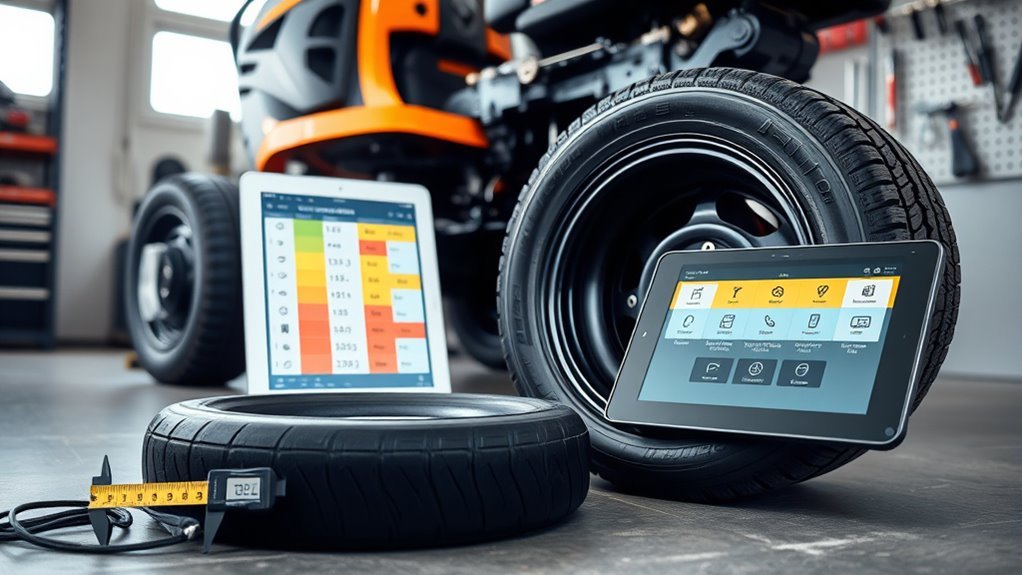
Use supplier fitment tools and product compatibility charts to match tube dimensions and valve stem types to your tire and rim. Enter your tire code into the search box when the tool supports that format. For example, some suppliers use 156006 for 15×6.00-6.
Charts can help you compare exact sizes, approved ranges, and valve stem types. They also help you avoid guessing when your tire size looks uncommon.
| Tire Size Input | Tube Size Match | Valve Stem Type |
|---|---|---|
| 156006 | 15×6.00-6 | Check chart listing |
| 175/65/10 | 175×65-10 | Check rim requirements |
| Custom code | Approved size range | Listed in chart |
Verify specs before purchase. A few minutes with a fitment chart can prevent a return, a leak, or an unsafe install.
Installation Checklist: Inflate, Seat, and Avoid Pinches
Before you install the tube, give it a slight inflation. It should hold shape but still bend easily. This simple step helps you position it without folds.
Seat the tube and tire bead fully by rotating the assembly 360 degrees. Check for twists, folds, and valve stem pull before you add more air. Inflate slowly while watching for pinch points.
Proper Tube Inflation
Start by slightly inflating the tube until it looks round but still feels soft. Place it inside the tire with the valve aligned to the rim hole. Keep the tube smooth as you work the bead over the rim.
- Rotate the tire as you add air in small amounts.
- Check valve stem alignment before final inflation.
- Inflate to the pressure marked on the tire or listed in the mower manual.
Warning: Don’t exceed the pressure marked on the tire because over-inflation can damage the tube or tire.
Correct Bead Seating
Once the tube sits inside the tire, focus on seating the bead evenly. Inflate slowly and watch the tire edge as it meets the rim. The spacing should look even all the way around.
If you see uneven spacing, stop and release some air. Reposition the bead by hand, then inflate again. Rotate the wheel while you inspect both sidewalls.
| Checkpoint | Action |
|---|---|
| Pressure | Follow tire or mower specs |
| Alignment | Verify bead alignment |
| Inspection | Rotate and inspect sidewalls |
Pinch Prevention Techniques
Keep the tube slightly inflated while you fit it. Align the valve stem with the rim hole, then seat the tube evenly by rotating the wheel. Use tire levers sparingly and gently.
Check the tube by sight and feel before final inflation. Make sure the tube doesn’t sit between the bead and rim. Use smooth tools and avoid sharp edges.
- Pre-inflate the tube slightly.
- Align the valve and seat the tube evenly.
- Use gentle tire levers only when needed.
Troubleshoot Fit Problems: Leaks, Bulges, and Valve Issues
If the tire behaves oddly after installation, check for leaks, bulges, and valve problems. These issues often come from incorrect tube sizing, over-inflation, or the wrong valve stem. Work through the likely causes before you use the mower.
For leak prevention, confirm that the inner tube matches the tire size and sits correctly. Use soapy water to find pinholes, seams, or valve leaks. Bubbles show where air escapes.
For bulges, release some air and inspect the bead. A localized swell can mean the tube folded, pinched, or doesn’t fit well. Re-seat the tube and inflate again to the pressure marked on the tire.
For valve compatibility, check that the stem fits the rim hole and has enough clearance. A bent or stressed stem can leak slowly. Replace the tube or choose a different stem if the fit looks strained.
Buying Tips: Ordering Format, Shipping, Returns, and Warranties
After you confirm proper fit, pressure, and valve compatibility, order the right replacement tube with care. Use the tire size format the retailer requests. Some search tools remove punctuation, so 15×6.00-6 may become 156006.
Review shipping, return, and warranty terms before checkout. Policies can vary by seller, item condition, and installation status. Confirm the details before you mount the tube.
If you feel unsure about sizing, contact customer support before you order. Share the tire size, rim diameter, and valve stem type. Clear details help them confirm the right tube.
- Use the retailer’s preferred size format for search.
- Verify return policy and warranty scope before checkout.
- Contact support when the tire size or valve type looks unclear.
Frequently Asked Questions
What Is the Difference Between TR4 and TR6 Inner Tube?
TR4 and TR6 refer to different valve stem styles. The right choice depends on your rim hole, rim depth, and tube listing. Match the valve to the rim instead of choosing by looks alone.
What Does TR13 Mean on a Tube?
TR13 describes a common straight rubber valve stem used on many small tires. It must fit the rim hole and give you enough room to attach an air chuck. Check the tube listing and rim before you buy.
Can You Put a Tube in a Tubeless Lawn Mower Tire?
You can often install a tube in a tubeless mower tire when the tire and rim allow it. Inspect the tire inside first because rough spots, nails, or rim damage can puncture the new tube. Replace unsafe tires or damaged rims instead of hiding the problem with a tube.
Should You Use a Larger or Smaller Inner Tube?
Use the exact size or an approved compatible range whenever possible. A larger tube can fold and pinch. A smaller tube can stretch too much and weaken around the valve base.
Why Does a New Inner Tube Lose Air?
A new tube may lose air because of a pinhole, a pinched bead, a loose valve core, or a poor valve stem fit. Apply soapy water to the valve and tire surface to find bubbles. Fix the cause before you mow again.
Conclusion
The best inner tube for your lawn mower tire matches the sidewall size, rim diameter, and valve stem needs. Before you buy, write down the full tire code and check the rim hole. During installation, slightly inflate the tube, seat it evenly, and inspect for leaks before use. A careful fit now helps prevent flats when you need the mower most.

