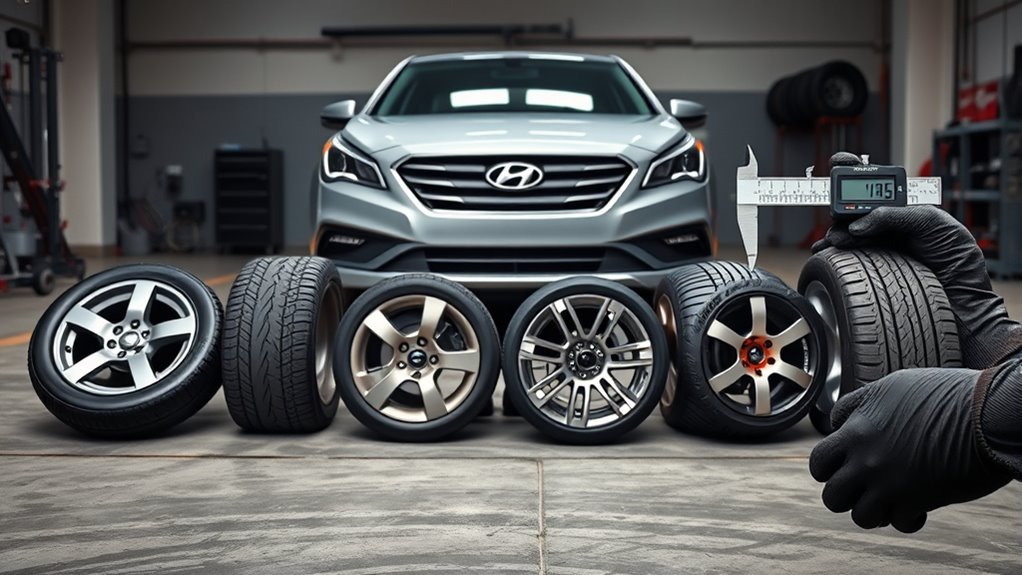
Choosing the right Hyundai Sonata tire size starts with one rule: match your exact model year, trim, and door-jamb tire placard before buying. Sonata tire sizes vary by generation, market, wheel package, hybrid/non-hybrid model, and trim, so use the tables below as a practical starting point—not as a replacement for the owner’s manual or Tire and Loading Information Label.
Quick Answer
The correct Sonata tire size is the size printed on your driver-side door-jamb Tire and Loading Information Label or listed in the owner’s manual. Common Sonata sizes include 205/65R16, 215/55R17, 235/45R18, and 245/40R19, but the safe choice depends on your year, trim, wheel, load rating, and clearance.
Key Takeaways
- Use the door-jamb tire placard and owner’s manual as the final authority for tire size, pressure, load index, and speed rating.
- Common Sonata factory-style sizes range from 15- to 19-inch wheels depending on generation and trim; 20-inch and larger wheels should be treated as aftermarket fitments.
- When upgrading, match the bolt pattern, hub bore, offset, lug-seat type, load rating, speed rating, and overall tire diameter.
- Check cold tire pressure monthly, rotate tires about every 5,000–8,000 miles if recommended, and replace tires at 2/32 inch tread or earlier when condition demands it.
At a Glance
| Time Required | 10–20 minutes to confirm the placard, sidewall, pressure, and owner’s manual; longer for aftermarket wheel checks. |
| Difficulty | Easy for stock replacement tires; moderate for plus-size wheels or non-OE fitments. |
| Tools Needed | Owner’s manual, tire placard, flashlight, tread-depth gauge, tire-pressure gauge, and a tire-size calculator for upgrades. |
| Cost | Free to verify fitment; replacement tire cost depends on size, brand, season, and performance rating. |
Sonata Tire Sizes & Wheel Specs by Generation
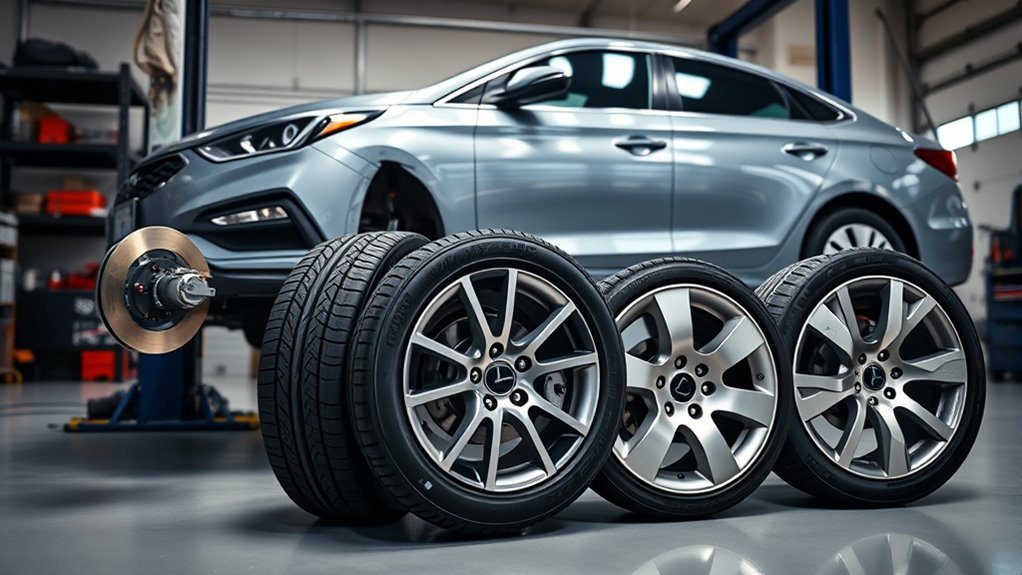
Use this table as a starting point for common Hyundai Sonata tire sizes. Your exact tire size may differ by model year, market, trim, hybrid model, wheel package, and previous owner modifications. Before buying, confirm the size on your driver-side door placard and in the Hyundai owner’s manual available through Hyundai Manuals & Warranties.
| Generation | Model-year note | Common OE-style tire examples | Fitment notes |
| DN8 | Global DN8 launched in 2019; U.S. models commonly span 2020–current, with Hyundai listing the Sonata for 2026. | 205/65R16, 215/55R17, 235/45R18, 245/40R19 | 19-inch packages are usually performance-oriented. Treat 20-inch wheels as aftermarket and verify clearance carefully. |
| LF | Global LF launched in 2014; U.S. models commonly span 2015–2019. | 205/65R16, 215/55R17, 235/45R18 | Confirm hybrid, Eco, Sport, and Limited trims separately because wheel packages vary. |
| YF | Global YF launched in 2009; U.S. models commonly span 2011–2014. | 205/65R16, 215/55R17, 225/45R18 | Be cautious with 19-inch setups; many are aftermarket and require offset and clearance checks. |
| NF | Global NF launched in 2004; U.S. models commonly span 2006–2010. | 215/60R16, 215/55R17, plus some smaller older-trim sizes by year | Older cars are more likely to have replaced wheels; measure and verify before ordering. |
Note: Many modern Sonata wheels use a 5-lug pattern, but you should not order wheels from bolt pattern alone. Confirm bolt pattern, hub bore, offset, rim width, lug-seat style, brake clearance, and load rating for your exact year and trim.
[Products Worth Considering]
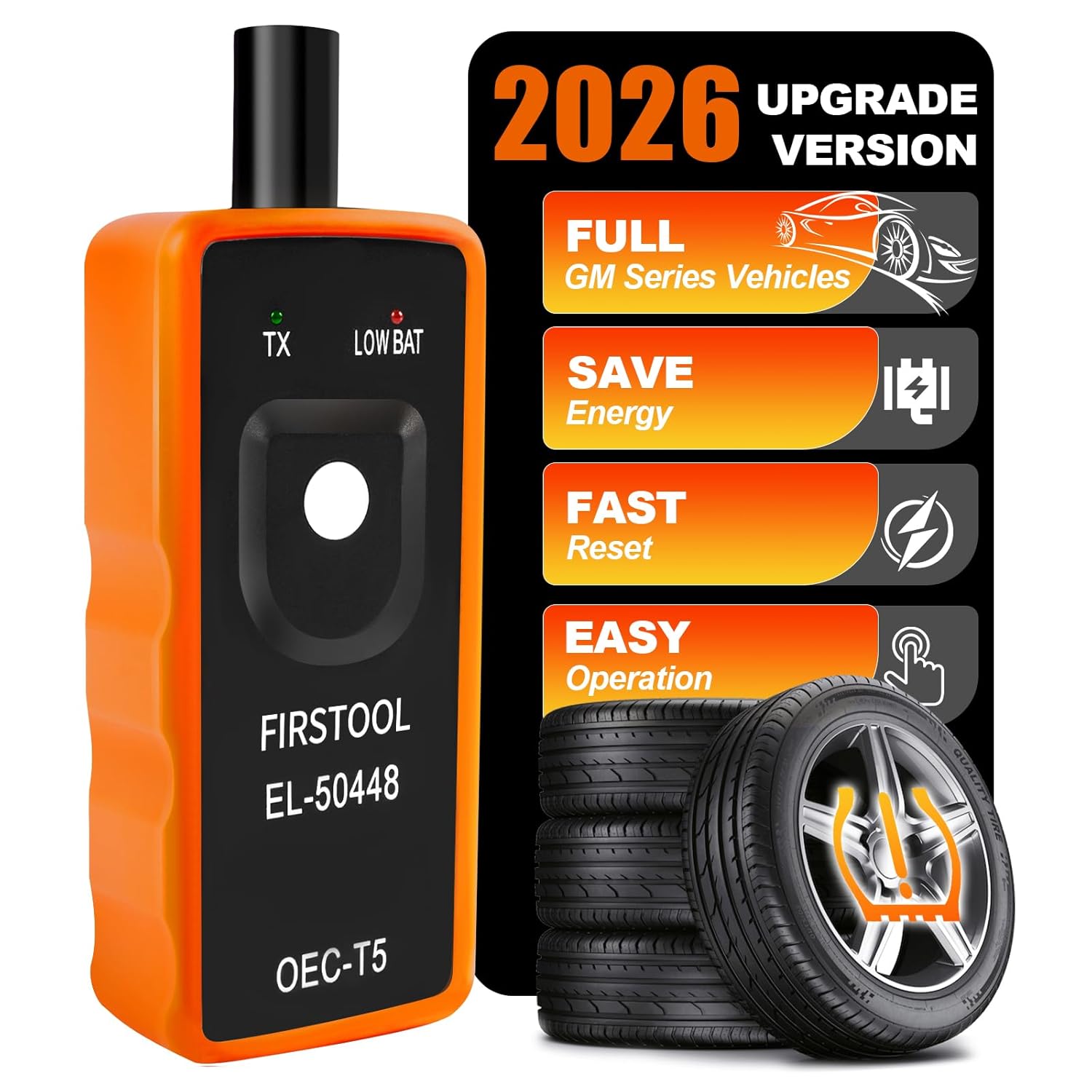
This TPMS relearn tool helps you quickly activate, match, and reset GM tire pressure sensors to keep the vehicle monitoring system working properly. It clears tire pressure alarms and dashboard warning lights after sensor replacement or tire rotation, and supports learning for common 315/433 MHz TPMS sensors. Designed for simple one-button operation, it can help you avoid unnecessary trips to repair shops.

Keep your tires properly inflated with this analog VONDIOR tire pressure gauge, designed for fast, easy readings without batteries. The swiveling, two-axis hose and large glow dial help you measure at any tire angle with instant visibility. Built with a protective rubber shield, it supports durable, low-maintenance use for cars and trucks.

The 22800 wheel stud installer makes replacing wheel studs quick and secure, saving time and effort during tire service. It uses a ratchet or impact wrench to pull new studs firmly into place, helping when existing studs are too long. Compatible with most automotive wheels and light-duty truck wheel studs, it’s designed for easy, tool-assisted installation.
Choose the Right Tire Size for Your Sonata Year & Trim
To choose the right Sonata tire size, work in this order:
- Read the driver-side door-jamb label. The Tire and Loading Information Label lists the factory tire size and cold tire pressure for that vehicle.
- Check the owner’s manual. Hyundai’s manual is the best place to confirm approved tire size, spare-tire rules, pressure, and rotation notes.
- Compare the tire sidewall. A size like 235/45R18 means 235 mm section width, 45% aspect ratio, radial construction, and an 18-inch wheel.
- Match or exceed the required load index and speed rating. Do not downgrade the tire’s ability to carry weight or handle speed.
- Preserve overall diameter. A major diameter change can affect speedometer accuracy, ABS behavior, traction control, gearing feel, and clearance.
- Inspect clearance. Check the strut, fender liner, spring perch, brake caliper, and full steering lock before trusting an upgrade.
The safest replacement tire is the same size as the original tire or another size recommended by Hyundai for that vehicle.
The National Highway Traffic Safety Administration also advises drivers to use the owner’s manual or Tire and Loading Information Label to find the correct tire size, pressure, and maintenance guidance. The pressure printed on a tire sidewall is not the recommended pressure for your Sonata; it is a tire limit, not the vehicle’s cold inflation spec.
Warning: Do not choose a Sonata tire only because it fits the rim diameter. A tire can mount on the wheel and still be unsafe if the load rating, diameter, offset, clearance, or pressure requirement is wrong.
Best Hyundai Sonata Tires by Season and Driving Style
Your Sonata’s correct tire size sets the foundation, but the tire type should match your weather and driving style.
[Products Worth Considering]

These M14x1.5 closed-end chrome lug nuts are a one-piece replacement designed for secure fitment on compatible GM, Ford, and select Chrysler/Dodge models. Featuring a 60-degree conical seat and anti-rust chrome plating, they help resist corrosion and maintain a bright look for everyday driving. Built for long-term durability, they include OEM-style part references and are backed by 12 months of support.
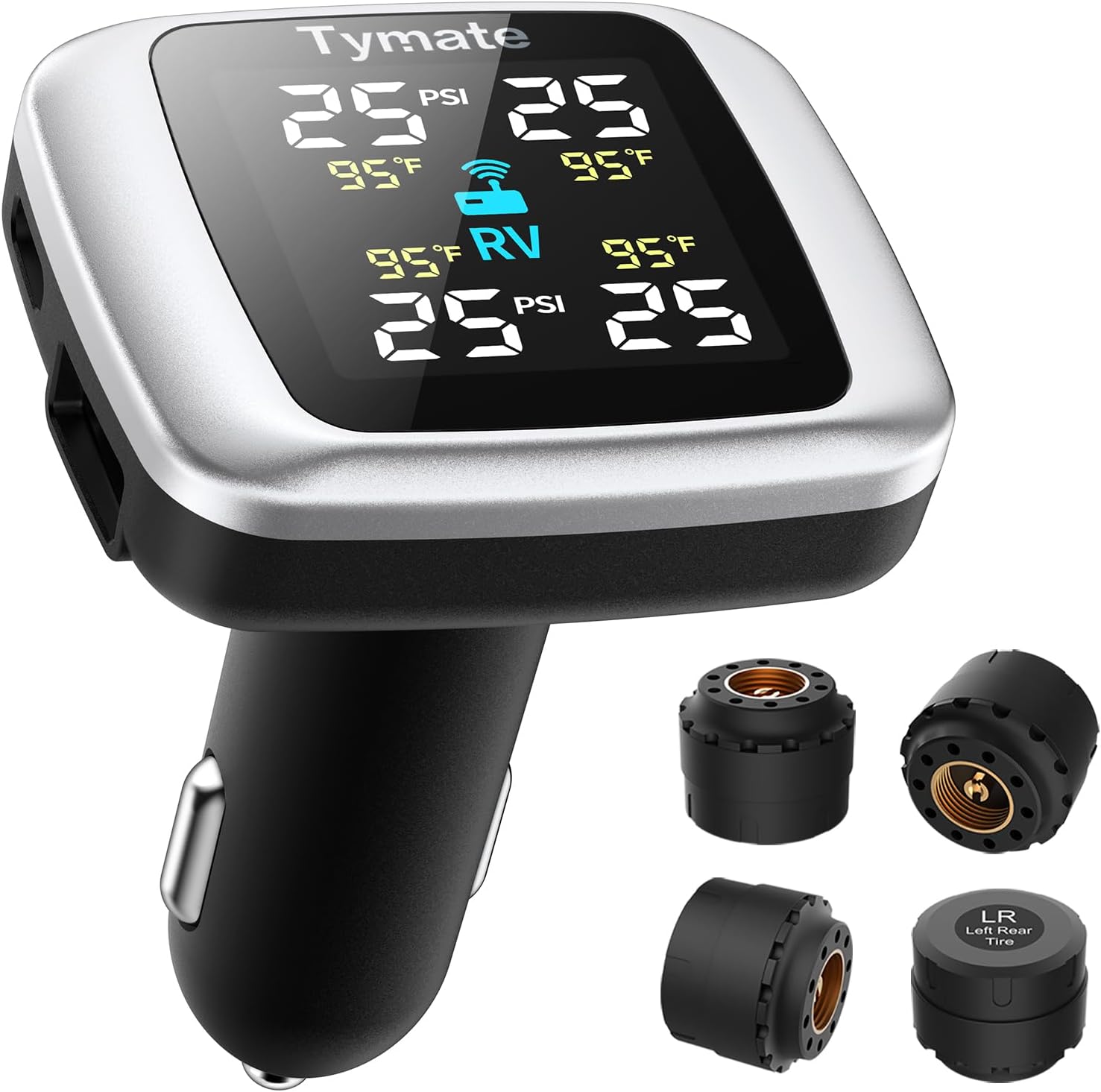
Tymate TM7 is a wireless tire pressure monitoring system that delivers real-time pressure and temperature readings for safer driving. It includes four external sensors, a bright color LCD display with adjustable backlight, and six alarm modes for high/low pressure, fast leakage, high temperature, and sensor signal or battery issues. The system covers a wide 0–144 PSI range and plugs into your vehicle’s cigarette lighter socket for quick DIY setup.
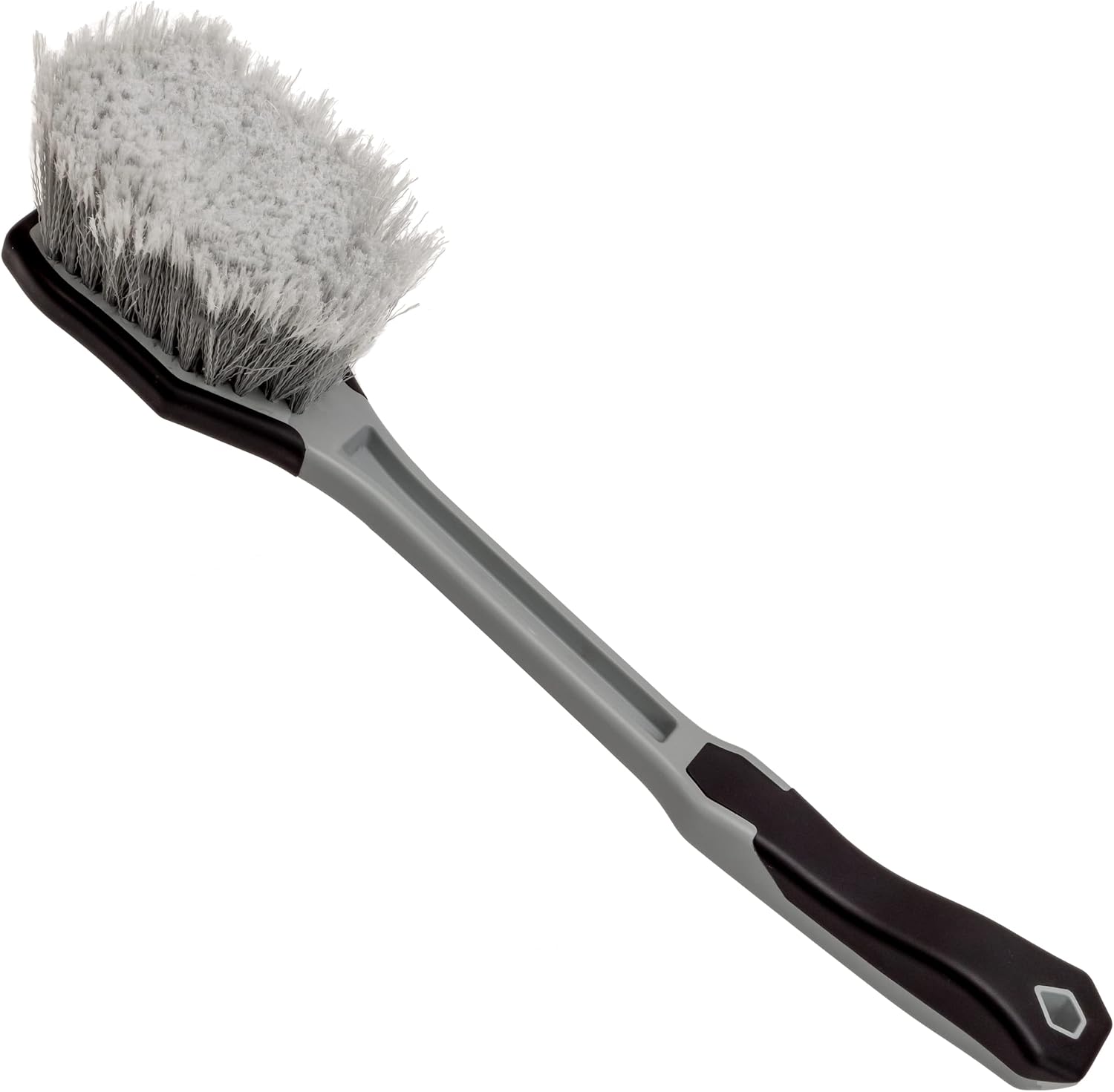
Clean grills, fenders, fender flares, bumpers, and wheel wells with a long-handled brush built for detailed car washing. The soft, triple-flagged bristles and dense scrub coverage help lift dirt gently while making coverage fast and easy. Use it with your favorite car wash soap for tires and exterior surfaces, and it also works for bike, motorcycle, boat, or RV cleaning.
All-season tires
Choose all-season tires if you drive in a mild climate and want one tire set for commuting, rain, and light seasonal changes. They are the easiest choice for most Sonata owners who do not deal with frequent snow or extreme heat-focused performance driving.
Winter tires
Choose dedicated winter tires if you regularly drive in snow, ice, or long periods of freezing weather. Winter tires use tread patterns and rubber compounds designed for cold-weather traction. A narrower factory-approved size on a smaller wheel can also help winter performance and protect expensive alloy wheels, but it must still match Sonata clearance and load requirements.
Summer and performance tires
Choose summer or performance tires if dry grip, steering response, and warm-weather handling matter more than tread life and snow capability. Sizes such as 235/45R18 or 245/40R19 may appear on sportier Sonata wheel packages, but confirm your trim before buying.
Touring and low-rolling-resistance tires
Choose touring tires for comfort, low noise, and long tread life. Hybrid Sonata owners may prefer low-rolling-resistance tires to help preserve fuel economy, but the tire still needs the correct size, load rating, and speed rating.
Pro Tip: If you like the ride comfort of your Sonata, avoid jumping to the largest wheel size just for appearance. Taller sidewalls usually ride better and are more forgiving on potholes; shorter sidewalls can sharpen handling but may increase impact harshness and wheel-damage risk.
Fitment Problems and Safe Tire Upgrades for Sonata
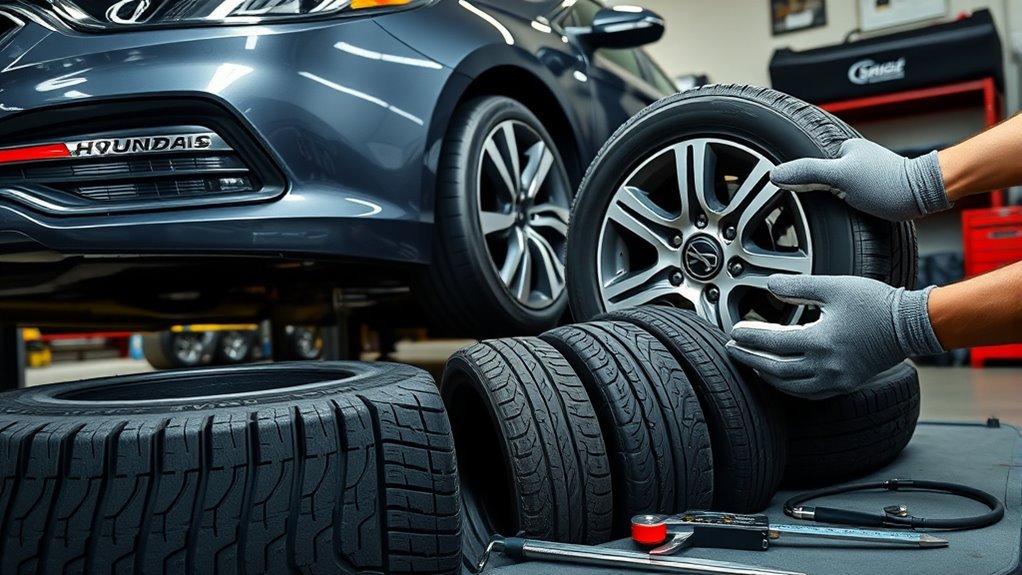
Safe tire upgrades depend on more than rim diameter. A Sonata wheel can look close on paper and still rub the fender liner, hit the strut, sit too far inward, poke outside the fender, or interfere with brake hardware.
[Products Worth Considering]

Monitor tire tread wear with a smart, color-coded depth gauge that shows clear condition ranges at a glance. The bar is range marked for fast, easy readings, helping you maintain safer traction and performance. Each gauge is portable with a pocket clip, and the set includes 20 units for daily use and sharing.

Replace worn or malfunctioning GM TPMS sensors with this 433MHz pre-programmed sensor set designed for compatibility with many Chevrolet, Buick, GMC, and Cadillac models. It includes guidance for proper OBDII relearning/pairing after installation and supports reliable long-term operation with a high-performance CR2032 battery. Quality tested for durability and performance to help restore accurate tire pressure monitoring.

Measure tire tread depth quickly and accurately with this LUMITECO dial gauge that reads in 1/32" increments up to 14/32". The color-coded green/yellow/red zones make it easy to judge tire wear and know when replacement is needed. A rugged, compact design with a protective pouch helps keep the gauge ready for use on cars, trucks, motorcycles, and more.
Check these fitment points before upgrading
- Overall diameter: Keep the new tire close to the original tire diameter to protect speedometer, ABS, and traction-control behavior.
- Wheel width: The tire must be approved for the wheel width, and the wheel must clear suspension and brakes.
- Offset: Too much positive offset can move the tire inward; too little can push it outward and cause fender contact.
- Hub bore: Hub-centric fitment helps the wheel seat correctly and reduces vibration risk.
- Bolt pattern and lug hardware: Match the pattern and the proper lug-seat type. Do not assume aftermarket lugs are compatible with factory wheels.
- Load index and speed rating: Use a tire that meets or exceeds the Sonata’s required ratings.
- TPMS compatibility: If wheels are changed, make sure the tire pressure monitoring sensors are compatible and functioning.
Can you install 20-inch wheels?
Some aftermarket 20-inch Sonata setups may be possible with the right tire, offset, width, and suspension clearance, but they are not the safe default. Treat 20-inch wheels as a custom fitment that needs professional measurement. The larger the wheel, the more important it is to check ride quality, pothole protection, rubbing, load rating, and speedometer impact.
Why 22-inch rims are not recommended
A 22-inch wheel is far outside normal Sonata factory-style sizing. It usually requires very short sidewalls, can create clearance and steering problems, and may hurt ride quality, wheel durability, braking feel, and suspension life. For a daily-driven Sonata, 22-inch rims are not a practical or safety-minded upgrade.
Note: After installing non-stock wheels or tires, test slowly at full steering lock in both directions and inspect for rubbing marks. Recheck after a few days of driving because rubbing can appear only over bumps, with passengers, or during tight turns.
Hyundai Sonata Tire Maintenance, Pressures & Replacement Timing
Correct tire maintenance keeps your Sonata predictable, efficient, and safe. NHTSA reports that tire maintenance affects safety, fuel use, tire durability, and crash risk, so do not rely only on the TPMS warning light.
Check cold tire pressure monthly
Check all tires, including the spare if equipped, at least once a month when the tires are cold. “Cold” means the car has not been driven for at least three hours. Use the pressure on the Sonata’s Tire and Loading Information Label, not the maximum pressure molded into the tire sidewall.
Watch the TPMS light
Sonatas with tire pressure monitoring can warn you when a tire is significantly underinflated, but TPMS is not a substitute for a monthly gauge check. If the TPMS light comes on, check pressure as soon as possible. If the light flashes and then stays on, have the system inspected.
Rotate, balance, and align
Rotate the tires every 5,000–8,000 miles if Hyundai recommends rotation for your tire setup, or sooner if you see uneven wear. Some tire setups cannot be rotated normally if the front and rear sizes differ. Balance new tires when installed, and get an alignment if the Sonata pulls, the steering wheel is off-center, or tread wear looks uneven.
Measure tread depth
Tires should be replaced when tread reaches 2/32 inch. For better wet-weather and winter performance, many drivers replace earlier, especially if hydroplaning, poor snow grip, cracking, bulges, vibration, or irregular wear appears.
Check tire age
Tires age even when tread remains. Inspect the DOT Tire Identification Number on the sidewall to find the production week and year. Around five years, start paying closer attention to age, cracking, and performance changes. Some tire and vehicle manufacturers recommend replacement at six to 10 years regardless of tread depth, so follow the tire maker and Hyundai guidance for your vehicle.
Frequently Asked Questions
How do I determine what size tire will fit my Hyundai Sonata?
Check the driver-side door-jamb Tire and Loading Information Label first, then confirm the same information in the owner’s manual. Match tire size, load index, speed rating, and cold tire pressure. For aftermarket wheels, also verify bolt pattern, offset, hub bore, wheel width, brake clearance, and fender clearance.
Can 22-inch rims fit on a Hyundai Sonata?
They are not recommended for normal Sonata use. A 22-inch setup is far outside factory-style sizing, usually requires very short sidewalls, and can create rubbing, steering, suspension, ride-quality, and wheel-damage problems. A tire professional would need to measure the car before any custom fitment.
What tire pressure should I use for a Sonata?
Use the cold tire pressure printed on your Sonata’s driver-side door-jamb label. Do not use the maximum pressure shown on the tire sidewall as your normal inflation pressure. Check pressure monthly when the tires are cold.
Can I use a different tire size than the one on the door placard?
Sometimes, but only if the alternate size is approved for your vehicle or professionally verified. The replacement tire must preserve overall diameter, load rating, speed rating, wheel clearance, and TPMS function. When in doubt, stay with the placard size.
Are winter tires worth it on a Hyundai Sonata?
Yes, if you regularly drive in snow, ice, or freezing temperatures. Winter tires are designed for cold-weather traction and usually outperform all-season tires in deep snow. Use a size approved for your Sonata and keep the correct load and speed rating.
What is the best oil for a Hyundai Sonata?
Oil is separate from tire fitment, and the correct oil depends on your Sonata’s model year and engine. Check the oil cap and owner’s manual for the required viscosity and specification. Do not rely on a general tire-size guide for engine-oil service.
Conclusion
The best Hyundai Sonata tire size is the one verified for your exact year, trim, and wheel package. Use the door-jamb placard and owner’s manual first, then match load rating, speed rating, pressure, and clearance before changing sizes. Stick with factory-approved sizes for the simplest replacement, and treat larger wheels as aftermarket fitments that need careful measurement. Check pressure monthly, rotate when recommended, measure tread often, and replace tires when they are worn, damaged, too old, or no longer safe.
Sources
- Hyundai Manuals & Warranties — owner’s manual lookup for model-specific tire, pressure, and service information.
- Hyundai 2026 Sonata — current Hyundai Sonata model-year context.
- NHTSA TireWise — tire size selection, pressure, tread depth, rotation, TPMS, aging, and tire-safety guidance.