
How to Read Your Toyota Tundra Tire Size: Step-by-Step Sidewall Guide
Reading your Toyota Tundra tire size is simple once you know what each number and letter on the sidewall means. A code like 265/60R20 112H tells you the tire width, sidewall height, construction type, wheel diameter, load rating, and speed rating. The safest replacement choice is the size listed on your Tundra’s driver-side tire placard or in the owner’s manual, not a guess based only on looks.
Quick Answer
To read a Toyota Tundra tire size, break down the sidewall code from left to right. In 265/60R20 112H, 265 is width in millimeters, 60 is sidewall height as a percentage of width, R means radial, 20 is wheel diameter in inches, 112 is load index, and H is speed rating.
Key Takeaways
- Always confirm your correct Toyota Tundra tire size on the driver-side Tire and Loading Information Label or in the owner’s manual.
- The main size code shows tire width, aspect ratio, construction, and wheel diameter.
- The service description, such as 112H, tells you the tire’s load index and speed rating.
- Do not use the tire sidewall’s maximum PSI as your normal tire pressure; use the cold PSI on your truck’s placard.
- Lift kits, leveling kits, aftermarket wheels, towing, and heavy payloads can change what tire setup is safe.
At a Glance
| Time Required | 5 to 10 minutes |
| Difficulty | Easy |
| Tools Needed | Flashlight, phone camera, tire pressure gauge, owner’s manual or Toyota Owners manual page |
| Cost | Free, unless you buy a pressure gauge |
How to Read Your Toyota Tundra Tire Size Code
Start with the full tire code printed on the sidewall. For a common Tundra-style example, use 265/60R20 112H. According to the Tire Industry Association, the tire size, service description, DOT code, and other safety markings all appear on the tire sidewall.
- 265 — tire width in millimeters, measured from sidewall to sidewall.
- 60 — aspect ratio, meaning the sidewall height is 60% of the tire width.
- R — radial construction, the standard design for modern passenger and light-truck tires.
- 20 — wheel or rim diameter in inches.
- 112 — load index, a code for how much weight the tire can carry when properly inflated.
- H — speed rating, a letter tied to the tire’s tested speed capability under proper conditions.
Warning: Do not buy replacement tires based only on appearance. A tire can fit the wheel but still have the wrong load index, speed rating, pressure requirement, or outside diameter for your Tundra.
[Products Worth Considering]

EVOULTES heavy duty tire inflator with an integrated gauge delivers accurate pressure readings from 10–120 PSI, helping you inflate, deflate, and check tires in one tool. The 16.5-inch extended dual-head air chuck with swivel base reaches hard-to-access dual wheel valves on trucks and RVs. A brass trigger core and side-mounted air release valve make operation smooth, with standard 1/4" NPT threading and quick-connect compatibility for easy setup.

This 4-in-1 tire valve core removal tool helps you deflate, unblock, and remove or install valve cores quickly for easier tire repair. The multifunction design also supports re-taping damaged threads and reaming inside the valve stem for smoother service. Included as a 2-pack, it’s compact for convenient carry and works for cars, bicycles, and motorcycles.
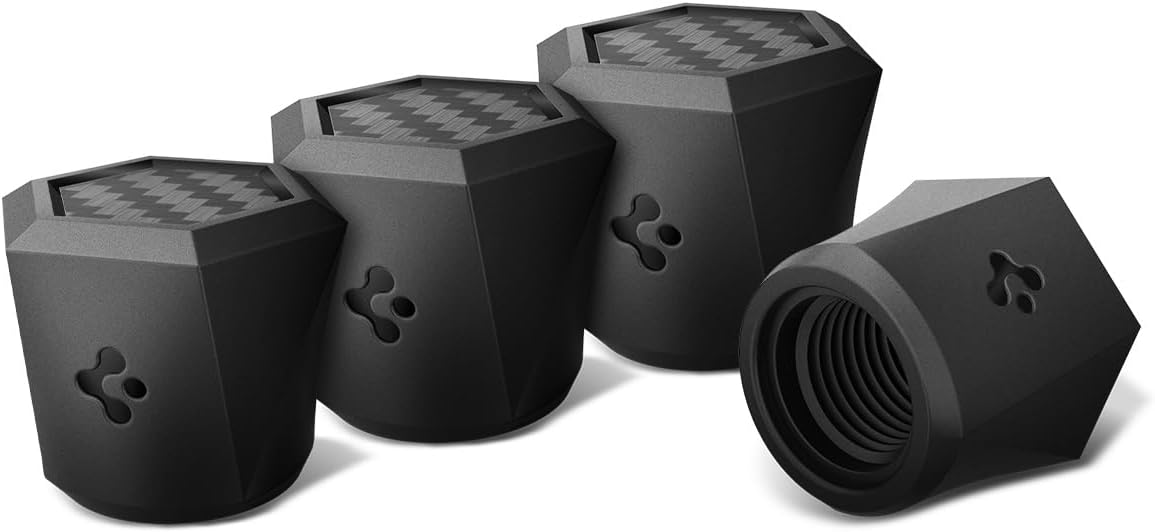
Spigen magnetic tire valve caps attach securely to metal surfaces so you never have to search for lost caps. Designed for Schrader valve stems, they install quickly, help protect against air leakage and corrosion, and feature a light magnet that won’t interfere with TPMS signals.
Where to Confirm the Correct Tundra Tire Size
Your current tire sidewall tells you what is installed now, but it does not always prove what Toyota originally specified for your truck. The most reliable places to check are:
- The Tire and Loading Information Label on the driver-side door edge, doorjamb, or B-pillar.
- Your owner’s manual or the official Toyota Owners manuals page.
- A Toyota dealer or qualified tire shop, especially if the truck has aftermarket wheels, a lift kit, a leveling kit, or heavy towing use.
The National Highway Traffic Safety Administration recommends using the vehicle owner’s manual or Tire and Loading Information Label to find the correct tire size and proper inflation pressure for your car or truck.
Common Toyota Tundra Tire Size Examples
Tundra tire sizes vary by model year, trim, package, drivetrain, and wheel option. Late-model examples may include sizes like 265/70R18, 265/60R20, 285/65R18, and 265/50R22, but you should still confirm your exact size on your truck’s placard before ordering tires. Toyota also updates wheel packages over time, including current 2026 Tundra package changes noted by Toyota USA Newsroom.
| Example Size | What It Tells You | Important Check |
|---|---|---|
| 265/70R18 116T | 18-inch wheel, taller sidewall, load index 116, T speed rating | Verify load rating and pressure on the placard. |
| 265/60R20 112H | 20-inch wheel, balanced sidewall height, load index 112, H speed rating | Check trim and wheel package before replacing. |
| 285/65R18 116T | Wider 18-inch tire often associated with off-road-oriented setups | Watch for rubbing if suspension or wheels are modified. |
| 265/50R22 112H | 22-inch wheel, shorter sidewall, load index 112, H speed rating | Match the wheel diameter and service description exactly. |
Decoding Tire Width: What the Numbers Mean
In a tire size like 265/60R20, the first three-digit number is the tire width in millimeters. A 265 tire is about 265 mm wide from sidewall to sidewall. Wider tires can change the truck’s stance and may increase the contact patch, but wider is not automatically better.
Changing tire width can affect steering feel, ride comfort, snow traction, fuel economy, clearance, and wheel-well rubbing. It can also affect whether the tire fits the factory wheel width safely.
| Tire Width | Possible Benefit | Possible Trade-Off |
|---|---|---|
| 245–265 mm | Factory-like steering and efficiency | Less aggressive look |
| 275–285 mm | More contact patch and stronger stance | May require fitment checks |
| 305 mm and wider | Aggressive off-road appearance | Higher rubbing risk, more weight, possible mpg loss |
Pro Tip: If you want a wider Tundra tire, compare the new tire’s width, overall diameter, load index, wheel-width range, and offset needs before buying. A tire shop can confirm whether it clears at full steering lock and suspension compression.
Understanding Tire Aspect Ratio: Height Compared to Width
The aspect ratio is the two-digit number after the slash. In 265/60R20, the 60 means the sidewall height is 60% of the tire width. A higher aspect ratio gives you a taller sidewall. A lower aspect ratio gives you a shorter sidewall.
For Tundra owners, sidewall height matters because it affects ride comfort, wheel protection, handling feel, and off-road performance. Taller sidewalls can absorb rough roads and trail impacts better. Shorter sidewalls can feel sharper on pavement but leave less rubber between the wheel and potholes, rocks, or curb edges.
The Importance of Radial Construction for Your Tundra
The R in a Tundra tire size means radial construction. Radial tires use internal ply cords arranged radially from bead to bead, and they are the standard construction for modern passenger and light-truck tires. Continental explains that radial construction is common on today’s roads and is identified by the “R” in the tire marking.
Enhanced Grip Performance
Radial construction helps modern tires balance ride comfort, tread contact, heat control, and handling. For a Toyota Tundra, the bigger performance difference usually comes from choosing the right tire category: highway-terrain, all-terrain, mud-terrain, winter, or all-season. Match the tire type to how you actually drive.
Improved Fuel Efficiency
Tire pressure and rolling resistance affect fuel economy. FuelEconomy.gov says properly inflated tires can improve gas mileage by 0.6% on average and up to 3% in some cases, and underinflated tires can reduce gas mileage by about 0.2% for every 1 PSI drop in the average pressure of all tires. Use the cold PSI on your Tundra’s placard, not the maximum PSI molded on the sidewall.
Proper inflation is not just about fuel savings. It also helps tire life, handling, braking, and heat control.
Choosing the Right Wheel Diameter for Your Tires
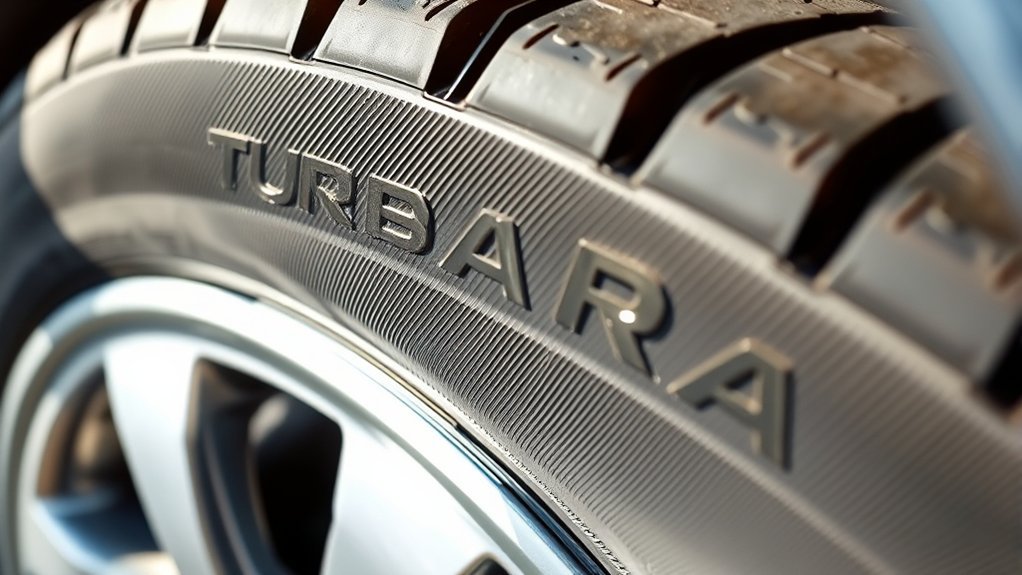
The last number in the main size code is the wheel diameter. In 265/60R20, the tire fits a 20-inch wheel. This number must match your wheel exactly. A 20-inch tire will not fit an 18-inch or 22-inch wheel.
Many modern Tundras use 18-, 20-, or 22-inch wheel packages, depending on trim and equipment. Before changing wheel diameter, compare the new tire’s overall diameter to the original setup. A large change can affect speedometer accuracy, ABS and stability-control behavior, ride height, braking feel, and fender clearance.
Note: Wheel diameter is not the same as tire outside diameter. A 20-inch tire can have a similar outside diameter to an 18-inch tire if the 18-inch setup uses a taller sidewall.
[Products Worth Considering]

Upgrade your tires with a set of four aluminum valve stem covers designed to protect the valve from wear and help keep out moisture and debris. The hermetically sealed, screw-in caps are corrosion resistant and provide an attractive, long-lasting anodized finish. Suitable for many vehicle types and installs quickly for everyday convenience.

Upgrade your Toyota tire setup with these corrosion-resistant, leak-proof valve stem caps designed to help protect the valve core from water, snow, and road grime. The caps feature a snug rubber seal and durable copper alloy construction to resist rust and oxidation while maintaining stable tire pressure. Ideal for replacing worn original caps and keeping your wheels looking clean and stylish.
Load Index: How Much Weight Your Tires Can Handle
The load index appears after the wheel diameter in the service description. In 265/60R20 112H, the load index is 112. In 265/70R18 116T, it is 116. The number is not pounds by itself; it is a code that corresponds to a maximum load on a load-index chart.
For a Tundra, load index is especially important because the truck may tow, haul cargo, carry passengers, or run accessories such as bed racks, campers, bumpers, or larger wheels. Replacement tires should meet or exceed the load capacity Toyota specifies for your truck. Do not downgrade the load index to save money or get a certain tread pattern.
Ensuring Safe Performance: Tire Speed Ratings
The speed rating is the letter after the load index. In 112H, the speed rating is H. In 116T, it is T. The speed rating tells you the tire’s tested speed capability under proper load and inflation conditions, but it is not permission to exceed speed limits or ignore road conditions.
Understanding Speed Ratings
Speed ratings are part of the tire’s service description. A replacement tire should meet or exceed the rating Toyota specified for your Tundra unless a qualified tire professional confirms an approved alternative for your use case. This matters for handling, heat resistance, towing stability, and high-speed durability.
Importance of Proper Ratings
Choosing the right load index and speed rating helps keep the tire within its design limits. This is especially important when the truck is loaded, towing, driven in hot weather, or used at highway speeds for long distances.
- Match the original equipment service description whenever possible.
- Never use a tire with a lower load index unless Toyota or a qualified tire professional confirms it is safe.
- Do not mix different speed ratings unless a tire professional approves the setup.
- For towing or payload use, confirm tire load capacity against real axle weight.
Other Sidewall Markings Tundra Owners Should Check
The size code is only part of the sidewall. Before buying tires, also look for these markings:
- P, LT, or no prefix: “P” means passenger metric, “LT” means light truck, and no prefix usually means Euro-metric. LT tires may require different inflation and ride firmer.
- DOT/TIN date code: The final four digits of the DOT tire identification number show the week and year the tire was made. For example, 2924 means the 29th week of 2024.
- Load range: Common on LT tires and tied to construction strength and inflation capacity.
- UTQG: Treadwear, traction, and temperature grades used for comparison within regulated categories.
- M+S: Mud and snow designation, common on all-season and all-terrain tires.
- Three-Peak Mountain Snowflake: A symbol showing the tire meets a defined severe-snow traction requirement.
Warning: Avoid old “new” tires. Even if tread depth looks good, check the DOT date code and ask the seller how the tires were stored.
How to Keep Your Tires in Great Shape
Good tire care starts with the correct size, load rating, and pressure. Check tire pressure when the tires are cold, meaning the truck has been parked for several hours or driven only a short distance. Use the cold PSI on the driver-side placard or owner’s manual.
- Check pressure monthly and before long trips, towing, or heavy hauling.
- Inspect tread depth across the inner, center, and outer tread ribs.
- Look for sidewall damage, bulges, cracks, cuts, nails, and uneven wear.
- Rotate tires on schedule according to your Toyota maintenance guide or tire manufacturer’s instructions.
- Get an alignment check if the truck pulls, the steering wheel is off-center, or the tread wears unevenly.
- Recheck fitment after installing lift kits, leveling kits, wheel spacers, or aftermarket wheels.
If your Tundra tows often or carries heavy payloads, weigh the truck loaded as you use it and ask a tire professional to confirm the correct load and inflation setup. This is safer than guessing from a generic online tire chart.
Frequently Asked Questions
How do I read my Toyota Tundra tire size on the sidewall?
Find the code printed on the tire sidewall, such as 265/60R20 112H. Read it left to right: 265 is width in millimeters, 60 is aspect ratio, R is radial construction, 20 is wheel diameter, 112 is load index, and H is speed rating.
Where is the official tire size for my Tundra?
Check the Tire and Loading Information Label on the driver-side door edge, doorjamb, or B-pillar. You can also confirm the tire size in your owner’s manual or through Toyota’s official owner resources.
Can I put bigger tires on my Toyota Tundra?
Yes, but only after checking clearance, wheel width, offset, load rating, speed rating, overall diameter, and pressure requirements. Larger tires can rub, change speedometer accuracy, reduce fuel economy, and affect towing or braking.
What does LT mean on a Tundra tire?
LT means light truck. LT tires are often built for heavier-duty use, but they may ride firmer and may need different inflation pressure than P-metric or Euro-metric tires. Confirm the right setup before switching to LT tires.
Should I inflate my Tundra tires to the PSI printed on the tire?
No. The PSI printed on the tire sidewall is usually a maximum pressure limit, not your normal driving pressure. Use the cold tire pressure listed on your Tundra’s driver-side placard or in the owner’s manual.
Conclusion
Once you understand the code, reading your Toyota Tundra tire size takes only a minute. The main numbers tell you the width, aspect ratio, construction, and wheel diameter, while the service description tells you load index and speed rating. For safety, always confirm the correct replacement size and cold PSI on your truck’s Tire and Loading Information Label or owner’s manual. That one check helps protect ride quality, fuel economy, towing stability, and tire life.
Sources
- NHTSA TireWise — tire size, tire pressure, sidewall safety, and maintenance guidance.
- Tire Industry Association: Reading a Tire Sidewall — tire width, aspect ratio, construction, load index, speed symbol, DOT/TIN, and UTQG guidance.
- Continental Tires: Tire Markings — explanation of tire sidewall numbers, letters, load index, and speed rating.
- FuelEconomy.gov: Gas Mileage Tips — tire inflation and fuel economy data.
- Toyota Owners Manuals and Warranties — official Toyota owner manual lookup for Tundra.
- Toyota USA Newsroom: 2026 Toyota Tundra — current Tundra package and model-year context.

Related Articles
Toyota Tundra Tire and Wheel Package: What to Consider Before Buying
Unlock the secrets to choosing the perfect tire and wheel package for your Toyota Tundra—essential tips await to enhance your ride.
Read More
Do Bigger Tires Void a Toyota Tundra Warranty? Magnuson-Moss Act Explained
Bigger tires might not void your Toyota Tundra warranty, but understanding the Magnuson-Moss Act is crucial—discover how to protect your investment effectively.
Read More
Toyota Tundra Tire Rack Setup: Garage Storage Ideas for Seasonal Sets
Better tire storage for your Toyota Tundra awaits—discover essential tips to maximize space and protect your seasonal sets in the garage!
Read More