
How to Make RAV4 Tires Last Longer: A Maintenance Guide
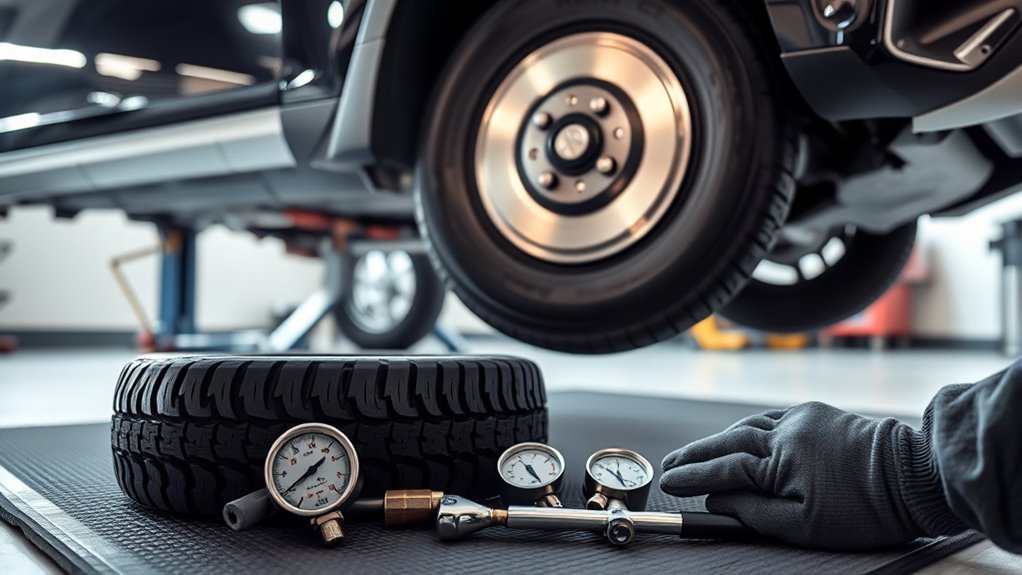
To make your RAV4 tires last longer, monitor tread depth and replace tires at 2 mm. Perform the penny test; if Lincoln’s head is visible, it’s time for new tires. Rotate your tires every 5,000 to 7,500 miles to guarantee even wear, and keep tire pressure between 30-35 psi. Regularly check for alignment and balancing to prevent premature wear. Stay vigilant about tire condition and replacement needs to maximize longevity and performance—discover more helpful tips to enhance tire life.
Identifying When to Replace Your Tires
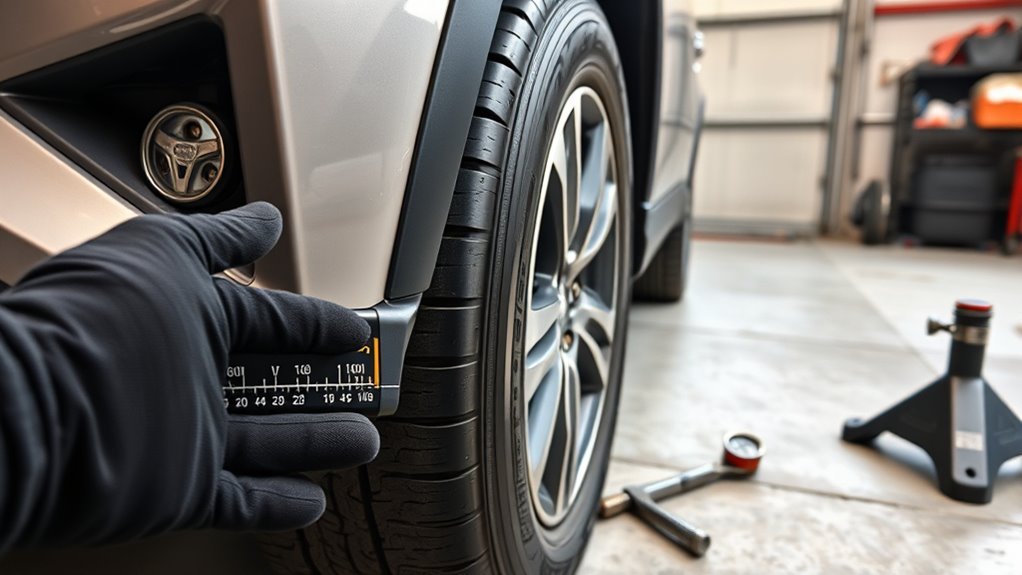
How can you tell when it’s time to replace your RAV4 tires? Start by monitoring tread depth; once it reaches 2 mm, you’ve hit the legal limit and face significant safety risks. Use the penny test—insert a penny into the tread. If Lincoln’s head is visible, it’s time for new tires. Keep an eye on uneven tread wear patterns; these may indicate misalignment or improper inflation, signaling the need for replacement. Also, watch for visible damage, like cracks or bulges, which require immediate action for safe driving. Consider tire lifespan factors too; high-performance tires typically last around 20,000 miles. If you’re nearing that threshold, evaluate their condition closely. Finally, seasonal tire considerations can impact performance, so make sure you’re using the right tires for your driving conditions. Prioritize these checks to maintain your RAV4’s safety and performance.
Choosing Tires Based on Your Driving Conditions
Choosing the right tires for your Toyota RAV4 can greatly enhance both performance and longevity, especially when tailored to your specific driving conditions. Here’s a quick guide to help you decide:
| Tire Type | Ideal Conditions | Climate Impact |
|---|---|---|
| All-Season Tires | Versatile; mild climates | Moderate wear in varied conditions |
| Winter Tires | Snow and ice | Exceptional grip in harsh weather |
| Performance Tires | Dry, smooth surfaces | Increased wear in rough conditions |
When selecting tires, consider your typical driving habits and road conditions. Aggressive driving on rough surfaces can quicken tire wear, while maintaining the recommended pressure of 30-35 psi will optimize performance. Consult your Toyota owner’s manual for specific tire recommendations, ensuring you make informed tire type considerations that align with your climate impact.
Why Tire Rotation Extends Longevity
Regularly rotating your tires is crucial for maximizing their lifespan and maintaining peak performance. By adhering to a maintenance schedule that includes tire rotation every 5,000 to 7,500 miles, you promote even tread wear. Front tires often endure more weight and stress, leading to uneven wear if left unchecked. This imbalance can decrease traction and handling, compromising your vehicle’s safety.
Tire rotation benefits extend beyond longevity; it can improve fuel efficiency and enhance overall performance. By guaranteeing uniform wear, you can extend tire life by up to 20%, reducing the likelihood of premature replacements. Neglecting tire rotation can result in costly replacements sooner than anticipated due to misalignment and uneven wear. Regular rotation not only conserves your investment but also guarantees a smoother, safer driving experience. Embrace tire rotation as a crucial part of your vehicle maintenance to enjoy the freedom of reliable performance.
Assessing Tread Wear: What You Need to Know
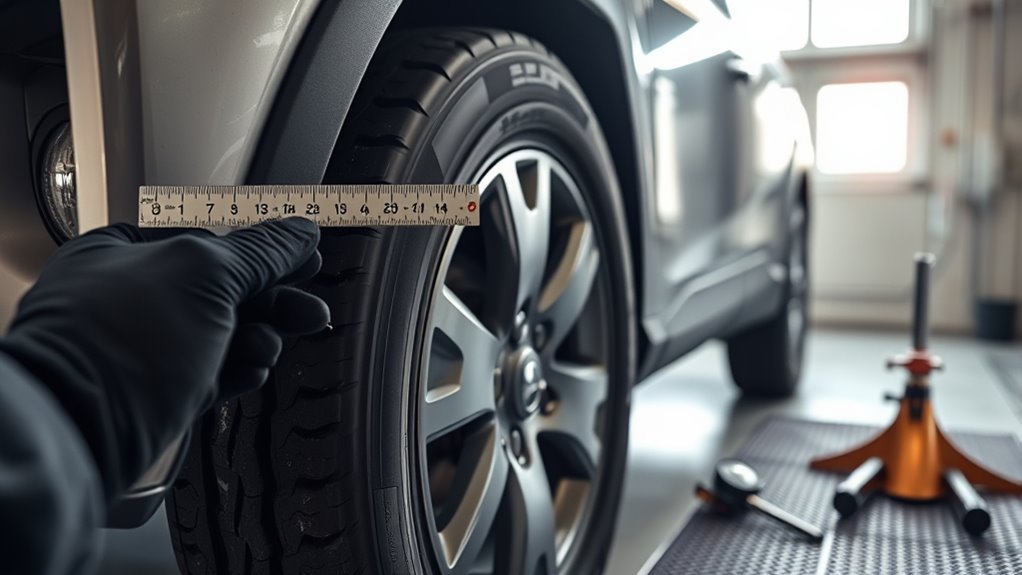
Are you aware of how essential tread wear assessment is for your RAV4’s safety and performance? Regularly checking tread depth is vital. Use the penny test: if Lincoln’s head is visible when inserted into the tread, it’s time for replacements. This safety measure helps maintain traction, especially in adverse conditions, as a legal minimum tread depth of 2 mm can considerably impact stopping distances.
Monitor for uneven wear patterns—inner/outer or center wear may indicate misalignment or improper tire pressure. Tread wear indicators on your tires serve as a visual cue for when they’re nearing the end of their usable life. To maximize performance and longevity, schedule regular inspections and tire rotations every 5,000 to 7,500 miles. Staying proactive with these assessments not only enhances your RAV4’s handling but also liberates you from costly replacements down the line.
Why Proper Alignment and Balancing Matter for Your Ride
Maintaining proper alignment and balancing of your RAV4’s tires is just as important as evaluating tread wear. Proper wheel alignment guarantees ideal tire-road contact, enhancing handling and extending tire life by minimizing uneven wear patterns. Misalignment can lead to your tires pulling to one side, increasing wear and potentially reducing their lifespan by up to 25%. Regular checks, ideally every 5,000 to 7,500 miles, are vital for preserving your tires’ performance and safeguarding safety.
Balancing your tires evenly distributes weight, preventing vibrations that can cause premature wear and discomfort. A well-aligned vehicle not only promotes better suspension health but also contributes to maintaining correct tire pressure, which is essential for effective traction and fuel efficiency. Watch for signs of misalignment, like uneven tread wear and steering wheel vibrations, to safeguard both tire longevity and your overall driving experience.
Signs It’s Time for a Tire Replacement?
When evaluating your RAV4’s tires, pay close attention to tread depth, visible damage, and uneven wear patterns. A tread depth of 2 mm or less indicates it’s time for a replacement, while cracks or bulges can compromise safety. Additionally, any signs of uneven wear may suggest alignment issues, making timely replacement essential for peak performance.
Tread Depth Inspection
How can you tell if your RAV4 tires are ready for a replacement? Start by checking the tread depth regularly. Use the penny test: if Lincoln’s head is visible, it’s time for new tires to guarantee peak tire safety and traction. Most tires feature built-in tread wear indicators; if these are flush with the tread, replacement is necessary. Remember, the legal tread depth limit is 2 mm; going below this greatly increases stopping distances, especially in wet conditions. Watch for wear patterns: center wear may indicate over-inflation, while edge wear suggests under-inflation. Finally, monitor for cupping wear, which appears as diagonal scalloping, signaling potential suspension issues that could also necessitate a tire replacement.
Visible Damage Assessment
Visible damage on your RAV4 tires can greatly compromise safety and performance. Conduct regular tire surface inspections to identify cracks, bulges, or punctures. These issues can lead to air loss or even blowouts, making prompt damage identification vital. Examine each tire carefully for foreign objects that may be embedded, as they pose significant risks. If you notice any unusual vibrations or noises while driving, don’t ignore them; they often indicate internal damage requiring professional inspection. Additionally, if the tread depth is worn down to 2 mm or less, it’s time to replace the tires. Prioritize these assessments to guarantee peak safety and maintain your RAV4’s performance on the road.
Uneven Wear Patterns
Inspecting for visible damage is just one part of tire maintenance; monitoring for uneven wear patterns is equally important. Uneven wear, like center wear from over-inflation or edge wear from under-inflation, signals that your tire pressure isn’t at the recommended PSI, increasing safety risks. Cupping wear, with its diagonal scalloping, often points to serious suspension issues requiring immediate attention. When tread wear indicators become visible—such as Lincoln’s head showing in the penny test—it’s time for a replacement. Regular alignment checks can catch misalignment early, preventing further uneven wear. If you notice significant noise or vibrations while driving, your tires may be nearing their lifespan’s end, necessitating evaluation for peak performance and safety.
Best Practices for Keeping Your Spare Tire in Top Shape
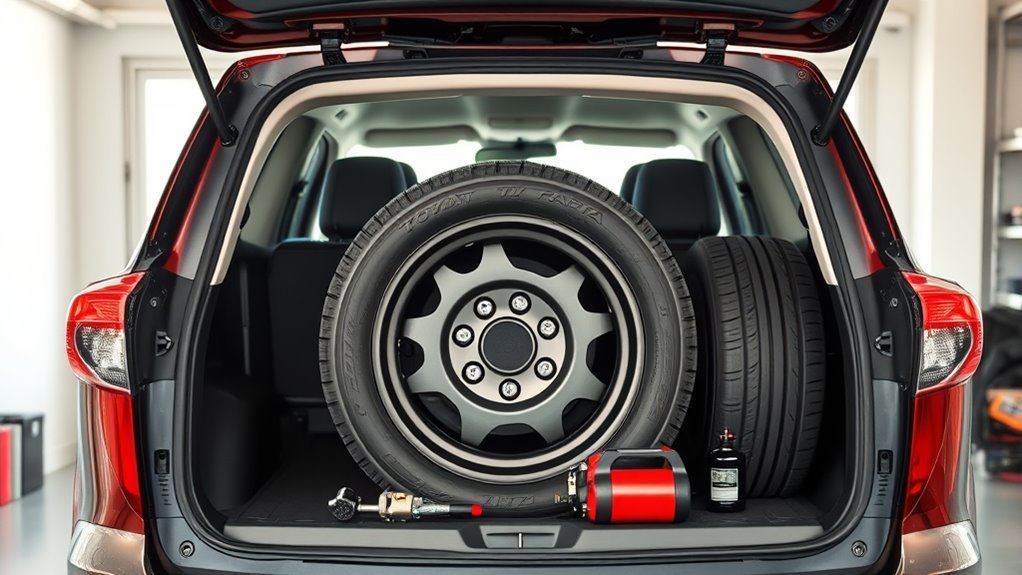
To keep your spare tire in ideal condition, make regular pressure checks a priority, guaranteeing it’s at the recommended level. Store it in a cool, dry place to prevent rubber degradation and monitor its tread depth periodically for any signs of wear. By following these practices, you’ll guarantee your spare is ready when you need it most.
Regular Pressure Checks
While you might not think about your spare tire often, regular pressure checks are vital for making certain it’s ready when you need it most. Aim to check the inflation at least once a month or before long trips, as proper tire pressure typically falls between 60-70 psi. Maintaining this pressure is important in preventing under-inflation, which can lead to a flat tire or safety hazards during use. Additionally, inspect your spare for visible signs of wear, like cracks or bulges, to confirm it’s in good condition. Store it in a cool, dry place away from sunlight to protect the rubber. If you have a space saver spare, remember its limitations to guarantee peak performance.
Proper Storage Techniques
- Cool, Dry Place: Store your spare tire away from direct sunlight and in a cool, dry environment. This helps prevent degradation of the rubber compounds.
- Maintain Pressure: Regularly check that your spare tire is inflated to the manufacturer’s recommended pressure. This guarantees it’s always ready for use.
- Inspect Regularly: Periodically inspect your spare tire for any signs of damage, like cracks or bulges. Catching these issues early can prevent using a compromised tire when you need it most.
Timely Replacement Recommendations
Regularly replacing your spare tire is crucial for maintaining its effectiveness and safety. Check the tire pressure frequently, verifying it meets the manufacturer’s specifications found on the door pillar; under-inflation can compromise reliability. For full-size spares, inspect for wear and pressure every six months to extend their tire lifespan. Space saver spares should only be used for a maximum of 70 miles and at speeds below 50 mph to prevent damage. If you have run-flat tires, replace them immediately after use, as they’re designed for about 50 miles at reduced speed. Finally, store all spare tires in a cool, dry place, away from sunlight, aligning with proper maintenance schedules to guarantee peak performance when you need it most.
When to Seek Expert Tire Maintenance Services?
When should you consider seeking expert tire maintenance services for your RAV4? Understanding the signs of potential tire issues can help you maintain optimal performance and safety. Here are three key situations to watch for:
- Uneven Tread Wear: If you notice uneven tread wear, it may indicate misalignment or imbalance. Addressing this promptly can extend tire life.
- Pulling to One Side: If your RAV4 pulls to one side while driving, it’s essential to schedule a professional inspection to check for alignment issues.
- Vibrations or Noises: Unusual vibrations or noises from your tires could signal deeper mechanical problems or the need for balancing.
Additionally, consult a technician if your tire pressure fluctuates considerably or if tread depth nears the legal limit of 2 mm. Following a consistent maintenance schedule guarantees your tires perform effectively, especially before long trips.
Frequently Asked Questions
How Does Weather Affect Tire Lifespan and Performance?
Weather greatly affects tire lifespan and performance. Temperature extremes can accelerate tire wear, while seasonal changes and varying road conditions impact traction. Regularly checking tire pressure and tread depth helps maintain peak performance throughout fluctuating weather.
Can I Mix Different Tire Brands on My RAV4?
Mixing tire brands on your RAV4’s like dancing with mismatched partners. For peak performance, guarantee tire compatibility in tread patterns. Different brands can lead to uneven wear and compromised handling—stick with a uniform set for safety.
What Tools Do I Need for Basic Tire Maintenance?
You’ll need a jack, lug wrench, tire pressure gauge, and tread depth gauge for basic tire maintenance. Regular tire rotation and tread inspection guarantee your RAV4’s performance and safety while extending tire life effectively.
How Does Tire Pressure Impact Fuel Efficiency?
Imagine driving a balloon instead of a car; under-inflated tires drag you down, just like a deflated balloon loses lift. Proper tire pressure maximizes fuel efficiency, ensuring you glide smoothly and save fuel with every journey.
Are There Specific Tire Care Tips for Winter Driving?
For winter driving, perform regular winter tire maintenance, including tread depth checks. Verify your tires have adequate traction and pressure; this enhances grip on icy roads, confirming safety and optimizing your vehicle’s performance in harsh conditions.
Conclusion
By following these tire maintenance tips, you can guarantee your RAV4’s tires last longer, much like a well-tended garden flourishes. Regularly assess tread wear, rotate your tires, and keep an eye on alignment and balancing to prevent premature wear. Don’t forget about your spare tire, either—it’s your safety net. If you notice any signs of damage or wear, seek expert help to keep your ride safe and smooth on every journey.

Related Articles

Upsizing Wheels on a Toyota RAV4: Pros, Cons, and Considerations
Boost your Toyota RAV4's performance with larger wheels, but discover the hidden trade-offs that could impact your ride before you decide.
Read More
Can I Change Tire Size on My Toyota RAV4? Rules and Recommendations
Are you considering changing the tire size on your Toyota RAV4? Discover the essential rules and recommendations before making a decision.
Read More
What to Do If the TPMS Light Comes On in Your RAV4
Understand the steps to take when the TPMS light illuminates in your RAV4, as overlooking it could lead to serious tire problems.
Read More