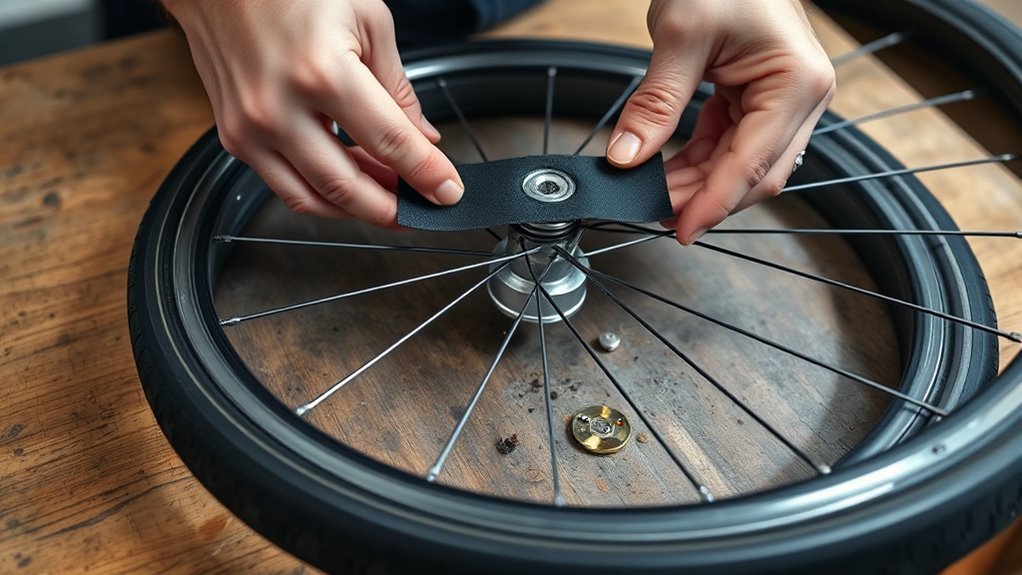
Gather a clean rag, rim tape sized about 2mm wider than the inner rim, a small screwdriver, and a well-lit space. Remove the tire and old strip, clean the rim bed with alcohol, and inspect spoke holes for burrs. Align the tape’s valve cutout with the rim hole, press the tape in evenly without wrinkles, trim ends flush, and recheck for gaps or overlaps. Replace if cracked or loose. Read on for tips on materials, tricks, and roadside fixes.
Quick: Fit a Rim Tape in 5 Steps
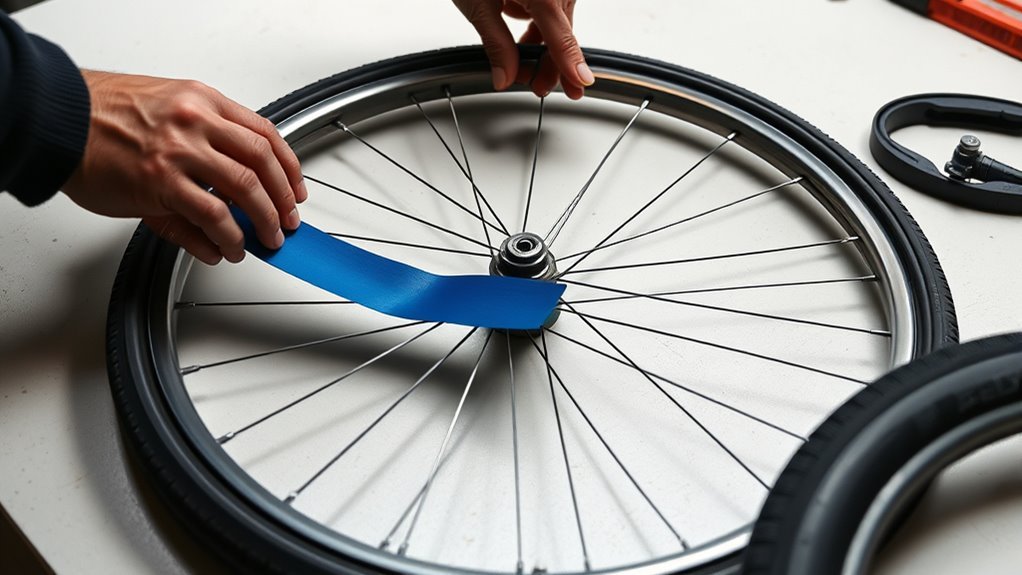
Start by cleaning the rim bed and checking for sharp edges around the spoke holes. These can pierce the tape or tube. A clean, smooth surface helps the tape stick and lowers your flat risk.
Then follow five steps: 1) Select rim tape about 2mm wider than your inner rim width for full coverage. 2) Align the tape’s valve hole with the rim valve hole before pressing down. 3) Apply the tape with even tension, smoothing it into the rim bed to avoid bubbles. 4) Trim excess tape so ends meet flush without overlapping. 5) Inspect the installation and confirm even placement. These steps give you the main puncture protection benefits of rim tape: full spoke-hole coverage and secure seating.
Know When to Replace a Rim Strip
If you notice repeated flats or have trouble seating a tire, inspect the rim strip closely. You’ll likely need to replace it.
Check for cracks, tears, fraying, or any spots where the strip no longer covers spoke holes or sharp edges. If you see damage or the strip has shifted, remove it and fit a new one right away to restore puncture prevention.
During every tire change, verify adhesion and alignment in the rim bed. Loose or misaligned strips reduce durability and invite failures. Multiple rapid flats are a clear signal the strip’s protective role has failed. Replace a strip that’s the wrong thickness or won’t stay seated. Don’t gamble with tube damage.
Choose Rim Tape: Material & Width by Rim Type
Pick a tape material based on the durability and weight trade-offs you need. Rubber, adhesive cloth, and tough plastic each have pros and cons. Measure your inner rim width and choose tape that’s about 2mm wider so it fully covers spoke holes and sharp edges. Check your rim manufacturer’s specs for any specific tape type or width recommendations before you fit it.
[Products Worth Considering]

Protect your inner tube with this universal bike tire liner designed to block thorns, glass, nails, and sharp trail debris. It installs easily by measuring and trimming to fit, creating a durable barrier between tire and tube. Lightweight polyurethane construction helps reduce sudden flats for more confident rides.

Switch to tubeless with this Muc-Off rim tape designed to create an airtight seal for smooth-running setups. The pressure-sensitive adhesive offers the right stretch for strength and durability, while the semi-transparent material helps you locate the valve hole quickly. It includes four seal patches for a secure finishing seal after wrapping.

This heavy-duty bicycle rim liner provides complete tube protection by shielding the inner tube from rim spoke holes and sharp metal burrs that can cause flats. Made from premium, wear-resistant PVC, it lays flat with optimized 18 mm width and 0.50 mm thickness for edge-to-edge coverage. Installation is quick with flexible stretch placement and a secure, non-slip fit.
Material Types Overview
The material and width you select directly affect wheel safety and ease of mounting. Match tape type and thickness to your rim’s inner width and manufacturer specs.
Rubber offers high rim tape durability and puncture resistance but adds weight. Adhesive cloth and synthetic tapes balance durability with low weight, making mounting easier. Tough plastic strips resist cuts but can be stiff; use them when the manufacturer recommends it. Electrical tape works as a temporary fix but lacks long-term durability.
Choose a thickness that protects spoke holes without making tire seating difficult. Always confirm the tape width exceeds inner rim width by about 2mm and follow your rim maker’s specs for material and thickness.
Correct Width Measurement
Once you’ve matched tape material to your rim, get the width right. Measure the inner rim width with calipers or use the manufacturer’s spec. Choose rim tape 2mm wider than that measurement so the tape covers spoke holes and edges fully. Don’t rely on vague labels like “medium.” Pick a specific millimeter value from brands such as Schwalbe or Effetto Mariposa for accurate tape compatibility.
Cut the tape to length, center it, and press firmly into the bed. Make sure there are no gaps over spoke holes. For performance setups, favor lightweight, durable options but keep the 2mm rule. After installation, inspect for complete coverage and replace worn tape promptly to prevent flats and protect the inner tube.
Rim-Specific Recommendations
When selecting rim tape for a specific rim type, match material and width to the rim’s construction and your riding needs. The tape should protect spoke holes, eyelets, and sharp edges without adding unnecessary weight.
Choose lightweight synthetic tape for performance rides. Adhesive cloth or rubber is better if you want rim tape durability for commuting or rough roads. Measure inner rim width and add about 2mm to select tape width. That guarantees full coverage and rim type compatibility.
For drilled rims, fit the tape snugly around each eyelet. For reinforced eyelet rims, use specialized, thicker tape. Align the valve hole precisely. After mounting, inspect tape edges and the area around eyelets for wear regularly and replace immediately if you see damage.
Tools & Prep for Fitting Rim Tape
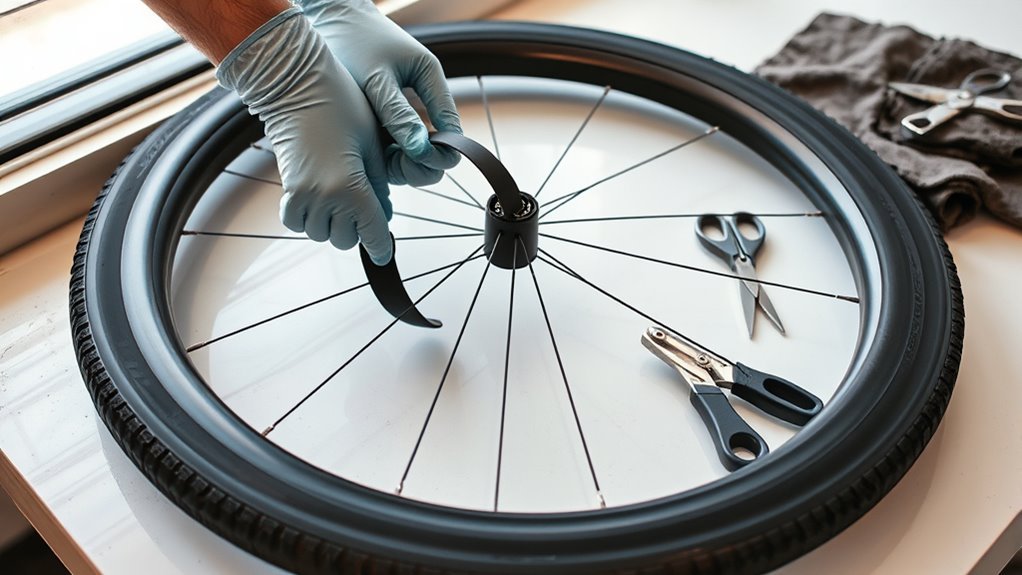
Before you start, gather the essential tools: rim tape of the right width, a small screwdriver, and a clean rag. Clear a well-lit workspace so you can work precisely.
Inspect and clean the rim bed with the rag, removing dirt and old adhesive so the tape will stick. Check for burrs or sharp edges around spoke holes and use the screwdriver to seat any loose spoke ends. This prevents punctures.
Measure the rim’s inner width and pick rim tape about 2mm wider to reduce slipping. Note the valve hole position and plan your starting point. When you apply the tape, pull it with even tension, smoothing as you go to avoid wrinkles. These steps make for a reliable, long-lasting fit.
[Products Worth Considering]

This metal-free wheel and tire cleaning brush uses dense, fluffy synthetic wool to safely clean rims, spokes, fenders, and engine areas without worrying about damaging surfaces. Its flexible, comfortable design helps you reach detailed areas while maintaining durability, and the extra absorbent fibers work well with wheel spray cleaners for faster cleanup. Reusable and washable performance helps prevent grime and build-up for cleaner vehicles and easier maintenance at home.

This tire repair screw set includes self-tapping plugs and a screwdriver to help you quickly complete tubeless tire repairs for many vehicle types. The set provides two rubber screw diameters for different puncture needs and uses a sealant-coated screw tip to help prevent air leakage and water entry. It’s designed for secure fixing with wear-resistant metal-and-rubber construction.

This Hycline 2-pack mountain bike tire set delivers durable, puncture-resistant performance with a high-grip, aggressive tread designed for traction on hard surfaces and confident handling through mud and soil. Includes matching inner tubes and tire levers for easier everyday maintenance and quicker installation after folding storage. Built for a range of riding conditions with reinforced rubber and nylon cord for wear-resistant reliability.
Apply Self‑Adhesive or Tubeless Tape
Match the tape’s valve cutout to the rim’s valve hole, then press the self-adhesive or tubeless tape into the rim bed with even tension so it seats without wrinkles or overlaps. Smooth from the valve outward, keeping steady tension to avoid bubbles and guarantee full coverage of spoke holes and sharp edges.
Trim excess tape flush with scissors so ends meet without overlapping. Overlaps can create bumps and reduce the tape’s effectiveness. After trimming, inspect adhesion and alignment around the entire circumference and re-smooth any areas that lift.
For tubeless rims, consider a second layer for added height. Apply it with the same technique to prevent tyre bulges and secure a reliable, airtight seal.
Fit a Looped Rim Strip Correctly
Align the looped rim strip so its valve hole matches the rim’s valve hole before you start seating it. Hold even tension and use a screwdriver to lever the strip into the rim bed. Take care to cover all spoke holes and sharp edges. Finish by inspecting the strip for flat, even placement with no overlaps or slack.
Align Tape With Valve
Start by lining the looped rim strip so its valve hole sits exactly over the rim’s valve hole. Keep steady tension as you press the tape into the rim bed so it seats without bulges.
Verify valve alignment before you proceed. Hold the tape with consistent tension and work around the rim. Use a screwdriver to secure and nudge the last section into place so the hole remains centered.
Inspect the strip visually to confirm it covers all spoke holes and sharp edges with no overlaps. Trim excess with scissors for a clean finish. If you need to adjust, lift only the small section near the valve and reseat under tension.
| Check | Action |
|---|---|
| Valve alignment | Center hole |
| Coverage | No gaps |
| Finish | Trim excess |
Maintain Tension While Seating
Keep steady tension on the looped rim strip as you press it into the rim bed. Hold the strip taut with one hand while you work around the wheel so it won’t slip or fold. Begin by aligning the valve hole, then seat the strip evenly using these techniques:
- Hold the strip taut and push it into the rim bed with your thumb.
- Use a screwdriver to guide tight sections, keeping pressure away from the valve hole.
- Rotate the wheel slowly, checking for folds or gaps as you go.
- Inspect the full circumference, reseating any loose edges with the screwdriver while maintaining tension.
Finish by confirming the valve still aligns and the strip sits flush.
Cut the Valve Hole and Finish Cleanly
Before cutting, position the rim strip so the valve stem lines up exactly with the rim’s valve hole. Then use a sharp utility knife or strong scissors to make a snug, neat opening that just fits the valve stem.
Check valve alignment from both sides before you cut to avoid misplacement and potential leaks. Use precise cutting techniques: small incremental cuts work better than one large slice, and a fresh blade minimizes fraying.
After cutting, press the tape flat around the hole so it adheres evenly and doesn’t bulge. Rotate the wheel and inspect the entire strip for gaps, overlaps, or uneven seating. If anything looks off, lift and reseat that section, then recheck alignment and the snug fit of the valve.
Top Rim Tape Errors and How to Fix Them
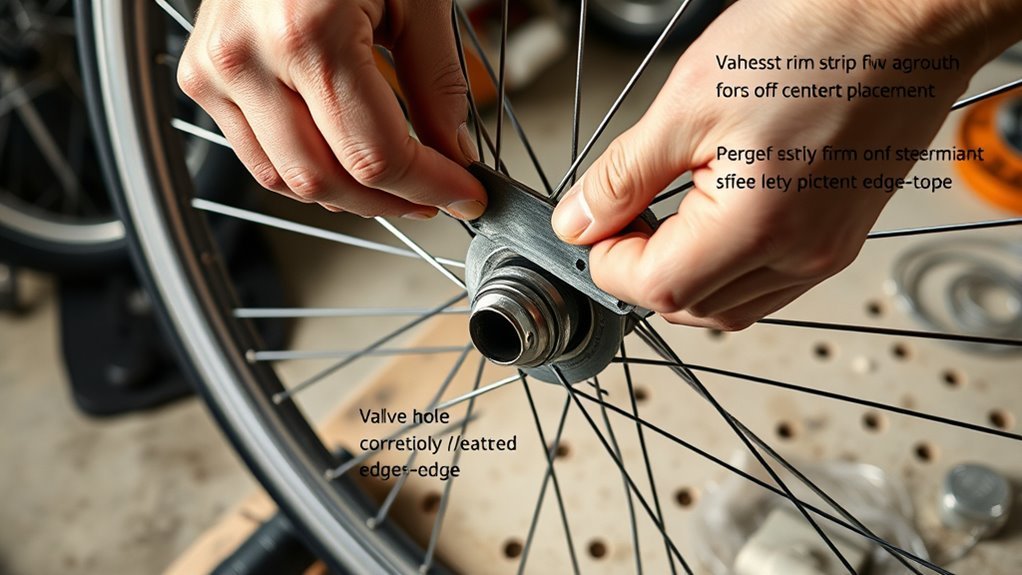
Once the valve hole is cut and the tape sits flush, check for common rim-tape mistakes that can still cause flats or poor seating. Correct these errors promptly to keep your rim tape working properly.
Once the valve hole is cut and tape sits flush, inspect and fix rim-tape errors before mounting the tire.
- Wrong width: use tape 2mm wider than the inner rim width. Replace if too narrow or wide.
- Poor adhesion: clean the rim with alcohol, dry thoroughly, then reapply to prevent slipping.
- Tension issues: pull tape taut as you lay it to avoid bunching or gaps that expose spoke holes.
- Overlap and wear: butted ends should meet flush with no overlaps. Inspect periodically for damage.
Fix each issue before mounting the tire to guarantee reliable sealing.
Tubeless vs. Standard Rim Tape
Standard rim tape protects the inner tube from spoke holes and sharp edges. Tubeless rim tape does that and also creates an airtight seal so the tire holds air without a tube. The two are not interchangeable.
Tubeless tape is usually wider (often 2-5mm wider than the inner rim width) and needs to climb slightly up the rim walls for a proper seal. It also uses a stronger adhesive, since any leak means a flat. Standard tape only needs to cover the rim bed.
If your wheels are labeled “tubeless ready,” use proper tubeless tape and compatible sealant. Don’t try to run a tubeless setup on standard rim tape, as it won’t hold air. For tubed setups on standard rims, regular rim tape or a looped strip works fine. Check Park Tool’s tubeless conversion guide if you’re considering making the switch.
[Products Worth Considering]
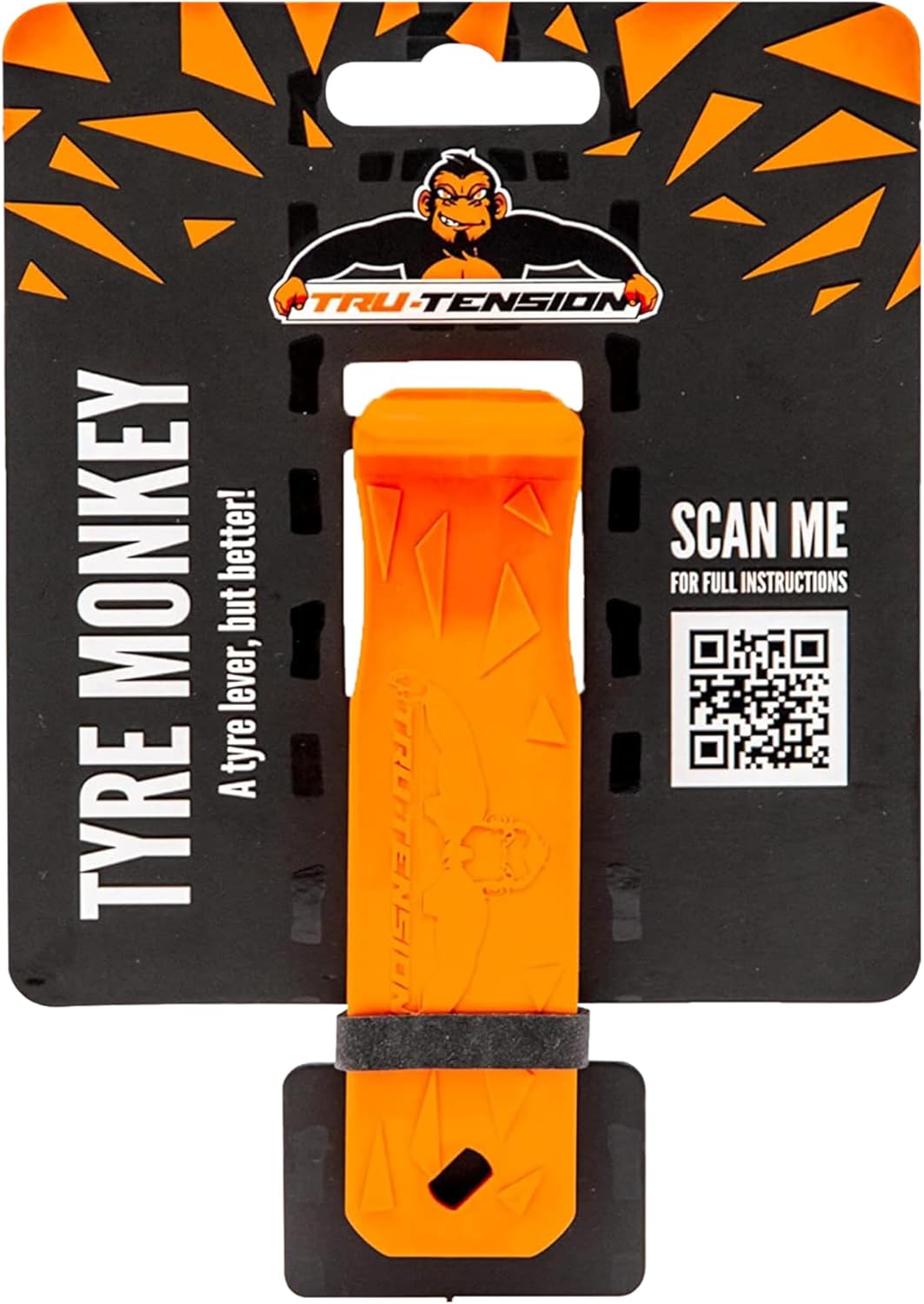
The Tru-Tension Tyre Monkey is a revolutionary bicycle tyre lever that makes removing and fitting tires fast and easy. Its innovative geometry helps keep your hand at a 90-degree angle to the wheel to reduce the risk of hitting spokes, and the design is optimized to use only one tool instead of multiple conventional levers. Compact and durable, it’s built for convenient carry and reliable tire changes on the go.

This 3-piece wheel and tire brush set makes it easy to clean light, medium, and heavy dirt from wheels, rims, tires, and exterior surfaces. It includes both soft and stiff bristle options for gentle scrubbing and tough grime removal, helping lift brake dust and road buildup. The long-handle design supports comfortable cleaning across cars, trucks, SUVs, RVs, motorcycles, and more, with simple care instructions to restore brush shape.

This 61-piece tire repair screw kit helps you fix punctures quickly by aligning the screw plugs and twisting clockwise, finishing the repair in seconds. The self-sealing plugs create a reliable seal for many roadside situations without needing a jack, wrench, or glue. It includes two plug sizes and a screwdriver in a portable case, making it a convenient option for cars, motorcycles, trucks, bikes, ATVs, and tractors.
Roadside Fixes, Lifespan, and When to Visit a Shop
If you get a puncture miles from a shop, you can temporarily cover exposed spoke holes with electrical or gaffer tape (or cloth/synthetic tape in a pinch) to protect the tube until you can replace the rim strip properly.
For roadside repairs, clean the rim bed, press tape smooth over spoke nipples, trim excess, and reinstall the tube and tire carefully to avoid pinches. Temporary fixes won’t match proper rim tape adhesion, so plan to replace it at home or at a shop.
Perform regular lifespan checks: inspect for cracks, misalignment, thinning, or sticky residue every few months or after a crash. If flats recur, tires mount poorly, or tape looks compromised, visit a local bike shop for professional replacement and a wheel assessment.
Frequently Asked Questions
What Is the Difference Between Rim Strip and Rim Tape?
A rim strip is a thicker loop of rubber or nylon designed for durable spoke hole protection. Rim tape is a thinner cloth or plastic strip that seals the rim cavity and saves weight, making it a popular choice for performance bikes.
How Many Layers of Rim Tape?
Usually one layer is enough. Use two for tubeless setups or when the tape is very thin. Check your rim strip type and manufacturer specs, and make sure you have full rim bed coverage with proper valve alignment for a reliable seal.
Conclusion
You now have the steps to fit rim tape cleanly and avoid flats. Proper installation and the right width make a big difference in reducing spoke-hole punctures compared to worn or misaligned strips. Inspect tape every few months, replace if torn, and keep a narrow, snug fit with a properly centered valve hole. For quick roadside fixes, carry a spare strip or self-adhesive tape. If you’re unsure, bring the wheel to a bike shop for a fast check.