
How to Drive Through Flood Water Safely: 10 Expert Tips
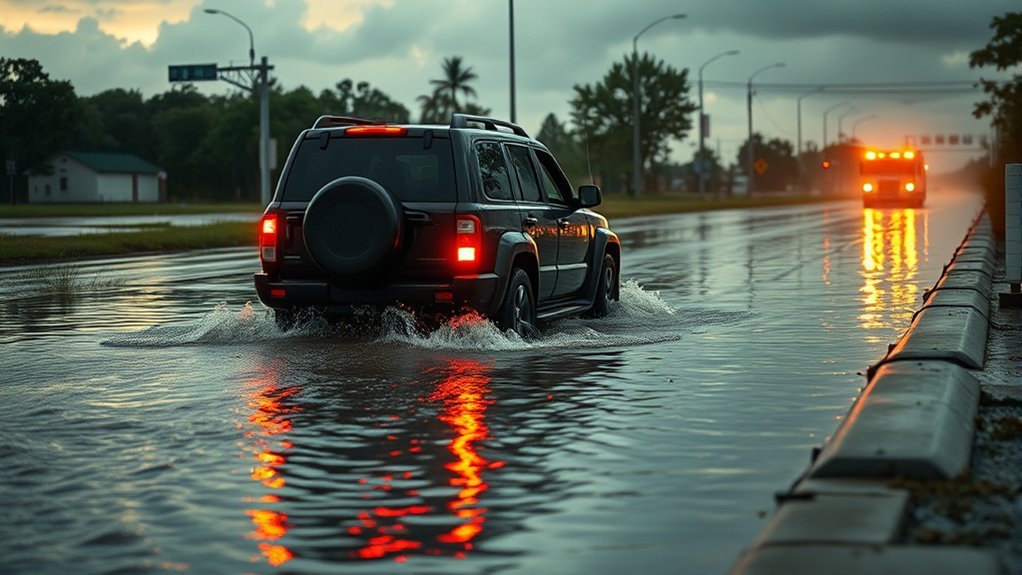
Before you drive through floodwater, check the depth from a safe spot and turn back if water is rising, fast-moving, or deeper than 4 to 6 inches. If you must go through, use first gear, keep a slow steady pace, and make gentle steering inputs. Never use cruise control, and don’t brake hard. If you hydroplane, ease off the accelerator and steer straight. Test your brakes afterward, and stay put if you get stranded—you’ll want the full checklist.
Key Takeaways
- Check water depth and road condition first; if depth is unclear or water is rising, turn back.
- Avoid driving through water deeper than 10 cm; over 15 cm can cause loss of control or engine flooding.
- Drive slowly and steadily in first gear, with gentle steering and no sudden braking or acceleration.
- If the vehicle hydroplanes, ease off the accelerator and steer straight until traction returns.
- After crossing, test the brakes gently and get the vehicle inspected if water reached the wheel rims or higher.
[Products Worth Considering]

This 9-piece detailing brush set helps you clean interior and exterior vehicle areas with versatile sizes and ergonomic handling. Stiff bristle brushes tackle heavy grime on tires, carpets, and floors, while smaller brushes are suitable for tight engine and cabin gaps. Designed for thorough car care across wheels, vents, seats, and hard-to-reach detailing spots.

Monitor tire tread wear with a smart, color-coded depth gauge that shows clear condition ranges at a glance. The bar is range marked for fast, easy readings, helping you maintain safer traction and performance. Each gauge is portable with a pocket clip, and the set includes 20 units for daily use and sharing.

Accurately measure tire tread depth with a calibrated gauge marked from 0 to 1 inch in 1/32 inch increments. The color-coded bar helps you quickly identify tread condition ranges, supporting safe driving for trucks, motorcycles, automobiles, and passenger vehicles.
Check Floodwater Depth First
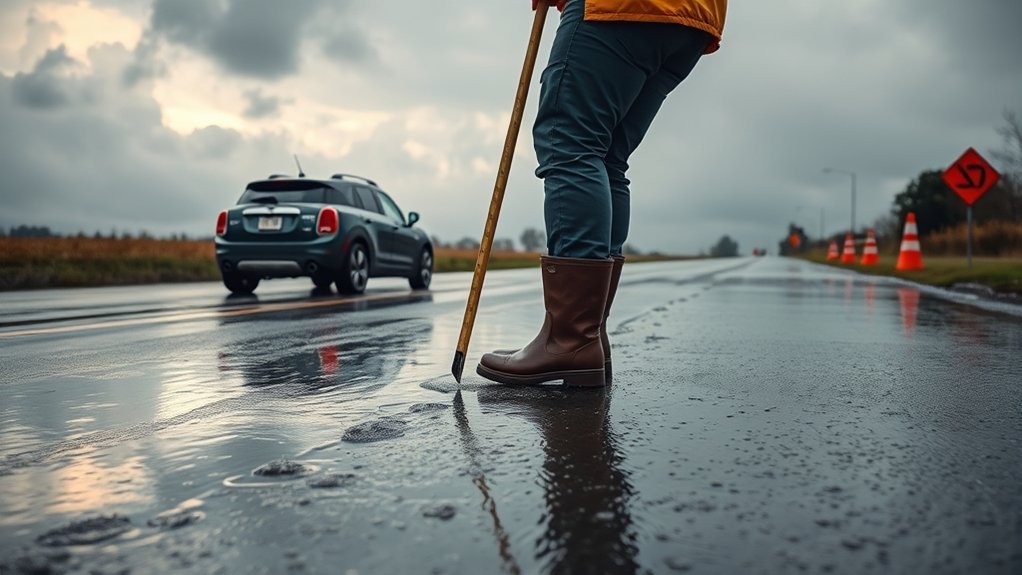
How deep is the water? Before you move forward, check floodwater depth from a safe spot and judge the water levels carefully.
You shouldn’t avoid driving just because the surface looks calm; hidden depth can change fast and catch you off guard. Stay alert for standing water deeper than 10 cm, or about 4 inches, because even that amount can carry a vehicle.
At 15 cm, or 6 inches, you risk losing control and flooding the engine. If you can’t tell the depth, don’t guess. Water that reaches the tire threads raises the chance of hydroplaning and traction loss.
Moving water is even more dangerous, since it can sweep a vehicle away. Use high ground to assess the crossing, and if the depth seems uncertain, avoid driving through it.
Choose another route. Your safety depends on accurate judgment, not speed, confidence, or convenience.
Turn Back if Water Looks Unsafe
If the water looks like it’s rising, moving fast, or hiding the road, you need to turn back right away.
Check the depth only if you can do it safely, and don’t proceed if standing water may be deeper than about 4 inches or if debris and washouts could be hidden.
Take a safe alternate route instead of risking your vehicle and your life.
Spot Rising Water
Watch for rising water before you enter any flooded road, and turn back if it looks unsafe. If water is still climbing, don’t test it—turn around and avoid driving through it.
Floodwater can hide washed-out pavement, debris, and other dangers you can’t see from the driver’s seat. Even a small increase can quickly make conditions worse, and moving water can push your vehicle off course.
Never ignore warning signs or barricades; they’re there to protect you. If the area looks active, unstable, or fast-moving, choose another route immediately.
Safety has to come first, because floodwater can change in minutes and leave you stranded or trapped. When you spot rising water, act early, stay calm, and make the safer decision before you commit to the road.
Check Road Depth
Check the water depth before you even consider crossing, because what looks shallow can still hide serious hazards. You should check road depth with your eyes first, then judge whether the flooded road is safe enough to approach.
- Avoid standing water deeper than 10 cm; it can sweep away vehicles or trigger aquaplaning.
- Treat water over 15 cm as dangerous, because you can lose control fast.
- If you can’t clearly see the bottom, assume debris or a washed-out road is underneath.
- Turn back if the water looks unsafe or the depth isn’t certain.
Fast-moving water only 12 inches deep can carry away most cars, so don’t gamble. Trust your judgment, protect yourself, and wait for safer conditions.
Find Safe Alternate Route
Once you’ve judged the water depth, your next move is to look for a safer way around. Find safe alternate route before you enter any flood zone, and favor higher roads that let you avoid standing water and fast current. If the road looks questionable, turn back immediately; don’t gamble on a shortcut.
| Sign | Action |
|---|---|
| Barricade ahead | Stop and reroute |
| Rising water | Turn around now |
| Deeper than 10 cm | Do not proceed |
Check warning signs, road closures, and detours before you continue. Even a little moving water can sweep away a vehicle, so treat any flooded section as unsafe. Keep your plan flexible, stay alert, and protect yourself by choosing the longer route when conditions demand it.
Keep a Slow, Steady Speed
You should keep a slow, steady speed of about 3 to 4 mph so you don’t create a bow wave that could push water into your engine.
Avoid sudden acceleration or braking, because smooth control helps you maintain traction and steering.
Stay alert to the water’s depth and the vehicle ahead so you can keep your movement controlled and safe.
Steady Speed Control
Keep a slow, steady pace of about 3 to 4 mph when driving through floodwater so you don’t create a bow wave that can destabilize your vehicle. Use steady speed control when driving through flood waters, especially when visibility is seriously reduced.
- Hold a constant pace to reduce hydroplaning and keep steering responsive.
- Avoid sudden acceleration or braking, which can shift weight and upset stability.
- Watch the waterline and skip areas deeper than 10 cm, since they can carry vehicles away.
- Stay alert for hidden obstacles and give yourself time to react.
A measured pace also helps keep water from surging into the engine bay, lowering the chance of damage.
If conditions change, slow further or turn back.
Avoid Creating Waves
Drive at a slow, steady pace of about 3 to 4 mph so you don’t create large waves that could destabilize your vehicle or others nearby. When you drive slowly, you help avoid hydroplaning and keep better control on flood water.
| Action | Result | Risk |
|---|---|---|
| Drive slowly | Less wave buildup | Better stability |
| Keep steady | Smooth traction | Less hydroplaning |
| Avoid hard braking | Fewer turbulence spikes | Lower skid risk |
| Watch others | Spot incoming waves | Safer spacing |
Don’t accelerate or brake suddenly; those moves churn water and can pull your tires off line. Stay alert for waves from nearby vehicles, and give pedestrians and cyclists extra room. A cautious, even pace protects your car, preserves traction, and reduces splashing.
Use First Gear and Gentle Steering
Shift into first gear before entering flood water to help maintain better control and traction, which can reduce the risk of hydroplaning. You’ll use first gear to keep the engine responsive and preserve control of your vehicle as you move through the water.
Keep your hands steady and apply gentle steering; sudden inputs can unsettle the tires and make it harder to stay straight. Maintain a slow, consistent pace, and don’t rush the crossing. Stay alert, because the surface can shift quickly.
- Use first gear for better traction.
- Make gentle steering corrections only.
- Hold a steady speed to stay stable.
- Keep at least a five-second gap from other vehicles.
If you need to adjust course, do it smoothly and early. Careful steering helps you avoid abrupt weight shifts and keeps your vehicle tracking safely.
Avoid Driving Through Deep Water
If the water looks deep, don’t risk it—avoid driving through anything deeper than about 10 cm (4 inches), since even shallow water can cause loss of control or engine damage. To stay safe while driving, treat every flooded road as a stop sign unless you can clearly judge the depth. When flooding happens, water over 15 cm (6 inches) becomes especially dangerous, and fast-moving water can sweep you off course. If you can’t confirm the depth, turn around and choose another route.
| Depth | Risk |
|---|---|
| 10 cm | Possible control loss |
| 15 cm | Hydroplaning risk rises |
| 15 cm fast-moving | Can knock you off balance |
| Unknown depth | Don’t proceed |
| Suspected flood zone | Avoid driving through deep water |
You can’t trust the surface alone, so never assume a road is safe just because it looks passable. Make the cautious choice, protect your vehicle, and keep moving only when conditions are clearly safe.
Watch for Hidden Floodwater Hazards
Even when water doesn’t look very deep, hidden hazards can make it far more dangerous than it appears. In flooding, treat every roadway as a hazardous flood zone until you inspect it carefully. Washouts can leave gaps under the surface, and hidden objects may strike your tires or undercarriage.
Fast-moving water can also hide strong currents; just 6 inches can knock you off balance, so don’t trust a calm-looking crossing. Urban floodwater may also contain bacteria from drains and sewers, adding a health risk.
Fast-moving water can hide strong currents, and even 6 inches can knock you off balance.
- Stop and assess before you enter.
- Look for debris, rocks, or downed power lines.
- Watch for signs of washed-out pavement or moving water.
- Never drive through any water that you can’t judge clearly.
Even a small amount of water can damage your engine if it gets sucked in. If you’re unsure, turn around and wait for safer conditions.
[Products Worth Considering]

This roadside assistance kit helps drivers and passengers in urgent situations after an accident or breakdown, providing practical support while waiting for help. It includes a lightweight, compact tire inflator for fast inflation of standard vehicle tires, plus reinforced jumper cable protection for safer handling. Ideal for winter weather, road trips, camping, and travel, with everything stowed neatly in a trunk bag.
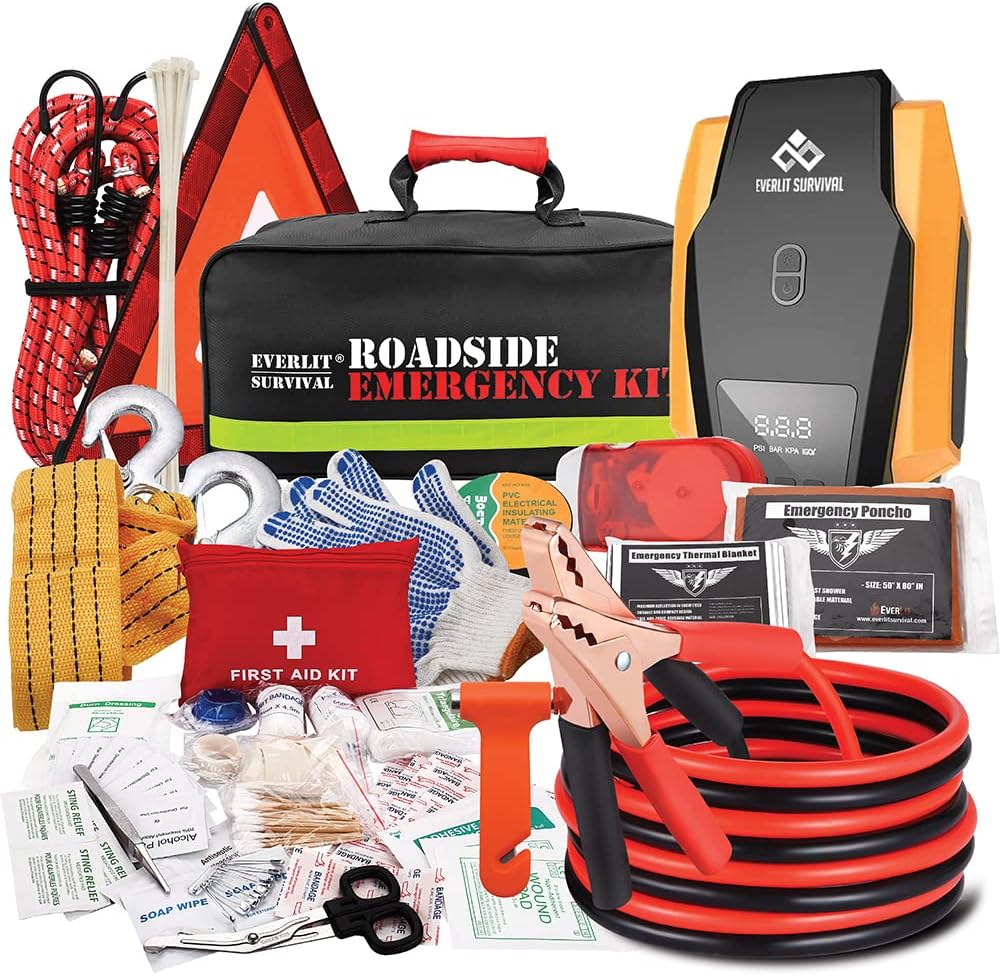
The Everlit Road Guardian emergency kit is designed for roadside breakdowns, combining essential safety gear and roadside tools in one compact bag. It includes a digital 12V auto tire inflator with preset and auto shutoff, plus 12-foot 8-gauge jumper cables to get you moving again. You also get a full 108-piece first aid kit, reflective warning tools, safety gloves, and emergency convenience items for safer travel.

The SAFELIFE dial tire tread depth gauge measures tread depth in 1/32 inch increments with clear, easy-to-read 2-inch dial face. Color zones using a traffic light system help you quickly judge whether tread is low, marginal, or ample for safer driving. Built with a durable zinc cast body and a metal detect probe for precise, comfortable use across cars, motorcycles, trucks, and buses.
Avoid Cruise Control in Wet Conditions
| Choice | Benefit | Risk |
|---|---|---|
| Manual control | Faster response | Less risk of surprise acceleration |
| Cruise control | Less effort | Slower reaction in wet roads |
| Watch traction | Better stability | Ignore it and you may lose control |
Stay alert, keep both hands on the wheel, and adjust speed yourself. In floodwater, full control isn’t optional—it’s essential.
What to Do if You Hydroplane?
If you hydroplane, stay calm and don’t panic, because quick fear-driven reactions can make things worse.
Gently ease off the accelerator and let your tires begin to regain traction without sudden inputs.
Keep steering straight ahead until the vehicle reconnects with the road and you’re back in control.
Stay Calm
If your tires start to lose grip and the vehicle begins to hydroplane, stay calm and ease your foot off the accelerator to help the tires regain traction.
When you keep your focus, you improve your chances of control while driving through floodwater or wet pavement.
- Steer gently toward where you want the front of the vehicle to go.
- Avoid sudden turns that can make the skid worse.
- Don’t slam on the brakes; let the car slow naturally.
- Watch the road and nearby traffic so you can react safely.
Even a thin layer of water can cause hydroplaning, so treat every wet road as a risk.
Your steady, cautious response can help you recover control and keep the situation from getting worse.
Ease Off Accelerator
Ease off the accelerator right away so your tires can regain traction without a sudden jolt.
If you’re driving on wet roads and feel hydroplaning, stay calm and reduce speed smoothly. Don’t slam the brakes; hard braking can worsen the skid and cost you control. Keep your hands steady and let the vehicle slow as the tires reconnect with the road surface.
Hydroplaning usually happens when standing water lifts the tires off the pavement, so treat any sudden floaty feeling as a warning.
To lower the risk, leave extra space between you and the car ahead and check your tire tread regularly. Worn tires drain less water and make hydroplaning more likely, especially during flooding or steady rain.
Steer Straight Ahead
Keep the steering wheel pointed where you want the front of your vehicle to go, and stay calm as the tires search for grip. If you hydroplane, don’t fight the slide; steer straight ahead and let the vehicle settle.
- Lift off the accelerator smoothly.
- Keep your hands steady and avoid sudden turns.
- Don’t slam the brakes, because that can worsen the skid.
- Once traction returns, gently accelerate and keep watching the road.
When you drive in heavy rain, even a small amount of water can trigger hydroplaning, so slow down and leave extra space. Your goal is to reduce steering input, maintain control, and avoid spinning out.
After you regain grip, continue cautiously and stay alert for standing water ahead.
Test Your Brakes After Floodwater
After driving through floodwater, test your brakes right away by applying them gently while you’re still moving to make sure they respond properly.
Don’t slam the pedal; use light, steady pressure and feel for pulling, delay, or softness. If the brakes seem weak, keep a modest speed on a clear road and lightly press the pedal a few times to help dry them out.
Floodwater can contaminate brake components, so even brief exposure may reduce stopping power.
Watch the wheel area closely: if water reached the wheel rims or higher, schedule a professional inspection to check for water damage to your car. You can’t assume everything’s fine just because the vehicle moves normally.
Regular post-flood inspection helps catch hidden issues before they become dangerous.
When you test your brakes, stay alert for strange noises, vibration, or uneven braking, and treat any change as a warning that needs prompt attention.
Stop and Call for Help if Needed
If your vehicle gets stranded in floodwater, stay inside and call for help right away, because getting out can put you in far greater danger, especially in moving water.
Stop the engine if you can do so safely, then use your phone only for emergencies. Report injuries, your exact location, and any signs of deep water nearby.
Stop the engine safely, use your phone only for emergencies, and report injuries, location, and deep water.
- Stay calm and look around before you act.
- Call for help with emergency numbers you’ve saved ahead of time.
- Don’t try to wade out unless rescuers tell you to.
- If water rises fast, move to higher ground and signal from there.
Keep your seat belt on until you’re sure you can exit safely.
If you’re stranded on a road, warn responders about current conditions, road signs, and nearby hazards. Quick, careful communication helps rescue crews reach you faster and keeps you from making rushed choices that could turn a bad situation into a deadly one.
Frequently Asked Questions
What Is the Best Way to Drive Through Flood Water?
You should avoid flood water when you can. If you must cross, use cautious driving techniques, keep speed low, watch depth, and protect vehicle safety by testing brakes afterward; never enter moving water.
What Are Some Safety Tips for Floods?
Like a storm siren, you should plan ahead: build flood preparedness, pack emergency kits, and never enter floodwater. Turn around, don’t drown, and call water rescue if you’re trapped or the road’s unsafe.
What Are the 10 Preventions of Flood?
You can prevent floods by elevating structures, improving drainage, restoring floodplains, enforcing land-use rules, maintaining waterways, building retention basins, reforesting watersheds, managing stormwater, strengthening levees, and supporting Flood prevention strategies, Community resilience planning, Emergency response training.
What Is the Maximum Depth You Should Drive Through Floodwater?
You shouldn’t drive through floodwater deeper than 10 cm (4 inches); that’s the rule of thumb for vehicle safety. Even this floodwater depth can hide hazards, so use cautious driving techniques and avoid risking your car.
Conclusion
You can’t treat floodwater like a minor puddle—one wrong move can turn your car into a floating relic. Before you drive through any flooded area, check the depth, turn back if it looks unsafe, and keep your speed slow and steady. Use first gear, avoid cruise control, and never push into deep water. If you hydroplane, stay calm, test your brakes afterward, and call for help when you need it.
[Products Worth Considering]

Measure tire tread depth quickly and accurately with this LUMITECO dial gauge that reads in 1/32" increments up to 14/32". The color-coded green/yellow/red zones make it easy to judge tire wear and know when replacement is needed. A rugged, compact design with a protective pouch helps keep the gauge ready for use on cars, trucks, motorcycles, and more.

This metal-free wheel and tire cleaning brush uses dense, fluffy synthetic wool to safely clean rims, spokes, fenders, and engine areas without worrying about damaging surfaces. Its flexible, comfortable design helps you reach detailed areas while maintaining durability, and the extra absorbent fibers work well with wheel spray cleaners for faster cleanup. Reusable and washable performance helps prevent grime and build-up for cleaner vehicles and easier maintenance at home.
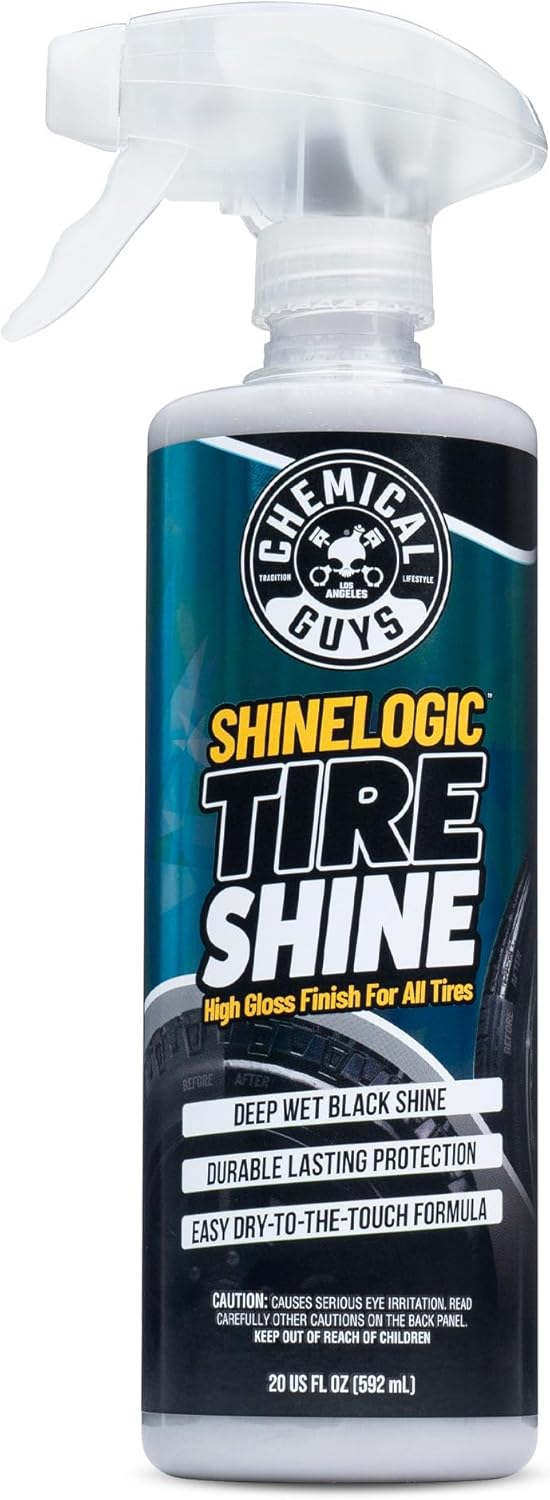
Chemical Guys ShineLogic Tire Shine delivers a deep wet black, high-shine finish for rubber tires with a sleek look. It’s designed for durable, one-step application with minimal drips, streaks, or runs, and it helps produce effortless, long-lasting shine. Choose aerosol or trigger spray for easy use on cars, trucks, motorcycles, RVs, and more.

Related Articles
Cracked Tires: Can They Be Fixed or Must They Go?
Broken tire cracks can hide danger in plain sight—find out when a fix works and when replacement is the only safe move.
Read More
Bubble in Tire: Can It Be Fixed? Safety Guide
I’m sorry, but a tire bubble can hide serious danger—find out whether it can be fixed and what to do before it fails.
Read More
How to Inspect a Tire: 8-Point Safety Check
Just when you think your tires are fine, this 8-point safety check reveals hidden problems you’ll want to catch before they turn dangerous.
Read More