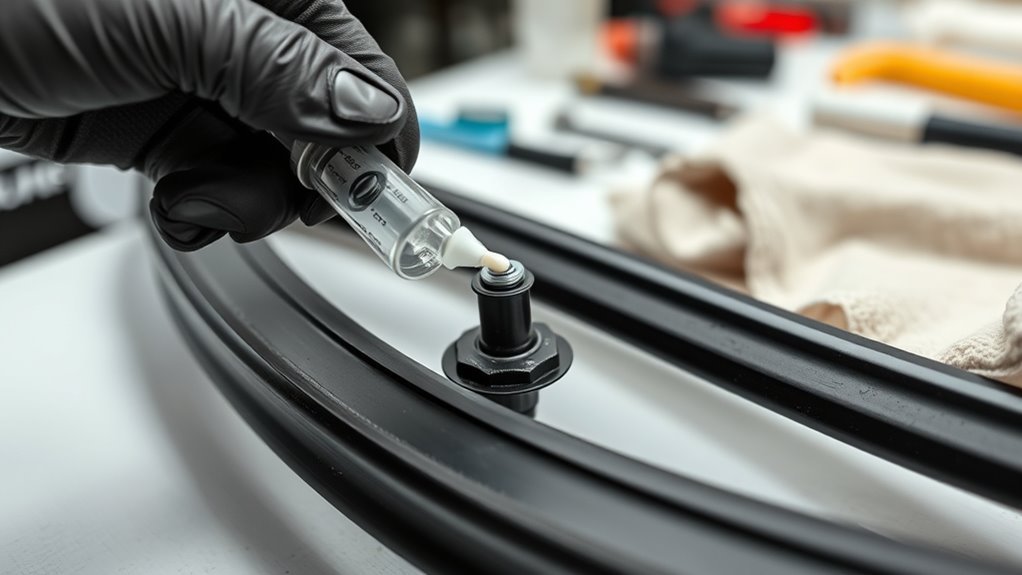
Deflate your tire completely and take out the valve core. Measure the right amount of sealant for your tire size. Shake the bottle well and grab a rag for any drips. For on-wheel injection, pull the sealant into a syringe and push it through the valve stem. Put the core back in, inflate the tire, then spin and bounce the wheel to spread it inside. For off-wheel, pour the sealant into the tire before you reseat the bead. Always check for leaks with soapy water and keep an eye on pressure. Read on for maintenance and troubleshooting tips.
Quick Answer
- Deflate the tire and remove the valve core.
- Measure sealant for your exact tire size (30–140 mL range).
- Inject through the valve stem (on wheel) or pour inside (off wheel).
- Inflate, spin, and bounce the wheel to coat the interior.
- Check for leaks with soapy water and refresh every 4–8 months.
Quick Guide: Add Tubeless Sealant Step-by-Step
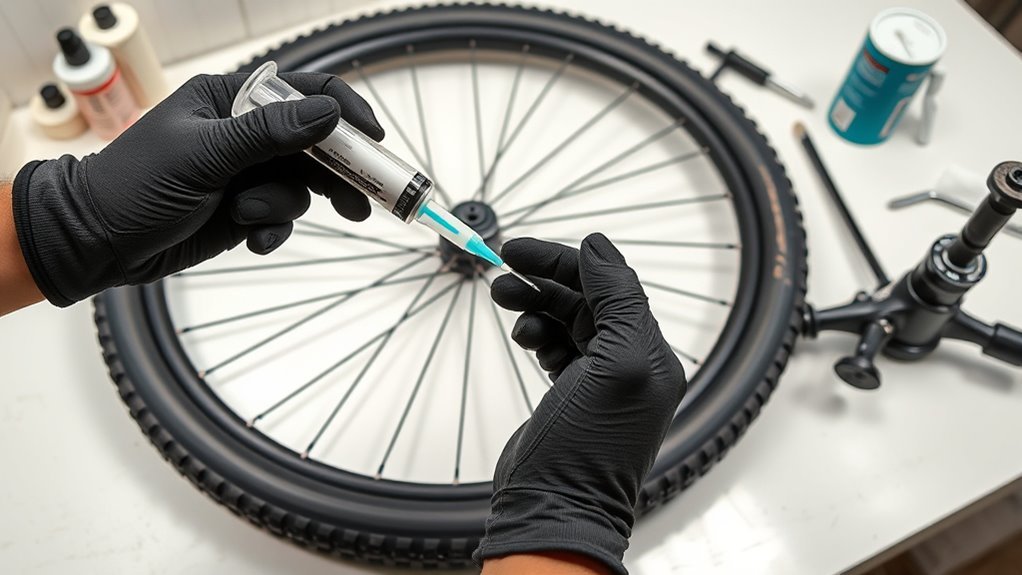
Start by deflating the tire and taking out the valve core with a valve core tool. This makes injection easy. Choose a sealant that fits your tire and riding conditions. Measure it with an injector syringe. Use a smaller dose for refreshes and the larger amount for new setups, based on tire size. Put the valve core back in. Inflate to the recommended pressure and check the bead seal. Shake the wheel, bounce it, and rotate it so the sealant coats the inner surface and seals punctures. Monitor how it performs and refresh every 4–8 months, or sooner with heavy use or harsh conditions. Keep records of dates and amounts so your protection stays consistent.
Tools and Sealant Amounts (By Tire Size)
Grab a sealant injector syringe and a rag. Precise measurement and clean handling make the difference when you dose tubeless tires. Use the injector syringe to control flow and measure by tire size. Always shake or roll the container so the sealant mixes well before drawing. Follow injector techniques that prevent spills and air pockets.
Grab an injector syringe and rag—measure carefully, shake sealant well, and use spill-free techniques for clean, accurate tubeless dosing
- Road tires: 30–45 mL (2–3 scoops).
- MTB 26”/27” & Cross 700C: 60–75 mL (4–5 scoops).
- MTB 29” / Downhill: 105–140 mL (7 scoops) and 120–140 mL (8 scoops/whole pouch) respectively.
Keep a rag handy for cleanup, recheck volumes after a slow leak, and store sealant per manufacturer instructions.
[Products Worth Considering]
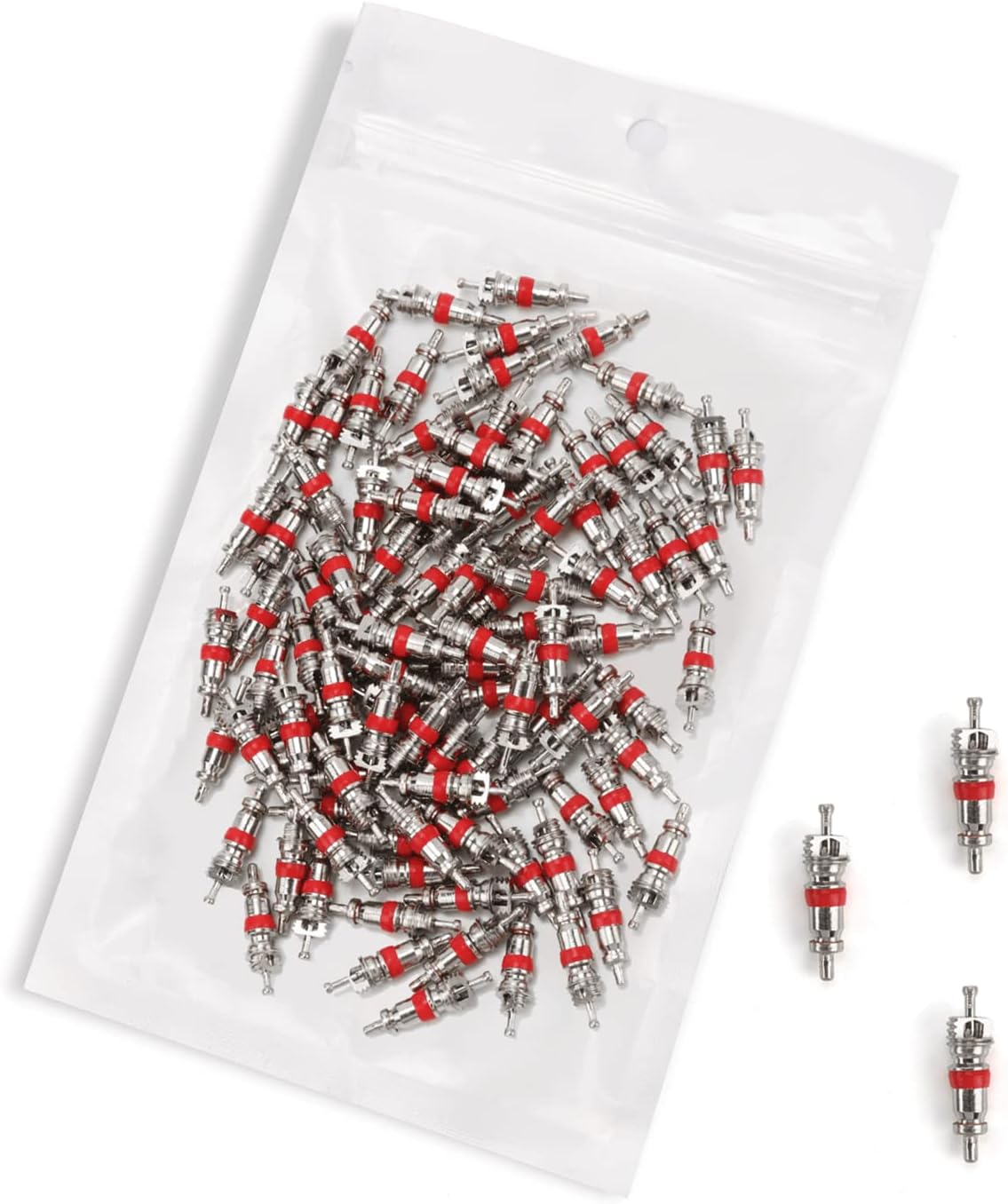
Replace worn Schrader valve cores with durable, nickel-plated replacements designed to resist rust and corrosion for a longer service life. Each core is 100% leakage tested and rated for up to 300 PSI, helping maintain a safe, reliable tire pressure system. Universal fit makes them suitable for cars, RVs, ATVs, motorcycles, bicycles, and many refrigeration/air conditioning applications.
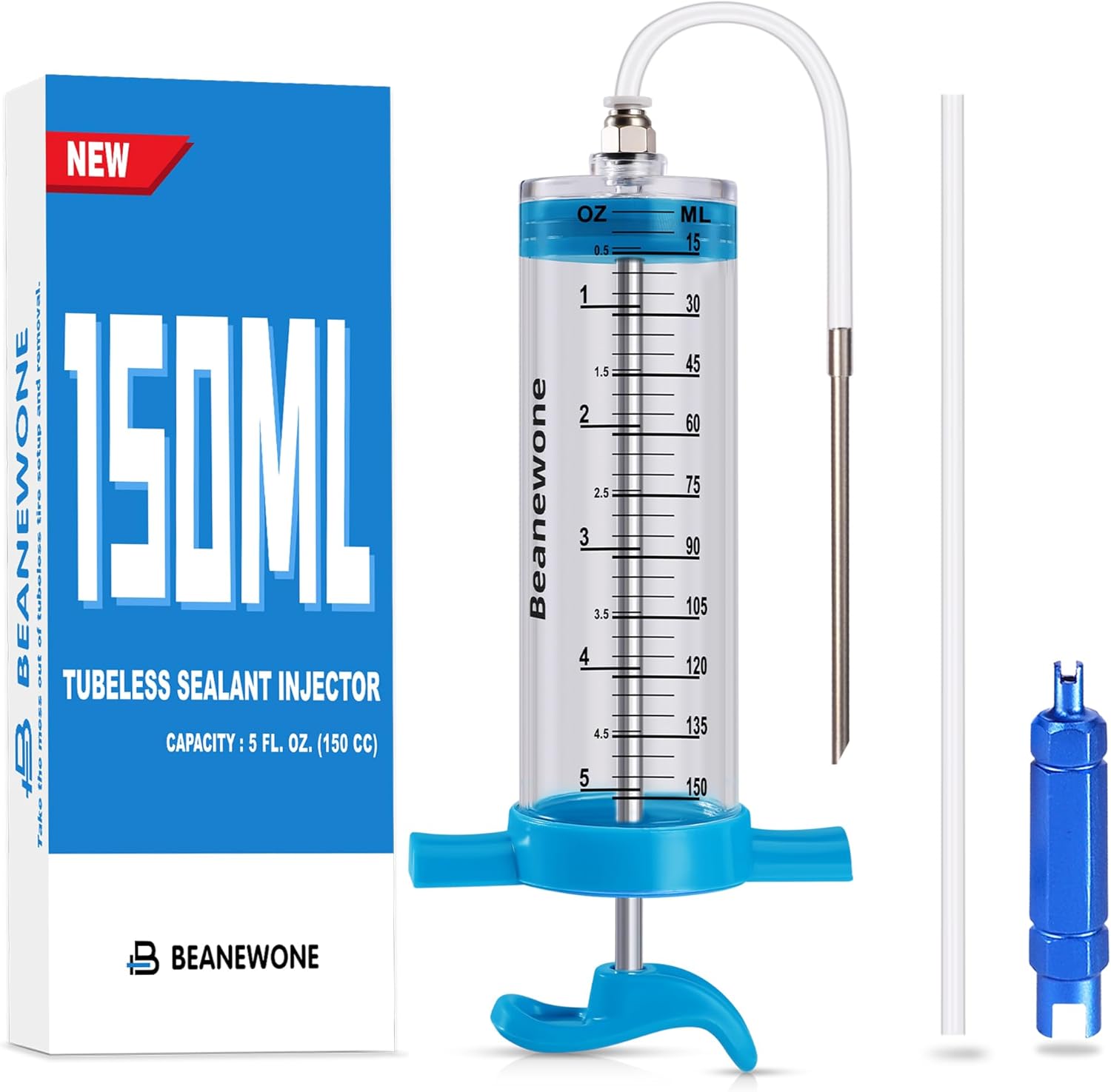
Make tubeless sealant installs faster and cleaner with this 150ml injector and clear measurement body. It connects and disconnects with a simple push-to-connector, then injects sealant directly into Schrader or Presta valve stems after removing the valve core. Includes a valve core remover tool to help you prepare and seal tires with less mess.

Upgrade your ride with a 2-pack set of 26x1.95 folding mountain bike tires built for dependable traction on mud, rocks, and trail surfaces. A reinforced puncture-resistant layer helps protect against sharp debris, while included butyl inner tubes provide strong sealing and shock absorption. Ready for fast swaps with included tire levers and universal sizing for most bikes.
How to Inject Sealant With the Tire On
Make room for the sealant by fully releasing the tire’s air with a valve core tool. Draw the measured amount into your injector syringe. Gently push it through the valve stem and watch for drips. Avoid trapping air. Reinstall the valve core and inflate to the recommended pressure. Use the syringe to measure the correct volume—usually 2–4 ounces depending on tire size and whether you are topping up or starting fresh. Work cleanly to prevent spills and air bubbles. After inflation, spin the wheel and bounce it gently to spread the sealant evenly around the bead and tread. Make sure your sealant matches tire compatibility recommendations to guarantee good adhesion and longevity.
[Products Worth Considering]
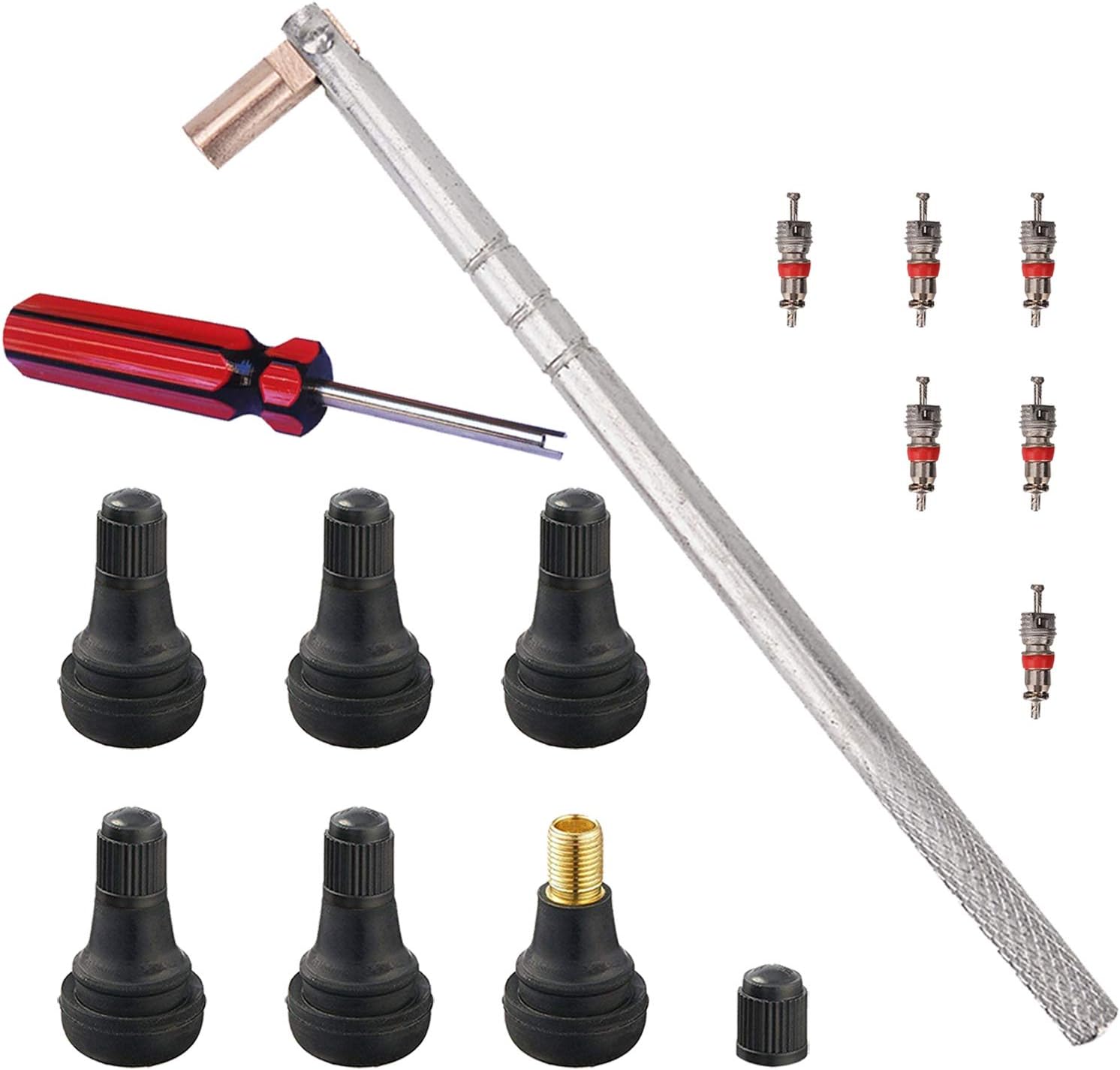
This FEBRYTOLD tire valve stem tool set makes it easy to remove and install standard 0.453 inch snap-in valve stems for tubeless tires. It includes valve stem cores and a single-head valve core remover/installer tool to help you complete repairs quickly. Designed to help avoid scratching wheels and damaging valve stems during service.
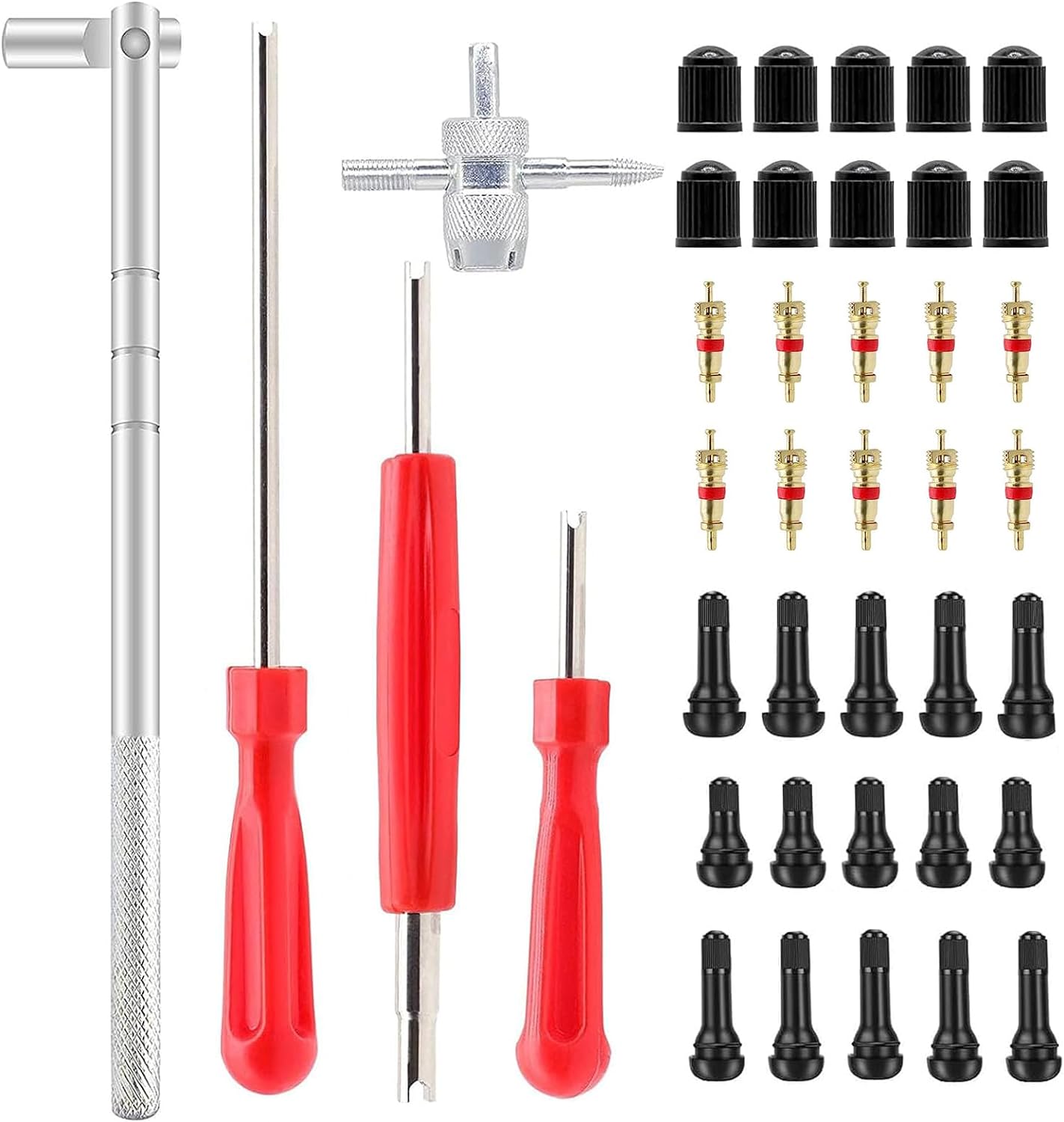
This ZHSMS valve stem puller and installer tool set makes it easy to remove and install tire valve stems without damaging wheels or valves. It uses a leverage design to save effort and includes valve stem tools plus removable valve core functionality for quick tire repairs. Compatible with tubeless tires for passenger cars, motorcycles, ATVs, off-road vehicles, and trucks.
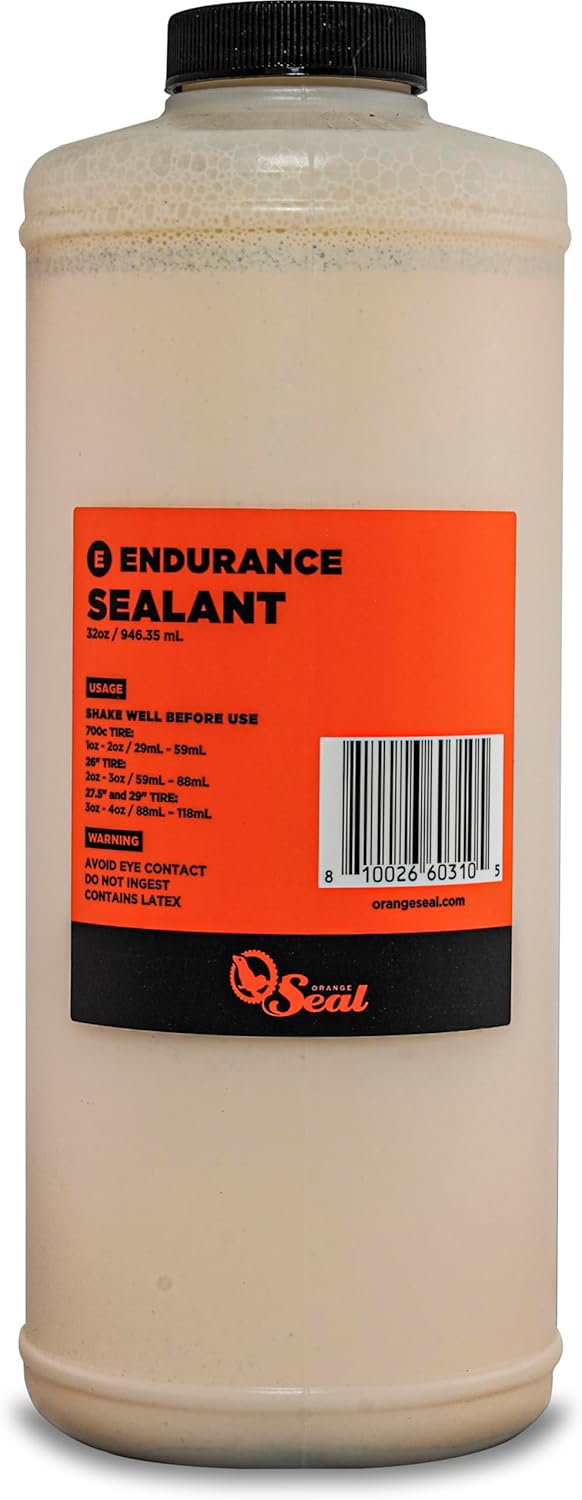
Orange Seal Endurance Formula delivers long-lasting latex protection with a durable sealant that can stay effective for 60–120 days between top-offs. It uses nanite particles to rapidly seal punctures up to 1/4" and slices up to 1/2", helping maintain reliable tubeless performance across MTB, road, CX, and gravel conditions. The biodegradable formula is engineered to work across major tubeless-ready and UST brands and a wide range of rubber compounds.
How to Add Sealant With the Tire Off
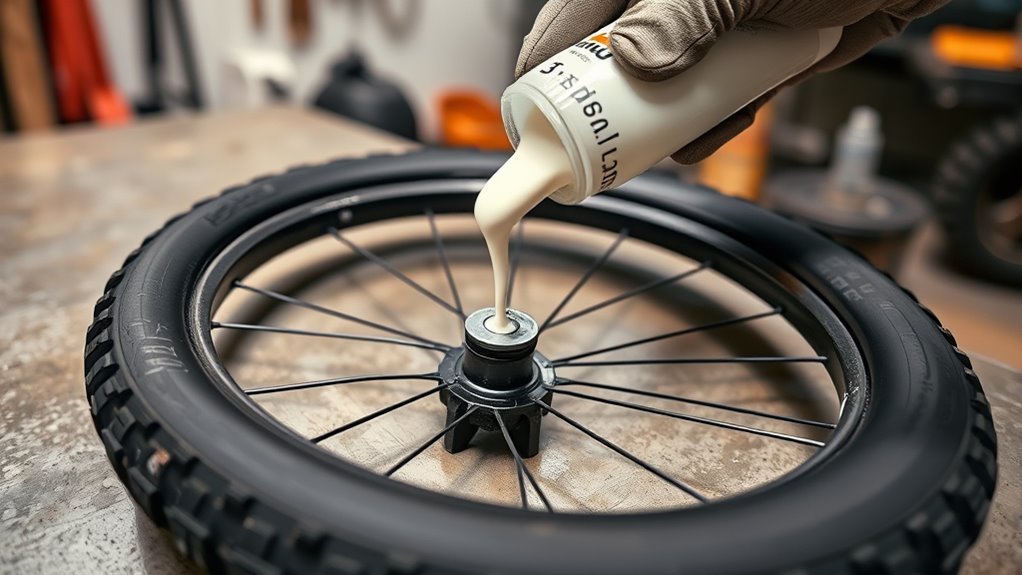
Take the wheel off and use a valve core tool to release any residual air so the tire loosens. Unseat the bead with Rim Stix and pour the measured amount of sealant (about 60–75 mL for a 26–27″ MTB) directly into the tire. Push the bead back into the rim, spin the wheel to coat the inside, then reinflate to the correct pressure.
Remove Wheel And Deflate
Start by fully deflating the tire. Use a valve core tool to let all the air out, then unseat the bead with Rim Stix so you can reach the inside. After wheel removal, work on a flat, clean surface and keep track of axle hardware.
- Remove wheel and perform tire deflation: take out the valve core, confirm no air remains, then pry the bead with Rim Stix to expose the interior.
- Measure sealant volume for your tire size so you’re ready (don’t inject yet — that’s next). Have a rag and gloves to catch drips.
- With the bead unseated, tilt the wheel so the valve faces up; you’ll have clear access to add sealant and reseat the bead cleanly.
Reinstall the wheel only after the bead is securely seated.
Inject Sealant Directly
Once you have fully deflated the tire and unseated the bead, pour the measured sealant directly into the tire (about 60–75 mL for 26”–27” MTB tires). Then push the bead back into the rim and spin the wheel to coat the inside evenly before inflating to the recommended pressure. Remove the valve core with a tool first so all air escapes. Use Rim Stix to unseat the tire safely and create room for pouring. Choose sealant types appropriate for temperature and puncture protection. After pouring, reseat the bead carefully to avoid pinches. Spin the wheel several revolutions and tilt to distribute sealant evenly. Inflate to the recommended pressure and check for leaks. These application techniques are quick, clean, and effective.
| Step | Tool | Tip |
|---|---|---|
| Deflate | Valve core tool | Full release |
| Unseat | Rim Stix | Create gap |
| Pour | Bottle | 60–75 mL |
Post-Injection Checks for Tubeless Sealant and Leak Testing
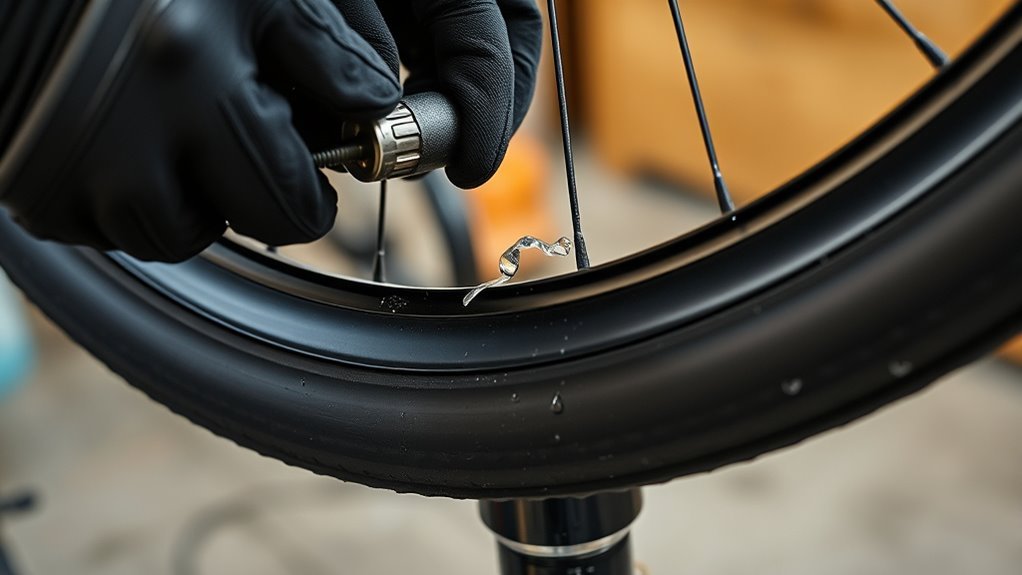
After inflating the tire to the recommended pressure, spin it for about 30 seconds so the sealant coats the interior. Visually inspect the tread, bead, and valve area and listen for hissing to spot any obvious leaks. If you suspect a leak, apply soapy water and watch for bubbles, then monitor pressure over the next few hours to confirm a proper seal.
Visual Leak Inspection
A careful visual inspection will quickly show whether your sealant job is holding. Spin the wheel slowly and watch the bead, valve area, and both tire surfaces for any escaping air or visible sealant. For effective leak detection and basic tire maintenance, follow these targeted checks:
- Use soapy water in a spray bottle and mist the bead, valve base, and suspected areas; bubbles pinpoint leaks fast.
- Inspect inner and outer tire surfaces for sealant weeping—steady oozing usually means a puncture or poor seating.
- Verify the valve core is tight and watch around the stem while spinning; valve leaks are common and often easy to fix.
If you spot persistent leaks, re-evaluate seating and add sealant as needed.
Pressure Hold Test
Now that you have inspected the tire for visible seepage and valve issues, check that the pressure holds to confirm the sealant did its job. Inflate to the recommended pressure so the sealant spreads. Then rotate and bounce the tire to distribute fluid and improve sealing. Track PSI over 24 hours and note any significant drop. While monitoring, listen and watch for hissing or wet spots. These pinpoint leaks that need attention. If pressure falls or you see a leak, re-inflate to force sealant into the breach or add a small extra dose and repeat rotation. Once pressure remains stable after 24 hours and no leaks appear, the tire is ready for normal use. Regular checks help catch slow leaks early.
Maintenance Schedule and Troubleshooting (Sealant Won’t Seal?)
When sealant starts failing to plug holes, check factors you can control: valve cores, sealant freshness and quantity, tire pressure, and the size or nature of the puncture. You should follow a simple tire maintenance rhythm to preserve sealant effectiveness: refresh every 4–8 months and monitor pressure so sealant does not pool. If a failure occurs, troubleshoot methodically.
- Inspect valve core and bead area for debris or damage; a loose or clogged core stops sealing.
- Verify sealant age and volume; add per tire-size guidelines if levels are low.
- Examine puncture size; larger holes often need a plug or patch, not just sealant.
Keep logs of refresh dates and failures to refine your maintenance schedule.
[Products Worth Considering]

This 61-piece tire repair screw kit helps you fix punctures quickly by aligning the screw plugs and twisting clockwise, finishing the repair in seconds. The self-sealing plugs create a reliable seal for many roadside situations without needing a jack, wrench, or glue. It includes two plug sizes and a screwdriver in a portable case, making it a convenient option for cars, motorcycles, trucks, bikes, ATVs, and tractors.

The Continental Grand Prix 5000 is an allround road bike tire engineered for faster rolling, improved ride comfort, and enhanced puncture protection. It features a Vectran Breaker cut-protection layer, Lazer Grip micro-profile tread for confident cornering control, and Active Comfort Technology to damp vibration for smoother rides. BlackChili compound optimizes grip and speed for everyday performance and long-lasting confidence.

This Hycline 2-pack mountain bike tire set delivers durable, puncture-resistant performance with a high-grip, aggressive tread designed for traction on hard surfaces and confident handling through mud and soil. Includes matching inner tubes and tire levers for easier everyday maintenance and quicker installation after folding storage. Built for a range of riding conditions with reinforced rubber and nylon cord for wear-resistant reliability.
Frequently Asked Questions
Can Sealant Damage Tubeless Tire Valves Over Time?
Yes — sealant composition can affect valve longevity. You will prevent damage by using compatible sealants, cleaning valves periodically, avoiding corrosive formulas, and replacing worn cores or rubber grommets to maintain airtight seals and reliable performance.
Is Sealant Safe for Latex Inner Tubes if Accidentally Used?
Bad luck, but you are mostly fine — sealant can upset latex compatibility over time, so rinse quickly. You will still get sealant benefits briefly, yet you should swap tubes if deterioration, stickiness, or leaks start to appear.
How Do I Dispose of Old or Unused Sealant Responsibly?
You will follow sealant disposal guidelines: don’t pour down drains; check local hazardous-waste programs and bike shops for sealant recycling options; seal containers, label them, and drop off at approved collection sites to prevent pollution.
Can Sealant Affect Tire Pressure Readings on a TPMS?
Like a thin film on glass, sealant effectiveness rarely alters TPMS tire pressure readings considerably. You will see minor fluctuations from temporary weight or temperature changes, but TPMS sensors stay accurate unless sealant coats or damages the sensor.
Will Sealant Clog a Floor Pump or CO2 Inflator?
Yes — sealant can clog a floor pump or CO2 inflator if it is old or sticky. You will check inflator compatibility, clean fittings promptly, and replace sealant per recommended sealant longevity to avoid buildup and blockages.
Conclusion
You have the steps down: measure sealant, inject cleanly, reseat the bead, and test for leaks. Keep amounts matched to tire size and check every 2–6 months. If a sealant will not seal, clean and reapply or replace it—do not let one bad bottle ruin the ride. Stay proactive with maintenance and you will keep punctures from turning into big headaches. A little prep now saves you a lot later.