
How Often to Check Tire Pressure on a RAV4: Best Practices
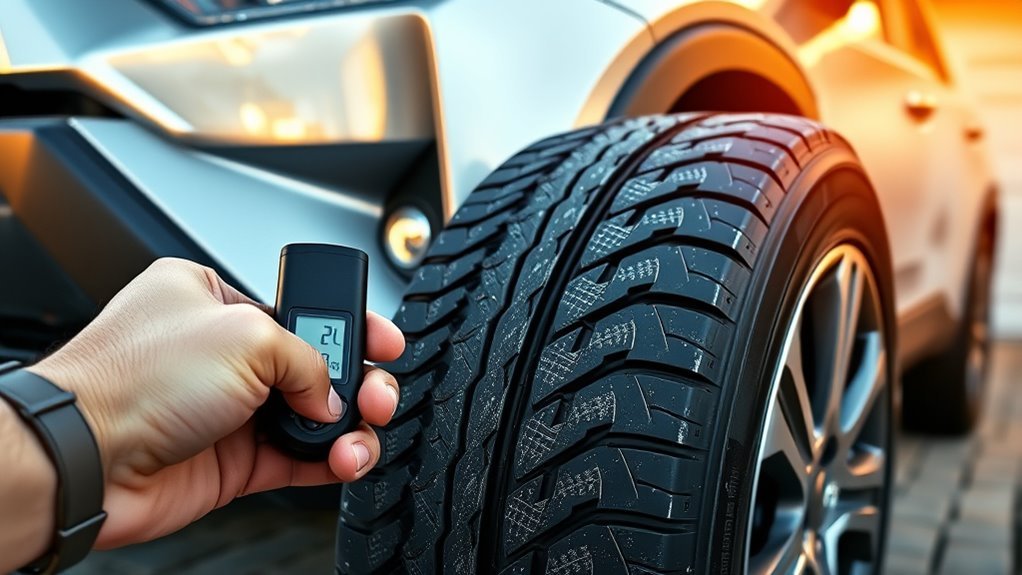
Check your RAV4’s tire pressure at least once a month and every two weeks if you drive long distances or face big temperature swings. Measure tires cold with a reliable gauge and record readings; use the driver’s door‑jamb sticker or owner’s manual for the correct PSI. Adjust about 2–3 PSI for cold snaps and 3–5 PSI for heavy loads, and keep a portable compressor handy. Follow this routine and you’ll reduce wear, improve fuel economy, and find more tips below.
How Often Should You Check RAV4 Tire Pressure?
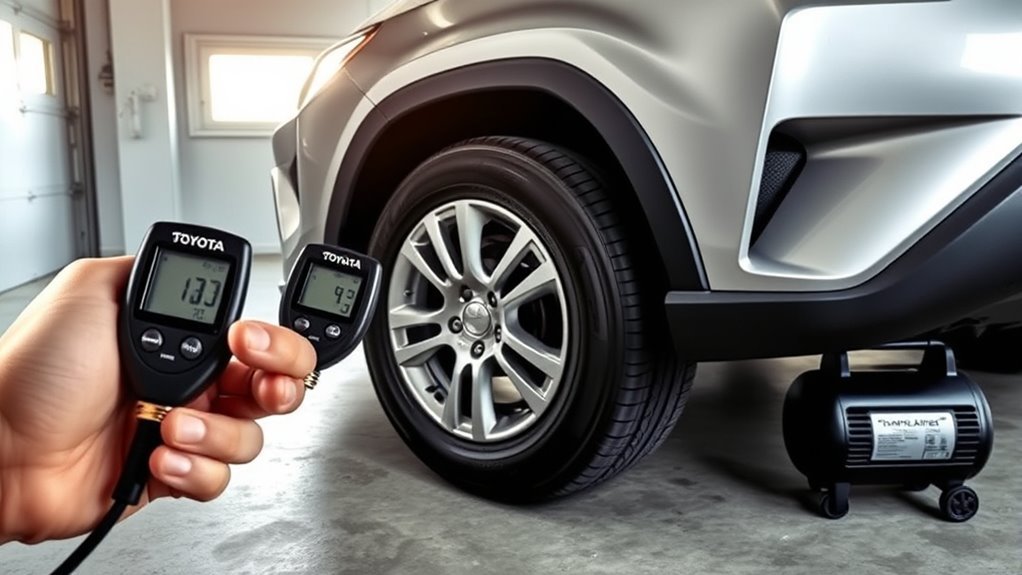
Regularly check your RAV4’s tire pressure at least once a month, and preferably every other week—such as during fuel fill-ups or before long trips—to keep handling, fuel economy, and safety at their best. You’ll make tire safety a routine that protects you and extends tire life. Increase monitoring during seasonal shifts: temperature drops lower PSI, heat raises it, so inspect more often when weather swings. Always measure when tires are cold—after the car’s been parked at least three hours—for accurate readings. Keep the owner’s manual or the driver’s door-jamb sticker handy to know the recommended PSI for your model; set your targets accordingly. Treat pressure maintenance as non-negotiable: schedule checks, log readings, and act on consistent deviations. If a tire shows persistent loss or overinflation, seek professional inspection. These disciplined steps free you from avoidable breakdowns, improve fuel efficiency, and uphold the control and confidence you want every time you drive.
How to Check Your RAV4’s Tire Pressure (Step‑by‑Step)
Before you start, grab a reliable tire pressure gauge and, if you have one, an air compressor or access to one. Check the tires when they’re cold for the most accurate readings—don’t drive the car first. With tools ready and tires cold, you’re set to remove valve caps, press the gauge firmly, record PSI, and adjust as needed.
Gather Tools First
Grab a reliable tire pressure gauge—digital or manual—so you can get accurate readings when checking your RAV4. Start by assembling tools that let you act quickly and independently: gauge, air source, and a valve-cap tool or cloth. These let you control tire pressure and follow clear maintenance tips.
- Tire pressure gauge (digital/manual) for precise PSI readings
- Portable air compressor or access to one for inflating tires
- Valve-cap tool or rag to remove caps and seal the gauge
Locate valve stems, remove caps, and press the gauge firmly—no hissing—to read pressure. Keep the owner’s manual or door-jamb sticker handy to compare PSI. If you adjust air, recheck immediately. This concise kit frees you to maintain safe, confident control of your RAV4.
Check When Cold
Because tire pressure rises with heat, check your RAV4’s tires when they’re cold—ideally after the vehicle has sat for at least three hours—to get accurate PSI readings. Start at the driver’s door jamb or your owner’s manual to note the recommended PSI for front and rear tires. Remove the valve cap, press a reliable tire pressure gauge firmly onto the valve stem to prevent leaks, and read the number. If the reading is below the specified PSI, use an air compressor to inflate to the correct level, then recheck. Repeat for each tire. Do this monthly and before long trips. Checking cold tires gives you precise data so you can freely maintain peak performance, safety, and fuel efficiency.
What PSI Should My RAV4 Use : And Where to Find It
Wondering what PSI your RAV4 needs? You’ll usually see a recommended tire pressure around 33 PSI, but models and years vary, so confirm the exact number for your vehicle. Follow manufacturer guidelines rather than the tire’s sidewall maximum to guarantee safe handling, fuel efficiency, and longer tire life.
Wondering what PSI your RAV4 needs? Aim near 33 PSI but always check your door jamb or manual.
Locate the correct PSI quickly:
- Check the driver’s side door jamb sticker for the factory-recommended PSI; it’s the fastest on-vehicle reference.
- Consult the owner’s manual for detailed front and rear tire pressure specifications and any load-specific notes.
- Use the tire sidewall only to find the maximum allowable pressure, not the operating PSI.
When you check, record the recommended values and compare cold readings to those targets. Stick to the manufacturer guidelines to free yourself from guesswork and maintain control of your RAV4’s performance and safety.
Monthly vs. Biweekly Checks: Choose by Mileage & Conditions
Now that you’ve identified the correct PSI for your RAV4, decide how often to check it based on how and when you drive. Adopt a simple rule: perform tire maintenance monthly if your driving is routine and mileage is moderate. Monthly checks counter natural air seepage, preserve handling, and sustain up to a 3.3% fuel-economy benefit from correct inflation. Use a calibrated gauge and log readings.
Switch to biweekly pressure monitoring when you cover long distances regularly or face seasonal temperature swings that can lower PSI by about 1–2 points per 10°F drop. Biweekly checks catch gradual losses before they affect safety or efficiency. If you want freedom from roadside surprises, set reminders tied to mileage (every 1,000–2,000 miles) and calendar dates. Keep records in the glovebox or phone so you can act fast. This disciplined approach keeps you mobile, safe, and in control.
When to Check Immediately: Cold Tires, Long Trips, and Temperature Swings
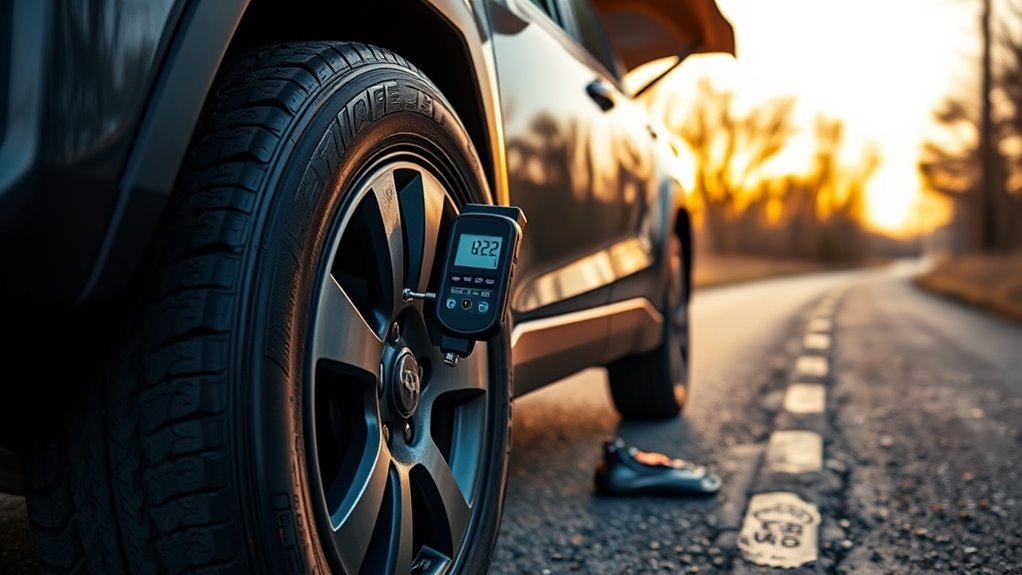
If you’re about to drive, check tire pressure while the tires are cold—ideally before you move the vehicle—since even a short run can raise pressure by 1–2 PSI and mask underinflation. You want accurate readings so you can act decisively: low pressure reduces traction and wastes fuel, especially in cold weather. For long trips, inspect pressures before departure and at planned stops; changes in load and heat can alter inflation. When temperatures swing, measure more often—expect pressure fluctuations of about 1–2 PSI per 10°F change. If you’ll carry heavy loads or drive off-road, check immediately before and after to protect tires and freedom on the road.
- Before any long drive: check cold tires, top off to the recommended PSI.
- During significant temperature drops: recheck pressures to counter pressure fluctuations.
- After heavy-load or extreme-condition use: inspect immediately to maintain safety and control.
Act frequently, report discrepancies, and correct pressures promptly for reliable liberation on every trip.
Seasonal & Load Adjustments for RAV4 Tire Pressure
In cold weather, check your RAV4’s tire pressure more often since pressure drops about 1–2 PSI for every 10°F decrease. If you’re carrying heavy cargo or towing, raise tire pressure by 2–3 PSI (or follow the placard/manual) to compensate for the extra load. Make seasonal checks at changes and always measure when tires are cold to get accurate readings.
Cold-Weather Pressure Adjustments
Because cold air contracts, you should check your RAV4’s tire pressure more often as temperatures drop. In cold weather, pressure drops about 1–2 PSI per 10°F, so test tires when cold (parked three+ hours) to get accurate readings. For winter safety, increase pressures 2–3 PSI to offset typical losses and preserve tire performance. Use a calibrated gauge, adjust incrementally, and recheck after short drives.
- Check pressures weekly during rapid temperature swings.
- Inflate to recommended PSI +2–3 in sustained cold, then monitor.
- Record readings to spot trends and prevent blowouts.
You’ll gain control and freedom on winter roads by staying proactive, precise, and disciplined about pressure management.
Load And Cargo Effects
When you load your RAV4 for a trip, increase tire pressure by about 3–5 PSI to compensate for the added weight and preserve handling and tire life; check pressures cold and consult your owner’s manual for any front/rear-specific recommendations. You’ll check pressures before departure, verify load distribution, and avoid overloading to prevent accelerated tire wear and blowouts. Adjust front/rear as manual advises, and recheck after driving a few miles. Use the table below to track quick checks.
| Item | Action | Target |
|---|---|---|
| Pre-trip | Inflate +3–5 PSI | Manufacturer range |
| Load shift | Rebalance cargo | Even load distribution |
| Monitoring | Recheck cold | Prevent tire wear |
Stay deliberate, claim freedom from neglect, and keep your RAV4 safe and efficient.
Seasonal Check Frequency
Having adjusted pressures for load, plan a seasonal check routine so you catch temperature-driven changes before they affect handling or wear. You’ll check more often in winter—at least every two weeks—since pressure drops about 1–2 PSI per 10°F fall. In heat, verify pressures when tires are cold, ideally before driving, because warm air raises PSI. Use pressure monitoring tools and a reliable gauge to log readings and adjust per the RAV4 owner’s manual; remember front and rear may differ. If carrying heavier loads, add 2–3 PSI as recommended. During extreme swings, increase check frequency until readings stabilize. These tire maintenance tips free you from unexpected handling issues and extend tire life through proactive, disciplined checks.
- Inspect pressures biweekly in winter
- Check cold in summer
- Adjust +2–3 PSI for heavy loads
TPMS, Gauges, and Apps: Easy Ways to Monitor RAV4 Tire Pressure
Although your RAV4’s TPMS will warn you of significant pressure drops, you should still use a reliable gauge and apps to monitor pressures precisely: rely on TPMS alerts for urgent issues, but perform regular pressure monitoring with a quality manual or digital gauge to verify gauge accuracy. Check tires cold, record values, and correct pressures immediately. Use smartphone apps and other digital tools for maintenance tracking; log readings, set monthly safety reminders, and note trends that suggest leaks or uneven wear. Inspect the TPMS display each time you drive—temperature shifts can alter pressure and mask slow leaks. Combine app alerts with physical checks: apps give history and notifications, the gauge gives real-time accuracy. Adopt a simple routine: measure cold, compare to recommended PSI, inflate or deflate, record in your app, and reset reminders. This procedural approach frees you from guesswork, preserves tire health, improves fuel efficiency, and keeps your driving safer and more autonomous.
Frequently Asked Questions
Can Low Tire Pressure Void My RAV4 Warranty?
Yes — if neglected tire maintenance causes damage, your warranty coverage can be denied. You should inspect pressures regularly, fix leaks promptly, keep service records, and follow Toyota’s guidelines to protect coverage and maintain freedom on the road.
Can Incorrect Pressure Cause Uneven Brake Wear?
Like a crooked plow tearing soil, yes — incorrect pressure can cause uneven brake wear. You’ll audit tire maintenance, inspect pad wear patterns, correct pressures, and monitor brake performance regularly so your vehicle stays reliable and free.
How Does Altitude Affect Tire Pressure Readings?
Altitude raises or lowers tire pressure readings: as altitude increases, ambient pressure drops so your tire pressure gauge shows a higher relative tire pressure; check and adjust tire pressure regularly, accounting for altitude effects to maintain safety.
Are Run-Flat Tires Available for the RAV4?
Yes — you can get run-flat tires for a RAV4; you’ll weigh run flat benefits like continued mobility after a puncture, follow specific tire maintenance steps, and guarantee compatible rims, TPMS, and recommended load ratings.
Can I Use Nitrogen Instead of Air in RAV4 Tires?
Yes — you can use nitrogen; it offers steadier pressure, slower leak rates, and less corrosion. For tire maintenance, check pressure monthly, top off with nitrogen-compatible supply, and document readings to stay liberated and in control.
Conclusion
You should check your RAV4’s tire pressure regularly — think of it as giving your car a quick health check — to keep handling, fuel economy, and tire life in top shape. Inspect pressure at least monthly, more often if you drive a lot or face big temperature swings, and always before long trips or when loading heavy cargo. Use a reliable gauge, check cold tires, and follow the PSI on the door placard; adjust seasonally.

Related Articles
Upsizing Wheels on a Toyota RAV4: Pros, Cons, and Considerations
Boost your Toyota RAV4's performance with larger wheels, but discover the hidden trade-offs that could impact your ride before you decide.
Read More
Can I Change Tire Size on My Toyota RAV4? Rules and Recommendations
Are you considering changing the tire size on your Toyota RAV4? Discover the essential rules and recommendations before making a decision.
Read More
What to Do If the TPMS Light Comes On in Your RAV4
Understand the steps to take when the TPMS light illuminates in your RAV4, as overlooking it could lead to serious tire problems.
Read More