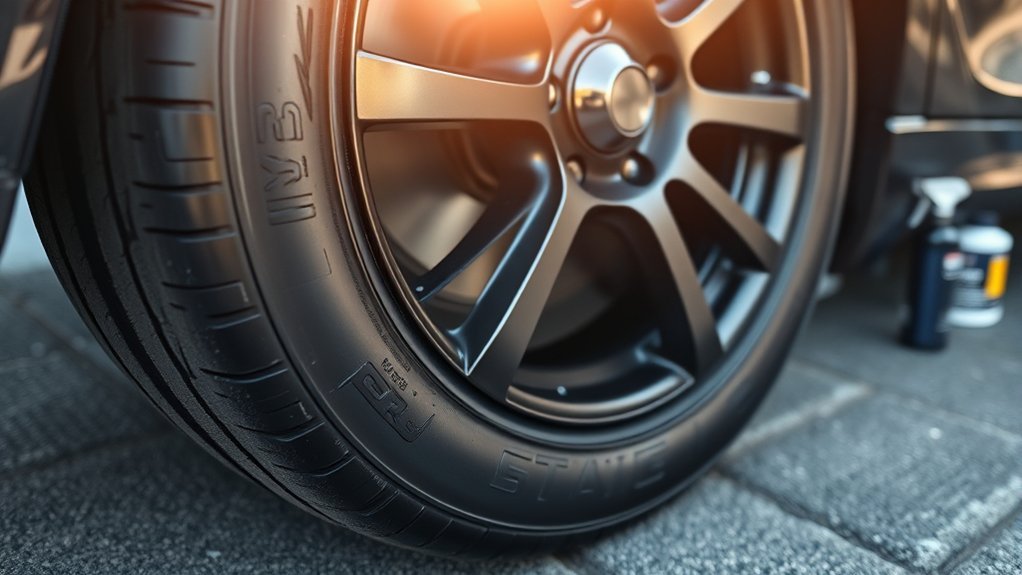
Tire shine usually lasts from a few days to about a week for basic dressings, while better protectants and gels can stay visible for several weeks. Dedicated tire coatings can last longer than standard dressings, but only when you apply them to clean, dry sidewalls and let them cure correctly. Weather, washing, road grime, product type, and driving frequency all affect the final result.
Quick Answer
Most tire shine lasts a few days to about a week on a daily driver. Higher-quality gels, protectants, and polymer formulas can last several weeks, while ceramic or acrylic tire coatings can outlast basic dressings when the tire is cleaned, dried, applied evenly, and cured as directed.
Key Takeaways
- Basic tire shine often lasts a few days to about one week, especially on daily drivers.
- Gels, polymer dressings, and quality protectants usually last longer than quick spray dressings.
- Clean, dry sidewalls matter because dirt, brake dust, and old dressing block adhesion.
- Dry time is product-specific. Some gels dry in 10 to 15 minutes, while ceramic coatings may need much longer.
- Apply tire shine only to sidewalls, never to tread, brakes, floors, or cycle tires.
At a Glance
| Time Required | 10 to 20 minutes for basic dressing; longer if a coating needs extended cure time |
| Difficulty | Easy |
| Tools Needed | Tire cleaner, tire brush, water, microfiber towel, applicator pad, tire dressing or coating |
| Cost | Usually low if you already have cleaning supplies and an applicator |
How Long Does Tire Shine Last?
Tire shine typically lasts a few days to about one week for basic tire dressings. On a daily driver, rain, road film, heat, brake dust, and car washes can dull the finish even faster. If you use a longer-lasting gel, protectant, or polymer-based dressing, the shine can stay visible for several weeks under better conditions.
Some tire-care products make longer claims, but you should read the label carefully. For example, 303 Aerospace Protectant says its protection can last up to 30 to 45 days per application when used correctly. Armor All Extreme Tire Shine Gel says its gel is designed to last for weeks and takes about 10 to 15 minutes to dry.
The safest way to think about tire shine longevity is by product type, not by one fixed number. A quick wet-look spray may look great right away but fade quickly. A gel or protectant may last longer. A ceramic or acrylic coating may outlast a normal dressing, but it usually needs cleaner prep and longer cure time.
A clean, dry sidewall is the difference between tire shine that bonds and tire shine that slings, streaks, or fades early.
What Affects Tire Shine Longevity?
Your tire shine lasts longer when the dressing can bond to clean rubber and dry without interruption. The biggest factors are tire cleanliness, product formulation, weather, washing, road grime, and how often you drive. Even a strong product will fade early if you apply it over old dressing, mud, brake dust, or moisture.
Tire Cleanliness
Clean, dry rubber gives tire dressing the best chance to bond. Dirt, mud, brake dust, and old tire dressing create a barrier between the product and the sidewall. When the new coat sits on top of that film, it can look uneven, attract grime, and fade faster.
Before applying tire shine, scrub the sidewalls with tire cleaner and a tire brush. Rinse thoroughly, then dry the rubber with a clean towel. This step matters because 303’s official directions say to use its protectant on clean, dry surfaces and wipe it completely dry for best performance.
Pro Tip: If the tire still looks brown or your towel comes away dirty, keep cleaning before you apply shine. Brown residue often means old dressing, oxidized rubber residue, or road grime is still on the sidewall.
Product Formulation
Product formulation has a major effect on shine life. Some formulas are built for quick gloss, while others focus on protection, water resistance, or lower-maintenance durability. Use the table below as a realistic guide.
| Product Type | Typical Real-World Lifespan | Best For |
|---|---|---|
| Basic spray dressing | A few days to about one week | Fast shine after a wash |
| Water-based protectant | Often one to several weeks, depending on the label and use | Matte or satin finish with less greasy residue |
| Gel dressing | Often longer than thin sprays when applied evenly | Wet-look shine and better control |
| Polymer, ceramic, or acrylic coating | Can outlast standard dressings when the tire is properly prepped and cured | Lower-maintenance durability |
Do not assume every water-based product fades quickly. Some water-based protectants are designed for longer wear. Also, do not assume every shiny product is better. High-gloss formulas can look dramatic at first, but they may attract dust or sling if you apply too much.
Driving Conditions
Real-world driving wears tire shine down. Sun, heat, rain, road spray, mud, and brake dust all attack the film on the sidewall. NHTSA also notes that tire aging is affected by service, storage, environmental conditions, sunlight, warmer climate, poor storage, and poor maintenance. That guidance is about tire safety, but it also explains why exposed rubber surfaces change faster outdoors.
- Daily commuting usually shortens tire-shine life.
- Garage parking helps preserve the finish.
- Heavy rain can wash away weaker dressings.
- Dusty roads and brake dust can dull the sidewall quickly.
- Strong soaps, degreasers, and pressure washing can strip the dressing.
Why Tire Shine Fades So Fast
Tire shine fades fast when it cannot bond or when the finish gets stripped after application. The most common causes are dirty sidewalls, too much product, not enough dry time, heavy rain, harsh washing, and applying shine to hot or wet rubber.
Dirt And Contaminants
Dirt, mud, brake dust, and old dressing block the new product from reaching the rubber. Instead of forming an even layer, the tire shine sits on contamination. That weak layer can streak, sling, or fade after the first drive.
- Wash the tire before every fresh application.
- Scrub until the sidewall no longer feels slick or greasy.
- Rinse off cleaner residue completely.
- Dry the tire before applying dressing.
- Use a thin coat instead of flooding the rubber.
Weather And Washing
Weather and washing can shorten tire-shine life. Rain can break down weaker dressings. Sun and heat can dry the film faster. Strong cleaners and pressure washers can remove the outer layer. If you wash your car often, expect to reapply tire shine more often.
Wait until the product dries before driving or exposing the tire to water. Many tire gels and dressings dry in minutes, but coatings can need much longer. Armor All’s ceramic tire coating directions say to let the coating dry for one hour before driving and wait at least 24 hours for the hydrophobic technology to set.
Does Tire Shine Damage Tires?
Tire shine is not automatically bad for tires. The risk comes from using the wrong product, applying too much, or putting it in unsafe places. Choose a dressing labeled safe for rubber, follow the directions, and keep it on the sidewall only.
Warning: Never apply tire shine to tread, brakes, floors, pedals, motorcycle tires, or bicycle tires. Slippery residue can reduce traction and create a safety hazard. Wipe overspray off wheels, paint, and nearby surfaces right away.
Ingredient labels matter. 303 says its Aerospace Protectant is water-based and contains no petroleum distillates, alcohol, mineral oil, or harmful silicone oils. That does not mean every tire shine uses the same chemistry, so check the label before buying.
- Use tire shine sparingly to avoid buildup.
- Apply it evenly with an applicator pad when possible.
- Keep it away from tread and braking components.
- Use aerosol coatings outdoors or in a well-ventilated area.
- Stop using any product that leaves sticky residue, browning, or sling.
How to Make Tire Shine Last Longer
To make tire shine last longer, focus on prep, thin application, and enough dry time. A strong product cannot perform well on dirty or wet sidewalls.
- Clean the tire first. Use a tire cleaner and brush to remove road film, brake dust, mud, and old dressing.
- Rinse thoroughly. Cleaner residue can interfere with the dressing.
- Dry the sidewall. Use a microfiber towel and wait until the rubber is fully dry.
- Apply a thin, even coat. Too much product increases sling and attracts dirt.
- Wipe drips from wheels and paint. Do this before the product dries.
- Let it dry or cure. Follow the product label. Some gels dry in 10 to 15 minutes, while coatings may need an hour or more before driving.
- Refresh only when needed. Reapply after the finish fades, after heavy rain, or after a strong wash.
Note: More product does not mean longer shine. A thin coat usually bonds better, dries cleaner, and reduces sling onto your paint.
[Products Worth Considering]

Formula 1 Tire Wax restores dull tires to a rich black look while helping protect against UV damage. Its thick, long-lasting water-resistant gel delivers a high-gloss shine that resists rain and washing. A foam applicator is included for easy, controlled application, and it can also refresh vinyl, rubber, and plastic trim.
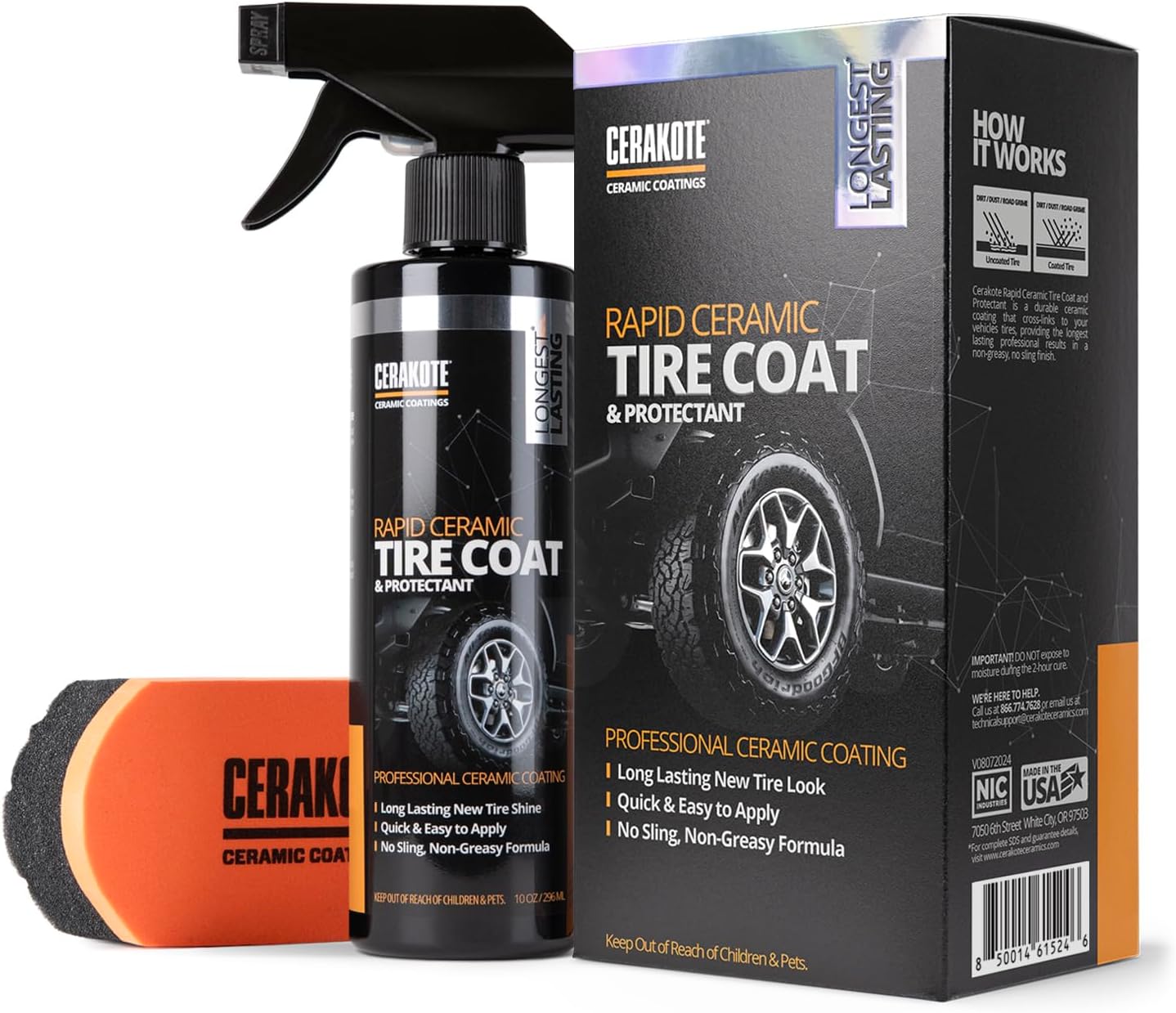
CERAKOTE Rapid Ceramic Tire Coat delivers true ceramic protection that restores a clean, dark factory-black look with a natural satin finish. It cures dry to the touch for a low-sling appearance that helps resist slinging onto paint while defending tires from UV rays and road grime. Apply to clean, dry tires with the included foam applicator for long-lasting results and satisfaction guaranteed.

Restore faded, dull tires to a rich black satin finish in minutes with a spray-on, wipe-off formula. Graphene and acrylic polymers create a durable, sling-free coating that resists water and dirt while helping prevent UV-related fading and cracking. Build your preferred look by applying additional layers for sleek satin to showroom gloss.
Which Tire Shine Types Last the Longest?
The longest-lasting tire shine is usually a coating or a durable protectant, not a quick spray dressing. Acrylic, ceramic, polymer, and gel formulas often stay visible longer because they form a stronger film on the sidewall. Basic sprays are easy to use, but they usually need more frequent reapplication.
- Longest potential life: ceramic, acrylic, or polymer tire coatings.
- Best balance: quality water-based protectants or gels.
- Fastest refresh: spray dressings after routine washes.
- Most natural look: matte or satin protectants.
- Most dramatic look: wet-look gels or high-gloss dressings.
If you want low maintenance, choose a durable formula and accept a cleaner satin finish. If you want a wet, glossy look, you may need to reapply more often and wipe away excess product carefully.
[Products Worth Considering]

Turtle Wax Hybrid Solutions Hyper Foam Wheel and Tire Cleaner uses an advanced high-foaming formula that clings to wheels and tires to dissolve tough road grime, embedded brake dust, and light iron deposits. It helps restore black tires while prepping surfaces for tire shine or protective coatings. The pH-balanced cleaner is safe for all wheel finishes and includes corrosion-repellent polymers that reduce future contaminant build-up.

Black Magic Tire Wet delivers a deep wet-look shine that makes tires appear dark, rich, and freshly detailed. Its long-lasting formula helps resist rain, dust, and road grime for weeks of glossy protection, not days. Apply by spraying onto clean, dry tires—no buffing or wiping required—with a low-sling design to reduce splatter on paint and wheels.

Cristal Products Untouchable Tire Shine Spray delivers a deep, wet-look gloss that enhances your vehicle’s tires. It’s quick-drying and spreads smoothly for consistent, streak-free coverage, while forming a protective coating against UV rays, road grime, and weather. Suitable for all tire types, it helps restore dull, faded tires to a showroom-quality finish.
How to Apply Tire Shine the Right Way
Start with a cool, clean, dry tire. Shake the bottle or can if the label requires it. Apply a small amount to a foam applicator pad, then spread it around the sidewall in smooth, overlapping passes. Keep the product away from the tread edge, brake parts, and wheel face.
If you use a spray, hold it close enough to control overspray and wipe drips immediately. If you use a gel, spread it thinly and evenly. If you use a ceramic or acrylic coating, follow the cure directions closely. Armor All’s ceramic tire coating, for example, says to allow one hour before driving and at least 24 hours for the hydrophobic technology to set.
Which Tire Shine Brands Last the Longest?
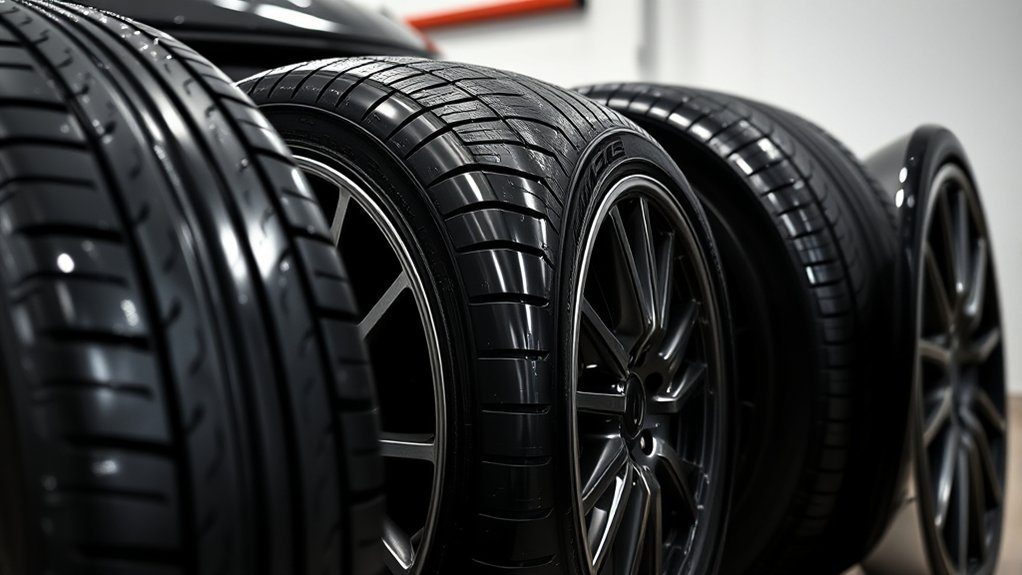
Brand lifespan depends on the exact product, not just the brand name. A company may sell quick sprays, gels, protectants, and coatings with very different durability. Compare the label, product type, dry time, cure time, finish, and surface warnings before choosing.
For sourced examples, 303 Aerospace Protectant is a water-based protectant that lists tires and trim as ideal uses and states up to 30 to 45 days per application. Armor All Extreme Tire Shine Gel says it lasts for weeks and dries in about 10 to 15 minutes. ExoForma PermaShine Tire Coating describes an acrylic formula that resists water, dirt, and UV rays and says it lasts 10 times longer than traditional tire shine.
Use those claims as product-specific examples, not universal promises. Your results can still vary with tire prep, weather, washing, and driving conditions.
[Products Worth Considering]

P&S Dressed Tire Finish is a premium, water-based tire dressing that delivers a deep, rich high-gloss look without the greasy residue. Its polymer blend is designed to mimic the durability and shine of traditional solvent-based dressings while staying non-hazardous and eco-friendly. Apply with a brush or spray bottle for even coverage and a professional, factory-fresh finish.

This oesee 8-piece wheel care kit helps you clean, scrub, and dry wheels safely with purpose-built brushes and towels. The scratch-free microfiber wheel brush lifts brake dust and grime, while the stiff pro-grip tire brush removes tire browning and embedded dirt. A twist loop microfiber drying towel and an applicator help achieve a streak-free finish and cleaner, more even product application.

Adam’s Pro Tire Hex Grip applicators are molded foam sponges designed for precise, even tire dressing application. The ergonomic grip helps you spread product without overapplying, reducing sling that can splash onto paint and helping keep your hands clean during wheel and trim detailing. They’re durable, washable, and reusable for repeated detailing sessions.
Tire Shine Tips for Daily Driving
For daily driving, expect tire shine to fade faster than it does on a garage-kept weekend car. A realistic schedule is to inspect the sidewalls weekly and reapply when the finish looks dull, uneven, or dirty.
- Use a satin or matte protectant if you want less dust attraction.
- Use a gel if you want a deeper wet-look shine.
- Use a coating if you want less frequent reapplication and can follow cure directions.
- Reapply after heavy rain or a strong tire wash.
- Do not layer new shine over dirty old dressing.
Keep tire maintenance separate from tire shine. Proper pressure, tread checks, rotation, balance, and alignment matter for tire safety and wear, but they do not replace correct sidewall cleaning before applying dressing. NHTSA recommends checking tire pressure at least once a month when tires are cold and rotating tires as recommended by the vehicle manufacturer.
Frequently Asked Questions
Is tire shine bad for my tires?
Tire shine is not bad for tires when you use a product labeled safe for rubber and apply it only to the sidewall. Avoid harsh, sticky, or unknown formulas, and never apply dressing to tread, brakes, floors, motorcycle tires, or bicycle tires.
How often should you shine your tires?
Most daily drivers can refresh tire shine every one to two weeks, or whenever the finish fades after rain, washing, or dirty roads. Longer-lasting protectants and coatings may need less frequent reapplication if you clean and cure them correctly.
What tire shine stays on for months?
Dedicated ceramic, acrylic, or polymer tire coatings usually have the best chance of lasting longer than standard dressings. Check the exact product label before expecting months of durability, because cure time, weather, washing, and tire prep can change the result.
How long after tire shine can I drive?
For many gels and dressings, wait at least 10 to 15 minutes or until the product feels dry. For coatings, follow the label. Some ceramic tire coatings may need about one hour before driving and up to 24 hours to fully set.
Why does tire shine sling onto my paint?
Tire shine usually slings when you apply too much, drive before it dries, or leave excess product near the tread edge. Apply a thin coat, wipe drips, keep the product on the sidewall, and wait for it to dry before driving.
Conclusion
Tire shine lasts longest when you use the right product on a properly cleaned sidewall. Basic dressings may look good for only a few days, while gels, protectants, and coatings can last longer with careful prep and enough dry time. For the safest results, apply tire shine only to sidewalls, use a thin coat, wipe away overspray, and follow the product’s drying or curing directions.
Sources
- NHTSA TireWise – supports tire maintenance, tire aging, sunlight, warmer climate, and proper pressure guidance.
- 303 Aerospace Protectant – supports clean, dry surface instructions, water-based chemistry, rubber compatibility, and 30 to 45 day protection claim.
- Armor All Extreme Tire Shine Gel – supports sidewall-only warning, 10 to 15 minute dry time, and weeks-long gel claim.
- Armor All Extreme Shield + Ceramic Tire Coating – supports ceramic coating dry time, one-hour wait before driving, and 24-hour cure guidance.
- ExoForma PermaShine Tire Coating – supports acrylic coating, water/dirt/UV resistance, and longer-than-traditional dressing claim.