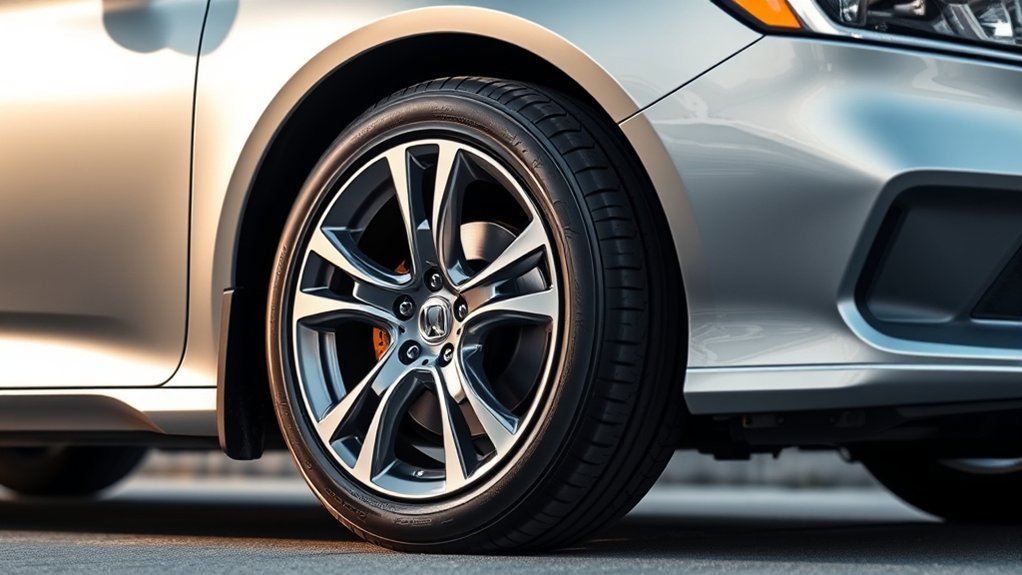
Finding the right tire size for a 2020 Honda Accord is simple once you match the tire to the trim and verify it on the driver-side door-jamb label. The safest approach is to use the OEM size listed on your vehicle’s Tire and Loading Information Label, then match the tire’s load rating, speed rating, and cold tire pressure before buying replacements.
Quick Answer
Most U.S. 2020 Honda Accord sedan trims use either 225/50R17 or 235/40R19 tires. Honda lists 225/50R17 for LX, EX, EX-L, and EX-L 2.0T, while Sport, Sport 2.0T, and Touring 2.0T use 235/40R19. Always confirm the exact size on your driver-side door-jamb label.
Key Takeaways
- The correct 2020 Honda Accord tire size depends on the trim, wheel package, and original factory fitment.
- 225/50R17 and 235/40R19 are the key OEM sizes listed for 2020 Accord sedan trims on Honda’s 2020 Accord wheel-and-tire information.
- Use the Tire and Loading Information Label on the driver-side doorjamb as the final source for your specific car.
- Replace tires at 2/32 inch tread depth at the latest, and replace earlier if you see cracks, bulges, exposed cords, vibration, or poor wet-weather grip.
- Check tire pressure monthly when tires are cold, and rotate tires according to the owner’s manual, Maintenance Minder, or tire-shop guidance.
At a Glance
| Time Required | 5–10 minutes to confirm tire size, pressure label, tread depth, and sidewall condition |
| Difficulty | Easy for checking; professional help recommended for non-OEM sizes or uneven wear |
| Tools Needed | Tire pressure gauge, tread depth gauge or penny, flashlight, and your driver-side door-jamb label |
| Cost | Free to inspect; replacement cost varies by tire brand, size, speed rating, installation, balancing, and alignment needs |
2020 Honda Accord Tire Size Chart by Trim
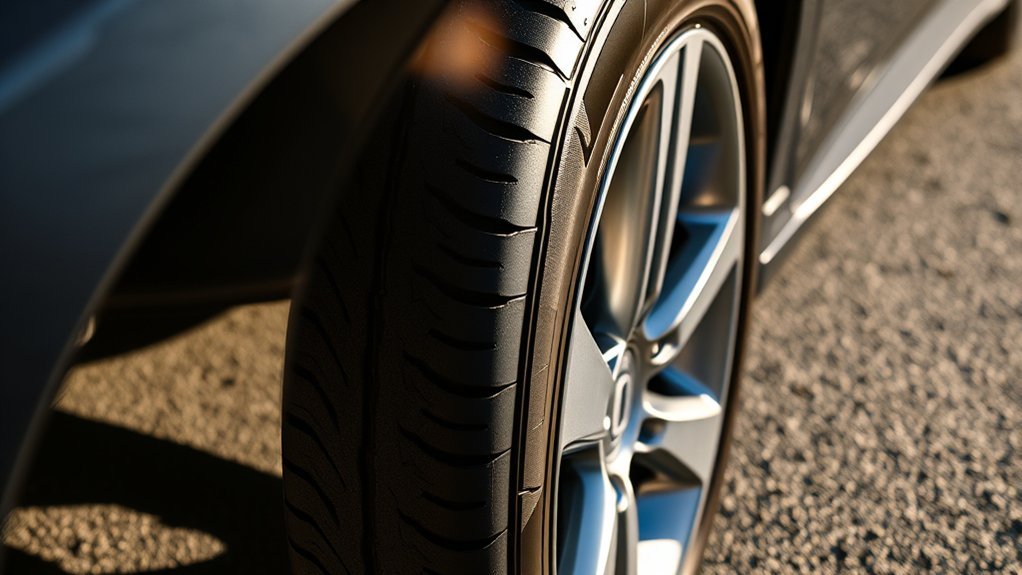
The main OEM tire sizes for the 2020 Honda Accord sedan are 225/50R17 and 235/40R19. Honda’s official 2020 Accord wheel-and-tire information lists 17-inch wheels with 225/50R17 tires for LX, EX, EX-L, and EX-L 2.0T, and 19-inch wheels with 235/40R19 tires for Sport, Sport 2.0T, and Touring 2.0T.
| 2020 Accord Trim | OEM Tire Size | Wheel Size | Best Check Before Buying |
|---|---|---|---|
| LX | 225/50R17 | 17-inch | Door-jamb Tire and Loading Information Label |
| EX | 225/50R17 | 17-inch | Door-jamb Tire and Loading Information Label |
| EX-L | 225/50R17 | 17-inch | Door-jamb Tire and Loading Information Label |
| EX-L 2.0T | 225/50R17 | 17-inch | Door-jamb Tire and Loading Information Label |
| Sport | 235/40R19 | 19-inch | Door-jamb label and current sidewall |
| Sport 2.0T | 235/40R19 | 19-inch | Door-jamb label and current sidewall |
| Touring 2.0T | 235/40R19 | 19-inch | Door-jamb label and current sidewall |
Note: Tire fitment can vary by market, wheel package, previous owner changes, and replacement wheels. Before ordering tires, confirm the size printed on your current tire sidewall and the Tire and Loading Information Label on the driver-side doorjamb.
[Products Worth Considering]

Keep your tires properly inflated with this analog VONDIOR tire pressure gauge, designed for fast, easy readings without batteries. The swiveling, two-axis hose and large glow dial help you measure at any tire angle with instant visibility. Built with a protective rubber shield, it supports durable, low-maintenance use for cars and trucks.

Measure tire tread depth quickly and accurately with this LUMITECO dial gauge that reads in 1/32" increments up to 14/32". The color-coded green/yellow/red zones make it easy to judge tire wear and know when replacement is needed. A rugged, compact design with a protective pouch helps keep the gauge ready for use on cars, trucks, motorcycles, and more.

Monitor tire tread wear with a smart, color-coded depth gauge that shows clear condition ranges at a glance. The bar is range marked for fast, easy readings, helping you maintain safer traction and performance. Each gauge is portable with a pocket clip, and the set includes 20 units for daily use and sharing.
How to Identify Your Honda Accord Tire Size
Start with the driver-side doorjamb. The Tire and Loading Information Label lists the original tire size, proper cold tire pressure, and load information for your Accord. This label is more important than a generic chart because it applies to your specific vehicle.
- Open the driver’s door and find the Tire and Loading Information Label on the door edge or doorjamb.
- Read the front and rear tire size listed on the label. Most 2020 Accord sedan trims use the same size on all four wheels.
- Compare it with the tire sidewall on your current tires. The sidewall will show a code such as 225/50R17 or 235/40R19.
- Match the load index and speed rating shown on your current tire, owner’s manual, or tire shop fitment screen. Do not choose a lower load rating than required.
- Ask a Honda dealer or tire professional if your current wheels or tires do not match the door-jamb label.
What the Tire Size Code Means
A tire marked 225/50R17 means the tire is 225 mm wide, the sidewall height is 50% of the tire width, it uses radial construction, and it fits a 17-inch wheel. A tire marked 235/40R19 is wider, has a shorter sidewall, and fits a 19-inch wheel.
Warning: Do not choose a tire only because it “fits” the wheel. The overall diameter, load index, speed rating, wheel width, clearance, and TPMS behavior all matter. The wrong size can affect handling, ride comfort, braking, speedometer accuracy, and tire wear.
What You Need to Know About OEM Specs for Your Accord
OEM specs matter because Honda selected each tire and wheel combination to support the Accord’s steering feel, braking, stability control, ride comfort, and fuel economy. The safest replacement choice is the same size shown on your door-jamb label or a Honda-approved equivalent.
For the 2020 Accord sedan, Honda’s official wheel-and-tire information shows 225/50R17 tires on 17-inch wheels for LX, EX, EX-L, and EX-L 2.0T models, while Sport, Sport 2.0T, and Touring 2.0T use 235/40R19 tires on 19-inch wheels. If your Accord has aftermarket wheels, confirm the wheel width and offset before buying tires.
NHTSA reported 511 deaths in tire-related crashes in 2024, which is a reminder that tire size, inflation, tread depth, and condition are safety items—not just maintenance details.
Check Tire Pressure the Right Way
Use the cold tire pressure listed on the driver-side door-jamb label or in the Honda owner’s manual resources. Do not inflate tires to the maximum PSI printed on the tire sidewall unless a qualified technician tells you to do so for a specific service reason.
- Check pressure at least once a month when tires are cold.
- Check before long trips or heavy-load driving.
- Recheck pressure after large temperature swings.
- Do not rely only on the TPMS light; it usually warns after a tire is already significantly underinflated.
Pro Tip: Keep a small tire pressure gauge in the glove box. A one-minute cold-pressure check can prevent uneven wear, poor fuel economy, and TPMS surprises.
When to Replace Your Honda Accord Tires for Optimal Performance
Replace your Accord tires when tread depth, age, visible damage, or driving behavior shows the tire is no longer safe. The legal minimum is not always the best practical replacement point, especially if you drive in rain, snow, or on rough roads.
| Indicator | What It Means | Action Required |
|---|---|---|
| Tread depth at 2/32 inch | NHTSA says tires are not safe when worn to this depth. | Replace immediately. |
| Weak wet-road grip or hydroplaning | The tire may be unsafe in rain even before it reaches the legal minimum. | Inspect and consider replacing earlier. |
| Cracks, bulges, cuts, or exposed cords | The tire structure may be damaged. | Do not ignore it; have the tire inspected or replaced. |
| Uneven shoulder, center, or cupping wear | Possible pressure, alignment, suspension, or rotation issue. | Check pressure, rotate if appropriate, and schedule alignment or inspection. |
| Older tires with hard rubber or sidewall cracking | Tires age even when tread remains. | Follow the tire maker’s age guidance and have them inspected regularly. |
You can check tread depth with a tread depth gauge or the penny test. If the top of Lincoln’s head is visible when the penny is inserted upside down into the tread, the tire is at or near the replacement point. For better wet-weather confidence, many drivers replace tires before they reach the absolute 2/32 inch minimum.
[Products Worth Considering]

The SAFELIFE dial tire tread depth gauge measures tread depth in 1/32 inch increments with clear, easy-to-read 2-inch dial face. Color zones using a traffic light system help you quickly judge whether tread is low, marginal, or ample for safer driving. Built with a durable zinc cast body and a metal detect probe for precise, comfortable use across cars, motorcycles, trucks, and buses.

Measure tyre tread depth precisely with a digital gauge that reads in both MM and inches, helping you monitor safe driving conditions. The large LCD screen is easy to operate, and the compact tool fits for cars, trucks, and motorcycles. It provides high accuracy with a 0-25.4mm range and includes a 1-year warranty for added peace of mind.

Accurately measure tire tread depth with a calibrated gauge marked from 0 to 1 inch in 1/32 inch increments. The color-coded bar helps you quickly identify tread condition ranges, supporting safe driving for trucks, motorcycles, automobiles, and passenger vehicles.
Maintain Your Tires Effectively
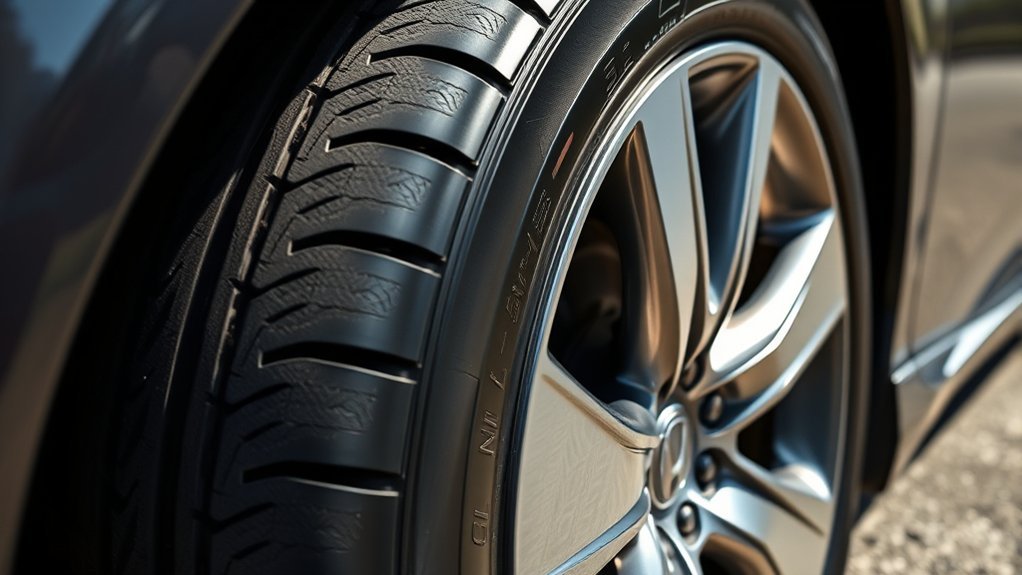
Good tire maintenance helps your 2020 Honda Accord ride smoothly, stop predictably, and wear tires evenly. NHTSA recommends checking tire pressure and tread at least monthly, and it says tire pressure should be checked when tires are cold.
- Check cold pressure monthly: Use the PSI on the door-jamb label, not the maximum PSI on the tire sidewall.
- Inspect tread monthly: Look for low tread, wear bars, nails, cuts, bubbles, cracks, or exposed cords.
- Rotate tires when recommended: NHTSA suggests 5,000–8,000 miles if the vehicle manufacturer recommends rotation. Honda owners should also follow the Maintenance Minder and owner’s manual.
- Balance new tires: New tires should be balanced during installation to reduce vibration.
- Check alignment if wear is uneven: Pulling, off-center steering, feathering, or cupping can point to alignment or suspension issues.
- Calibrate TPMS after service: If your Accord requires TPMS calibration after inflation, rotation, or replacement, follow the owner’s manual or have the shop do it.
Note: A TPMS warning light is not a replacement for a pressure gauge. TPMS may not alert you until a tire is already significantly underinflated.
Choosing Tires for Your Conditions
Once you know your Accord’s correct size, choose the tire type based on your driving conditions. Tire size gets the tire on the car; tire type determines how it feels in rain, heat, snow, commuting, and highway driving.
- Touring or grand-touring all-season tires: Best for most Accord drivers who want comfort, quiet ride quality, long tread life, and year-round use in mild climates.
- Performance all-season tires: A good match for Sport and Touring trims if you want sharper steering, but they may ride firmer and wear faster.
- Winter tires: Best for regular snow, ice, and freezing temperatures. Use a complete matching set of four.
- Summer tires: Strong dry and wet warm-weather grip, but not safe for cold or snowy conditions.
Also check the tire’s UTQG treadwear, traction, and temperature grades. NHTSA’s Uniform Tire Quality Grading System helps compare treadwear, traction performance, and temperature resistance for passenger tires sold in the United States.
Warning: If your 2020 Accord currently has a tire size that differs from the door-jamb label, do not assume it is correct. Confirm wheel size, clearance, load rating, and speedometer impact with a tire professional before replacing the set.
[Products Worth Considering]

This TPMS relearn tool helps you quickly activate, match, and reset GM tire pressure sensors to keep the vehicle monitoring system working properly. It clears tire pressure alarms and dashboard warning lights after sensor replacement or tire rotation, and supports learning for common 315/433 MHz TPMS sensors. Designed for simple one-button operation, it can help you avoid unnecessary trips to repair shops.

The Tymate TM2 RV tire pressure monitoring system keeps you informed with a color LCD display, automatic backlight, and solar charging for dependable operation. It supports up to 10 tire positions with four pre-paired sensors, while offering multiple alarm modes for fast leak detection, pressure extremes, temperature alerts, and low-signal warnings. Built-in monitoring uses accurate readings and reliable 433.92MHz communication to help protect your RV, trailer, truck, or SUV.

Adam’s Pro Tire Hex Grip applicators are molded foam sponges designed for precise, even tire dressing application. The ergonomic grip helps you spread product without overapplying, reducing sling that can splash onto paint and helping keep your hands clean during wheel and trim detailing. They’re durable, washable, and reusable for repeated detailing sessions.
Frequently Asked Questions
What size tires can I put on my 2020 Honda Accord?
For most U.S. 2020 Honda Accord sedan trims, the OEM sizes are 225/50R17 or 235/40R19. Use the size on your driver-side door-jamb Tire and Loading Information Label as the final answer for your specific vehicle.
Does the 2020 Honda Accord use 235/45R18 tires?
Honda’s official 2020 Accord wheel-and-tire information for U.S. sedan trims lists 225/50R17 and 235/40R19, not 235/45R18, for the trims covered there. If your car has 235/45R18 tires now, verify whether the wheels are aftermarket or from a different fitment before buying replacements.
Where do I find the correct tire pressure for a 2020 Accord?
Use the cold tire pressure on the Tire and Loading Information Label on the driver-side doorjamb or in the owner’s manual. Do not use the tire sidewall maximum PSI as your normal inflation target.
Can I install a different tire size on my Honda Accord?
You may be able to use an alternate size only if it is compatible with the wheel width, load rating, speed rating, overall diameter, suspension clearance, and TPMS system. For safety, stay with the OEM size unless a Honda dealer or qualified tire professional confirms the alternate fitment.
When should I replace my Accord tires?
Replace tires at 2/32 inch tread depth at the latest, or sooner if you drive in wet or snowy conditions and traction has dropped. Also replace any tire with sidewall cracks, bulges, exposed cords, deep cuts, vibration, or age-related damage.
What’s the best oil to put in a 2020 Honda Accord?
The 2020 Honda Accord commonly uses 0W-20 engine oil, but you should confirm the exact specification in your owner’s manual and follow the Honda Maintenance Minder for service timing. This oil question is separate from tire sizing, but it is still worth checking during routine maintenance.
Conclusion
The correct 2020 Honda Accord tire size is usually 225/50R17 or 235/40R19, depending on trim and wheel package. The fastest safe answer is on the driver-side door-jamb Tire and Loading Information Label. Match that size, keep the tires properly inflated, inspect tread and sidewalls monthly, and replace tires when tread, age, or damage makes them unsafe. With the right tire size and basic maintenance, your Accord will ride, steer, and stop the way Honda intended.
Sources
- Honda Info Center — 2020 Accord Wheels and Tires — verifies OEM wheel and tire sizes by 2020 Accord trim.
- Honda Owners — 2020 Accord Sedan Manuals — official owner’s manual hub for vehicle-specific maintenance and operating guidance.
- NHTSA TireWise Tire Safety — supports tire pressure, tread depth, tire size, rotation, UTQG, TPMS, and tire-safety guidance.
- Michelin Technical Bulletin on Tire Service Life — supports age-related inspection and manufacturer-recommendation cautions.