
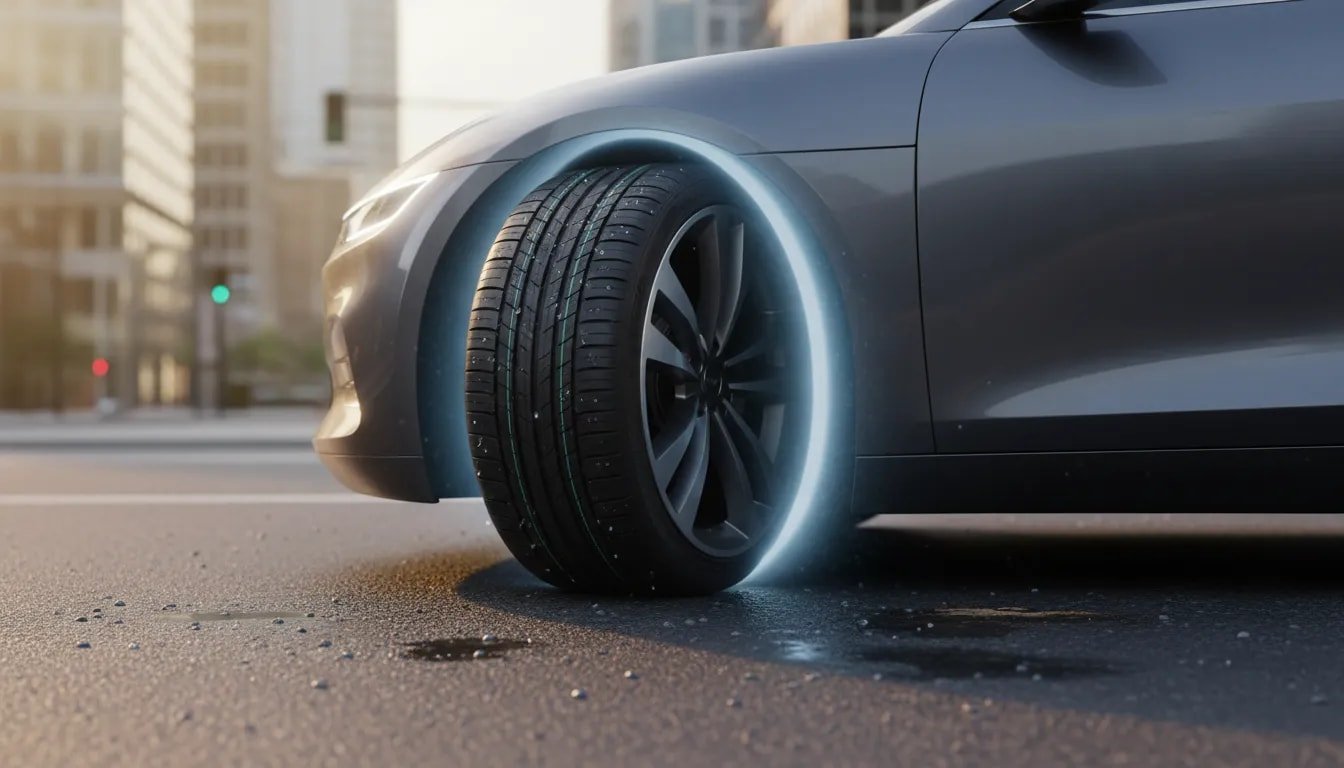
Electric vehicles feel different on the road. Instant torque, higher curb weight on many models, and the lack of engine noise can make tire choice especially important. The right tire can help support efficiency and range, reduce noticeable road noise, and provide predictable traction for your climate and driving style.
This guide covers the best EV tires in 2026, including what each tire is best at, who it suits, its main limitation, and what you should confirm before ordering.
🧠 What makes an EV tire different?
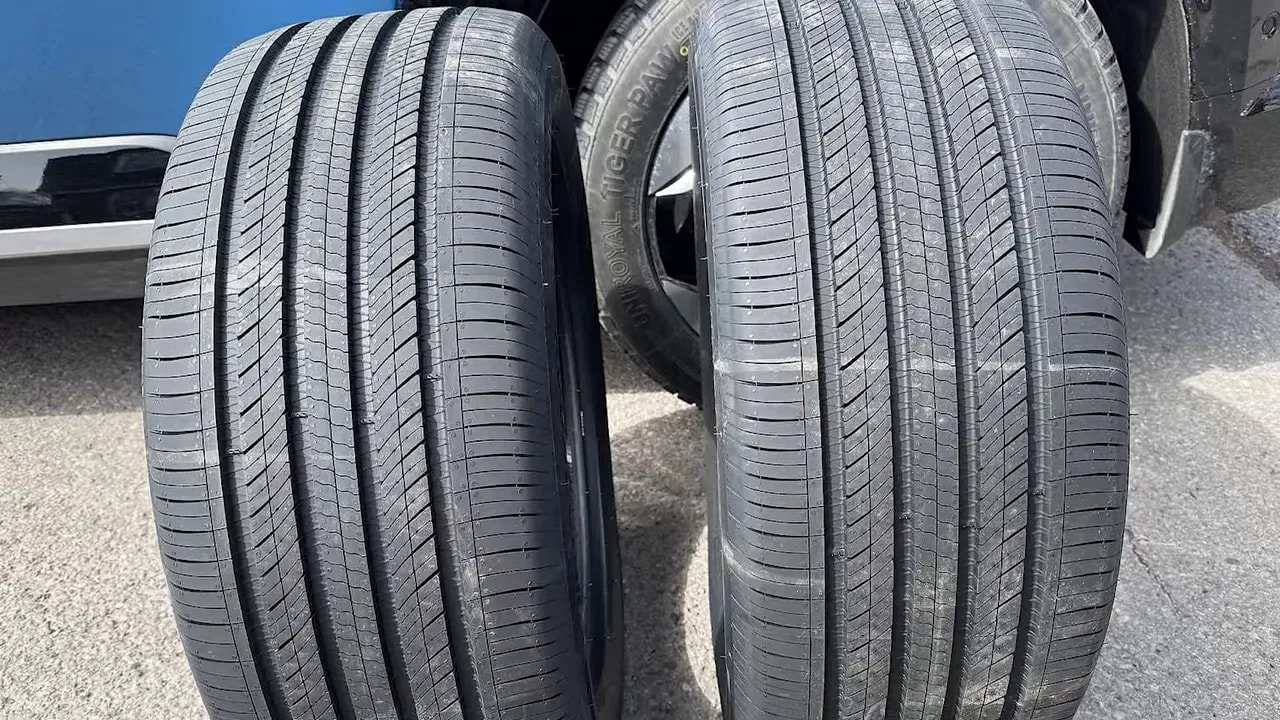
“EV tire” can mean a tire designed specifically for electric vehicles or a conventional tire that is approved or well suited for EV use. Important characteristics include:
- Lower rolling resistance to help reduce energy loss and support driving efficiency.
- Noise reduction because tire and road noise are easier to hear without a combustion engine.
- Grip and stability under instant torque during acceleration and regenerative braking.
- Load capability appropriate for the vehicle’s weight.
- Wear resistance suited to the combination of vehicle weight, torque, alignment, and driving style.
✅ How to choose the right tire for your electric car
Before comparing brands, narrow down your needs with this framework:
-
Match the complete tire specification
Use the size, load index, speed rating, and XL or load-range requirement listed on the vehicle placard or in the owner’s manual. A specification may look like 225/40R18 92Y XL. Do not choose a tire only because its diameter appears similar.
-
Pick the right climate category
- All-season: useful for year-round driving in climates with mild winters.
- All-weather or winter: better when snow, ice, and prolonged freezing conditions are common. Look for the 3PMSF symbol when severe-snow qualification matters.
- Summer: designed for warm conditions and performance. Do not use summer tires in snow or freezing temperatures.
-
Decide what matters most
- Efficiency and low road noise for commuting and range-conscious driving.
- Wet traction for rainy climates.
- Sportier handling for performance EVs.
- All-season versatility for everyday use.
-
Check the exact warranty
Treadwear coverage can vary by model, tire size, OE status, purchase date, and staggered fitment. Verify the manufacturer’s current warranty for the exact tire you plan to buy.
📊 Quick comparison of the best EV tires
| Tire | Best For | Season | Key Strength | Main Limitation | Shop |
|---|---|---|---|---|---|
| Bridgestone Turanza EV | Best overall | All-season | Quiet comfort and EV-focused efficiency | Not a dedicated severe-winter tire | Check Amazon |
| Michelin Primacy MXM4 | Premium all-season touring | All-season | Comfort, efficiency, and wet-road control | Not EV-specific in every size | Check Amazon |
| Michelin Pilot Sport EV | Performance EVs | Summer | Responsive handling and EV-specific performance | Not for freezing temperatures or snow | Check Amazon |
| Goodyear ElectricDrive 2 | Quiet all-season driving | All-season | SoundComfort technology and EV-focused design | Comfort-focused rather than performance-focused | Check Amazon |
| Hankook iON evo AS | Everyday all-season EV use | All-season | Quiet ride, efficiency, and everyday traction | Not intended as a severe-snow tire | Check Amazon |
| Continental EcoContact 6 | Warm-climate efficiency | Summer | Low rolling resistance and EV compatibility | Not suitable for winter conditions | Check Amazon |
[Products Worth Considering]

The Continental Grand Prix 5000 is an allround road bike tire engineered for faster rolling, improved ride comfort, and enhanced puncture protection. It features a Vectran Breaker cut-protection layer, Lazer Grip micro-profile tread for confident cornering control, and Active Comfort Technology to damp vibration for smoother rides. BlackChili compound optimizes grip and speed for everyday performance and long-lasting confidence.

ETENWOLF’s tire pressure gauge helps you quickly and accurately check tire PSI across cars, trucks, motorcycles, bikes, and more. It’s manually calibrated to ANSI B40.1 Grade A for reliable readings, includes a large glow dial for easy nighttime viewing, and features a 360-degree swivel chuck for use at any valve angle. The gauge also works consistently in extreme hot or cold weather.

Cristal Products Untouchable Tire Shine Spray delivers a deep, wet-look gloss that enhances your vehicle’s tires. It’s quick-drying and spreads smoothly for consistent, streak-free coverage, while forming a protective coating against UV rays, road grime, and weather. Suitable for all tire types, it helps restore dull, faded tires to a showroom-quality finish.
🛞 6 best tires for electric cars in 2026
These six options match EV-focused buyer needs, but the correct tire still depends on your exact vehicle, wheel size, load requirement, climate, and driving priorities. Always confirm fitment before ordering.
[Products Worth Considering]

This manual duck head tire changer kit makes tire installation and removal simpler by letting you embed the duck head into the tire with applied pressure. The integrated design and durable steel construction help reduce friction and improve efficiency and safety during use. Suitable for 16–21 inch wheels, it’s convenient for cars, trucks, SUVs, and ATV tires, with 24-hour after-sales support.
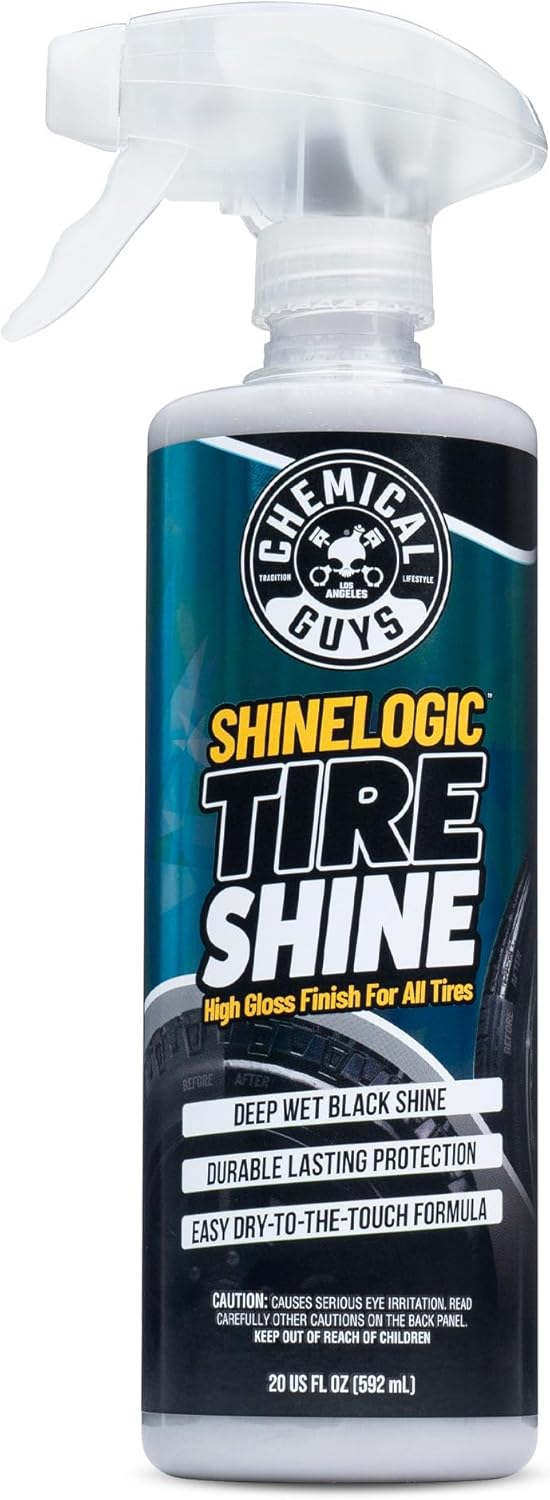
Chemical Guys ShineLogic Tire Shine delivers a deep wet black, high-shine finish for rubber tires with a sleek look. It’s designed for durable, one-step application with minimal drips, streaks, or runs, and it helps produce effortless, long-lasting shine. Choose aerosol or trigger spray for easy use on cars, trucks, motorcycles, RVs, and more.

The Kurgo Seasonal Tire Tote helps protect your car interior, clothes, and garage from tire grime, brake dust, and residue during seasonal tire changes. Its universal design fits most passenger tires between 22" and 31" in diameter, making storage and transport simpler with less mess. Built for rugged, repeated use, it’s machine washable for easy care and comes with a lifetime warranty.
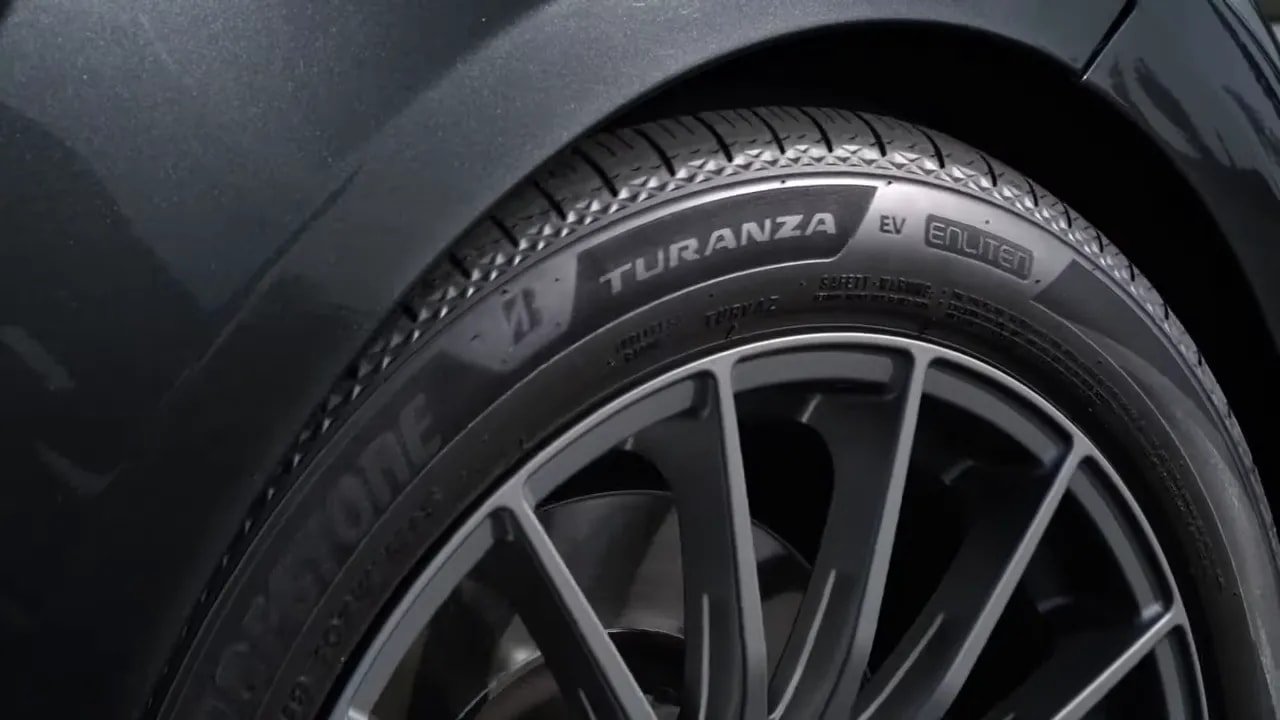
1) Bridgestone Turanza EV — best overall EV-focused comfort
What it’s best for: daily EV drivers who want a quiet, comfortable all-season tire with efficiency and wear in mind.
Why it stands out: Bridgestone designed the Turanza EV specifically around electric-vehicle demands. Its ENLITEN technology targets rolling-resistance efficiency, while PeakLife technology supports tread life and the tread design focuses on wet-road control and reduced noise.
Who should buy it: drivers who want a balanced EV replacement tire rather than an aggressive performance tire.
Tradeoffs: it is not a dedicated severe-winter tire. Drivers who regularly face significant snow or ice should consider an appropriate winter or 3PMSF-rated alternative.
Check Product Details on Amazon
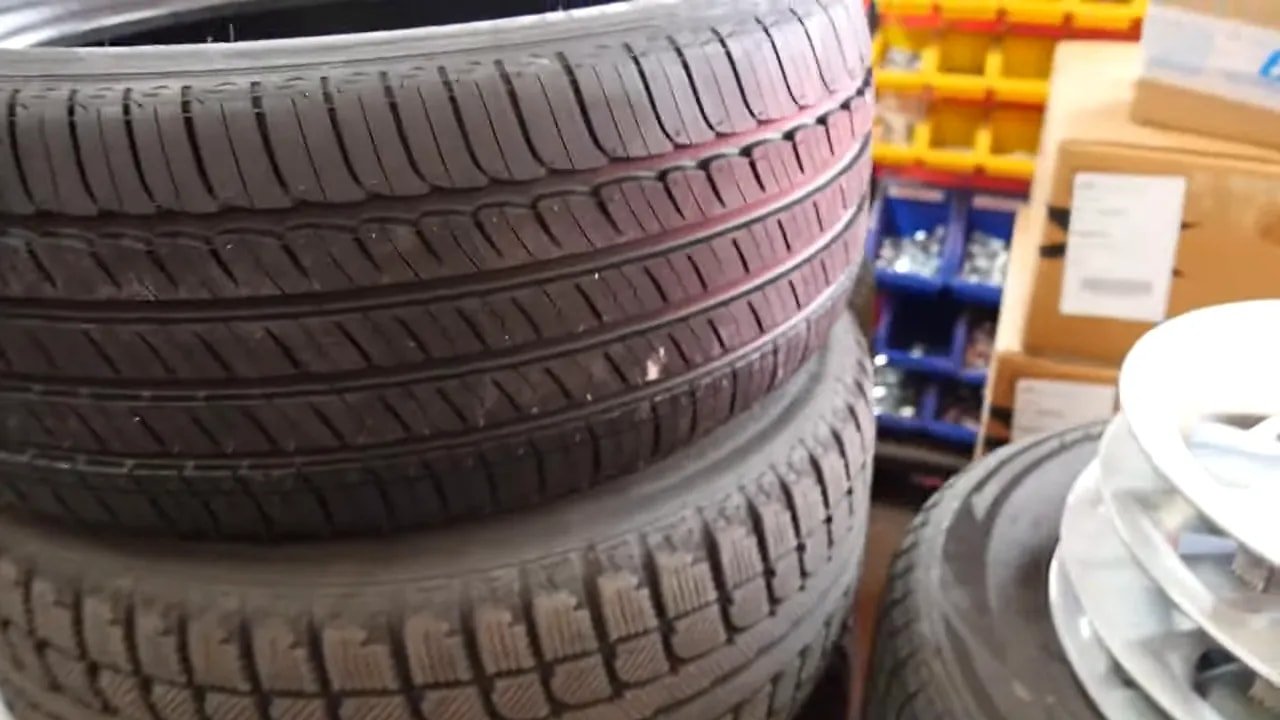
2) Michelin Primacy MXM4 — best premium all-season touring option
What it’s best for: smooth all-season touring, wet-road control, low rolling resistance, and EV applications where the exact MXM4 size is approved.
Why it stands out: the Primacy MXM4 is not exclusively an EV tire, but Michelin supports EV fitments and emphasizes efficiency, comfort, wet braking, and all-season longevity. Some configurations are also available with vehicle-specific OE markings and noise-focused technology.
Who should buy it: drivers who prioritize a refined touring feel and have confirmed that the exact MXM4 specification matches their EV.
Tradeoffs: do not assume every MXM4 size has the same EV, acoustic, OE, or warranty specification. Check the exact size and sidewall marking before buying.
Check Product Details on Amazon
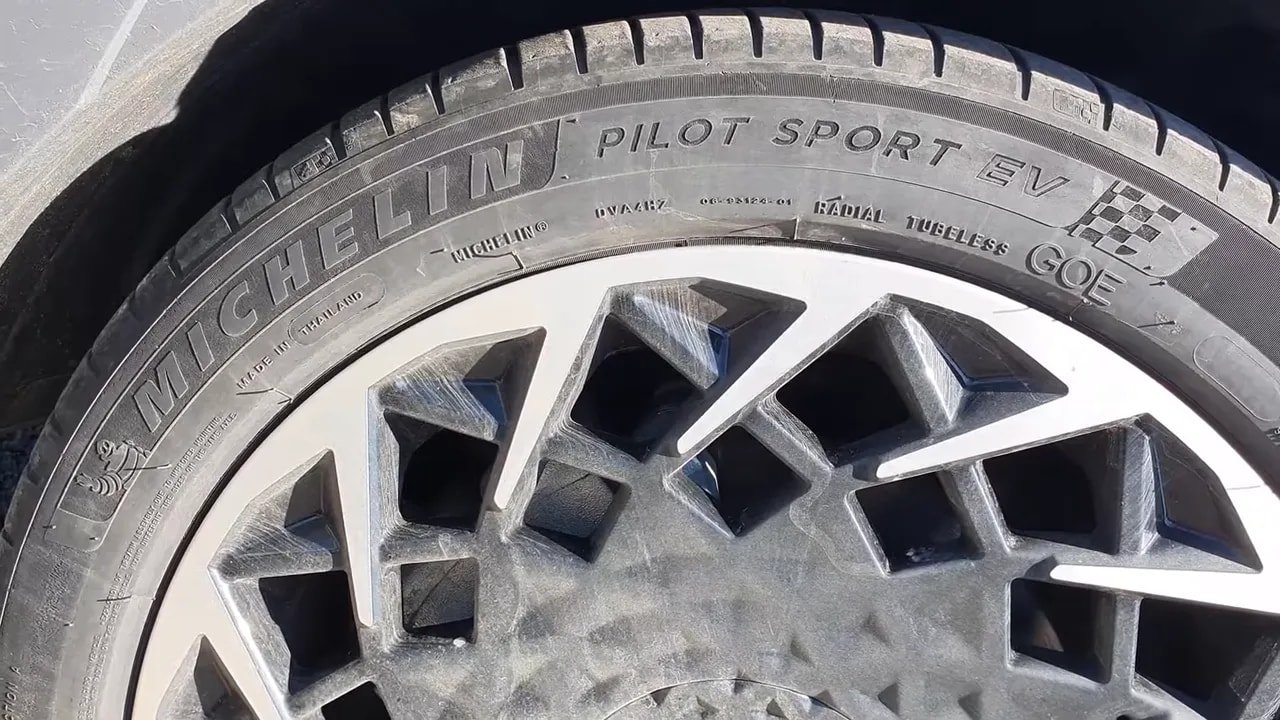
3) Michelin Pilot Sport EV — best for performance EVs
What it’s best for: performance-oriented electric cars driven in warm conditions where steering response, dry grip, and wet-road performance matter more than year-round versatility.
Why it stands out: Michelin developed the Pilot Sport EV specifically for high-performance electric vehicles, with construction and compounds intended to manage EV torque, cornering loads, rolling resistance, and cabin noise.
Who should buy it: drivers of performance EVs who want a dedicated summer tire and understand the seasonal limitation.
Tradeoffs: this is a summer tire. Do not use it in snow, ice, or freezing temperatures.
Check Product Details on Amazon
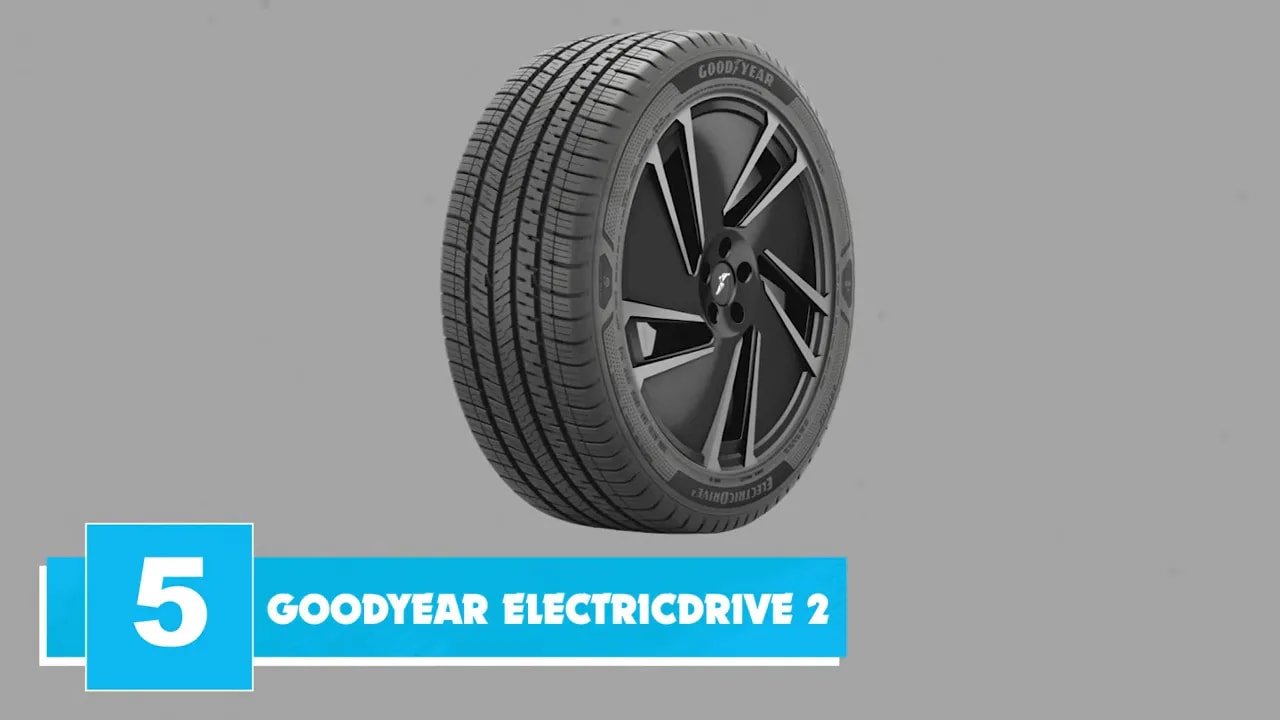
4) Goodyear ElectricDrive 2 — best for quiet all-season comfort
What it’s best for: EV owners who want all-season usability, a quieter cabin, and an efficiency-focused replacement tire.
Why it stands out: ElectricDrive 2 uses Goodyear SoundComfort Technology with a built-in sound barrier, an asymmetric tread for wet and dry handling, and construction designed around EV efficiency. Goodyear also uses a substantial share of materials it classifies as sustainable in the tire’s construction.
Who should buy it: commuters and everyday EV drivers who place comfort, quietness, and all-season usability above aggressive handling.
Tradeoffs: it is more comfort-focused than a dedicated performance tire, and severe-winter drivers should still choose a tire specifically suited to their snow and ice conditions.
Check Product Details on Amazon
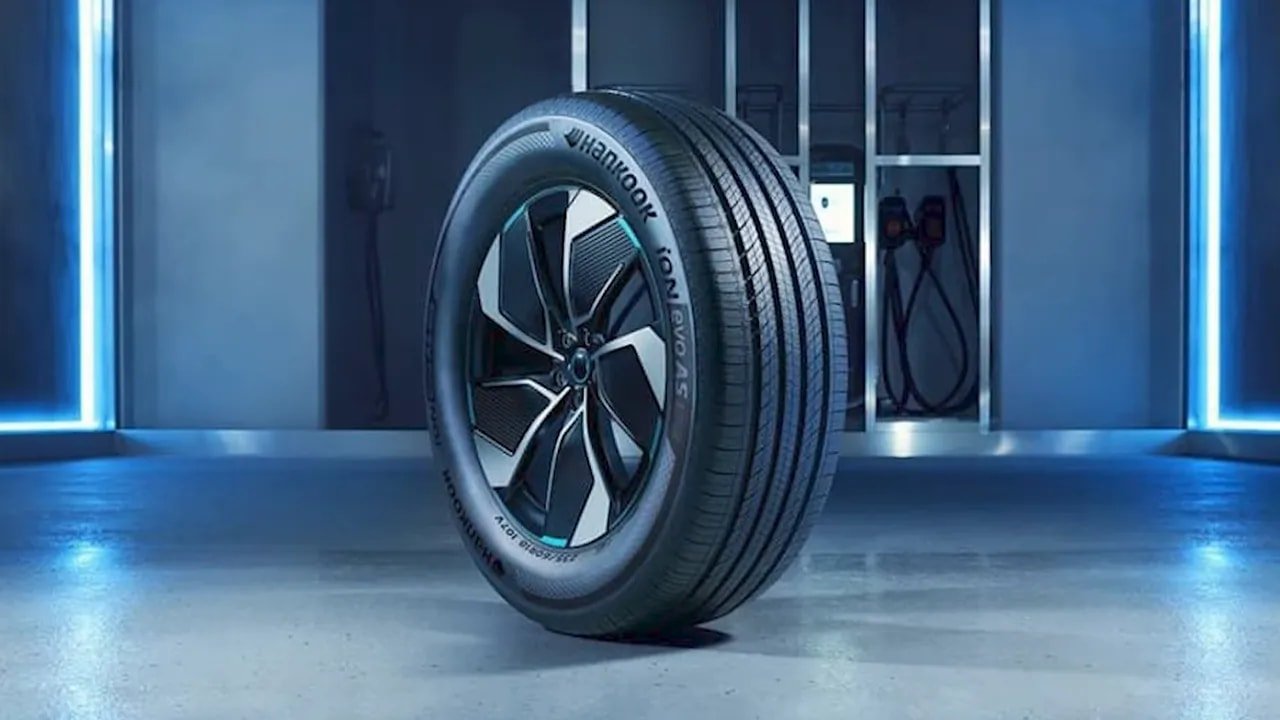
5) Hankook iON evo AS — best everyday all-season EV tire
What it’s best for: daily EV driving where low noise, efficiency, predictable all-season traction, and comfort are the priorities.
Why it stands out: Hankook’s iON range is designed specifically for EVs. The iON evo AS combines noise-absorbing technology, rolling-resistance optimization, wear-focused construction, and grip features intended for dry, wet, and mild winter conditions.
Who should buy it: EV owners who want a purpose-built all-season tire without moving into a summer performance category.
Tradeoffs: the manufacturer’s listed specifications identify it as M+S rather than 3PMSF. For regular severe snow or ice, choose a properly rated winter or all-weather tire.
Check Product Details on Amazon
6) Continental EcoContact 6 — best for warm-climate efficiency
What it’s best for: EV-compatible summer driving with an emphasis on low rolling resistance, mileage, and efficient road use.
Why it stands out: Continental identifies the EcoContact 6 as EV-compatible and uses an efficiency-focused compound and tread design intended to reduce rolling resistance while maintaining grip and handling.
Who should buy it: drivers in mild-to-warm climates who need the correct EcoContact 6 fitment and want an efficiency-oriented summer tire.
Tradeoffs: this is a summer tire, not an all-season or winter tire. Do not choose it for regular snow, ice, or freezing conditions.
Check Product Details on Amazon
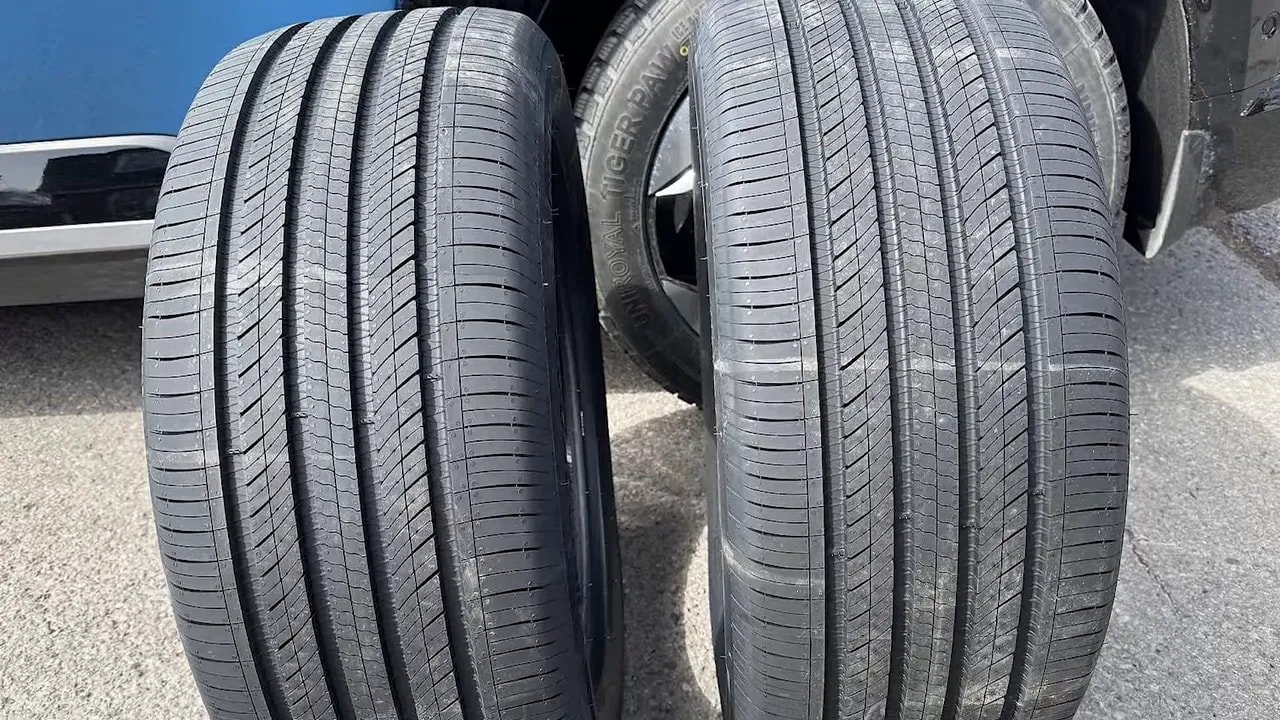
🔍 EV tire features to look for
- Correct size and load index: the tire must meet the vehicle manufacturer’s requirements, including XL or other load specifications when required.
- Low rolling resistance: helpful for reducing energy losses and supporting efficiency.
- Noise-control technology: foam layers, acoustic liners, and optimized tread patterns can reduce noticeable tire noise.
- Wet traction: compare tread design and wet-performance information rather than relying only on an “all-season” label.
- Correct seasonal category: all-season, all-weather/winter, and summer tires serve different temperature and snow conditions.
- Speed rating: meet or exceed the vehicle manufacturer’s required specification.
- Warranty terms: check the exact size because mileage coverage can vary.
[Products Worth Considering]

This metal-free wheel and tire cleaning brush uses dense, fluffy synthetic wool to safely clean rims, spokes, fenders, and engine areas without worrying about damaging surfaces. Its flexible, comfortable design helps you reach detailed areas while maintaining durability, and the extra absorbent fibers work well with wheel spray cleaners for faster cleanup. Reusable and washable performance helps prevent grime and build-up for cleaner vehicles and easier maintenance at home.
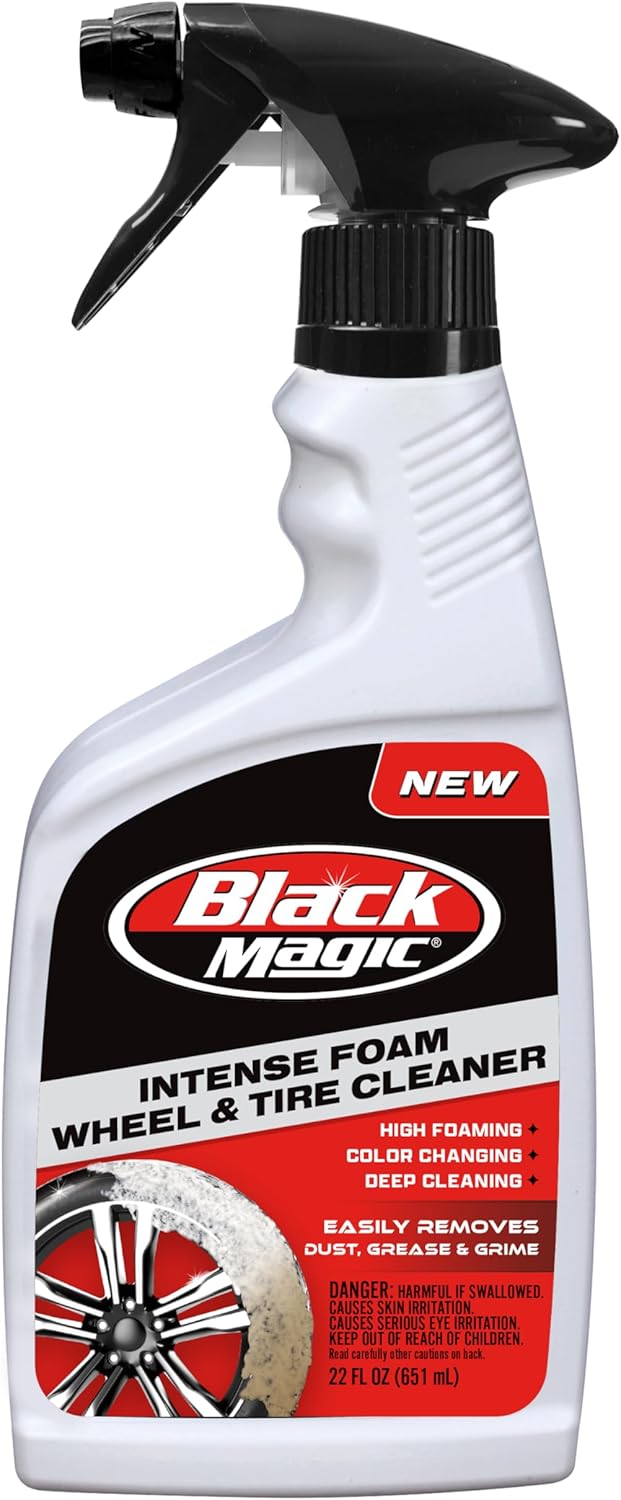
Black Magic Intense Foam Wheel & Tire Cleaner uses a high-foaming action to lift away dirt, grime, and brake dust without scrubbing. The color-changing formula helps show contaminants being dissolved as foam turns from white to brown. Safe for all wheel types and even wheel wells, it leaves a like-new, slick finish with a fresh cherry scent.

TIRESHIELD PRO RV tire covers in a set of four deliver year-round protection against UV rays, cracking, fading, water, and snow. The StormLock-System helps keep the covers securely fastened through high wind, while heavy-duty, double-stitched construction supports long-lasting performance. Designed for universal fit, they’re intended for RV, camper, truck, car, and trailer tires within the 26–28.75 inch diameter range, with easy wipe-clean care and storage in the included bag.
⚠️ Common mistakes when buying tires for an EV
- Ignoring load and speed ratings: matching only the basic tire size is not enough.
- Choosing summer tires for cold winters: summer compounds are not designed for snow, ice, or freezing temperatures.
- Buying for range alone: efficiency matters, but wet grip, braking, ride quality, noise, and climate suitability matter too.
- Assuming “all-season” means severe-snow capable: check whether you need a 3PMSF-rated all-weather or winter tire.
- Ignoring staggered fitment: some EVs use different front and rear tire sizes, which can affect rotation options and warranties.
- Skipping alignment and rotations: torque, vehicle weight, suspension setup, and alignment can contribute to uneven wear.
- Using the sidewall maximum as your normal tire pressure: use the vehicle manufacturer’s specified cold pressure instead.
🗺️ Quick decision guide: which one fits your driving?
- Best overall all-around EV tire: Bridgestone Turanza EV
- Premium all-season touring: Michelin Primacy MXM4
- Performance EV in warm weather: Michelin Pilot Sport EV
- Quiet all-season comfort: Goodyear ElectricDrive 2
- Everyday EV-specific all-season use: Hankook iON evo AS
- Warm-climate efficiency-focused summer driving: Continental EcoContact 6
🧰 Buying tips before you hit “order”
Use this checklist to reduce incorrect fitment and unnecessary returns:
- Confirm the complete tire size on the driver’s door placard or in the owner’s manual.
- Match the load index and speed rating required for your vehicle.
- Check whether XL or another load specification is required.
- Confirm the climate category before choosing all-season, winter/all-weather, or summer tires.
- Check front and rear sizes separately if your EV has staggered fitment.
- Verify OE markings if you want to replace the original tire with the same manufacturer-approved specification.
- Review the exact treadwear warranty for the size you are purchasing.
- Plan for professional installation and balancing.
- Check alignment if your current tires show uneven or unusually fast wear.
📌 FAQ about EV tires in 2026
Do EV tires improve range?
They can. Lower rolling resistance can reduce energy loss as the tire rolls, which may support efficiency. The actual effect depends on the vehicle, tire size, tire pressure, temperature, road conditions, speed, and driving style.
Are EV tires better than regular touring tires?
Not automatically. A purpose-built EV tire may offer features such as extra load capability, low rolling resistance, noise reduction, or construction tuned for EV torque. A conventional tire can also work well if its exact size, load index, speed rating, climate capability, and vehicle compatibility are correct.
Can I use an all-season EV tire in light snow?
Some all-season tires provide limited light-snow capability, but ordinary all-season or M+S labeling should not be confused with severe-snow qualification. If you regularly drive in significant snow, ice, or sustained freezing temperatures, consider an appropriate 3PMSF-rated all-weather or dedicated winter tire.
What tire pressure should I run on an electric car?
Use the vehicle manufacturer’s recommended cold tire pressure shown on the door placard or in the owner’s manual. Do not use the maximum pressure printed on the tire sidewall as your routine inflation target unless the vehicle manufacturer specifically calls for it.
How often should EV tires be rotated?
Follow the schedule in your vehicle owner’s manual or tire manufacturer’s instructions. Rotation may not be possible in the normal pattern on staggered setups where the front and rear tire sizes differ. Inspect tread regularly and address uneven wear early.
Should I replace all four EV tires at once?
Replacing tires as a matched set generally provides the most consistent grip and handling. However, requirements vary by vehicle. AWD systems in particular may have limits on acceptable tread-depth differences, so follow your vehicle manufacturer’s guidance before replacing fewer than four tires.
What is the best EV tire for quiet driving?
Look for tires with dedicated noise-control technology rather than relying on brand name alone. The Bridgestone Turanza EV, Goodyear ElectricDrive 2, Hankook iON evo AS, and certain Michelin configurations use technology intended to reduce tire or cavity noise. Noise performance can still vary by tire size, pavement, vehicle, and inflation pressure.
Do EVs always need special EV-branded tires?
No. What matters most is that the tire meets your vehicle’s size, load, speed, climate, and manufacturer requirements. An EV-specific tire can provide useful efficiency, noise, wear, or load-related features, but a correctly specified EV-compatible conventional tire can also be appropriate.
🎯 Bottom line: the best EV tire depends on climate and driving style
If you want one balanced EV-focused all-season option, Bridgestone Turanza EV is a strong starting point for comfort, efficiency, noise control, and everyday road use.
For an EV-compatible premium touring tire, consider the Michelin Primacy MXM4. For warm-weather performance, the Michelin Pilot Sport EV is the specialist choice. Drivers prioritizing quiet all-season comfort can compare the Goodyear ElectricDrive 2 and Hankook iON evo AS, while the Continental EcoContact 6 is better suited to efficiency-focused summer use.
Whichever tire you choose, confirm the exact size, load index, speed rating, seasonal category, and front/rear fitment before ordering. The best EV tire is the one that meets your vehicle’s requirements while matching the roads and weather you actually drive in.

1 thought on “Best Tires for Electric Cars (2026): 6 Picks for Range, Quiet, and Grip”