
Tire Tread Pattern Types: Directional, Asymmetric & More
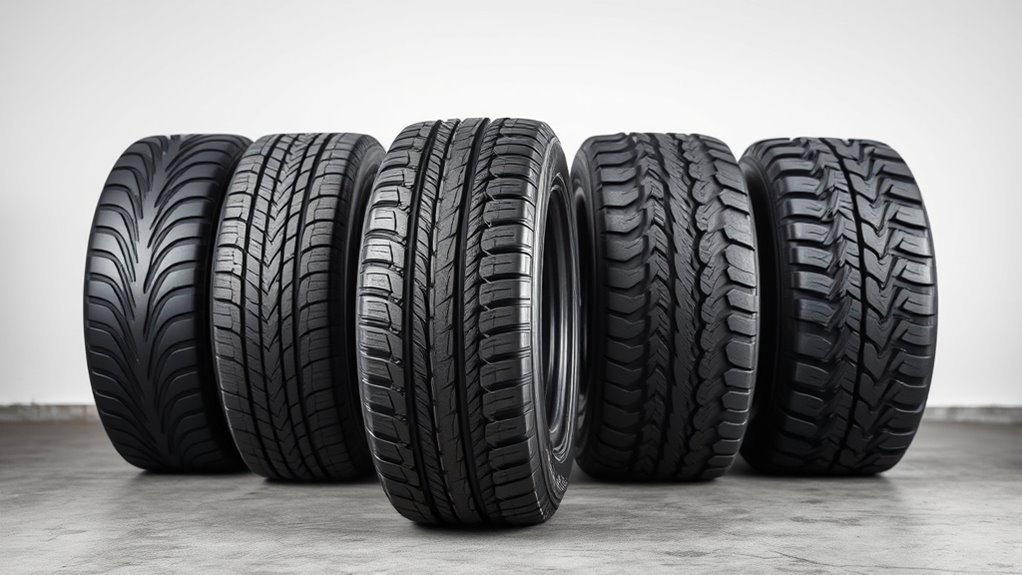
Pick the tire tread pattern that matches the roads, weather, and driving you do most. Symmetrical tread patterns are usually best for everyday comfort, value, and easy rotation. Asymmetrical tread patterns balance wet grip with dry cornering. Directional tread patterns are often chosen for heavy rain or snow because their grooves are designed to move water or slush away from the contact patch. Always confirm the tire size, load index, speed rating, and mounting direction on the sidewall and in your vehicle owner’s manual before buying or replacing tires.
Quick Answer
The three main tire tread patterns are symmetrical, asymmetrical, and directional. Choose symmetrical for simple daily driving and even wear, asymmetrical for balanced wet/dry grip, and directional for strong wet-weather water evacuation. Check the sidewall markings before mounting, and avoid mixing incompatible tires on the same axle.
Key Takeaways
- Symmetrical tread patterns are usually the simplest and most cost-effective choice for commuting and normal road conditions.
- Asymmetrical tires use different inner and outer tread zones, so they must be mounted with the correct “inside” and “outside” sidewalls facing the right way.
- Directional tires must follow the sidewall rotation arrow and are normally rotated front-to-back on the same side of the vehicle.
- When replacing only two tires, the new pair usually belongs on the rear axle, but AWD/4WD vehicles may require all four tires to match closely.
- Replace tires at 2/32 inch tread depth at the latest, and consider earlier replacement for frequent rain, snow, or long highway trips.
At a Glance
| Time Required | 10–15 minutes to inspect tread pattern, sidewall markings, and tread depth |
| Difficulty | Easy for inspection; professional service required for mounting and balancing |
| Tools Needed | Tread-depth gauge or penny, tire placard, owner’s manual, flashlight |
| Cost | Inspection is usually free; tire replacement and alignment costs vary by tire size and vehicle |
Why Tire Tread Patterns Matter for Safety and Performance
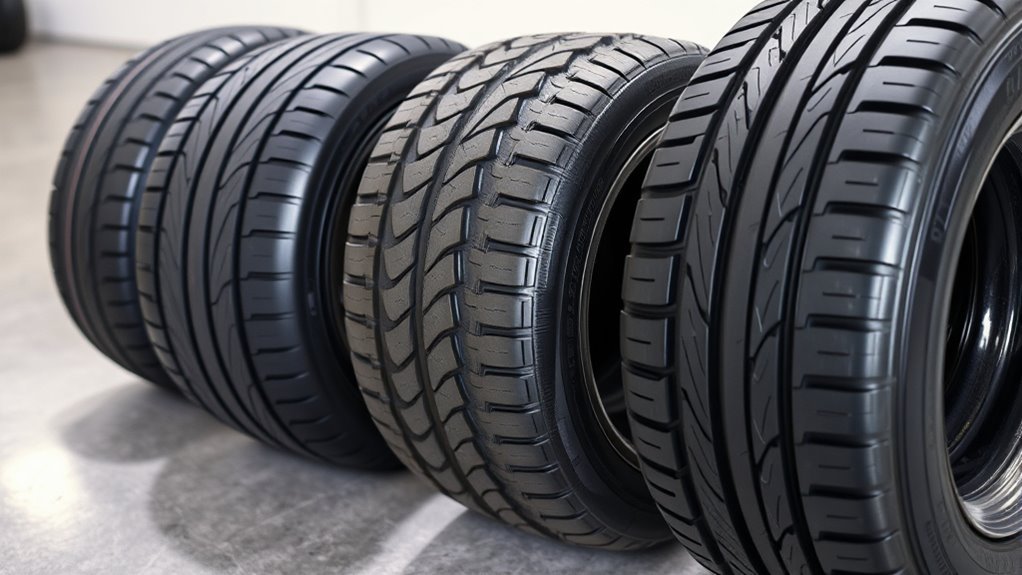
The tread is the part of the tire that touches the road, and its pattern affects how the tire handles water, cornering forces, braking, road noise, and wear. Bridgestone explains that tire tread patterns can affect handling and traction, and that the three common types shoppers encounter are symmetric, asymmetric, and directional tread patterns.
A good tire choice is not just about the tread shape. You also need the correct size, load index, speed rating, construction type, inflation pressure, and vehicle fitment. Your vehicle tire placard and owner’s manual should always come before a generic tire recommendation.
Warning: Tire mounting, demounting, balancing, and repairs should be handled by a qualified tire professional. Incorrect mounting can reduce wet traction, affect stability, damage the tire, or create a safety hazard.
Quick Comparison: Symmetrical vs. Asymmetrical vs. Directional Tread
| Tread Pattern | Best For | Main Strength | Main Limit | Rotation Note |
|---|---|---|---|---|
| Symmetrical | Commuting, highway driving, normal weather | Even wear, comfort, simple maintenance | Usually less specialized for extreme wet, snow, or performance use | Often allows more rotation patterns |
| Asymmetrical | Mixed wet/dry driving and sharper handling | Different inner and outer zones tune water evacuation and cornering grip | Must be mounted with the correct side facing out | Follow tire maker and vehicle instructions |
| Directional | Rain-prone roads, slush, some winter/performance tires | Strong water or slush evacuation when rolling the correct direction | Cannot be rotated side-to-side unless dismounted and remounted correctly | Usually front-to-back on the same side |
Symmetrical Tread: Benefits, Limits, and Ideal Users
Symmetrical tread patterns use the same design across the inner and outer tread face. The tread blocks or ribs are arranged in a repeating, balanced pattern. That simple layout is why many touring, economy, and everyday passenger tires use a symmetrical design.
| Attribute | Benefit | Ideal User |
|---|---|---|
| Uniform pattern | Predictable wear and handling | Daily commuter |
| Simple rotation options | Easier maintenance when the vehicle allows it | Low-maintenance driver |
| Comfort-focused design | Often quiet and smooth on normal roads | Highway and city driver |
| Less specialized tread layout | May not be the best choice for severe rain, snow, or aggressive cornering | Not ideal for extreme climates or performance use |
Choose symmetrical tread when you want a straightforward tire for normal driving, predictable wear, and simple maintenance. Do not assume every symmetrical tire is fuel-efficient or quiet, though. Fuel economy and noise depend on the full tire design, including rubber compound, casing construction, tread depth, inflation pressure, and vehicle alignment.
Asymmetrical Tread: How Inner and Outer Zones Improve Grip
Asymmetrical tires split the tread into different functional zones. The inner side commonly uses grooves and channels that help manage water, while the outer side often uses larger, stiffer tread blocks to support cornering and dry-road stability.
This layout gives tire engineers more freedom to tune wet traction, dry grip, and road feel in the same tire. It is common on many performance, touring, and premium all-season tires.
Note: An asymmetrical tire is not automatically directional. Some tires are asymmetrical only, some are directional only, and some are both. The sidewall markings tell you how the tire must be mounted.
Look for “inside” and “outside” markings on the sidewall. If the tire is mounted backward, the tread zones cannot work as designed. That may reduce wet-weather performance, increase noise, or change handling feel.
Directional Tread: Wet-Weather Benefits and Mounting Rules
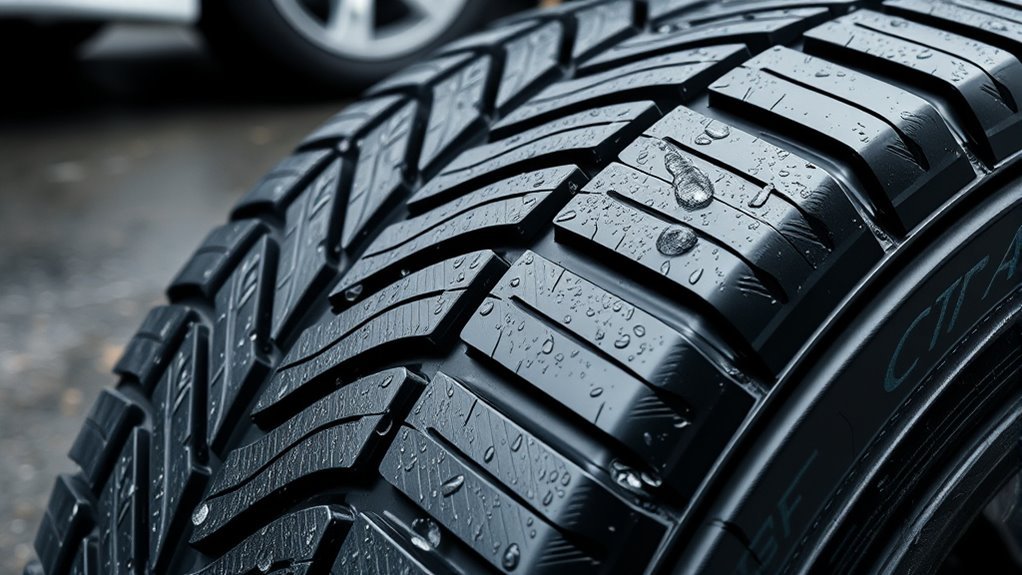
Directional tires are designed to roll in one direction. Many use a V-shaped, chevron, or swept-groove layout to help move water or slush away from the center of the contact patch. That can improve wet-road confidence when the tire is mounted correctly.
The key rule is simple: follow the sidewall rotation arrow. Michelin notes that directional tires are designed to rotate in only one direction and should stay on the same side of the vehicle during front-to-rear rotation, unless a tire professional dismounts and remounts them correctly on the wheel. See Michelin’s tire rotation guide for rotation-pattern guidance.
Wet Traction Advantages
Directional tread can be a strong choice for wet climates because the grooves are arranged to move water away as the tire rolls forward. This helps the rubber stay in contact with the road surface instead of riding on a layer of water.
- Improves water evacuation when mounted in the correct direction
- Supports stable straight-line wet handling
- Can reduce hydroplaning risk compared with a less water-focused tread design
- Works especially well on some rain-focused, winter, and performance tires
- Requires correct mounting to deliver the intended benefit
Hydroplaning Reduction Design
Hydroplaning happens when a tire cannot move water away fast enough and loses contact with the road. Directional grooves are designed to push water outward as the tire rotates. The benefit depends on tread depth, tire pressure, speed, water depth, road surface, and tire condition.
Even the best wet-weather tread cannot overcome unsafe speed in heavy rain. Slow down, avoid standing water, and replace tires before the tread becomes too shallow to clear water effectively.
Correct Mounting Direction
A directional tire mounted backward may still roll, but it will not move water the way the designer intended. Check the sidewall for a rotation arrow before installation and after service.
- Check the sidewall arrow before mounting.
- Use front-to-back rotation on the same side unless the tire is professionally dismounted and remounted.
- Record tire position during service.
- Inspect tread wear after rotation.
- Return to the installer if a directional tire appears to be mounted backward.
How to Identify Your Tread Pattern Before You Buy or Rotate
Do not rely only on a quick glance at the tread. The tread shape gives clues, but the sidewall markings give the instructions.
- Look for a rotation arrow. If you see “rotation” with an arrow, the tire is directional and must roll that way when the vehicle moves forward.
- Look for “inside” and “outside.” These markings indicate an asymmetrical tire that must be mounted with the correct face outward.
- Check the tire size and service description. The size, load index, and speed rating must match the vehicle requirements.
- Compare all four tires. Watch for mismatched sizes, tread types, speed ratings, load indexes, and uneven tread depths.
- Use the tire placard. The placard, usually on the driver’s door jamb, lists the original tire size and inflation pressure.
Pro Tip: Take a photo of each tire’s sidewall before ordering replacements online. Compare the size, load index, speed rating, and any rotation or inside/outside markings before checkout.
Tread Pattern vs. Tire Category: Don’t Confuse the Two
“Symmetrical,” “asymmetrical,” and “directional” describe tread layout. They do not tell you everything about the tire’s season, rubber compound, or performance category.
- All-season tires may use symmetrical, asymmetrical, or directional patterns.
- Winter tires often use directional or highly siped tread blocks, but not always.
- Summer performance tires often use asymmetrical tread for dry grip and steering response.
- All-terrain tires may use aggressive block patterns designed for mixed pavement and off-road use.
- EV tires may prioritize load capacity, low rolling resistance, noise control, and wear resistance, regardless of tread pattern.
Always choose the full tire specification, not just the tread shape. A directional all-season tire and a directional winter tire may look somewhat similar, but they are built for very different temperature ranges and road conditions.
Choosing a Tread Pattern for Your Vehicle and Driving Style
Match the tire to your most common driving conditions first. Then confirm that it fits your vehicle’s required size, load index, speed rating, and inflation pressure.
Driving Conditions Consideration
- Mostly city and highway driving: Symmetrical tread is often a good value-focused choice.
- Mixed wet and dry conditions: Asymmetrical tread can balance wet grip, dry cornering, and comfort.
- Heavy rain or slush: Directional tread may be useful because of its water-channeling layout.
- Snow and ice: Choose a dedicated winter tire when conditions require it; tread pattern alone is not enough.
- Performance driving: Asymmetrical or directional performance tires may offer sharper handling, depending on the tire model.
Performance Versus Longevity
High-grip tires can improve steering response and wet or dry traction, but they may wear faster than comfort-focused touring tires. Long-life tires may give more miles, but they may not feel as sharp in hard cornering or heavy rain.
Choose the tire that fits your real driving, not the most aggressive tread pattern you can find. For most drivers, safe wet braking, predictable handling, and even wear matter more than maximum cornering grip.
Mixing Tread Patterns on Passenger Cars: Risks and Safe Replacement Rules
Mixing different tread patterns, sizes, constructions, or speed ratings can make a vehicle less predictable. It can affect braking, steering response, traction control, ABS behavior, and stability in rain or snow.
The Tire Industry Association says replacing all four tires at the same time is best practice. When only two tires are replaced, the new pair should be installed on the rear axle to help reduce the chance of losing control in wet or slippery conditions.
- Replace all four tires when possible.
- If replacing two, install the new pair on the rear axle unless your vehicle manufacturer specifies otherwise.
- Keep matching tires on the same axle.
- Never install a tire with a lower load index than the vehicle requires.
- Do not mix tire sizes, construction types, or tread categories unless the owner’s manual allows it.
- Be especially careful with AWD and 4WD vehicles, which may require closely matched tire diameters and tread depths.
Warning: Do not install only two winter tires on the front axle. If winter tires are used, the safest practice is to install them on all four wheel positions so the vehicle keeps balanced traction.
Tire Tread Maintenance: Rotation, Alignment, and Tread-Depth Checks
Good tread design cannot make up for poor maintenance. Check pressure, tread depth, visible damage, and wear patterns regularly. NHTSA’s TireWise resources cover tire buying, maintenance, safety ratings, labeling, and recalls.
As a general rule, many tire makers recommend rotation around every 5,000 to 8,000 miles, but you should follow the vehicle owner’s manual and tire warranty requirements. Michelin recommends regular rotation to promote even wear and notes that correct rotation helps maintain handling, braking, and tire life.
How to Check Tread Depth
- Use a tread-depth gauge. Measure in several grooves and at several points around each tire.
- Check the most worn area. A tire is only as safe as its shallowest tread area.
- Watch the wear bars. Built-in wear bars become flush with the tread when the tire is worn out.
- Use the penny test as a quick backup. If you can see all of Lincoln’s head, the tread is near or below 2/32 inch.
- Replace sooner for wet or winter driving. Waiting until the legal minimum may leave too little tread for heavy rain or snow.
Bridgestone states that U.S. legal safety standards require at least 2/32 inch of tread depth and recommends replacement when a tire is at or approaching that point. See Bridgestone’s tire replacement guidance for tread-depth and age recommendations.
What Wear Patterns Can Tell You
- Both edges worn: Possible underinflation or overloading.
- Center worn: Possible overinflation.
- One edge worn: Possible alignment or suspension issue.
- Cupping or scalloping: Possible worn suspension parts, imbalance, or rotation neglect.
- Feathering: Possible toe alignment problem.
If you see unusual wear, vibration, bulges, exposed cords, cracks, or repeated pressure loss, have the tire inspected by a professional before driving at highway speed.
How to Read Sidewall Codes and Match Replacement Tires
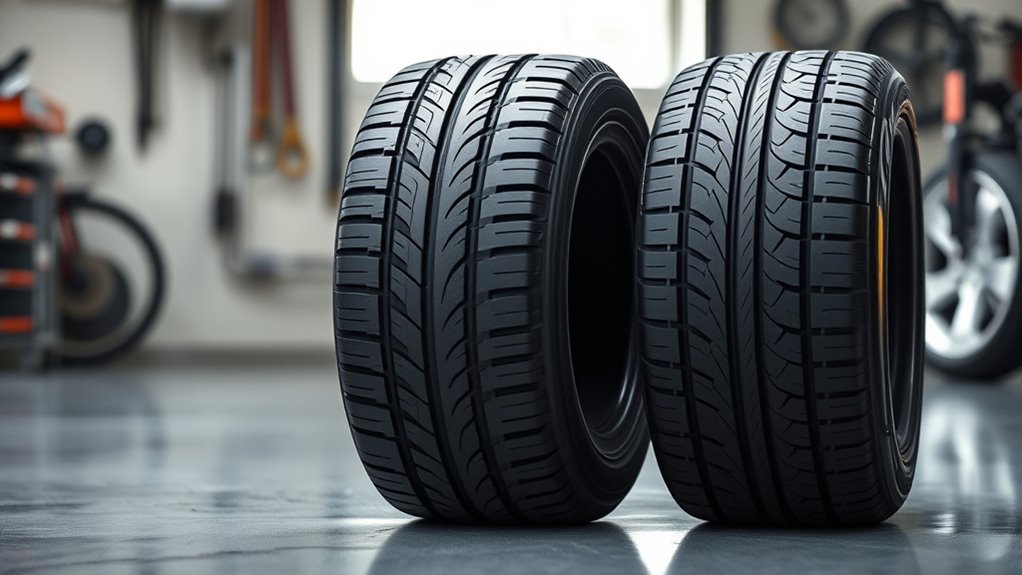
The sidewall tells you the tire’s key specifications. Continental explains that sidewall markings include tire size, construction, load index, speed rating, and manufacturing date information. See Continental’s tire markings guide for a detailed breakdown.
Example: P215/65R15 95H
- P: Passenger tire type.
- 215: Tire width in millimeters.
- 65: Aspect ratio, meaning sidewall height is 65% of tire width.
- R: Radial construction.
- 15: Wheel rim diameter in inches.
- 95: Load index, which maps to maximum load capacity when properly inflated.
- H: Speed rating, which indicates the tire’s rated speed capability under proper load and conditions.
Match replacement tires by size, load index, speed rating, construction, and vehicle manufacturer requirements—not by tread appearance alone.
How to Read the DOT Date Code
The DOT date code shows when the tire was manufactured. The last four digits usually indicate the week and year. For example, 2119 means the tire was made in the 21st week of 2019.
Tire age matters because rubber changes over time, even if the tread looks deep. Bridgestone recommends professional inspection after five years and replacing tires manufactured 10 years prior or longer, including the spare.
What to Do If Your Tires Are Mounted Wrong or Wearing Unevenly
If a directional tire is mounted backward, contact the installer and have it corrected. Do not simply swap it to the other side unless that keeps the rotation arrow correct. A tire professional may need to dismount, remount, and rebalance it.
If an asymmetrical tire has the “inside” marking facing outward, it is mounted incorrectly and should be corrected by a professional. If you notice vibration, pulling, feathering, cupping, or rapid edge wear, schedule an inspection for alignment, balance, inflation, and suspension condition.
Frequently Asked Questions
What is the difference between directional and asymmetrical tires?
Directional tires are designed to roll in one direction and usually have a rotation arrow on the sidewall. Asymmetrical tires have different inner and outer tread zones and usually have “inside” and “outside” sidewall markings. Some tires can be both directional and asymmetrical, so always read the sidewall.
What are the different types of tire tread patterns?
The three common tire tread patterns are symmetrical, asymmetrical, and directional. Symmetrical tread is balanced and simple, asymmetrical tread uses separate inner and outer zones, and directional tread is designed to roll in one direction for water or slush evacuation.
Can you mix directional and asymmetric tyres?
You should avoid mixing directional and asymmetric tyres on the same axle unless the tire maker and vehicle manufacturer specifically allow it. Mismatched tread patterns can affect steering, braking, traction control, and wet-weather stability.
Are directional tires better in rain?
Directional tires can be excellent in rain because their grooves are designed to move water away as the tire rolls. However, wet traction also depends on tread depth, rubber compound, tire pressure, speed, and road conditions.
How often should I rotate tires with directional tread?
Follow your owner’s manual and tire warranty schedule. Many tires are rotated around every 5,000 to 8,000 miles. Directional tires usually stay on the same side of the vehicle and move front-to-back only.
Conclusion
Tire tread pattern matters, but it is only one part of safe tire selection. Choose symmetrical tread for simple daily driving, asymmetrical tread for balanced wet and dry handling, and directional tread for strong water or slush evacuation. Then verify the sidewall markings, vehicle placard, owner’s manual, tread depth, tire age, and replacement rules before driving away.
For the safest result, keep matching tires on each axle, place new pairs on the rear unless your vehicle maker says otherwise, rotate on schedule, check tread depth regularly, and have unusual wear or vibration inspected promptly.
Sources
- NHTSA TireWise — tire safety ratings, tire maintenance, labeling, and recalls
- Bridgestone Tire Tread Patterns — symmetrical, asymmetrical, and directional tread pattern overview
- Michelin Tire Rotation Guide — rotation intervals and directional tire rotation guidance
- Tire Industry Association Tire Replacement — tire replacement best practices and rear-axle placement for new pairs
- Continental Tire Markings — sidewall size, load index, speed rating, and DOT date information
- Bridgestone Tire Replacement Guidance — tread-depth checks, 2/32-inch minimum, and tire-age recommendations

Related Articles

What Is a Fat Tire? Complete Guide & Best Options
I’ll show you what makes fat tires different, which setups work best, and why the right choice could change your ride.
Read More
What Does W Mean on a Tire? Load, Speed & Rating Guide
Huh, what does W on a tire really mean, and why could choosing the wrong rating affect your safety and performance?
Read More
What Does Tire Flipping Work? Muscles, Benefits & Workout Guide
Strong tire flips hammer your entire body, but which muscles and benefits matter most?
Read More