
Toyota Hilux Tire Wearing Unevenly: Causes and Fixes
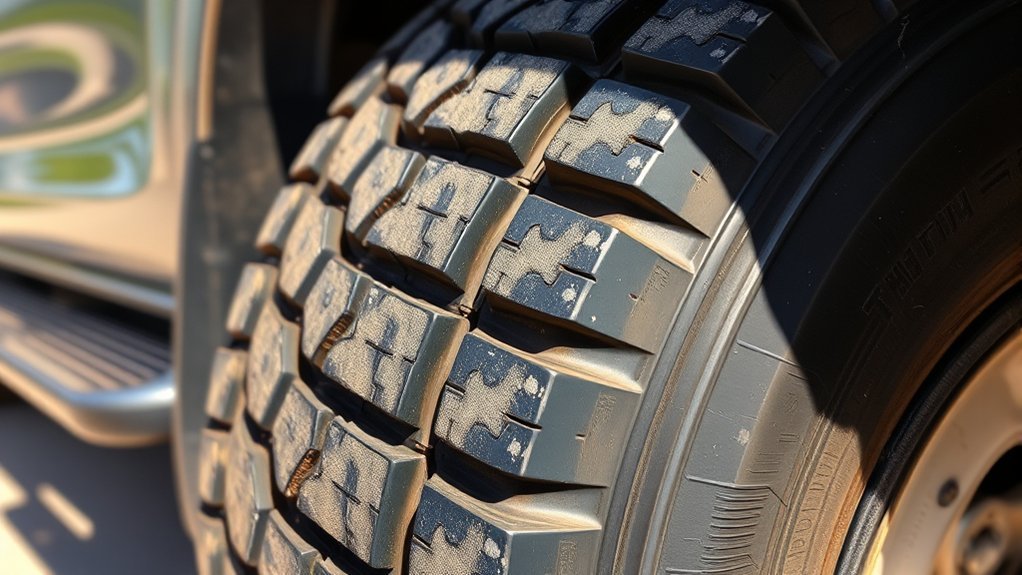
If your Toyota Hilux is wearing tires unevenly, it could be due to misalignment, incorrect tire pressure, or worn suspension components. Misalignment often leads to excessive edge wear, while improper tire pressure can cause uneven contact with the road. Regular tire rotations and checks can prevent these issues. Keeping an eye on your suspension helps maintain stability. By staying proactive, you can enhance safety and extend tire life. Discover more tips to keep your tires in top shape!
Why Is My Toyota Hilux Experiencing Uneven Tire Wear?
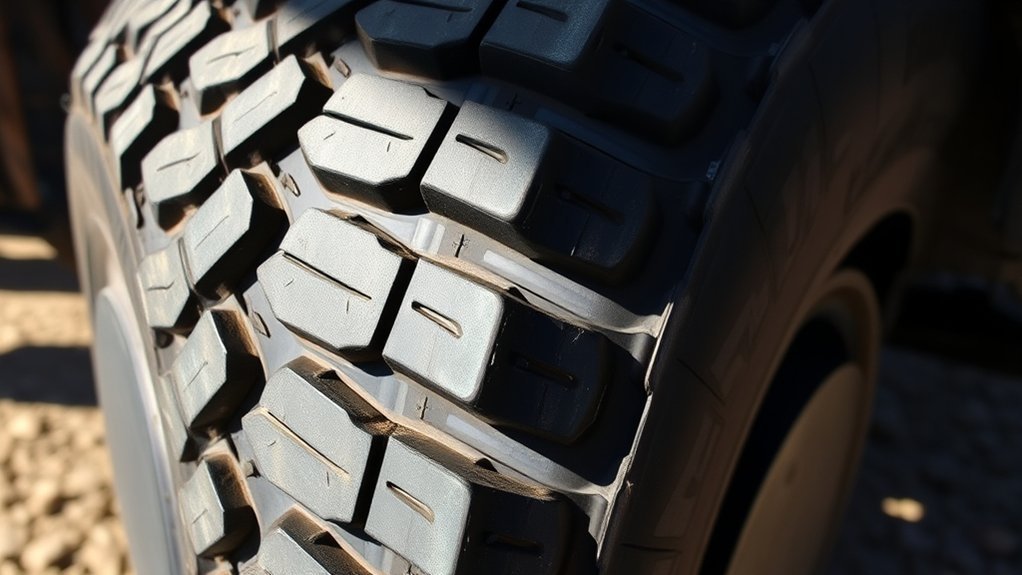
If you’ve noticed uneven tire wear on your Toyota Hilux, it’s often a sign of underlying issues that need attention. One common culprit is misalignment, especially with toe settings, which can cause excessive wear on the tire edges. When your suspension components, like control arms and bushings, are worn, they can lead to poor load distribution, further exacerbating the problem.
Regular tire diagnostics and alignment adjustments are vital in identifying these issues early. Neglecting them can lead to costly replacements down the line. Environmental factors also play a role; for example, driving on the left side of the road in Australia can put extra stress on the left front tire.
Additionally, maintaining proper tire inflation is essential. Both over-inflation and under-inflation can result in uneven tread wear. By staying proactive with tire maintenance, you can enhance your driving experience and prolong tire life.
How Misalignment Affects Tire Longevity
When your Toyota Hilux’s wheels are misaligned, tire longevity takes a hit, leading to uneven wear that can drastically shorten their lifespan. Misalignment causes improper toe angles, making outer edges wear faster due to excessive friction during turns. A study shows misaligned vehicles can experience tire wear rates up to 30% higher than properly aligned ones.
| Effect of Misalignment | Resulting Condition |
|---|---|
| Uneven forces on tires | Bald spots or cupping |
| Excessive friction | Rapid outer edge wear |
| Poor handling | Safety concerns |
Regular tire alignment checks every 6,000 miles or when new tires are installed are essential. Addressing misalignment promptly not only protects your tires’ tread patterns but also enhances your vehicle’s handling and safety. Prioritize alignment to guarantee your Hilux runs smoothly and your tires last as long as possible.
The Impact of Tire Pressure on Wear Patterns
Tire pressure plays a vital role in how your tires wear over time. If you’re under-inflated, you’ll notice uneven wear on the edges, while over-inflation leads to wear in the center. Regularly checking and maintaining the recommended pressure not only extends tire life but also enhances your Hilux’s performance.
Tire Pressure Effects
Maintaining the right tire pressure is essential for ensuring even wear patterns and ideal vehicle performance. Under-inflated tires can wear excessively on the outer edges, while over-inflated tires will wear in the center, leading to uneven tread life. Regularly checking tire pressure every couple of weeks helps prevent this issue, allowing for maximum contact with the road and extending tire lifespan. For your Toyota Hilux, the recommended tire pressure typically ranges between 30 to 35 PSI, depending on load and conditions. Remember, a 1 PSI drop can reduce fuel efficiency by about 0.4%, so keeping your tires properly inflated isn’t just about wear—it’s about performance and savings, too. Check your tires when cold for the most accurate readings.
Over-Inflation Consequences
While many drivers focus on keeping their tires inflated, over-inflation can lead to significant issues that affect both safety and performance. When tires are inflated beyond the recommended range, you’ll notice increased wear in the center of the tread, which reduces road contact and compromises grip. This not only impacts tire performance but can also result in a harsher ride and decreased fuel efficiency due to limited tire flex. Over-inflated tires can wear up to 30% faster and risk blowouts, especially in high temperatures—making it a serious safety concern. Regular tire pressure checks every couple of weeks are essential to prevent premature aging and cracking, ensuring your driving experience remains safe and efficient.
Under-Inflation Impacts
Over-inflation isn’t the only thing that can lead to uneven tire wear; under-inflation poses its own set of problems that can greatly affect your driving experience. When your tires are under-inflated, they wear excessively on the outer edges due to increased flexing and friction. Just a 10% drop in tire pressure can reduce tread life by up to 15%. Maintaining proper inflation, usually 30-35 PSI, guarantees even contact with the road, promoting balanced wear patterns. Regular tire maintenance, including pressure monitoring every few weeks, can prevent premature wear and enhance your vehicle’s safety and fuel efficiency. Don’t let under-inflated tires compromise your handling performance or increase your risk of accidents. Stay proactive for a smoother ride!
How Regular Tire Rotation Prevents Uneven Wear
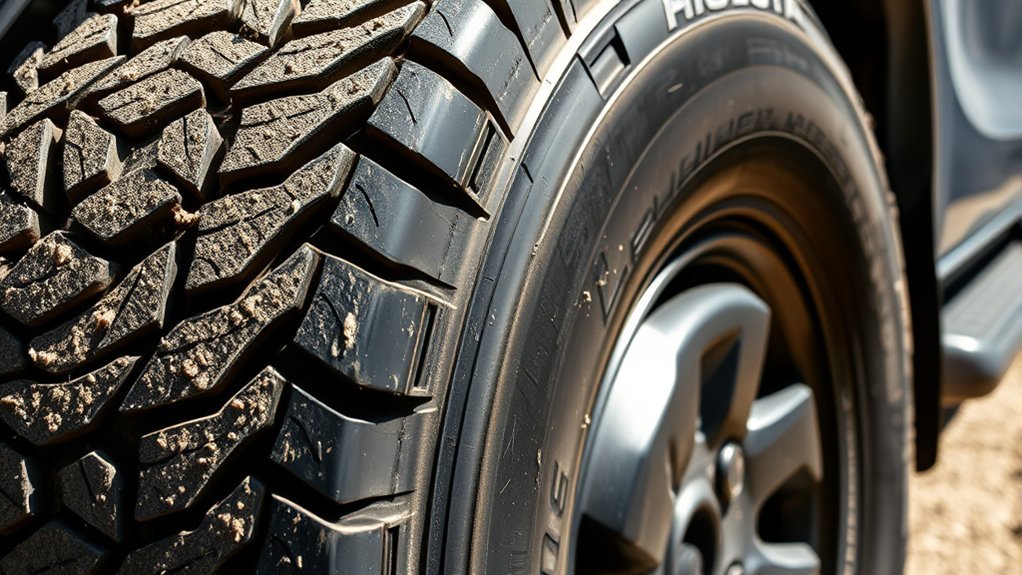
Regular tire rotation is essential for maintaining even tread wear on your Toyota Hilux. By redistributing pressure and load, it not only extends tire life but also enhances handling and stability. Sticking to a rotation schedule every 5,000 to 7,500 miles can save you money and keep your vehicle performing at its best.
Benefits of Tire Rotation
Tire rotation is essential for maintaining even tread wear and maximizing the lifespan of your Toyota Hilux tires. By regularly rotating your tires, you can enjoy several benefits:
- Guarantees even tread wear across all tires
- Extends tire lifespan considerably
- Improves overall vehicle handling and traction
- Balances tread depth for a smoother drive
- Reduces premature replacement costs
Adopting a routine of tire maintenance, especially considering your unique driving habits, can make a huge difference. With most manufacturers recommending rotation every 5,000 to 7,500 miles, you’re not just protecting your investment; you’re enhancing safety during adverse road conditions. Don’t neglect this simple yet effective practice—it’s key to a better driving experience!
Recommended Rotation Intervals
Keeping your tires rotated as recommended can greatly reduce the risk of uneven wear. It’s typically advised to rotate your tires every 5,000 to 7,500 miles. By sticking to this maintenance schedule, you help distribute wear patterns evenly across all tires, enhancing performance and safety. Different wheel positions endure varying stress, making rotation essential. Following the specific rotation patterns outlined in your owner’s manual guarantees optimal results, preventing the uneven wear often linked to alignment issues or driving habits. Regular rotation not only maximizes tire longevity but also reduces the chances of premature replacement. So, keep your tires on a consistent rotation schedule to enjoy a smoother, safer ride in your Toyota Hilux.
Impact on Tire Longevity
When you rotate your tires consistently, you not only enhance their lifespan but also improve overall vehicle performance. Regular rotation helps maintain even tread depth, ensuring your tires wear uniformly. This prevents premature replacement and saves you money in the long run. Here’s why you shouldn’t skip this crucial maintenance:
- Balances wear patterns from steering and braking
- Extends tire lifespan by 20-30%
- Helps maintain traction levels across all tires
- Improves vehicle handling and safety
- Enhances fuel efficiency
Recognizing Worn Suspension Components
Even if you don’t notice any immediate issues, recognizing worn suspension components is essential for your Toyota Hilux’s performance and tire longevity. Worn parts like control arms and bushings can lead to misalignment, causing uneven tire wear by disrupting load distribution. Keep an eye out for symptoms like excessive wheel play, unusual tire wear patterns, and decreased handling stability.
| Symptoms | Inspection Tips | Recommended Action |
|---|---|---|
| Excessive wheel play | Check for movement in the wheels | Schedule a suspension inspection |
| Unusual tire wear patterns | Inspect tires for uneven wear | Consider component replacement |
| Decreased handling stability | Test drive and assess handling | Professional alignment check |
Regular suspension inspections help identify cracks or excessive movement, ensuring your vehicle maintains proper alignment. Replacing worn components can restore handling and markedly reduce uneven tire wear, keeping your Hilux performing at its best.
Simple Ways to Prevent Uneven Tire Wear
Preventing uneven tire wear on your Toyota Hilux is simpler than you might think. By adopting a few proactive strategies, you can extend your tires’ lifespan and enhance your driving experience. Here are some effective tire maintenance tips:
- Regularly check and maintain proper tire inflation.
- Implement a tire rotation schedule every 5,000 to 7,500 miles.
- Schedule periodic wheel alignment checks.
- Monitor your driving habits—avoid sharp turns and sudden stops.
- Inspect suspension components for wear and tear.
Frequently Asked Questions
Do Tie Rods Cause Uneven Tire Wear?
Yes, tie rods can cause uneven tire wear. When they’re worn or misaligned, they disrupt suspension alignment, leading to inconsistent tire contact and tread wear. Regular checks can help maintain proper alignment and extend tire life.
Conclusion
Just like a ship needs a steady course to sail smoothly, your Toyota Hilux thrives on proper maintenance to avoid uneven tire wear. By keeping an eye on alignment, tire pressure, and suspension components, you can guarantee a smoother ride and longer-lasting tires. Think of each tire as a loyal companion on your journey; treat them well, and they’ll carry you far. Embrace these simple practices, and your Hilux will navigate the road ahead with confidence.

Related Articles

Steering Wheel Shaking After New Toyota Hilux Tires: Why
Steering wheel shaking after new tires on your Toyota Hilux? Discover the surprising causes and how to resolve them for a smoother ride.
Read More
Why Toyota Hilux Tires Vibrate at Highway Speed
Many factors can cause your Toyota Hilux tires to vibrate at highway speeds, but discovering the exact reason is crucial for a smooth ride.
Read More
Toyota Hilux TPMS Sensor Not Working: How to Diagnose
Keep your Toyota Hilux safe by diagnosing TPMS sensor issues—discover the essential steps to troubleshoot and restore functionality.
Read More