
Toyota Hilux TPMS Sensor Not Working: How to Diagnose
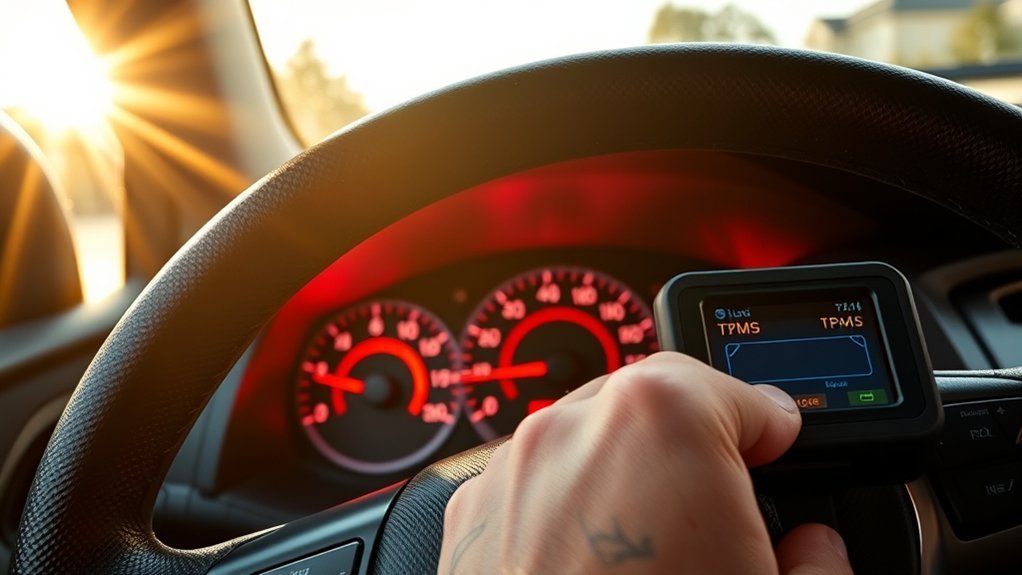
If your Toyota Hilux TPMS sensor is not working, start with the basics before you blame the sensor. Check each tire with a reliable gauge when the tires are cold, inflate them to the pressure listed on the door placard or owner’s manual, and inspect for punctures, valve leaks, or wheel damage. If the warning light stays on, flashes, or gives no readings after tire service, the system may need a reset, sensor relearn, or professional diagnosis.
Quick Answer
A Toyota Hilux TPMS warning usually means one or more tires are underinflated, but a flashing light or missing readings can point to a sensor, battery, valve-stem, wheel, or relearn problem. Set the correct cold tire pressure first, then reset or diagnose the system.
Key Takeaways
- A steady TPMS light usually means low tire pressure, not automatically a bad sensor.
- A flashing TPMS light followed by a steady light often points to a system malfunction.
- Check tire pressure cold with a gauge because TPMS does not replace manual tire checks.
- After tire replacement, rotation, wheel swaps, or sensor replacement, the Hilux may need a reset or sensor ID relearn.
- Use your Hilux owner’s manual for the exact reset method because procedures vary by model year and market.
At a Glance
| Time Required | 10 to 30 minutes for basic checks; longer if a sensor relearn or shop diagnosis is needed |
| Difficulty | Easy for pressure checks and basic reset; moderate for scan-tool diagnosis |
| Tools Needed | Tire pressure gauge, air compressor, valve-cap check, owner’s manual, and a TPMS scan tool if the light flashes or readings are missing |
| Cost | Often free for pressure correction; shop diagnostic and sensor replacement costs vary by market and sensor type |
Common Signs Your Toyota Hilux TPMS Is Failing
Your Hilux TPMS can warn you about low pressure, but the warning light can also point to a system fault. The first step is to read the light pattern correctly.
| What You See | Likely Meaning | What to Do First |
|---|---|---|
| TPMS light stays on | One or more tires may be underinflated. | Check all tires cold with a gauge and inflate to the placard pressure. |
| Light flashes, then stays on | The TPMS may have a malfunction. | Check pressure, then book a diagnostic scan if the pattern returns. |
| Light appears on cold mornings, then turns off | Pressure may be near the warning threshold and dropping overnight. | Set cold pressure correctly before driving. |
| No readings after tire service | A sensor may be damaged, unregistered, asleep, incompatible, or installed in the wrong wheel position. | Ask the shop to scan the sensor IDs and complete the relearn procedure. |
The National Highway Traffic Safety Administration explains that TPMS can use direct sensors in the tires or indirect wheel-speed data, depending on the vehicle. That matters because a Hilux with direct TPMS can have a failed wheel sensor, while an indirect system may need calibration after tire pressure or wheel changes.
Warning: Do not reset the TPMS just to clear the light. Fix low tire pressure, tire damage, or a leaking valve first. Resetting too soon can hide a real safety issue.
[Products Worth Considering]

EVOULTES heavy duty tire inflator with an integrated gauge delivers accurate pressure readings from 10–120 PSI, helping you inflate, deflate, and check tires in one tool. The 16.5-inch extended dual-head air chuck with swivel base reaches hard-to-access dual wheel valves on trucks and RVs. A brass trigger core and side-mounted air release valve make operation smooth, with standard 1/4" NPT threading and quick-connect compatibility for easy setup.
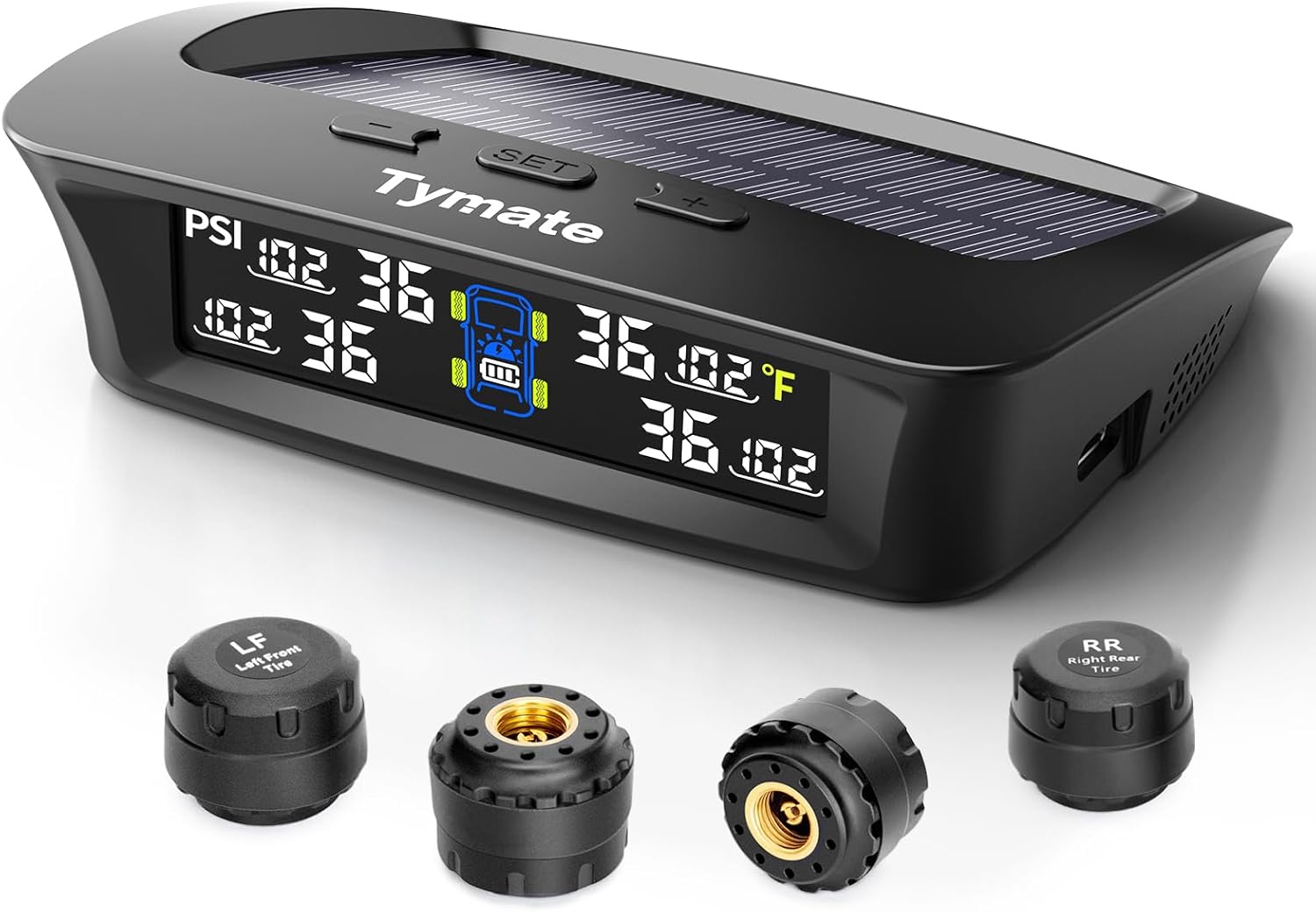
The Tymate TM3 RV TPMS delivers real-time tire pressure monitoring from 0 to 144 PSI with accurate readings and dependable wireless communication. It includes four external sensors with pre-pairing, six alarm modes for rapid leak, pressure extremes, temperature, and signal loss, plus an easy-reference setup for alert thresholds. Solar and USB-C charging help keep the display powered, while the color LCD and adaptive backlight improve visibility for safer driving and towing.

This portable cordless tire inflator delivers up to 160 PSI with fast 17 L/min airflow to help you quickly top up tires and get back on the road. It features dual power mode, running on a 21V rechargeable battery or a 12V DC adapter for convenient roadside use. An automatic shut-off with digital pressure gauge helps prevent overinflation, and a built-in LED light improves visibility in low-light conditions.
What Causes TPMS Sensor Issues?
TPMS problems usually come from low pressure, a dead or weak sensor battery, a damaged valve stem, a failed relearn, or incompatible replacement wheels. Weather can also trigger the warning because cold air lowers tire pressure.
| Cause | What Happens | Best Fix |
|---|---|---|
| Low tire pressure | The light comes on because a tire is below the system threshold. | Inflate all tires to the correct cold pressure. |
| Weak sensor battery | A direct TPMS sensor may stop transmitting or send intermittent data. | Replace the sensor, or the battery only if that sensor design allows it. |
| Damaged valve stem or sensor | The sensor can leak, break, corrode, or fail after tire mounting. | Inspect the valve area and replace damaged parts. |
| Unregistered sensor ID | The vehicle cannot recognize a new or moved sensor. | Complete the TPMS relearn with a compatible scan tool. |
| Aftermarket wheels or sensors | Wrong frequency, protocol, or fitment can block communication. | Use compatible sensors and confirm registration. |
| Temperature swings | Cold weather can drop pressure enough to trigger the warning. | Recheck and adjust pressure when tires are cold. |
Under U.S. safety rules, TPMS standards are built around warning drivers about significant underinflation, not replacing tire maintenance. The federal TPMS standard also describes malfunction warnings, including flashing behavior followed by continuous illumination on systems that use a combined warning lamp.
Check These Basics Before You Blame the Sensor
Before you replace a TPMS sensor, run through this simple check. It prevents unnecessary parts replacement and catches the most common tire problems.
- Park long enough for cold readings. Tire pressure is most accurate before driving or after the tires have cooled.
- Find the correct pressure. Use the tire placard on the vehicle or your owner’s manual, not the maximum PSI printed on the tire sidewall.
- Check all tires with a gauge. Include the spare if your Hilux model monitors it or if it has been swapped onto the vehicle.
- Look for tire damage. Check for nails, sidewall bulges, uneven wear, rim damage, and valve leaks.
- Replace missing valve caps. They help keep dirt and moisture away from the valve core.
- Drive and recheck the light. Some systems need a short drive after pressure correction before the light clears.
Pro Tip: Keep a small digital pressure gauge in your Hilux. The TPMS warning may not appear until pressure is already significantly low, so monthly manual checks still matter.
How to Use Diagnostic Tools for TPMS Problems
If pressure is correct and the warning remains, a TPMS scan tool can identify which part of the system is failing. A compatible tool can wake up each sensor, read the sensor ID, check pressure data, show temperature data on many direct systems, and report a low or dead sensor battery when supported.
Start at the left front wheel and scan each sensor in a consistent order. Compare the tool readings against your manual gauge reading. A sensor that does not respond, reports an unrealistic pressure, or shows a weak battery needs closer inspection.
Diagnostic tools also help after tire service. If a new sensor has been installed, the sensor ID may need to be written to the vehicle. If the IDs do not match the vehicle’s stored data, the warning light may stay on even when every tire has the correct pressure.
Conducting a TPMS Audit: A Step-by-Step Guide

A TPMS audit is a structured check of tire pressure, sensor response, sensor ID, valve condition, and relearn status. It is useful when the warning light returns after a reset or after tire replacement.
Understanding TPMS Functionality
Your Hilux may use a direct TPMS with sensors inside the wheels, or a market-specific setup that works differently. Direct sensors usually sit at the valve stem inside the tire and transmit pressure data to the vehicle. Indirect systems estimate pressure changes through wheel-speed information and need calibration after pressure adjustments.
That difference changes the repair path. Direct systems can have dead wheel sensors, weak batteries, damaged valve stems, or unregistered IDs. Indirect systems usually need correct pressure, matching tire sizes, and a proper calibration drive.
Performing Sensor Diagnostics
Check each wheel in order with a TPMS scan tool. Record the sensor ID, pressure reading, temperature reading if available, and battery status if the tool supports it. Then compare those readings with a manual tire gauge.
If one wheel does not respond, inspect the valve stem, sensor fitment, wheel condition, and sensor compatibility. If all sensors respond but the vehicle still shows a warning, the relearn may not have been completed, or the vehicle may have a receiver, antenna, wiring, or control-module issue.
Analyzing Audit Results
Look for mismatches. A good sensor should respond consistently, report a realistic pressure, and match the wheel position stored in the vehicle. A sensor that reports pressure but belongs to the wrong wheel position can still confuse the system after rotations or wheel swaps.
Save the scan results if a shop performs the test. A printed or digital audit helps confirm which sensor failed and protects you from replacing the wrong part.
Know When to Seek Professional Help for TPMS Issues
Some TPMS problems need a tire shop or Toyota technician. You should get professional help when the light flashes then stays on, when a new sensor will not register, or when the warning returns after you confirm all tires are correctly inflated.
- Persistent warning after correct pressure: The system may need calibration, relearn, or sensor diagnosis.
- Flashing warning light: A flashing sequence followed by a steady light often means a TPMS malfunction.
- No reading from one wheel: The sensor may be dead, damaged, asleep, incompatible, or missing.
- Warning after new wheels: The sensors may use the wrong protocol, frequency, or ID setup.
- Visible valve-stem damage: A leaking or corroded stem can create both pressure loss and sensor failure.
A TPMS light is a warning to check tire pressure now. It is not proof that the sensor is bad until you confirm the tires are correctly inflated and undamaged.
Best Practices for Maintaining TPMS Sensors
Good tire maintenance protects both your tires and the TPMS hardware. According to NHTSA tire safety guidance, you should check tire pressure at least once a month when the tires are cold, even if the vehicle has TPMS.
[Products Worth Considering]
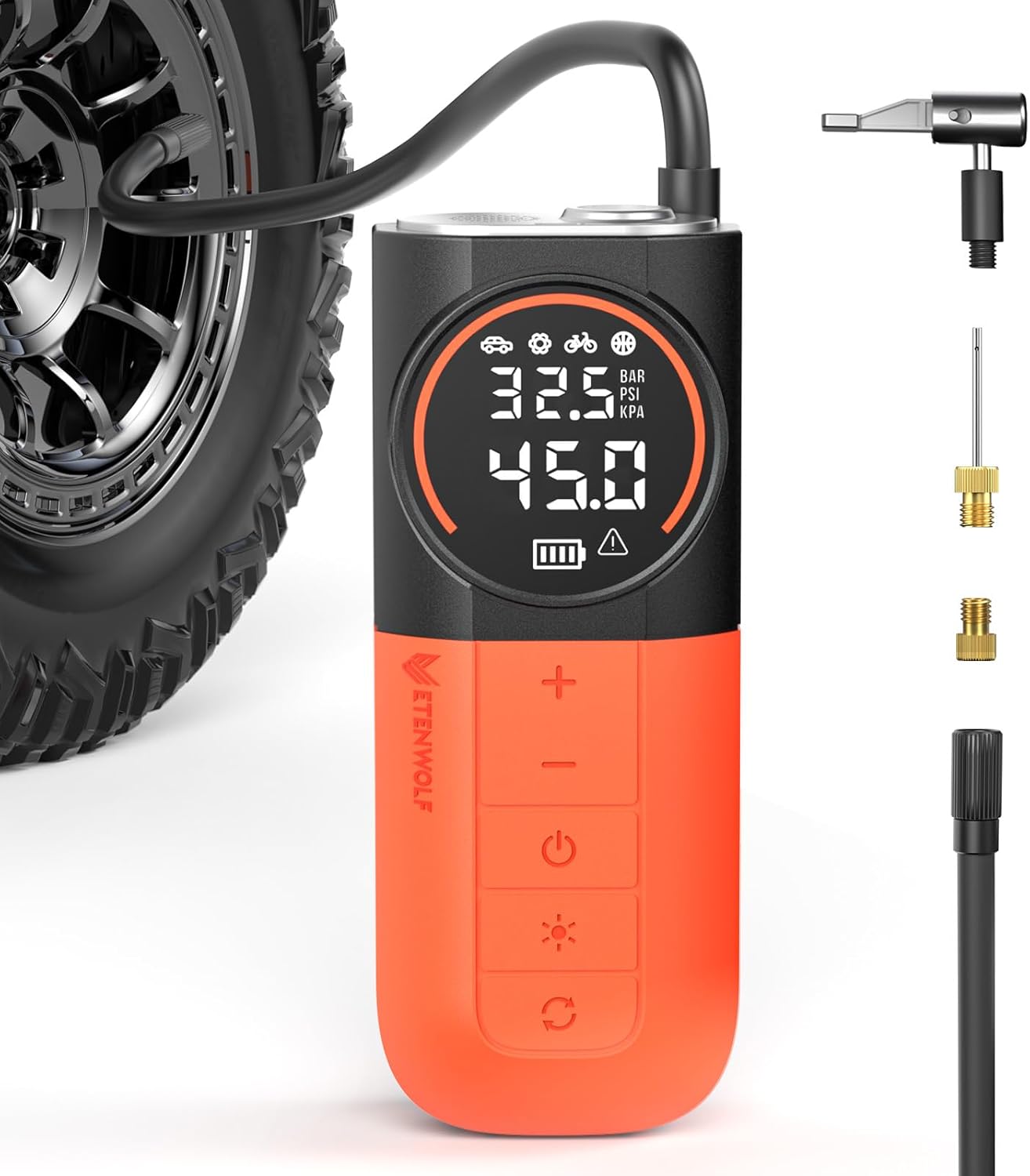
The ETENWOLF S1 cordless tire inflator delivers ultra-fast inflation with up to 160 PSI and a 20 L/min airflow for quicker tire top-offs. Its 5200mAh battery and cooling system support inflating many tires and sports balls on a single charge, while the digital pressure gauge and multi-unit display help you reach the right pressure accurately. With preset modes, pressure memory, an auto-stop feature, and an LED flashlight, it’s built for easy roadside and everyday use.

This portable cordless tire inflator delivers fast, efficient inflation for cars, motorcycles, bikes, and sports balls with a digital pressure gauge. Use the one-click PSI preset with auto shut-off for accurate, hands-free topping to your target pressure up to 150 PSI. It’s compact and rechargeable with a built-in emergency LED light plus valve adapters and accessories for quick, ready-to-go use.
Regular Pressure Checks
- Check tire pressure monthly with an accurate gauge.
- Check pressure before long trips, towing, or carrying heavy loads.
- Set pressure when tires are cold for the most accurate reading.
- Inspect tread, sidewalls, and valve stems during each pressure check.
- Do not use the sidewall maximum pressure as your target pressure.
Sensor Battery Replacement
Direct TPMS sensors run on small batteries. When the battery gets weak, the sensor may transmit intermittently or stop responding. Many original-style TPMS sensors are sealed, so a dead battery usually means replacing the sensor assembly rather than opening the sensor.
Use compatible sensors for your Hilux model year and market. Sensor frequency, protocol, valve-stem style, and ID programming must match the vehicle. When in doubt, check your Toyota owner’s manual or ask a Toyota service department before buying replacement sensors.
Professional Inspections Recommended
A professional inspection is smart when you replace tires, swap wheels, repair a puncture, or notice repeated TPMS warnings. Ask the technician to inspect the valve stems, scan every sensor, confirm the ID registration, and complete the correct relearn procedure.
Avoid harsh tire sealants unless your manual and sealant label confirm TPMS compatibility. Some sealants can contaminate the sensor port or create a mess inside the tire, which may cause incorrect readings or extra service cost.
How Weather Affects Your TPMS Alerts

Cold weather can trigger your Toyota Hilux TPMS because tire pressure drops as air temperature falls. If a tire was already close to the warning threshold, a cold night can be enough to turn the light on the next morning.
NHTSA notes that the TPMS symbol may come on during cold mornings and then turn off as the tires warm up through driving or rising outside temperatures. You should still check the tires with a gauge because the system is telling you the pressure may be marginal.
Do not bleed air from a warm tire just because the pressure looks higher after driving. Set pressure when the tires are cold, then recheck after major temperature changes.
How to Reset Your Toyota Hilux TPMS
The correct reset method depends on your Hilux model year, region, and TPMS type. Some Toyota models use a physical reset or “SET” button, while others use a dashboard menu or need a scan-tool relearn after sensor replacement. Always confirm the exact procedure in your owner’s manual.
- Check all tires cold. Inflate each tire to the pressure listed on the vehicle placard or owner’s manual.
- Inspect for damage. Do not reset the system if a tire is leaking, punctured, bulging, or visibly damaged.
- Turn the ignition on. Use the accessory or ON position as described in your manual.
- Use the reset button or menu if equipped. Hold the button or confirm the menu command only as your manual directs.
- Drive to let the system learn. Many systems need a short drive before the warning clears.
- Scan the system if the light returns. A flashing light, no sensor response, or repeated warning needs diagnosis.
Note: If a sensor was replaced, a simple reset may not be enough. The vehicle may need the new sensor ID registered with a compatible TPMS tool.
Why Genuine Parts Matter for Your TPMS
TPMS sensors are not universal. A replacement sensor must match your Hilux’s system, wheel style, valve fitment, frequency, and programming requirements. The wrong sensor can install physically but still fail to communicate with the vehicle.
Toyota owner resources are also useful because reset and relearn steps can differ by model. Toyota’s manuals page lets owners access model-specific manuals and warranty information, while Toyota parts channels can help confirm compatible components.
You do not always need a dealer-only part, but you do need the correct part. If you use aftermarket sensors, choose a trusted brand and make sure the installer can program and relearn them for your Hilux.
How to Prevent Future TPMS Problems
Preventing TPMS problems comes down to regular pressure checks, careful tire service, and compatible parts. A few habits can stop most repeat warnings.
Regular Tire Maintenance
- Check tire pressure monthly and before long trips.
- Rotate and balance tires according to your maintenance schedule.
- Check alignment if you see uneven wear or the Hilux pulls to one side.
- Replace cracked, corroded, or leaking valve stems during tire service.
- Ask the shop to scan each sensor before and after tire mounting.
Sensor Battery Checks
If your Hilux uses direct TPMS, ask for a sensor battery-status check during tire replacement or when one wheel stops reporting. Replacing all aging sensors at the same time can make sense when the tires are already off, especially if the sensors are near the end of their service life.
FuelEconomy.gov says properly inflated tires are safer, last longer, and can improve gas mileage by 0.6% on average and up to 3% in some cases. That makes monthly pressure checks worth doing even when the warning light is off.
After Tire Changes and Wheel Swaps
TPMS warnings often appear after tire service because the system has not finished learning the sensor positions or because a sensor was damaged during mounting. This is especially common with second wheel sets, winter tires, aftermarket rims, or replacement sensors.
Before you leave the tire shop, ask the technician to confirm three things: each sensor responds, each ID is registered correctly, and the warning light stays off after the relearn drive or scan-tool procedure.
Frequently Asked Questions
Can I drive with a malfunctioning TPMS sensor?
You should not ignore it. If all tires are correctly inflated and undamaged, you can usually drive cautiously to a tire shop or service center. Repair the TPMS promptly because the system may not warn you about future low pressure.
How often should I check my TPMS sensors?
Check tire pressure manually at least once a month and before long trips. Have the TPMS sensors scanned when tires are replaced, when the warning light flashes, or when one wheel stops reporting.
Are TPMS sensors universal for all vehicles?
No. TPMS sensors vary by frequency, protocol, valve-stem design, programming method, and vehicle compatibility. Use sensors listed for your Hilux model and market, then complete the correct relearn procedure.
What is the lifespan of a TPMS sensor?
Many direct TPMS sensors last several years, but lifespan depends on battery design, driving habits, climate, and sensor quality. If one sensor battery fails, the other sensors may also be aging.
Can tire changes affect TPMS functionality?
Yes. Tire changes can damage valve-stem sensors, move sensor positions, or require a relearn. New wheels can also cause problems if the sensors are incompatible or not registered correctly.
Why does my Hilux TPMS light come on in cold weather?
Cold air lowers tire pressure. If your tires were already close to the warning threshold, the TPMS light may turn on during a cold morning. Check and set the pressure when the tires are cold.
Why does the TPMS light flash and then stay on?
A flashing TPMS light followed by a steady light often means the TPMS has detected a malfunction. Check tire pressure first, then have the sensors and system scanned if the light pattern returns.
Conclusion
A Toyota Hilux TPMS warning is useful, but it does not tell you the whole story by itself. Start with cold tire pressure, tire condition, and valve-stem checks. If the light flashes, readings disappear, or the warning stays after tire service, move to sensor scanning and relearn diagnosis. With the right pressure, compatible sensors, and a proper reset procedure, your Hilux TPMS can keep doing its job without repeat dashboard warnings.
Sources
- NHTSA TireWise: Tire Safety Ratings and Awareness — supports TPMS warning behavior, monthly pressure checks, and the reminder that TPMS does not replace regular tire maintenance.
- 49 CFR 571.138: Tire Pressure Monitoring Systems — supports TPMS warning and malfunction indicator requirements.
- FuelEconomy.gov: Keeping Your Vehicle in Shape — supports fuel-economy and safety benefits of correct tire inflation.
- Toyota Owners: Manuals and Warranties — supports checking model-specific Toyota owner’s manual procedures.

Related Articles

Toyota Hilux Run-Flat Tires: What You Need to Know
Take control of your safety with Toyota Hilux run-flat tires; discover their benefits and hidden costs that could change your driving experience forever.
Read More
Effects of Underinflated Tires on the Toyota Hilux
Inadequate tire pressure in your Toyota Hilux can lead to serious safety issues and costly repairs; discover how to avoid these pitfalls.
Read More
The Risks of Overinflating Toyota Hilux Tires
Overinflating your Toyota Hilux tires can lead to dangerous blowouts and uneven wear, but understanding the risks is crucial for your safety.
Read More