
How to Prevent Dry Rot on Toyota Hilux Tires

To prevent dry rot on your Toyota Hilux tires, regularly inspect them for cracks and discoloration. Check tire pressure monthly and maintain the recommended PSI to avoid uneven wear. Store tires in a cool, dry place, away from direct sunlight, and use protective covers. Clean your tires to remove debris and assess their condition every six months. If you notice significant damage, replace them immediately. Discover more effective strategies for tire maintenance and safety to guarantee peak performance.
Why Tire Dry Rot Matters for Your Safety
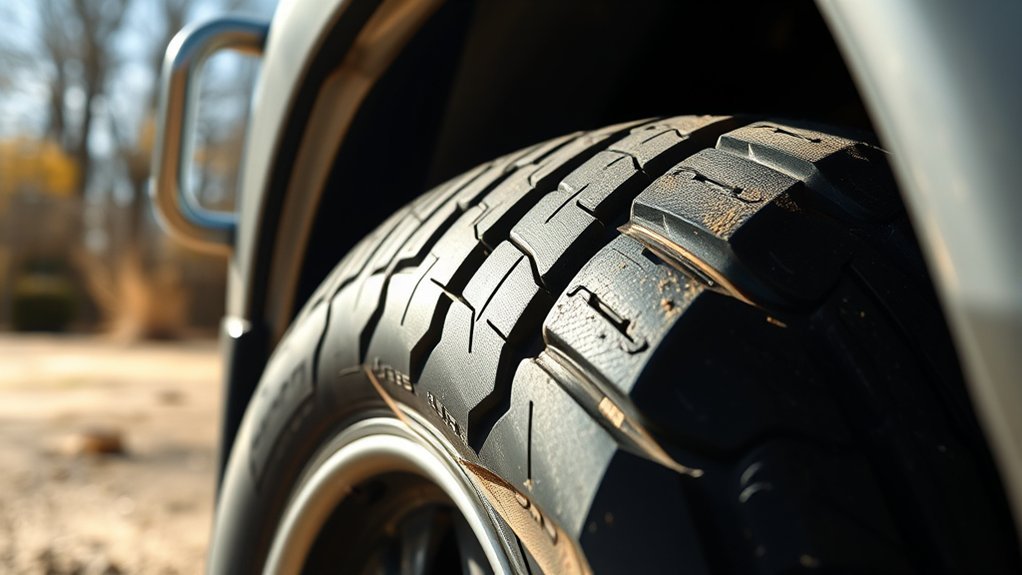
Tire dry rot is a hidden danger that can jeopardize your safety on the road. As tires age, especially those over six years old, the risk of blowouts increases substantially. Cracks and discoloration may not seem severe, but they compromise air retention, leading to rapid air loss and perilous driving conditions. In fact, over 250 loss-of-control accidents linked to tires older than six years were reported in 2012. Even visually intact tires can harbor hidden damage, weakening their structural integrity and violating safety standards. Prolonged exposure to UV rays and extreme temperatures accelerates this deterioration, making regular inspections essential to maintaining your tire lifespan. By prioritizing tire health, you not only safeguard your vehicle but also liberate yourself from the anxiety of unexpected accidents. Remember, being proactive today guarantees a safer drive tomorrow.
Spotting Early Signs of Tire Dry Rot
To spot early signs of tire dry rot, you should closely examine the sidewalls and tread for visible cracks and discoloration. A grayish hue or fading rubber indicates UV exposure and potential degradation, while a brittle texture signals loss of flexibility. Regular inspections for these indicators can help you maintain tire performance and safety.
Cracks and Discoloration
While driving your Toyota Hilux, you might overlook minor signs of tire deterioration, but spotting cracks and discoloration early can save you from serious safety issues. Look for thin lines or spider web patterns on the sidewalls; these indicate drying rubber and potential dry rot. Discoloration, like a faded or grayish hue, suggests prolonged UV exposure that harms rubber longevity. Regularly inspect the tread for small cracks, as they can let water seep in, exacerbating damage. A brittle texture signals drying, compromising grip and increasing blowout risks. By incorporating these visual inspections into your tire maintenance routine, you can detect these early indicators, ensuring your tires remain safe and functional. Don’t wait—take action to preserve your tires.
Loss of Flexibility
As you inspect your Toyota Hilux tires, it’s essential to recognize that a loss of flexibility often signals the onset of dry rot. This manifests as a stiff or brittle texture, indicating that the rubber has begun to degrade. Regularly check for cracks or fissures on the sidewalls and tread; even small cracks can lead to significant damage. If your tires feel unusually hard, they’re likely in the early stages of dry rot. Driving your Hilux regularly helps maintain the rubber’s suppleness, as inactivity accelerates drying. Additionally, watch for grayish discoloration, which often accompanies the degradation of rubber compounds due to UV exposure. Staying vigilant with tire maintenance can prevent costly replacements and enhance your vehicle’s safety.
Effective Strategies to Maintain Tire Pressure
To keep your Toyota Hilux tires in top condition, regularly check the tire pressure at least once a month to confirm it aligns with the manufacturer’s recommended PSI. Adjusting for load is vital; overloading can lead to under-inflation, which accelerates wear and increases the risk of dry rot. By maintaining ideal tire pressure, you not only enhance safety but also extend the life of your tires.
Regular Pressure Checks
| Check Frequency | Recommended PSI | Benefits |
|---|---|---|
| Monthly | 30-35 PSI | Prolongs tire life |
| Before trips | 30-35 PSI | Improves fuel efficiency |
| After repairs | 30-35 PSI | Guarantees safety |
| Seasonal | 30-35 PSI | Prevents dry rot |
Ideal PSI Maintenance
Maintaining the perfect tire pressure on your Toyota Hilux is essential for ensuring peak performance and longevity. To achieve this, follow these effective strategies:
- Regular Checks: Inspect your tire pressure at least once a month. Keeping it within the recommended 30-35 PSI prevents uneven wear and enhances safety.
- Quality Gauge: Invest in a reliable tire pressure gauge. Accurate readings are vital, as under-inflation can lead to dry rot and blowouts.
- Monitor Temperature: Be aware that tire pressure can drop with temperature changes. For every 10°F decrease, expect about a 1 PSI loss, so adjust accordingly.
Adjust for Load
Adjusting your tire pressure based on load is crucial for maintaining peak performance and safety in your Toyota Hilux. Proper load distribution directly impacts tire performance; heavier loads require higher inflation to support the additional weight. This prevents excessive flexing of the rubber, which can lead to uneven wear and dry rot. Use a reliable tire pressure gauge to guarantee accuracy, as even slight under-inflation can accelerate rubber degradation. Regularly monitor your tire pressure—at least once a month and before long trips—to account for temperature fluctuations that affect tire health. Always consult your owner’s manual for recommended tire pressures and adjustments based on load to make sure your tires perform at their best and last longer.
How to Store Tires to Prevent Dry Rot
To store your tires effectively and prevent dry rot, choose a cool, dry location that’s shielded from direct sunlight. UV exposure accelerates rubber degradation, so keep your tires out of the sun. Here are three essential steps for ideal tire storage:
- Use Protective Covers: Opt for airtight bags or specialized tire covers to guard against dust, moisture, and harmful chemicals. This prevents premature drying and extends tire life.
- Elevate Off the Ground: Store your tires on racks or pallets. This prevents contact with damp surfaces that can foster mold and further damage.
- Regular Inspection: Rotate and inspect your stored tires periodically. This helps maintain their shape and flexibility while allowing you to catch any signs of damage or dry rot early.
Clean Your Tires Properly
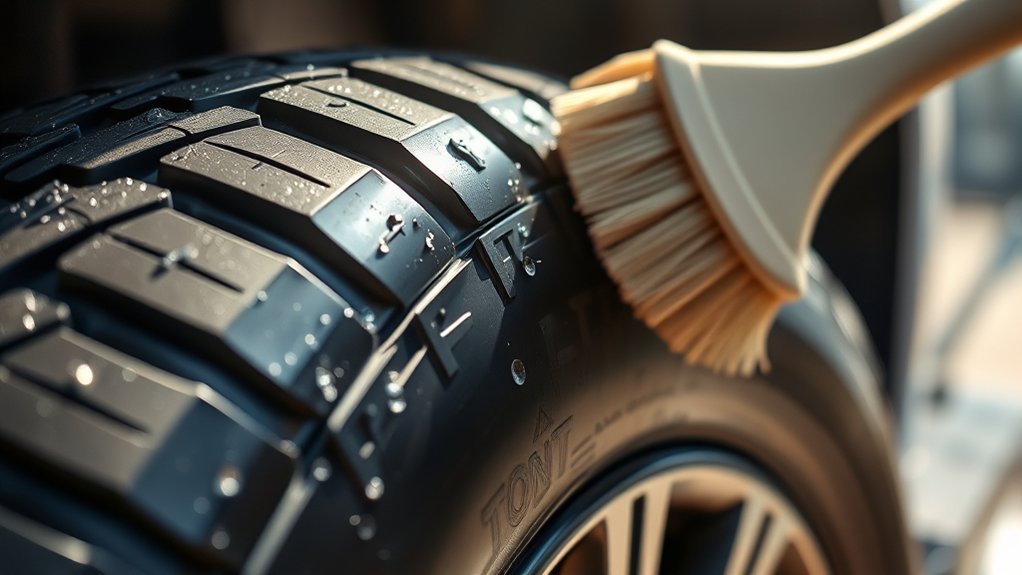
Proper tire storage lays the groundwork for longevity, but regular cleaning is equally important in preventing dry rot on your Toyota Hilux tires. To maintain ideal rubber care, use a damp cloth and mild dish soap. This method effectively removes dirt and debris that can sap essential oils from the rubber, accelerating deterioration.
| Step | Action | Purpose |
|---|---|---|
| 1. Clean | Use mild soap and cloth | Removes dirt and contaminants |
| 2. Avoid | Skip harsh cleaners | Prevents further rubber degradation |
| 3. Dry | Thoroughly dry tires | Stops moisture retention and mold |
Establish a routine for tire cleaning every few weeks. This keeps your tires free from harmful contaminants while maintaining their appearance and performance on the road. Remember, a little effort goes a long way in extending tire life and preventing dry rot.
How Often to Inspect Tires?
While regular cleaning sets the stage for tire longevity, frequent inspections are essential for catching early signs of dry rot on your Toyota Hilux tires. Here’s how to optimize your tire inspection frequency:
- Monthly Checks: Inspect your tires at least once a month for visible signs of dry rot, like cracks or discoloration.
- Weekly Pressure Checks: Monitor tire pressure weekly. Maintaining the correct PSI prevents unnecessary stress, which can accelerate dry rot.
- Pre-Trip Inspections: Conduct a thorough visual inspection before long trips, especially if your tires are over six years old.
Additionally, rotate your tires every 5,000 miles for even wear and schedule annual professional inspections for expert advice. Following these visual inspection tips will guarantee your tires remain healthy and road-ready, reducing your risk of encountering dry rot.
When to Replace Tires With Dry Rot?
When should you consider replacing tires with dry rot? If you notice cracks deeper than a credit card’s edge, it’s time to act. This indicates a compromised integrity that could lead to failure. Always inspect tires older than six years, even if the tread depth seems fine. If the rubber feels stiff or brittle, or if you see visible cracking, replacing the tire is essential for your safety.
Be vigilant for missing or peeling chunks of rubber; these are clear signs your tire’s lifespan is at risk. Widespread cracking on the sidewalls or tread demands immediate replacement. This isn’t just a precaution—it’s a necessity to prevent blowouts. Proper replacement timing guarantees your Toyota Hilux remains safe and reliable on the road. Don’t wait until it’s too late; prioritize your safety by monitoring your tires closely and addressing dry rot promptly.
Frequently Asked Questions
Is It Common for Tires to Dry Rot?
Yes, it’s common for tires to dry rot, especially without proper tire maintenance. Prolonged weather exposure, extreme temperatures, and inactivity accelerate deterioration. Regular inspections can help you catch early signs of dry rot before they worsen.
What Can I Spray on My Tires to Keep Them From Cracking?
To keep your tires from cracking, spray a water-based rubber protectant with UV inhibitors. Regular tire maintenance is essential; using these products can extend your tires’ lifespan by up to 50%, ensuring peak performance.
Conclusion
In summary, preventing dry rot on your Toyota Hilux tires is vital for your safety. Did you know that tires can lose up to 1 PSI of pressure per month? Regular inspections and proper maintenance can greatly extend tire life and performance. By keeping an eye on tire pressure, cleaning them properly, and storing them correctly, you can minimize the risk of dry rot and guarantee a smoother, safer ride. Don’t overlook tire care—it’s fundamental for your vehicle’s longevity.

Related Articles
Toyota Hilux TPMS Sensor Maintenance: What to Know
Just how crucial is your Toyota Hilux's TPMS sensor maintenance? Discover key tips to ensure safety and performance.
Read More
Maintaining the Right Tire Pressure on Your Toyota Hilux
How crucial is tire pressure for your Toyota Hilux's performance? Discover essential tips that could enhance your driving experience and safety.
Read More
Toyota Hilux Tire Rotation Schedule and How It Helps
When you understand the importance of tire rotations for your Toyota Hilux, you'll unlock better performance and safety—don’t miss out on these essential tips!
Read More