
Running All-Terrain Tires Year-Round on a Tundra: Pros and Cons
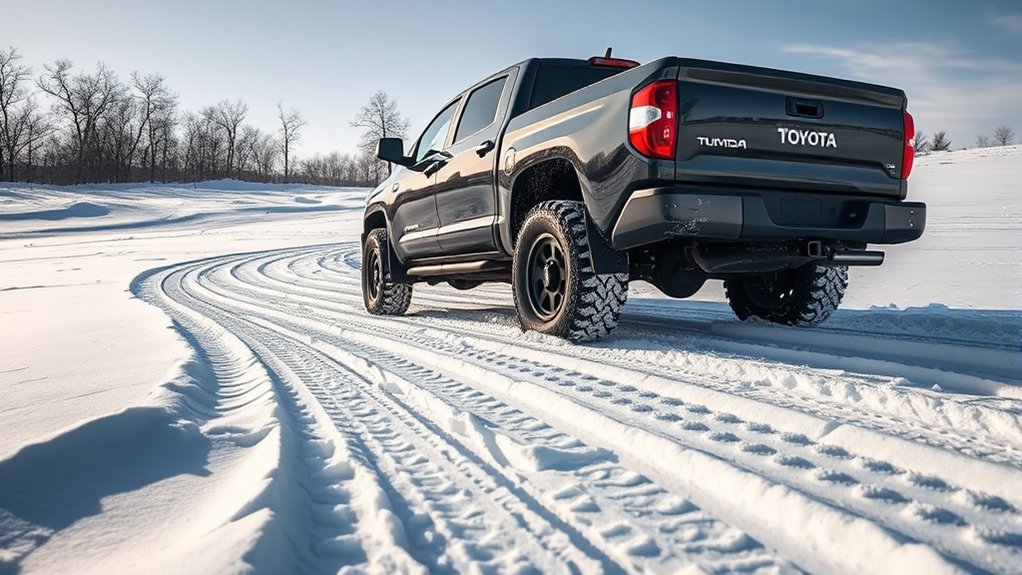
Running all-terrain tires year-round on your Tundra has pros and cons. You’ll enjoy versatile traction for off-road adventures and winter reliability thanks to the 3-Peak Mountain Snowflake rating. However, expect increased road noise, reduced fuel efficiency, and faster wear on smooth surfaces, costing you in the long run. The added weight can also impact comfort during daily drives. Understanding these trade-offs can help you make an informed choice about your tire needs and performance expectations.
Understanding All-Terrain Tires: What You Need to Know
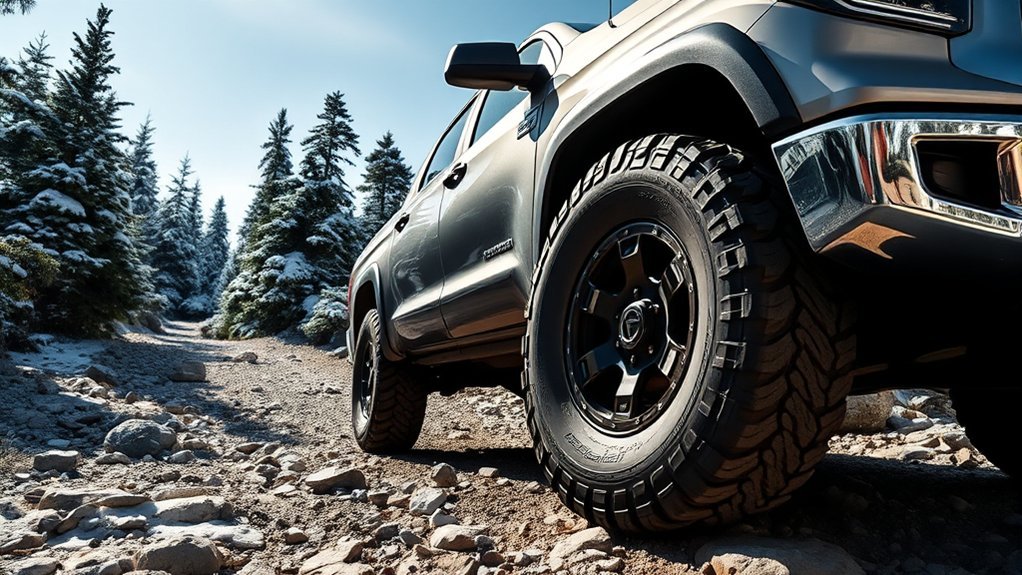
When you’re considering all-terrain (A/T) tires for your Tundra, it’s essential to understand their unique advantages and limitations. A/T tires feature aggressive tread designs that provide versatile traction across various surfaces, from gravel to light mud. This means you can confidently tackle off-road adventures while still maintaining performance on paved roads. Their reinforced sidewalls and tougher tread compounds enhance durability, making them ideal for rough terrains and construction zones.
One significant perk is their ability to eliminate the need for seasonal changes, offering year-round usability. However, be mindful that while these tires excel in snow, they may wear out faster on smooth surfaces due to their mixed-surface design. Additionally, the trade-off often includes increased road noise and reduced fuel efficiency, which can affect your overall driving comfort. Understanding these factors helps you make a more informed decision for your Tundra.
Major Disadvantages of All-Terrain Tires for Everyday Driving
When you choose all-terrain tires for your Tundra, you might notice increased road noise, especially at higher speeds, which can detract from your daily driving comfort. These tires also tend to reduce fuel efficiency, costing you 1-3 mpg compared to standard options. Understanding these drawbacks is essential as you weigh the benefits of off-road capability against everyday performance.
Increased Road Noise
While all-terrain (A/T) tires excel in off-road conditions, they often come with a significant drawback: increased road noise during everyday driving. Their aggressive tread design, intended for traction in challenging environments, tends to amplify vibrations, leading to a less refined driving experience, especially at highway speeds. You might notice up to 10 decibels more noise compared to all-season tires, which can disrupt your comfort during daily commutes. On smooth, paved roads, the noise becomes particularly intrusive, making these tires less suited for urban driving. If you value a quiet ride, be aware that the trade-off for enhanced off-road capability comes at the cost of effective noise reduction, potentially impacting your overall driving enjoyment.
Reduced Fuel Efficiency
Although all-terrain tires offer exceptional off-road performance, they come with a hidden cost: reduced fuel efficiency. With aggressive tread patterns increasing rolling resistance, you might see a drop of 1-3 miles per gallon compared to all-season tires. The added tire weight, often around 59 pounds or more, demands extra energy for acceleration and deceleration, further diminishing your fuel economy. Over time, this can lead to significant fuel costs—potentially around $1,000 over 40,000 miles. Additionally, these tires wear faster on paved surfaces, leading to more frequent replacements and higher long-term expenses.
| Factor | Impact on Fuel Efficiency | Notes |
|---|---|---|
| Tread Pattern | Increased rolling resistance | 1-3 MPG loss |
| Tire Weight | Higher energy demand | 59 lbs+ |
| Wear on Pavement | Faster replacements | Increased costs |
Benefits of Year-Round All-Terrain Tire Use
Year-round all-terrain tires offer you unmatched versatility, allowing your Tundra to handle everything from highway driving to rugged trails with ease. Their enhanced off-road performance gives you the confidence to explore diverse terrains without the worry of getting stuck. Plus, you won’t face the hassle of seasonal tire changes, making your driving experience more convenient overall.
Versatility Across Conditions
When you choose all-terrain tires for your Tundra, you’re investing in a solution that adapts seamlessly to various driving conditions. These tires offer impressive terrain adaptability, allowing you to shift from paved roads to rugged trails without missing a beat. With reinforced sidewalls and durable tread compounds, they provide excellent surface grip, enhancing your confidence in light snow and muddy conditions. Plus, the convenience of year-round usability eliminates the hassle of seasonal tire changes. However, keep in mind that you might experience increased road noise and slightly lower fuel efficiency compared to standard tires. Ultimately, the benefits of versatility and resilience make all-terrain tires a compelling choice for those seeking freedom to explore diverse landscapes.
Enhanced Off-Road Performance
Choosing all-terrain tires not only enhances versatility but also greatly boosts your Tundra’s off-road performance. With these tires, you’ll experience improved off-road traction and terrain adaptability that empower you to conquer various challenges. Here’s how:
- Versatile traction on gravel, dirt, and light mud.
- Reinforced sidewalls that resist punctures, enhancing durability.
- Aggressive tread design boosting confidence on rugged paths.
- 3-Peak Mountain Snowflake rating ensuring winter reliability without seasonal swaps.
These features allow you to explore off-the-beaten-path adventures while maintaining on-road functionality. Year-round all-terrain tires provide the freedom to traverse diverse landscapes, making your Tundra a true all-rounder. Embrace the liberation that comes with enhanced off-road capabilities, and let your adventures unfold!
Fuel Efficiency: Do All-Terrain Tires Hurt Your Wallet at the Pump?
How much are all-terrain tires really impacting your wallet at the pump? The aggressive tread patterns that give these tires their off-road prowess often come with a cost in fuel efficiency. You might notice a drop of 1-3 miles per gallon compared to standard tires. Plus, if you opt for heavier all-terrain options, you could face an increase in fuel costs by up to $1,000 over 40,000 miles. Regularly checking tire pressure can help mitigate some fuel loss, but it won’t eliminate the inherent trade-off. On paved surfaces, these tires tend to wear faster, leading to more frequent replacements and higher long-term expenses. While all-terrain tires excel in versatility, if fuel economy’s your priority, all-season or highway tires might be your best bet. Weighing these factors is essential for making an informed decision that balances performance and your wallet.
All-Terrain Tire Noise Levels: What to Expect on the Highway
When you hit the highway with all-terrain tires on your Tundra, you’ll notice a distinct increase in noise levels compared to standard all-season tires. This noise primarily stems from the aggressive tread patterns designed for off-road traction, which can impact your overall driving comfort. Understanding how these noise levels compare will help you decide if the trade-off for enhanced performance is worth it for your driving needs.
Highway Noise Levels Explained
While you might appreciate the rugged performance of all-terrain tires, be prepared for a noticeable increase in highway noise levels. These tires often generate more tire noise due to their aggressive tread patterns, especially at higher speeds. Expect noise levels to range from 68 to 75 decibels, which can be distracting.
Here’s what you might experience:
- Increased cabin noise on smooth, paved roads.
- Amplified sound from heavier tire models.
- Less effective sound dampening compared to all-season tires.
- A rougher driving experience that can detract from comfort.
Though some all-terrain tires include sound-dampening technologies, they still tend to be noisier than traditional options, altering your driving ambiance.
Impact on Driving Comfort
The increase in highway noise levels from all-terrain tires directly impacts driving comfort, especially during long trips. These tires, designed with aggressive tread patterns for off-road traction, generate more noise, particularly at speeds above 60 mph. This heightened noise can disrupt your driving experience, making it less enjoyable on smooth highways. While some brands like the Falken Wildpeak AT offer solid grip in wet conditions, they still contribute to a heavier feel that can detract from overall comfort factors. Additionally, the increased rolling resistance often leads to a less refined ride, further affecting comfort during extended commutes. Ultimately, while all-terrain tires provide versatility, you may need to compromise on comfort when cruising on paved roads.
Comparison With All-Season Tires
Although all-terrain tires excel in off-road conditions, their performance on highways often falls short when compared to all-season tires. Here’s what you can expect regarding noise levels:
- Increased Road Noise: A/T tires produce 3-5 dB more noise than AS tires, impacting comfort.
- Knobby Tread Design: While beneficial for off-road traction, it contributes to higher rolling resistance and noise.
- Vibrations: A/T tires may feel heavier, translating to more vibrations on the highway.
- Tire Lifespan: A/T tires often wear faster due to their aggressive tread, affecting long-term use.
In a traction comparison, while A/T tires shine off-road, AS tires offer a quieter, smoother ride, making them more suitable for highway driving.
Tread Wear: Longevity of All-Terrain Tires vs. Highway Tires
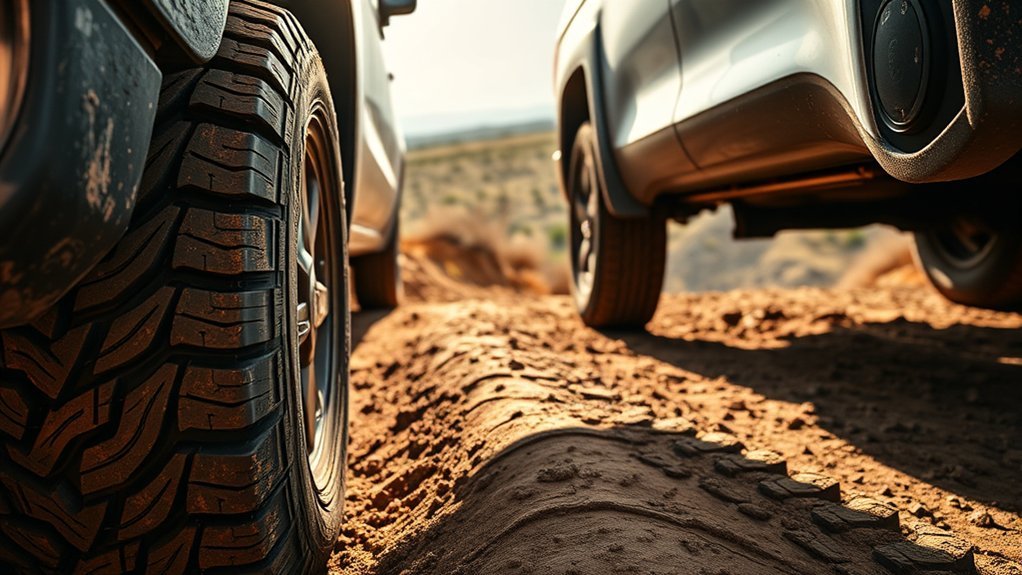
When considering tire options for your Tundra, it’s crucial to understand how all-terrain (A/T) tires compare to highway tires regarding tread wear and longevity. A tread life comparison reveals that A/T tires often wear faster on smooth pavement due to their design for mixed surfaces. If you mainly drive on highways, expect reduced longevity. Uneven wear patterns can also emerge if you neglect regular rotation, further impacting performance. While some models like the Cooper AT3 boast impressive lifespans nearing 80,000 miles under varied conditions, many A/T tires have harder rubber compounds that lead to quicker wear on highways. Additionally, higher rolling resistance in A/T tires can contribute to faster deterioration and increased fuel consumption. If longevity is your priority, dedicated highway tires are engineered for durability in those environments, making them the smarter choice for primarily paved roads.
All-Terrain vs. All-Weather Tires: Key Differences and Considerations
While both all-terrain (A/T) and all-weather tires serve distinct purposes, understanding their key differences can help you make a more informed choice for your Tundra. Here are some important considerations to guide your tire selection strategies:
- Performance: A/T tires excel off-road, while all-weather tires shine in icy and wet conditions.
- Tread Design: A/T tires have aggressive treads for traction but can increase road noise; all-weather tires feature specialized siping for grip.
- Durability: A/T tires may wear faster on highways, whereas all-weather tires are built for longevity across mixed driving habits.
- Convenience: All-weather tires eliminate the hassle of seasonal changes, making them ideal for consistent winter performance.
Your choice should reflect your driving habits and whether you prioritize rugged terrain capability or year-round convenience. Each type offers unique advantages, so weigh what’s most important for your Tundra’s journey.
How All-Terrain Tires Perform in Various Weather Conditions
All-terrain tires (A/T) stand out in various weather conditions, especially for adventurous drivers like you who seek both performance and versatility. In deep snow, A/T tires excel, providing superior snow performance over all-season tires, making them perfect for winter escapades. Their aggressive tread patterns enhance mud traction, allowing you to tackle rugged terrains with confidence.
However, in wet conditions, you might notice higher rolling resistance, which can impact fuel efficiency and increase road noise. While these tires are designed for mixed surfaces, they can wear faster on highways, leading to more frequent replacements if used primarily for commuting. Their reinforced sidewalls do offer excellent durability against punctures and impacts, making them suitable for both urban and off-road environments. Yet, be cautious on icy roads; the harder rubber compounds can compromise grip, limiting your overall performance in those conditions.
Ideal Use Cases: When to Choose All-Terrain Tires
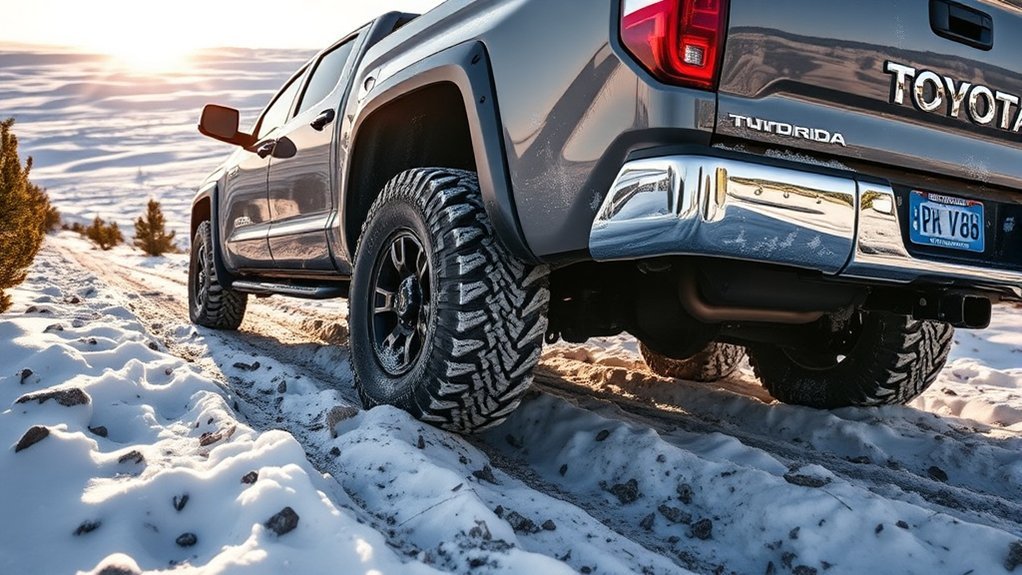
Have you ever wondered which type of tire truly fits your adventurous lifestyle? All-terrain tires could be your perfect match, especially if you thrive on exploring both city streets and rugged paths. Here are some ideal use cases for these versatile tires:
All-terrain tires are your ideal companion for seamlessly navigating city streets and rugged terrains, perfect for the adventurous spirit.
- Daily Commuting: Navigate smoothly between paved roads and rough backroads.
- Weekend Getaways: Tackle gravel trails or dirt paths without hesitation.
- Seasonal Considerations: Handle light snow or rain with confidence, enhancing your year-round driving experience.
- Rugged Terrains: Benefit from reinforced sidewalls, perfect for construction sites or off-road adventures.
In these ideal conditions, all-terrain tires eliminate the hassle of seasonal tire changes, providing convenience and freedom for those who crave spontaneity. If you’re ready to embrace the outdoors while maintaining daily functionality, all-terrain tires might just be the liberation you seek.
Tips for Maintaining All-Terrain Tires for Optimal Performance
Maintaining all-terrain tires is essential for maximizing their performance and longevity, especially if you frequently switch between city streets and rugged trails. Start by regularly checking your tire pressure; under-inflated tires can increase rolling resistance and decrease fuel efficiency by 1-3 mpg. Rotate your tires every 5,000 to 7,500 miles to promote even wear—uneven wear drastically reduces both performance and lifespan.
Don’t overlook tread depth, either; make certain your tires maintain a minimum of 3/32 inches for ideal traction in wet and snowy conditions. After off-road adventures, clean out the treads to remove rocks and debris, preventing imbalances that affect handling. Finally, using a tire dressing product designed for all-terrain tires protects the rubber from UV damage, guaranteeing better performance over time. By following these tips, you’ll enhance your tires’ resilience and enjoy a liberated driving experience, no matter the terrain.
Frequently Asked Questions
Is There a Downside to All-Terrain Tires?
Yes, all-terrain tires can lead to faster tread wear, increased noise levels, reduced fuel efficiency, and compromised traction performance in certain weather conditions. Consider these factors carefully for cost considerations before choosing them year-round.
Conclusion
In the end, running all-terrain tires year-round on your Tundra can be a double-edged sword. While they offer versatility and performance in various conditions, the trade-offs in comfort and fuel efficiency can leave you feeling a bit stuck between a rock and a hard place. If you often tackle rough terrains, they might be worth it. Just weigh your options carefully to guarantee you’re making the best choice for your driving needs and lifestyle.

Related Articles
Seasonal Tire Swap Guide for Toyota Tundra: Summer, Winter, and Year-Round
A comprehensive seasonal tire swap guide for your Toyota Tundra reveals crucial tips for maximizing performance and safety—discover the best practices to keep your truck ready!
Read More
When to Use Mud-Terrain vs All-Terrain on a Tundra: Matching Tires to Use
Just how do you choose between mud-terrain and all-terrain tires for your Tundra? Discover the key factors that could make all the difference.
Read More
When to Air Down Tires for Off-Road: Terrain-Based Guide for Tundra
Perfect your off-road adventure by learning when to air down your Tundra's tires for different terrains—discover the key strategies inside.
Read More