
Toyota Tundra Fender Trimming for Oversized Tires: Where and How to Cut
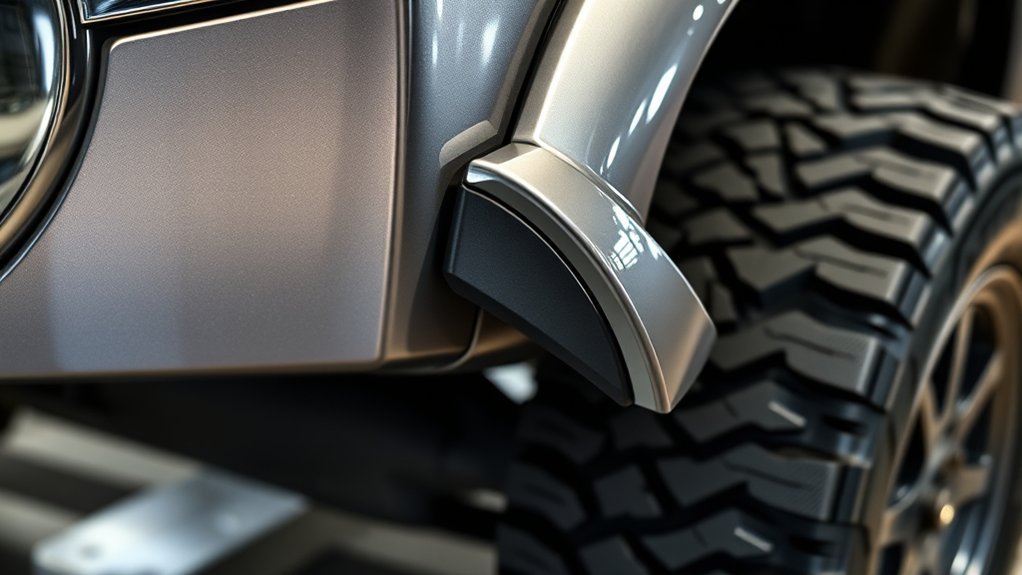
Trimming Toyota Tundra fender liners for oversized tires is usually a small plastic-clearance job, not a “cut everything back” job. The safest approach is to find the exact rubbing point, trim a little at a time, smooth the edge, reinstall the liner hardware, and test again at full steering lock. Bigger setups may also need offset changes, liner relocation, mud-flap trimming, or professional body mount work.
Quick Answer
To trim a Toyota Tundra fender liner for oversized tires, mark the actual rub point, remove nearby clips or screws, cut only the plastic that contacts the tire, smooth the edge with a rotary tool or sandpaper, reinstall the liner, then test at full steering lock and light suspension compression.
Key Takeaways
- Do not blindly cut one inch everywhere. Trim only the marked contact area.
- Most liner rubbing happens near the front liner edge, mud flap area, bumper corner, firewall-side liner, or body mount area.
- Plastic liner trimming is a DIY-friendly job; cutting metal, pinch welds, or body mounts is a fabrication job for experienced owners or a shop.
- Check tire size, load index, speed rating, wheel offset, alignment, and speedometer accuracy before assuming trimming is the only fix.
At a Glance
| Time Required | 45 minutes to 2 hours for plastic liner trimming; longer if metal clearance work is needed. |
| Difficulty | Easy to moderate for plastic; advanced for body mount, pinch weld, or metal work. |
| Tools Needed | Painter’s tape, marker, 10mm socket, Phillips screwdriver, trim clip tool, plastic shears, utility knife, Dremel or file, sandpaper, safety glasses, gloves, replacement clips, primer or seam sealer if metal is exposed. |
| Cost | Usually $0–$40 in clips, blades, sanding discs, and sealant if you already own the tools; more if a shop performs fabrication. |
Warning: Never cut wiring, brake lines, washer-fluid lines, structural mounts, or painted sheet metal unless you know exactly what you are modifying. Support the truck safely, wear eye protection, and use a qualified shop for body mount, pinch weld, or welding work.
Before You Cut: Confirm the Tire Setup First
Fender trimming should be the last adjustment after you understand why the tire is rubbing. Start by checking your tire size, wheel width, wheel offset, lift height, alignment, and the tire information placard on the driver-side door jamb. The NHTSA tire safety guide recommends using the original tire size or another manufacturer-recommended size, and the U.S. Tire Manufacturers Association recommends matching the vehicle or tire manufacturer’s size, load index, and speed rating guidance.
For a Toyota Tundra, factory tire sizes vary by model year and trim. Check your door placard and the current Toyota owner manuals and warranty resources before choosing a tire. If the new tire is much taller than stock, the speedometer and odometer may read incorrectly because the truck’s speed calculation is based on tire revolutions. Tire Rack’s speedometer guidance explains why changing tire diameter affects speedometer accuracy.
Note: If your tires rub only after an alignment, lift, or wheel change, the fix may be caster, offset, or liner positioning—not more cutting.
[Products Worth Considering]
![[2026NEW] 5000A Jump Starter with Air Compressor (150PSI)](https://m.media-amazon.com/images/I/71oG4PFNsmL._AC_SL1500_.jpg)
The 2026 Povasee 5000A jump starter is an all-in-one car power solution that jump-starts 12V vehicles and also inflates tires with a high-output air compressor. It supports...
Why You Should Trim Your Fender Liners
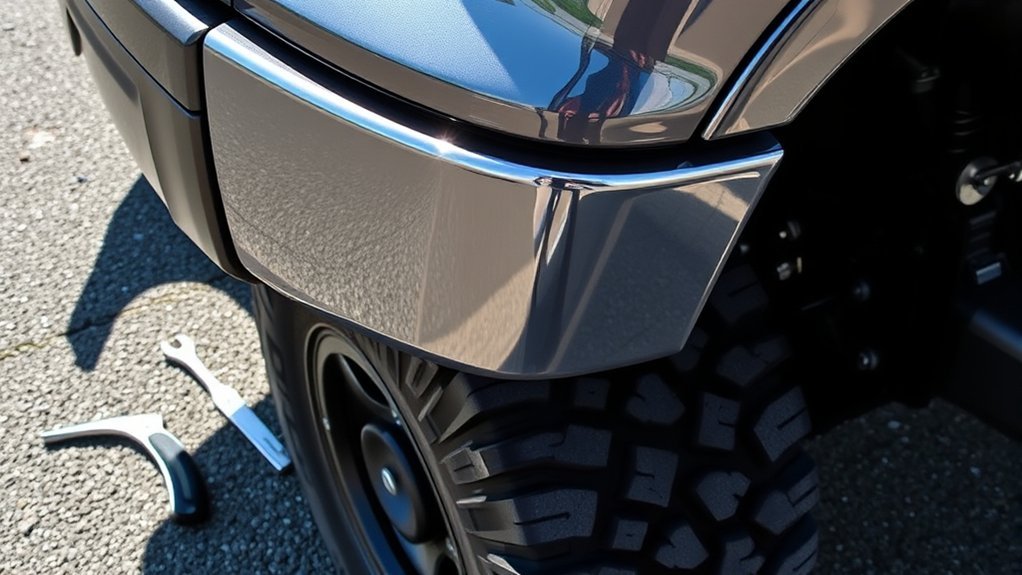
When you install oversized tires, the front tires may touch the plastic fender liners during tight turns, driveway angles, or suspension flex. Light liner contact can sound minor, but repeated rubbing can wear through the plastic, damage tire sidewalls, loosen clips, or pull the liner out of place.
Trimming the liner gives the tire more room while keeping the wheel well neat. The goal is not to remove as much material as possible. The goal is to remove only the plastic that the tire actually contacts, then smooth the edge so the tire cannot catch it.
Essential Tools for Trimming Your Tundra’s Fender Liners
Gather everything before you start so the liner is not left loose or half-trimmed. You do not need a large tool collection for basic plastic trimming, but you do need sharp cutting tools, safety gear, and replacement clips.
Cutting and Removal Tools
- 10mm socket or wrench for common splash-shield and liner fasteners
- Phillips screwdriver
- Trim clip removal tool or plastic pry tool
- Painter’s tape and marker for cut lines
- Plastic shears or aviation snips for clean plastic cuts
- Utility knife for small cleanup cuts
- Dremel, file, or sandpaper for smoothing edges
- Replacement clips in case old clips break during removal
Safety and Finish Supplies
- Safety glasses and gloves
- Dust mask if using a rotary tool
- Work light
- Jack stands if the wheel must come off
- Primer, seam sealer, or rubberized undercoating if metal is exposed
Dremel’s safety guidance recommends personal protective equipment and a safe workspace when using rotary tools. If you expose bare metal during any clearance work, use a proper automotive sealer or coating. For example, 3M Bare-Metal Seam Sealer is formulated for sealing steel or aluminum joints in collision repair.
Step-by-Step Guide to Trimming Fender Liners
Work slowly. It is easier to remove another small strip of plastic than to repair an overcut liner.
1. Find the Exact Rub Point
Park on level ground. Turn the steering wheel fully left and fully right. Look for shiny plastic, worn texture, black tire marks, loose clips, or a polished spot on the liner. If the rub only happens off-road or over bumps, have a helper turn the wheel while you inspect the front, rear, and upper parts of the wheel well.
2. Mark the Cut Line
Use painter’s tape to outline the smallest cut that clears the tire. Leave nearby mounting holes intact whenever possible. If a clip location is in the way, consider relocating the liner with a new hole or bracket before cutting away the entire mounting area.
3. Remove Nearby Clips and Screws
Remove only the fasteners needed to pull the liner away from the tire. Most Tundra splash shields and liner sections use a mix of 10mm bolts, Phillips screws, and plastic clips. Keep the hardware organized by side so reinstallation is quick.
4. Cut the Plastic in Small Passes
Use shears or snips for the main cut. Cut just outside your mark, then test fit before removing more. Avoid using too much heat because overheated plastic can warp, curl, or leave an uneven edge.
5. Smooth the Edge
Use a Dremel, file, or sandpaper to round the cut edge. A smooth edge looks better and is less likely to catch the tire. Wipe away plastic dust before reinstalling clips.
6. Reinstall and Test
Reinstall the liner clips, screws, and splash shield. Turn the steering wheel lock-to-lock again and check both sides. Then take a slow test drive in a parking lot, turning tightly in both directions. If you still hear contact, stop and inspect the new rub mark before cutting more.
Pro Tip: Dust the suspected rub area with chalk before a test drive. The tire will wipe the chalk away at the exact contact point, making your next trim more precise.
Common Rubbing Issues in Toyota Tundra Fender Trimming and Solutions
Tundra tire rubbing usually shows up in predictable places. The right fix depends on where the tire touches.
| Rub Location | Likely Cause | Best Fix |
| Front liner or bumper corner | Taller tire, wider tire, or aggressive offset | Small liner trim, bumper-edge trim, or liner pull-back |
| Rear of front liner near firewall | Tire moves rearward at full lock or under compression | Liner trim, liner relocation, caster check, or professional clearance work |
| Mud flap area | Factory flap or bracket sits too close to wider tire | Trim or remove mud flap, then test again |
| Body mount or cab mount | Large tire diameter or width exceeds available structural clearance | Professional body mount chop, cab mount relocation, or smaller tire/offset change |
| Sway bar, frame, or upper control arm | Wheel offset, backspacing, or tire width issue | Different wheel specs, alignment adjustment, steering stop review, or smaller tire |
How Much Should You Trim?
Trim as little as possible. For many mild oversized tire setups, the needed cut may be a narrow strip near the liner edge. For larger tires, the cut may need to follow the curve of the wheel opening. Do not use “one inch” as a rule for every Tundra. Use it only as a rough maximum starting idea when the marked contact area truly needs that much clearance.
A good trim line should meet three standards:
- It removes the actual contact point.
- It keeps the liner mounted securely.
- It looks intentional after the edge is smoothed.
Signs You May Need Professional Help With Fender Trimming
Get professional help if the tire contacts metal, the body mount, the cab mount, the pinch weld, wiring, brake lines, or any painted exterior panel. Plastic liner trimming is reversible enough for many DIY owners. Structural trimming is not.
You should also use a shop if you need welding, body mount plates, cab mount relocation, or large-tire clearance for 37-inch setups. Some Tundras can run 37-inch tires, but that level of fitment normally requires more planning than a simple fender liner cut. A shop can check wheel offset, alignment, suspension travel, brake-line clearance, and whether the tire clears under real-world flex.
Maximizing Tire Clearance
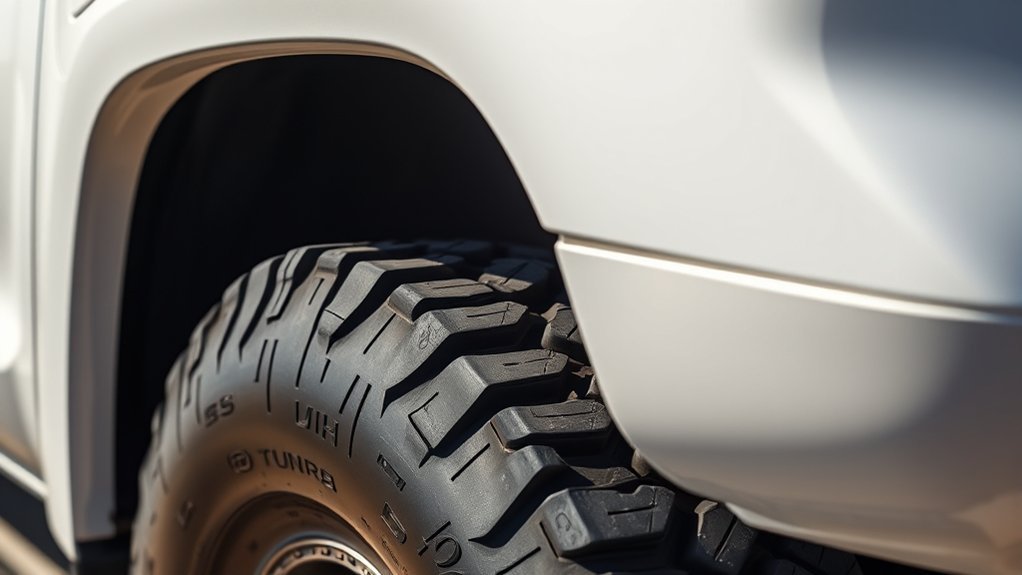
Fender liner trimming is only one part of tire clearance. If you want a clean, rub-free setup, consider the full package: tire size, tire brand, wheel offset, lift height, alignment, liner position, mud flaps, bumper clearance, and body mount clearance.
Wheel offset matters because it changes where the tire sits in the wheel well. A tire that sticks farther out may clear the frame better but hit the bumper or liner harder. A tire tucked farther inward may clear the fender but rub suspension parts. This is why two Tundras with the same tire size can rub in different places.
Note: If you change to a much larger tire, compare actual tire diameter and revolutions per mile, not just the sidewall label. Two “35-inch” tires from different brands can measure differently once mounted and loaded.
Protecting the Wheel Well After Trimming
If you only cut plastic, cleanup is simple: smooth the edge, wipe the area clean, and make sure every clip or screw is tight. If any metal is exposed, do not leave it bare. Clean the area, remove burrs, apply primer or an appropriate seam sealer, and finish with a rubberized coating if the area is exposed to road spray.
This step matters because the front wheel wells see water, mud, gravel, salt, and tire debris. A clean edge and sealed metal help the modification last longer and keep the truck looking professionally finished.
Maintaining Your Tundra’s Aesthetic After Modifications
A clean fender liner trim should be hard to notice unless someone is looking inside the wheel well. Follow the factory curve where possible, keep both sides symmetrical, and avoid jagged cuts. Reuse the original clips when they are still tight, and replace broken clips instead of leaving the liner loose.
If you remove mud flaps or trim bumper plastic, step back and compare both sides before making the final cut. Small, even cuts look better than one large uneven opening. A Dremel or sandpaper finish is worth the extra few minutes.
Post-Trim Test Drive Checklist
- Turn the wheel fully left and right while parked.
- Drive slowly in a tight circle both directions.
- Back up while turning both directions.
- Drive over a mild driveway angle and listen for rubbing.
- Recheck liner clips, screws, and cut edges after the first drive.
- Look for fresh tire marks before deciding whether more trimming is needed.
Learn From Fellow Tundra Owners: Tips and Tricks
Other Tundra owners can help you visualize what your setup may need, but do not copy someone else’s cut line without checking your truck. Tire brand, alignment, wheel offset, lift height, and bumper setup can change the rub point.
- Take before-and-after photos: They help you compare both sides and remember where clips belong.
- Trim in stages: Small cuts prevent overcutting and keep the liner looking factory-like.
- Keep spare clips: Old liner clips often break during removal.
- Check both sides: The driver and passenger sides may not rub in exactly the same spot.
- Do not ignore light rubbing: A small scuff can become a loose liner or tire-sidewall issue over time.
Frequently Asked Questions
Which Tundra should I stay away from for oversized tires?
Do not avoid a Tundra model year only because of fender trimming. Instead, match your tire goal to the truck’s generation, lift, wheel offset, and clearance needs. Some 2007–2021 trucks may need body mount work for aggressive tires, while 2022+ trucks have different liner and clearance considerations. The right question is not “which Tundra is bad?” but “what tire size can this exact setup clear safely?”
Can I cut my fender liner?
Yes, you can trim the plastic fender liner if the tire is only rubbing plastic. Mark the contact point, remove nearby clips, cut a small amount, smooth the edge, and test again. Do not cut structural metal, wiring, brake lines, or body mounts unless you have the right experience and tools.
What is the biggest tire you can put on a Tundra?
There is no single biggest tire for every Toyota Tundra. Mild oversized tires may need little or no trimming, 35-inch-class tires often need careful offset and liner clearance, and 37-inch tires usually require major clearance planning such as liner relocation, body mount work, or a dedicated clearance kit. Always verify load rating, speed rating, actual tire measurements, and full steering clearance.
How much wider should fenders be than tires?
For clearance, the tire should not contact the liner, bumper, suspension, or body at full steering lock and during normal suspension movement. For coverage, many owners use fender flares when the tire tread sticks outside the body line. Check local requirements because tire-coverage laws can vary by area.
Should I use a heat gun instead of cutting?
A heat gun can reshape some plastic liners, but too much heat can warp the liner, weaken the shape, or create an uneven finish. For most Tundra liner rub, careful cutting and edge smoothing are more predictable than heating.
Do I need an alignment after trimming fender liners?
Trimming plastic liners does not require an alignment by itself. However, if rubbing is caused by lift changes, caster, camber, toe, or wheel offset, an alignment check can help move the tire away from the contact point and improve drivability.
Conclusion
Trimming your Toyota Tundra’s fender liners can solve oversized-tire rubbing when the contact is limited to plastic. The cleanest method is to mark the rub, remove small sections, smooth the edge, reinstall the liner securely, and test before cutting more. For larger tires, especially 35-inch and 37-inch setups, look beyond the liner and consider wheel offset, alignment, body mount clearance, speedometer accuracy, and exposed-metal protection. When the rub reaches metal or structural areas, get professional help instead of turning a simple trim into an unsafe modification.
Sources
- Toyota Owners — Tundra Manuals and Warranties — supports checking official owner resources before tire and modification decisions.
- NHTSA Tire Safety Guide — supports using original or manufacturer-recommended tire sizes.
- U.S. Tire Manufacturers Association — Replacing Tires — supports matching size, load index, and speed rating recommendations.
- Tire Rack — Speedometer Accuracy — supports the speedometer note for tire-diameter changes.
- Dremel Safety Guidelines — supports PPE and safe rotary-tool use.
- 3M Bare-Metal Seam Sealer — supports sealing exposed metal joints after clearance work.

Related Articles
Toyota Tundra Tire and Wheel Package: What to Consider Before Buying
Unlock the secrets to choosing the perfect tire and wheel package for your Toyota Tundra—essential tips await to enhance your ride.
Read More
Do Bigger Tires Void a Toyota Tundra Warranty? Magnuson-Moss Act Explained
Bigger tires might not void your Toyota Tundra warranty, but understanding the Magnuson-Moss Act is crucial—discover how to protect your investment effectively.
Read More
Toyota Tundra Tire Rack Setup: Garage Storage Ideas for Seasonal Sets
Better tire storage for your Toyota Tundra awaits—discover essential tips to maximize space and protect your seasonal sets in the garage!
Read More