
What Is Radial Tire Construction? How Modern Truck Tires Are Built
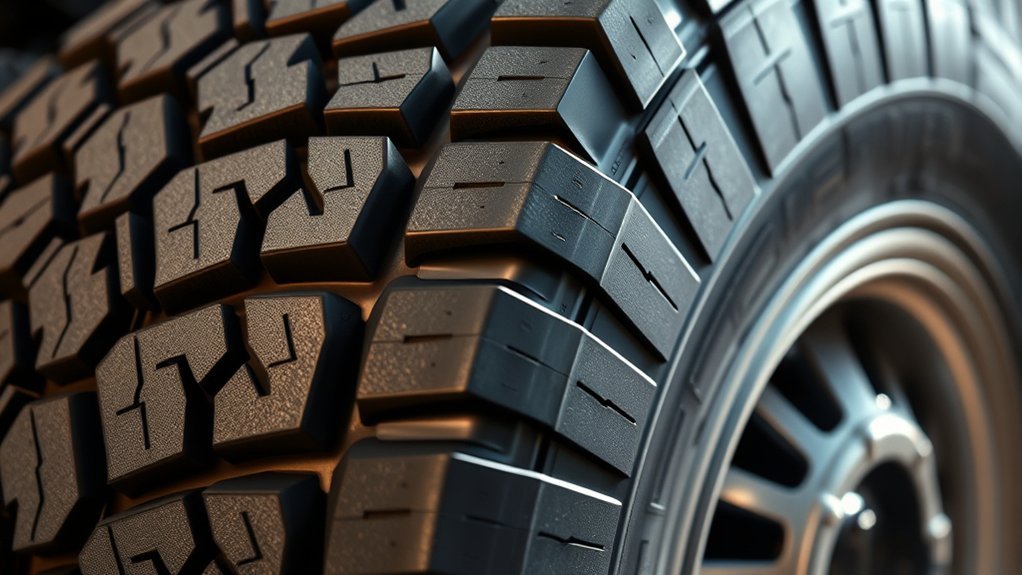
Radial tire construction is one of the biggest reasons modern truck tires can carry heavy loads, run at highway speeds, and still deliver good tread life when they are maintained correctly. The key idea is simple: the tire’s body cords run straight across the tire from bead to bead, while belts under the tread help keep the contact patch stable.
Quick Answer
Radial tire construction uses body plies arranged at about 90 degrees to the direction of travel, with belt layers under the tread for stability. This design lets the sidewall flex while the tread stays flatter on the road, improving handling, heat control, tread wear, and fuel efficiency when the tire is properly selected and maintained.
Key Takeaways
- Radial tires separate sidewall flex from tread stability, which helps them run cooler and wear more evenly than many bias-ply designs.
- Steel belts support the tread area, improve stability, and help protect the tire against many tread-area road hazards.
- Fuel savings depend on the tire model, axle position, load, route, and inflation pressure; EPA SmartWay notes that low rolling resistance tires and retreads can reduce costs and emissions for long-haul Class 8 tractor-trailers by 3% or more.
- Radial tires are not automatically the best choice for every job. Some severe low-speed applications may still favor bias-ply or specialty tires with tougher sidewall behavior.
- Maintenance matters as much as construction. Inflation pressure, alignment, load control, rotation, and proper repair procedures all affect safety and tire life.
What Radial Tire Construction Means
A radial tire is built with carcass cords running from one bead to the other at roughly a 90-degree angle to the direction of travel. In everyday terms, the tire’s internal body cords run straight across the tire instead of crossing diagonally from layer to layer. This layout gives the sidewall more flexibility while allowing the tread area to be reinforced separately.
That separation is the main advantage. The sidewall can absorb road movement, while the belts under the tread help keep the contact patch stable. According to Michelin’s description of radial technology, the construction uses carcass threads at right angles to the direction of travel and a belt structure to reduce deformation and energy loss. Michelin’s radial tire history also notes the design’s advantages in comfort, durability, grip, and fuel use.
Note: “Radial” describes the internal cord layout. It does not guarantee that every radial tire is right for every truck, load, route, or surface. Always match the tire to the vehicle, axle position, load rating, speed rating, and service conditions.
The Origins of Radial Tire Technology
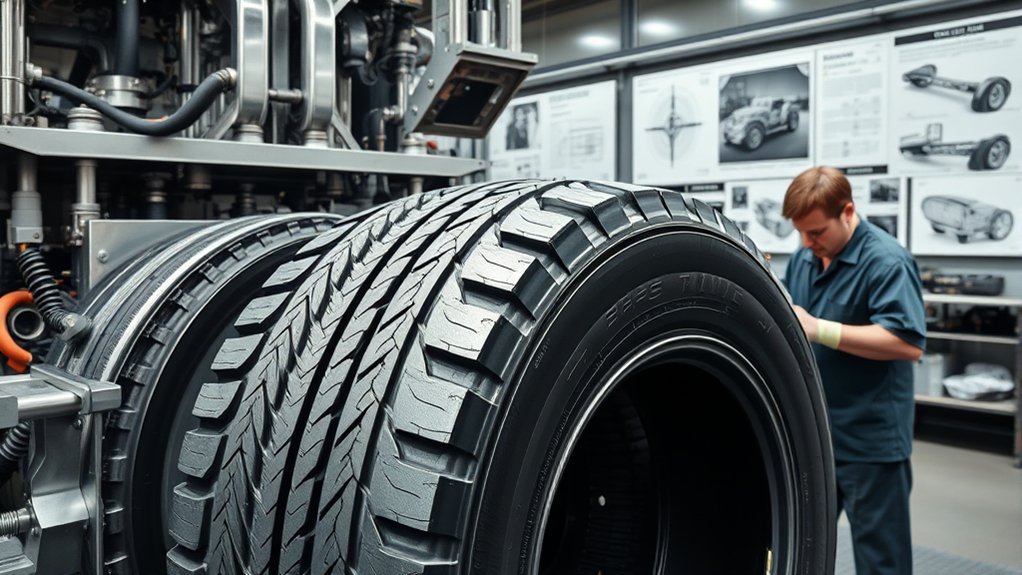
The modern radial tire is closely tied to Michelin’s postwar development of the MICHELIN X. Michelin says it registered the patent for the MICHELIN X radial tire on June 4, 1946, after work by engineer Marius Mignol and other Michelin engineers on a design that placed carcass threads at right angles to the direction of travel. The design reduced energy loss, helped the tire run with less heat, and improved durability compared with cross-ply tires of that era.
Radial technology spread gradually because vehicles, suspension tuning, manufacturing equipment, and service practices all had to adapt. Over time, the advantages became difficult to ignore: a more stable tread area, less internal friction, better road contact, and improved tread life in many applications. Today, radial construction is the standard choice for most passenger vehicles, highway trucks, buses, and many commercial tire applications.
How Radial Tires Differ From Bias-Ply Tires
Radial and bias-ply tires both support the vehicle and transfer braking, steering, and driving forces to the road. The difference is how the internal cords are arranged. In a bias-ply tire, the body plies cross each other diagonally, usually forming a crisscross structure from bead to bead. In a radial tire, the body cords run more directly across the tire, while belts stabilize the tread.
| Feature | Radial Tire | Bias-Ply Tire |
|---|---|---|
| Cord direction | Cords run bead to bead at about 90 degrees to travel direction. | Plies cross diagonally in alternating layers. |
| Sidewall behavior | More flexible sidewall helps ride comfort and heat control. | Stiffer sidewall can help in some low-speed severe-service conditions. |
| Tread stability | Belt package helps keep the tread flatter and more stable. | Tread and sidewall act more as one structure. |
| Common strengths | Fuel efficiency, tread wear, heat control, highway stability. | Impact resistance and sidewall stiffness in some specialty uses. |
| Best fit | Highway trucks, buses, delivery fleets, passenger vehicles, many modern off-road applications. | Some trailers, agricultural, industrial, or severe low-speed applications where the duty cycle favors bias construction. |
For most highway trucks, radial construction provides better overall efficiency and handling. For a fleet working in sharp-rock, curb-strike, or low-speed impact-heavy service, the correct answer depends on the tire model and the job. Construction type is only one part of tire selection.
[Products Worth Considering]

This all-in-one inflator kit provides a 50‑foot hybrid air hose with dual foot chuck, universal gladhand, and air plugs, delivering reliable tire inflation for semi‑trucks up to 350 psi. The lightweight, kink‑resistant hose resists wear, chemicals and extreme temperatures, while the portable design makes storage and transport effortless for drivers and fleet managers.

The VIAIR 300P delivers reliable tire inflation for trucks, SUVs, and jeeps with up to 150 PSI pressure and a 33% duty cycle, ensuring quick recovery from flats on and off road. Its 12‑volt operation and 2.30 CFM free flow make it ideal for emergency roadside use, while the deluxe dual‑compartment carry bag adds convenience and portability. Easy to connect to a vehicle battery and equipped with a 5‑in‑1 gauge, it provides accurate pressure monitoring and hassle‑free operation.

This heavy‑duty tire inflator kit features a 50‑foot hybrid polymer hose and a universal glad‑hand attachment, allowing trucks to tap onboard air for quick tire inflation. The 30° dual air chuck reaches hard‑to‑reach valve stems, while weather‑resistant construction ensures reliable performance indoors and out. Ideal for fleet managers and truck drivers who need a portable, high‑pressure solution.
Understanding Radial Tire Anatomy
Understanding the main parts of a radial tire makes it easier to see why the design works. Each component has a specific job, and the tire only performs well when all of these parts are matched to the load, pressure, speed, and application.
- Tread: The outer rubber layer that contacts the road. Its compound and pattern affect traction, braking, wear, rolling resistance, and noise.
- Belts: Steel or textile-reinforced layers under the tread that stabilize the tread area and help resist deformation.
- Carcass ply: The main body structure. In a radial tire, the cords run bead to bead at about 90 degrees to the travel direction.
- Sidewall: The flexible side area that protects the carcass and absorbs movement. It also carries important tire size, load, pressure, and safety markings.
- Bead: The reinforced edge that anchors the tire to the rim.
- Inner liner: The air-retaining layer inside most tubeless tires.
- Cap ply or overlay: A reinforcing layer used in some tires to help control growth, heat, and high-speed stability.
The tread compound also matters. Modern radial tires may use blends of natural rubber, synthetic rubber, carbon black, silica, oils, resins, antioxidants, and other materials. The exact formula varies by manufacturer and application. A long-haul steer tire, a regional drive tire, and a mixed-service construction tire may all be radial, but they are built for very different jobs.
[Products Worth Considering]

The 5 Gallon Air Tire Bead Seater quickly inflates tire sidewalls to seat the bead onto the rim, works for tires up to 24.5 inches on vehicles ranging from cars to ATVs. Its heavy‑duty all‑steel construction with powder coating ensures durability, while the easy‑to‑read gauge lets you monitor pressure accurately. The long‑reach metal barrel delivers a precise air blast at the perfect angle for efficient bead seating. Ideal for automotive shops and DIY enthusiasts needing reliable tire repair performance.
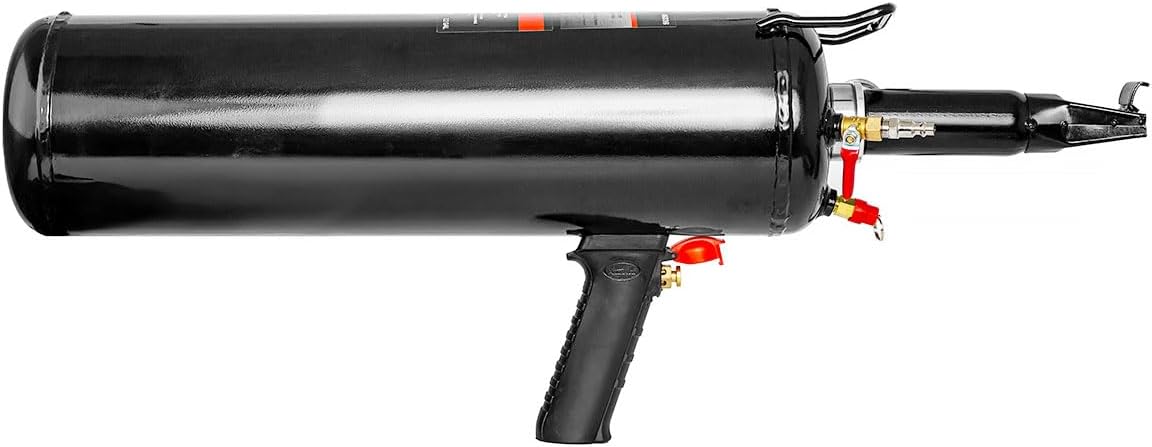
The XtremepowerUS Tire Bead Seater delivers rapid, high‑pressure inflation for a wide range of vehicles, from motorcycles to large tractors, with a 12‑liter capacity and 116 PSI maximum pressure. Its ergonomic, handheld design features a push‑button switch, non‑slip grip, and built‑in piston valve for precise control and easy operation. The durable steel construction and large‑diameter exhaust valve ensure reliable performance and efficient air release, making tire bead seating quick and hassle‑free.
How Steel Belts Strengthen Radial Tires
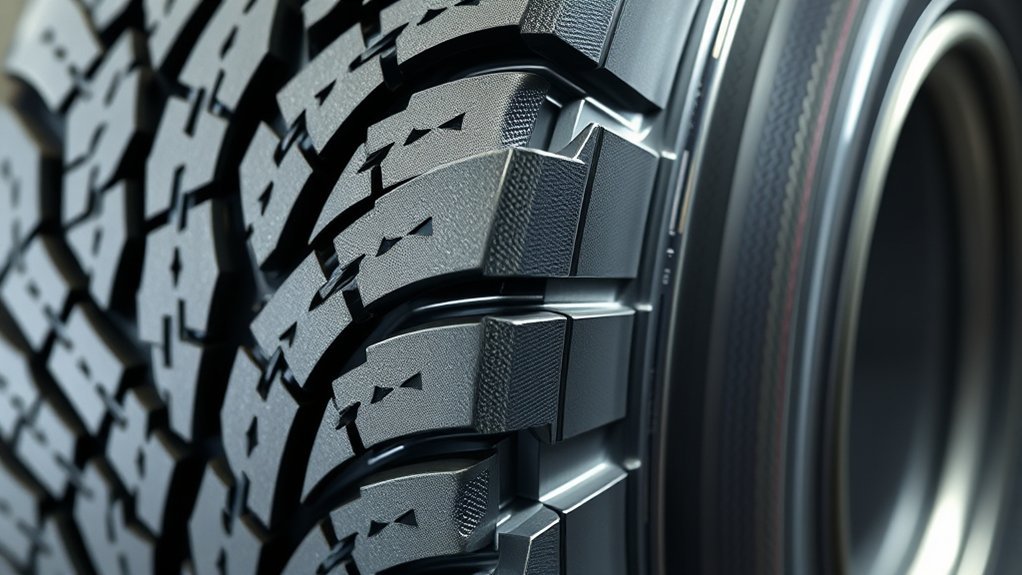
Steel belts sit beneath the tread area in many radial tires. Their job is to help hold the tread stable as the tire rolls, corners, brakes, and carries load. This belt package helps reduce tread movement, supports a more consistent footprint, and improves resistance to many tread-area cuts and punctures.
Steel Belt Functionality
Steel belts do not make a tire indestructible, but they do strengthen the part of the tire that meets the road. In a truck tire, that matters because the tread must handle heavy vertical loads, braking torque, cornering force, heat, and repeated impacts from debris or uneven pavement.
| Steel Belt Role | Benefit | Performance Impact |
|---|---|---|
| Tread support | Helps maintain tread shape under load. | More stable handling and wear. |
| Reduced tread squirm | Limits unnecessary tread movement. | Better steering response and lower heat buildup. |
| Tread-area protection | Adds resistance below the tread face. | Helps protect against many road hazards, though punctures can still happen. |
| Footprint control | Helps distribute pressure across the contact patch. | Supports even wear when alignment and inflation are correct. |
Enhanced Tire Durability
Radial truck tires can deliver long service life, but durability is not just a construction claim. It depends on the casing design, tread compound, speed, load, road surface, heat, inflation pressure, alignment, retreading program, and driver behavior. Steel belts help, but poor maintenance can still destroy a high-quality radial tire quickly.
Warning: Underinflation and overloading create excessive heat and structural stress. For truck tires, always use the vehicle, tire, rim, and load/inflation data from the manufacturer or fleet maintenance program. Do not rely on visual sidewall appearance alone.
Radial Tire Manufacturing Process
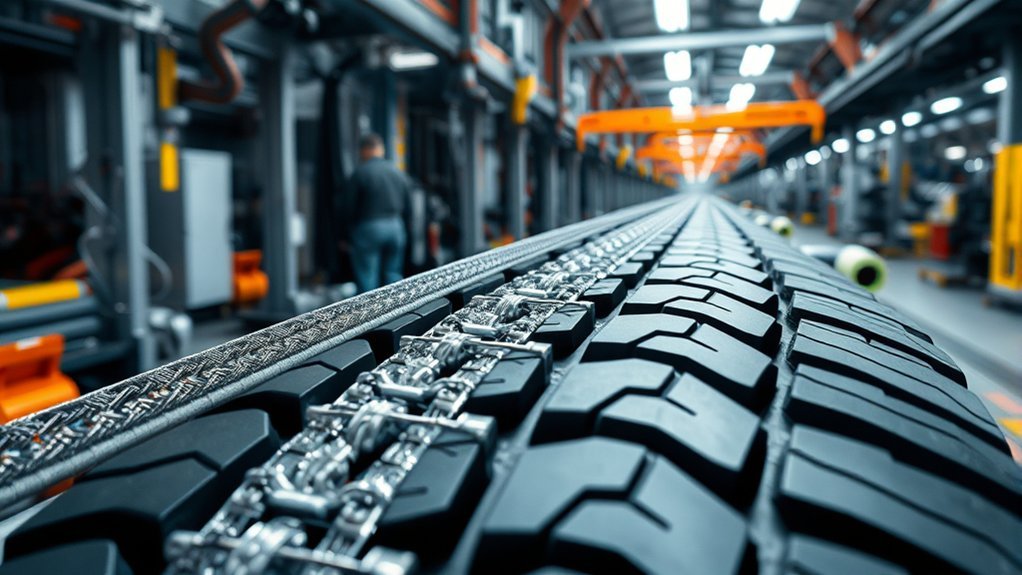
Radial tire manufacturing starts with separate components. The tread, sidewall, inner liner, bead bundles, body ply, belt package, and other reinforcement layers are prepared and then assembled into an uncured tire, often called a green tire. At this stage, the tire has its basic shape but not its final strength, tread detail, or finished properties.
| Manufacturing Stage | What Happens | Why It Matters |
|---|---|---|
| Compound mixing | Rubber, fillers, oils, curatives, and additives are blended. | Controls traction, heat resistance, wear, and rolling resistance. |
| Component preparation | Tread, sidewall, ply, belts, beads, and liner are formed. | Each part must meet tight thickness and strength requirements. |
| Tire building | Components are layered into a green tire. | Correct placement affects balance, strength, and casing quality. |
| Curing | Heat and pressure shape the tire in a mold. | Vulcanization gives the tire its final strength and tread pattern. |
| Inspection | Finished tires are checked for uniformity and defects. | Quality control helps protect safety and performance. |
The Importance of Vulcanization for Tire Durability
Vulcanization is the curing process that changes uncured rubber into a stronger, more elastic, and more heat-resistant material. In tire manufacturing, the green tire is placed inside a heated mold. Heat, pressure, sulfur-based cure systems, and other curatives help form cross-links in the rubber compound. At the same time, the mold shapes the sidewall markings and tread pattern.
Vulcanization Process Explained
During curing, the rubber compound changes from a soft, tacky material into a durable elastic structure. That transformation is essential because a tire must flex millions of times while carrying load, resisting heat, gripping pavement, and holding air pressure.
- The green tire enters the mold: The uncured tire is placed in a curing press.
- Heat and pressure are applied: The mold shapes the tread and sidewall details.
- Rubber cross-links form: The compound gains strength, elasticity, and resistance to deformation.
- The tire is cooled and inspected: Finished tires are checked before release.
Benefits of Vulcanization
Proper vulcanization improves the tire’s ability to handle heat, flexing, abrasion, and repeated loading. Poor curing can harm durability, uniformity, and safety, which is why tire manufacturers tightly control time, temperature, pressure, and compound chemistry.
Effects on Tire Lifespan
Vulcanization makes long tire life possible, but it does not guarantee it by itself. A well-made radial truck tire can still fail early if it is overloaded, underinflated, misaligned, run flat, repaired improperly, or used in the wrong service category. Tire lifespan is the result of design, manufacturing, application, and maintenance working together.
Innovative Materials Enhancing Radial Tire Durability and Performance
Modern radial tire performance depends heavily on compound design. Tire manufacturers tune rubber formulas for the intended job: long-haul fuel efficiency, regional scrub resistance, wet braking, winter traction, construction-site durability, retreadability, or a mix of those goals.
Silica compounds are widely used in many modern tires to help balance wet grip and rolling resistance. Carbon black remains important for reinforcement and abrasion resistance. Research into graphene and other nanomaterials continues because these materials may improve thermal behavior, conductivity, and mechanical properties in rubber compounds. However, lab results should not be treated as guaranteed performance for every commercial tire until a manufacturer validates them in a specific product.
Self-sealing tire technology is another useful development, but it has limits. Michelin Selfseal technology, for example, is designed to seal many small tread punctures from nails and screws up to 1/4 inch (6 mm). It is not a substitute for inspection after a puncture, and it does not make sidewall damage safe.
The best radial tire is not simply the newest or most expensive one. It is the tire whose construction, load rating, tread design, compound, and maintenance plan match the truck’s real work.
Why Radial Tires Boost Truck Performance
Radial tires can improve truck performance because they control heat and tread movement better than many older bias-ply designs. That can translate into better steering response, more even wear, and lower rolling resistance when the tire is used correctly.
Enhanced Fuel Efficiency
Rolling resistance is the energy a tire uses as it flexes and rolls. Lower rolling resistance can reduce fuel use, but the exact result depends on tire model, route, speed, load, weather, inflation pressure, axle position, and vehicle condition. The EPA SmartWay program states that low rolling resistance tires and retread technologies can reduce costs and emissions for long-haul Class 8 tractor-trailers by 3% or more.
Improved Handling Stability
Because radial construction allows the sidewall and tread to work more independently, the tread can stay more stable on the road. That helps steering feel, braking stability, and overall control. For trucks carrying heavy loads, stable contact with the road is especially important during lane changes, braking, and long highway runs.
Longer Tread Life
Radial tires often wear more evenly than comparable bias-ply tires in highway service because the tread area is better supported. Even so, tread life is not automatic. Irregular wear can come from underinflation, overinflation, misalignment, worn suspension parts, poor balancing, mismatched duals, aggressive braking, or the wrong tire for the axle position.
Pro Tip: For fleets, compare tires by cost per mile, not just purchase price. Include casing value, retread potential, fuel use, removal mileage, irregular wear, downtime, and road-call history.
Top Applications for Radial Tires in Commercial Use
Radial tires are widely used in commercial transportation because they fit many high-mileage, high-load, and high-speed applications. Common uses include:
- Long-haul tractors and trailers: Fuel efficiency, tread wear, and casing value are major priorities.
- Regional delivery trucks: Tires must handle frequent stops, turns, curbs, and varied road surfaces.
- Buses and coaches: Ride comfort, heat control, and safety are critical.
- Construction and mixed-service trucks: Radial designs are available, but tread pattern and casing strength must match job-site hazards.
- Light trucks and vans: Radial construction supports highway stability, comfort, and predictable handling.
For each application, choose the correct tire for the axle position. Steer, drive, trailer, all-position, mixed-service, and winter tires are not interchangeable in performance, even when they share the same basic construction type.
How to Choose the Right Radial Truck Tire
Choosing a radial truck tire starts with fitment and load. The tire must match the rim, vehicle placard or fleet specification, load range, speed requirements, axle position, and intended service. After that, compare tread design and compound for the real operating conditions.
- Confirm size and load rating: Use the vehicle manufacturer’s information, tire sidewall markings, and current load/inflation tables.
- Match the axle position: Steer tires, drive tires, and trailer tires have different tread and casing priorities.
- Match the duty cycle: Long-haul, regional, urban delivery, waste, construction, and off-road service create different wear patterns.
- Check speed and heat demands: Sustained highway speeds require the correct speed rating and inflation pressure.
- Consider retreadability: For commercial fleets, casing quality can be as important as original tread mileage.
- Review fuel goals: If fuel efficiency is a priority, compare verified low rolling resistance options for the correct axle positions.
Maintenance and Safety Checklist for Radial Tires
Radial construction gives a tire strong potential, but maintenance determines how much of that potential you actually get. The National Highway Traffic Safety Administration emphasizes tire inflation, rotation, tread checks, labeling, aging, and fuel efficiency as part of tire safety.
- Check inflation pressure cold: Use a calibrated gauge and the correct load/inflation target.
- Inspect tread and sidewalls: Look for cuts, bulges, cracks, exposed cords, irregular wear, and embedded objects.
- Watch for heat-related damage: Underinflation and overloading can cause internal structural damage before it is visible.
- Rotate when appropriate: Follow the tire manufacturer, vehicle manufacturer, or fleet maintenance schedule. Rotation needs vary by vehicle and application.
- Maintain alignment and suspension: Irregular wear often points to alignment, balance, bearing, or suspension problems.
- Respect repair limits: A tire that has been run flat, damaged in the sidewall, or repaired improperly may be unsafe.
- Track tire data: Fleets should record pressure checks, removals, repair history, retread cycles, and cost per mile.
Warning: Do not use plug-only or outside-in repairs as a permanent tire repair. The U.S. Tire Manufacturers Association says proper puncture repair requires removing the tire from the rim, inspecting the inside, filling the injury with a rubber stem or plug, and sealing the inner liner with a patch.
Future Innovations in Radial Tire Technology
Future radial tire development is moving in several directions at once. The most useful improvements will likely combine better materials, better monitoring, and better maintenance decisions rather than relying on one breakthrough.
- Lower rolling resistance compounds: New tread formulas aim to reduce energy loss while protecting wet grip and wear.
- Self-sealing systems: Sealant layers can help with many small tread punctures, but they still require inspection and have limits.
- Smart tire sensors: Pressure, temperature, and mileage monitoring can help fleets catch problems earlier and reduce downtime.
- Advanced fillers: Research into silica systems, graphene, and other nanomaterials may improve heat control and durability in future products.
- More sustainable casing design: Longer casing life, retreading, and better material efficiency can reduce waste and lower lifecycle cost.
Frequently Asked Questions
How do radial tires improve fuel efficiency for trucks?
Radial tires can improve fuel efficiency by reducing internal friction, heat buildup, and tread deformation. Low rolling resistance radial tires are designed specifically for this goal. EPA SmartWay says low rolling resistance tires and retreads can reduce costs and emissions for long-haul Class 8 tractor-trailers by 3% or more when used correctly.
What is the lifespan of a typical radial truck tire?
There is no single mileage number for all radial truck tires. Lifespan depends on tire type, axle position, load, inflation pressure, route, alignment, tread compound, casing quality, and maintenance. Fleets should track removal mileage, retread performance, irregular wear, and cost per mile instead of relying on a generic mileage estimate.
Can radial tires be repaired easily compared to bias-ply tires?
Some radial tire punctures can be repaired, but only when the damage is in a repairable area and the tire passes inspection. A proper repair requires removing the tire from the wheel, inspecting the inside, filling the injury, and applying an inner liner patch. Sidewall damage, run-flat damage, belt separation, and improper previous repairs can make a tire unsafe.
How often should radial truck tires be rotated?
Follow the vehicle, tire manufacturer, or fleet maintenance schedule. Light trucks often use mileage-based rotation intervals, while commercial truck rotation depends more on axle position, wear pattern, application, and casing strategy. Rotate when it helps correct or prevent irregular wear, and investigate alignment or suspension issues if unusual wear appears.
What are the signs of wear on radial tires?
Common warning signs include uneven tread depth, shoulder wear, cupping, feathering, cracks, bulges, exposed cords, vibration, air loss, and cuts in the tread or sidewall. Any bulge, exposed cord, severe cut, or tire that has been driven underinflated should be inspected by a qualified tire professional immediately.
Are radial tires always better than bias-ply tires?
No. Radial tires are usually better for highway fuel efficiency, tread wear, comfort, and heat control. Bias-ply tires can still make sense in some low-speed, high-impact, or specialty applications where sidewall stiffness and impact behavior matter more than rolling efficiency.
Why do radial tires often look like they are bulging at the sidewall?
A radial tire’s flexible sidewall can show a normal bulge where it carries load. That does not automatically mean the tire is underinflated. However, you should never judge pressure by appearance alone. Use a calibrated tire gauge and the correct cold inflation pressure for the load.
Do steel belts prevent all punctures?
No. Steel belts strengthen and stabilize the tread area, but sharp objects, severe impacts, sidewall cuts, underinflation damage, and road hazards can still damage a tire. Steel belts improve resistance in the tread area; they do not make a tire puncture-proof.
Conclusion
Radial tire construction improves tire performance by letting the sidewall flex while the belt-supported tread stays more stable on the road. That structure helps with handling, heat control, tread wear, and fuel efficiency, especially in highway and commercial truck service. The real-world result still depends on choosing the right tire and maintaining it correctly. For the best outcome, match the tire to the load and application, keep inflation pressure correct, inspect tires often, and follow proper repair and rotation practices.
Sources
- Michelin — The triumph of the radial tyre — radial tire history, 1946 MICHELIN X patent, radial construction benefits.
- U.S. EPA SmartWay — Low Rolling Resistance Tires — fuel, cost, and emissions benefits for long-haul Class 8 tractor-trailers.
- NHTSA TireWise — tire safety, inflation, rotation, tread checks, fuel efficiency, and maintenance guidance.
- U.S. Tire Manufacturers Association — Tire Repair Basics — proper puncture repair procedure and repair limits.
- Michelin Selfseal Technology — self-sealing tire capabilities and limits for small tread punctures.
- Heuver — Structure of a Radial Tyre — radial tire components, carcass, belts, tread, and bead functions.

Related Articles

Highway Tires vs All-Terrain for a Daily-Commute Truck: Which Saves More?
Maximize your truck's efficiency with highway tires over all-terrain options—discover the surprising cost-saving differences for your daily commute. What will you choose?
Read More
When to Choose LT Tires Over P-Rated for a Tundra: Weight and Use Cases
Understanding when to choose LT tires over P-rated for your Tundra can transform your driving experience—discover the key factors that matter.
Read More
Running All-Terrain Tires Year-Round on a Tundra: Pros and Cons
Learn the crucial pros and cons of running all-terrain tires year-round on your Tundra—your driving experience may never be the same again.
Read More