
Tundra Bolt Pattern Guide by Generation (1999-2026)
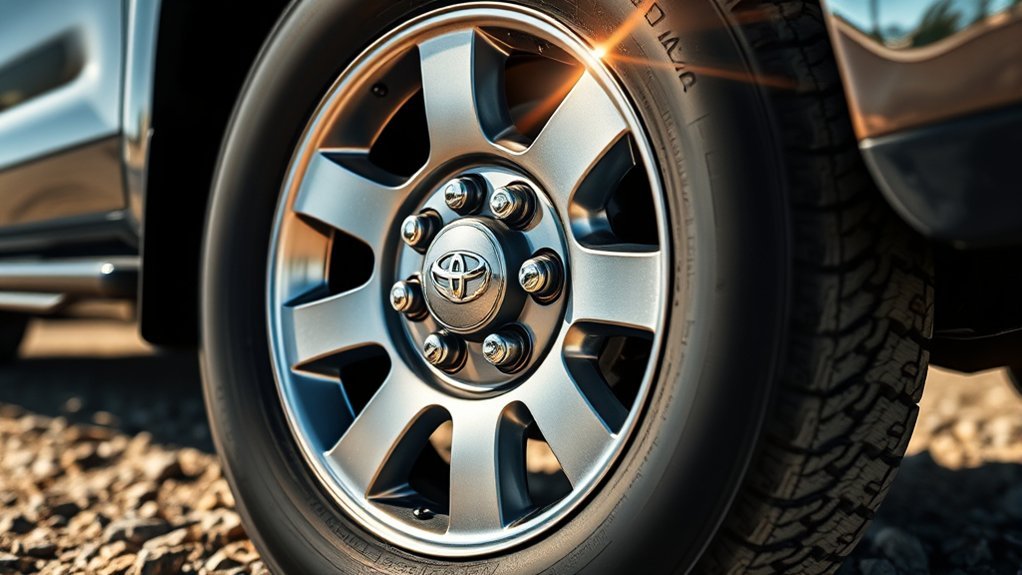
Choosing the wrong wheels for your Toyota Tundra can cause poor fitment, vibration, rubbing, or unsafe handling. Your bolt pattern tells you which wheels can mount correctly, but you also need the right center bore, offset, lug nuts, and load rating. This guide explains Toyota Tundra bolt patterns by generation, how to measure them, and what to check before you buy aftermarket wheels.
What’s in This Article
- Understanding Bolt Patterns: What You Need to Know
- Why Your Bolt Pattern Matters for Wheel Fitment
- 1st Generation (1999-2006): Bolt Pattern and Specifications
- 2nd Generation (2007-2021): Transition to a New Bolt Pattern
- 3rd Generation (2022-2026): Current Bolt Pattern Insights
- How to Measure Your Tundra’s Bolt Pattern
- Common Mistakes When Choosing Wheels for Your Tundra
- Recommended Wheel Sizes and Offsets for Each Generation
- Adjustments for Optimal Fit: Modifications and Considerations
- How Do Wheel and Tire Upgrades Affect Your Tundra’s Bolt Pattern?
- Frequently Asked Questions
- Conclusion
Quick Answer
Toyota Tundra bolt patterns vary by generation. The 1999-2006 Tundra uses a 6×139.7 mm pattern, the 2007-2021 Tundra uses a 5×150 mm pattern, and the 2022-2026 Tundra uses a 6×139.7 mm pattern. Before you buy wheels, match the bolt pattern, center bore, lug nut seat, offset, and load rating to your exact model year.
Key Takeaways
- Check your Tundra’s model year before you choose wheels.
- Match the bolt pattern first, then confirm center bore, offset, and lug nuts.
- Use wheels with a load rating that fits your towing and hauling needs.
- Expect 2007-2021 Tundras to use a different bolt pattern than the other generations.
- Test-fit aftermarket wheels before mounting tires when clearance looks tight.
Understanding Bolt Patterns: What You Need to Know
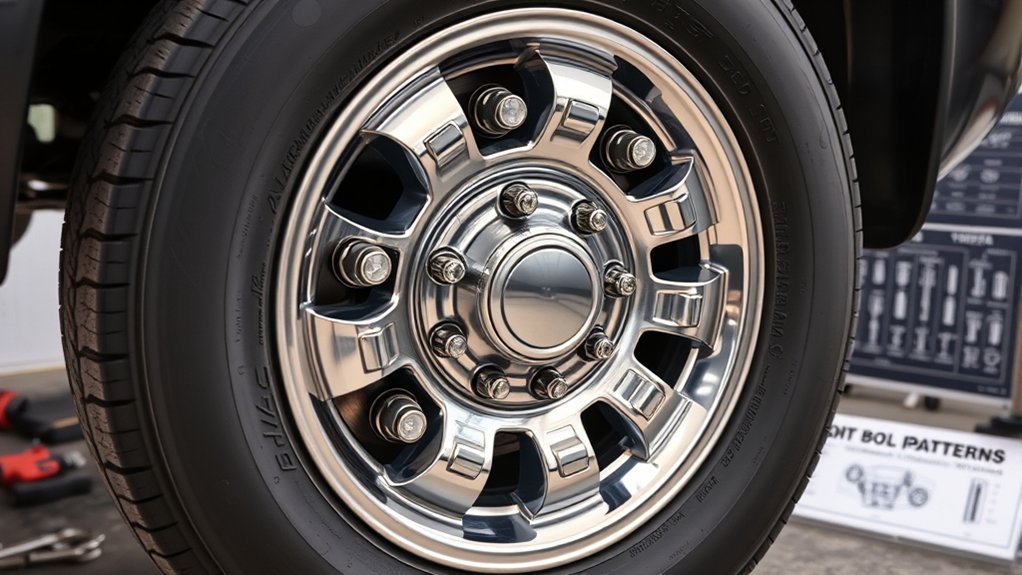
Your Toyota Tundra’s bolt pattern describes two things: the number of lug holes and the diameter of the circle they form. For example, a 6×139.7 mm pattern means the wheel has six lug holes across a 139.7 mm bolt circle.
This number matters because the wheel must line up with the hub studs. If the holes don’t match, the wheel can’t mount safely.
Toyota used different bolt patterns across Tundra generations. The 1999-2006 models use 6×139.7 mm, the 2007-2021 models use 5×150 mm, and the 2022-2026 models return to 6×139.7 mm.
Why Your Bolt Pattern Matters for Wheel Fitment
Your bolt pattern directly affects wheel fitment, steering feel, ride quality, and safety. A wheel with the wrong pattern can sit off-center or fail to seat against the hub correctly.
Wrong fitment can also cause wheel wobble, uneven tire wear, vibration, and stress on suspension or brake parts. These problems become more serious when you tow, haul, or drive off-road.
Warning: Don’t use adapters or spacers unless a qualified installer confirms the parts, torque specs, and load rating.
You should also confirm your lug nut thread size and seat type. Many older models use M12 x 1.5 threads, while newer models use M14 x 1.5 threads.
1st Generation (1999-2006): Bolt Pattern and Specifications
The 1st Generation Toyota Tundra (1999-2006) uses a 6×139.7 mm bolt pattern, also called 6×5.5 inches. This six-lug layout gives the truck a common pattern used on many light trucks and sport utility vehicles.
The lug nut thread size is typically M12 x 1.5. Many fitment guides also list a center bore near 110 mm for this generation, but you should verify your trim before buying wheels.
Use the wheel torque value listed in your owner’s manual or service information. The commonly cited torque value for many 1st Generation Tundras is 85 ft-lbs, but trim and wheel type can affect the correct number.
2nd Generation (2007-2021): Transition to a New Bolt Pattern
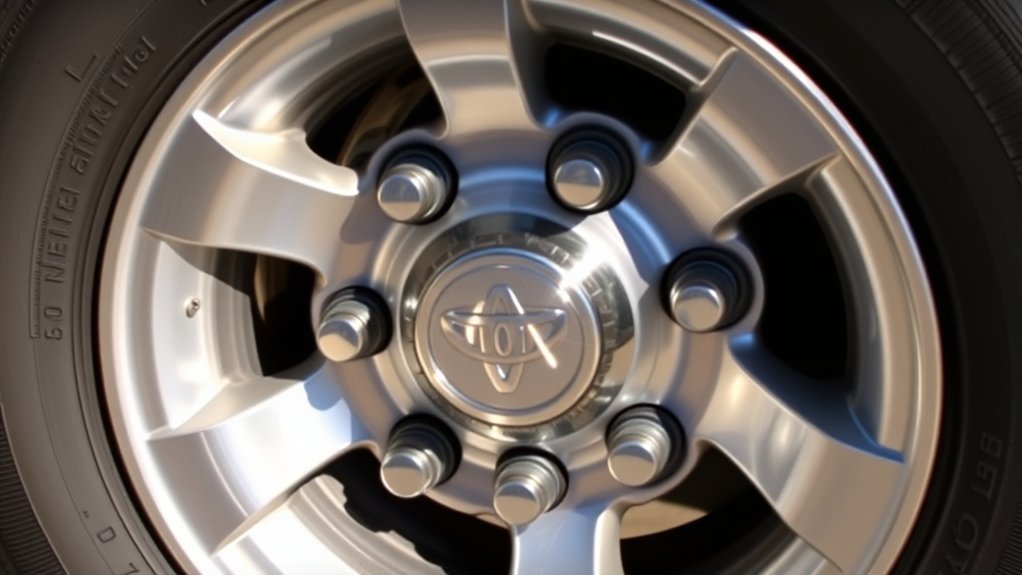
The 2nd Generation Toyota Tundra (2007-2021) changed to a 5×150 mm bolt pattern. This five-lug setup differs from both the earlier and later Tundra generations.
That change limits direct wheel swaps between generations. A wheel from a 2007-2021 Tundra usually won’t fit a 1999-2006 or 2022-2026 Tundra without special hardware.
Bolt Pattern Changes
The 5×150 mm pattern gave the 2nd Generation Tundra its own fitment profile. Wheel buyers must check listings carefully because many six-lug Toyota truck wheels won’t fit this generation.
The center bore is commonly listed near 110.1 mm. If an aftermarket wheel has a larger bore, you may need hub-centric rings to help center the wheel on the hub.
Impact on Wheel Selection
The 5×150 mm pattern gives you plenty of aftermarket choices, but it narrows your search. You need wheels made for that pattern, plus the right offset and load rating.
Don’t judge fit by diameter alone. A 20-inch wheel can still fit poorly if the offset, center bore, lug seat, or load rating does not match your Tundra.
3rd Generation (2022-2026): Current Bolt Pattern Insights
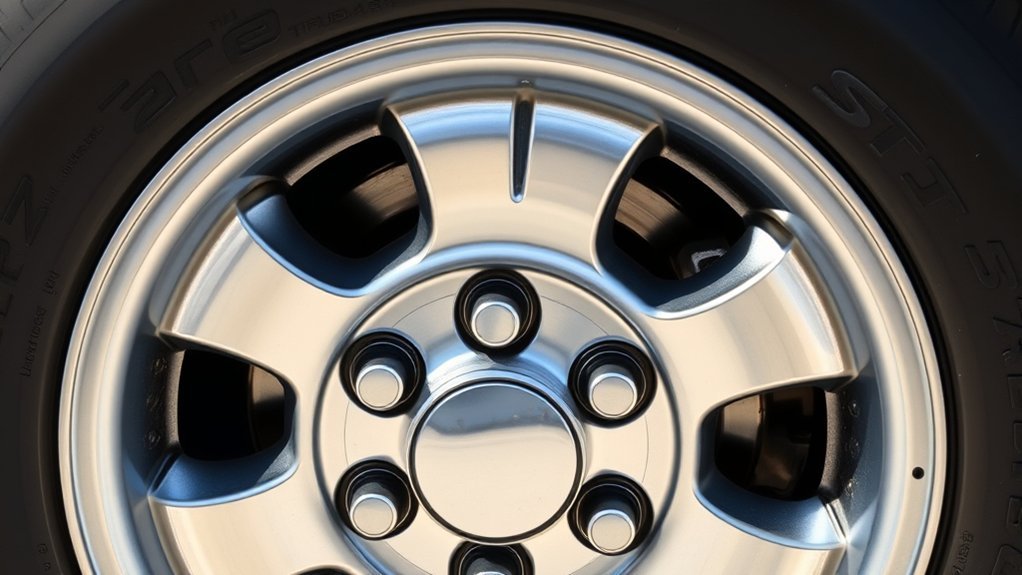
The 3rd Generation Toyota Tundra, from 2022 to 2026, uses a 6×139.7 mm bolt pattern. This layout brings the Tundra back to a six-lug pattern, but it does not mean every older six-lug wheel fits.
You still need to confirm the center bore, offset, brake clearance, lug nut thread, and load rating. These details can make or break real-world fitment.
Current Bolt Pattern Overview
The 2022-2026 Tundra uses a 6×139.7 mm configuration and commonly lists a 95.2 mm center bore. It also uses M14 x 1.5 lug nut threads.
Factory wheels often use a positive offset. That offset helps place the tire where Toyota designed it to sit inside the wheel well.
Differences From Previous Generations
The 3rd Generation Tundra differs most from the 2nd Generation because it changes from five lugs back to six. It also uses a smaller center bore than the 2nd Generation.
That smaller center bore means some older wheels may not slide over the hub, even if the bolt pattern matches. Always check bore size before assuming a wheel will fit.
Wheel Size Compatibility Factors
Common 3rd Generation wheel diameters include 18, 20, and 22 inches. Tire choices often range from daily-driver sizes to larger off-road setups.
Larger tires can rub on fenders, liners, mud flaps, or suspension parts. Wheel width and offset often matter as much as tire height.
Pro tip: Test-fit one front wheel before mounting a full tire set, especially with wider aftermarket wheels.
How to Measure Your Tundra’s Bolt Pattern
You can measure your Tundra’s bolt pattern with a tape measure or caliper. First, count the lug holes on the wheel or hub.
For a six-lug pattern, measure from the center of one lug hole to the center of the hole directly across from it. For a five-lug pattern, measure from the center of one lug hole to the outer edge of the hole across from it, or use a bolt pattern gauge.
Record the result in millimeters when possible. Toyota Tundra fitment guides use millimeters most often, so this helps you compare wheels faster.
Common Mistakes When Choosing Wheels for Your Tundra
Wheel buying mistakes usually come from checking only one spec. Bolt pattern matters first, but it won’t guarantee a safe fit by itself.
You should also check load rating, offset, center bore, lug nut seat, brake clearance, and tire clearance. These details help your truck drive, tow, and stop as intended.
Ignoring Bolt Pattern Compatibility
Some owners assume all Tundras use the same bolt pattern. They don’t. The 2007-2021 Tundra uses 5×150 mm, while the 1999-2006 and 2022-2026 generations use 6×139.7 mm.
If you ignore that difference, the wheel may not mount at all. Worse, unsafe adapters or poor hardware can create serious road risks.
Overlooking Load Ratings
Load rating tells you how much weight each wheel can support. This spec matters more when you tow, haul heavy cargo, or run larger tires.
Choose wheels that meet or exceed the load needs of your truck. Don’t use wheels made for lighter vehicles just because the bolt pattern matches.
Misjudging Wheel Offset
Wheel offset controls how far the wheel sits inward or outward from the hub. Too much positive offset can move the tire toward suspension parts, while too much negative offset can push the tire outside the fender.
Bad offset can cause rubbing, poor steering feel, bearing stress, or fender contact. Match your wheel offset to your tire size and suspension setup.
Recommended Wheel Sizes and Offsets for Each Generation
Recommended sizes depend on your trim, suspension, and tire choice. Use the chart below as a starting point, then verify exact fitment before ordering.
- 1st Generation (1999-2006): Common 16-inch and 17-inch wheel options work well with stock-style tire sizes.
- 2nd Generation (2007-2021): Common 18-inch, 20-inch, and 22-inch options fit many trims when offset and tire size match.
- 3rd Generation (2022-2026): Common 18-inch, 20-inch, and 22-inch options fit many trims, but the smaller center bore needs attention.
Factory-style offsets usually give the easiest fit. More aggressive offsets may look wider, but they can require trimming, lift parts, or smaller tires.
Adjustments for Optimal Fit: Modifications and Considerations
You may need small changes when you install wider wheels or taller tires. Leveling kits, lift kits, fender trimming, and different offsets can improve clearance.
Use the table below as a general guide. Always confirm parts with your wheel installer because trim, tire brand, and suspension setup can change clearance.
| Modification Technique | Tire Size Compatibility | Considerations |
|---|---|---|
| Leveling Kit | 33-35 inches | Best for about 2-3 inches of front lift |
| 6-Inch Lift | 35-37 inches | Needs more clearance checks |
| Fender Trimming | All larger tire sizes | Helps prevent rubbing |
| Lug Nut Compatibility | M12/M14 | Match thread size and seat style |
How Do Wheel and Tire Upgrades Affect Your Tundra’s Bolt Pattern?
Wheel and tire upgrades do not change your Tundra’s bolt pattern. Your hub determines the pattern, so you must choose wheels that match it.
Upgrades can still affect fitment in several other ways:
- Bolt pattern match: Choose 6×139.7 mm or 5×150 mm based on your model year.
- Wheel offset: Keep the tire clear of suspension parts, fenders, and brake components.
- Tire clearance: Check for rubbing at full steering lock and during suspension travel.
- Lug nut compatibility: Match thread size and seat type to the wheel.
- Load rating: Choose wheels strong enough for towing, hauling, and daily driving.
Note: A matching bolt pattern does not guarantee fitment because center bore, offset, and brake clearance also matter.
Frequently Asked Questions
Do All Tundras Have the Same Bolt Pattern?
No, not all Tundras share the same bolt pattern. The 1999-2006 Tundra uses 6×139.7 mm, the 2007-2021 Tundra uses 5×150 mm, and the 2022-2026 Tundra uses 6×139.7 mm.
What Tundra Has a 6×139.7?
The 1999-2006 and 2022-2026 Toyota Tundra use a 6×139.7 mm bolt pattern. You still need to check center bore, offset, and lug nut specs before swapping wheels between these generations.
Can 2007-2021 Tundra Wheels Fit a 2022-2026 Tundra?
In most cases, no. The 2007-2021 Tundra uses a 5×150 mm bolt pattern, while the 2022-2026 Tundra uses 6×139.7 mm.
Do You Need New Lug Nuts for Aftermarket Tundra Wheels?
You may need new lug nuts if the aftermarket wheel uses a different seat style. Many aftermarket wheels use 60-degree conical seat lug nuts, while some factory wheels use a different seat design.
Does Center Bore Matter on a Toyota Tundra?
Yes, center bore matters because it helps the wheel sit centered on the hub. If the bore is too small, the wheel won’t fit over the hub; if it’s larger, hub-centric rings may help reduce vibration.
Conclusion
Your Toyota Tundra’s bolt pattern gives you the first and most important filter for wheel shopping. Match the pattern to your model year, then confirm the center bore, offset, lug nuts, tire clearance, and load rating. If you plan to tow, haul, or go off-road, ask a qualified tire shop to test-fit your setup before you commit. The right wheels should improve your truck’s look without giving up safety, comfort, or control.

Related Articles
Toyota Tundra Tire and Wheel Package: What to Consider Before Buying
Unlock the secrets to choosing the perfect tire and wheel package for your Toyota Tundra—essential tips await to enhance your ride.
Read More
Do Bigger Tires Void a Toyota Tundra Warranty? Magnuson-Moss Act Explained
Bigger tires might not void your Toyota Tundra warranty, but understanding the Magnuson-Moss Act is crucial—discover how to protect your investment effectively.
Read More
Toyota Tundra Tire Rack Setup: Garage Storage Ideas for Seasonal Sets
Better tire storage for your Toyota Tundra awaits—discover essential tips to maximize space and protect your seasonal sets in the garage!
Read More