4Runner Tire and Wheel Package: What to Consider
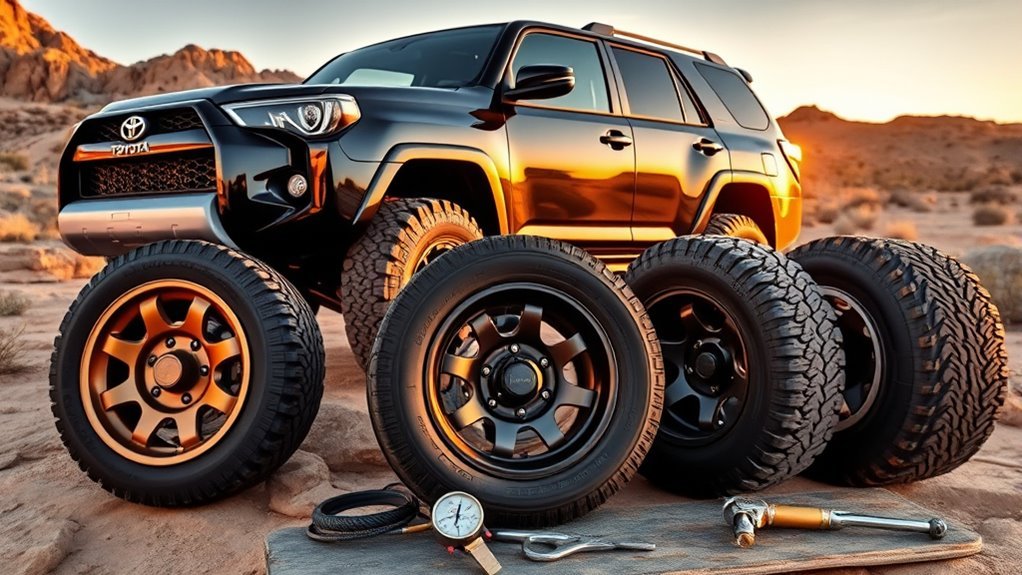
Choosing a 4Runner tire and wheel package is not only about a tougher stance. You need the right tire size, wheel width, offset, load rating, tire pressure plan, and clearance for your exact model year. The best setup for a mostly stock 2010–2024 4Runner may not match a 2025+ 4Runner, and a clean-looking wheel can still rub if the offset, tire diameter, or tire shoulder shape is wrong.
Quick Answer
For many 2010–2024 4Runner owners, a practical daily-driver upgrade is a 17-inch wheel with a mild offset and a 275/70R17 or carefully fitted 285/70R17 all-terrain tire. Check your tire placard, owner’s manual, wheel specs, load index, alignment, and full-lock clearance before buying.
Key Takeaways
- Start with your Tire and Loading Information Label and owner’s manual, not a forum photo or wheel ad.
- A 275/70R17 tire is often the lower-drama upsize than a 285/70R17 on a mostly stock 5th-gen 4Runner.
- Lower offset wheels push the tire outward, which can improve stance but increase fender liner, mud flap, bumper, and body mount contact.
- Load E tires help when you carry heavy gear, tow, or drive rocky trails, but they can add weight and ride firmness.
- Thirty-three-inch and larger tires often need alignment work, trimming, suspension changes, or gearing changes depending on the setup.
At a Glance
| Time Required | 30–60 minutes for research and measuring; more if you test-fit wheels, check rubbing, or compare multiple tire sizes. |
| Difficulty | Moderate. Basic size choices are simple, but offset, rubbing, load range, TPMS, and pressure need care. |
| Tools Needed | Owner’s manual, tire placard, tape measure, tire size calculator, wheel specs, load index data, alignment specs, and a trusted tire shop. |
| Cost | Plan roughly $1,800–$3,500 for many mild wheel, tire, mounting, balancing, TPMS, and alignment packages. Lift, control arms, trimming, or gearing can raise the total. Verify local installed pricing before ordering. |
Warning: Do not choose tire pressure from the maximum PSI molded on the tire sidewall. Use the vehicle manufacturer’s cold inflation guidance from the door placard or owner’s manual, then work with a qualified tire shop if you change tire type, load range, or size.
Which 4Runner Wheel and Tire Combo Matches Your Driving Style?
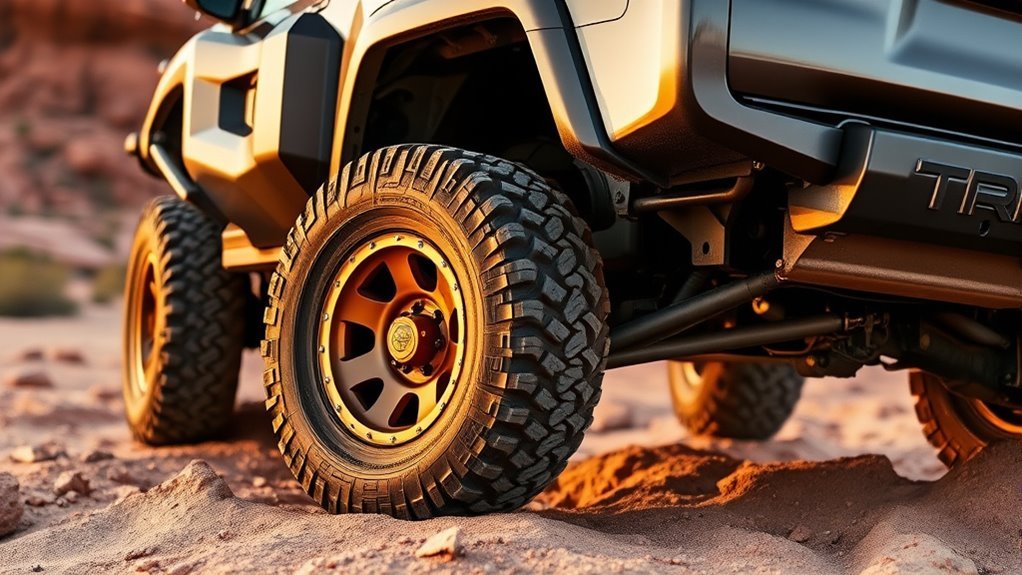
Start with how you actually drive. A daily commuter, camping rig, and rock-crawling 4Runner should not use the same tire and wheel package just because the photo looks good online.
| Use Case | Practical Setup | What to Watch |
|---|---|---|
| Daily driving with light trails | 17-inch wheel with stock-friendly offset and 265/70R17 or 275/70R17 all-terrain tires | Best chance of low rubbing, normal ride comfort, and simple maintenance |
| Daily driving plus weekend off-road use | 17×8 to 17×8.5 wheel with mild offset and carefully checked 285/70R17 all-terrain tires | May need fender liner adjustment, mud flap removal, caster adjustment, or mild trimming |
| Overlanding with added weight | Strong 17-inch wheel and LT all-terrain tire matched to payload and axle weight | Check load index, actual loaded weight, tire pressure, spare fitment, and braking feel |
| Aggressive trail build | 33-inch or larger tire with suspension, alignment, and clearance work planned first | Expect trimming, body mount work, upgraded suspension parts, or gearing changes |
For most owners, the sweet spot is not the largest tire possible. It is the largest tire you can run safely without ruining steering, braking, ride quality, wheel bearing life, or fuel economy.
Note: Toyota redesigned the 4Runner for 2025. The 2025 4Runner Trailhunter comes from Toyota with 33-inch Toyo Open Country A/T tires and ARB Old Man Emu shocks. Do not assume 2010–2024 fitment advice applies exactly to a 2025+ model.
What Specs Should You Check Before Buying 4Runner Wheels?
Before you compare wheel finishes or tread patterns, collect the numbers that decide whether the package can fit safely. The Tire and Loading Information Label gives critical tire safety information such as original tire size, recommended inflation pressure, and vehicle capacity weight. Your owner’s manual and a tire shop can help you compare any replacement size.
| Spec to Verify | Why It Matters |
|---|---|
| Tire placard size and pressure | Gives your baseline tire size, cold pressure, and load guidance. |
| Wheel diameter and width | Must match the tire manufacturer’s approved rim width range. |
| Offset and backspacing | Controls upper control arm clearance, fender clearance, stance, and scrub feel. |
| Bolt pattern and hub bore | The wheel must bolt on correctly and center properly on the hub. |
| Lug nut seat style | Factory lug nuts may not match aftermarket wheel seats. |
| Wheel load rating | The wheel must be rated for your loaded vehicle use, not only the empty curb weight. |
| Brake and suspension clearance | Some wheels clear the body but not the brakes, calipers, or upper control arms. |
| TPMS compatibility | A new package may need sensor transfer, replacement sensors, or relearning. |
| Spare tire fitment | A larger matching spare may not fit under the truck without a separate plan. |
Pro Tip: Ask the seller to confirm fitment in writing before you buy. Keep the return policy, wheel spec sheet, tire spec sheet, and alignment target notes together until the package is installed and tested.
Stock or Aftermarket Wheels for Your 4Runner Build?
Your factory wheels can work well for daily driving, light trails, and conservative tire sizes. They usually keep the tire tucked in, reduce unwanted poke, and preserve predictable steering. That makes them a smart choice when you want reliability more than stance.
Aftermarket wheels give you more control over width, offset, backspacing, load rating, and brake clearance. They also let you choose a stronger or lighter construction, such as flow-formed or forged wheels, when the wheel is properly rated for your vehicle and use.
Factory Wheel Limitations
Factory wheels are not automatically weak, but they do limit your choices. Conservative offsets can restrict tire width, especially when you move into wider all-terrain or mud-terrain tires. A larger tire may contact the upper control arm, fender liner, mud flap, bumper edge, or body mount before it ever looks “too big” from the side.
- Limited offset choice: You cannot move the tire in or out without changing wheels or adding spacers.
- Limited width choice: Wider tires need a wheel width approved by the tire manufacturer.
- Limited visual change: Factory wheels keep the truck subtle, which may not match the stance you want.
Aftermarket Upgrade Benefits
Aftermarket wheels can improve stance, tire clearance, and strength-to-weight balance when you choose carefully. A mild offset can create more upper control arm clearance, while a more aggressive offset pushes the tire outward for a wider look.
That outward movement has tradeoffs. More poke can throw dirt down the side of the truck, increase steering effort, expose wheel bearings to more leverage, and cause rubbing at the rear of the front wheel well. Choose the least aggressive offset that gives you the clearance you need.
Build-Specific Selection Criteria
Match the package to your real build weight and terrain. A mostly stock 4Runner with camping gear does not need the same tire as a steel-bumpered truck with sliders, skid plates, a drawer system, rooftop tent, and recovery gear.
- Daily driver: Prioritize ride quality, wet grip, braking, low road noise, and easy rotation.
- Weekend trail rig: Balance sidewall strength, tread depth, wheel clearance, and repairability.
- Overland rig: Confirm tire load index, axle weight, spare location, and cold tire pressure after loading the vehicle.
- Rock or mud build: Plan suspension, trimming, steering geometry, and drivetrain changes before buying oversized tires.
What 4Runner Tire Size Fits Without Spacers or Cutting?
The safest answer is always on your exact 4Runner’s tire placard and in the Toyota owner’s manual. Those sources tell you the original tire size and pressure for your vehicle. From there, compare any upsize against wheel width, offset, suspension condition, and clearance.
Stock Tire Specifications
Many 2010–2024 4Runner trims use 17-inch wheels with 265/70R17 tires, while some trims and packages use different wheel and tire sizes. Toyota’s 2024 4Runner eBrochure lists 17-inch wheels with P265/70R17 tires and 20-inch wheels with P245/60R20 tires depending on trim and package. Check your door placard first because your exact vehicle is the final reference.
- 265/70R17: Factory-style size for many 17-inch 4Runner setups. This is the lowest-risk choice for ride, speedometer behavior, and clearance.
- 275/70R17: A modest upsize that adds width and diameter without moving into a large-tire build for many owners.
- 285/70R17: A popular upgrade, but not a guaranteed no-rub size. Clearance depends heavily on wheel offset, caster, tire model, mud flaps, bumper shape, and suspension condition.
A tire with the same listed size can still fit differently across brands. Tread width, shoulder shape, sidewall lugs, and actual measured diameter can vary.
Common 4Runner Tire Size Comparison
Tire sizes are not only numbers on a sidewall. A small change in width or aspect ratio can add diameter, weight, rotating mass, and rubbing risk.
| Size | Nominal Diameter | Fitment Notes |
|---|---|---|
| 265/70R17 | About 31.6 inches | Common stock-style 17-inch size for many 5th-gen setups. |
| 275/70R17 | About 32.2 inches | Mild upsize; often easier than 285/70R17 on daily drivers. |
| 285/70R17 | About 32.7 inches | Popular “near-33” size; needs offset, caster, liner, and mud flap checks. |
| 285/75R17 | About 33.8 inches | A taller 33-inch-range size that usually needs more planning. |
| 35×12.50R17 | Listed as 35 inches; actual varies | Build-level size; plan suspension, trimming, gearing, and spare changes first. |
Larger Fitment Limits
If you want the easiest no-cut fitment, stay conservative. A 275/70R17 tire is often easier to live with than a 285/70R17, especially on a daily driver. It reduces the chance of rubbing while still giving the truck a stronger look and more ground clearance than many stock setups.
A 285/70R17 tire can work well, but you should expect a fitment check. Test for rubbing while turning both directions, reversing at full lock, braking, and compressing the suspension. Small changes, such as pushing the fender liner forward, removing mud flaps, or adding caster during alignment, may solve light contact.
Once you move beyond 285/70R17, you leave the simple bolt-on zone for many 4Runner builds. Larger tires can affect acceleration, braking, steering weight, fuel economy, spare fitment, and transmission behavior.
How Does Wheel Offset Change 4Runner Stance and Clearance?
Wheel offset is the distance between the wheel’s mounting surface and its centerline. A higher positive offset tucks the wheel inward. A lower or negative offset pushes the wheel outward. That small millimeter number can decide whether your tire clears the upper control arm or rubs the fender liner.
| Offset Choice | What It Does | Main Risk |
|---|---|---|
| Higher positive offset | Keeps the tire tucked closer to factory position | Possible contact with upper control arms on wider tires |
| Mild offset change | Adds stance and clearance without extreme poke | Still needs full-lock rubbing check |
| Aggressive negative offset | Pushes tire outward for a wide stance | More fender, bumper, mud flap, and body mount contact |
Do not choose offset only for appearance. A wide stance can look good in a photo, but it may increase rubbing and wear on steering and suspension parts. If you plan to run 285/70R17 or larger tires, ask your installer to check backspacing, caster, and clearance before mounting all four tires.
Should You Choose Load C or Load E Tires for a 4Runner?
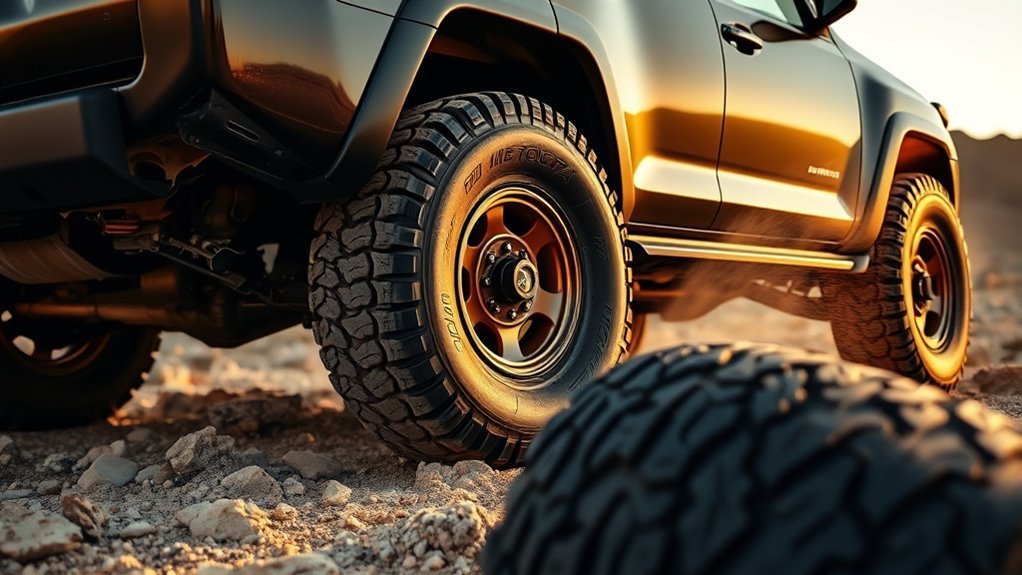
Load E tires do not automatically beat Load C tires for every 4Runner. The better choice depends on payload, tire size, terrain, ride comfort, and how much weight you carry.
A Load C LT tire often gives a better ride on a lighter daily-driven 4Runner because it can weigh less and flex more comfortably. A Load E LT tire can make sense when you carry heavy gear, tow, run rocky trails, or need a tougher casing. The tradeoff is extra weight, firmer ride quality, and sometimes slower acceleration or longer braking feel.
| Attribute | Load C | Load E |
|---|---|---|
| Best for | Daily driving, lighter builds, mixed pavement and trail use | Heavy overland builds, towing, rocky trails, and higher payload use |
| Ride feel | Usually more compliant | Usually firmer |
| Weight | Often lighter | Often heavier |
| Key number to verify | Load index printed on the tire | Load index printed on the tire |
The load range letter tells only part of the story. Always compare the tire’s exact load index, maximum load rating, approved rim width, tire weight, and pressure data for the tire size you plan to buy.
P-Metric vs LT Tires on a 4Runner
A P-metric tire, such as many factory-style passenger SUV tires, usually favors comfort, lower weight, and everyday road manners. An LT tire is built for light-truck service and can offer a tougher casing, but it may ride firmer and weigh more.
Do not switch to LT tires only because they look tougher. Match the tire to your loaded weight, terrain, speed rating, load index, and pressure plan. If your 4Runner is mostly stock and spends most of its life on pavement, a lighter all-terrain tire may feel better than a heavy LT tire.
NHTSA reported 511 motor vehicle traffic fatalities in tire-related crashes in 2024. Tire size, pressure, load rating, and maintenance are safety decisions, not only appearance decisions.
What 4Runner Mods Are Required for 33-Inch and Larger Tires?
A “33-inch tire” is not one fixed fitment. A 285/70R17, 285/75R17, 295/70R17, and 33×12.50 tire can all behave differently because width, shoulder shape, wheel offset, and tread design change clearance.
For many 5th-gen 4Runner builds, a mild 33-inch setup may need some combination of fender liner adjustment, mud flap removal, caster adjustment, or small trimming. More aggressive 33s and most 35-inch setups usually need a deeper plan.
- Suspension lift: A lift can add clearance, but it does not move the body mount or solve every rubbing point.
- Upper control arms: Aftermarket arms can help alignment range and caster on lifted setups.
- Trimming: Fender liners, bumper edges, pinch welds, and body mounts may need attention on larger tires.
- Gearing: Larger tires reduce effective gearing. Some owners regear to restore acceleration, towing feel, and transmission behavior.
- Spare tire fitment: Make sure the matching spare fits under the truck or plan an alternate carrier.
- Brake and steering checks: Heavier tires can affect stopping distance, steering response, and component wear.
If you want 35-inch tires, plan the build before buying. You may need a lift, body mount chop, trimming, corrected alignment, stronger suspension parts, and re-gearing. Skipping those steps can turn a great-looking package into a truck that rubs, wanders, shifts poorly, or feels sluggish.
How Should 2025 and Newer 4Runner Owners Think About Fitment?
The 2025+ 4Runner is a different generation, so fifth-gen fitment advice should be treated as background only. Toyota says the 2025 model moved to the TNGA-F truck platform and added the Trailhunter grade with factory 33-inch Toyo Open Country A/T tires and Old Man Emu shocks.
That does not mean every 2025+ 4Runner can copy Trailhunter tire fitment without checks. Trim, wheel size, suspension, factory equipment, and fender clearance can differ. If you own a 2025+ model, use sixth-gen wheel specs, sixth-gen owner’s manual data, and a shop that has measured your exact trim.
How to Check 4Runner Tire Rubbing Before You Commit
A tire can clear while parked and still rub while driving. Check clearance under real steering and suspension movement.
- Check the door placard: Record the factory tire size, recommended cold tire pressure, and vehicle capacity information.
- Confirm wheel specs: Compare diameter, width, offset, backspacing, center bore, lug seat, and load rating.
- Compare tire specs: Check overall diameter, section width, tread width, load index, speed rating, approved rim width, and tire weight.
- Test full lock: Turn the steering wheel fully left and right while moving slowly forward and backward.
- Inspect common contact points: Look at mud flaps, fender liner, bumper edge, body mount area, and upper control arm clearance.
- Check compression: A tire that clears on flat ground can rub when the suspension compresses on dips or trails.
- Recheck after alignment: Caster changes can move the tire position inside the wheel well.
If you hear rubbing only in reverse at full lock, you may have a minor liner or mud flap issue. If you rub while braking, turning, or compressing the suspension, treat it as a real fitment problem.
What Should You Check After Installing New 4Runner Wheels and Tires?
The job is not done when the new wheels leave the shop. A short post-install check can catch loose assumptions before they become uneven wear, vibration, or rubbing damage.
- Set cold pressure: Start from Toyota’s placard guidance, then work with a tire professional if the tire size or construction changed.
- Confirm TPMS operation: Make sure every sensor reads correctly after the relearn process.
- Check lug hardware: Confirm the lug nut style matches the wheel and follow the installer’s retorque guidance.
- Drive-test for vibration: Highway vibration can point to balance, tire uniformity, or mounting issues.
- Inspect rubbing marks: Check liners, mud flaps, bumper edges, and body mount areas after the first few drives.
- Schedule alignment: Larger tires and new wheels can expose old alignment problems or require caster changes.
- Test the spare plan: Make sure the spare fits, clears, and can be used safely with your wheel and tire setup.
What Does a Complete 4Runner Wheel and Tire Upgrade Cost?
A complete 4Runner wheel and tire upgrade usually costs more than the wheel-and-tire price shown in your cart. You also need mounting, balancing, TPMS service, alignment, and sometimes suspension or trimming work. Treat the numbers below as planning ranges, not quotes, because tire model, wheel construction, local labor, and shop policies change the installed total.
| Item | Typical Planning Range | Notes |
|---|---|---|
| Four aftermarket wheels | About $900–$1,800+ | Forged wheels, bead-grip designs, and premium finishes cost more. |
| Four all-terrain tires | About $1,000–$1,800+ | Larger LT tires usually cost and weigh more. |
| Mounting, balancing, TPMS service | About $200–$500+ | New sensors, stems, and relearn service may cost extra. |
| Alignment | About $120–$250+ | Important after tire, wheel, or suspension changes. |
| Lift and upper control arms | About $1,300–$4,000+ | Needed for many larger tire builds. |
| Re-gearing | About $1,800–$3,500+ | Common on heavier 35-inch tire builds. |
For a mild 17-inch wheel and all-terrain tire upgrade, plan around the wheel, tire, TPMS, mounting, balancing, and alignment cost first. For 33-inch and larger tires, budget for the supporting parts before you spend money on the tires.
Frequently Asked Questions
What 4Runners should you avoid for a wheel and tire build?
Do not judge a 4Runner by model year alone. For a wheel and tire build, inspect frame rust, suspension wear, wheel bearings, brake condition, alignment history, accident repairs, and the tire placard. A clean, well-maintained truck with correct fitment data is a better starting point than a neglected truck with popular trim badges.
What is the best 4Runner trim package for bigger tires?
For 2010–2024 models, TRD Off-Road and TRD Pro trims are popular because they already focus on trail use. For 2025+ models, Toyota added the Trailhunter with factory 33-inch all-terrain tires. Still, the best trim depends on your budget, payload, suspension plans, and how much modification you want to do.
Can you run 285/70R17 tires on stock 4Runner wheels?
Many owners run 285/70R17 tires, but it is not a guaranteed no-rub setup. Fitment depends on trim, wheel specs, alignment caster, tire model, suspension condition, mud flaps, and bumper or fender liner position. A 275/70R17 is usually easier if you want a lower-risk daily setup.
Are Load E tires too stiff for a 4Runner?
Load E tires can feel firmer and heavier than lighter-duty tires, especially on a mostly stock daily driver. They make more sense when you carry heavy gear, tow, or drive rocky trails. Compare the tire’s exact load index and weight, not only the load range letter.
Do 35-inch tires require re-gearing on a 4Runner?
Not every 35-inch setup gets re-geared immediately, but many owners regear because larger, heavier tires reduce effective gearing. Re-gearing can improve acceleration, towing feel, crawling control, and transmission behavior. Discuss gear ratio, tire weight, terrain, and driving style with a 4Runner specialist before committing.
Will a lift stop all 4Runner tire rubbing?
No. A lift can help vertical clearance, but it does not move the body mount, bumper edge, mud flap, or fender liner out of the way. Wheel offset, caster, tire width, and tread shoulder shape can still cause rubbing after a lift.
Should you use wheel spacers on a 4Runner?
Wheel spacers can change stance and clearance, but they also add another part between the hub and wheel. Use only high-quality hub-centric spacers installed correctly, and check local rules, lug engagement, torque, bearing load, and rubbing before relying on them.
Conclusion
Your 4Runner’s wheel and tire package should match your real driving, not only your favorite stance photo. Start with the door placard and owner’s manual, then choose tire size, wheel width, offset, load index, tire construction, and pressure around your terrain and payload.
For a simple daily-friendly upgrade, stay conservative with 17-inch wheels and a 275/70R17 or carefully fitted 285/70R17 tire. For 33-inch and larger tires, plan the supporting work first: alignment, clearance, suspension, trimming, spare fitment, and possibly gearing. A smart package keeps your 4Runner capable, safe, and enjoyable long after the new-tire look wears off.
Sources
- NHTSA TireWise — tire size, tire pressure, tire maintenance, and 2024 tire-related crash data.
- NHTSA FMVSS No. 110 interpretation — Tire and Loading Information Label requirements and safety information.
- Toyota Owner’s Manuals — model-specific tire placard, tire pressure, maintenance, and owner guidance.
- Toyota 2024 4Runner eBrochure — 2024 4Runner tire and wheel configuration examples.
- Toyota USA Newsroom: 2025 Toyota 4Runner — sixth-generation 4Runner and Trailhunter equipment context.
- Toyota: How To Check Tire Pressure — tire pressure inspection and manufacturer-recommended pressure guidance.

Related Articles
4Runner Hub Centric Ring Install: Tips to Avoid Problems
Never install hub centric rings on your 4Runner without checking this critical measurement first—it could destroy your wheels.
Read More
Can You Use Run-Flat Tires on a Toyota 4Runner
Not all run-flat tires are suitable for your Toyota 4Runner; discover essential tips to ensure you make the right choice.
Read More
Tire Tread Pattern Types: Symmetrical, Directional, and More
Uncover the secrets of tire tread patterns—symmetrical, directional, and more—essential for your vehicle's performance and safety. Discover which design suits your needs best!
Read More