
What Is a Tire Load Range: C vs D vs E Explained
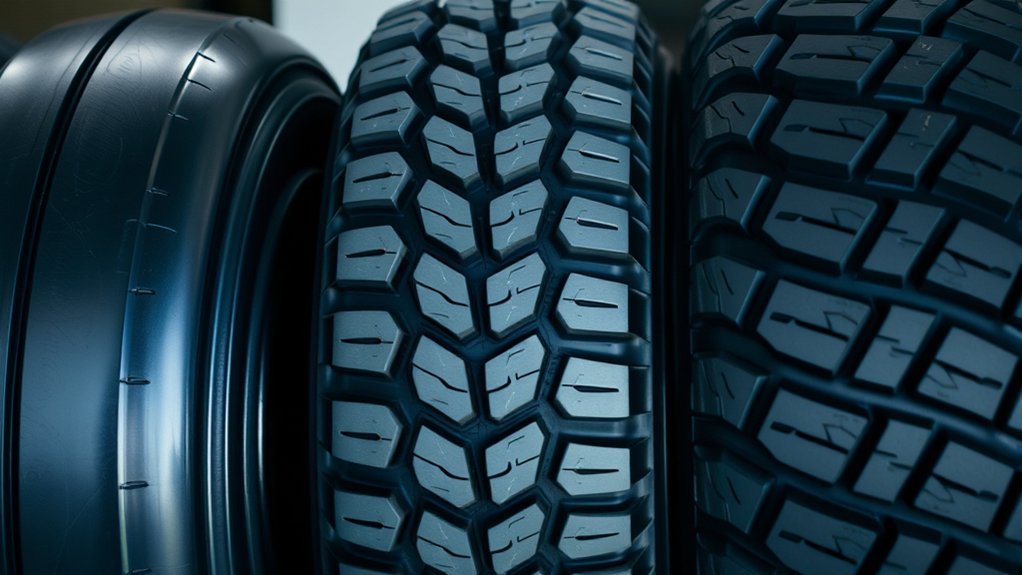
Choosing between tire Load Range C, D, and E comes down to more than picking the “strongest” tire. The right choice depends on your vehicle’s door placard, tire size, load index, axle ratings, wheel rating, towing weight, driving conditions, and how much ride comfort you want to keep.
Quick Answer
Load Range C is usually best for lighter-duty LT or trailer applications, D is a stronger middle option for regular towing or hauling, and E is the heaviest-duty choice among C, D, and E. Always confirm the tire’s load index, sidewall maximum load, wheel rating, and your vehicle’s placard before upgrading.
Key Takeaways
- Load Range C, D, and E are strength categories, but the tire’s load index and sidewall maximum load tell you the actual carrying capacity.
- C, D, and E commonly correspond to 6-ply, 8-ply, and 10-ply ratings, but that does not mean a modern tire literally has that many physical plies.
- A higher load range can improve load capacity and sidewall stiffness, but it may also make the ride firmer and the tire heavier.
- The PSI molded on the tire sidewall is a maximum limit, not automatically the correct daily inflation pressure for your vehicle.
- A higher-rated tire does not increase your truck’s GVWR, GAWR, payload rating, hitch rating, or wheel rating.
At a Glance
| Time Required | 10–20 minutes to check the placard, sidewall, manual, and load needs |
| Difficulty | Easy for basic comparison; moderate if you tow, haul, or change tire size |
| Tools Needed | Owner’s manual, tire placard, tire sidewall markings, tire gauge, and trailer/vehicle weight information |
| Cost | $0 to check; tire replacement cost varies by size, brand, and load range |
What Is a Tire Load Range and Why It Matters

A tire’s load range is a letter code that helps describe how much load a tire is designed to carry at a specified inflation pressure. In federal tire terminology, a tire’s load rating is the maximum load the tire is rated to carry for a given inflation pressure, and the maximum load rating is tied to the tire’s maximum permissible cold inflation pressure.
For everyday tire shopping, do not rely on the load range letter alone. Also check the load index, sidewall maximum load, tire size, speed rating, wheel rating, and the vehicle manufacturer’s recommended tire information placard. The load index gives a more precise capacity for a specific tire.
Load Range C, D, and E are common on light-truck, trailer, and some specialty tires. In simple terms, C is the lighter-duty option in this group, D is the middle option, and E is the strongest of the three. However, the correct tire is the one that meets or exceeds the vehicle’s original equipment requirements and matches how you actually use the vehicle.
Warning: The maximum PSI molded on a tire sidewall is not automatically the correct daily pressure for your vehicle. Use the cold inflation pressure on the vehicle tire placard or owner’s manual unless a tire professional or approved load/inflation table says otherwise.
[Products Worth Considering]

EVOULTES heavy duty tire inflator with an integrated gauge delivers accurate pressure readings from 10–120 PSI, helping you inflate, deflate, and check tires in one tool. The 16.5-inch extended dual-head air chuck with swivel base reaches hard-to-access dual wheel valves on trucks and RVs. A brass trigger core and side-mounted air release valve make operation smooth, with standard 1/4" NPT threading and quick-connect compatibility for easy setup.
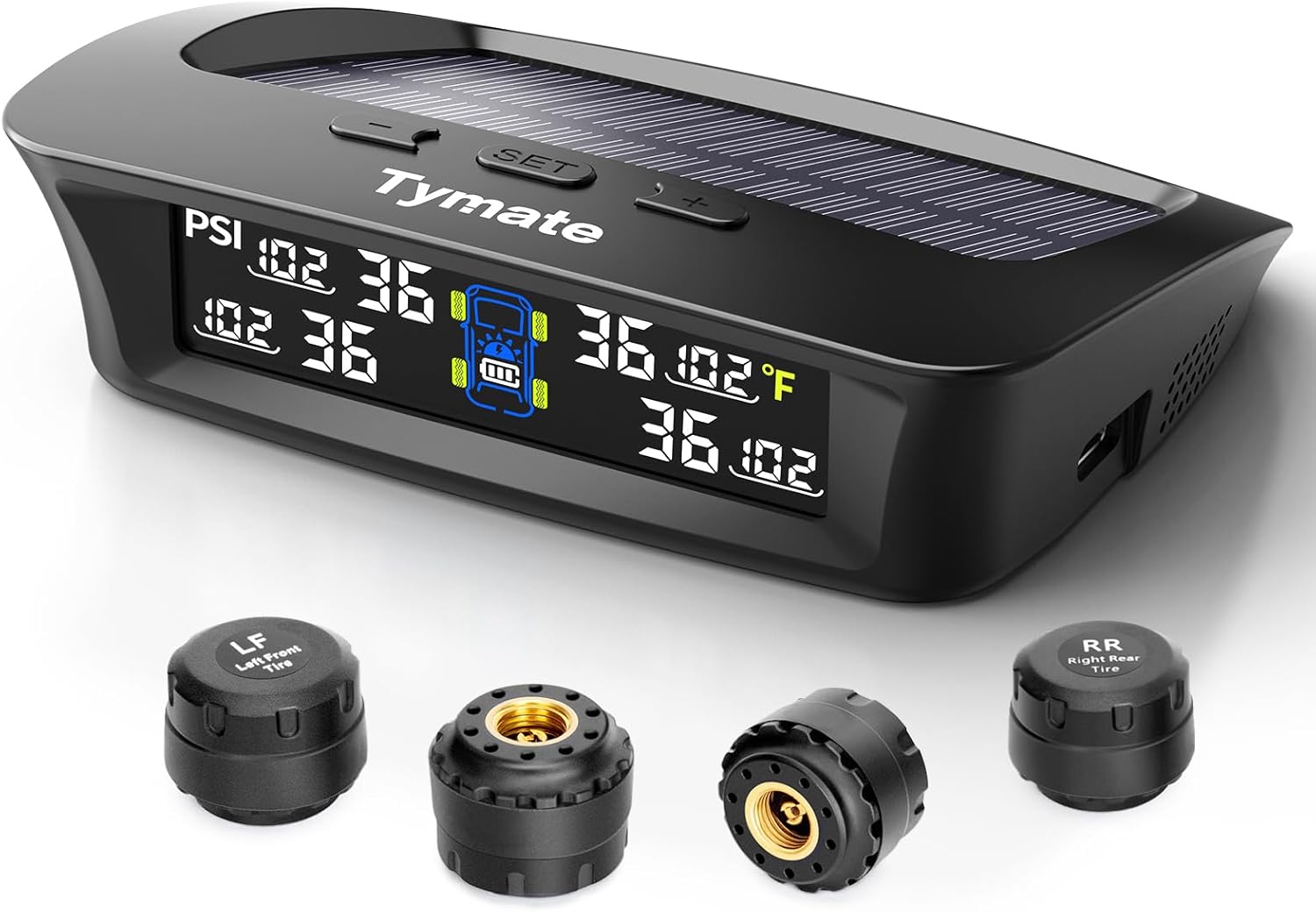
The Tymate TM3 RV TPMS delivers real-time tire pressure monitoring from 0 to 144 PSI with accurate readings and dependable wireless communication. It includes four external sensors with pre-pairing, six alarm modes for rapid leak, pressure extremes, temperature, and signal loss, plus an easy-reference setup for alert thresholds. Solar and USB-C charging help keep the display powered, while the color LCD and adaptive backlight improve visibility for safer driving and towing.

Keep RV, trailer, or truck dual-axle tires protected with waterproof, UV-resistant covers that help guard against sunlight, snow, rust, and dirt. The dual tire covers are easy to install with a rope/bungee fastener for a stable fit that won’t easily slip. Designed for 27–30 inch diameter wheels, they help maintain tire condition through harsh weather.
Load Range C vs D vs E Comparison Chart
| Load Range | Common Ply Rating Equivalent | Best Fit | Main Tradeoff |
|---|---|---|---|
| C | 6-ply rating | Lighter LT or trailer use, daily driving, lighter loads | Usually less load capacity than D or E |
| D | 8-ply rating | Moderate towing, hauling, mixed highway and rough-road use | Firmer ride than many C-rated tires |
| E | 10-ply rating | Heavy towing, heavy payloads, HD pickups, demanding LT use | Can feel harsher, weigh more, and cost more |
The C/D/E ply-rating relationship is a rating system, not a literal count of internal tire layers. Modern tire construction uses different materials and designs, so a 10-ply-rated Load Range E tire does not necessarily contain ten physical cord plies.
Comparative Analysis of Load Range C, D, and E: Strengths and Weaknesses
When choosing between Load Range C, D, and E tires, compare load capacity, ride quality, sidewall stiffness, tire weight, and your real use case. The best tire is not always the highest load range; it is the tire that safely supports the load without making the vehicle unnecessarily harsh or mismatched.
Strength and Durability Comparison
Load Range C tires usually provide the lightest-duty option among C, D, and E. They can work well for lighter trucks, SUVs, trailers, and everyday driving when the load index and sidewall maximum load meet the vehicle’s needs.
Load Range D tires step up to an 8-ply rating equivalent. They are often a good middle ground for drivers who tow or haul sometimes but do not need the extra stiffness and weight of an E-rated tire.
Load Range E tires use a 10-ply rating equivalent and are common on heavy-duty pickup trucks, work trucks, and heavier towing setups. They can provide higher load capacity in the same size when the tire’s specifications support it, but they do not raise the vehicle’s payload, axle, hitch, or wheel limits.
A higher load range can help the tire carry more load, but it cannot make the truck, axle, hitch, or wheel legally or mechanically stronger.
Ride Comfort Differences
Ride comfort changes because higher load range tires often have stiffer sidewalls and stronger construction. That stiffness can improve stability under load, but it may also transmit more bumps into the cabin when the vehicle is empty.
| Load Range | Typical Ride Feel | Use Case |
|---|---|---|
| C | Most compliant of the three | Daily driving and lighter loads |
| D | Balanced | Mixed driving, moderate towing, hauling |
| E | Firmest of the three | Heavy towing, work use, heavier LT applications |
Off-Road Performance Insights
Load range can affect off-road durability, but it is not the only factor. Tread design, sidewall construction, rubber compound, wheel size, tire size, and air pressure all matter. A Load Range E all-terrain may resist damage better under a heavy truck, but it can also ride stiffly on a lighter vehicle.
- Load Range C: Often lighter and more flexible, which can feel better on lighter vehicles when capacity is sufficient.
- Load Range D: A useful middle ground for mixed road, trail, and towing use.
- Load Range E: Better suited for heavier vehicles, heavier loads, and demanding work or trail conditions.
- Inflation pressure: Off-road pressure changes should be made carefully and restored before highway driving.
Pro Tip: If you drive empty most of the week and tow only occasionally, compare the load index and ride reviews before jumping straight to Load Range E. Load Range D may provide enough capacity with a more comfortable ride.
Load Range vs Load Index: The Most Important Distinction
Load range and load index are related, but they are not the same thing. Load range is a letter category, while load index is a numerical code that corresponds to the maximum weight one tire can support when properly inflated.
For example, two tires may both be Load Range E but have different load indexes because they are different sizes or designs. The load index and sidewall maximum load are what you should use when confirming whether a tire can safely carry the vehicle’s weight.
When replacing tires, match or exceed the vehicle manufacturer’s original size, load rating, and speed rating unless the replacement has been verified by a qualified tire professional. A tire with a higher load rating may be allowed, but it does not increase the vehicle manufacturer’s maximum allowable load.
How to Read Load Range on a Tire Sidewall
Load range is usually molded into the tire sidewall. On many LT tires, you may see a size and service description similar to this:
Example: LT265/70R17 Load Range E 121/118R
- LT: Light truck tire category.
- 265/70R17: Tire size.
- Load Range E: The tire’s load range category.
- 121/118: Load index values, often showing single/dual application ratings on LT tires.
- R: Speed rating.
Near the wheel side of the tire, you will also find the tire’s maximum load and maximum cold inflation pressure. According to Bridgestone’s tire-sidewall guidance, this maximum cold inflation pressure can differ from the pressure recommended by the vehicle manufacturer.
How to Choose the Right Tire Load Range for Your Vehicle
To choose the right tire load range, start with the vehicle’s requirements before comparing C, D, and E. The safest choice is the tire that meets the original equipment specifications and supports your actual load without exceeding the tire, wheel, axle, or vehicle limits.
Step 1: Check the Vehicle Placard and Owner Manual
Start with the tire and loading information placard, usually located on the driver-side door jamb. It lists the original tire size and recommended cold inflation pressure. NHTSA explains that the correct pressure is the vehicle manufacturer’s recommended cold inflation pressure, not the maximum pressure on the tire sidewall.
Step 2: Confirm Load Index and Sidewall Maximum Load
Once you know the correct tire size, compare the tire’s load index and maximum load rating. The replacement tire should meet or exceed the vehicle manufacturer’s specified load rating. If you are changing tire size, use approved load/inflation tables or ask a tire professional to confirm the correct pressure and capacity.
Step 3: Consider Driving Conditions
If you mostly drive unloaded on pavement, Load Range C or D may be enough, depending on the vehicle. If you tow, haul heavy cargo, drive a heavy-duty pickup, or run demanding jobsite or off-road conditions, Load Range D or E may be more appropriate.
Step 4: Calculate Real Load Requirements
For towing and hauling, look beyond curb weight. Include passengers, tools, cargo, trailer tongue weight, and any accessories such as camper shells, racks, winches, auxiliary tanks, or service bodies. Check GVWR, GAWR, payload rating, hitch rating, and wheel rating.
- GVWR: Maximum loaded vehicle weight.
- GAWR: Maximum allowed weight on each axle.
- Payload: Passengers, cargo, accessories, and trailer tongue weight added to the vehicle.
- Wheel rating: Maximum load and pressure the wheel can safely handle.
Note: If you install tires with a higher load range than stock, the vehicle’s factory payload rating does not increase. The vehicle is still limited by the manufacturer’s axle, frame, suspension, brake, wheel, and hitch ratings.
How Load Range Impacts Ride Quality
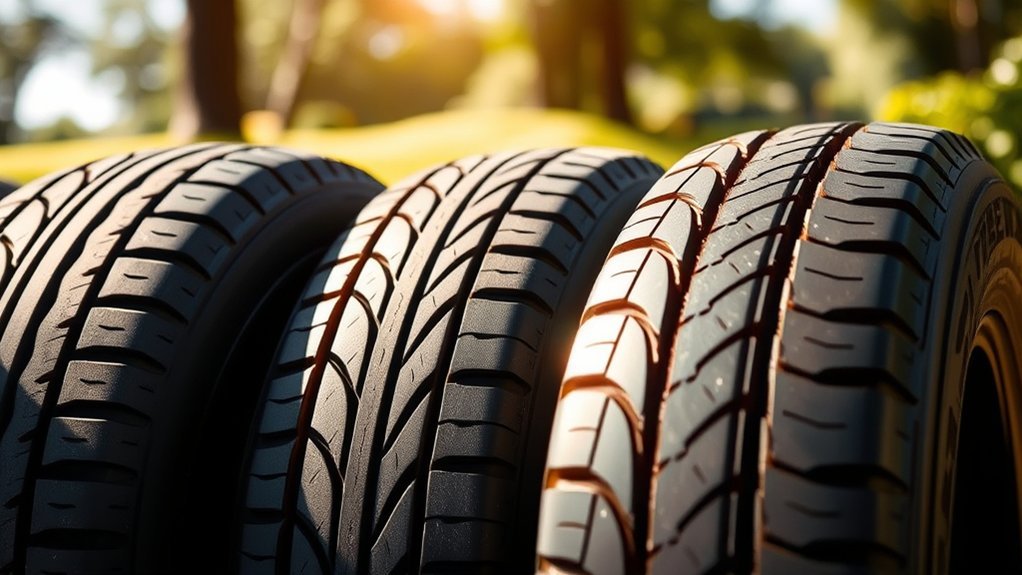
Load range can affect ride quality because higher-rated tires often have stronger, stiffer construction. That stiffness can improve stability when loaded, but it can also reduce comfort when the vehicle is empty.
Load Range C tires usually feel more forgiving, which can be helpful for daily driving and lighter vehicles. Load Range D tires often provide a balance between comfort and load support. Load Range E tires usually feel the firmest of the three, especially on unloaded trucks or SUVs.
Inflation pressure also changes ride feel. Underinflation can cause heat buildup and tire damage, while overinflation for the actual load can reduce comfort and traction. Always use the vehicle placard, tire manufacturer data, or approved load/inflation tables when setting pressure.
The Role of Ply Ratings in Tire Selection
Ply rating is an older strength-rating concept that remains useful for comparing load ranges. Toyo’s tire data explains that ply rating identifies a tire’s maximum recommended load in a specific service and does not necessarily represent the number of cord plies inside the tire.
- Load Range C: Commonly a 6-ply rating equivalent.
- Load Range D: Commonly an 8-ply rating equivalent.
- Load Range E: Commonly a 10-ply rating equivalent.
- Modern construction: Materials, belts, sidewall design, and tire size all affect real-world strength.
Use ply rating as a quick comparison tool, not as the final decision. The load index, sidewall maximum load, and manufacturer fitment requirements matter more.
[Products Worth Considering]
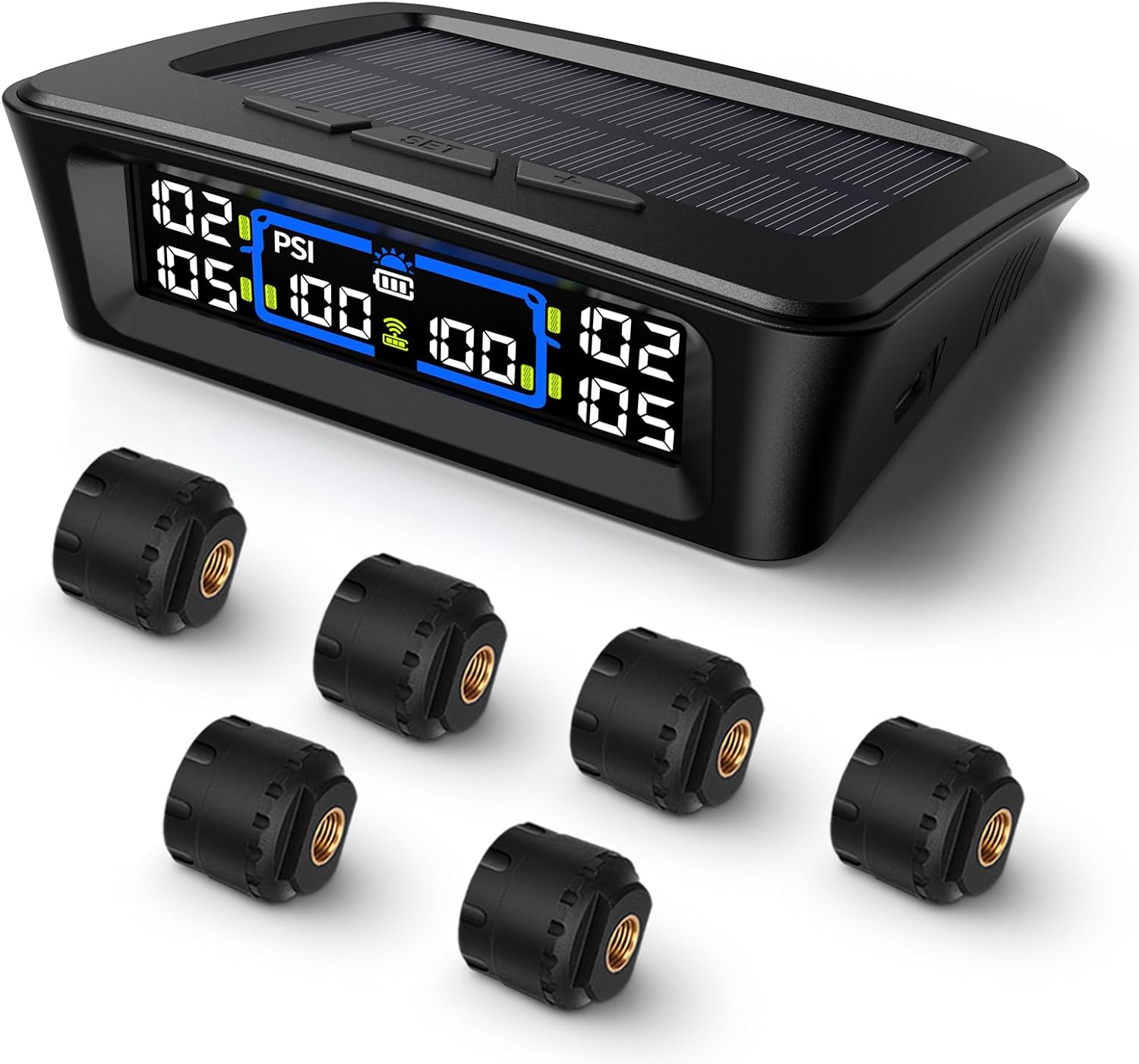
The Tymate TM12 RV TPMS delivers real-time tire pressure and temperature monitoring with a stable 433Hz display for safer long-distance driving. It supports simultaneous monitoring across vehicle and trailer zones, includes six alarm modes for pressure, temperature, leakage, battery, and signal loss, and features easy DIY installation with auto calibration. Power is supplied via USB-C charging or solar recharging, with a wide 0–144 PSI range and up to 50 ft signal coverage for RVs and towable trailers.
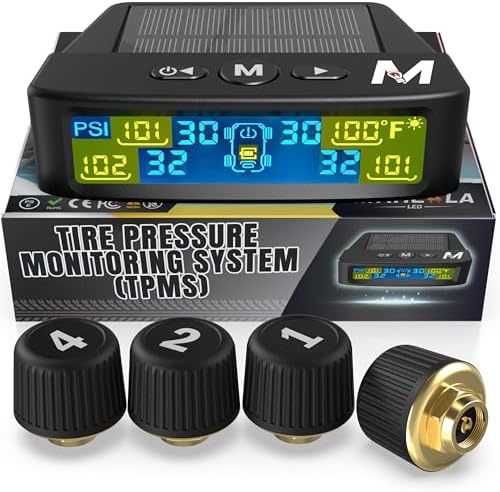
Marcala’s TPMS set of four sensors helps you monitor tire pressure and temperature in real time while driving, with updates every second. The bright color LCD uses auto-dimming for easy viewing, powered by dual solar and USB charging, and offers six alarm modes. Built for trailers, RVs, campers, trucks, and towing setups, the sensors support monitoring 1-4 wheels up to 98 PSI with IP67 waterproof protection.
Decoding Tire Markings: Understanding Load Range Information
When you read a tire sidewall, look for the tire size, service description, load index, speed rating, maximum load, maximum cold inflation pressure, DOT tire identification number, and load range. These markings help you confirm whether the tire matches your vehicle and use case.
Goodyear defines load range as an alphabetic code that designates, for a specific tire size, the maximum load a tire can carry at a defined inflation pressure. That “for a specific tire size” part is important: a Load Range E tire in one size can have a different actual load capacity than a Load Range E tire in another size.
Some tires may also use designations such as C1, C2, D1, D2, E1, or E2, depending on tire type and sizing. These can indicate different maximum load-carrying air pressures within the same general ply-rating category. Always read the actual sidewall and manufacturer data instead of assuming one universal PSI for every C, D, or E tire.
Common Misconceptions About Tire Load Ranges
- Misconception: Load Range E is always best. Reality: It is best only when your vehicle, load, wheel, and driving conditions justify it.
- Misconception: A higher load range increases payload. Reality: It does not change the vehicle’s GVWR, GAWR, suspension rating, brake rating, or hitch rating.
- Misconception: Ply rating means actual ply count. Reality: Modern ply ratings are strength equivalents, not literal layer counts.
- Misconception: Sidewall max PSI is the correct daily PSI. Reality: The correct pressure is normally the vehicle placard pressure for OE fitments.
- Misconception: Load range alone tells the whole story. Reality: Load index, tire size, tread design, speed rating, and manufacturer specs also matter.
Maintenance Tips for Tires Based on Load Range
Good tire maintenance is especially important when towing or hauling. Higher load range tires are built for heavier service, but they still fail if they are overloaded, underinflated, damaged, or used on the wrong wheel.
- Check pressure cold: Measure tire pressure before driving or after the tires have been parked long enough to cool.
- Use the right pressure source: For original tire sizes, use the vehicle placard or owner’s manual. For alternate sizes, use approved load/inflation tables or professional guidance.
- Inspect tread and sidewalls: Look for cuts, bulges, cracks, uneven wear, exposed cords, punctures, and embedded objects.
- Rotate regularly: Follow your vehicle or tire manufacturer’s rotation schedule, especially on heavy trucks and towing setups.
- Do not exceed ratings: Stay within tire, wheel, axle, hitch, trailer, and vehicle limits.
- Match tires correctly: Avoid mixing different load ranges, sizes, speed ratings, or construction types unless the vehicle manufacturer specifically allows it.
Special Considerations for Trailers, LT Tires, and Passenger Tires
Load Range C, D, and E can appear in different tire categories, including LT tires and special trailer tires. Do not assume that a letter means the same real-world capacity across every tire type and size.
LT tires are designed for light trucks and multipurpose vehicles. ST trailer tires are designed for trailer service and should not be treated the same as passenger or LT tires. Passenger tires often use standard load, extra load, or reinforced markings instead of C, D, and E load range letters.
If you are replacing trailer tires, match the trailer manufacturer’s tire size, load range, speed rating, and inflation requirements. If you are replacing truck tires, match or exceed the vehicle manufacturer’s required size and load rating.
When to Upgrade From Load Range C to D or E
Upgrading can make sense when your current tires do not provide enough load capacity for your verified use, or when the vehicle manufacturer lists a higher load rating for your configuration. It can also help if you tow regularly and need better loaded stability.
However, upgrading is not automatically better. A higher load range can add weight, cost, and stiffness. It can also reduce ride comfort on an unloaded vehicle. Before upgrading, confirm that the wheel can handle the tire’s load and pressure, the tire size fits correctly, and the new tire meets or exceeds all factory specifications.
Frequently Asked Questions
Is Load Range C 10 ply?
No. Load Range C commonly corresponds to a 6-ply rating. Load Range D commonly corresponds to an 8-ply rating, and Load Range E commonly corresponds to a 10-ply rating. These are strength-rating equivalents, not necessarily the actual number of physical plies in the tire.
Is Load Range D higher than E?
No. Load Range E is higher than Load Range D. In common LT tire ratings, D is an 8-ply rating equivalent and E is a 10-ply rating equivalent. The E-rated tire may carry more load in the same size, but you still need to check the actual load index and sidewall maximum load.
Does Load Range E mean 80 PSI?
Many common LT Load Range E tires are associated with higher maximum pressures than C or D tires, but you should never assume one PSI for every tire. Read the tire sidewall and manufacturer specifications. Also remember that sidewall maximum PSI is not automatically the correct daily pressure for your vehicle.
Can I replace Load Range C tires with Load Range E tires?
Sometimes, but only if the tire size, load index, speed rating, wheel pressure rating, clearance, and vehicle requirements are compatible. A Load Range E tire may ride firmer and weigh more. It also will not increase your vehicle’s GVWR, GAWR, payload rating, or towing rating.
Which load range is best for towing?
The best load range for towing is the one that meets or exceeds the required load index and maximum load for your vehicle, trailer tongue weight, cargo, passengers, and axle loads. Many towing setups use D or E, but the correct answer depends on tire size, vehicle ratings, trailer weight, and wheel rating.
Can I mix Load Range C, D, and E tires?
Mixing load ranges is usually not recommended unless the vehicle manufacturer specifically allows it. Different load ranges can have different stiffness, pressure needs, handling feel, and load capacity. For predictable handling and braking, use a matched set that meets the vehicle’s required specifications.
Conclusion
Load Range C, D, and E tires each have a place. C is often the comfort-friendly lighter-duty choice, D is a strong middle option, and E is the heavy-duty choice among the three. The safest decision is not simply choosing the highest letter; it is matching the tire’s size, load index, speed rating, sidewall maximum load, pressure requirements, and wheel rating to your vehicle and real-world load.
Before buying, check the vehicle placard, owner’s manual, tire sidewall, and your towing or payload numbers. If you are changing tire size, load range, or inflation pressure strategy, use approved load/inflation tables or ask a qualified tire professional.
Sources
- NHTSA TireWise — tire pressure, vehicle placard guidance, tire safety, and blowout prevention basics
- 49 CFR § 571.139 — federal definitions for tire load rating and maximum permissible inflation pressure
- Michelin Tire Load Rating & Speed Rating — load index meaning and replacement tire load-rating guidance
- Bridgestone Tire Specs and Sidewall Markings — sidewall maximum load and cold inflation pressure explanation
- Toyo Tires Load & Inflation Tables — load/inflation table use for optional tire sizes and safety guidance
- Goodyear Tire Definitions — load range definition and tire sidewall terminology

Related Articles

When to Switch From All-Season to Winter Tires on a 4Runner
Ineffective all-season tires in cold weather can jeopardize your safety—discover when to make the crucial switch for better traction and handling.
Read More
4Runner Tire Mileage: How Many Miles Should They Last
Curious about how long your 4Runner tires should last? Discover essential tips and factors that influence tire longevity.
Read More
How Long Do Toyota 4Runner Tires Typically Last
How long do Toyota 4Runner tires typically last? Discover the factors that influence tire longevity and essential tips for maintenance.
Read More